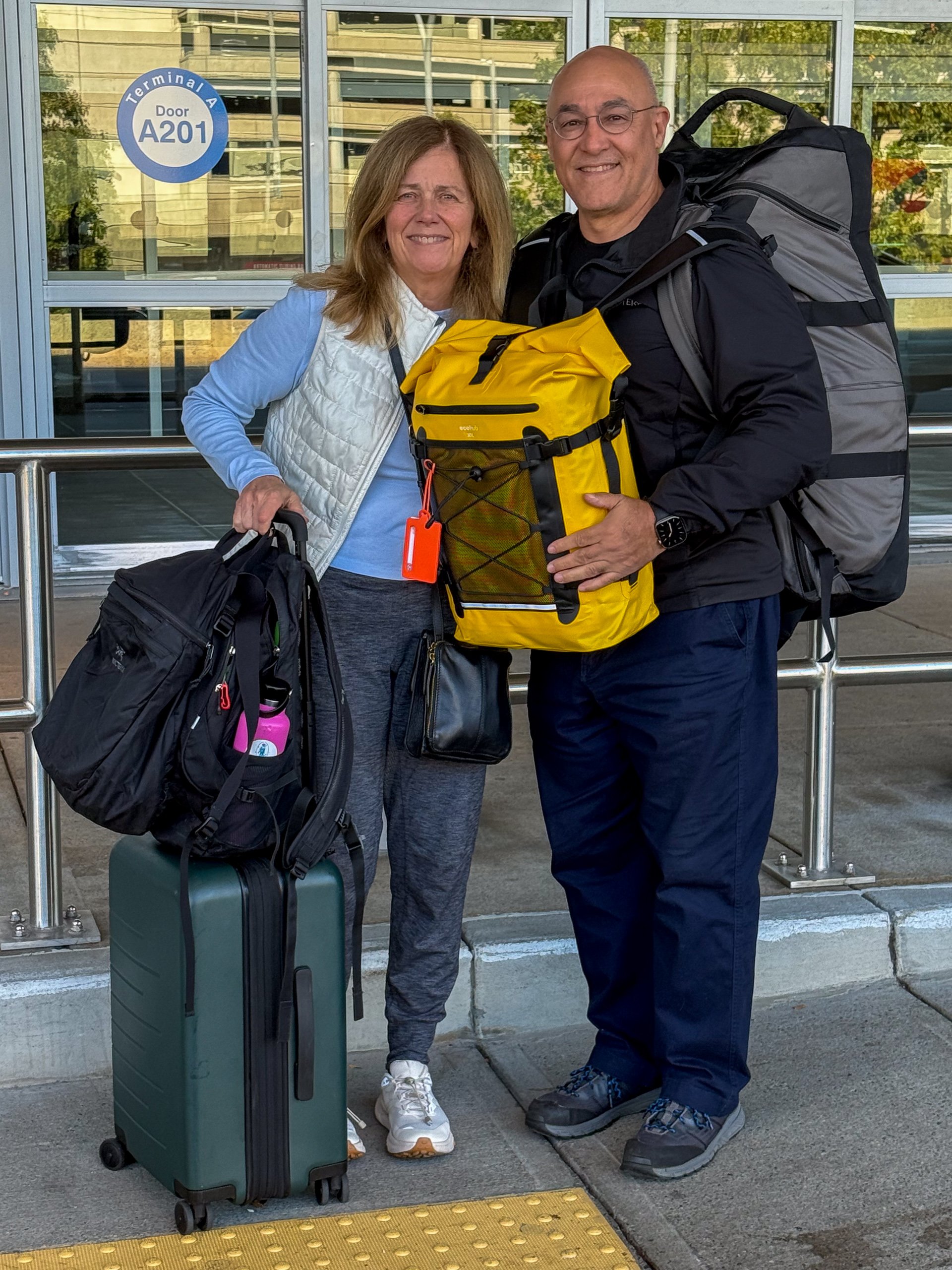
Jeanine and I began our southern hemisphere adventure this afternoon. We flew to Miami, where we rendezvoused with Tom Metzold (my high school wrestling partner and friend) and his wife, Karen Manor, before boarding a flight to Santiago, Chile, where we will make a final connection to Punta Arenas.
Nico dropped us at the airport and took this photo. The yellow backpack on my chest is a new addition to my kit. It is totally waterproof and will protect my cameras from sea spray and rain, conditions we are likely to encounter frequently.
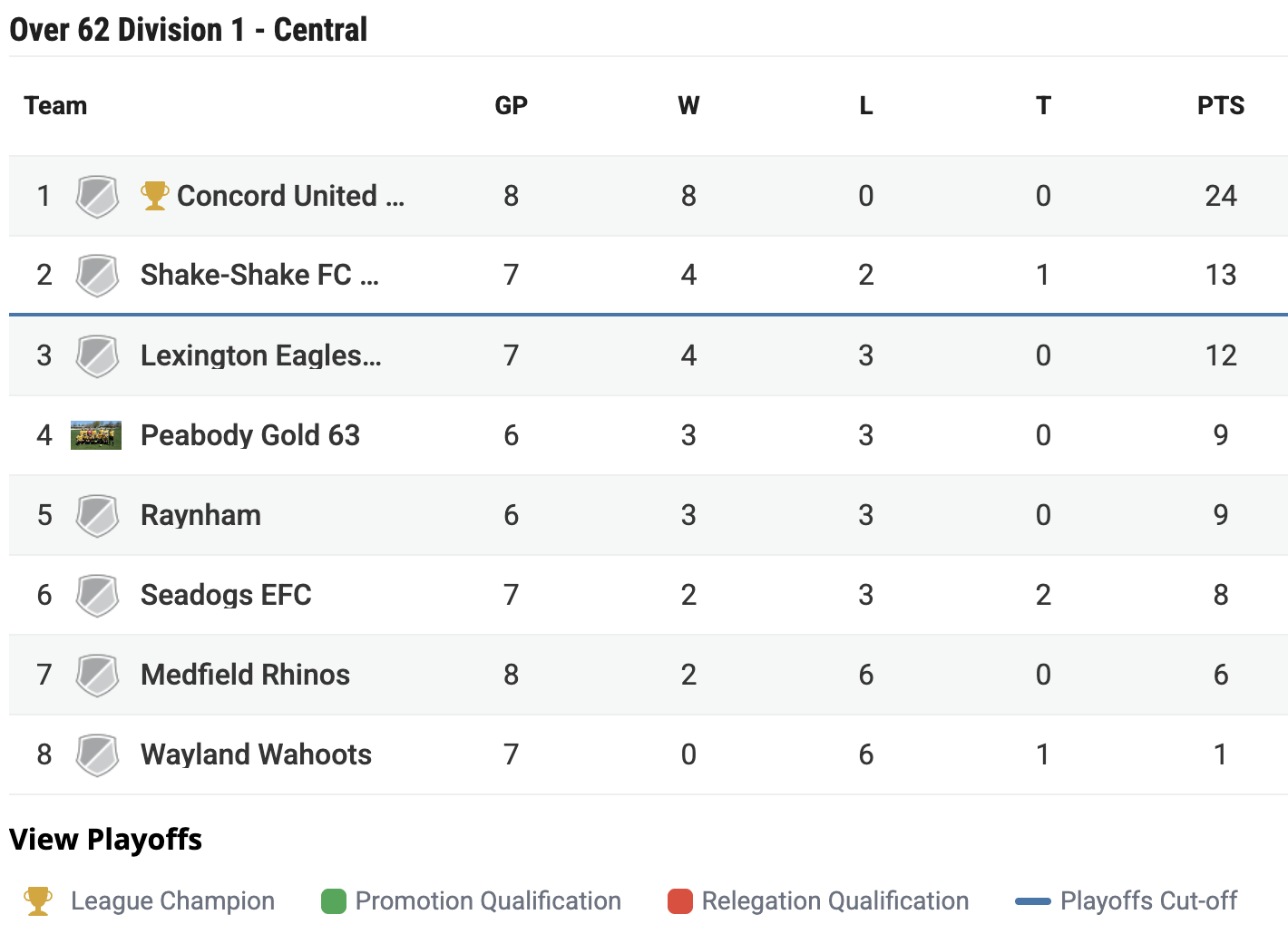
With our 5-1 win over Medfield this morning, my soccer team has secured enough points to win our division, even with two regulation games remaining in the season. Jeanine and I leave for our Antarctica cruise on Monday, which will cause me to miss both of those games, as well as the semi-finals the following week. I will return in time for the finals, should my team make it through.
In our match today, I scored a very pretty goal. To most observers, it appeared as though I deftly dribbled past four defenders to unleash a ground-level rocket that just kissed the inside of the right post. In reality, I made a poor first touch on a pass to me, guiding the ball directly towards a defender. In order to maintain possession, I made a full-tilt sprint to just barely toe-poke it away from him. This set up an equally desperate play to evade the next defender. Repeating this lack of finesse two more times, I found myself at the top of the box with a good line of sight on the right post. The shot itself was really well taken, and I knew it would find the net the moment it left my foot. The thrill of scoring even one goal like this in a season is what keeps me coming back to the sport year after year.
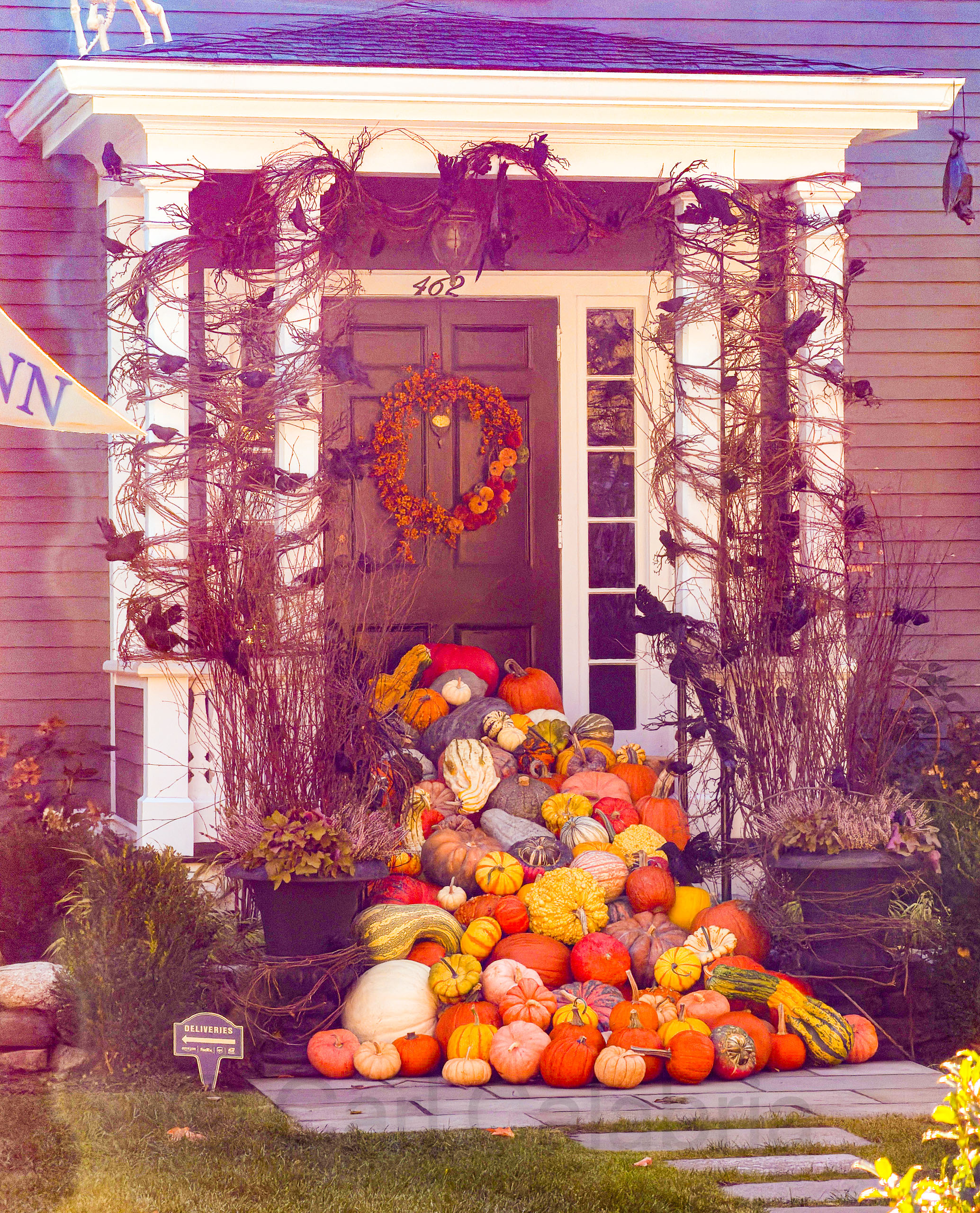
On the drive home after our aprés celebration, I came across a house with a Halloween pumpkin display like none I have ever seen before.
UPDATE: The match report from today’s game features an even better description of my goal than the one above.
Early in the second half Carl makes it 3-0, he runs along the top of the box avoiding the defenders by giving the impression he’s about to fall over, he finally shoots and falls over, the ball ends up inside the posts.
Today, the first American Coot of the season showed up on our stretch of the river. I only had access to my iPhone and took the image above using the longest telephoto setting. Although there is very little detail in the subject, I love the overall feel of this photograph and it may well be one of my favorites of the season.
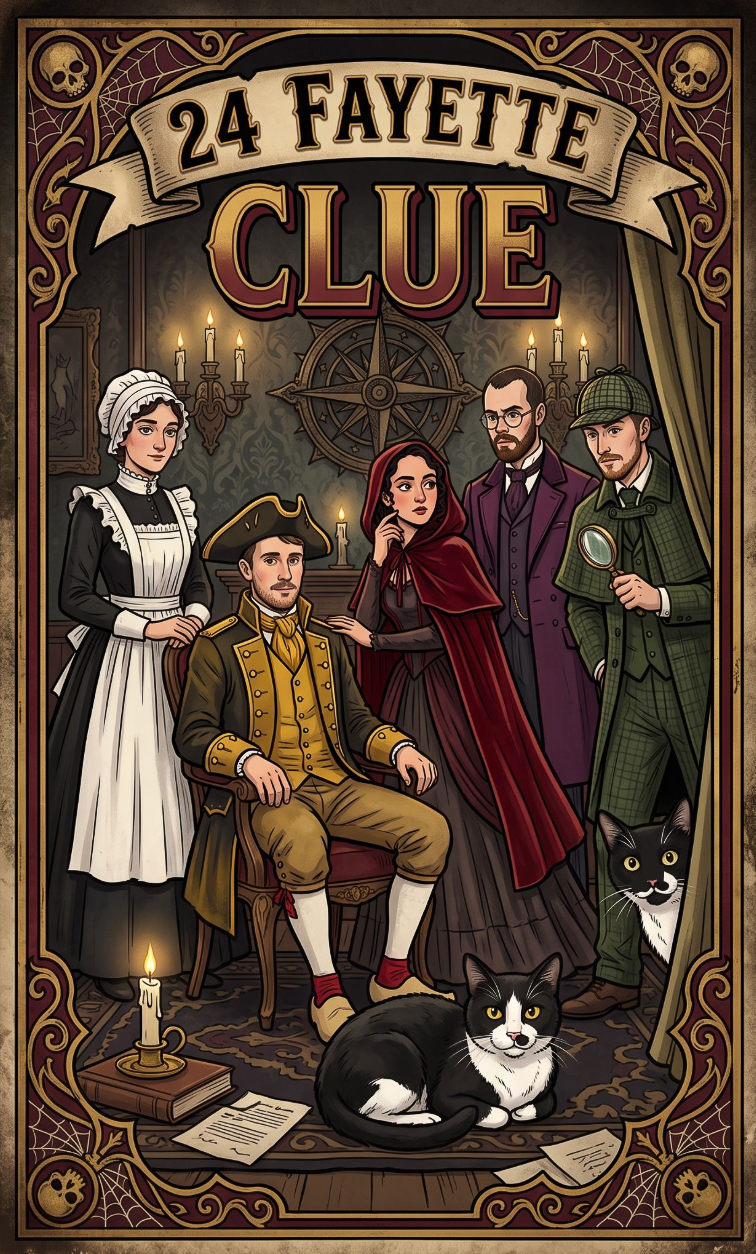
Maya and her flatmates are hosting a Clue-themed party this weekend. She utilized ChatGPT to design the illustration above for the back of the playing cards to be used in the game. It includes, from left to right, Fiona, Ben, Maya, Luke, and Brog (Maya’s name for her boyfriend Brennan), as well as the cats Wally and Kurt. Judging from the card design alone, it looks like it is going to be one hell of a party.
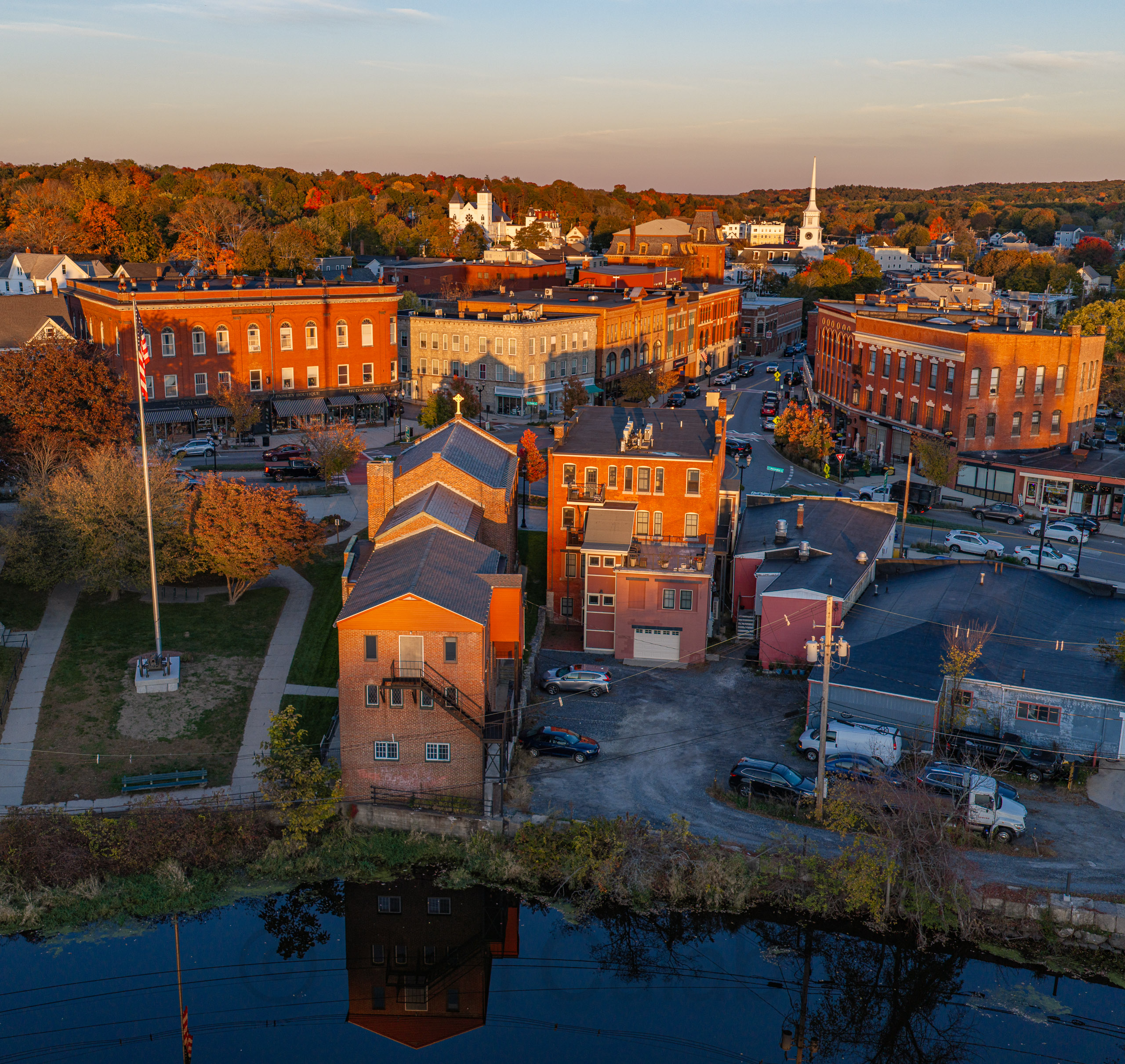
This evening, Jeanine said she was in the mood for pizza and suggested we go out for dinner. I love pizza and can’t remember the last time we had some. Jeanine chose a restaurant in Hudson, MA, about a 30-minute drive from our house based on excellent reviews. We arrived ahead of our reservation time, so I put the drone up for an aerial view of the downtown area just as the sun was setting. When we entered the restaurant, my excitement grew as I noticed the wood-fired oven and the aroma of freshly baked bread. It was not until I studied the menu that I realized Jeanine had pulled a fast one on me. Her definition of pizza seems to extend to flatbread “pizza,” which is completely different in ways that can be appreciated even by non-Italians. I was left with no choice but to order a beet salad while she ordered a steak and onion flatbread, utter sacrilege. Fortunately, the story has a happy ending. My beet salad was delicious, the best salad I have ever had at a restaurant and close to some of Jeanine’s best creations. Suffice it to say, the next time a hankering for pizza surfaces, I will be the one picking the restaurant.
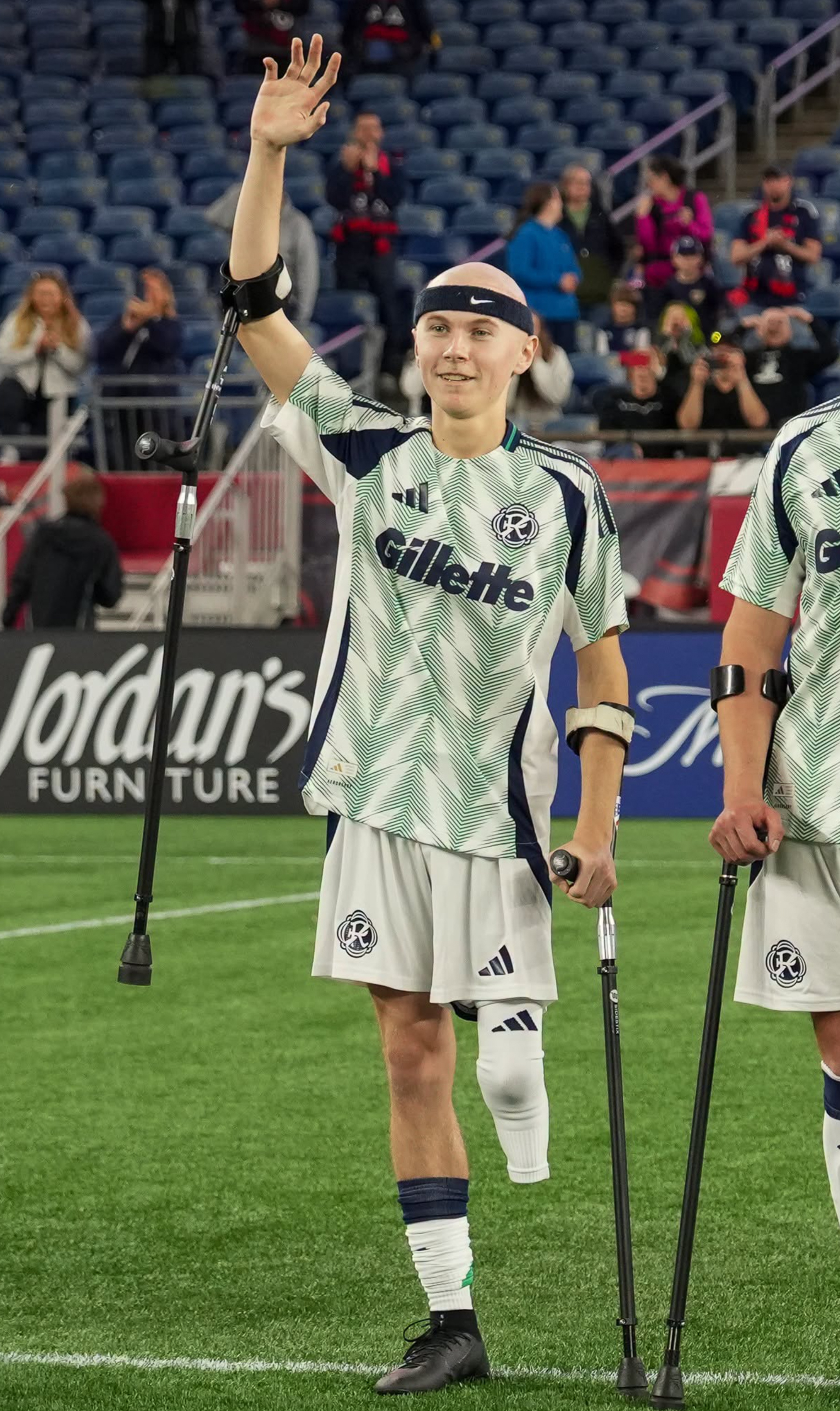
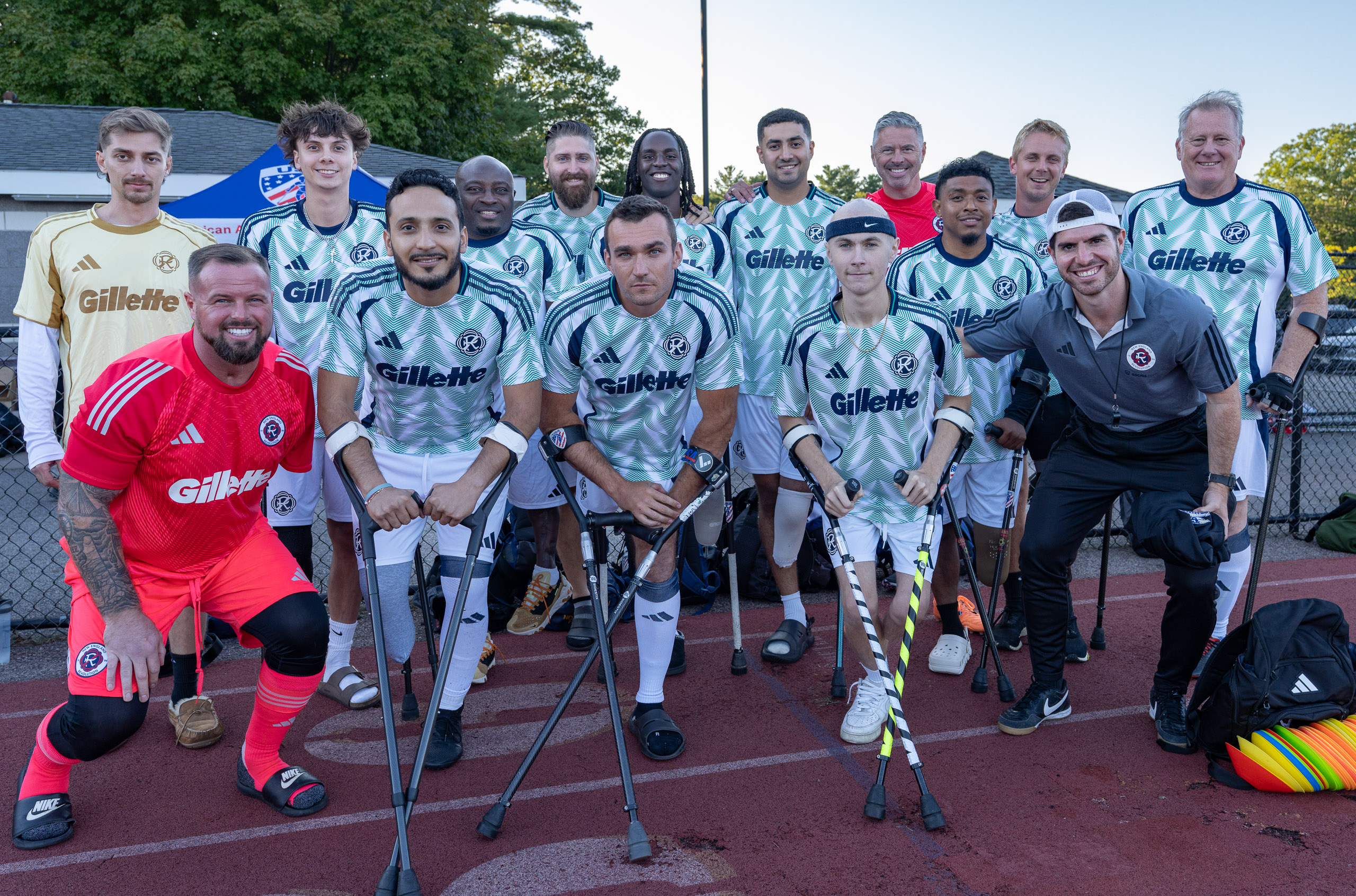
We were saddened to learn that Damon Goga, one of Nicolai’s teammates, passed away yesterday after a nine-year battle with the disease that took his leg. He was loved and admired by all who knew him, and the entire amputee soccer community mourns with his family and friends. He was a fighter to the end, and his memory inspires all of us to live our lives to the fullest and without regrets.
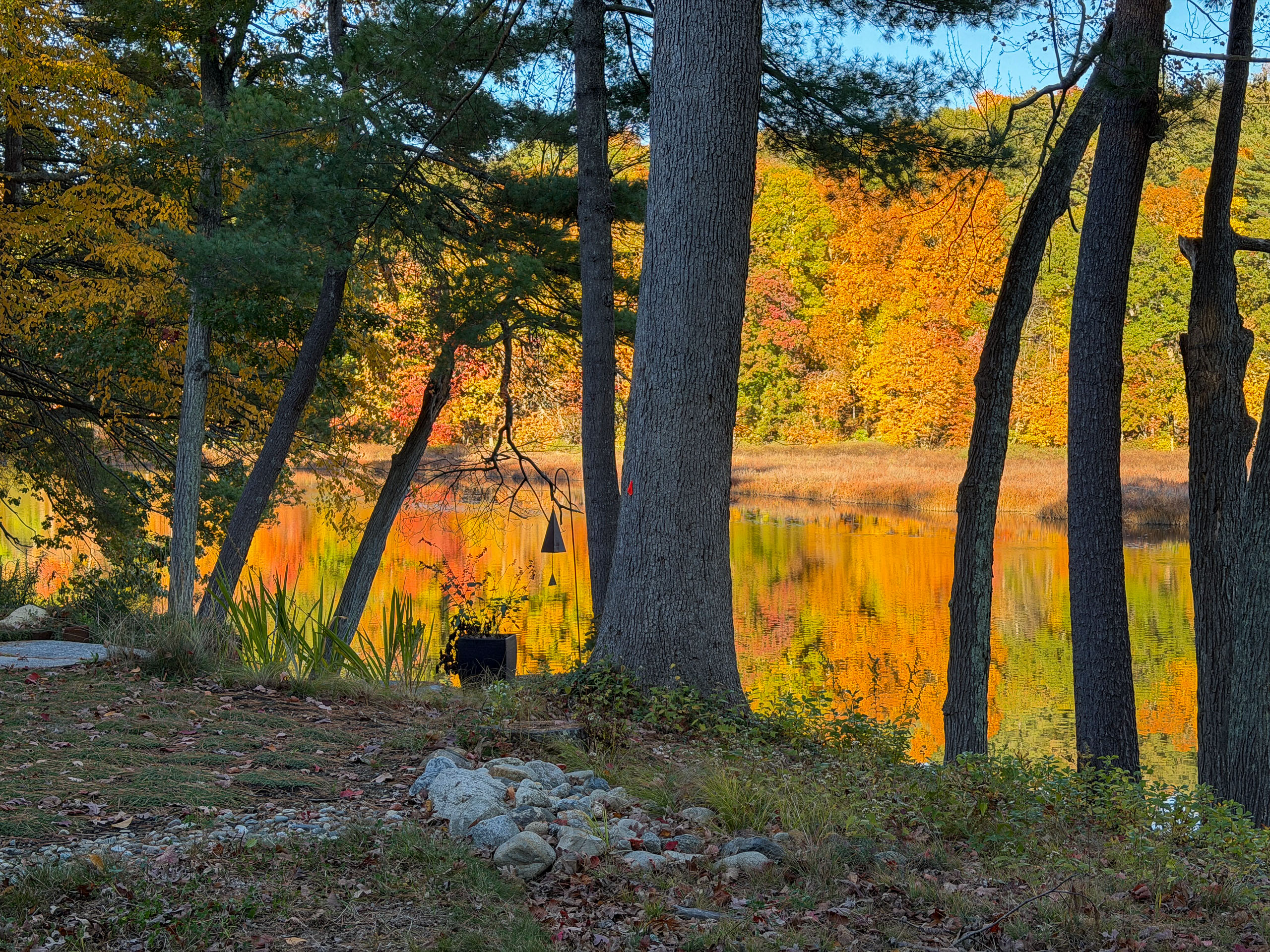
Every evening when the sun sets on the river, we get golden light on the far shore with the near shore in shadow. At this time of year, that contrast is accentuated by the fall foliage and its reflection in the water. I took the photo above with my iPhone, pausing while mowing the lawn to catch the moment rather than running inside for my good camera and possibly losing the light.
Jeanine and I both spent time today packing for our upcoming trip to Antarctica. If I am able to post from our ship while at sea, you will see a completely different color palette this time next week.
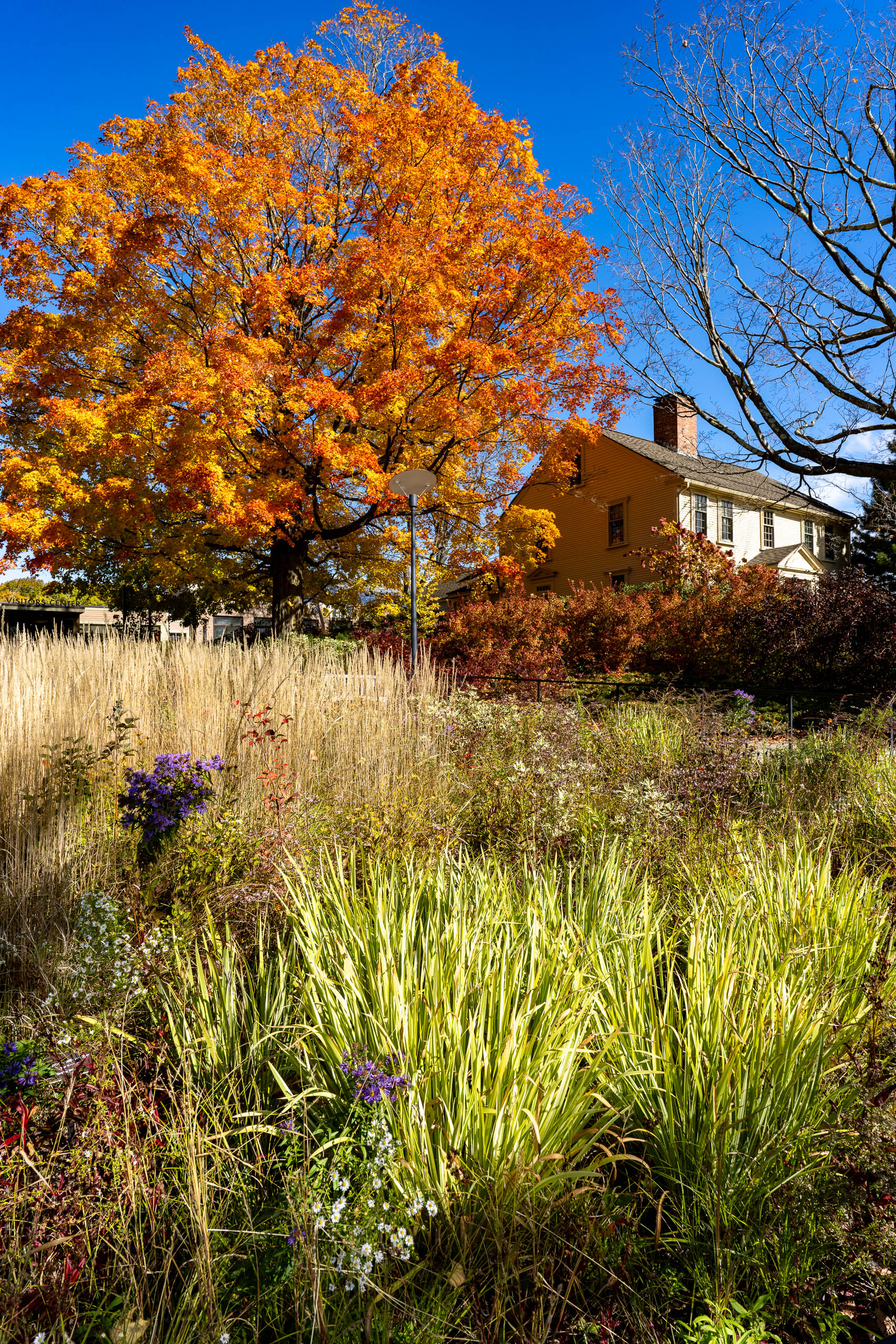
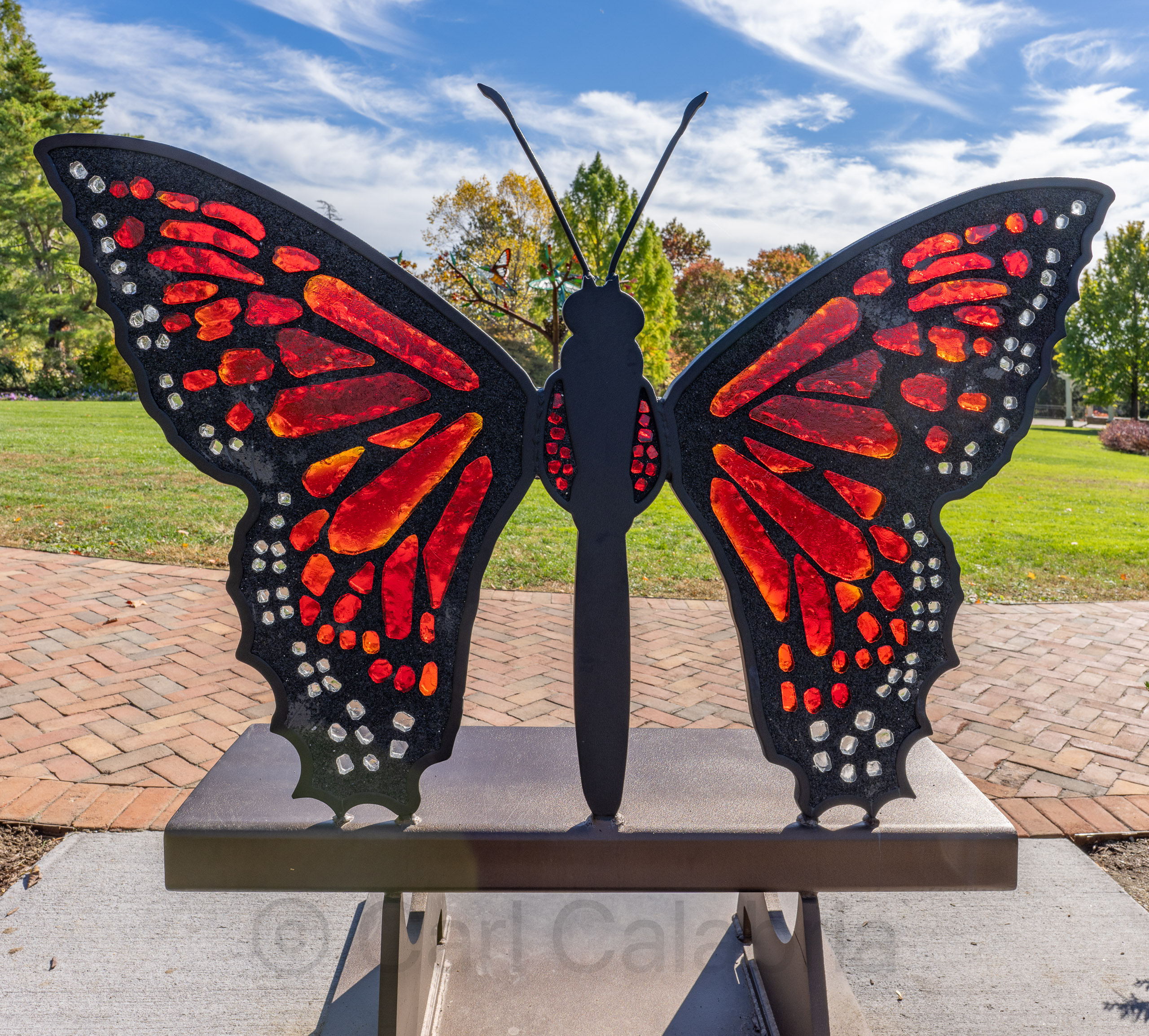
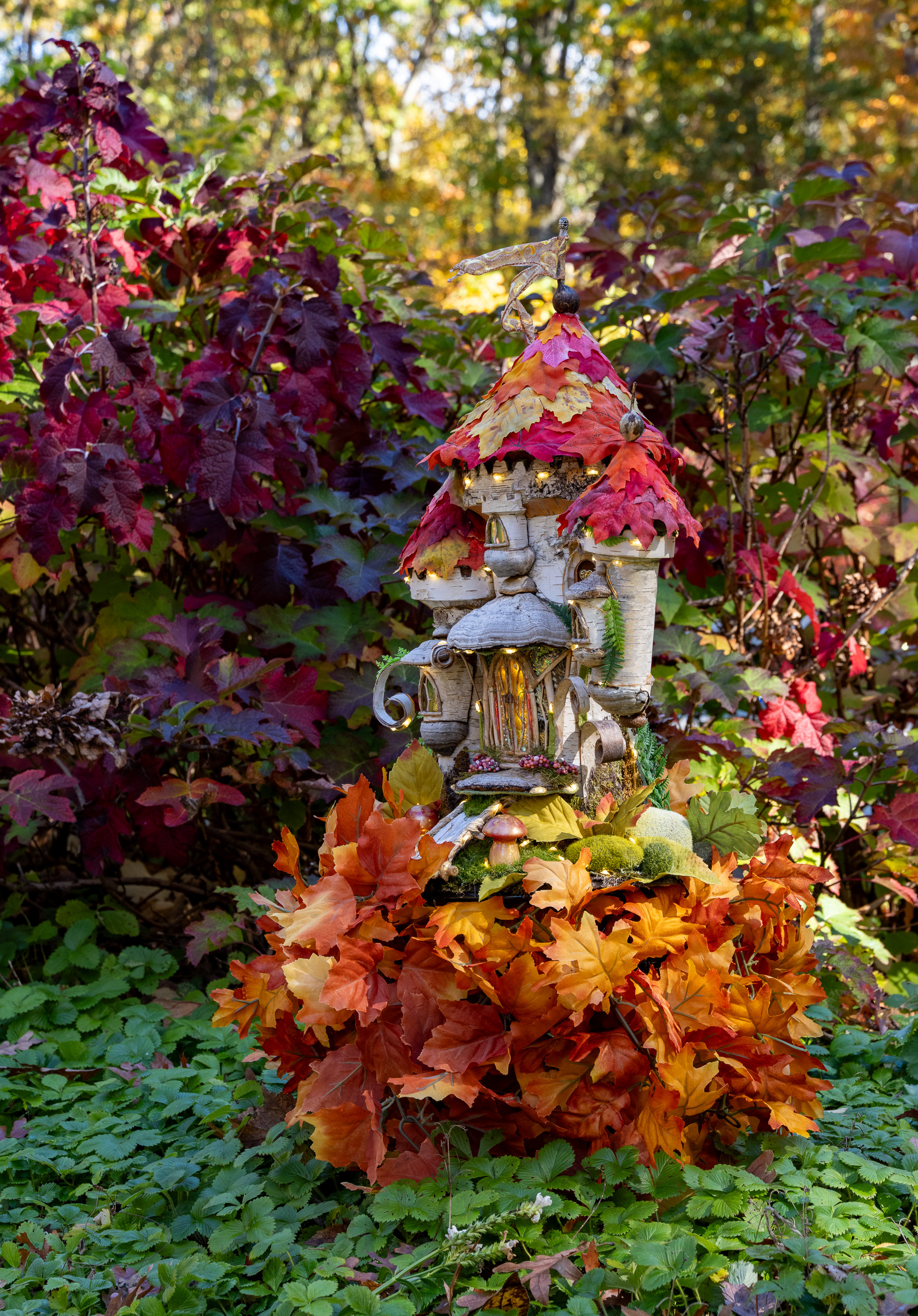
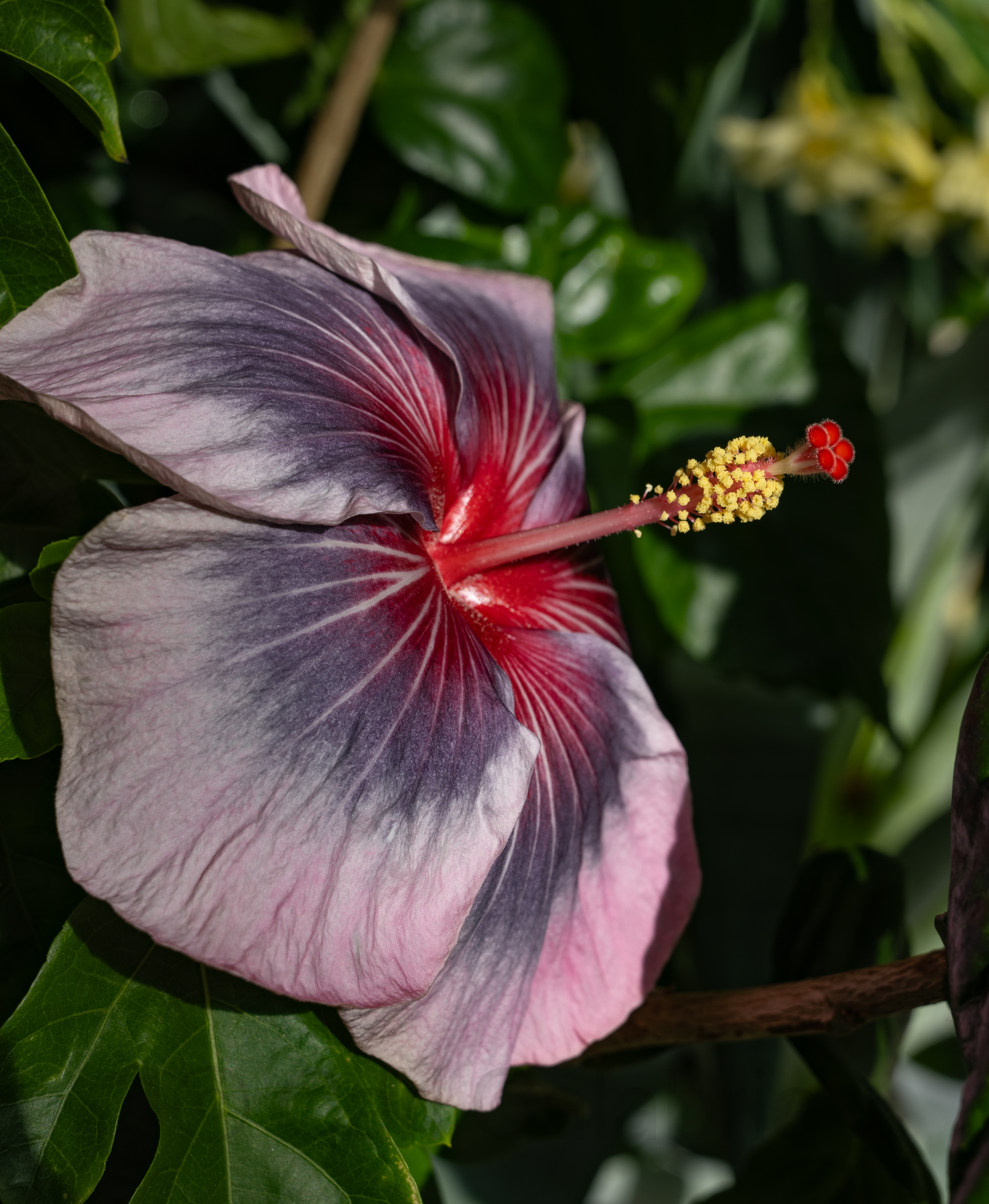
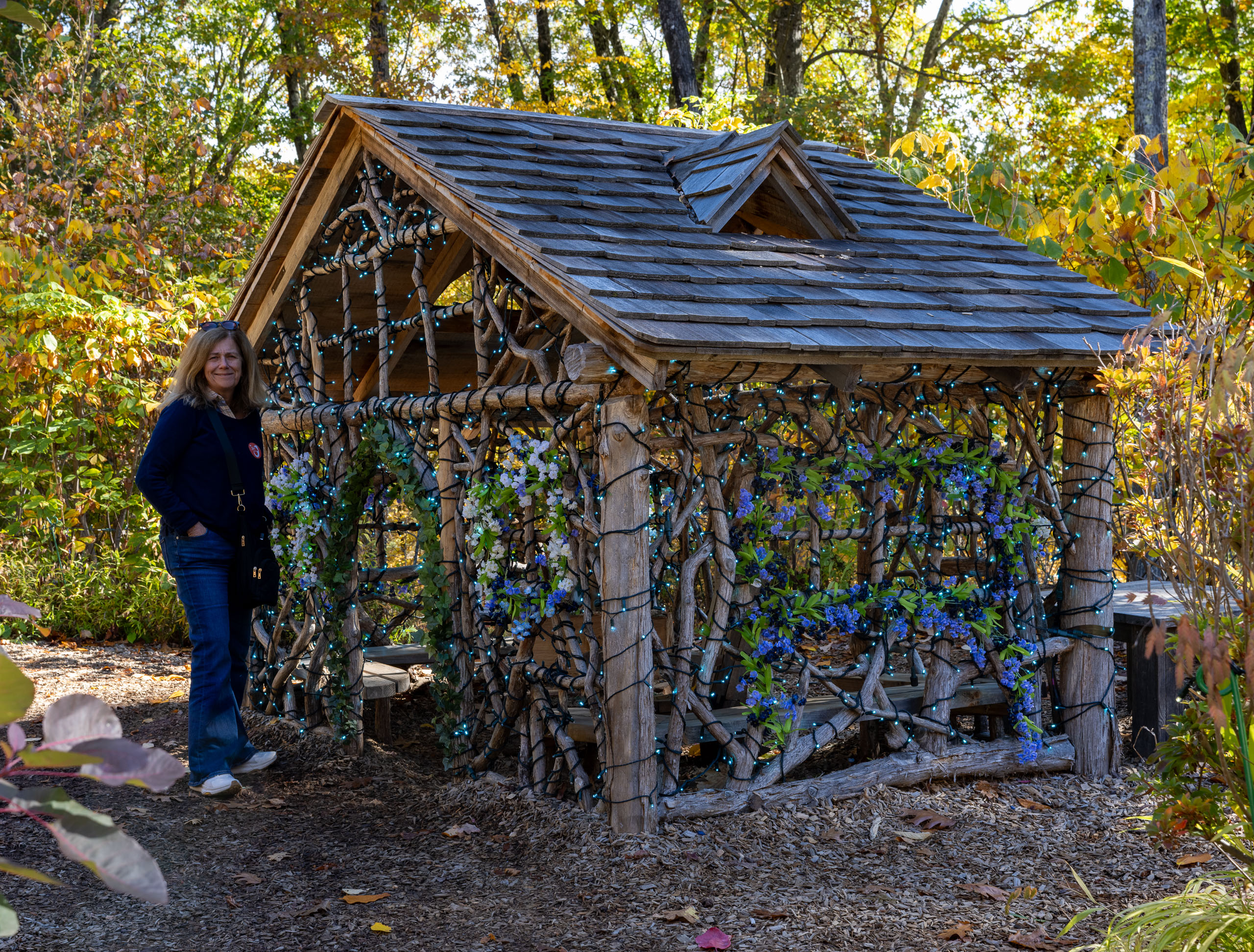
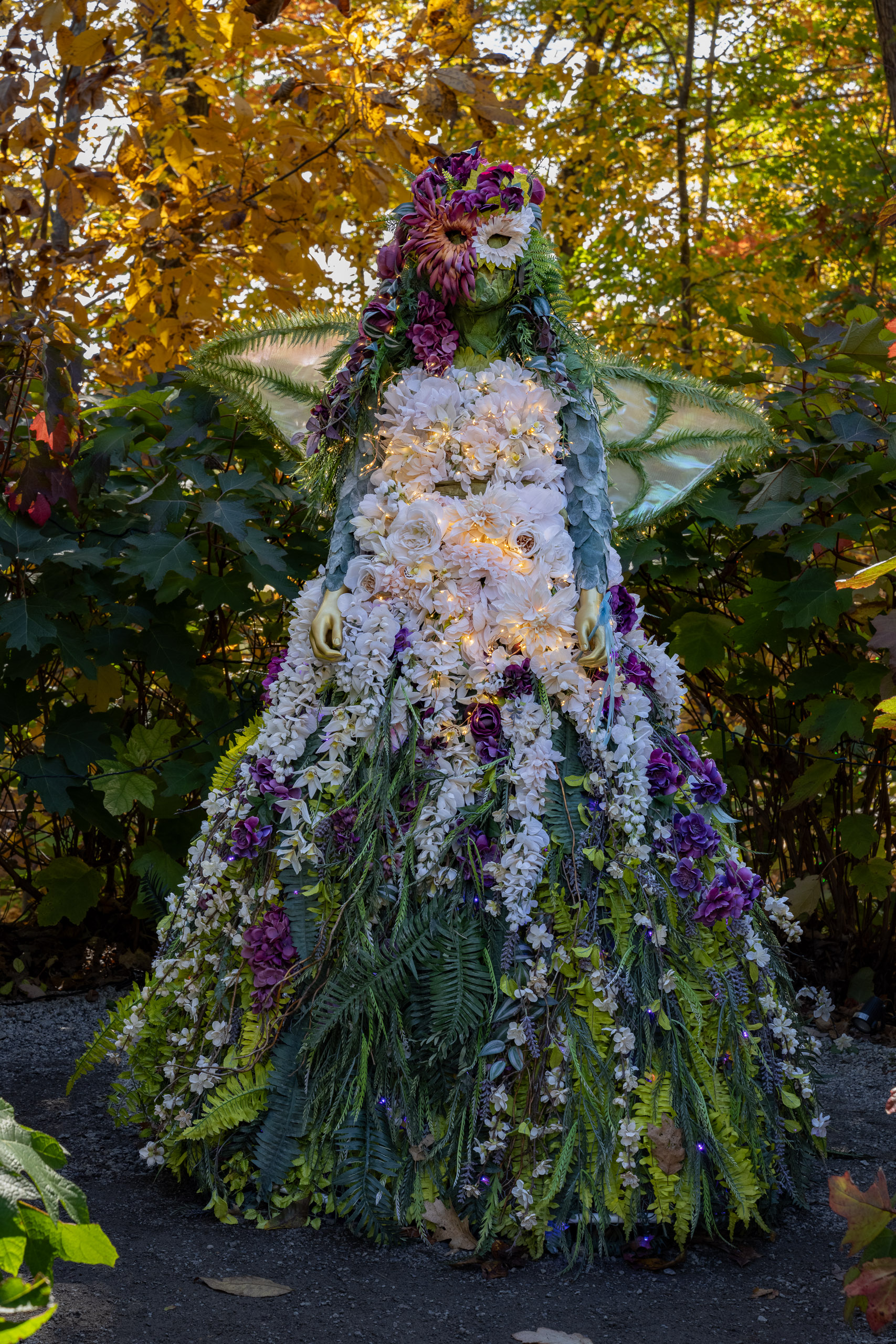
Jeanine and I visited the New England Botanic Garden at Tower Hill today. This month, featured exhibits include Glass in Flight, a collection of 30 larger-than-life stained-glass and steel sculptures by artist Alex Heveri. Fairy Hollow features +20 intricately designed and crafted fairy houses. Of course, the gardens themselves are always worth the visit. We also managed to score some freshly baked cider doughnuts during a brief stop at a farmer’s market, a treat not to be missed at this time of year.
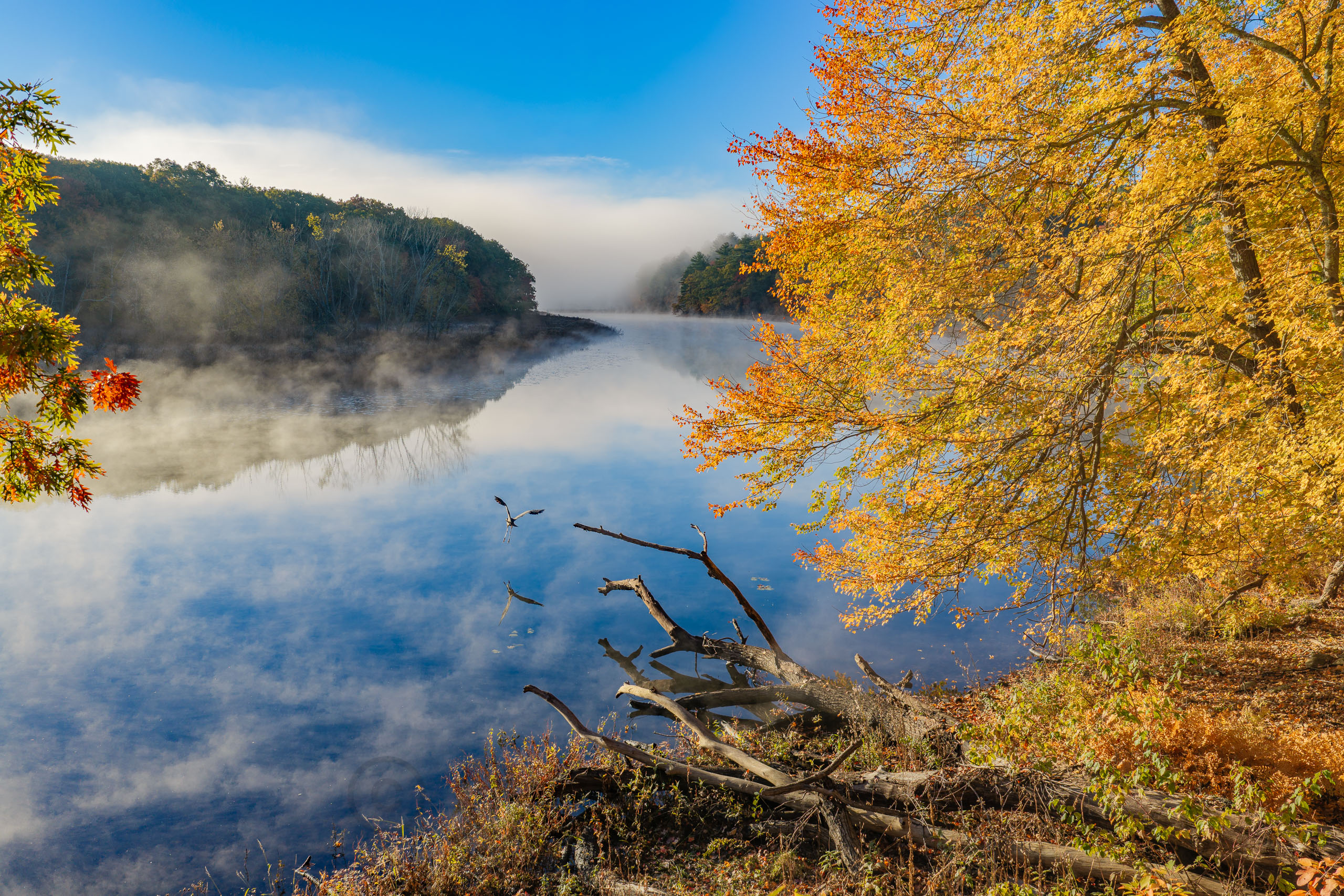
After most clear nights in October and November, we wake up to fog on the river. It is totally mesmerizing to watch as it flows over the top of the water. It gradually burns off with the rising sun, but makes for a very relaxing way to start the day.
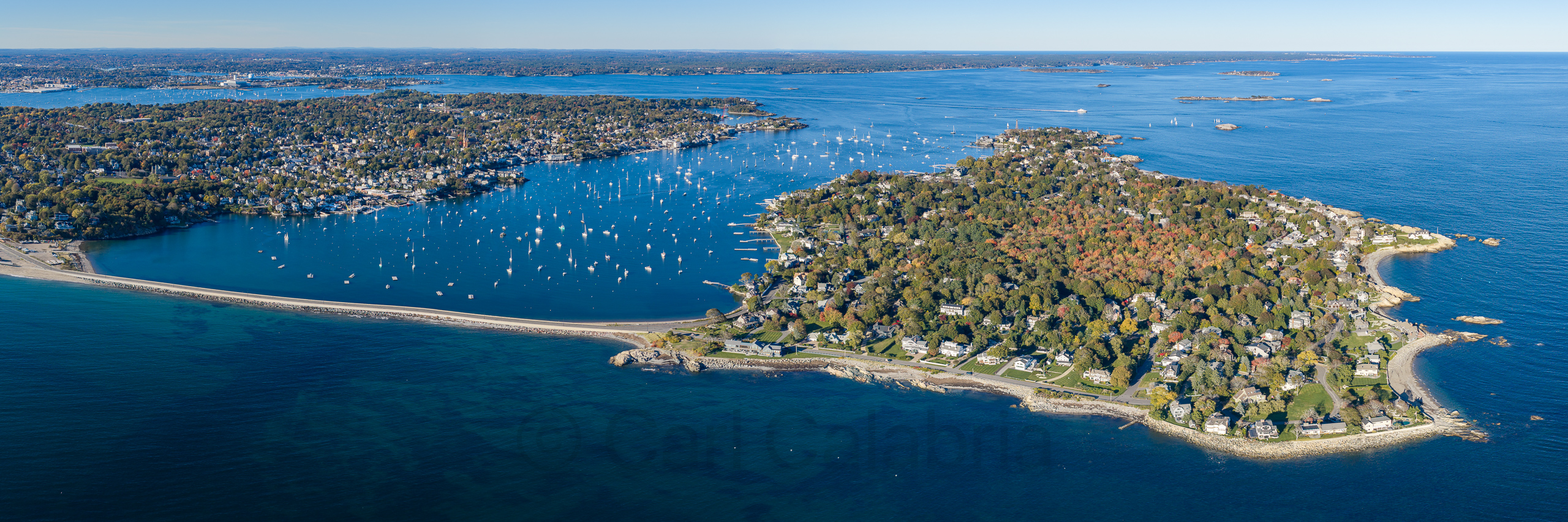
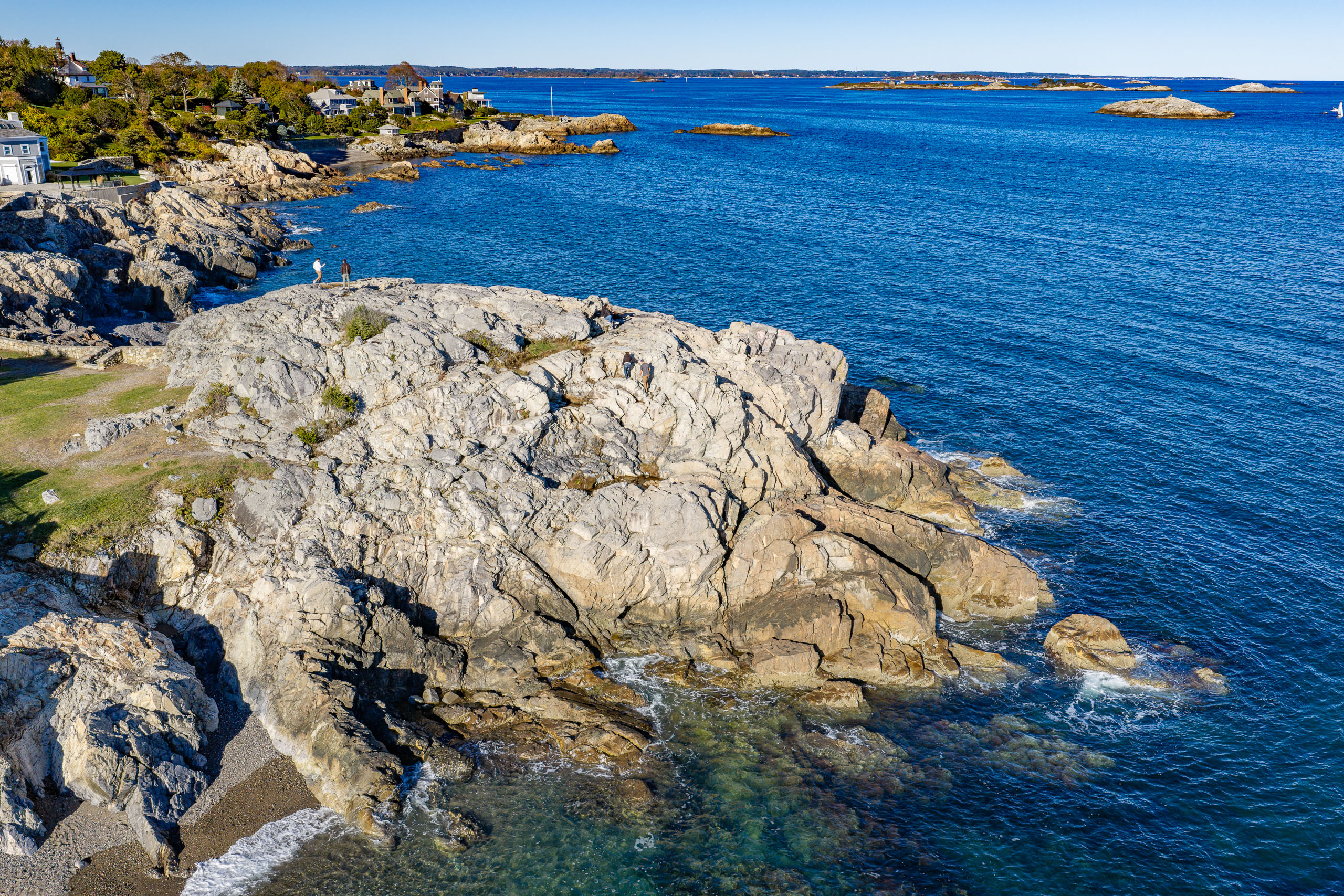
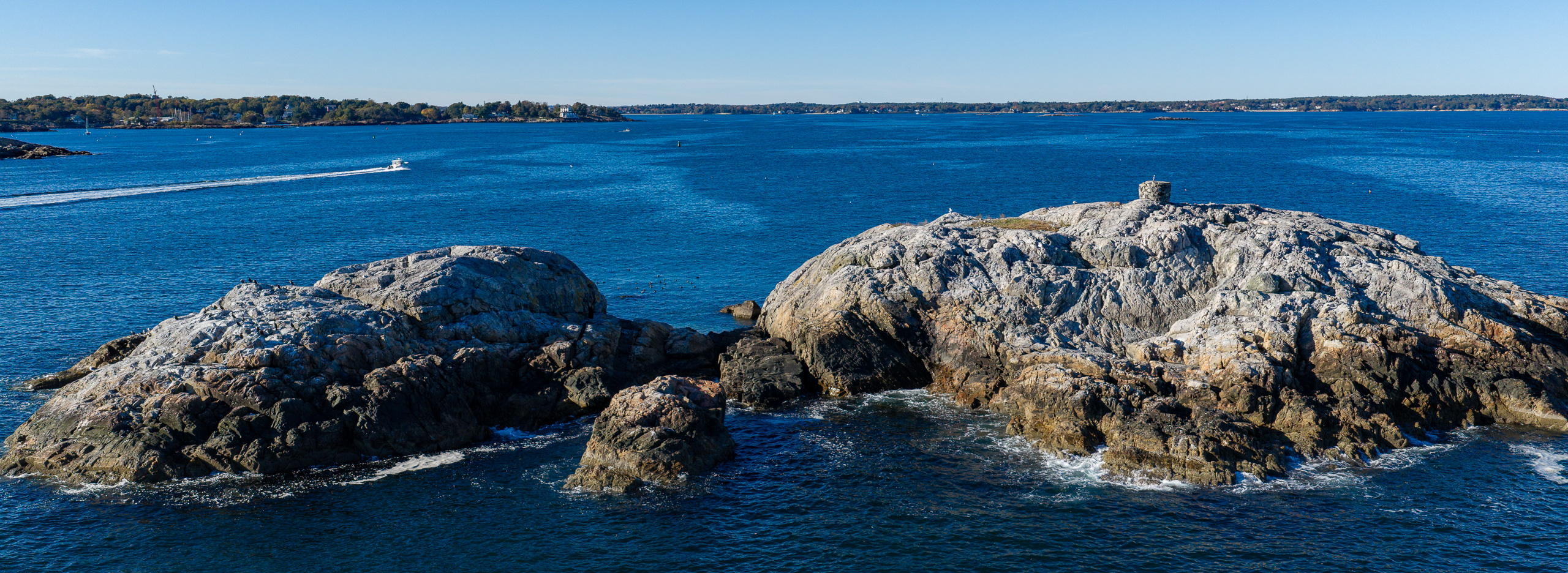
Because I was in the neighborhood, I made a brief stop to Marblehead Neck, where I visited Castle Rock (below). Pictured above is a 4-panel panorama of Marblehead and Marblehead Neck. The original image is 20,000 pixels wide by 6,500 pixels high. The detail is so good that I can find myself in the photo. Unfortunately, I am limited in the resolution I can post here.
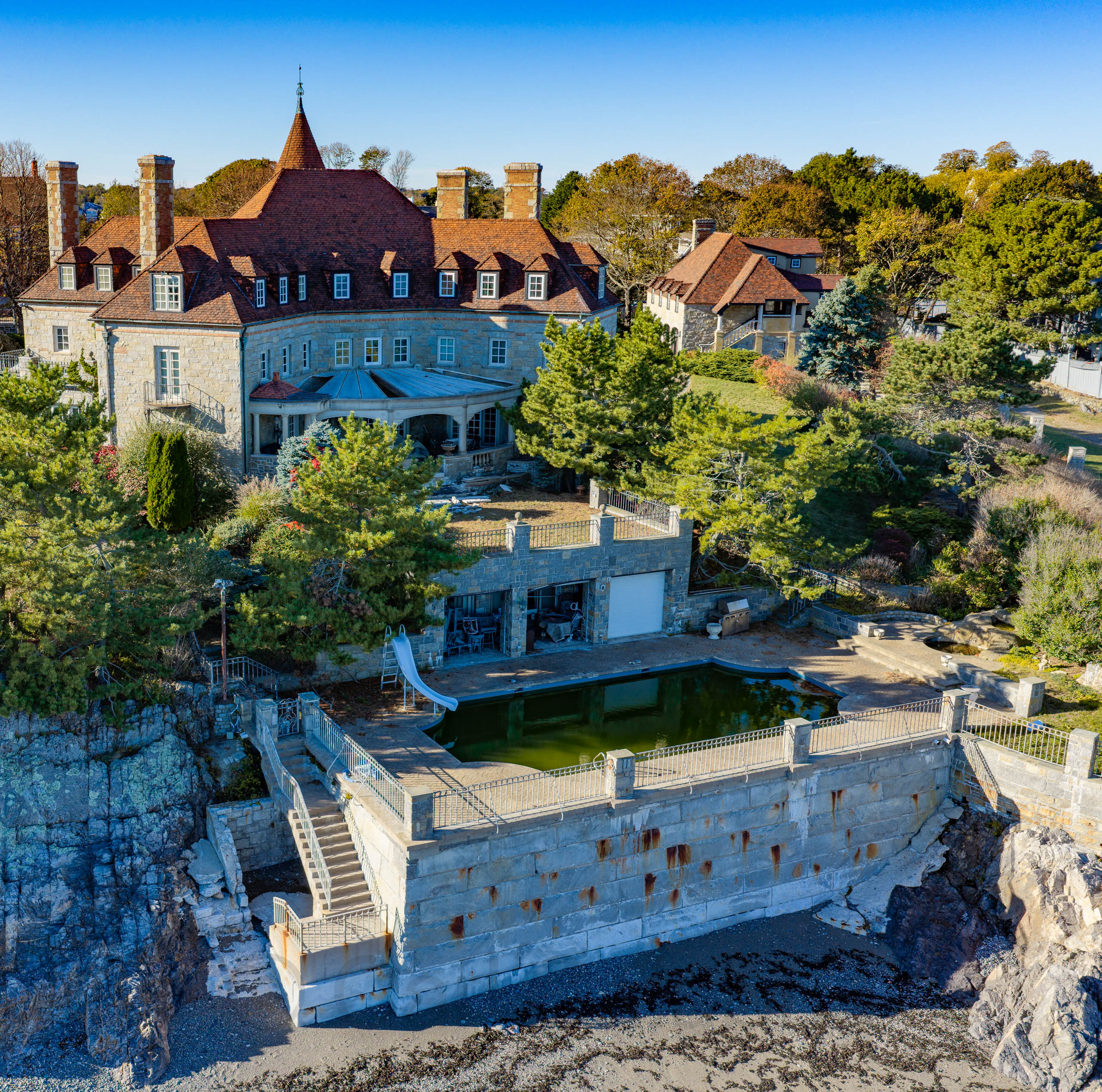
Immediately adjacent to Castle Rock is the fine mansion seen below. On close inspection, however, it appears to be unoccupied and falling into disrepair. What a shame!
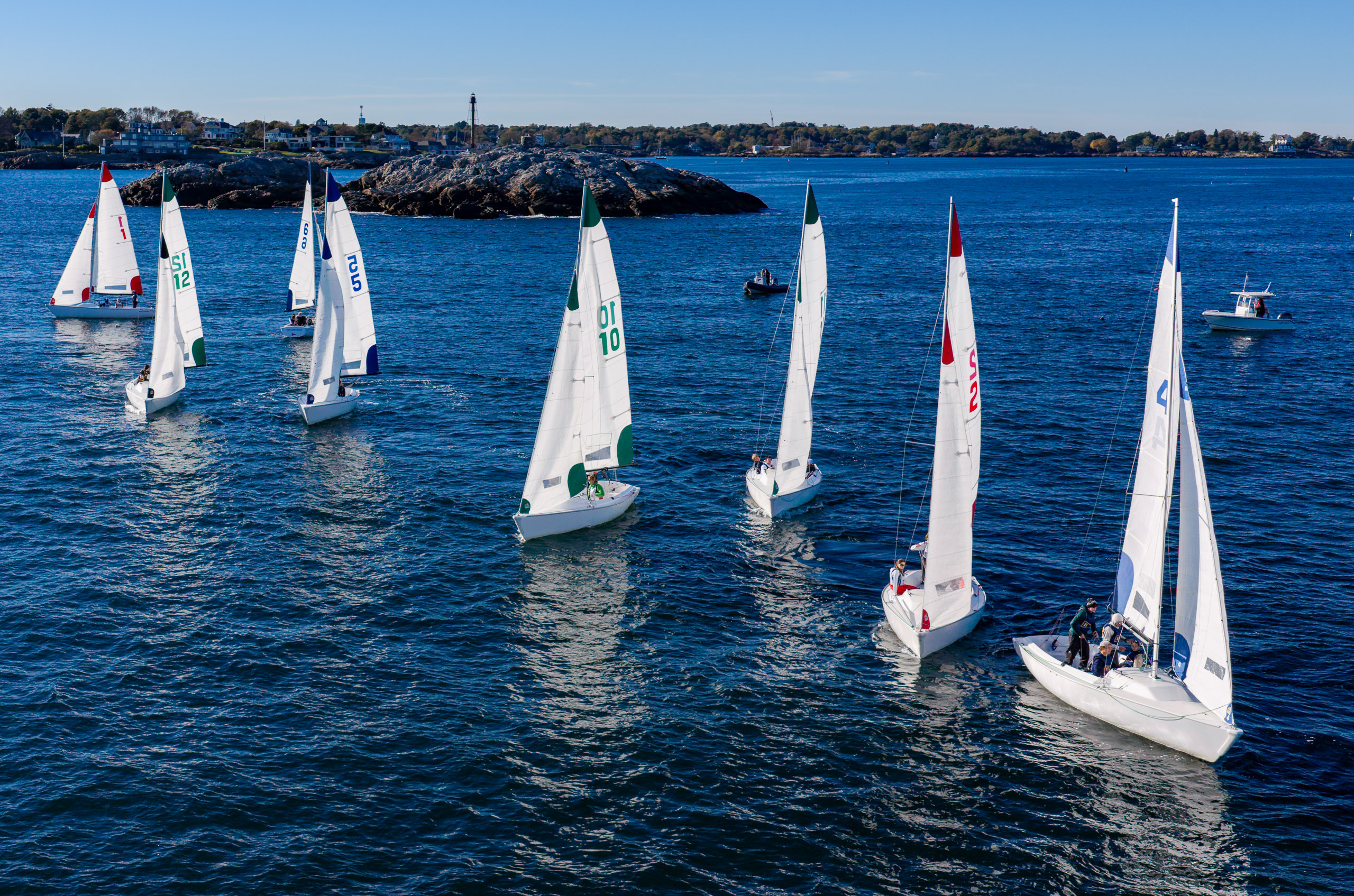
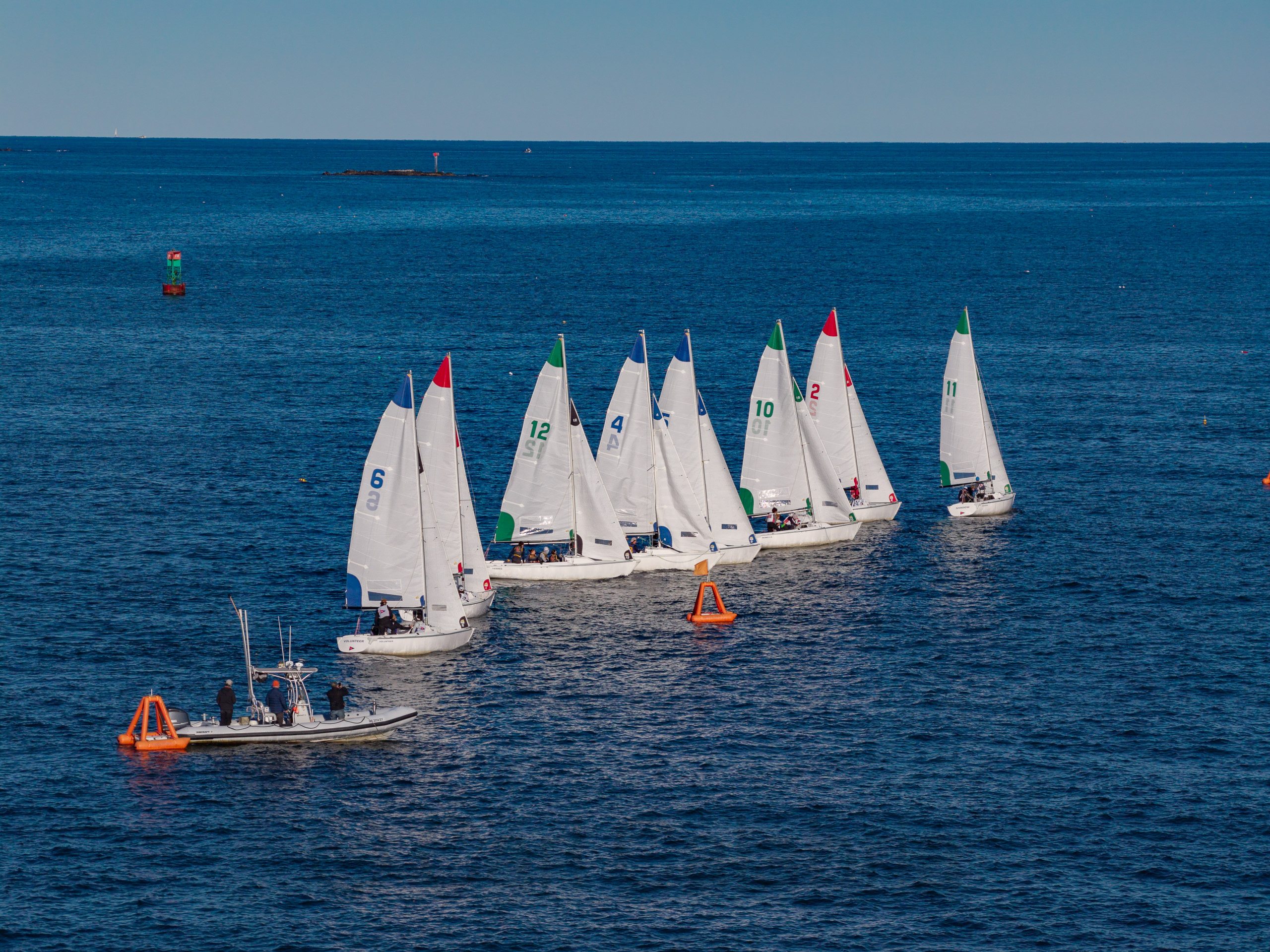
I also happened upon a sailboat race. The first image was taken as the boats lined up for the start. It was like a ballet, with each boat turning, barely avoiding the others so they could arrive in final formation for the gun.
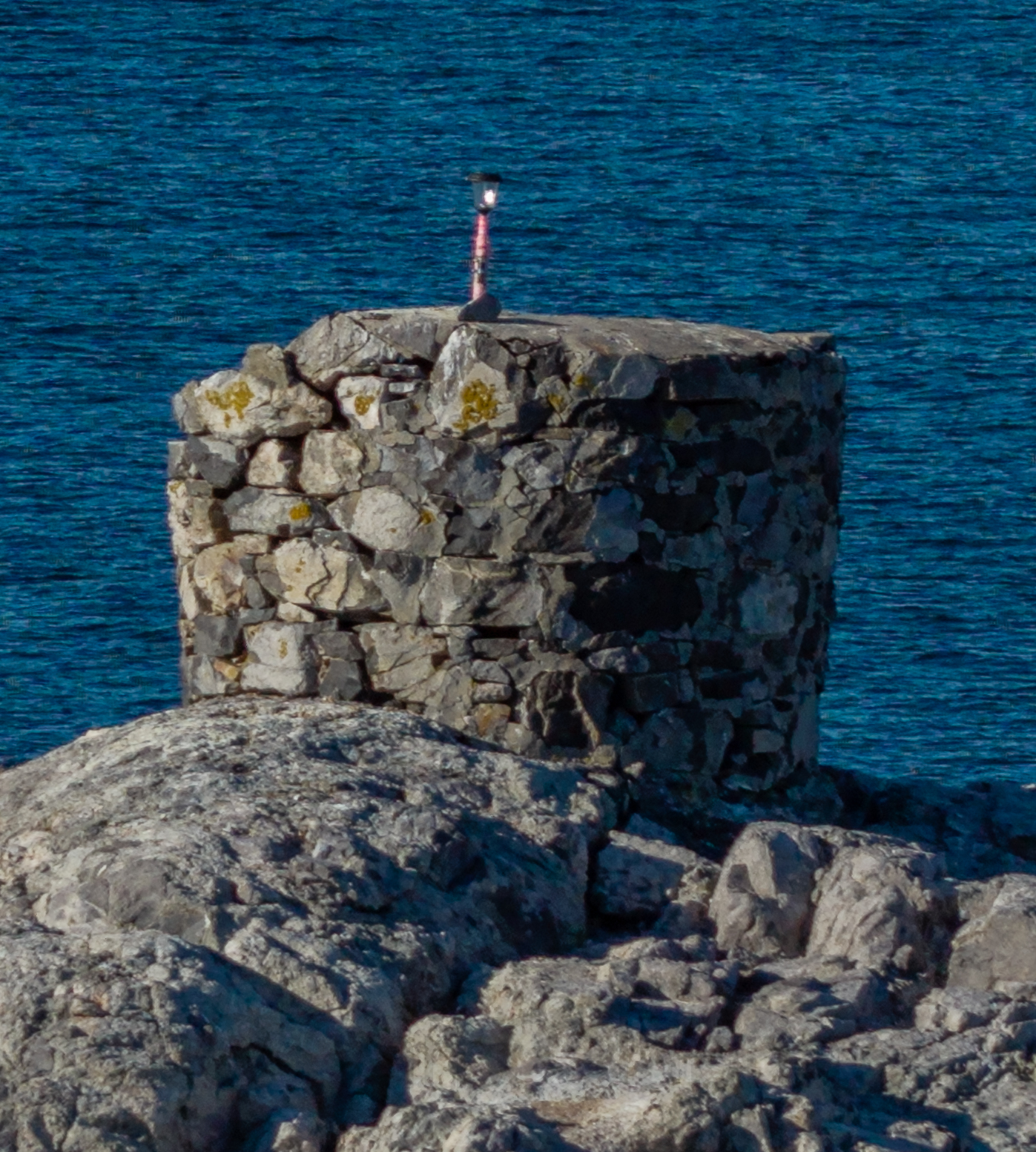
Marblehead Rock is situated a quarter of a mile off the tip of the Marblehead Neck. On it, I discovered what I believe to be the world’s tiniest “lighthouse.”
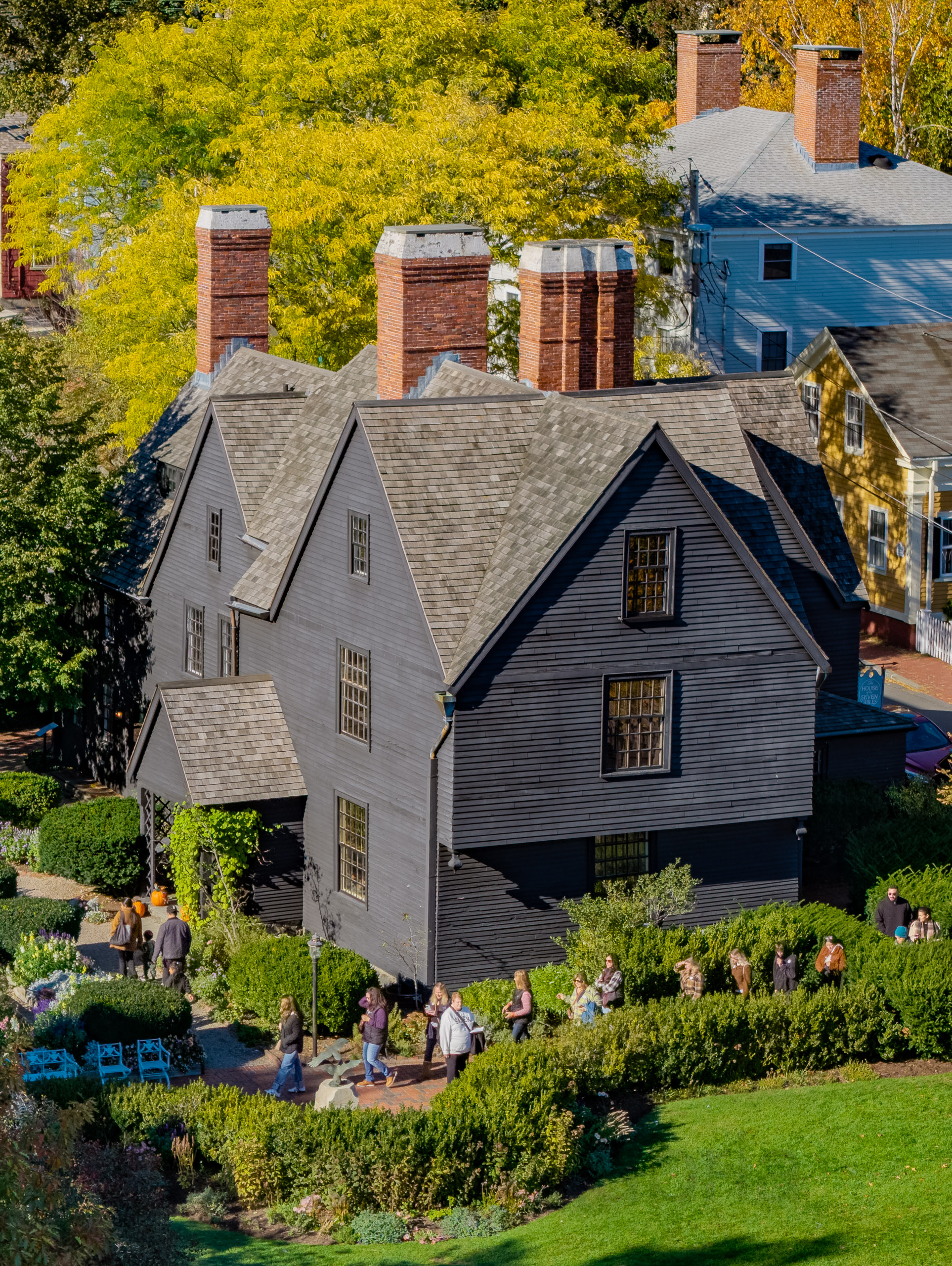
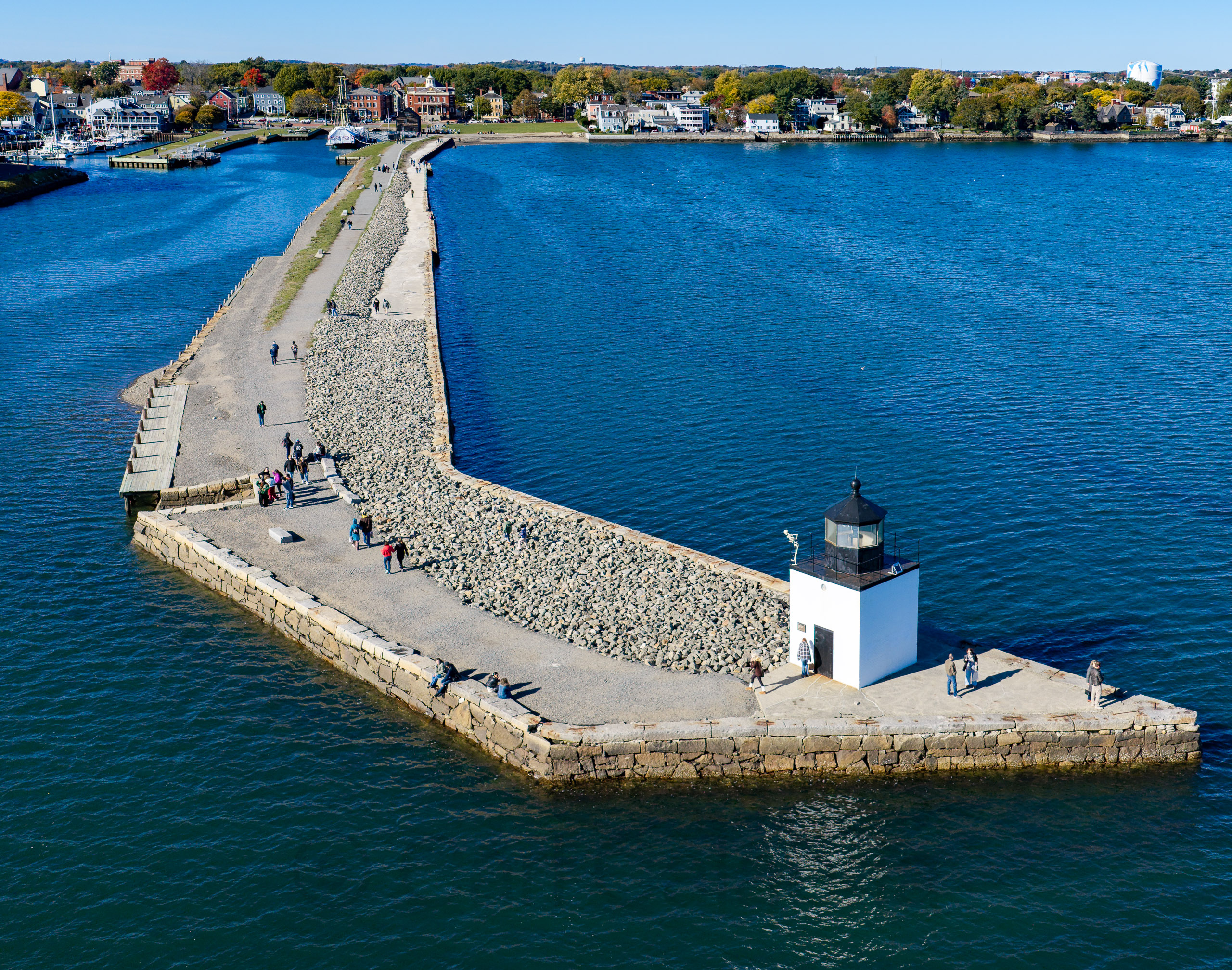
My damn pinky toe still hurt too much to let me play soccer this morning. I watched from the sidelines as my teammates won 4-1 against Peabody. After a lovely aprés in North Reading, I took advantage of the sunny day and my proximity to the ocean to visit nearby Salem. At this time of year, the city is literally crawling with witches and ghosts and all manner of Halloween-costumed visitors. I decided to avoid the downtown crowds and briefly visited the House of the Seven Gables. Tours were fully booked, so I settled for an aerial photo before moving on to the Derby Wharf Light Station. Look closely, and you may notice an unusual addition to the structure.
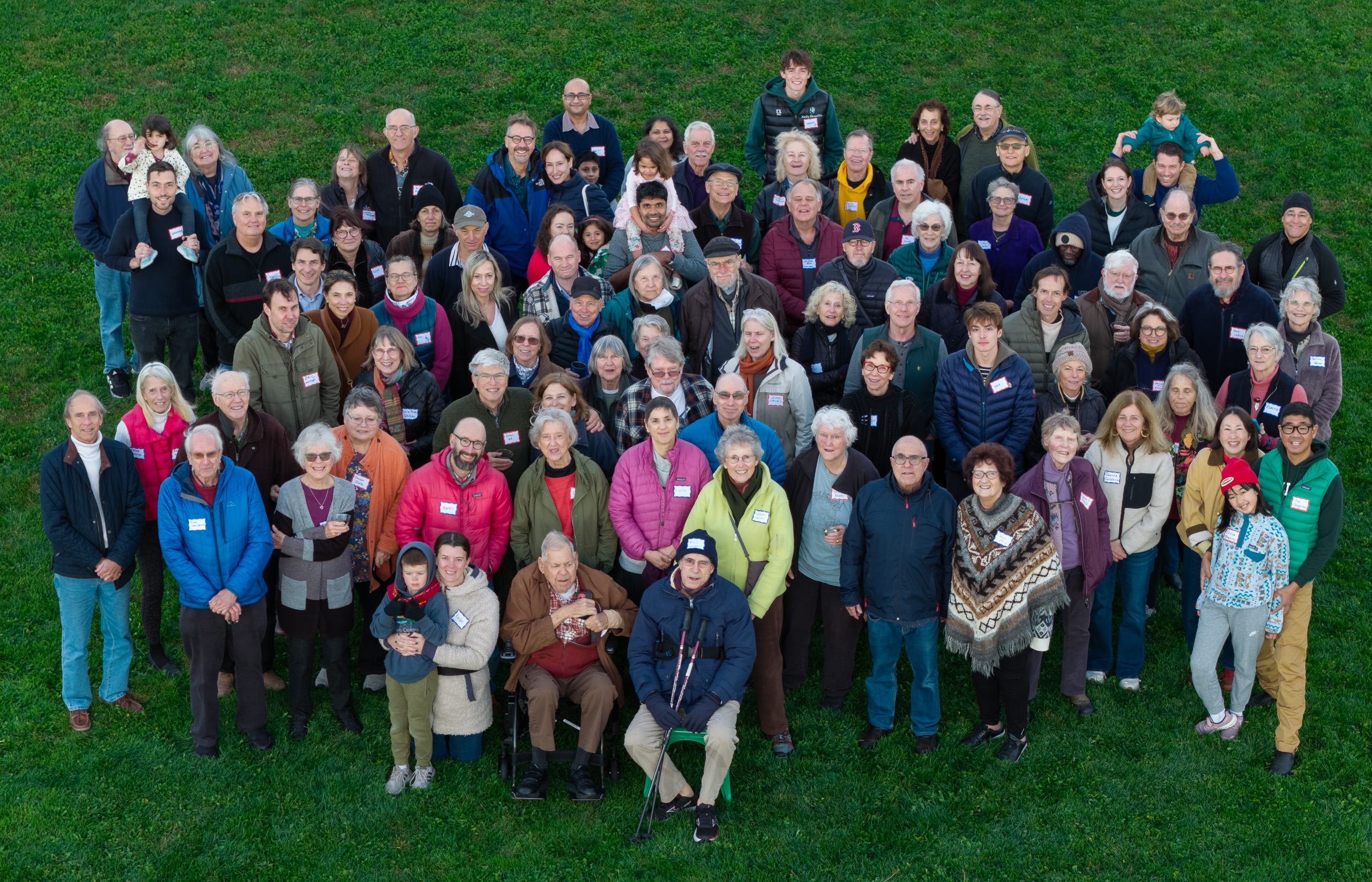
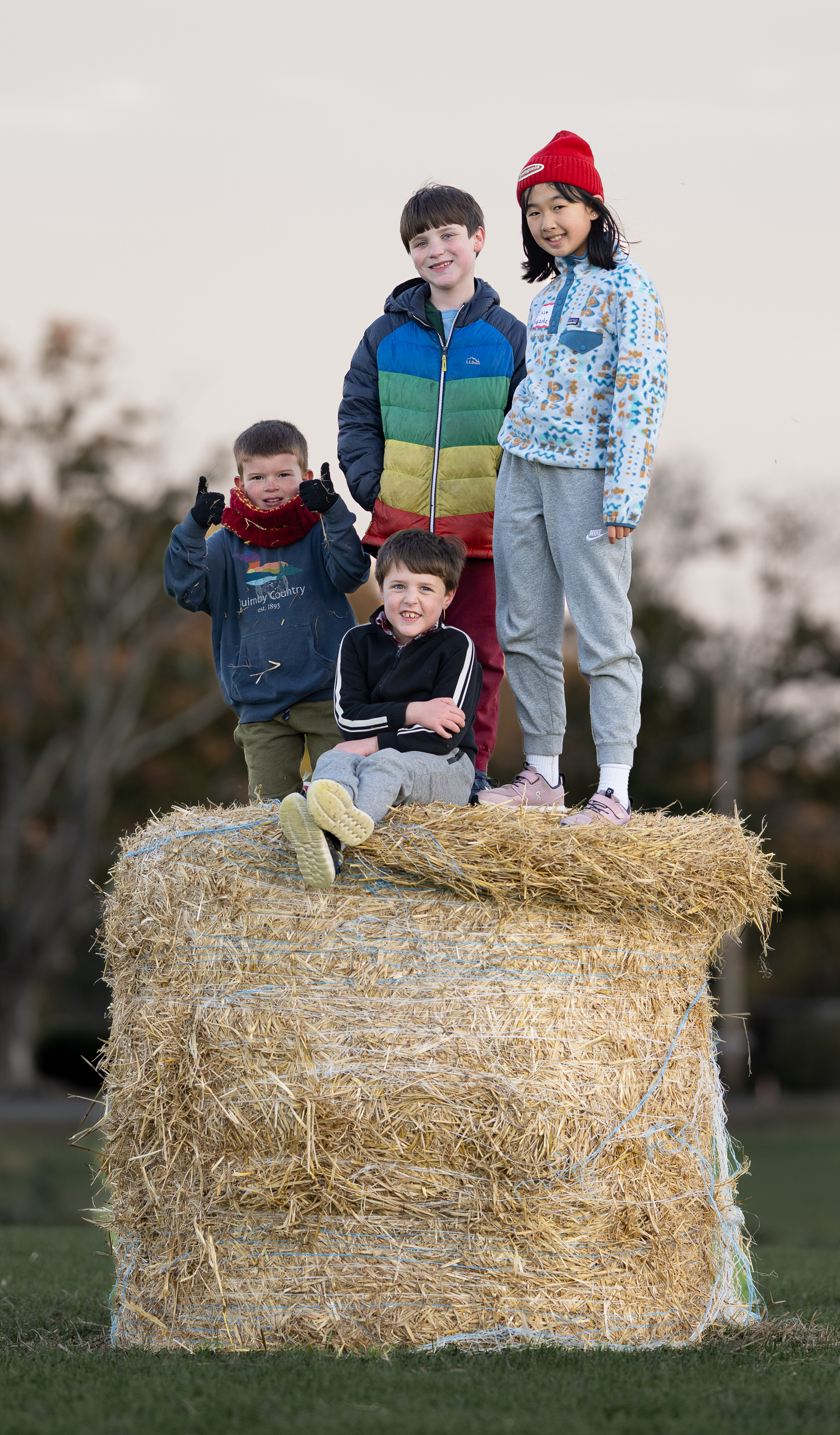
This evening, our Conantum neighborhood celebrated its 75th anniversary with a Harvest Dinner at Verrill Farm. I volunteered to photograph the event, including a group photo.
The entire set of photos from the event can be accessed by clicking on the photo below, my favorite of the day.
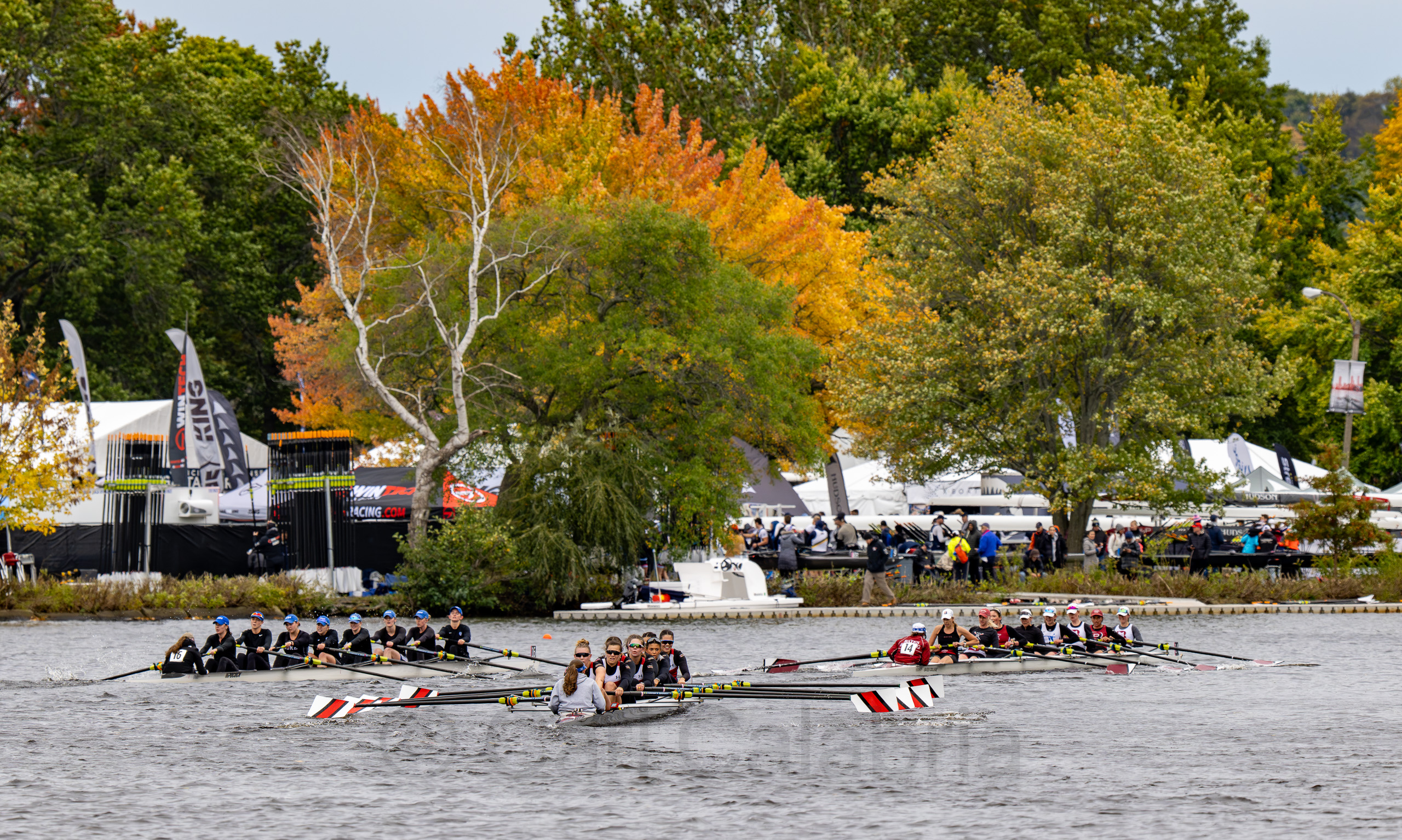
Earlier in the day, I drove into Boston to watch the Head of the Charles Regatta. Unfortunately, I did not dress warmly enough for the weather and decided to return home after 3 hours, well before some of the premier races I had hoped to witness.
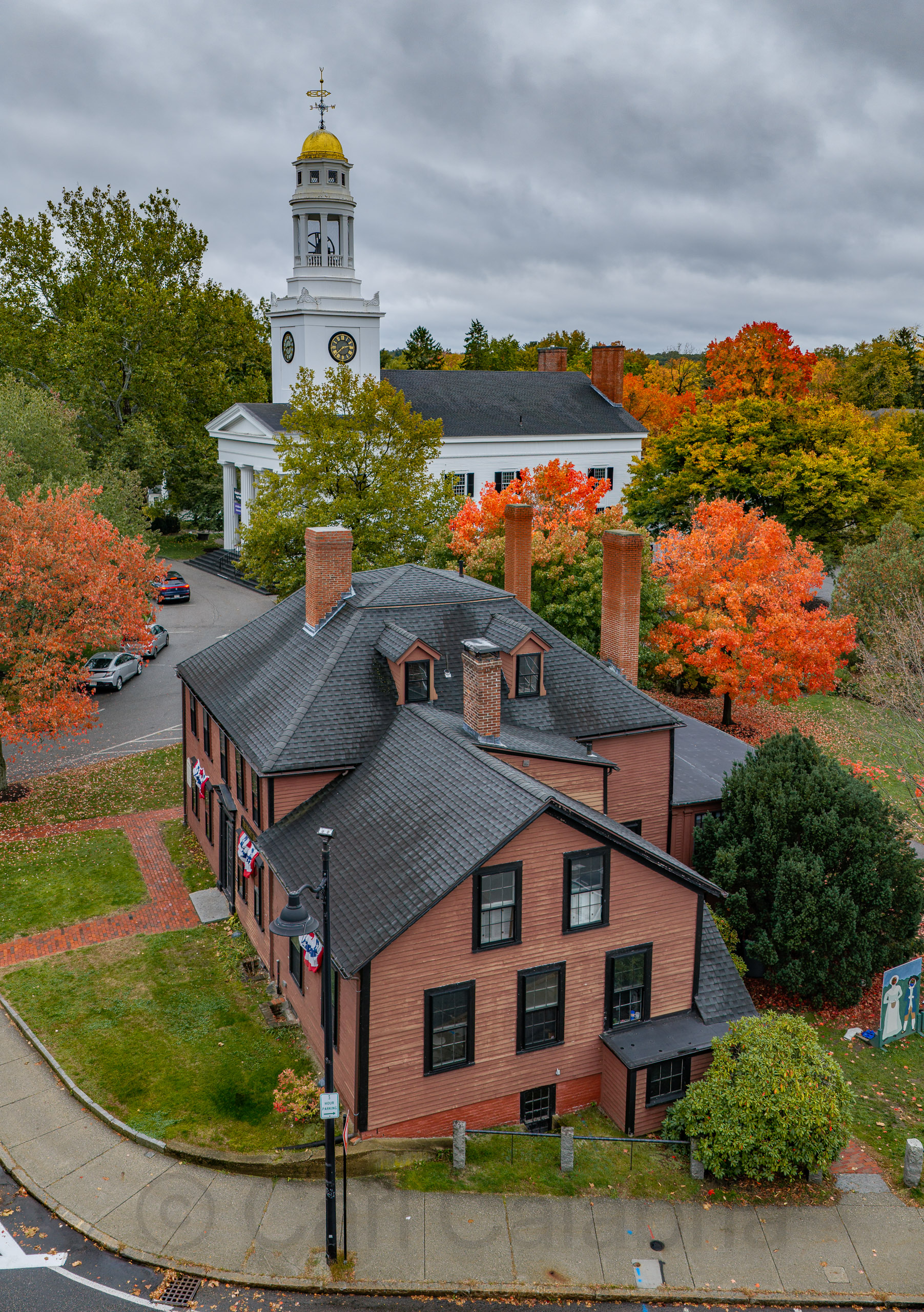
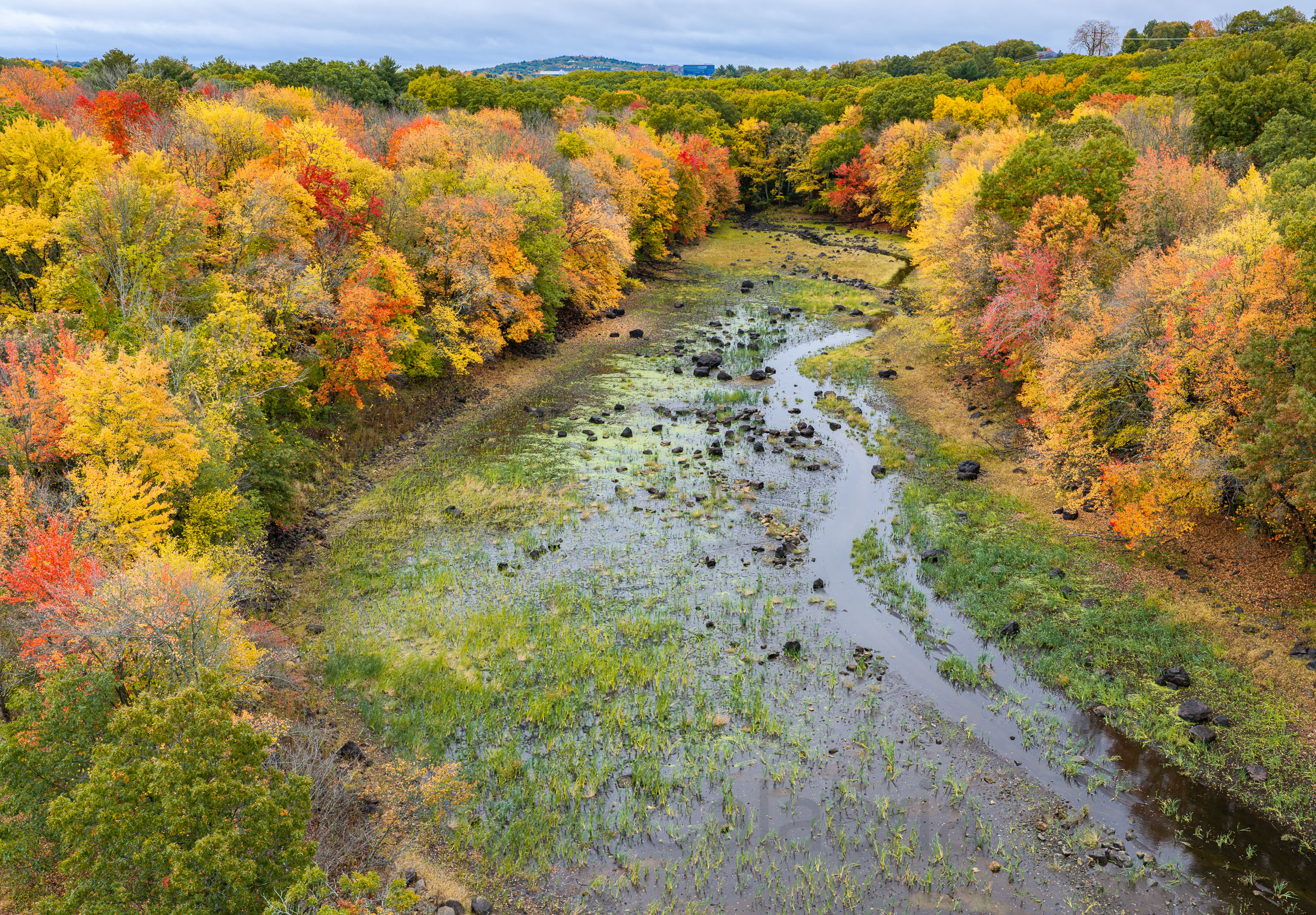
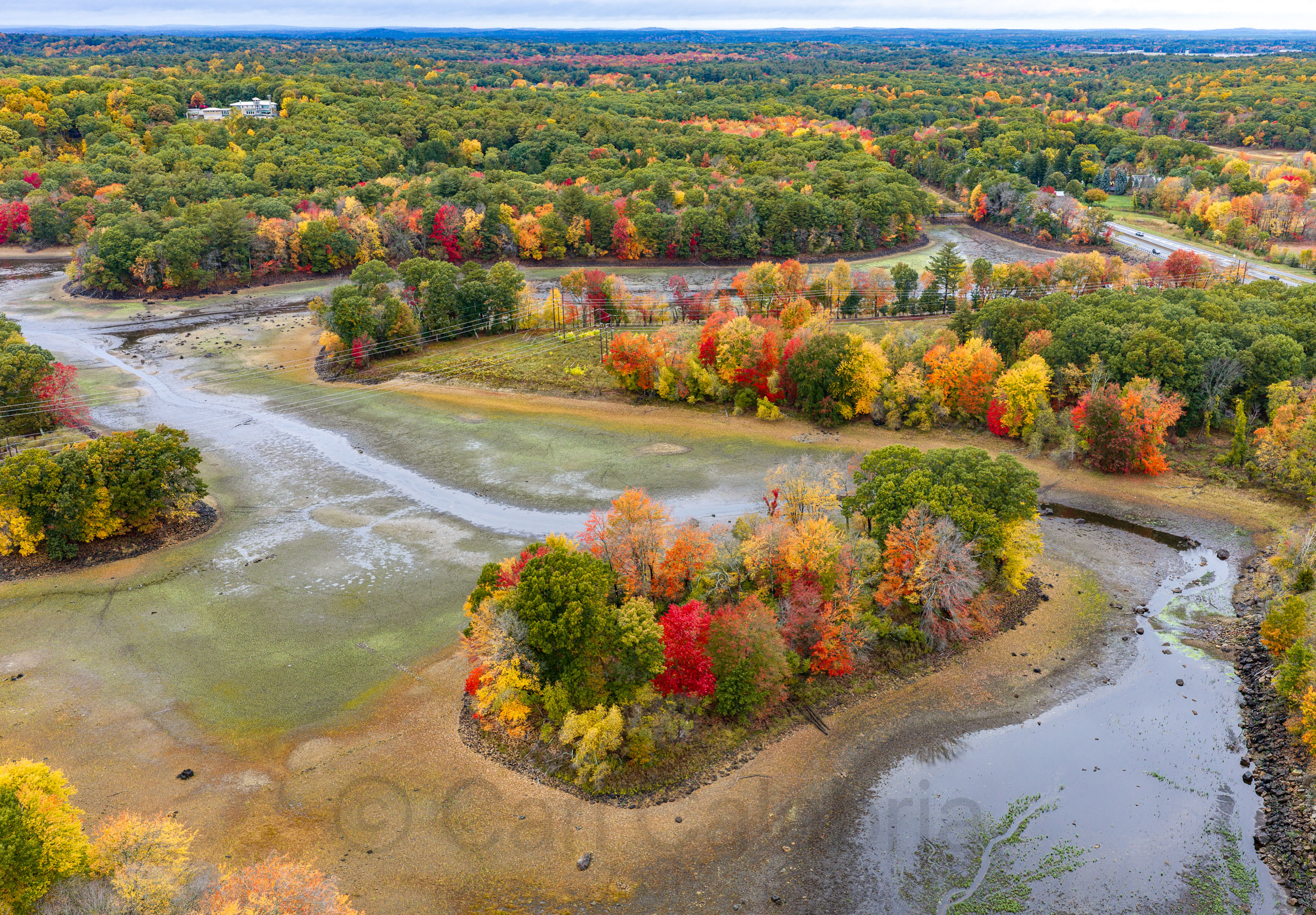
The Wright Tavern, located adjacent to our church in downtown Concord, was built in 1747 and was named for Amos Wright, who ran it in 1775. On the morning of April 19, 1775, American militia leaders met there, and later that day British Major John Pitcairn used it as a base. The building still stands as one of the best-known landmarks from the start of the American Revolution and today is a museum and gathering place for events, celebrations, meetings, and parties. It was one of my destinations for fall foliage images today. I also visited the northern end of the Cambridge Reservoir, which is experiencing unusually low water levels due to drought earlier in the year.
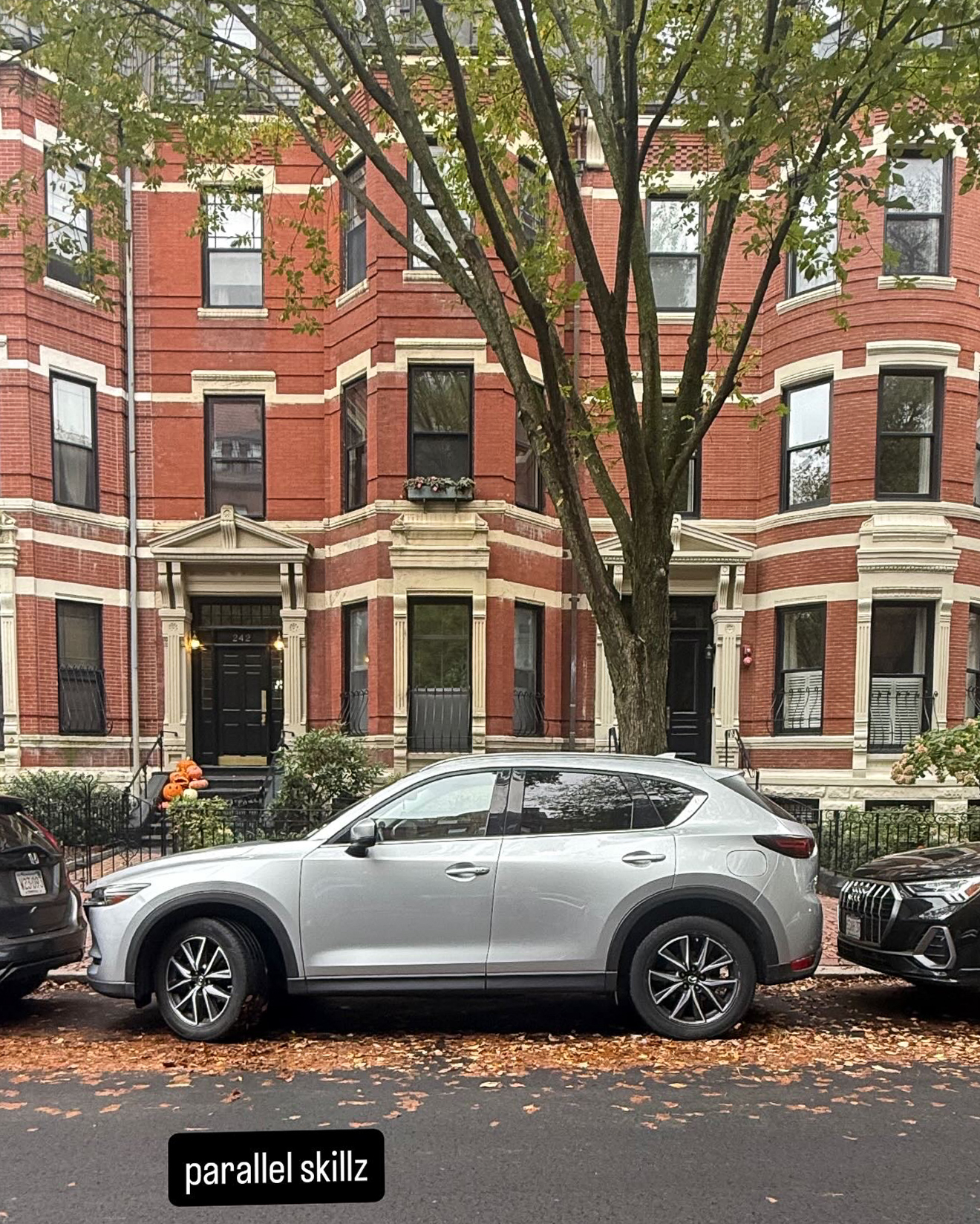
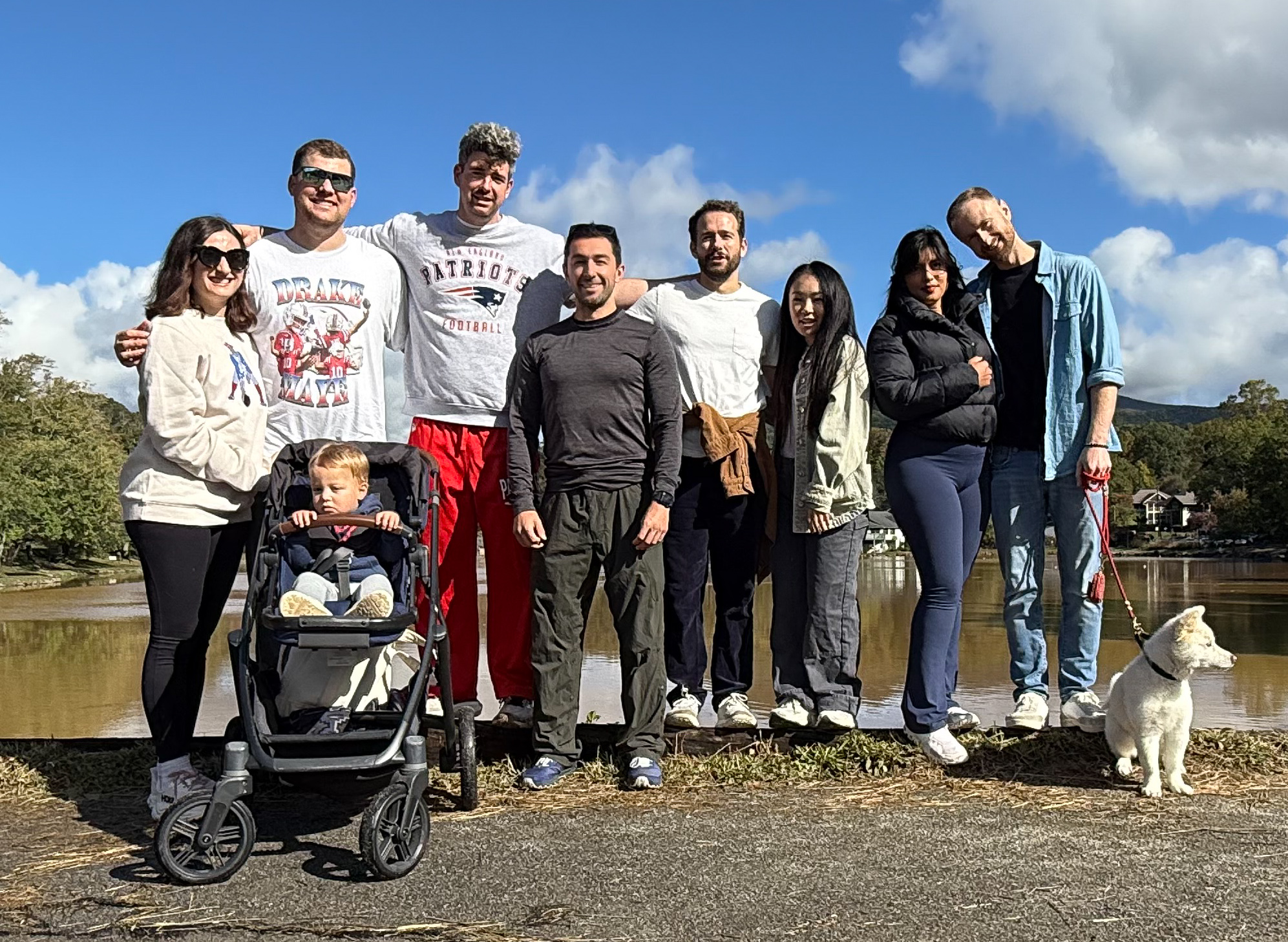
Street parking where Kyle is living is hard to come by. He shared this photo to document his parallel parking skills. Props from Pops! I don’t think I could pull that off unless I had access to a forklift. Also shared by Kyle is a group photo from his recent trip to Asheville, NC where he met up with his high school buddies for a mini reunion.
This website is dedicated to sharing, with family and friends, the day-to-day adventures of the Calabria family.