Manly Beach

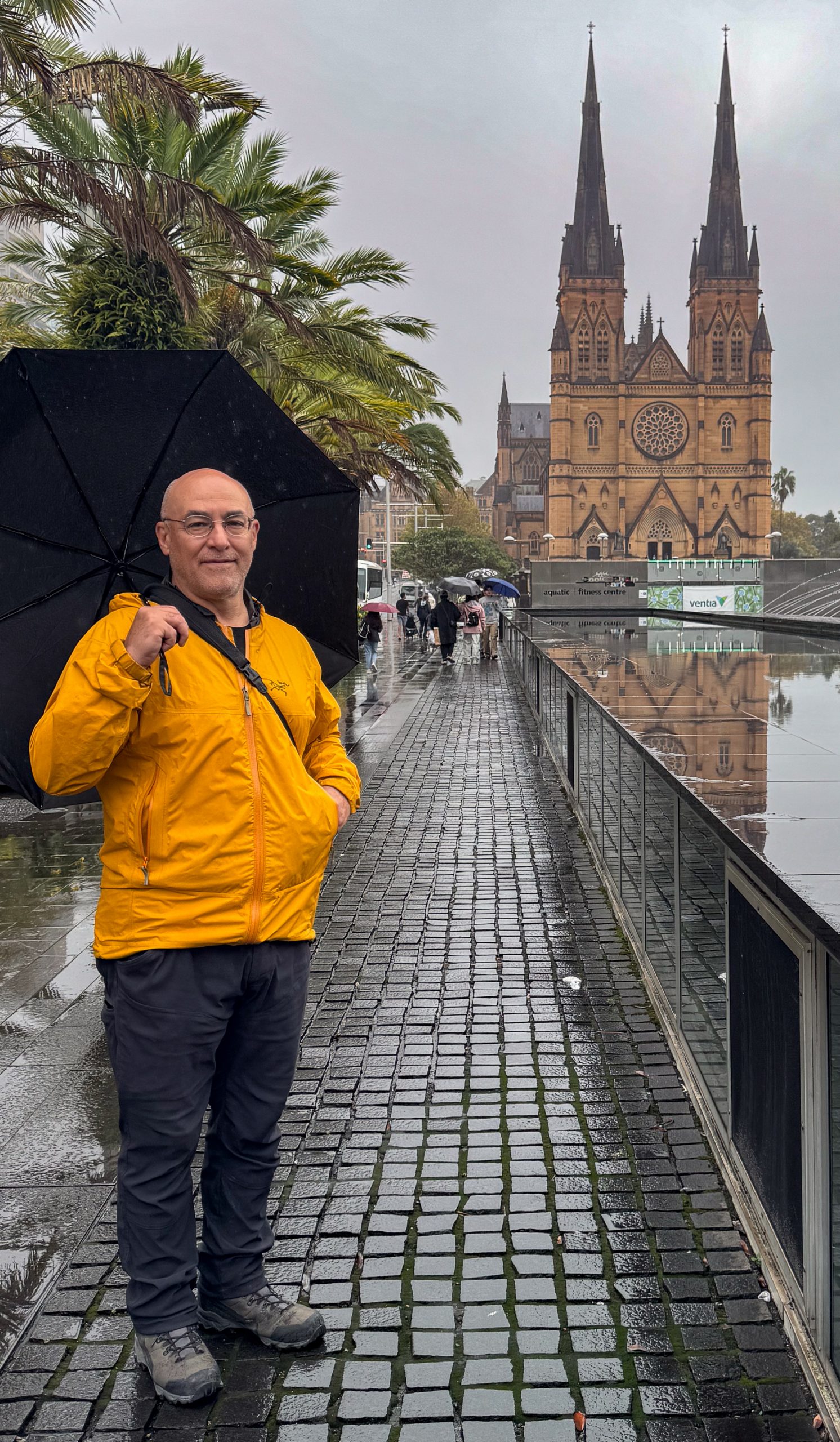
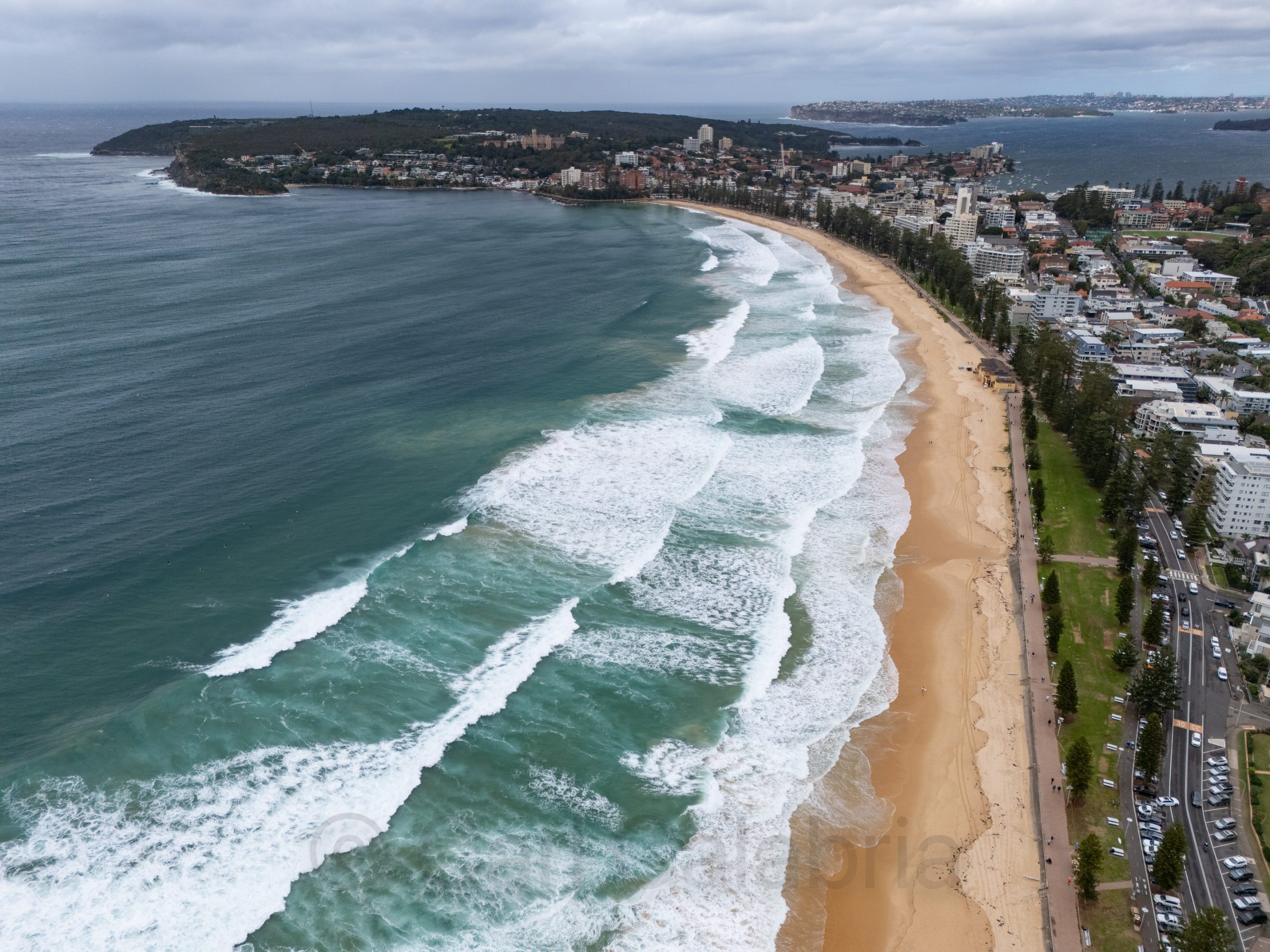
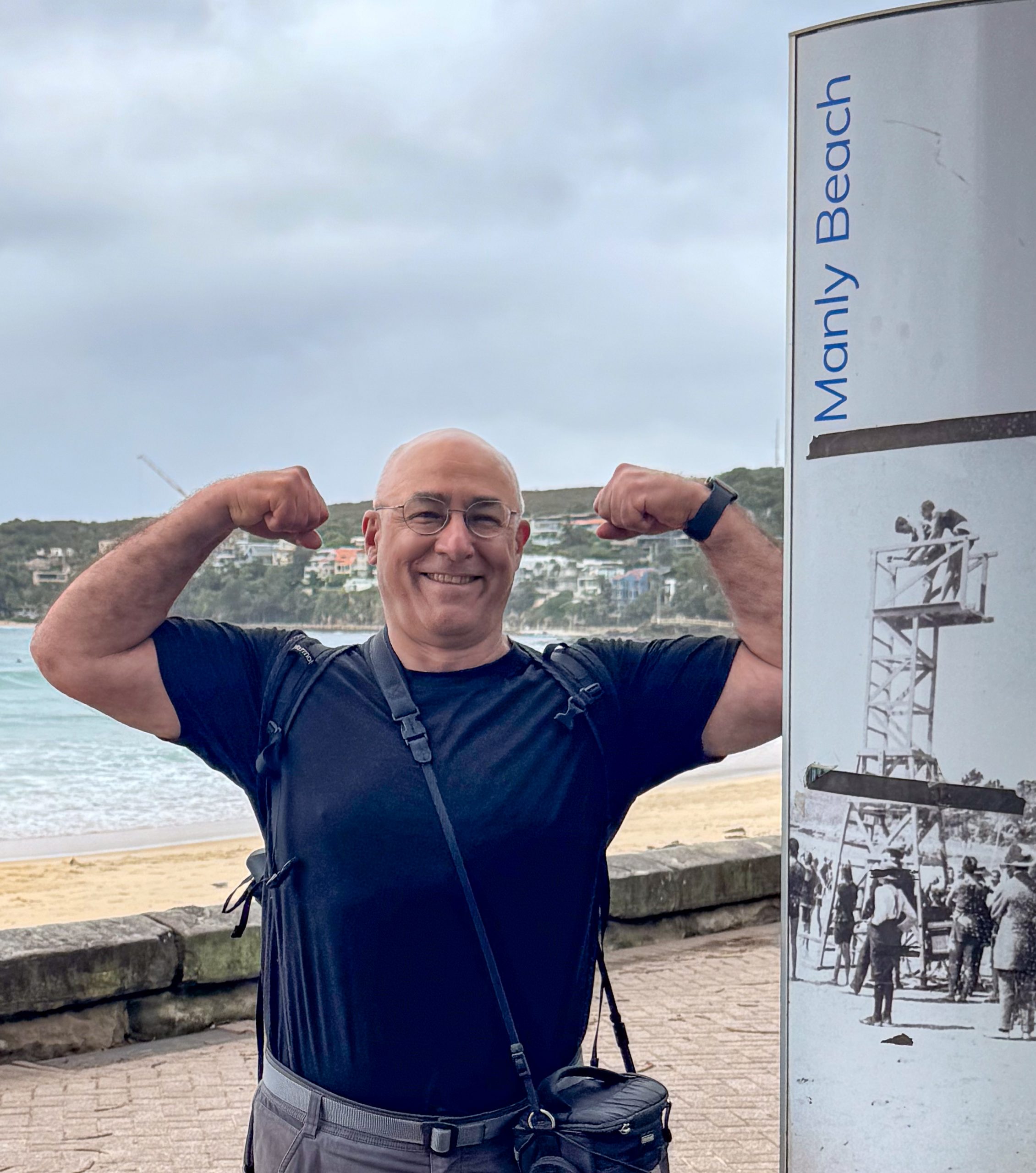
Manly Beach is located on Sydney’s Northern Beaches, stretching 1.2 miles and offering excellent surfing conditions. It got its name from Governor Arthur Phillip, who was impressed by the “confidence and manly behavior” of the indigenous men he encountered there in 1788. Phillip’s observation led him to name the area “Manly Cove,” which eventually became known as Manly Beach. Intermittent rain and high winds made for an adventurous ferry crossing from Sydney. We arrived mid-morning and walked up and down the full length of the beach before Jeanine found herself a manly man.
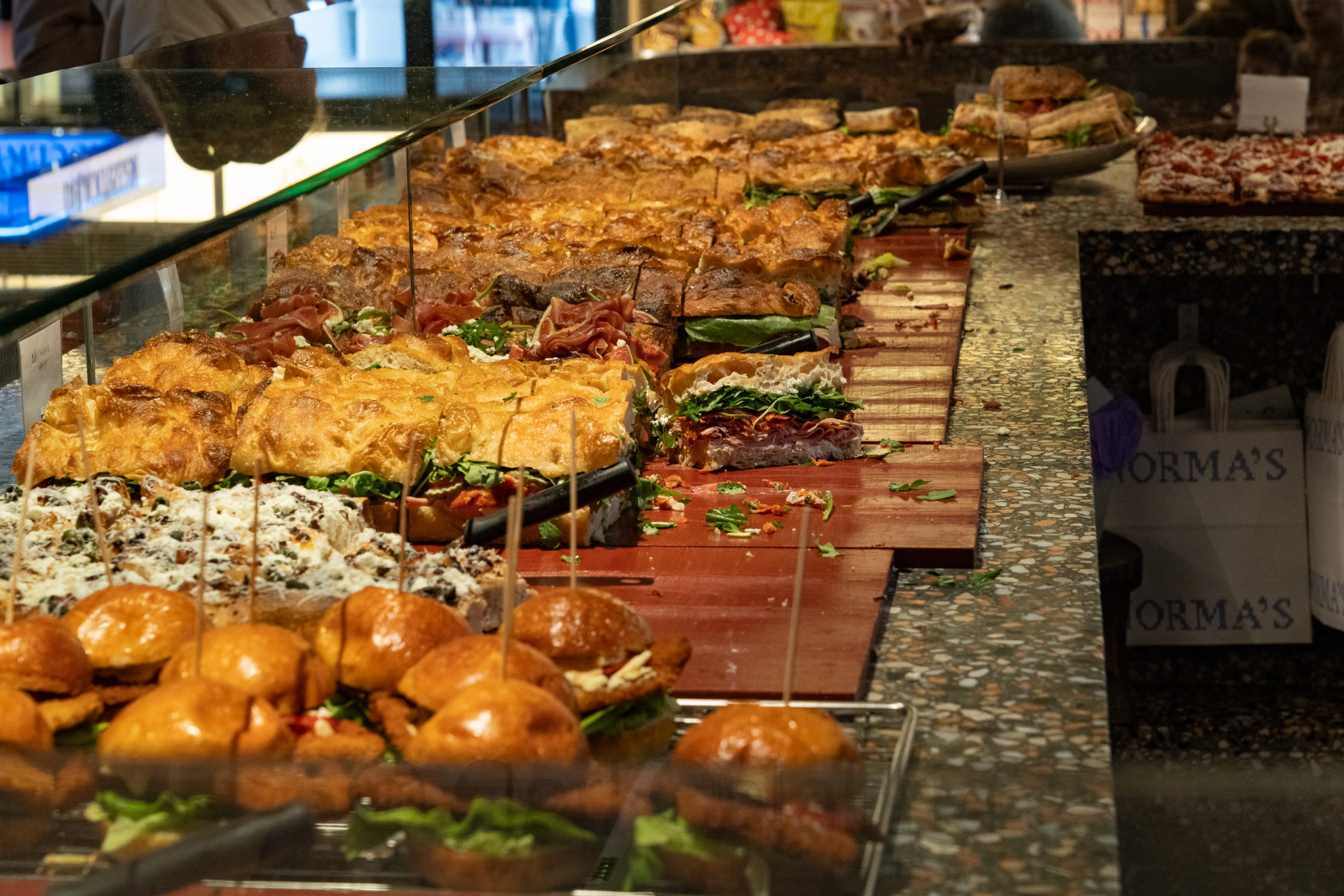
Norma’s Deli is not to be missed if you ever find yourself in the area. We enjoyed a fantastic lunch here, and it was all I could do to prevent Jeanine from buying our dinner for take-away as well.
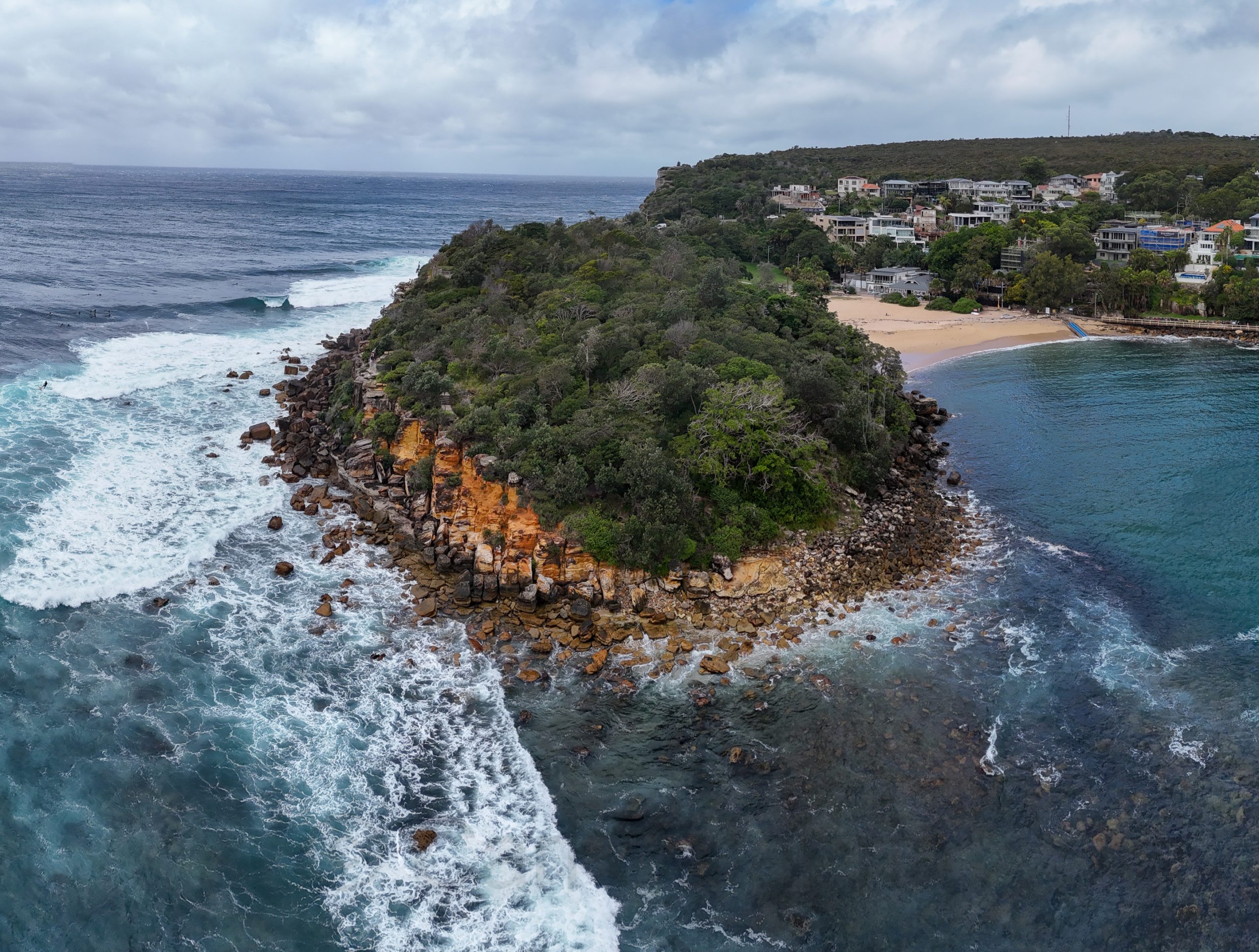
Once fortified with food, we set out for Shelly Beach, a much smaller and intimate one south of Manly. Here, we made a short climb to the top of the pictured cliffs, where we got a birds-eye view of the surfers numbering in the dozens.
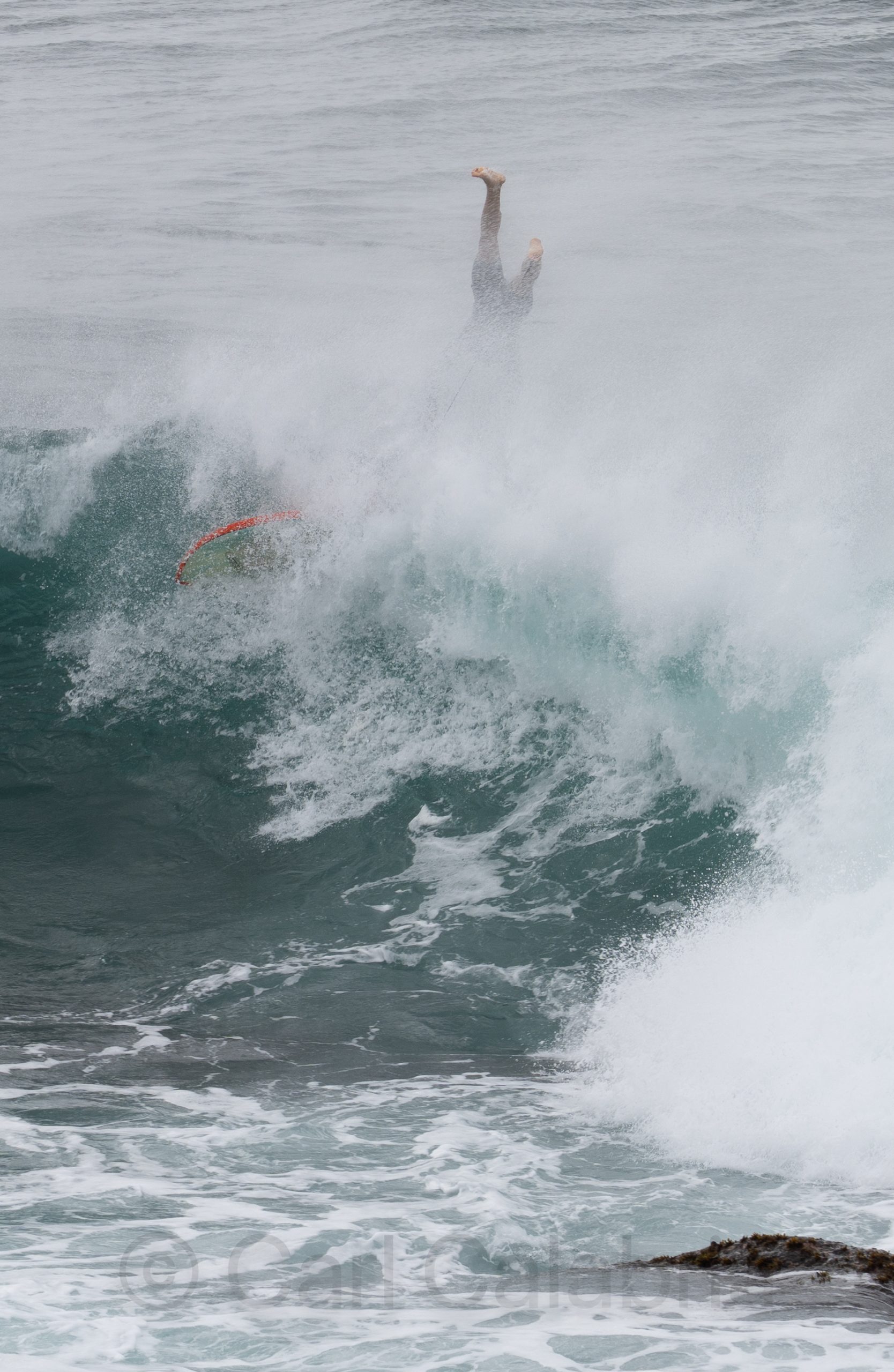
Some of the biggest waves broke close to shore and some of the best surfers risked everything for a sweet ride. Notice the proximity of the rocky shore to the dismounted surfer in the photo below.
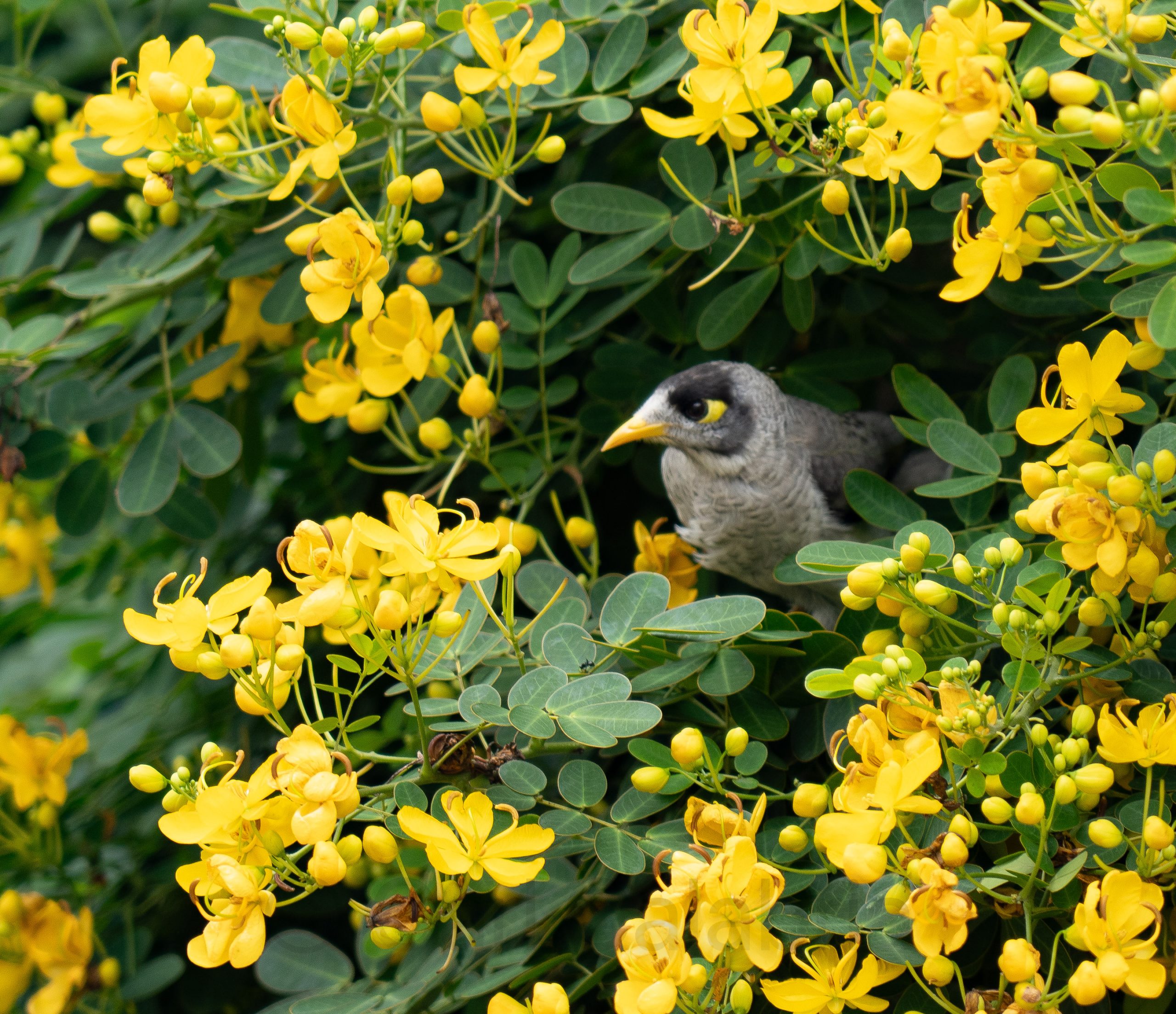
On the path between beaches, there was an abundance of birds, and I felt lucky to capture the one below. It was my favorite photo of the day.
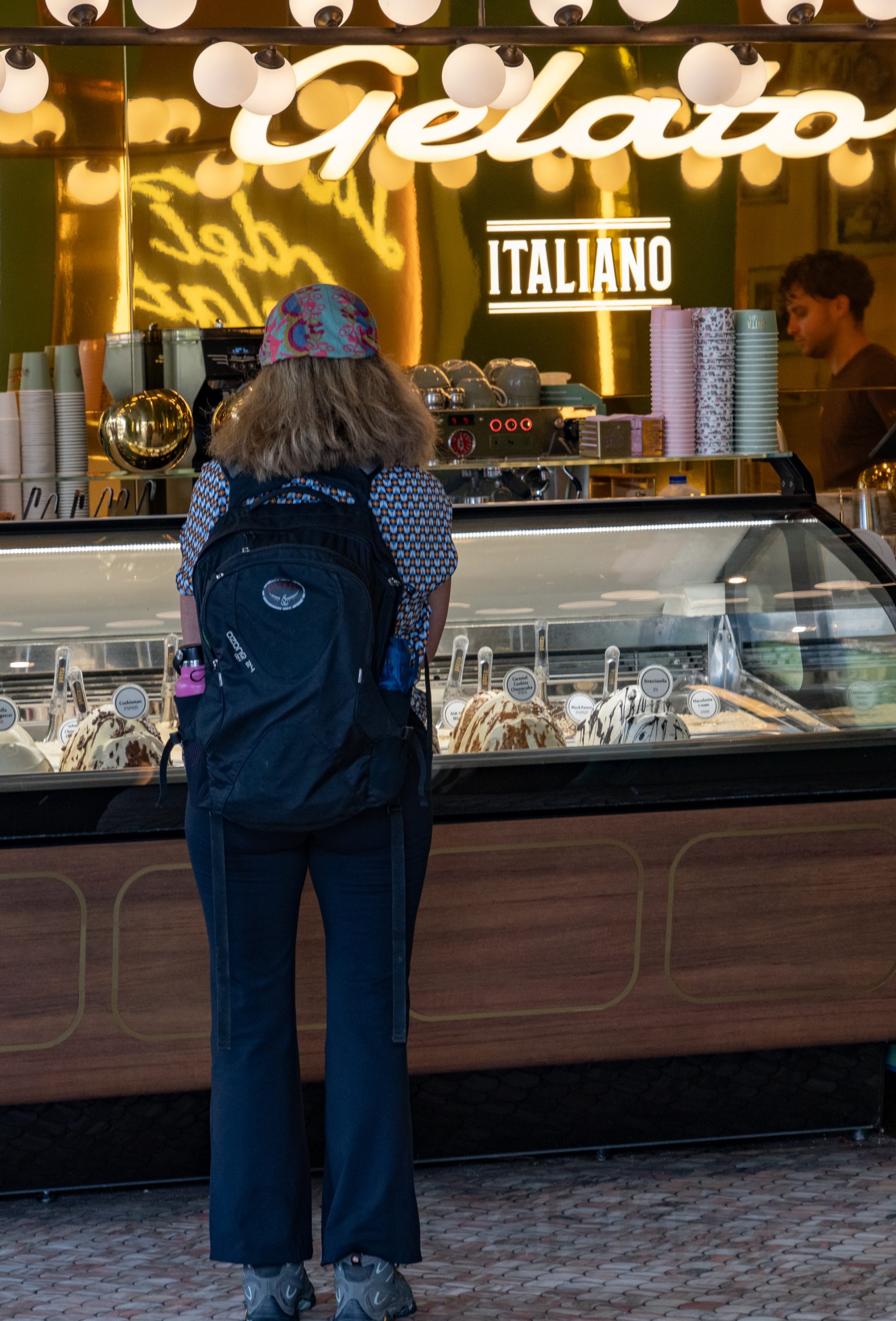
After hours of walking, we decided to reward our efforts with gelato, and Jeanine, as is her superpower, sussed out the best place. We shared a serving of chocolate almond with nut-infused caramel sauce. Kill me now.
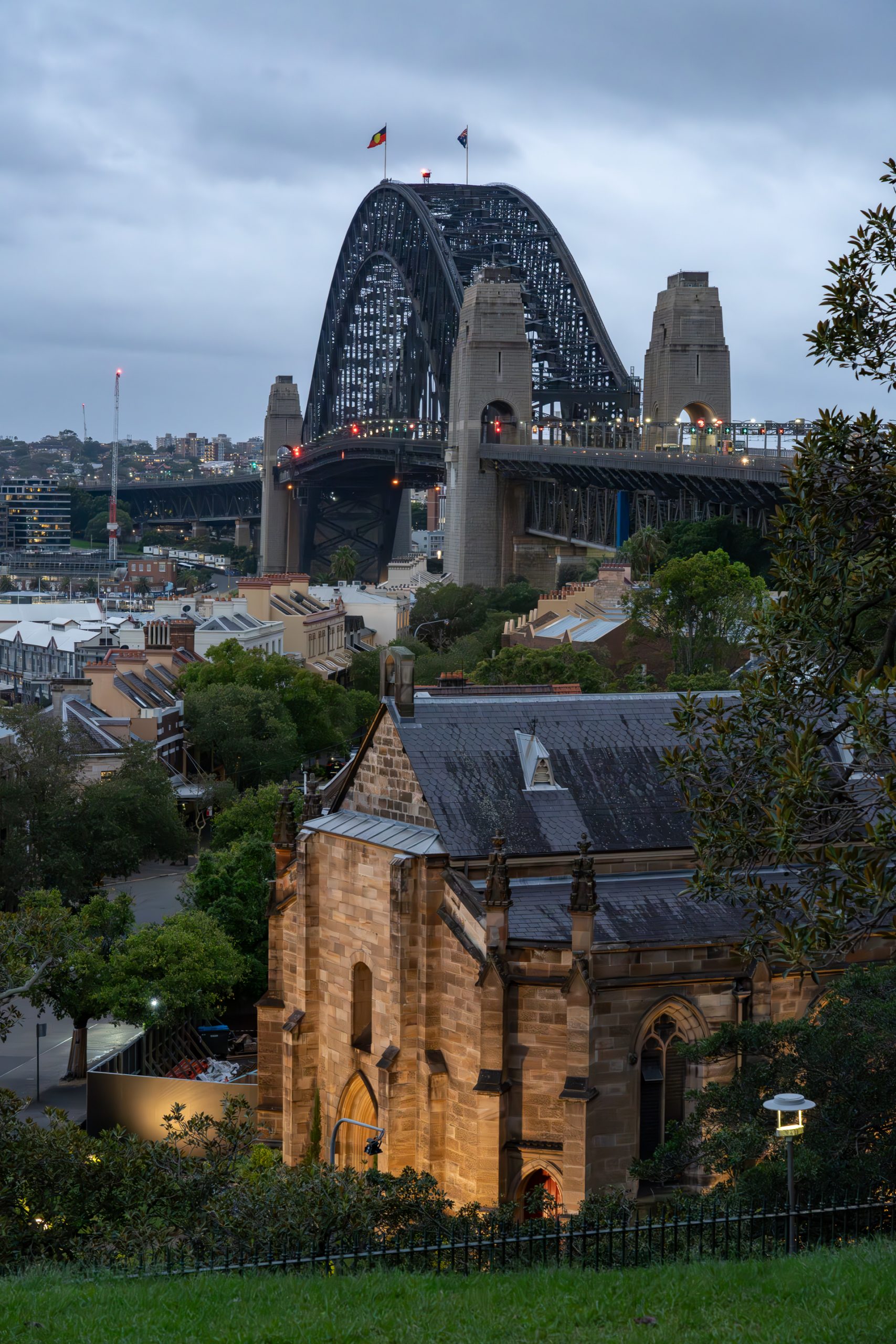
We returned to Sydney by fast ferry (considerably smoother ride than the regular ferry we took earlier in the day) and relaxed at the Customs House Library until our 6 pm walking tour of the “Rocks” began. Originally known as Tallawoladah by the Cadigal people, the Rocks was established in 1788 as the site of Australia’s first colonial settlement. Initially a hub for convicts, sailors, and merchants, it evolved from a rough and tumble, overcrowded area into a historic precinct. Our guide shared stories of robbery, murder, kidnapping and general mayhem painting a vivid picture of life in the area during its early days. It was quite entertaining and led us to some nice vantage points for photography. By the end of the day we covered more than 10 miles on foot.

Sydney Harbor Bridge
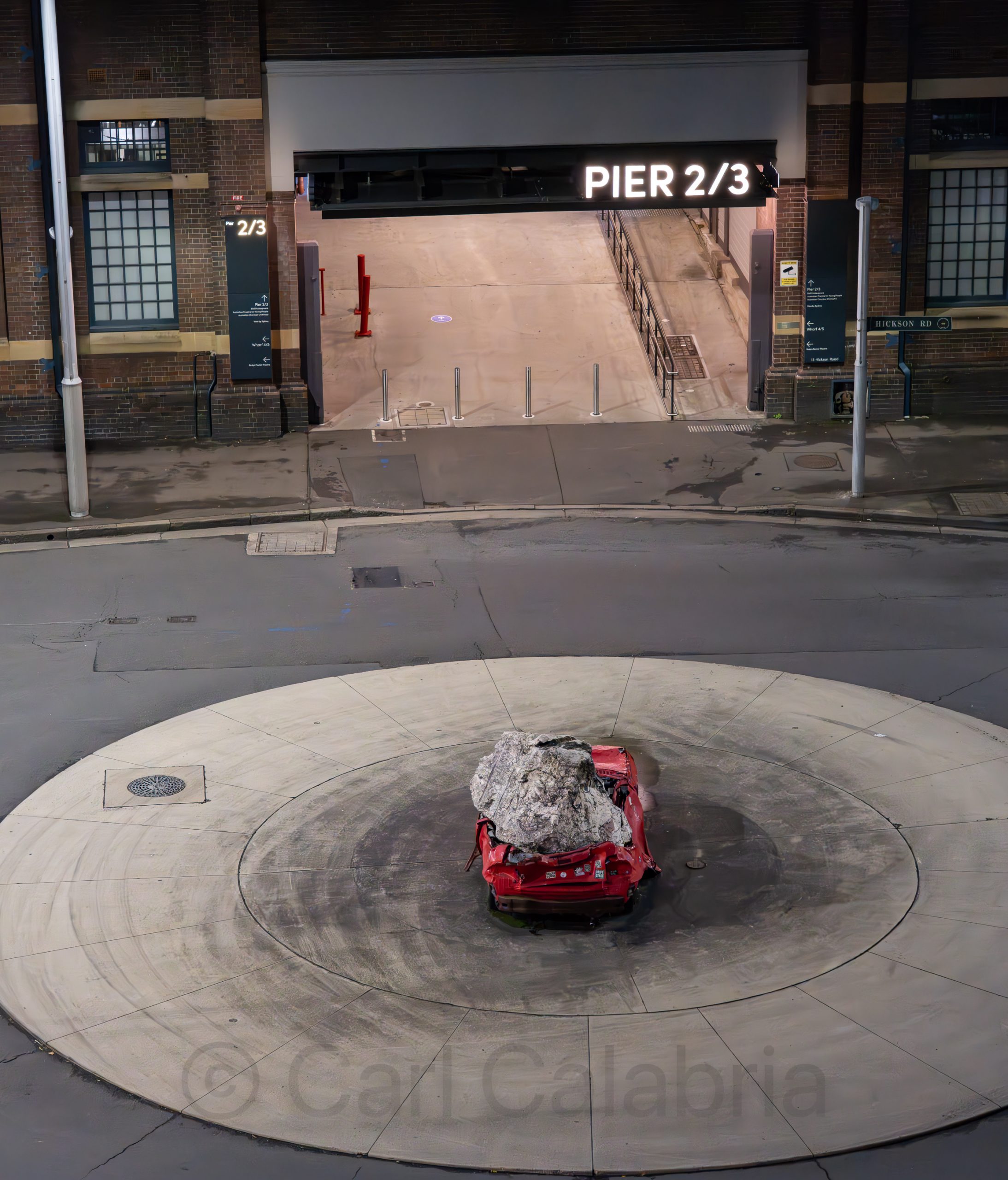
Rock crushing car art installation.
News From Home

This morning, I received a link to an article in our hometown newspaper about Concord United, the soccer team I have played with for the past 22 years. Good thing I will be missing our preseason tune-up match today. Otherwise, I would have had to endure some serious ribbing. The full article can be found here.

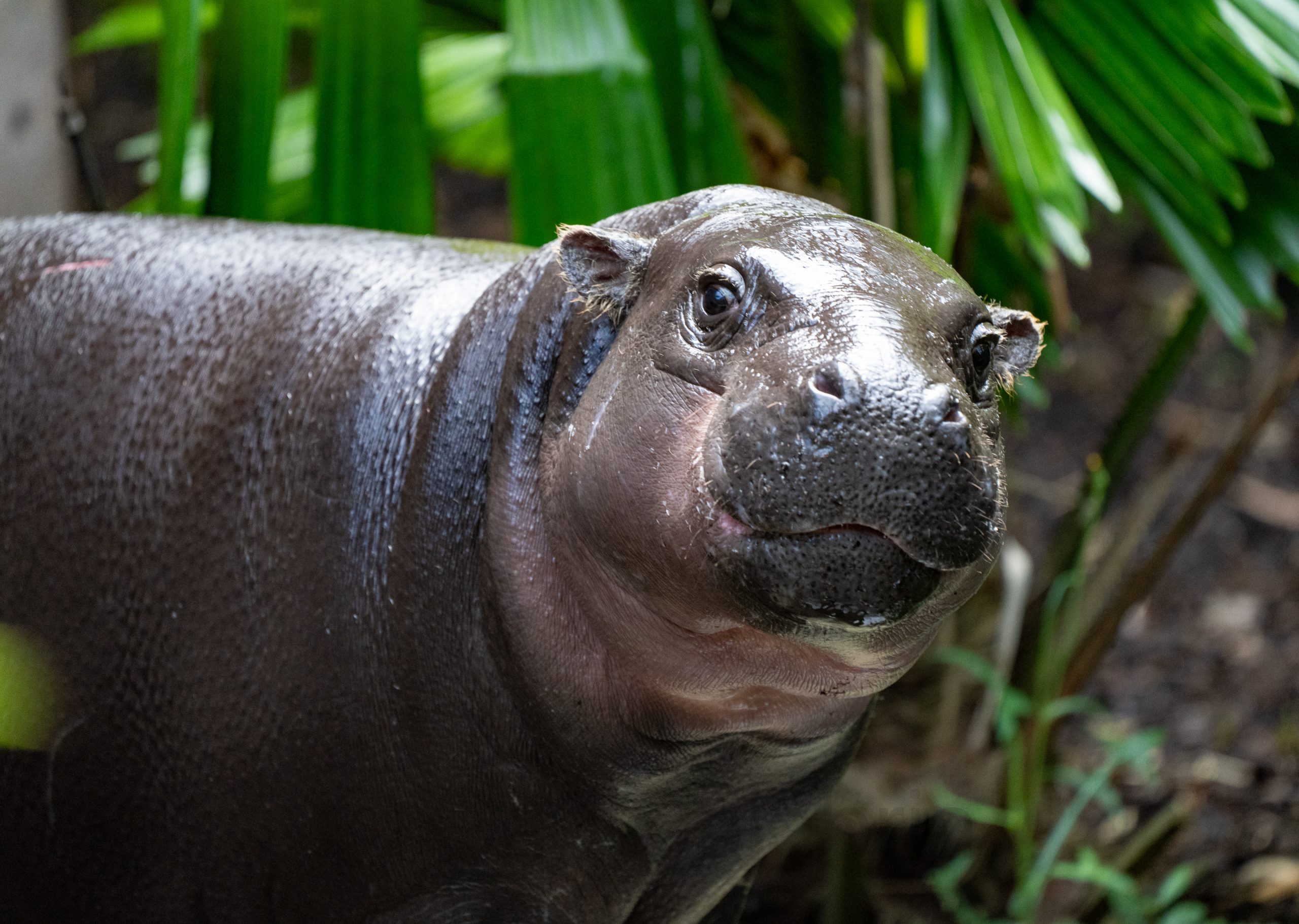
On the Australian front, Jeanine and I spent 5 hours at the Taronga Zoo. We ran out of energy before animals to see. The award for the cutest resident was a four-way tie between the baby koala, baby platypus (not pictured due to its nocturnal habitat), the blue penguin (not pictured because it was behind glass), and the baby pygmy hippopotamus.

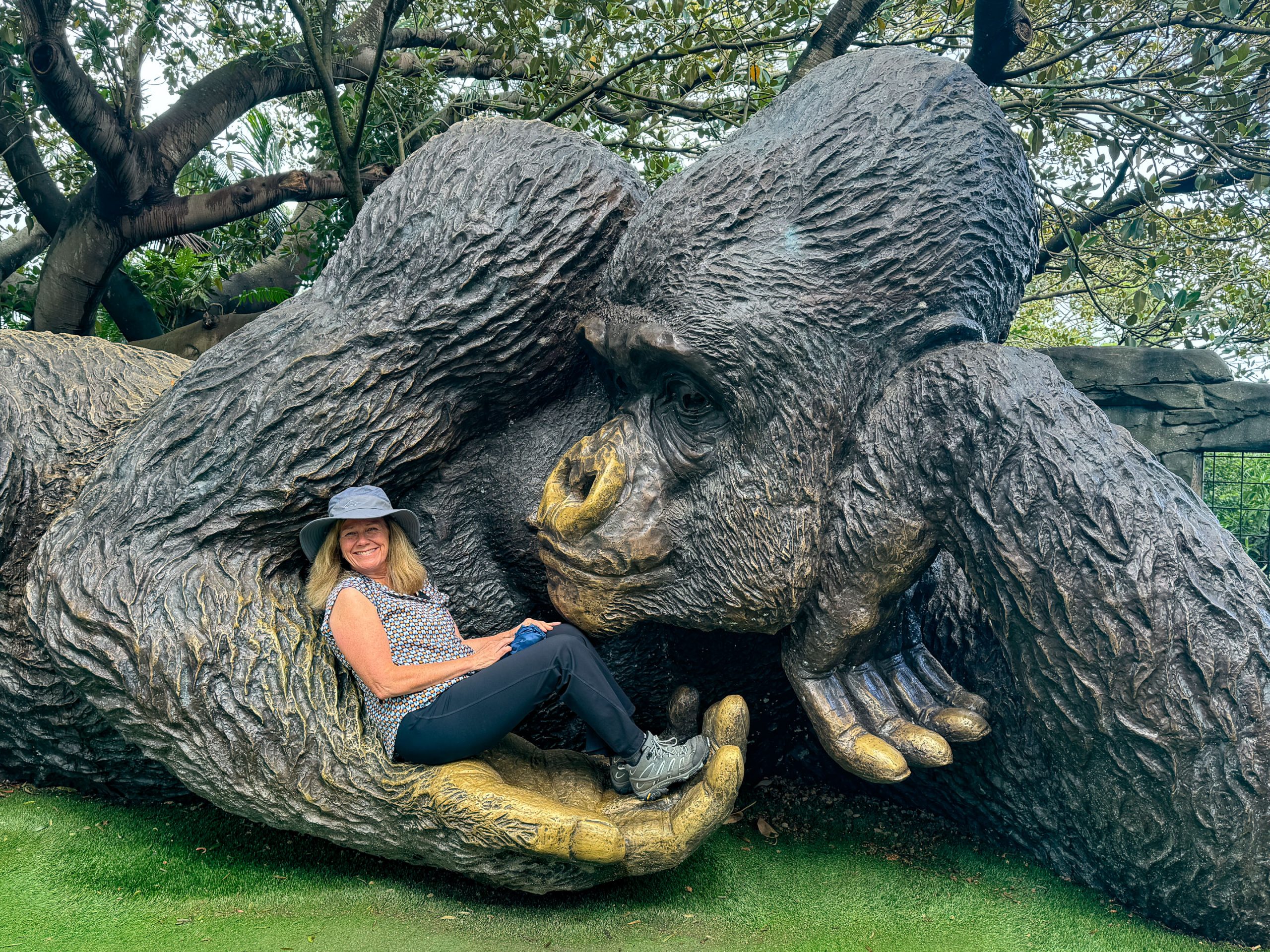
As you enter the zoo, you will see what I interpret as a statue of King Kong with an open hand for Ann Darrow. It took zero encouragement for Jeanine to assume the role. She did a few poses feigning fear but I liked this one of her giggling the most.

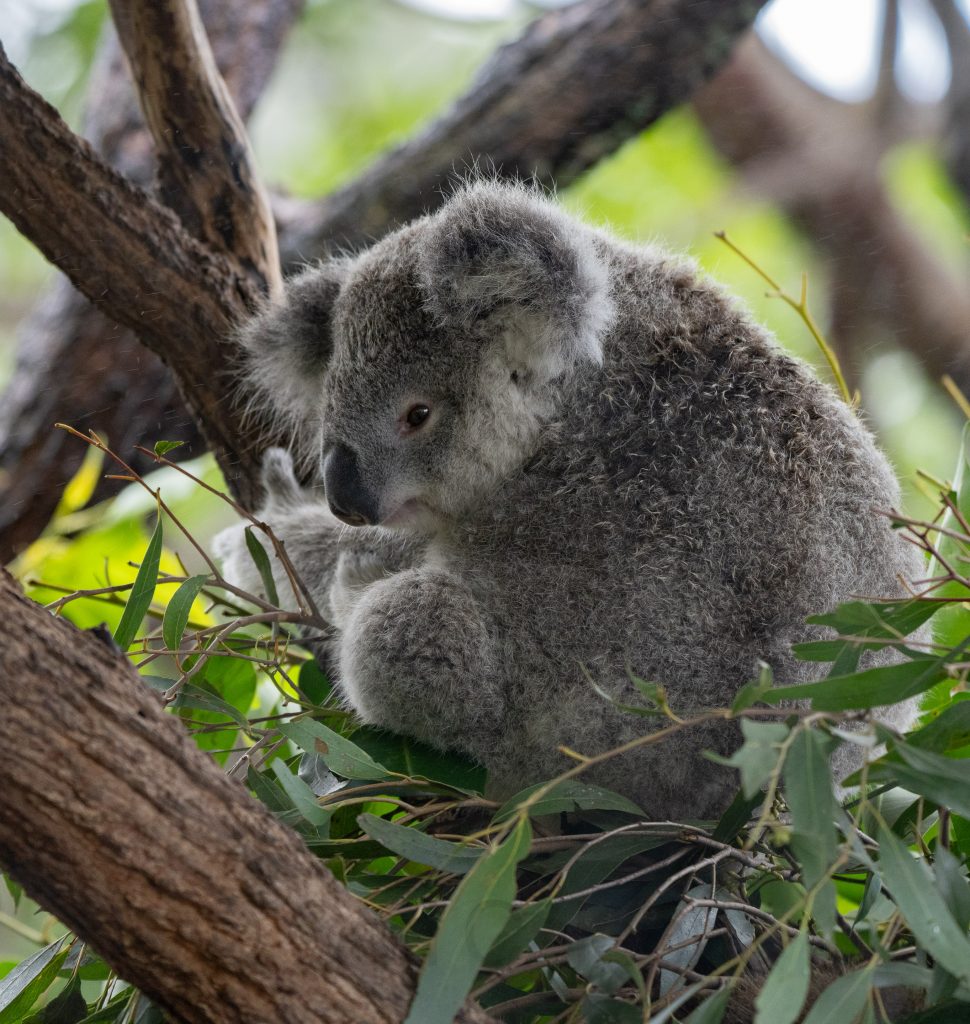
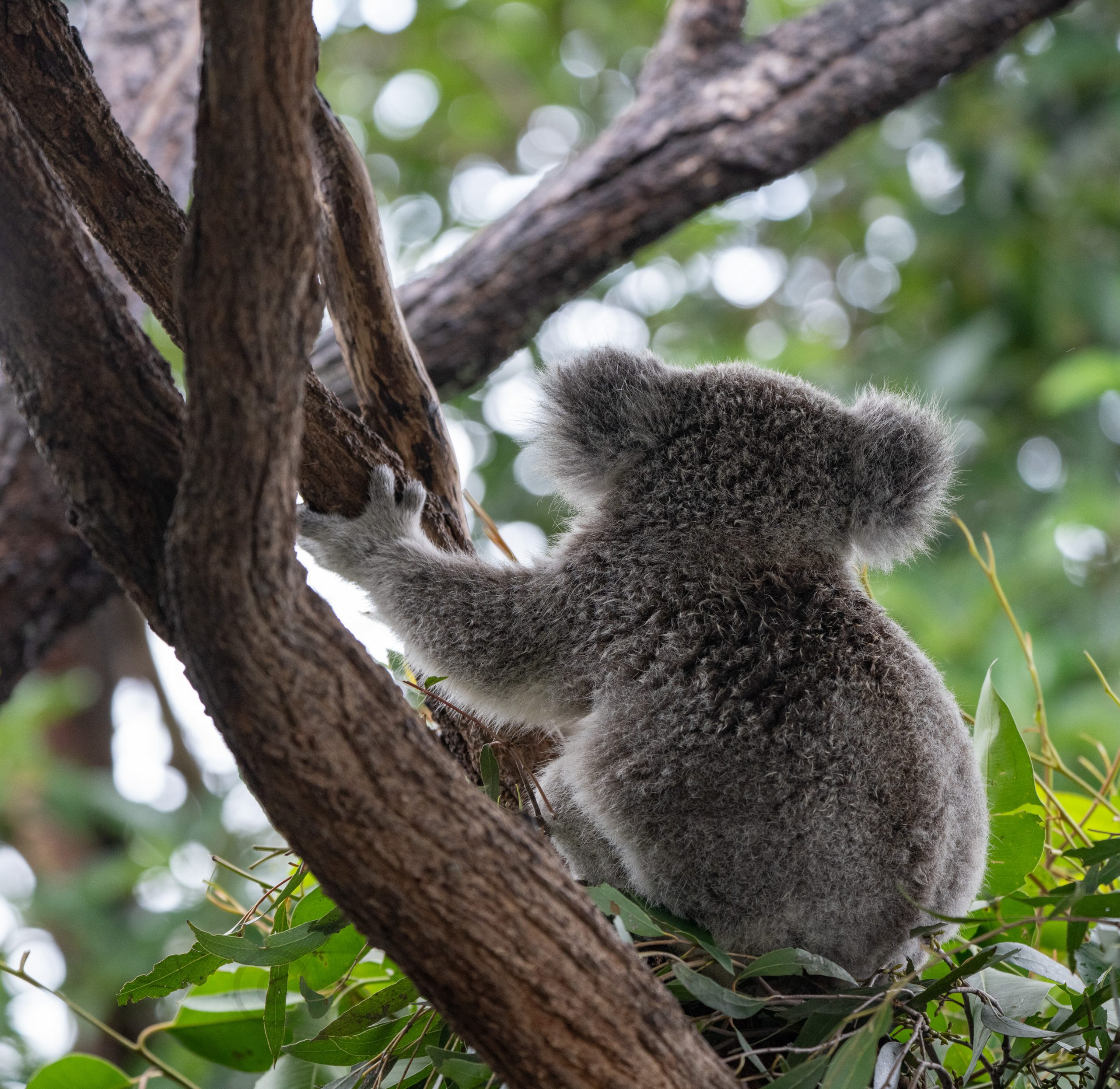
As you would expect, koala bears are prominently featured at an Australian zoo. I photographed nearly a dozen, but this alert youngster was my favorite.

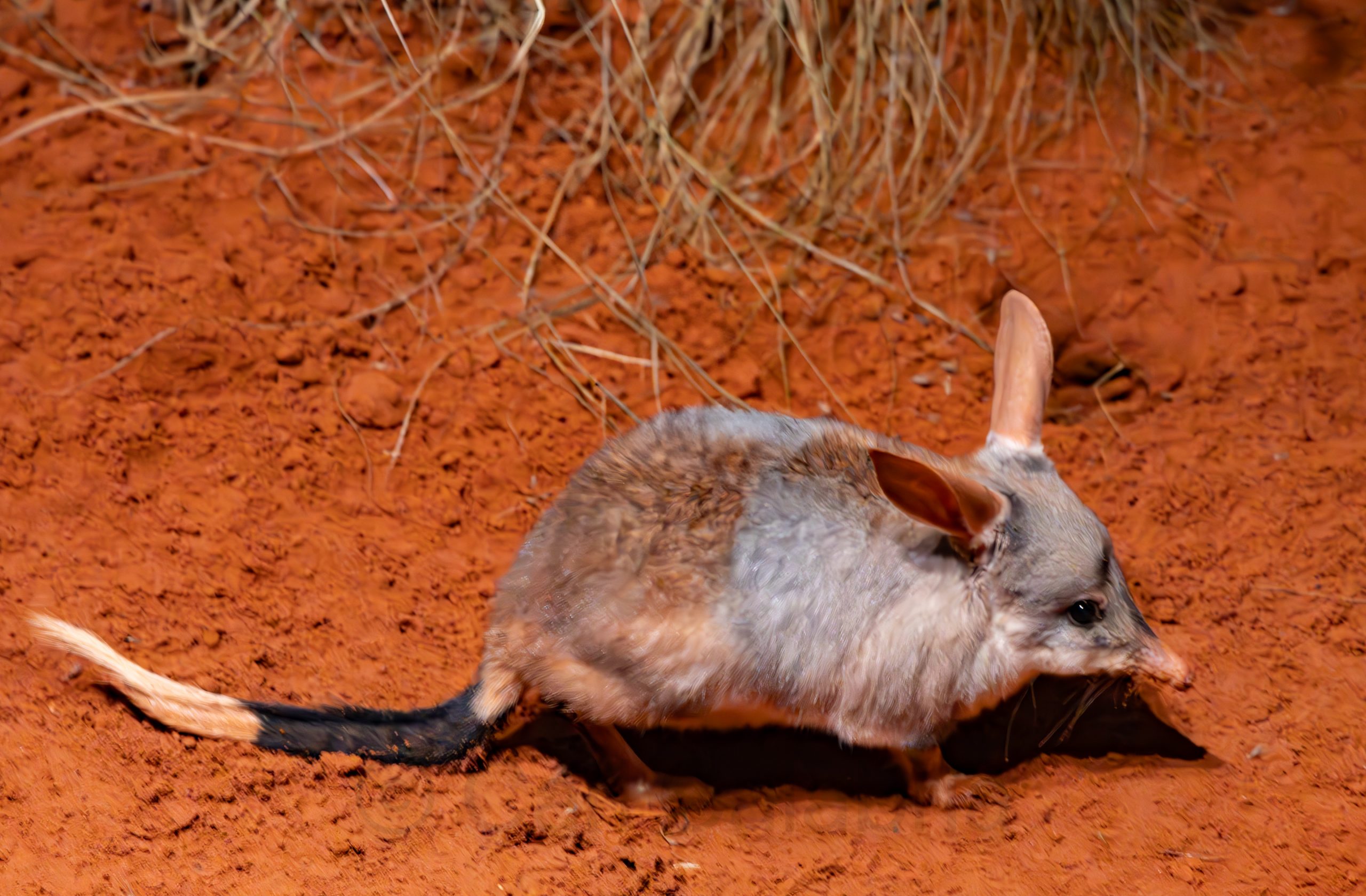
The greater bilby is a long-eared, rabbit-like marsupial native to Australia. It lives in burrows and is active at night, feeding on insects, fruit, or fungi. It was a runner-up in the cutest animal category.

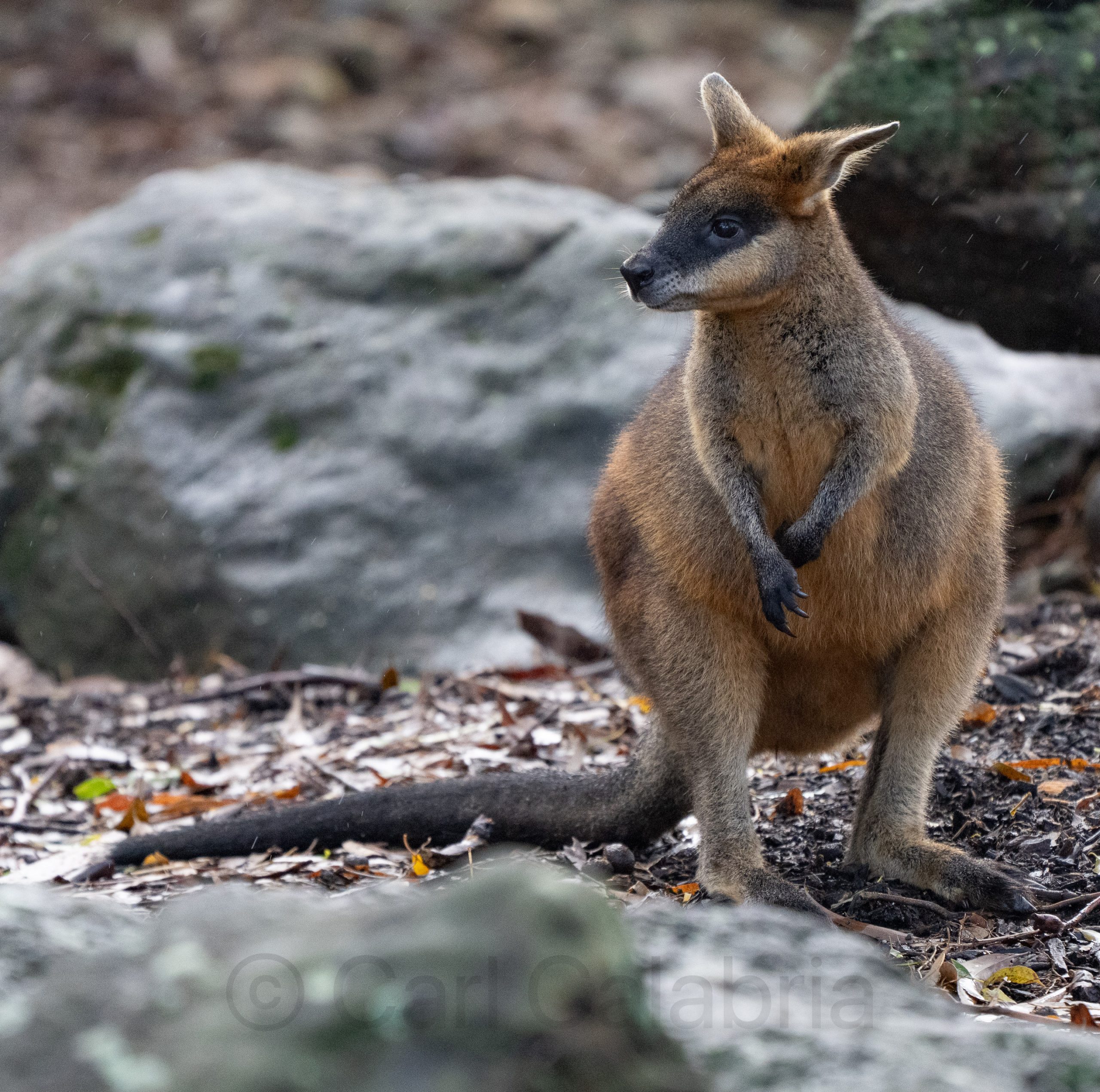
Compared to a kangaroo, rock wallabies are smaller, more agile marsupials adapted to rocky habitats with shorter legs and more vibrant coloration. Kangaroos are larger, faster, and inhabit open plains with longer legs and more uniform coats.

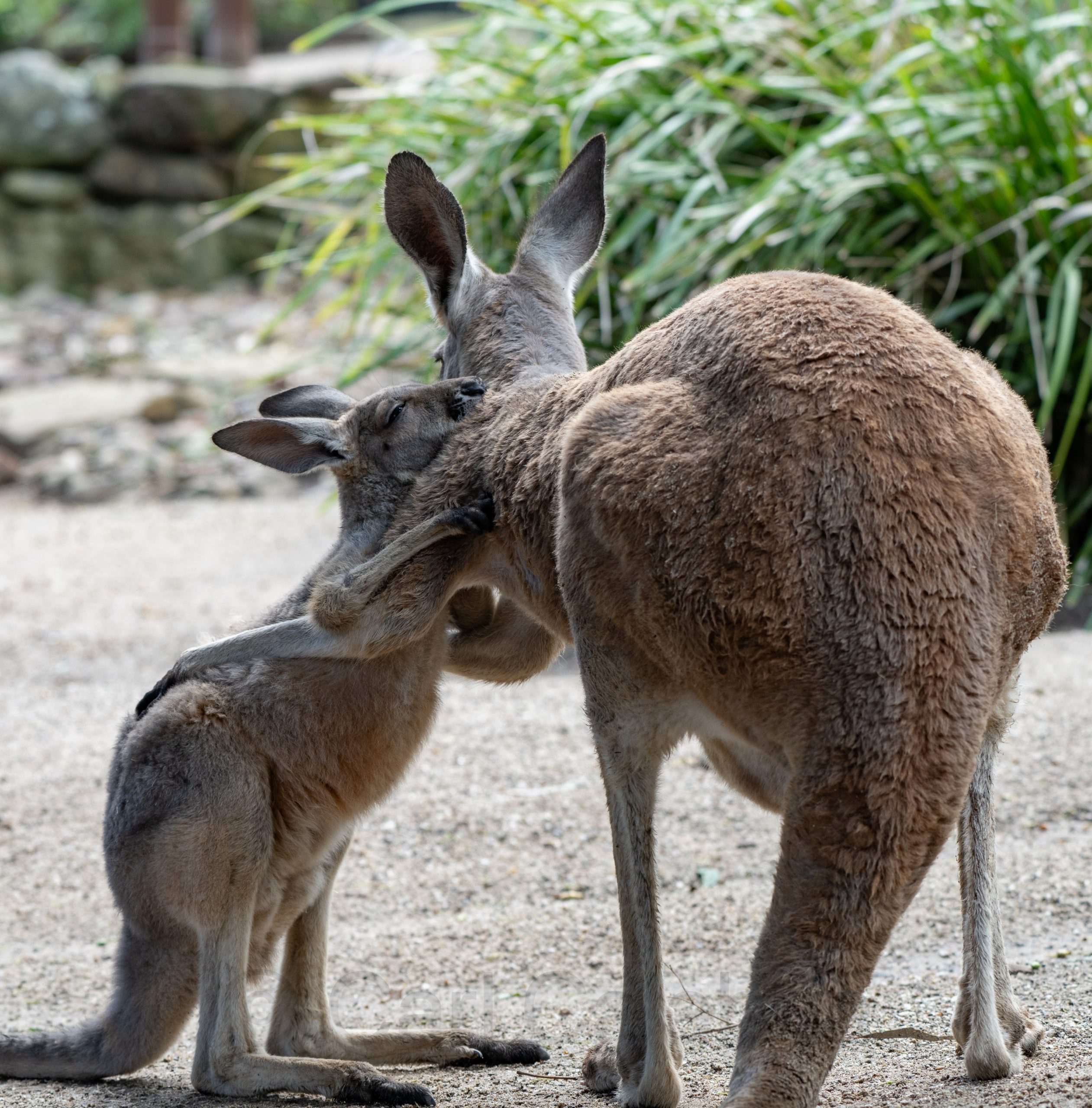
This image is exactly what it looks like. A mother red kangaroo and her joey hugging. I am not anthropomorphizing here. I did not believe it at first, but after watching closely through my telephoto lens, the embrace was unmistakable.

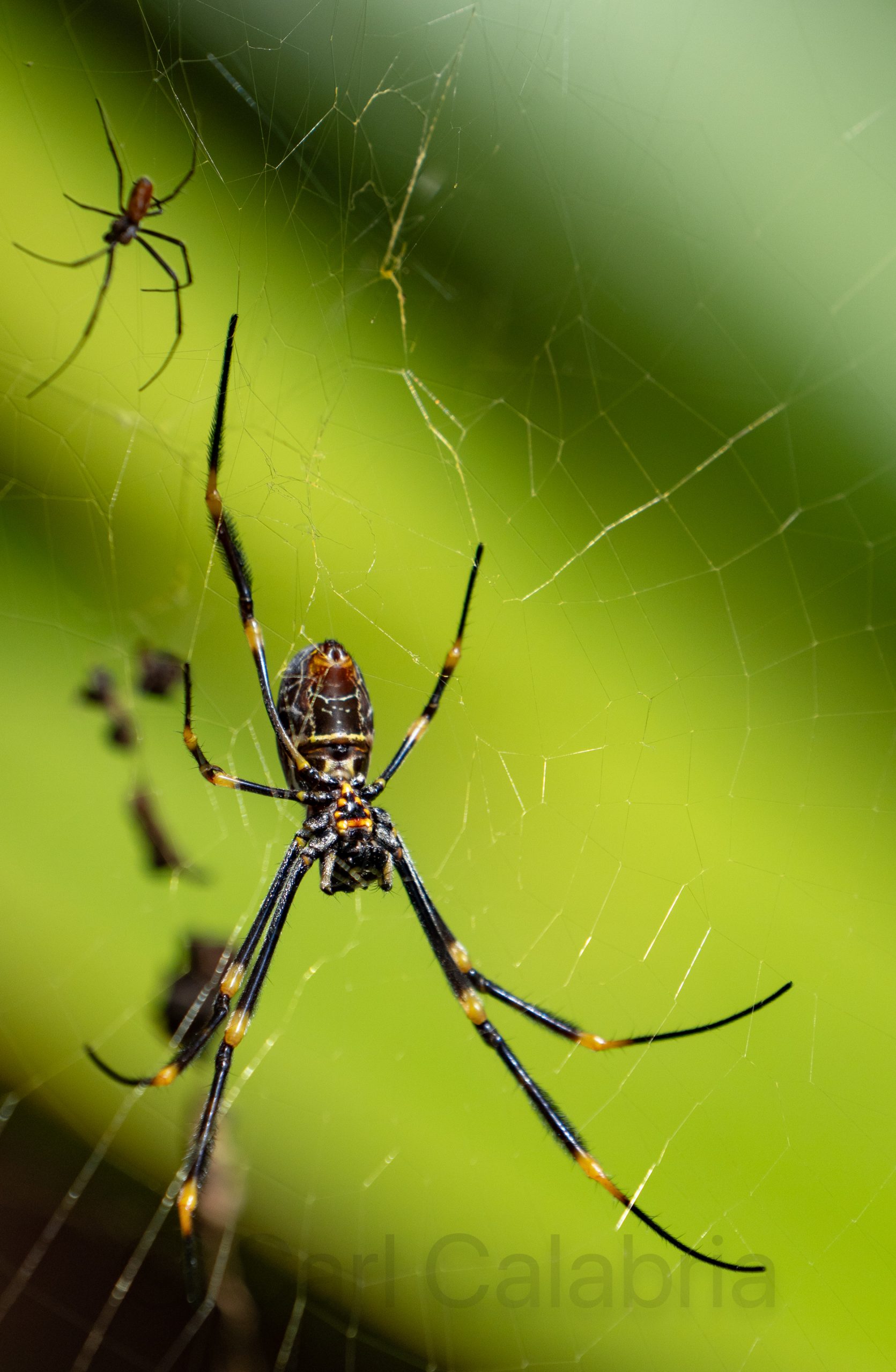
These spiders were not on display. I spotted them on one of the walking paths to the consternation of Jeanine who has been studying up on all the poisonous snakes and spiders native to the country.

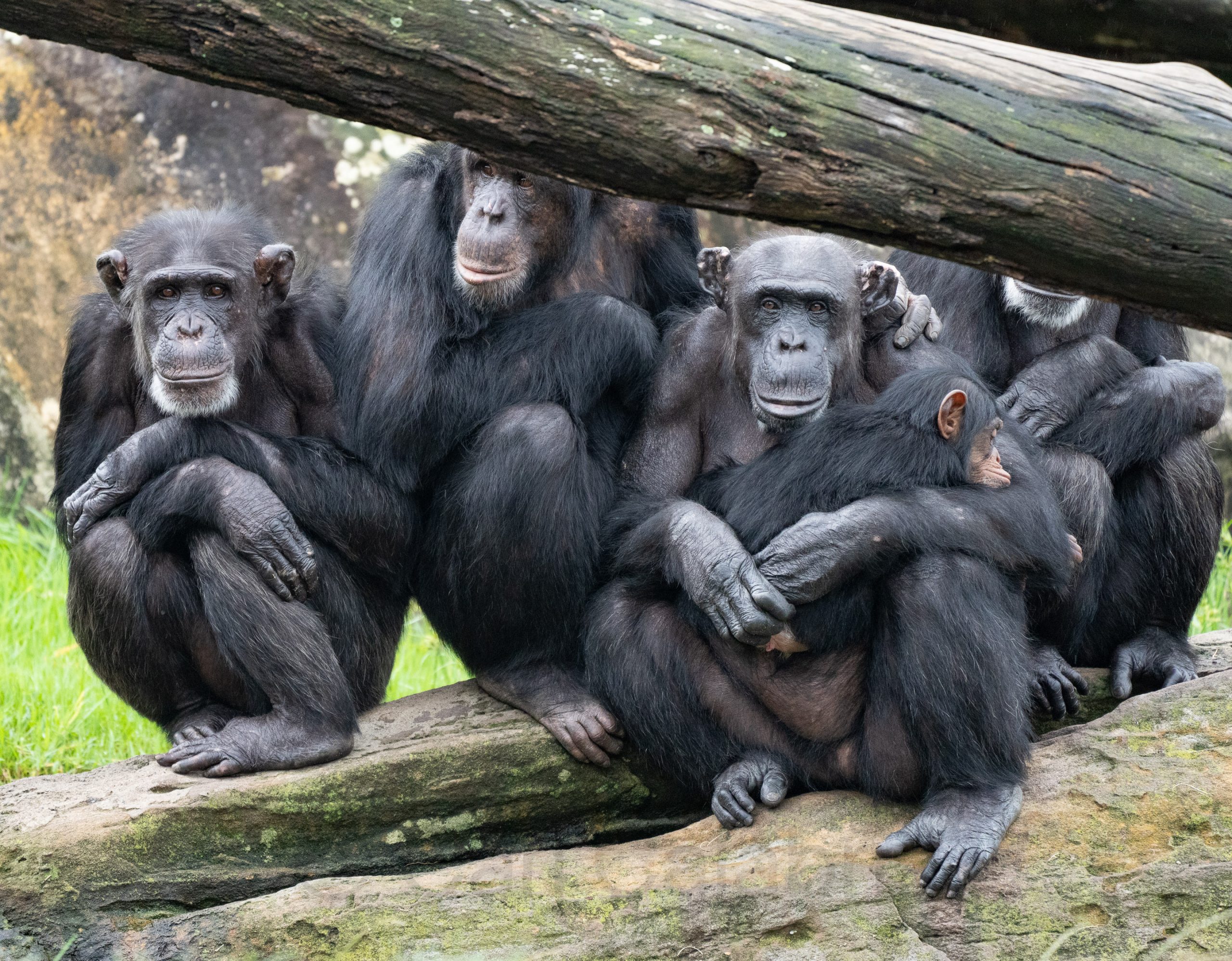
If not for the log blocking my view, this might have been one of my all-time favorite animal photos.

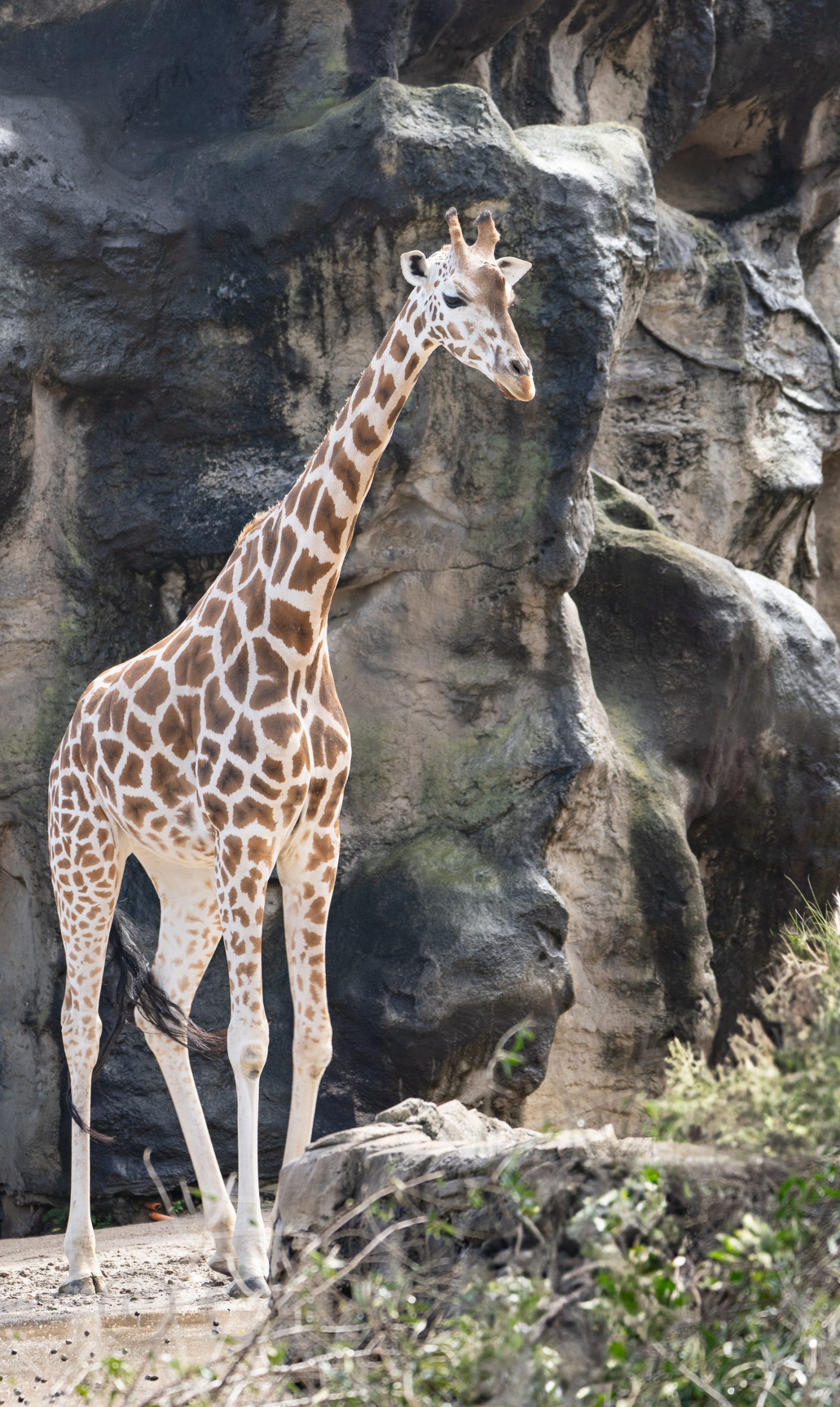
When Jeanine and I were in South Africa, I photographed giraffes in the wild with the kinds of African savanna backgrounds you would expect. I like this photo because I was able to isolate the giraffe against the limestone back wall of his enclosure for a composition you would be unlikely to find elsewhere. Whenever I photograph animals at a zoo, I try to do so in a way that does not reveal their captivity.

Born in January, baby pygmy hippopotamus Lololi is every bit as cute as internet celebrity Moo Deng. I shot and saved dozens of photos of this cutie.

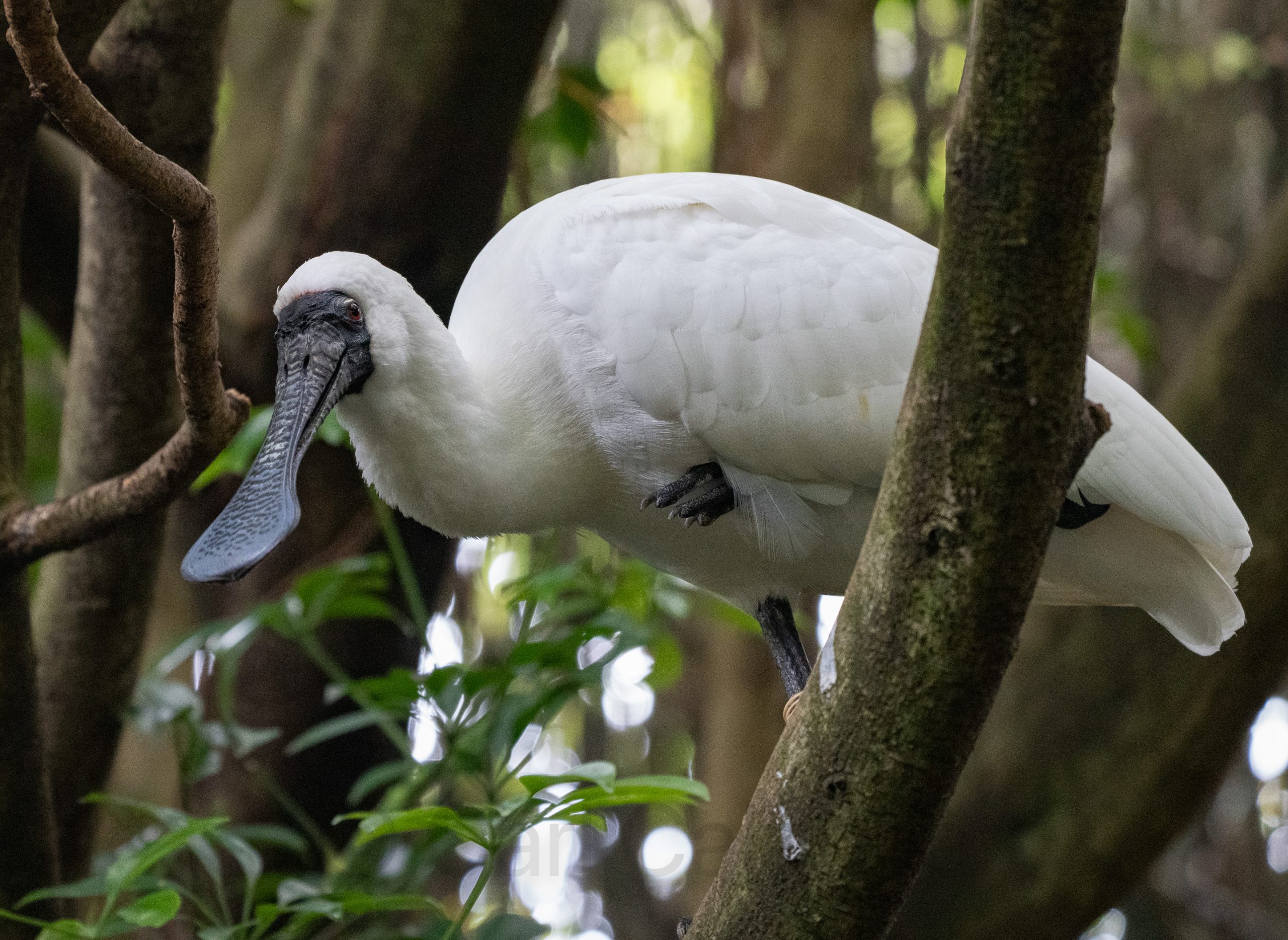
The royal spoonbill, also known as the black-billed spoonbill, occurs in intertidal flats and shallows of fresh and saltwater wetlands feeding on crustaceans, fish, and small insects by sweeping its bill from side to side.

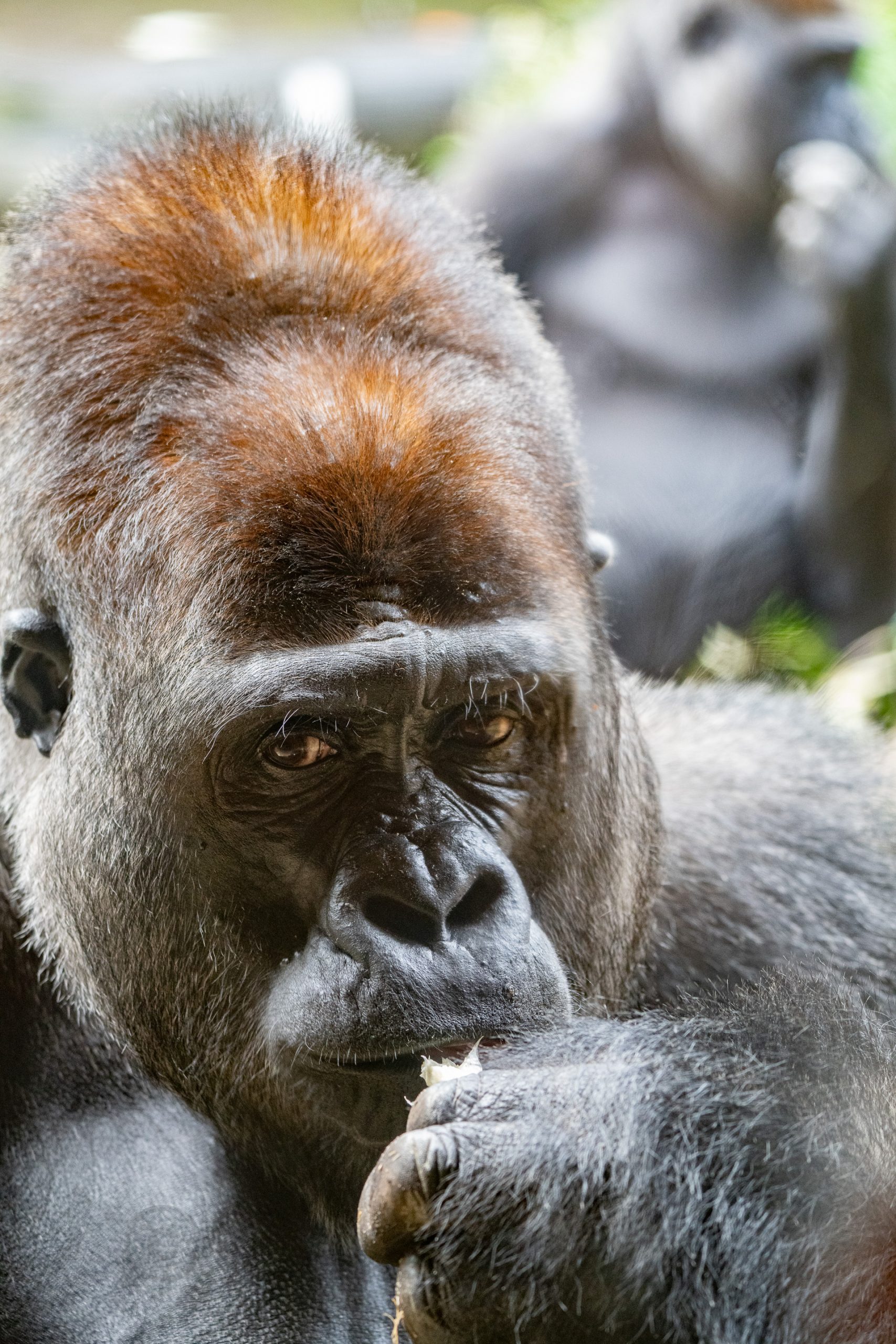
I was about 2 feet from this massive silverback gorilla when I took this photo (through the plate glass front of his habitat).

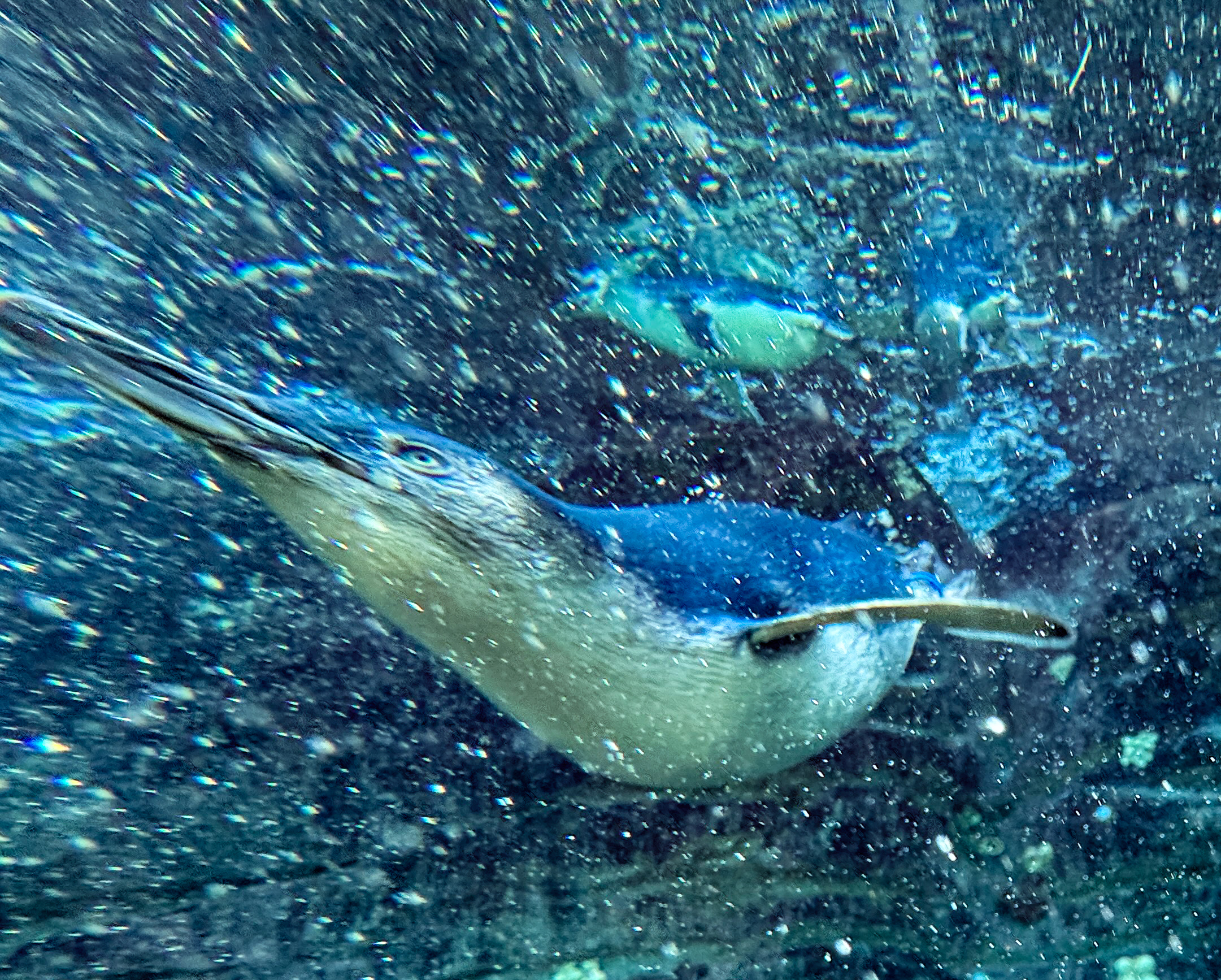
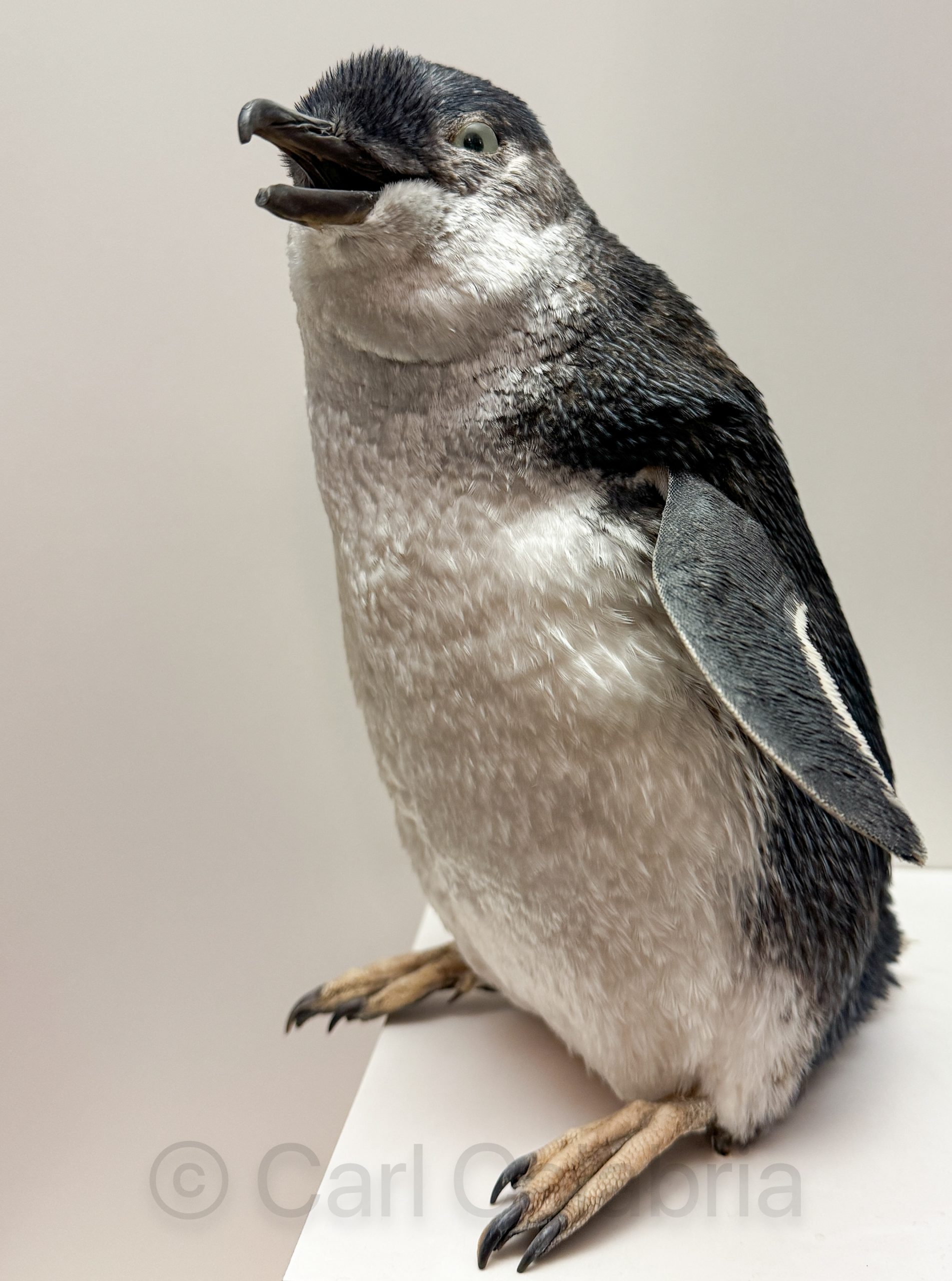
The smallest of all penguins, the blue penguin stands about 12 inches tall. The photo below of one swimming underwater is heavily distorted by the wide-angle lens used to make the image.

Australian Museum

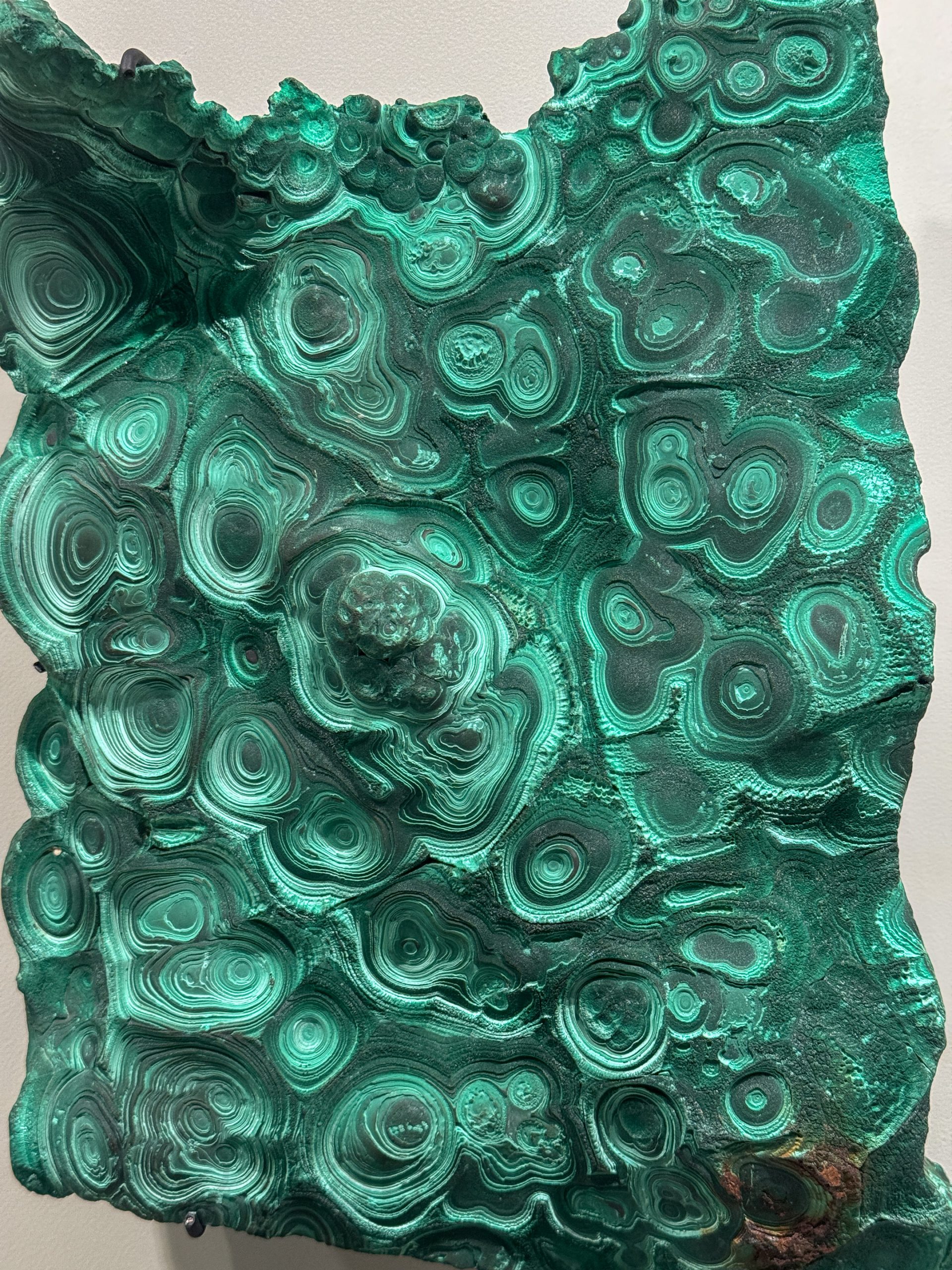
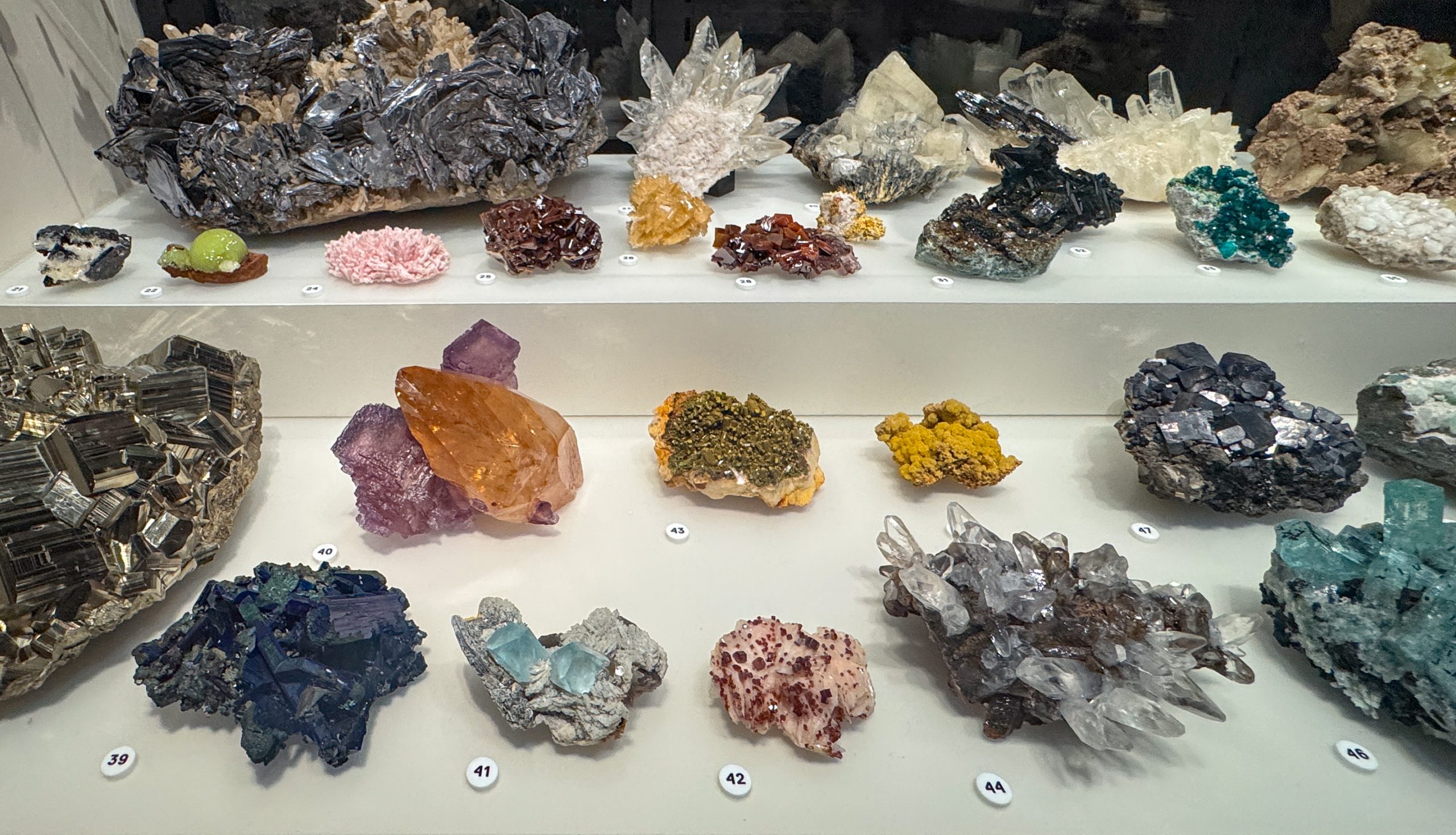
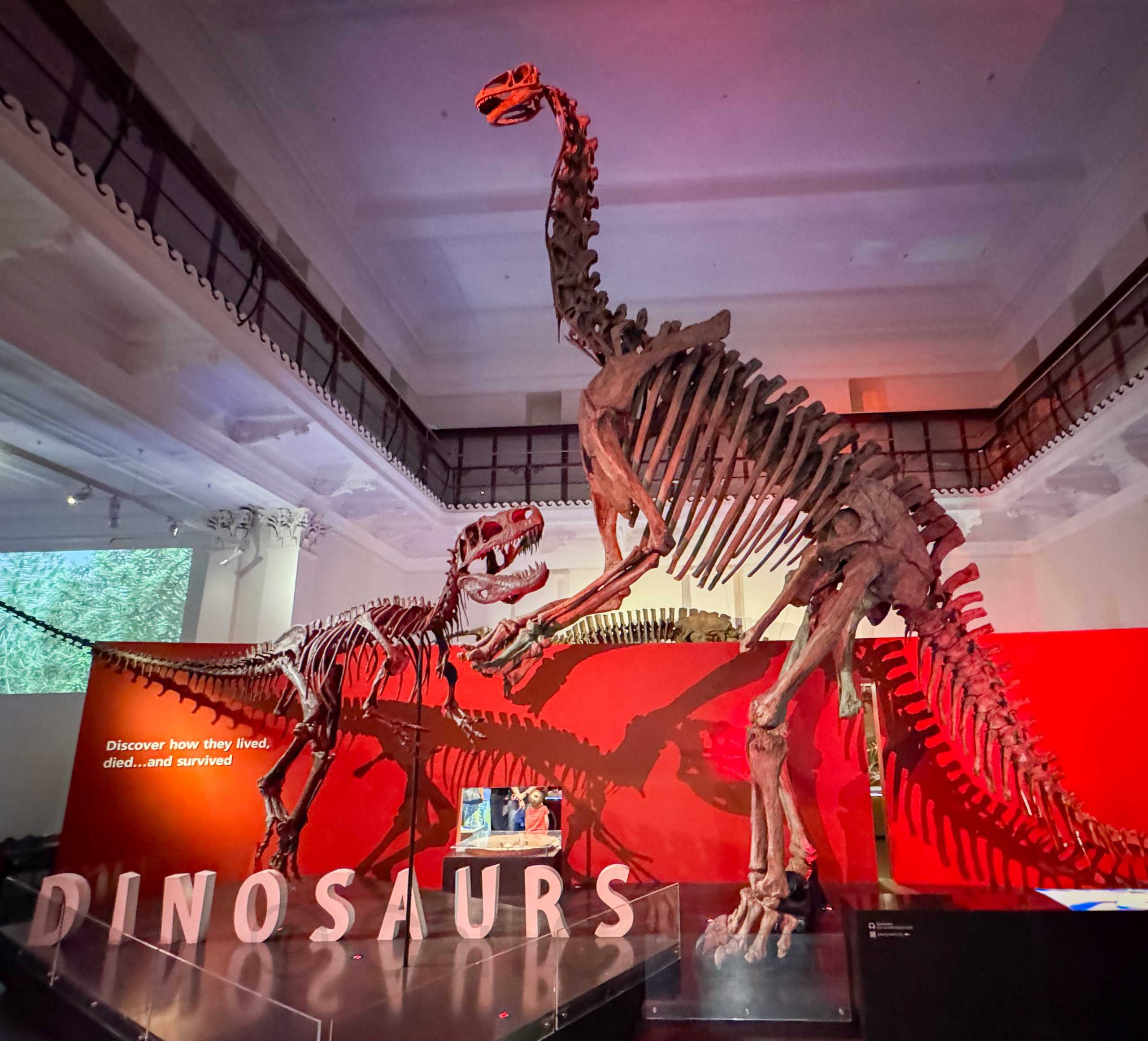
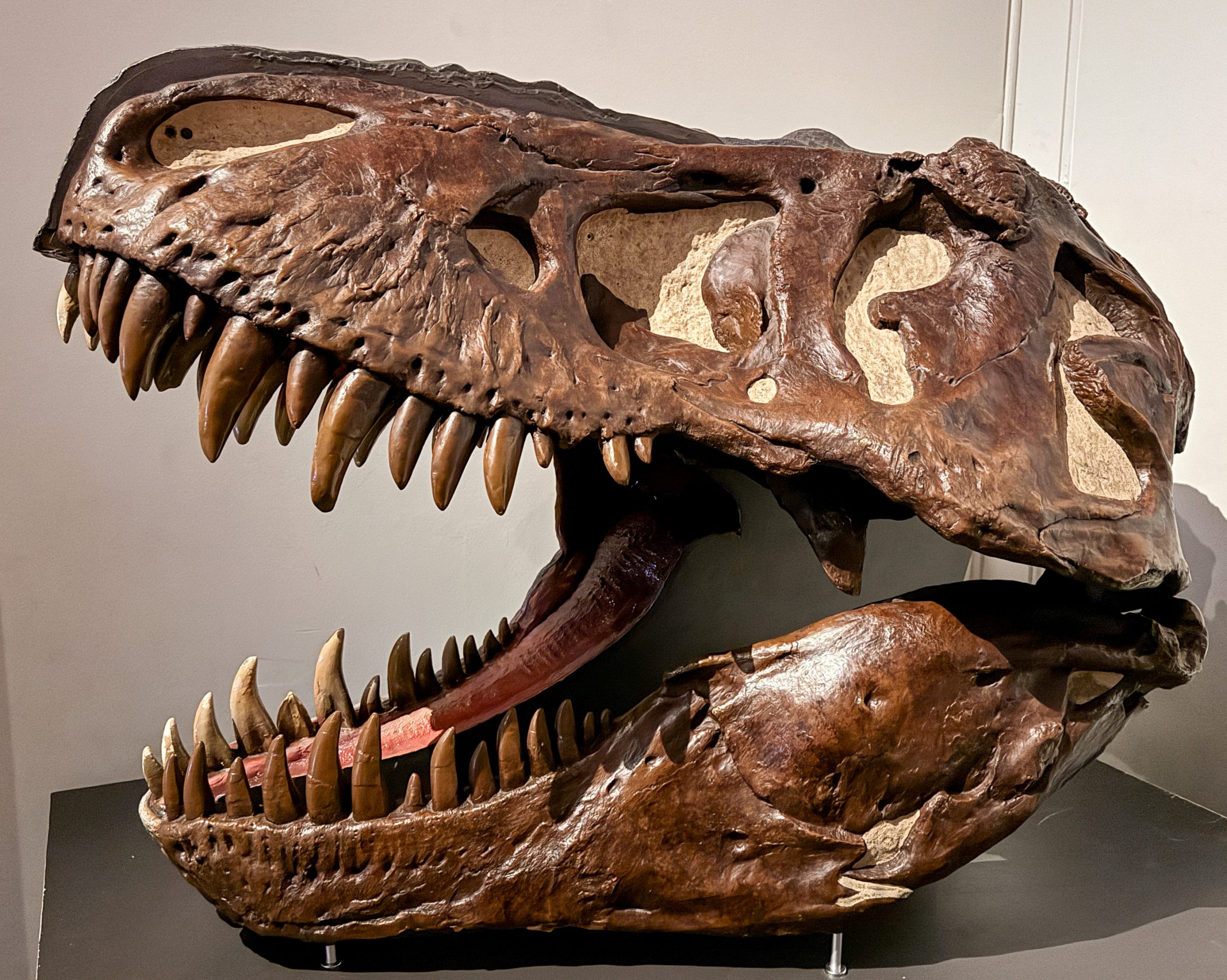
It rained nearly the entire day, so we spent it primarily indoors at the Australian Museum. I was particularly captivated by the world-class collection of minerals and spent hours in this section alone. I also enjoyed the dinosaur exhibit and the taxidermy collection of all the birds of Australia. Later, we dined at a very nice Japanese restaurant before starting a search for gelato. Fortunately, the rain had subsided by then.

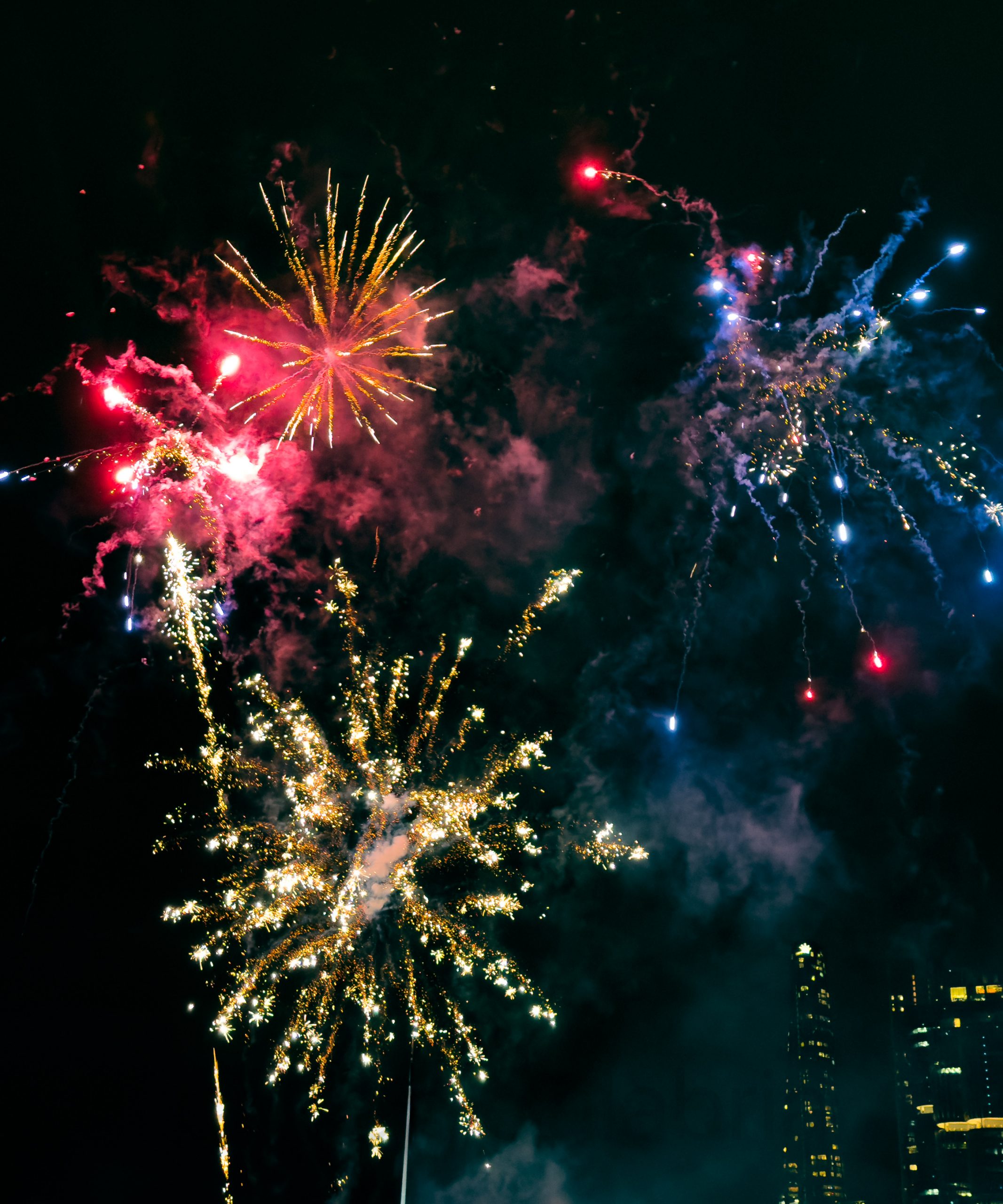
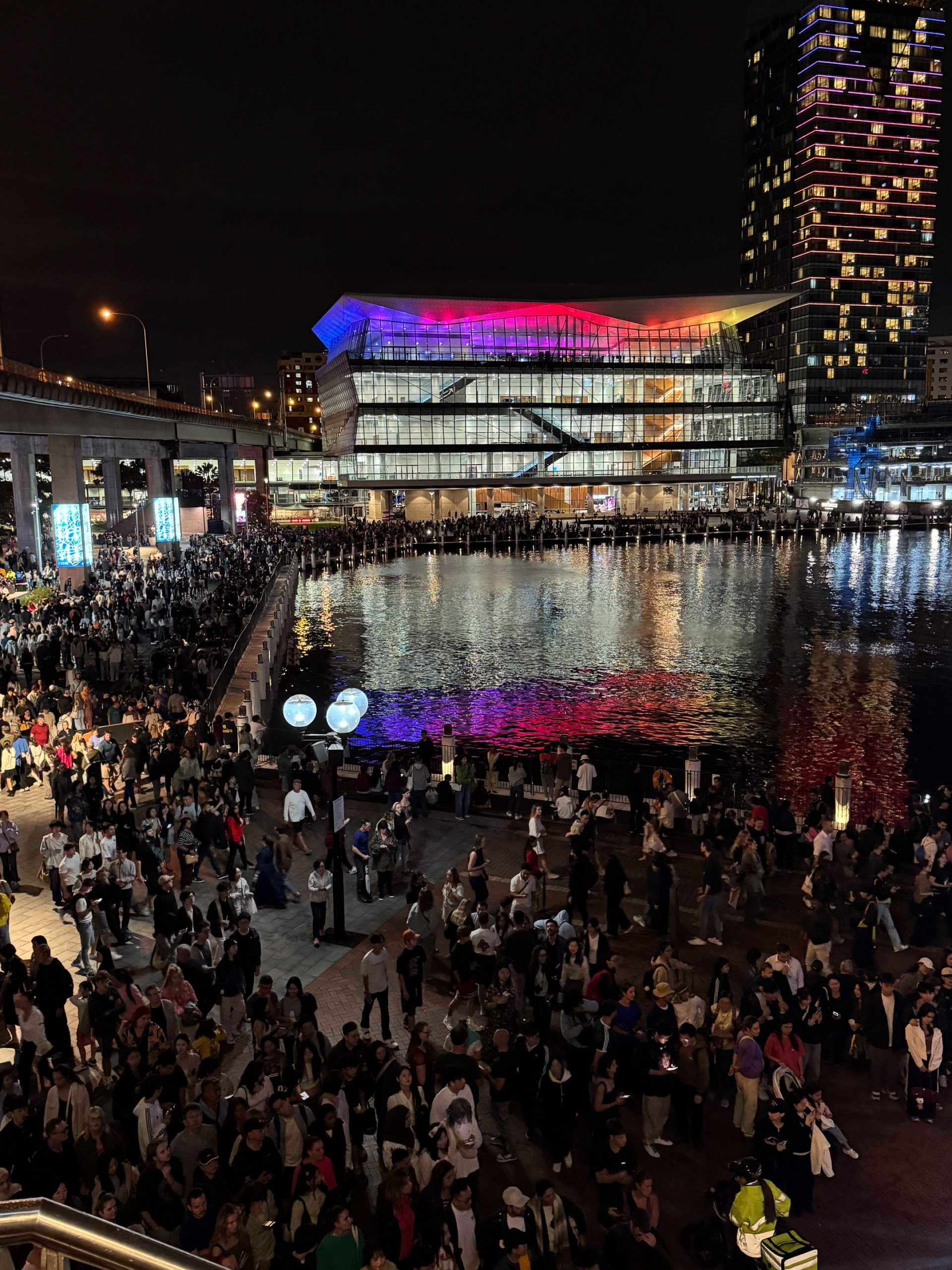
When we found the perfect gelateria, we learned that the once-monthly fireworks over Darling Harbor would happen in an hour, so we decided to wait for the show. We found an ideally situated bench seat and people-watched as waves of spectators showed up for the event. The fireworks were well worth the wait and felt like a serendipitous gift.

Darling Harbor

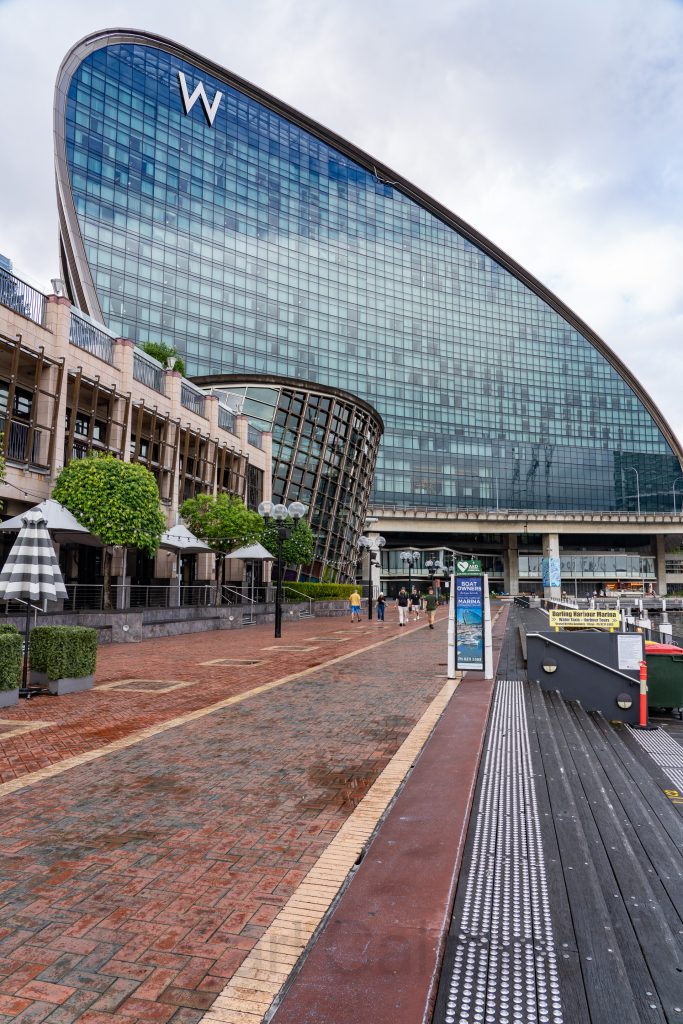
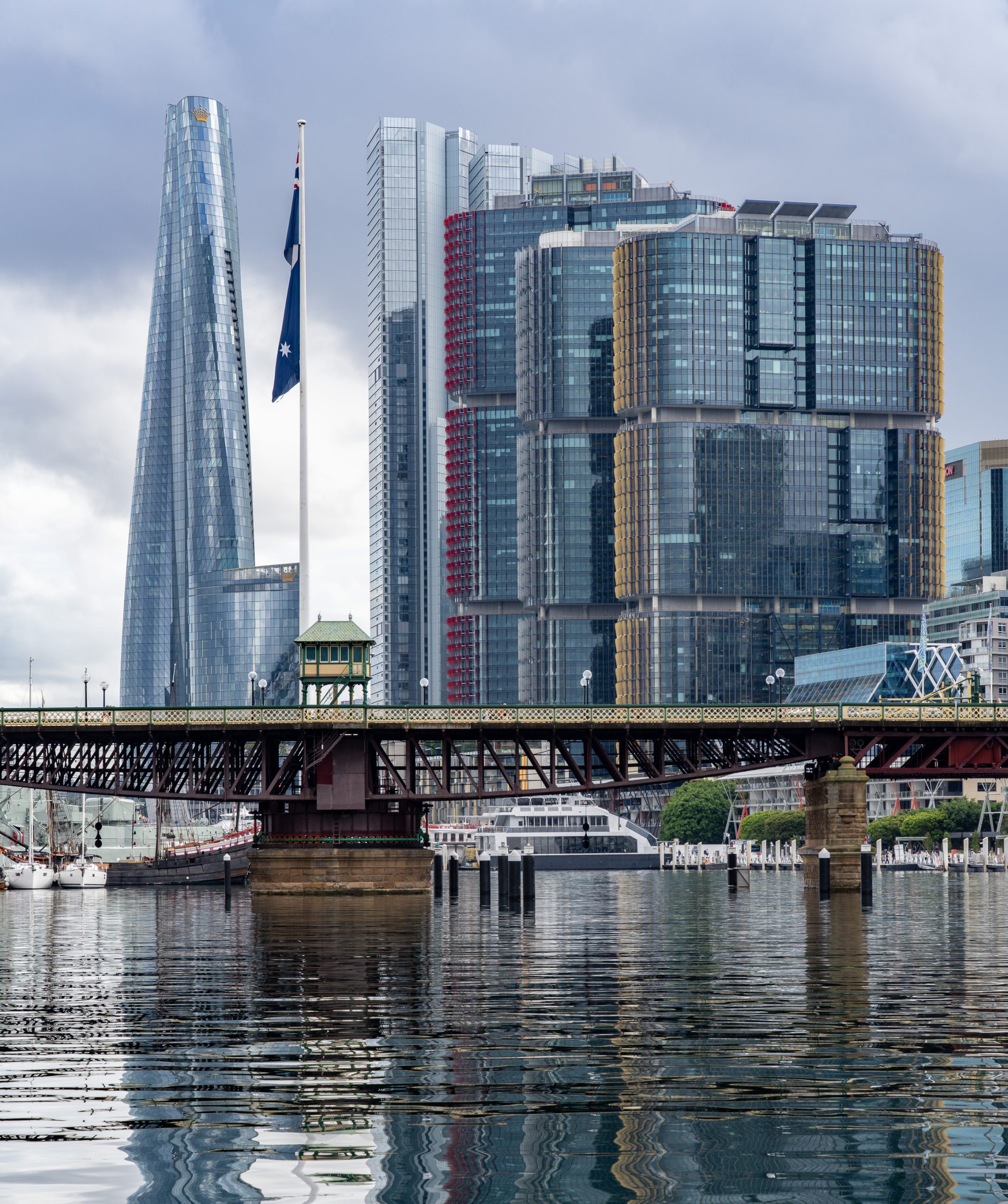
Darling Harbor is aptly named, not for the former New South Wales Governor who attached his name to it, but for its delightful charm and eccentric mix of the old and new. It is a short walk from our apartment and was our destination for the day.

In front of the Sofitel Sydney Darling Harbor is a fountain designed by Robert Woodward. The fountain is saucer-shaped, with ten spiraling paths for water and two spirals serving as walking paths leading to the center. The flow of water creates mesmerizing crisscross wave patterns through its unique hydraulic design. It is one of the most beautiful water features I have ever seen.

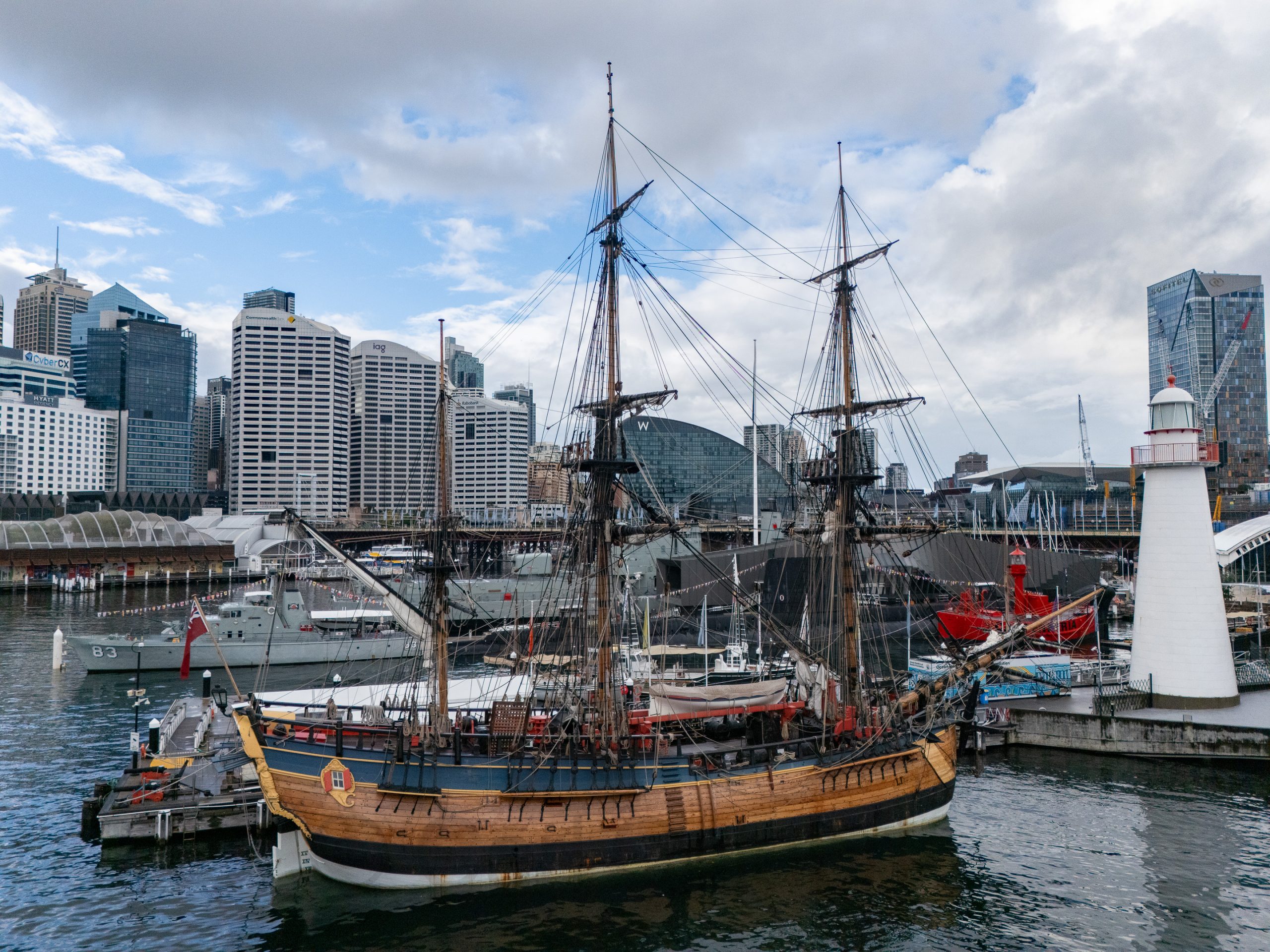
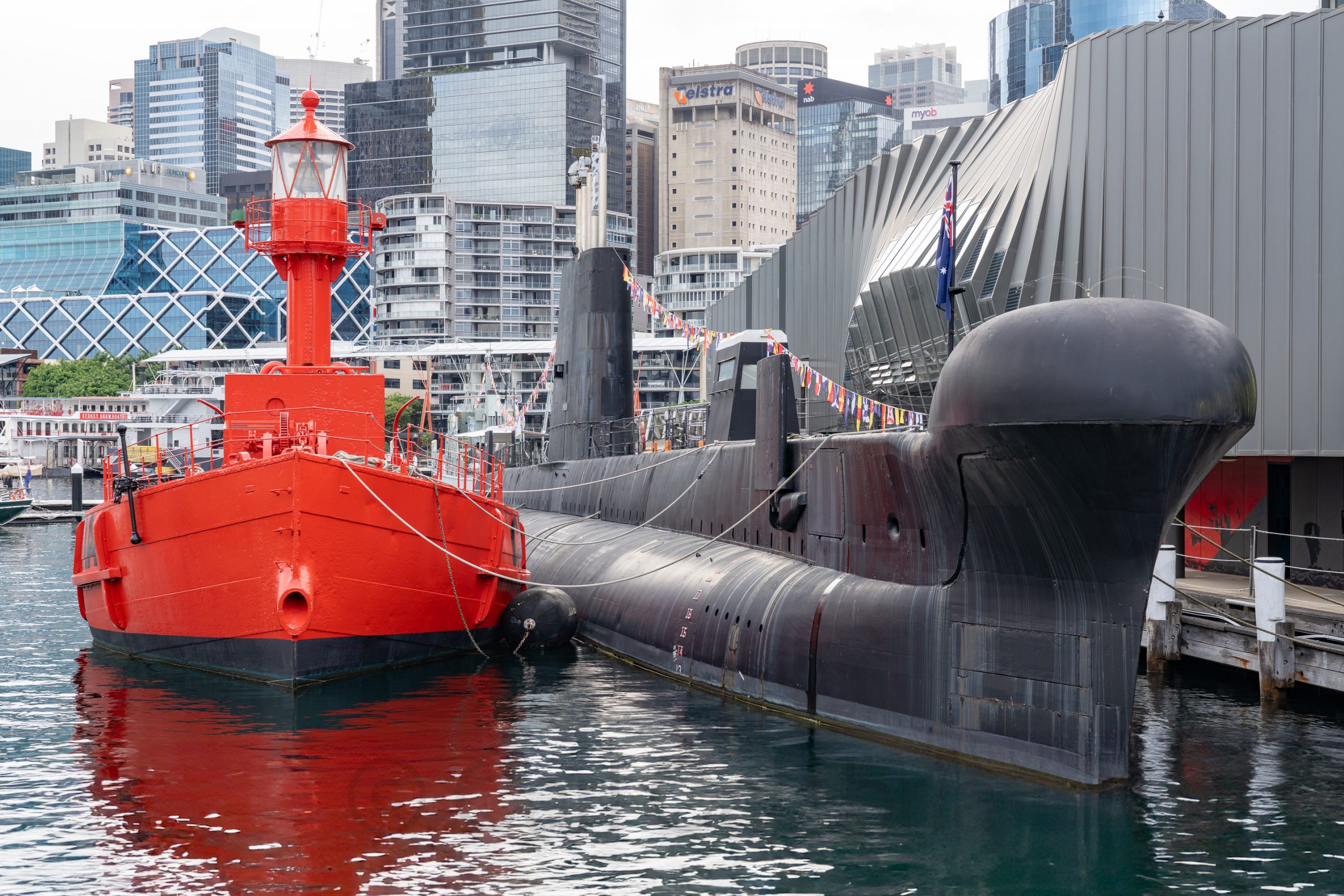
We arrived at the Australian National Maritime Museum as it opened and spent hours there. Of particular interest was the Ocean Photographer of the Year exhibit, which was exceptional and tours of Captain Cook’s HMB Endeavour Replica and the HMAS Onslow submarine.

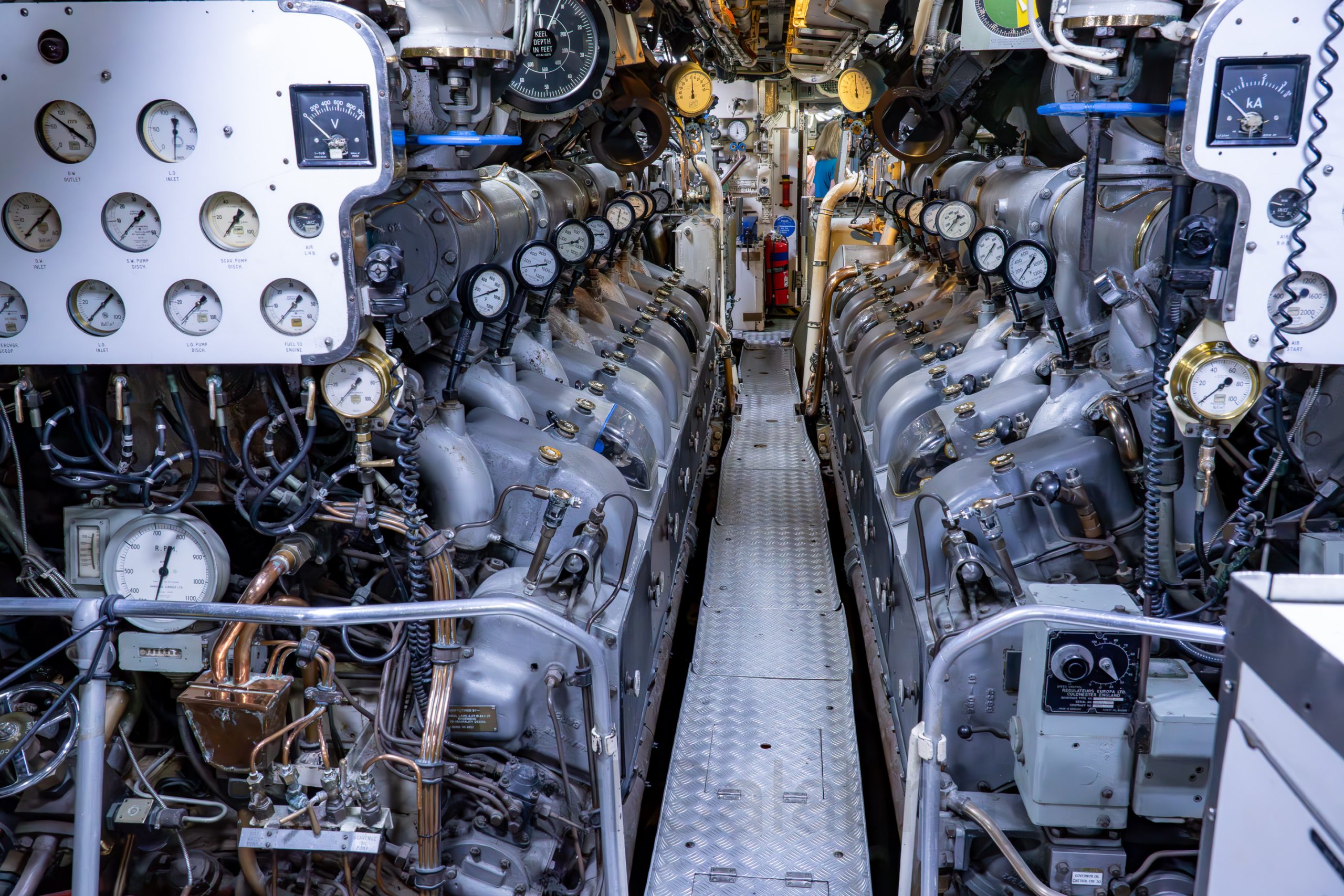
HMAS Onslow was an Oberon-class submarine that served in the Royal Australian Navy (RAN) from 1969 to 1999.  She is 295 ft long and 26 feet wide, capable of 12 knots surfaced and 17 knots submerged, powered by two supercharged V-16 diesel engines, each driving a 1.28 mega-watt generator connected to a 3,000 horsepower electric propeller motor. As much as I romanticize submarines, our on-board tour made it clear to me this is not a place I would ever want to work.

Australia

Today was a travel day from Christchurch to Sydney, Australia, where we will be spending the next week. I was very happy to return our rental car after logging 3300 miles, the equivalent of driving from Bangor, Maine to San Diego, California. Although I adapted fairly well to driving on the other side of the road, it required much more concentration. I am happy to report that I did not hit anything and only received one speeding ticket. In Sydney, we are staying in an 11th-story downtown apartment situated a short walk from the transit system which we will rely on for our stay.. Getting here from the airport was a breeze. The view from our window is a stark contrast to the natural scenery we have enjoyed for the last month but quite interesting just the same. Tomorrow, we will begin our exploration of the city and environs.

Christchurch

Christchurch experienced a series of devastating earthquakes from September 2010, with the most destructive occurring on February 22 2011, resulting in 185 fatalities and widespread damage to buildings and infrastructure. The city has since been undergoing extensive rebuilding and recovery efforts, the evidence of which can be seen everywhere.

We took a city tour by tram, giving us an excellent overview of the area. We then dismounted and explored on foot, arriving at the 52-acre Botanical Gardens where we again enjoyed a guided tour of the grounds before returning on foot for more investigation. During the day we walked a total of 8.3 miles and visited several museums, art galleries, the public library (a highlight), and churches. All the exercise justified a generous sampling of the food which included lamb shwarma, chicken kababos, anzac cookies, cheese scones, Thai salad, eggs over sourdough toast, a donut and chocolate chip cookie.

Jeanine is pictured below at the Kate Sheppard National Memorial, which commemorates the country’s women’s suffrage movement. Driven by her efforts, New Zealand was the first country in the world to grant women the right to vote.

Last night, we dined at a rooftop bar and restaurant, affording us a birdseye view of the city. The view inside was equally impressive. This evening, we took in the movie Tinā, a poignant story set in Christchurch following the earthquakes.

Lake Tekapo

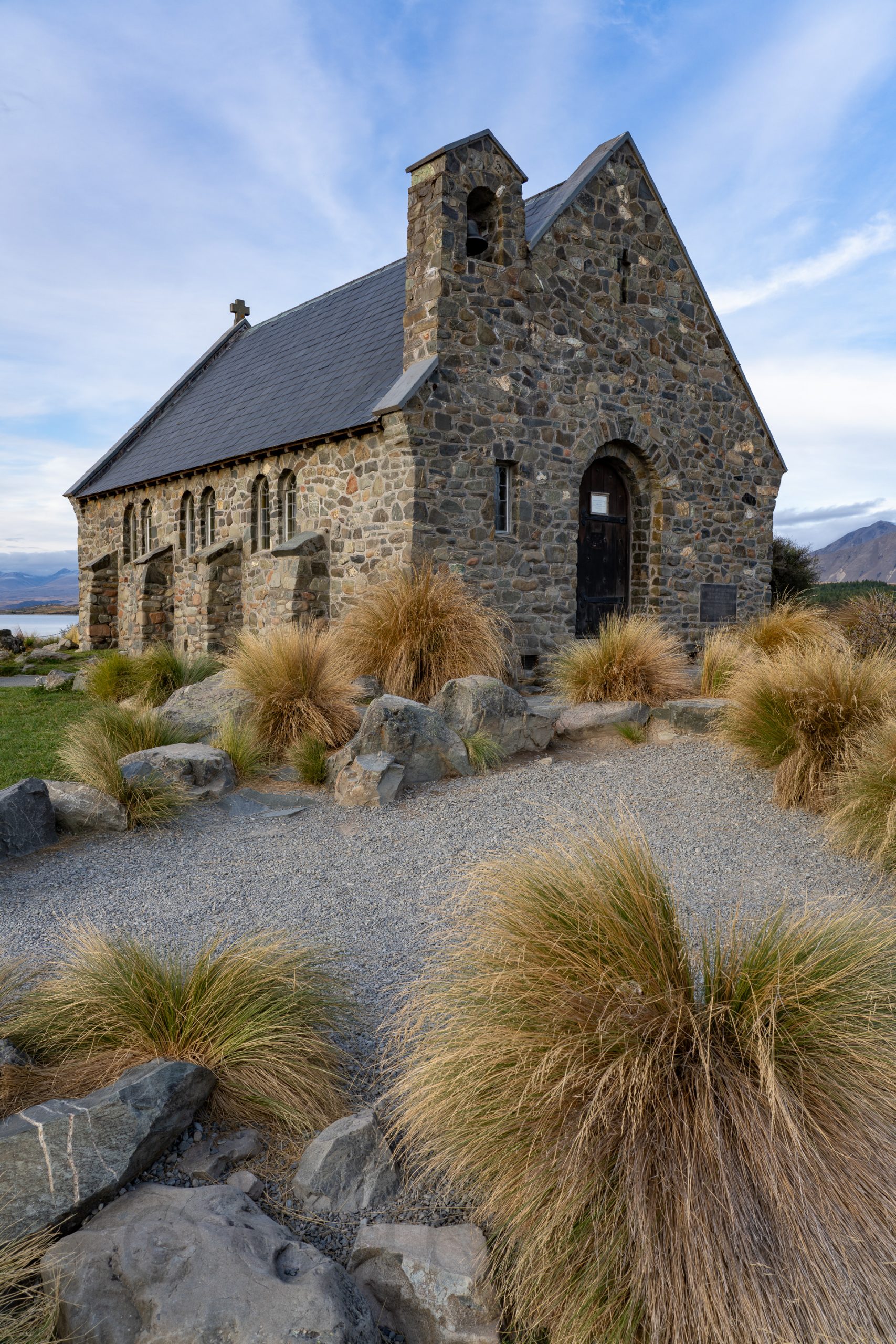
The Church of the Good Shepherd is a small, picturesque stone church located on the shores of Lake Tekapo. It is renowned for its stunning natural setting and is one of the most photographed buildings in New Zealand. Built in 1935 as a memorial to the early settlers of the Mackenzie Basin, it was constructed using local stones gathered within a five-mile radius and blends seamlessly into its surroundings.

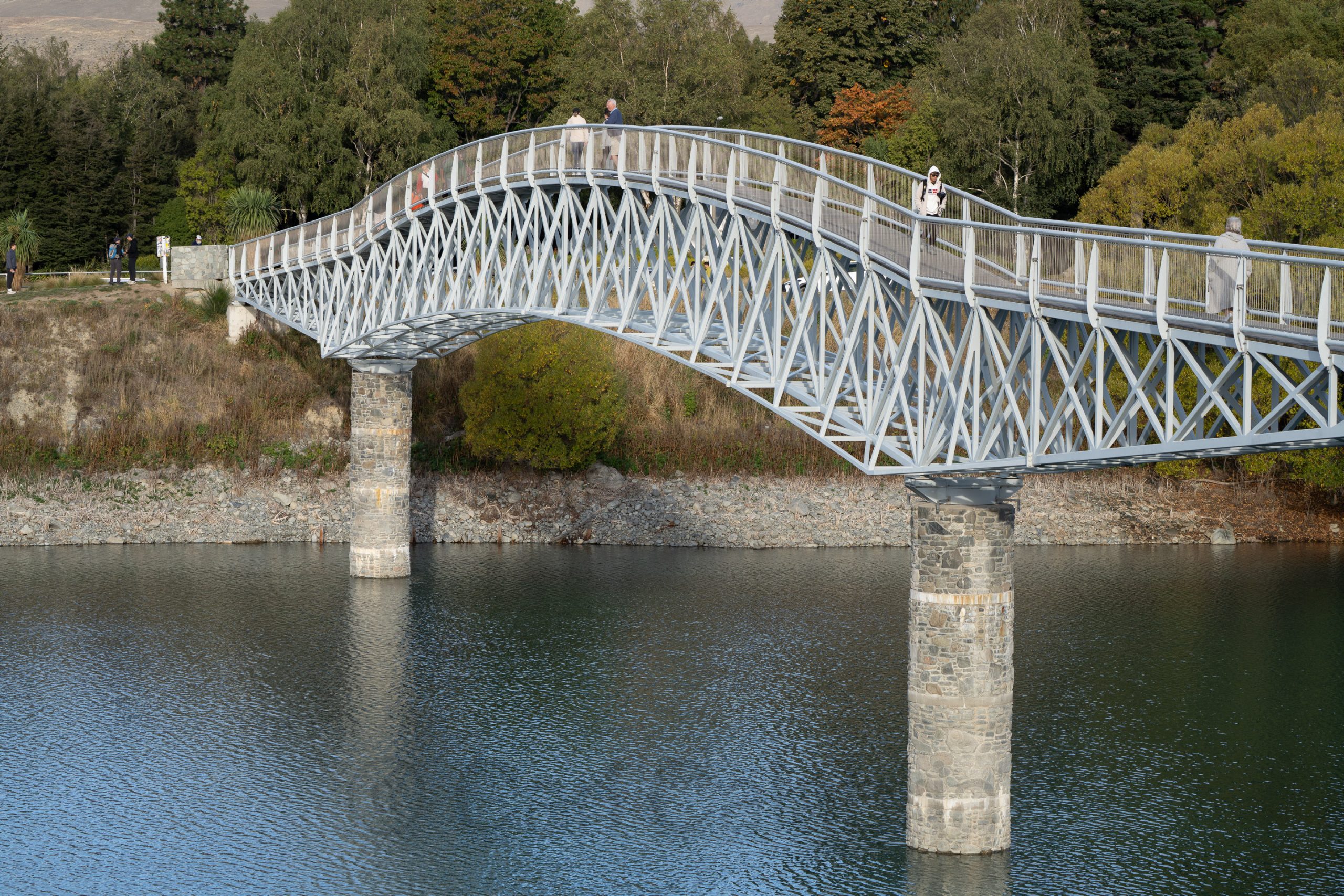
Pictured below is a recently constructed footbridge across the Tekapo River. Completed in 2015, the bridge spans 410 feet and stands 410 feet above the water. We have seen many bridges in New Zealand, and I would have to say this is probably my favorite.

In the news on the home front, the product that Maya has been working on at Formlabs was just announced. See the video below. Kyle has taken up Salsa and Bachata dancing, and Nicolai will be playing amputee soccer at Gillette Stadium on April 19th.

Aoraki / Mount Cook

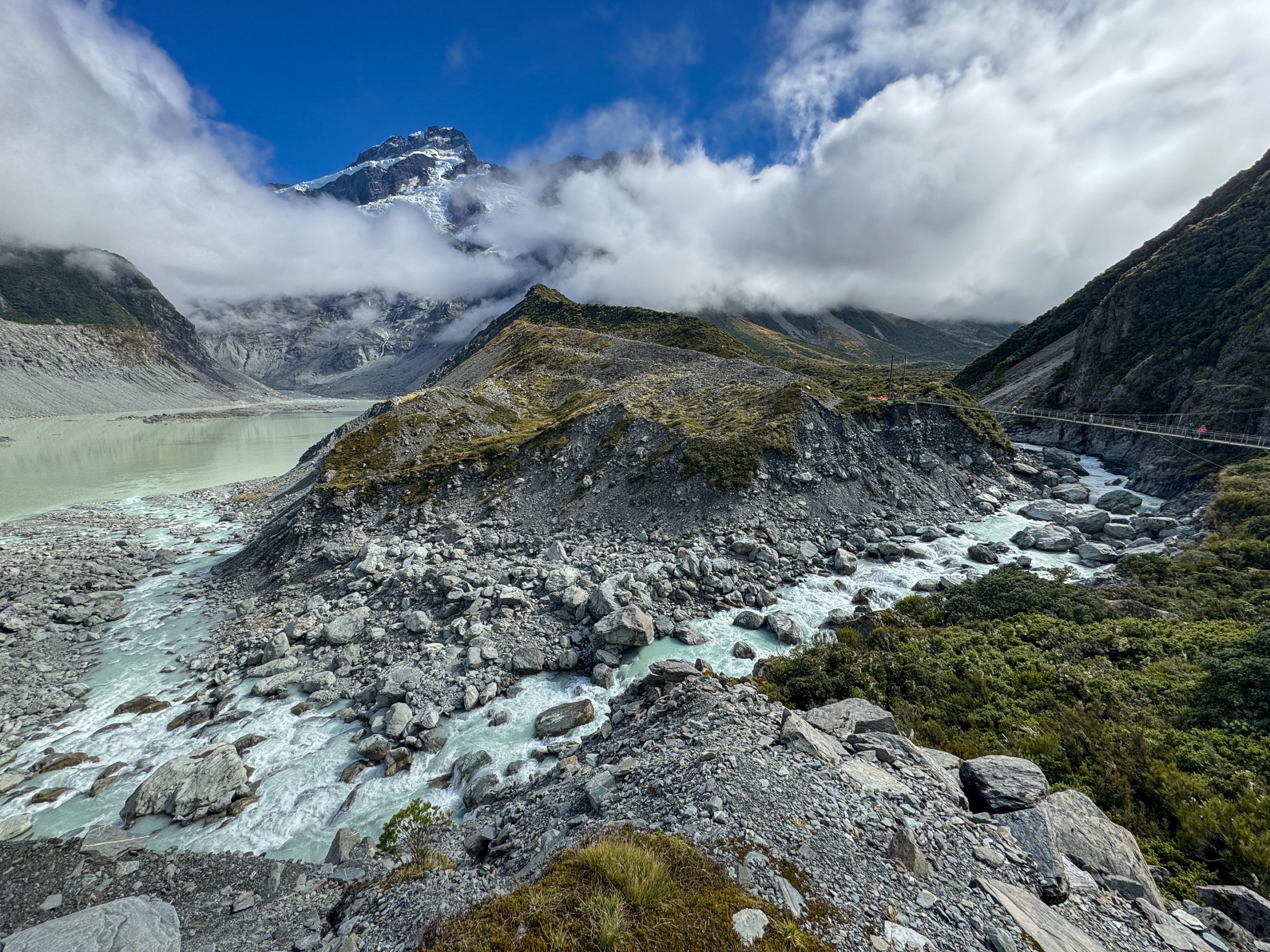
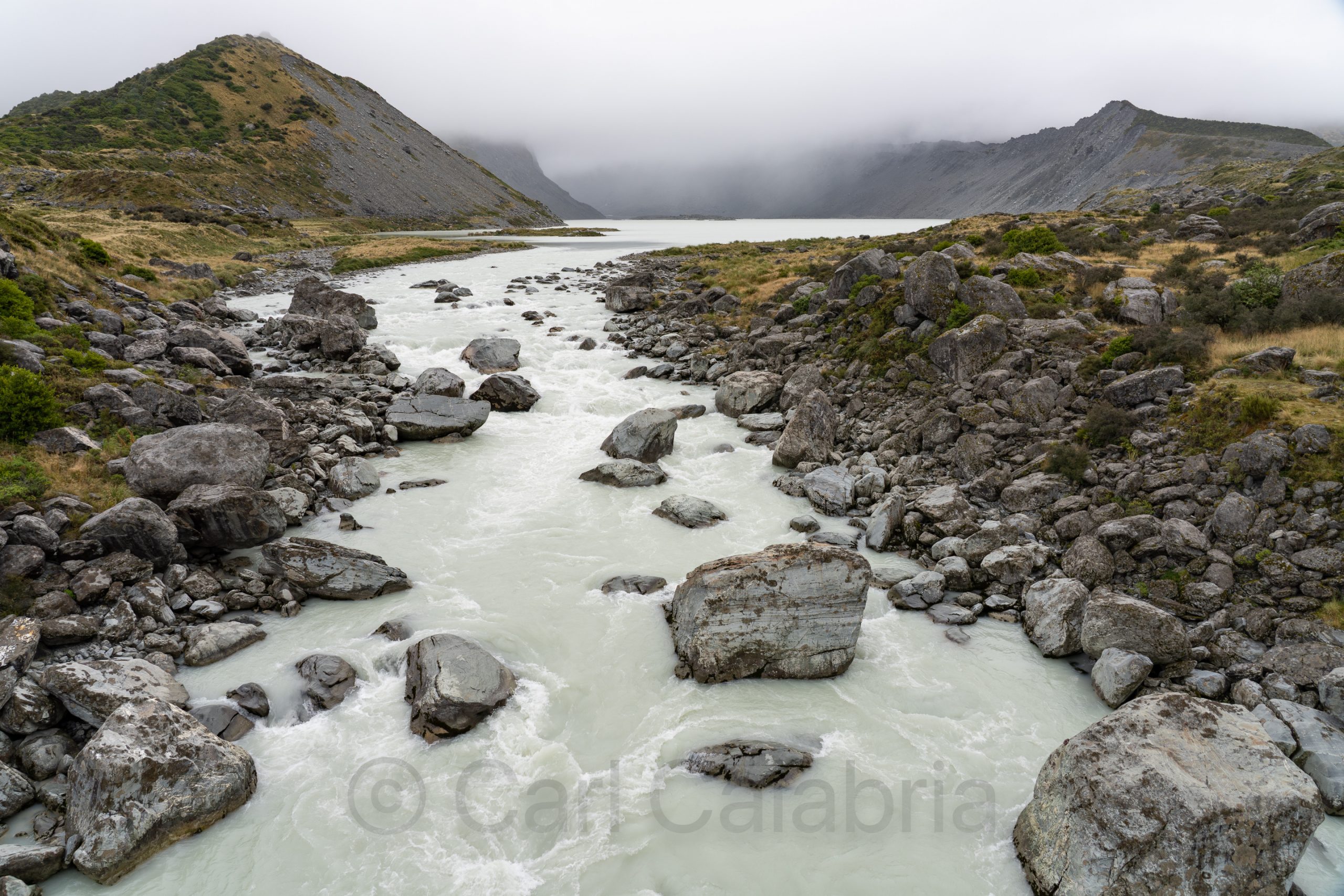
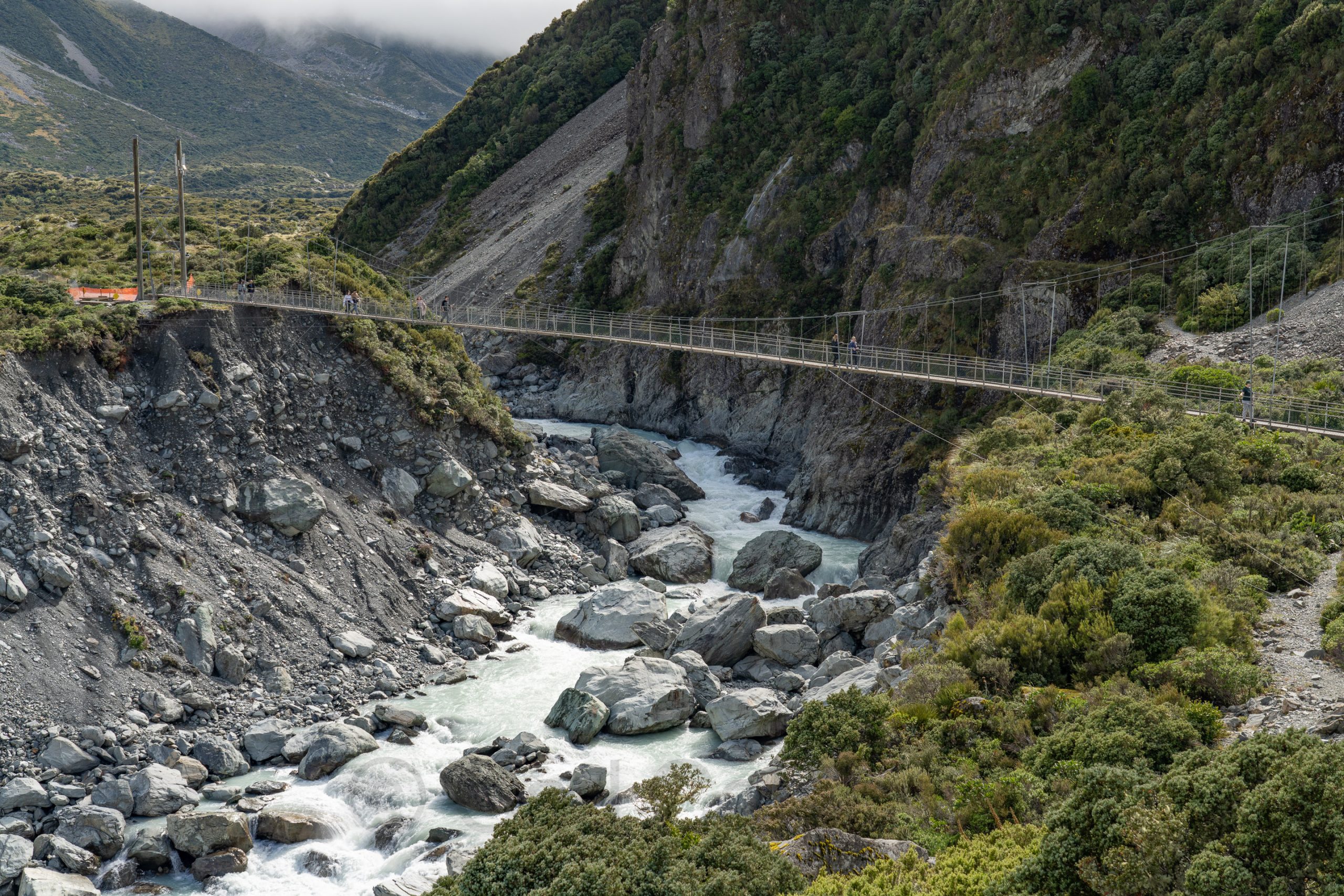
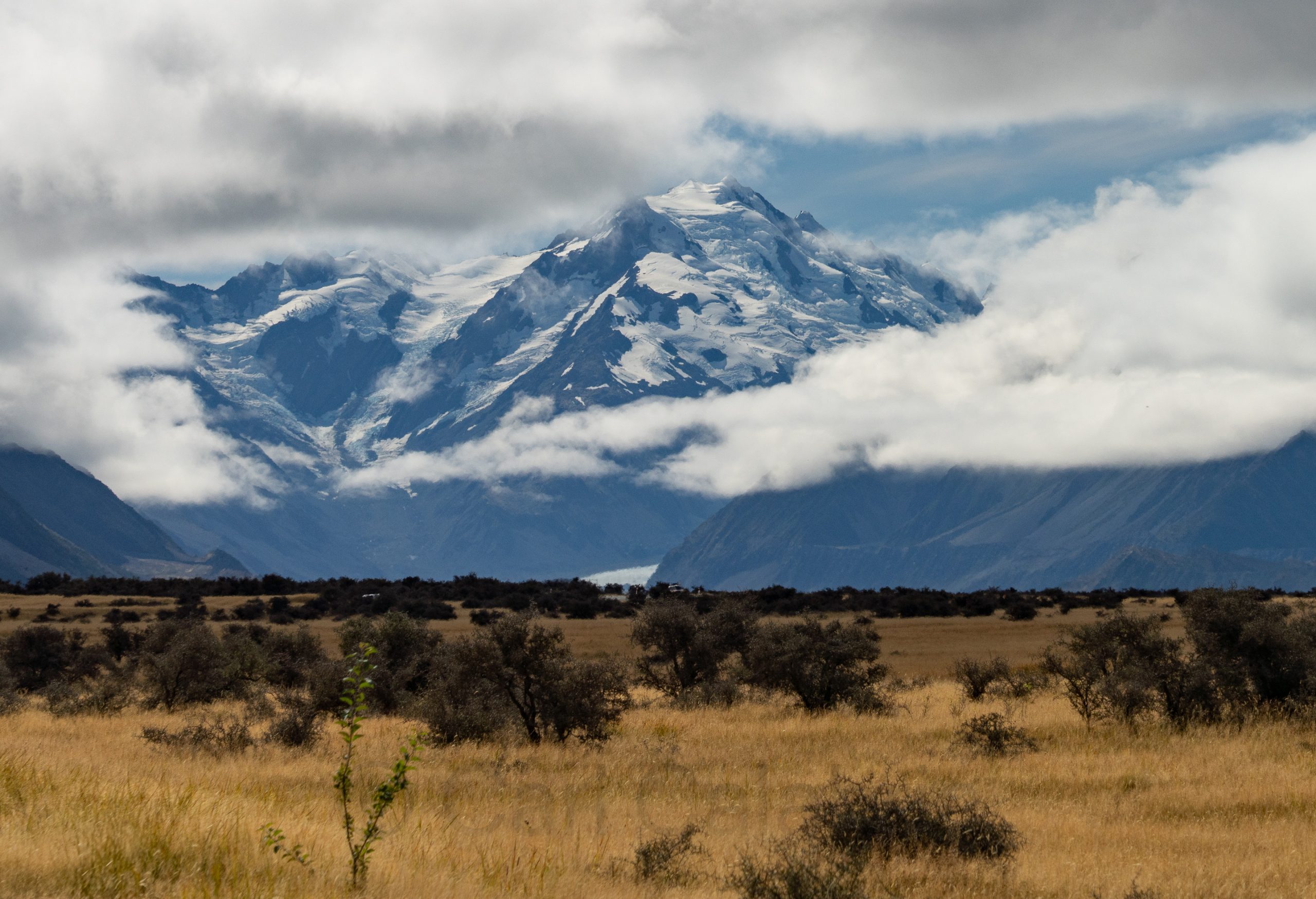
Aoraki / Mount Cook is New Zealand’s tallest mountain at 12,218 feet. When we arrived at the Mount Cook Village last night, clouds obscured all of the mountains. This morning, I chose to hike the Hooker Valley Track while Jeanine opted to relax with a book at the Hermitage Hotel since the skies were heavily overcast and threatening rain. I really enjoyed the 6.8 mile hike out to Hooker Lake even though it remained cloudy all morning. Fortunately, I did get a 5 minute window where the clouds opened up in front of Mount Cook. The same thing happened again when we were driving out of the park.
Moeraki Boulders

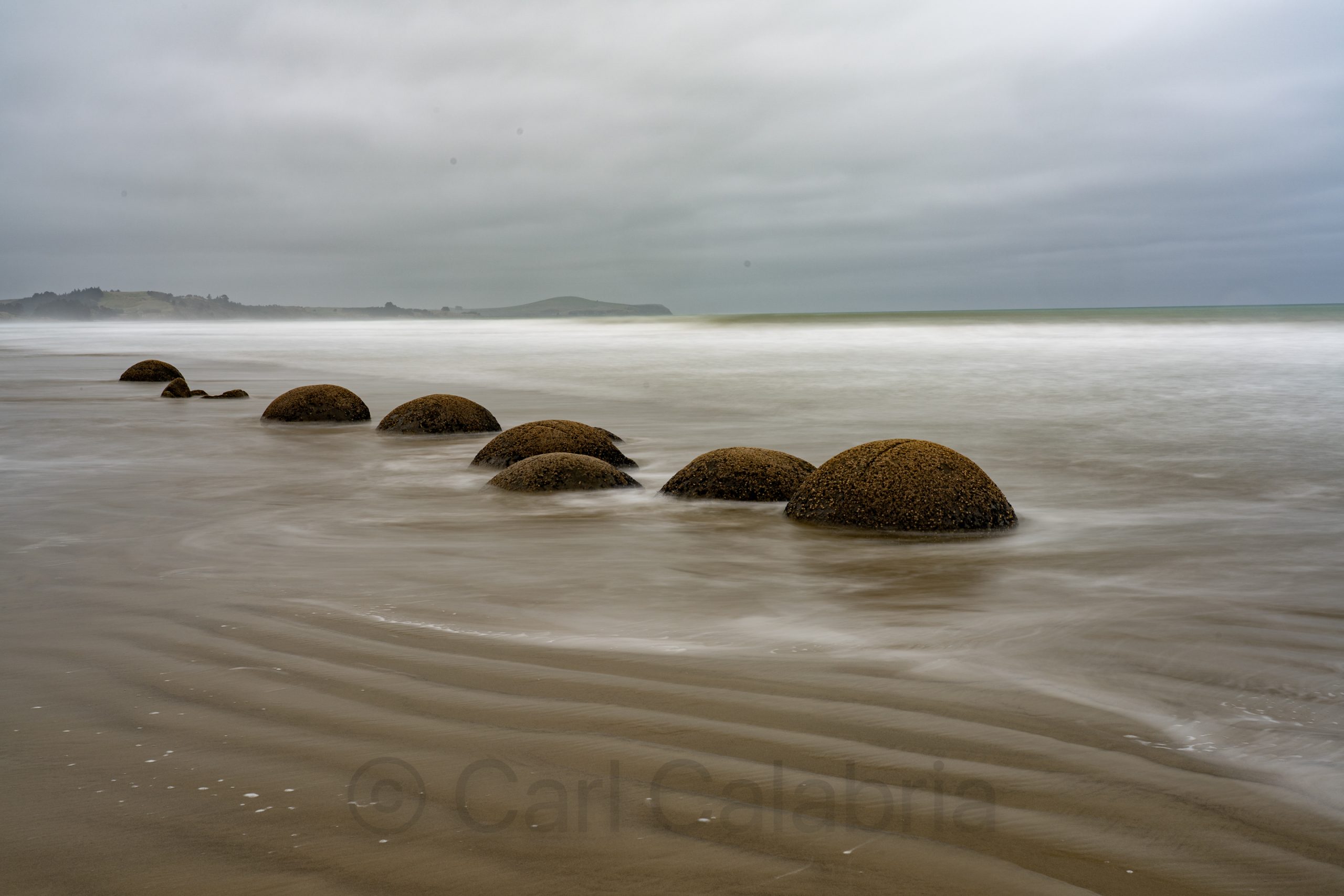
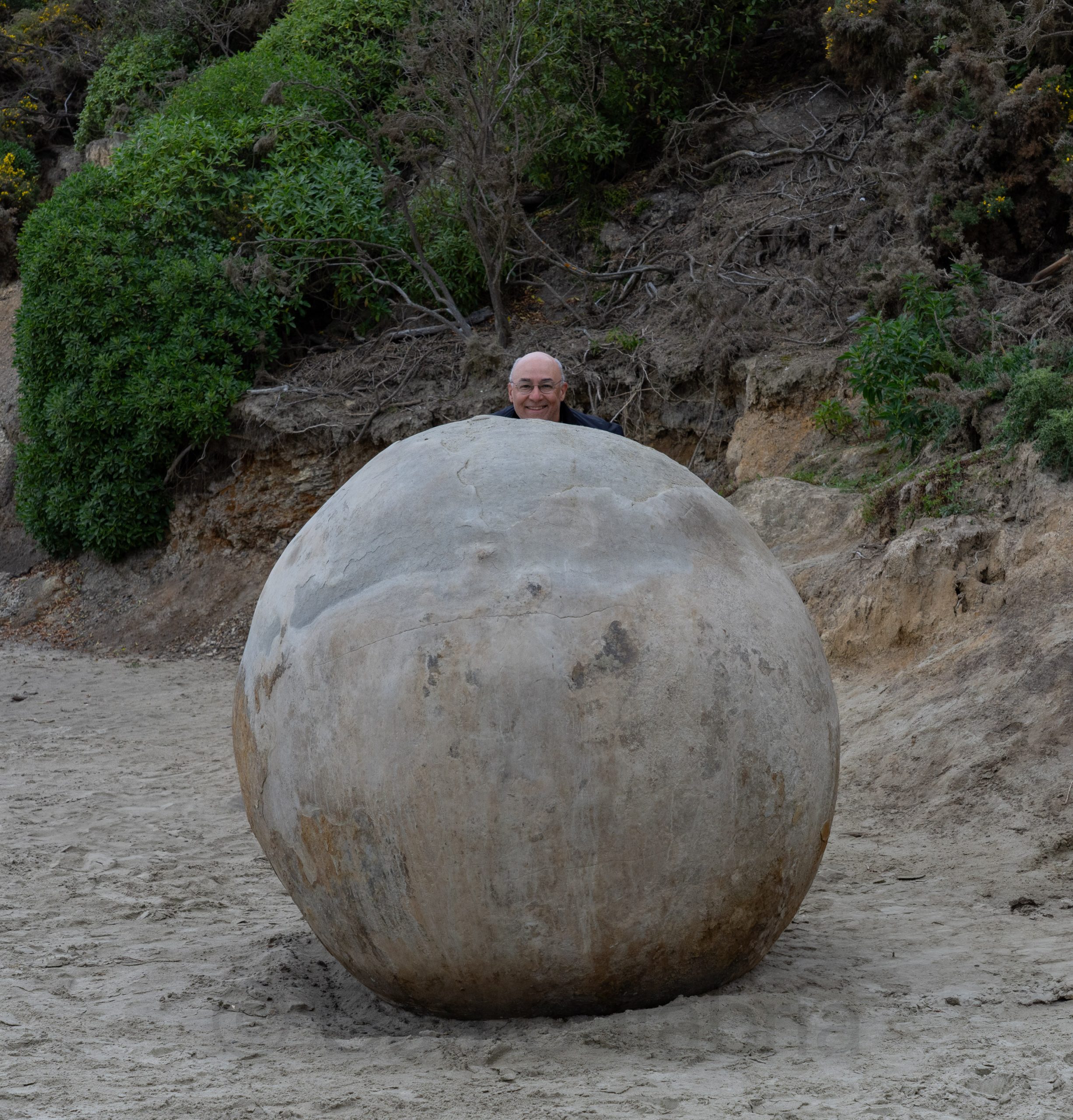
The Moeraki Boulders are large, spherical concretions formed from mudstone, a type of sedimentary rock, approximately 60 million years ago during the Paleocene era. These boulders, which can reach up to 3 meters in diameter and 7 tons in weight, were created through a process of sedimentation and mineralization on the seafloor, and were later exposed by coastal erosion along Koekohe Beach. Optimal time for photography is during mid-tide which required an early departure from Dunedin. We drove through rain for much of the way but it stopped as we arrived in Moeraki only to start again after I captured my final images. This good fortune did not persist, however, as rain and low clouds greeted us as when we arrived at Aoraki / Mount Cook later in the day.

Dunedin

Nugget Point Lighthouse, located near the mouth of the Clutha River is a historic lighthouse built from locally quarried stone between 1869 and 1870. It is situated high above a collection of massive rocks jutting up from the sea. We stopped here for the views and to breakup the 6 hour drive from Milford Sound to Dunedin.

Along the drive, we encounter some pretty impressive sheep farms. Click on the image below and just try to count the sheep.

We arrived in Dunedin by late afternoon and stopped to explore the Dunedin Railway Station, a prominent architectural landmark of the city, known for its Flemish Renaissance style designed by George Troup, who earned the nickname “Gingerbread George” for his work on the building. Opened in 1906, it was once New Zealand’s busiest station but now primarily serves as a tourist hub, hosting and housing attractions such as the New Zealand Sports Hall of Fame and the Otago Art Society.

We then made a brief visit to Baldwin Street, deemed to be the steepest residential street in the world. We did not dare drive to the top and I only walked a short distance to take this photo on the shallowest part of the drive.

Milford Sound

Arguably, the pinnacle of our vacation was an overnight cruise in Milford Sound. Milford Sound is actually a fjord renowned for its breathtaking landscapes, featuring sheer rock faces, powerful waterfalls like Lady Bowen and Stirling Falls, and a unique ecosystem supported by its high rainfall, which creates a freshwater layer on the surface of the fjord, allowing for diverse marine life to thrive. Our home for the next 18 hours is the Discovery Jewel, a state-of-the-art cruiser that sleeps 18 guests and 4 crew.

During our tour of the fjord, we encountered a pod of bottlenose dolphins. At one point, they were swimming underneath the bow of the ship. As I looked over the railing, I saw one of the dolphins swimming on its side, looking up directly at me with one eye. There is no doubt in my mind whatsoever that I was making eye contact with a sentient being.

We also encountered several seals as we traveled close to the large boulders where they like to sun themselves.

I joined a handful of other passengers who elected to stay on the foredeck as the captain pushed the nose of the boat underneath Stirling Falls. My top stayed dry due to my waterproof shell, but my pants got soaked through and through. Fortunately, they lived up to their billing as being fast drying. In the evening, we enjoyed a three-course meal prepared by the ships chef followed by a video presentation narrated by the captain. His grandfather had assisted oceanographer Jacques Cousteau with some of his research and his father had invested in an underwater ROV (remotely operated vehicle) to survey the bottom of the fjord. He was responsible for the discovery of several new species of sealife. The video included underwater ROV footage and aerial drone photography of the sound.

The drive to Milford Sound was as dramatic as the cruise that followed. It is sprinkled with stunning views, including this one of Christie Falls.

Doubtful Sound

Doubtful Sound got its name from Captain James Cook during his voyage in 1770. Initially, he named it “Doubtful Harbour” because he was uncertain whether it was navigable under sail due to the prevailing westerly winds, which made it doubtful that a ship could sail back out once entered. Later, the name was changed to “Doubtful Sound” by whalers and sealers in the 19th century. The Māori name for the fiord is “Patea,” meaning “place of silence,” which reflects its serene and tranquil environment. Today, we experienced it from the water. At 7 AM we boarded a water taxi to cross Lake Manapouri arriving at West Arm where we boarded a bus to take us over Wilmot Pass. We then boarded a cruise which took us up the sound and out into the Tasman Sea before returning 3 hours later.

During the voyage, we encountered waterfalls, short-tailed albatross, seals, and a man in a wet suit poised precariously on the side of a cliff.

This guy was a total mystery, even to the crew. (1) How did he get there? There is no access by car, no place to land a helicopter, no sign of a boat, and it would take days to reach on foot. (2) How did he get onto the face of that rock? (3) What was he there for? Presumably, to dive into the water. Then what? There is no conceivable way of climbing back on shore.

When we reached the Tasman Sea, the smooth ride we had enjoyed turned into a very choppy affair. It became doubtful I would keep my lunch down but my stomach calmed when we returned to the sound.

Te Anau

Te Anau is a picturesque town in Fiordland National Park, known for its stunning natural beauty and as a gateway to Milford Sound and Doubtful Sound. It will be our hub of operations for the next two nights. After driving here from Queenstown we hiked a section of the Kepler Track along the shore of Lake Te Anau. We had hoped to see more birdlife but the only flying object I captured is the butterfly below.

Our next stop was the Punanga Manu Bird Sanctuary, where our birding options improved. Pictured below is one of 10 Antipodes Island Parakeets remaining on mainland New Zealand. There are thought to be less than 2000 in the world. Ducks on the other hand, are everywhere.

Next, we traveled to the Rainbow Reach Bridge to sample a different section of the Kepler Track.

Finally, based on a map view of the Waiau River, I decided that a section called the Baloon Loop would make for a great aerial photo. We located a gravel road that took us to the edge of the river within drone range, and I was able to get the shot. A higher angle would have been even better, but I wanted to keep my altitude low because of the proximity to a nearby airport.

Queenstown

If you are looking for a hub to book adventure activities or where you can find a wide range of really fine food and shopping options, Queenstown is the place. We gravitated to the Queenstown Gardens, which offered a nice respite from the commercialism of the city.

In the afternoon, we drove out to the Kawarau Gorge Suspension Bridge, where a bungee jumping company operates. Click on the image below and see if you can find Waldo. I was tempted to take a leap but the last time I bungee jumped, I had a headache for several days. This operation recovered the jumper with a boat, which was much faster than hoisting back to the top (the method used when I jumped, leaving me inverted for more than 10 minutes.)

After watching the adrenaline junkies for a while, we drove to Lake Hayes and did the 5-mile hike around it bringing our total distance covered for the day to 8.5 miles.