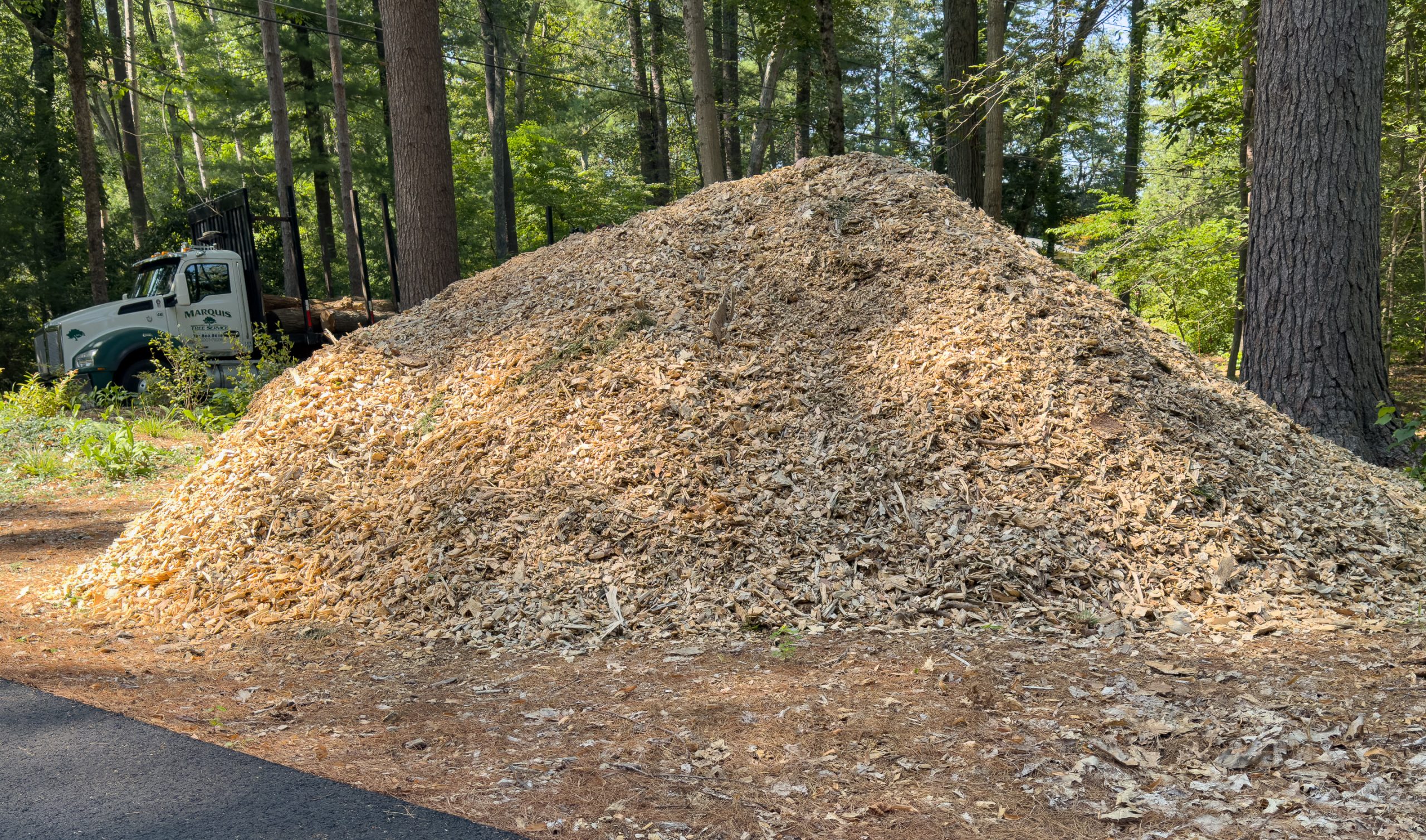
I spent a couple of hours today “chipping away” at our wood chip piles. Of the 21 tons we started with, I estimate that only 9 remain, all to be spread adjacent to the street. Pictured above are some of the areas that have already been filled in. Given the August heat, I am only able to work for one or two hours a day. It provides a surprisingly effective workout for both strength and cardiovascular training. I keep telling myself that it is a good way to prepare for the fall soccer season, but that remains to be verified. The trick has been to do a little bit every day. Kyle has helped me on two occasions, which made the work go three times faster.
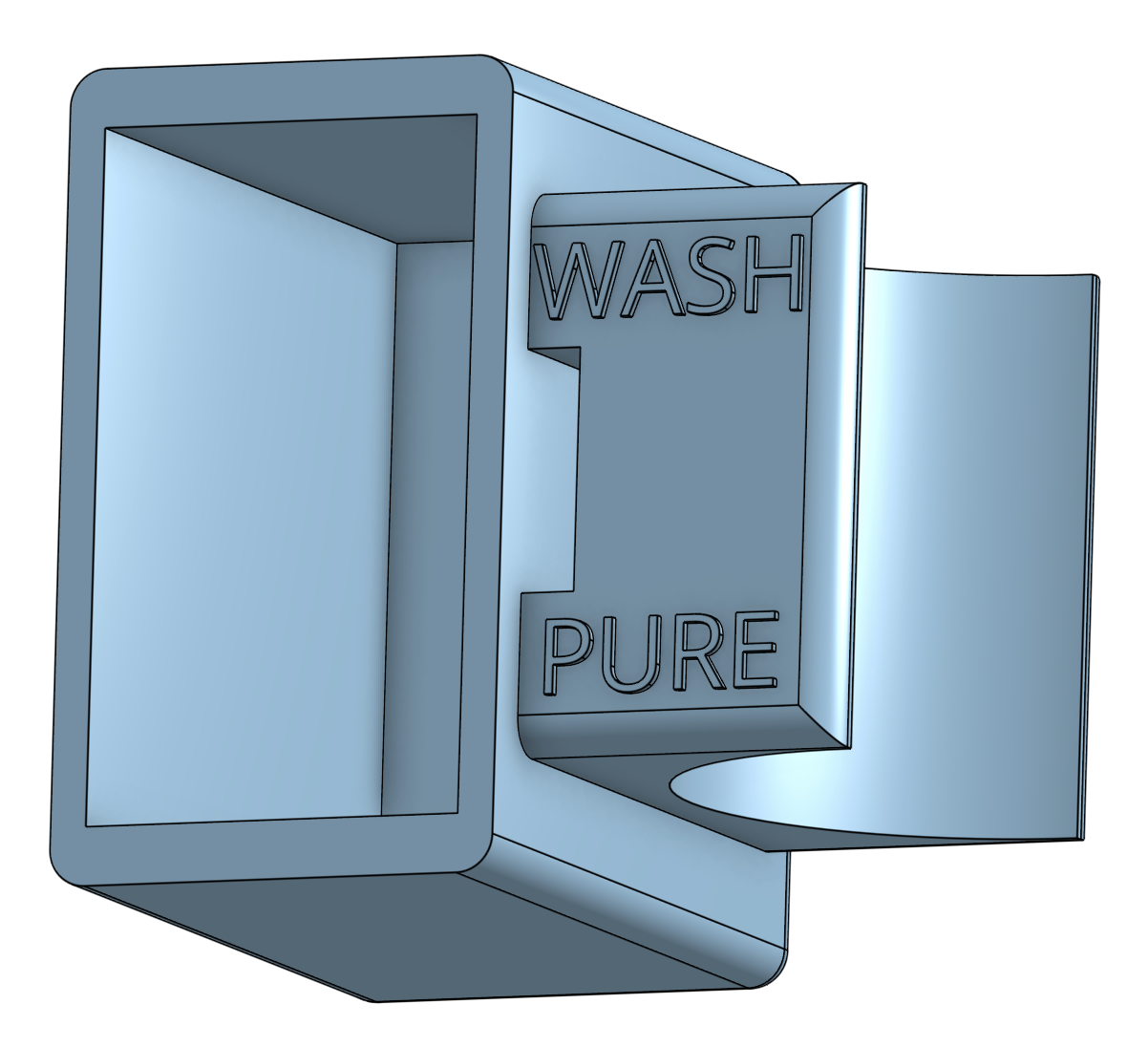
I also completed the design of a switch enclosure for my new deionized window washing system. It will get strapped to the carbon fiber extension pole, allowing me to select between regular water for washing and pure deionized water for the final rinse. The switch will be press fit into the enclosure.
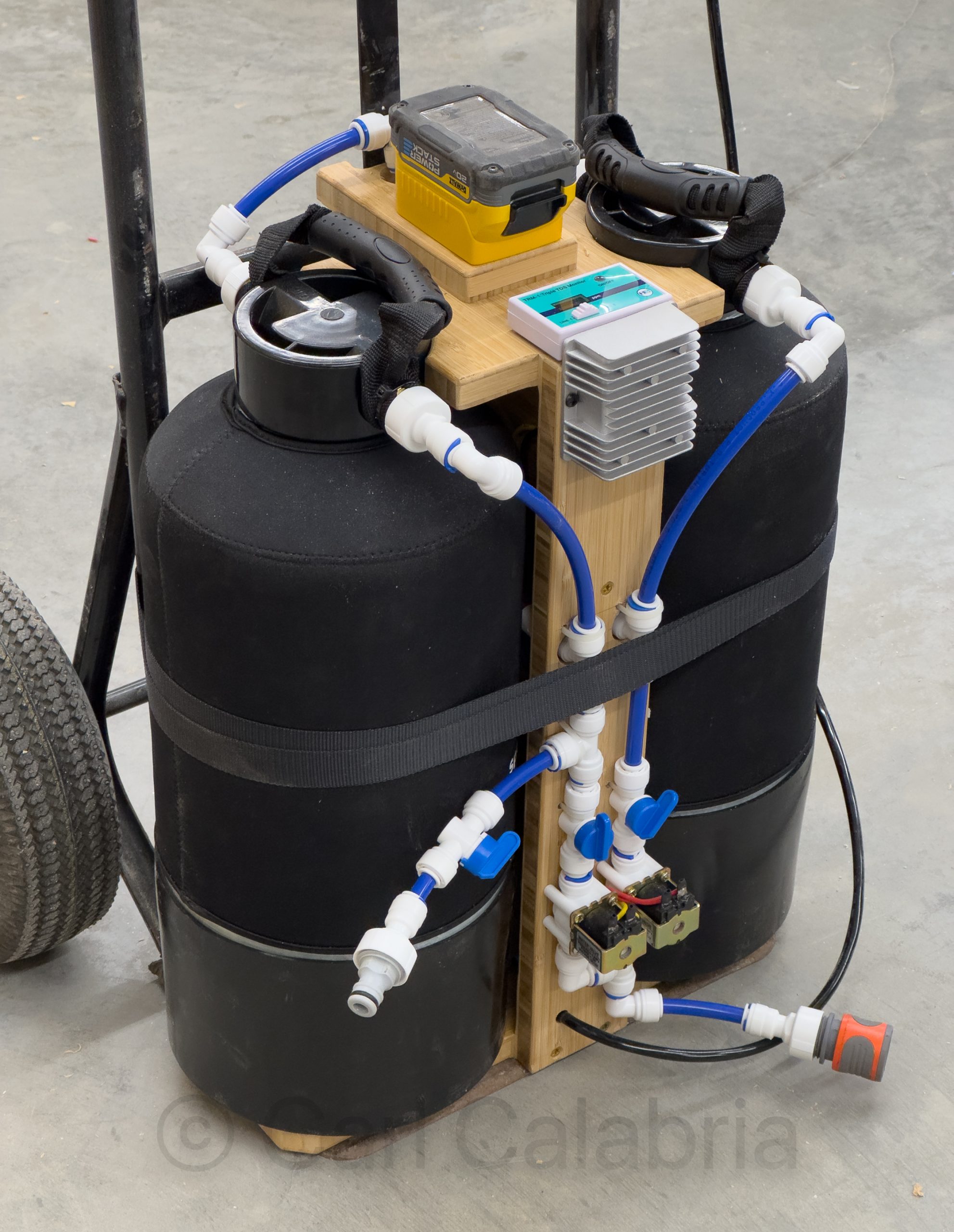
In response to a recent post about window washing, a former colleague reached out and shared his approach, which utilizes deionized water for a spot-free final rinse, replacing a squeegee with a pole mounted water fed brush. After a brief amount of research, it proved to be a superior method requiring less effort and producing better results. I identified commercially available systems using this approach, but these generally cost several thousand dollars, so I set out to build my own. The expensive bit is creating pure deionizer water. One method uses a reverse osmosis filter to do the heavy demineralization and a resin-based deionization filter to do the finishing. I opted for what is called a dual deionizer approach which uses two resin filters in series. When the first filter has reached its service capacity (400 gallons in my case, a function of the total dissolved solids in Concord water) you replace the resin inside and reverse the order of the tanks in the system. This allows you to squeeze every bit of useable filtration out of each filter while insuring an uninterrupted supply of pure water.
Pictured above is the system I built. It incorporates two 10-liter resin tanks, a three-channel TDS (total dissolved solids) meter, three flow control valves, two solenoid water valves powered by a DeWalt battery-driven 20V to 12V converter, a three-way switch at the end of a long cord, and quick-connect fittings for the water supply and output. The switch and solenoid valves allow me to use unfiltered water for extended washing and initial rinsing. When it is time for the final deionized water rinse, I throw the switch, wait 5 seconds for the water line to the pole-mounted brush to clear. Using this method of deionized water conservation, I estimate that I will use only 1/2 gallon per window. This translates to roughly 20 gallons per whole house window cleaning which I plan to do twice a year. Thus it will be 10 years before I have to do my first resin replacement at a cost of $80.
I constructed the whole unit on a wood frame that can be lashed to a hand truck for easy transportation when in use. The last thing I need to do is 3D print an enclosure for the three-way switch so that it can be mounted to the extension pole for easy actuation. The total cost for the deionizer was about $400. The carbon fiber extension pole was $250, and the water-fed brush and tubing were $250. All in, my DIY window washing system costs less than a single professional cleaning and should be a lot easier to use than my current squeegee setup.
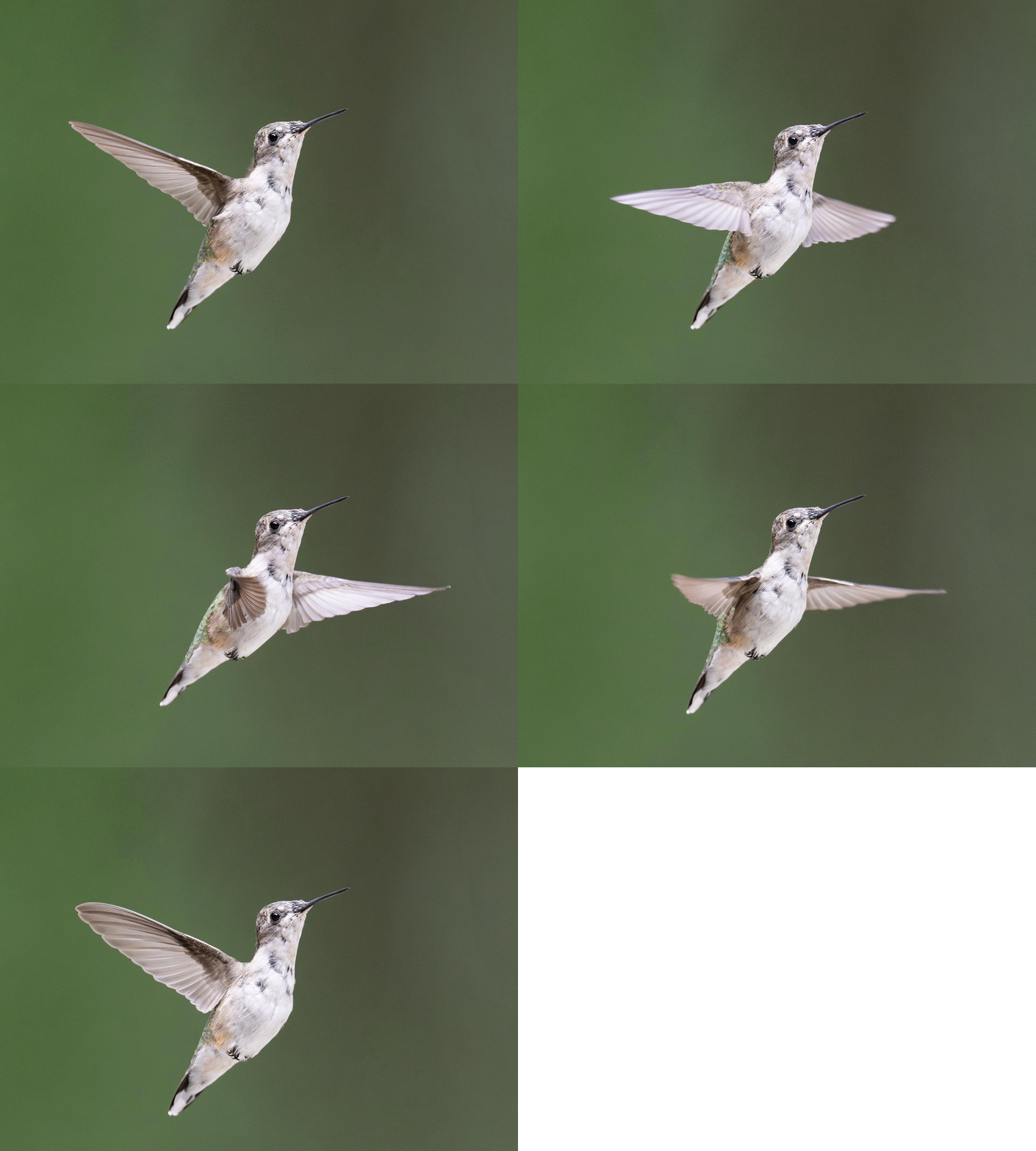
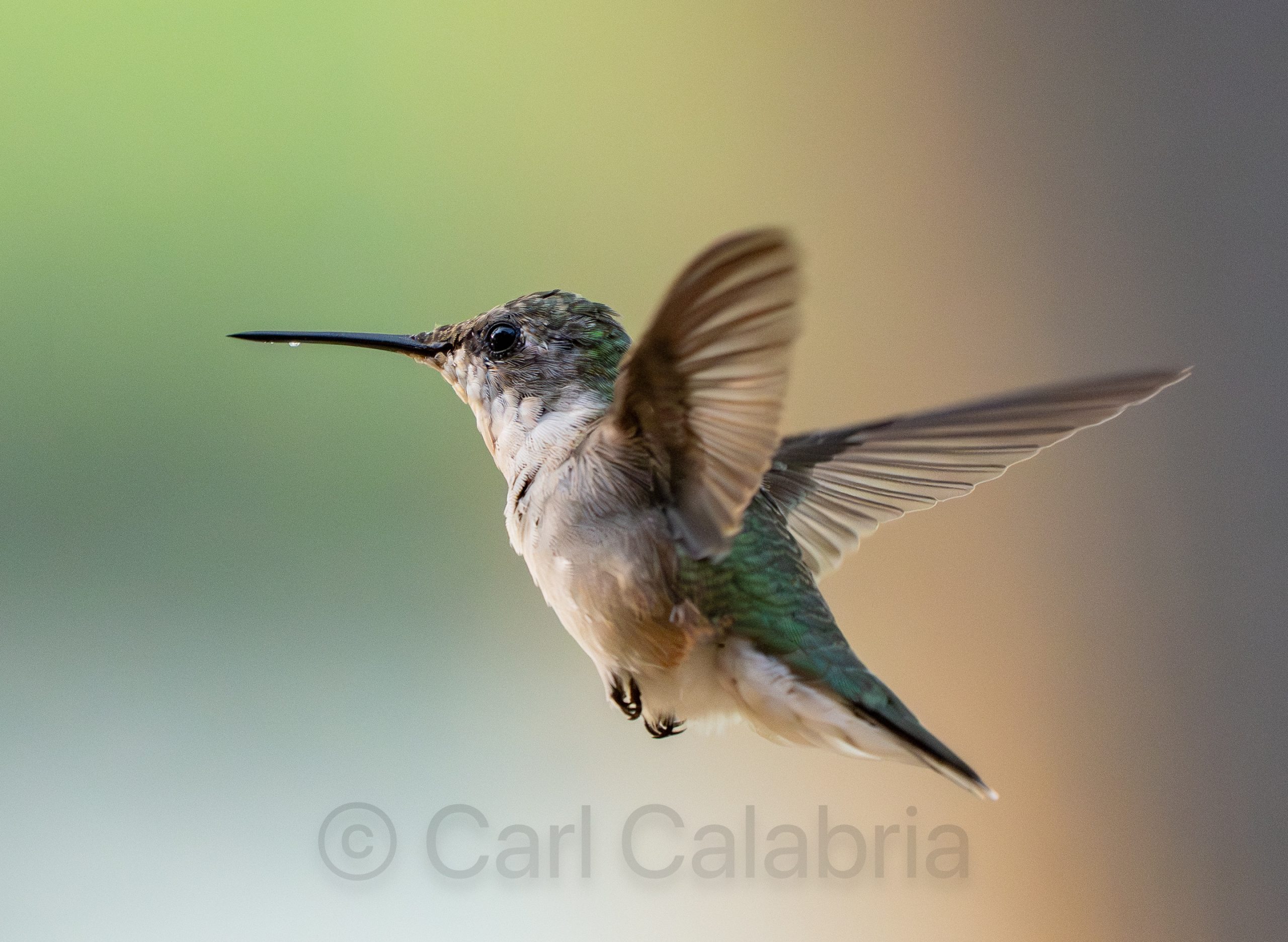
Our hummingbird feeder has been quite a hit with our local population. There was enough light today that I could crank my shutter speed way up to freeze motion on a sequence of shots illustrating one full wing flap cycle.
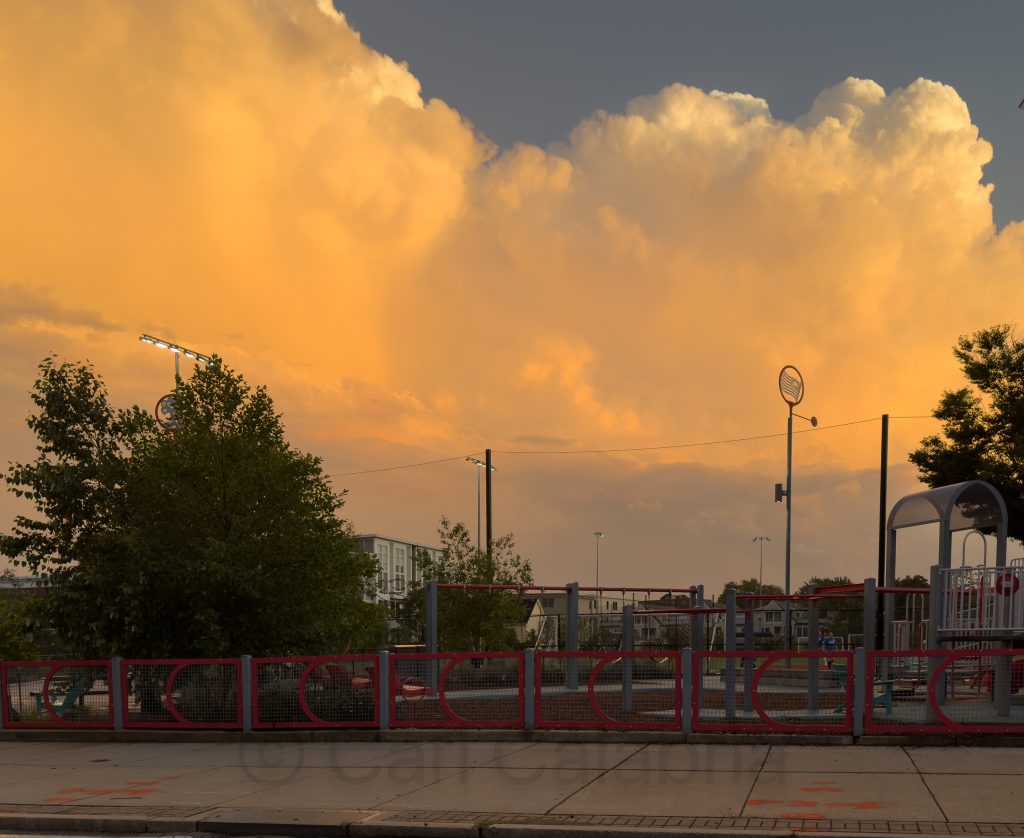
Maya is set to move to a new apartment at the end of the month and asked if we had any moving boxes left over. Although the answer was no, Jeanine contacted a neighbor who moved in across the street yesterday, who was happy to unload hers. We delivered them to Maya late this afternoon, and she thanked us with a homemade Korean beef rice bowl dinner. On the way into Somerville, we drove into a massive thunderstorm, which ended as quickly as it started as we pulled up to Maya’s apartment. On the way home, the massive clouds still in the area were lit up by the setting sun. I wish I had pulled over for a better picture of the dramatic lighting.
At Jeanine’s behest, I installed a pole near the patio on which to hang a pair of hummingbird feeders last weekend. Since then, we have had several guests. They prefer to dine in the morning and from late afternoon until dusk. I can recognize at least three different birds so far. Surprisingly, hummingbirds are not good at sharing. Even though we have two feeders, they will “fight” for minutes on end to determine who will get to feast on Jeanine’s special nectar recipe. “Fighting” involves dive bombing each other until someone relents. It is highly entertaining, and the position of the feeders allows us to watch from the living room, main bedroom, and my office.
Equally cute is the baby turkey that has been finding lots to eat in our clover patch.
My Ego battery-powered snowblower is one of my favorite tools. It works better than the exceptionally good Honda snowblowers I have owned in the past. I cannot say the same for Ego’s pressure washer. In many ways, it is a very well-designed machine, but it has a few shortcomings that led me to return it less than an hour after purchasing it. The wand handle has a clever display and a pressure control switch that is coupled to the main unit by Bluetooth. It works fine when you are standing close by, but loses connection when you are working at the limit of the hose length or when your body shields the wand from the base unit. In my book an intermittent control function is worse than nothing at all. Next, the indicators for low, high and turbo pressure on both the base unit and wand are completely unreadable in bright sunlight. Regardless of the machines other strengths, I cannot tolerate a poor user interface.
Mount Katahdin is the highest mountain in Maine, standing at 5,269 feet, and is the centerpiece of Baxter State Park. It is named “Katahdin,” meaning “Great Mountain” by the Penobscot Native Americans, and serves as the northern terminus of the Appalachian Trail. The mountain is known for its rugged terrain, unique alpine environment, cultural significance to indigenous peoples, and is a popular but strenuous hiking destination. Nico shared this image from his weekend in Maine, where he combined work with hiking and time spent with friends.
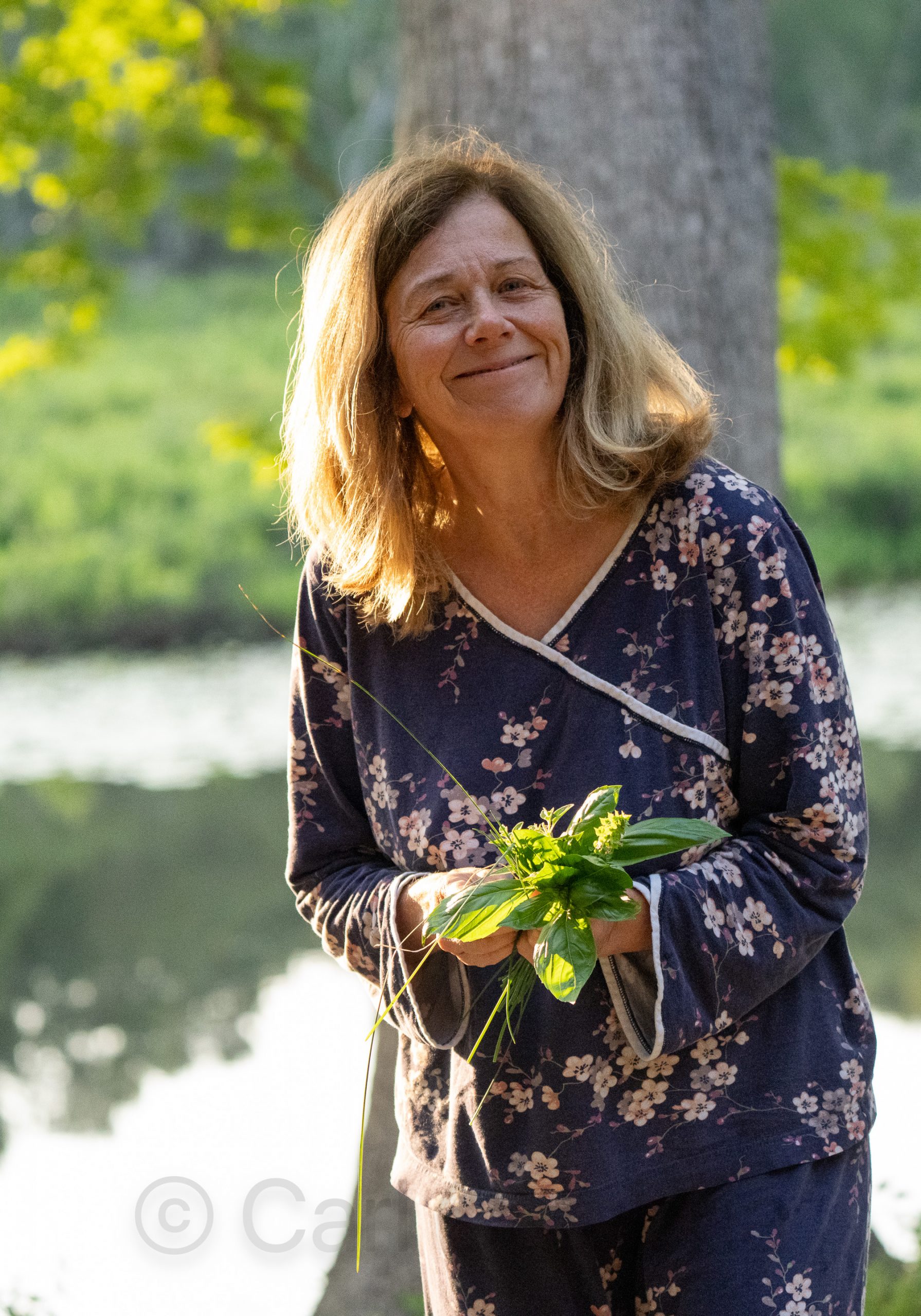
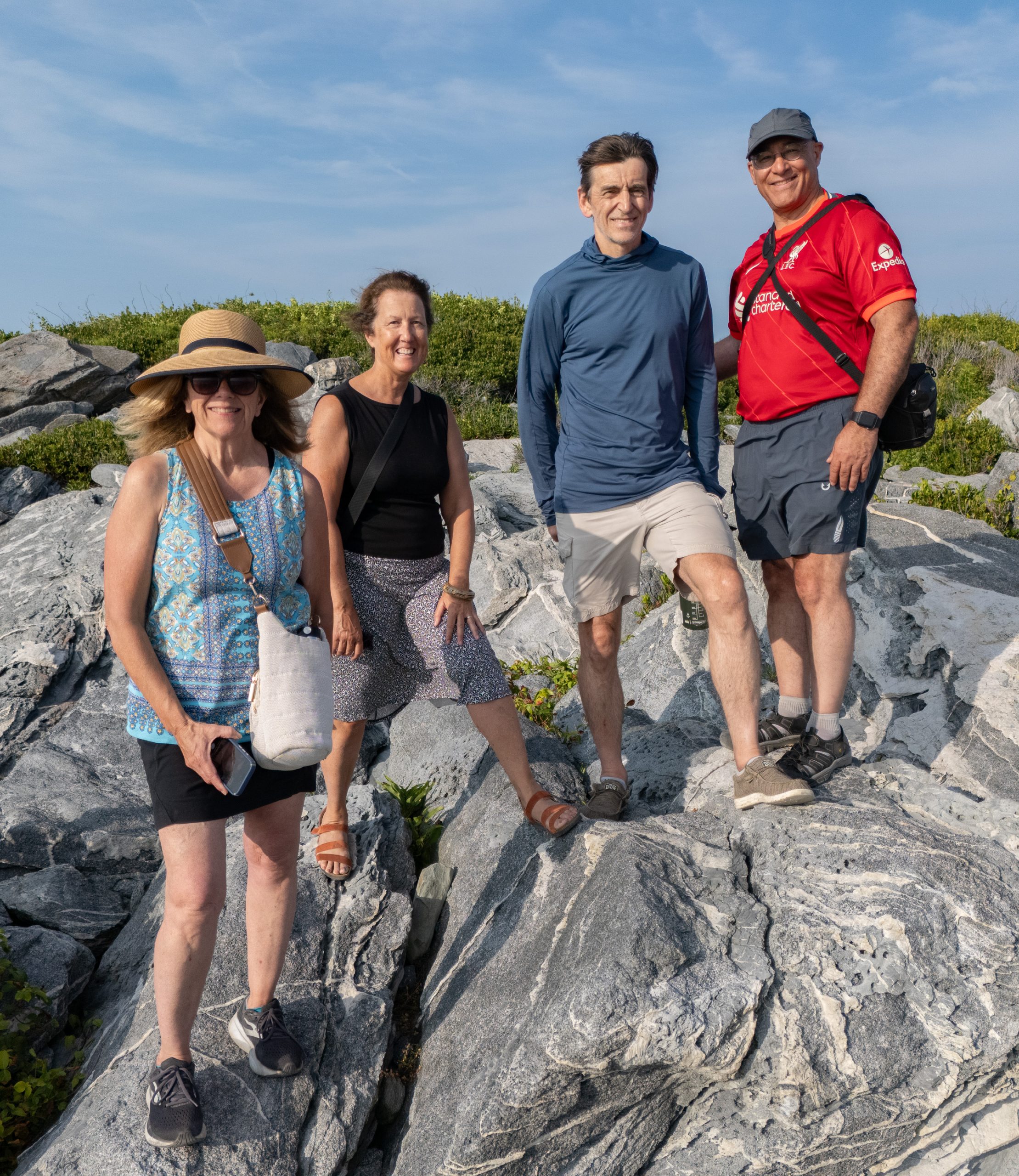
The day started with Jeanine picking basil from our herb garden for a tomato and mozzarella salad. This would be one of the dishes shared over lunch with our good friends, Louanne and Alex Mackenzie. We were invited to join them for a driving/ferry tour of Jamestown and Newport, Rhode Island. They live in Providence and offered to give us a grand tour of their neck of the woods. Their daughter, Fiona, is one of Maya’s closest friends from high school and a current flatmate. Alex and I play for the same Concord football club, although he usually plays one age division down from me.
On the way to Jamestown, we stopped at the birthplace of Gilbert Stuart, one of America’s foremost portrait artists, best known for his iconic unfinished portrait of George Washington, which became the image on the U.S. one-dollar bill. He painted over one thousand portraits, including six presidents and numerous prominent figures of the early United States, helping shape how generations visualize America’s founders. Despite his artistic achievements, Stuart struggled financially throughout his life and died in 1828, buried in an unmarked grave in Boston.
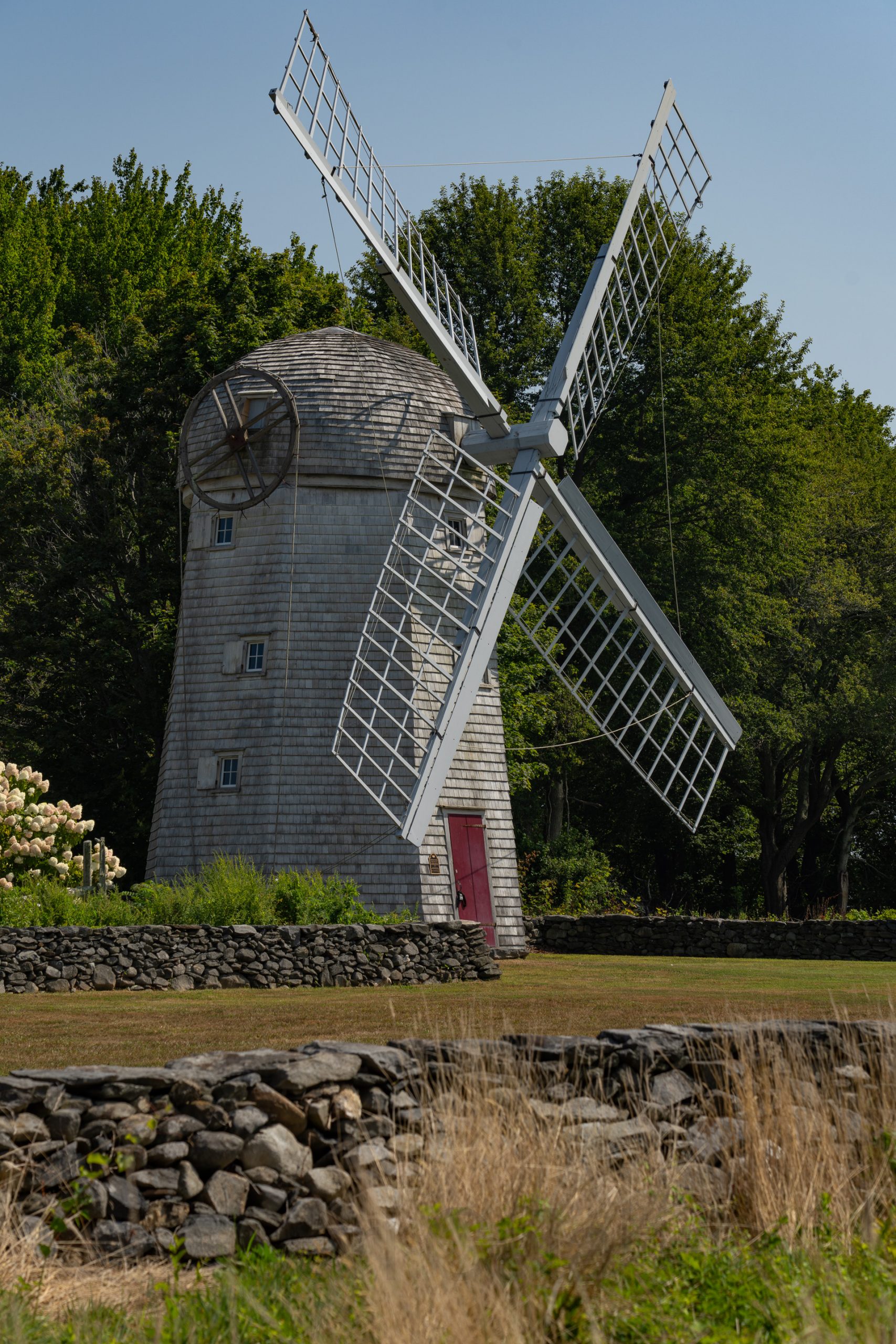
The Jamestown Windmill, a three-story, octagonal windmill built in 1787, still stands today and operated until 1896. The hill on which it is built includes farmsteads, the Quaker Meetinghouse, and has archaeological significance due to evidence of prehistoric Native American occupation. The windmill, an important part of the local agricultural community, was built after the original 1730 mill and is maintained as a working historic site by the Jamestown Historical Society.
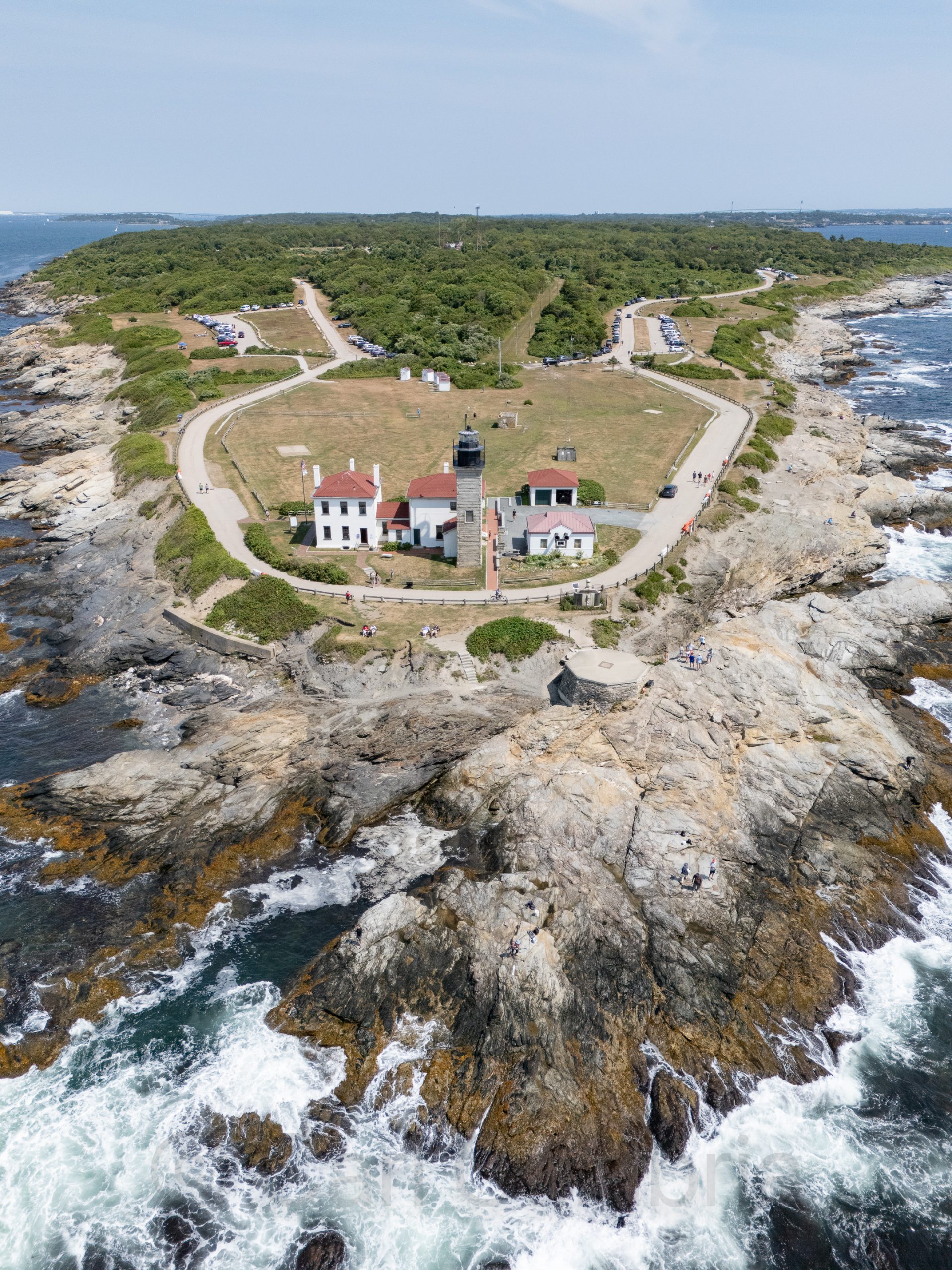
The Beavertail Lighthouse, located on the southern tip of Conanicut Island, was originally established in 1749 and is the third-oldest lighthouse in the United States. The current granite tower was built in 1856 and marks the entrance to Narragansett Bay, serving as an important navigation aid for vessels. The lighthouse—and an associated museum—has a rich history, including damage during the Revolutionary War and the 1938 hurricane. It is so named for the shape of the tip of the island on which it was built.
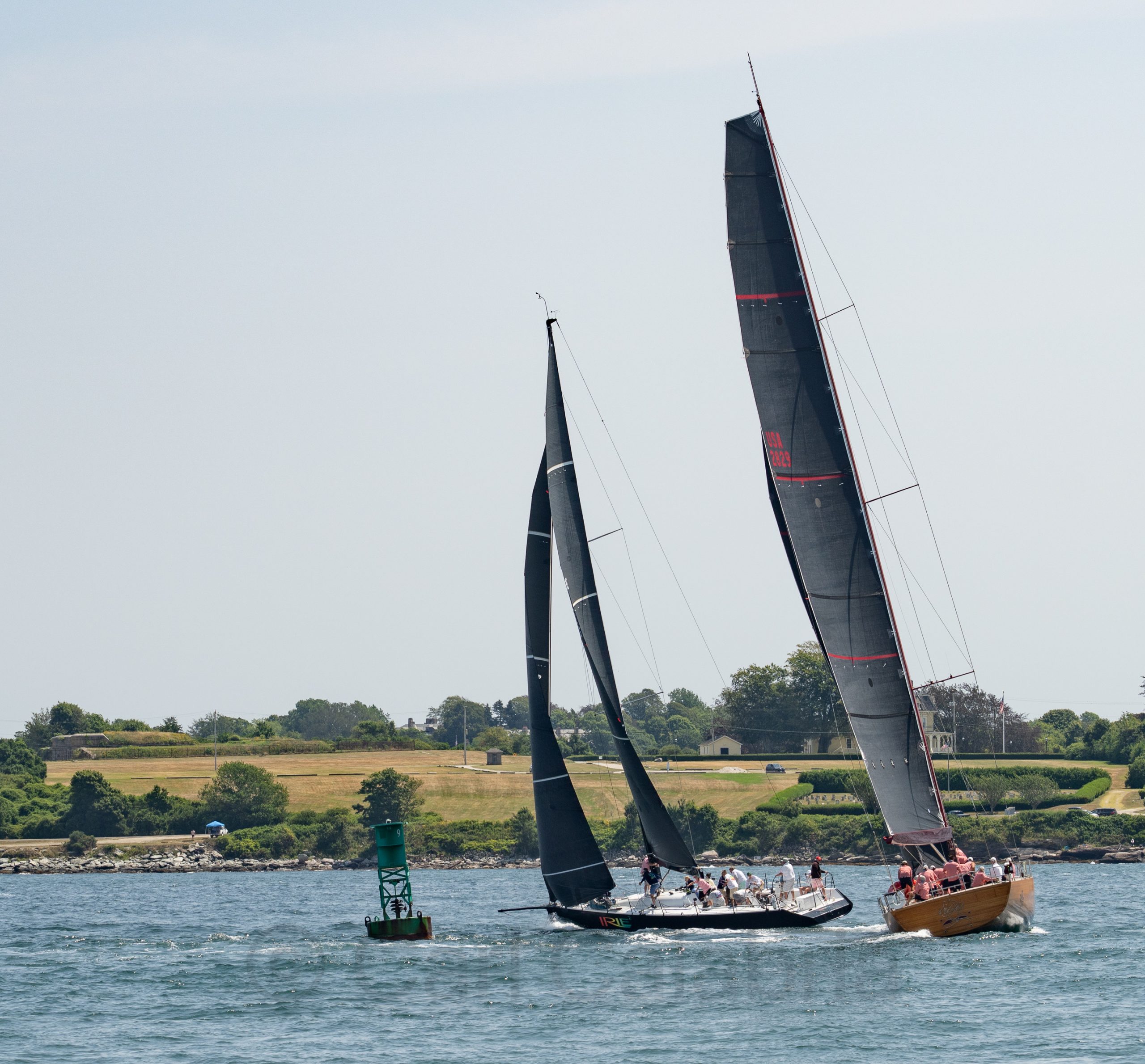
We paused for a brief hike and lunch in Fort Wetherill State Park. From the marina there, we got to watch a sailing regatta in progress. Its start was signaled by a thunderous blast from a cannon located at nearby Fort Adams.
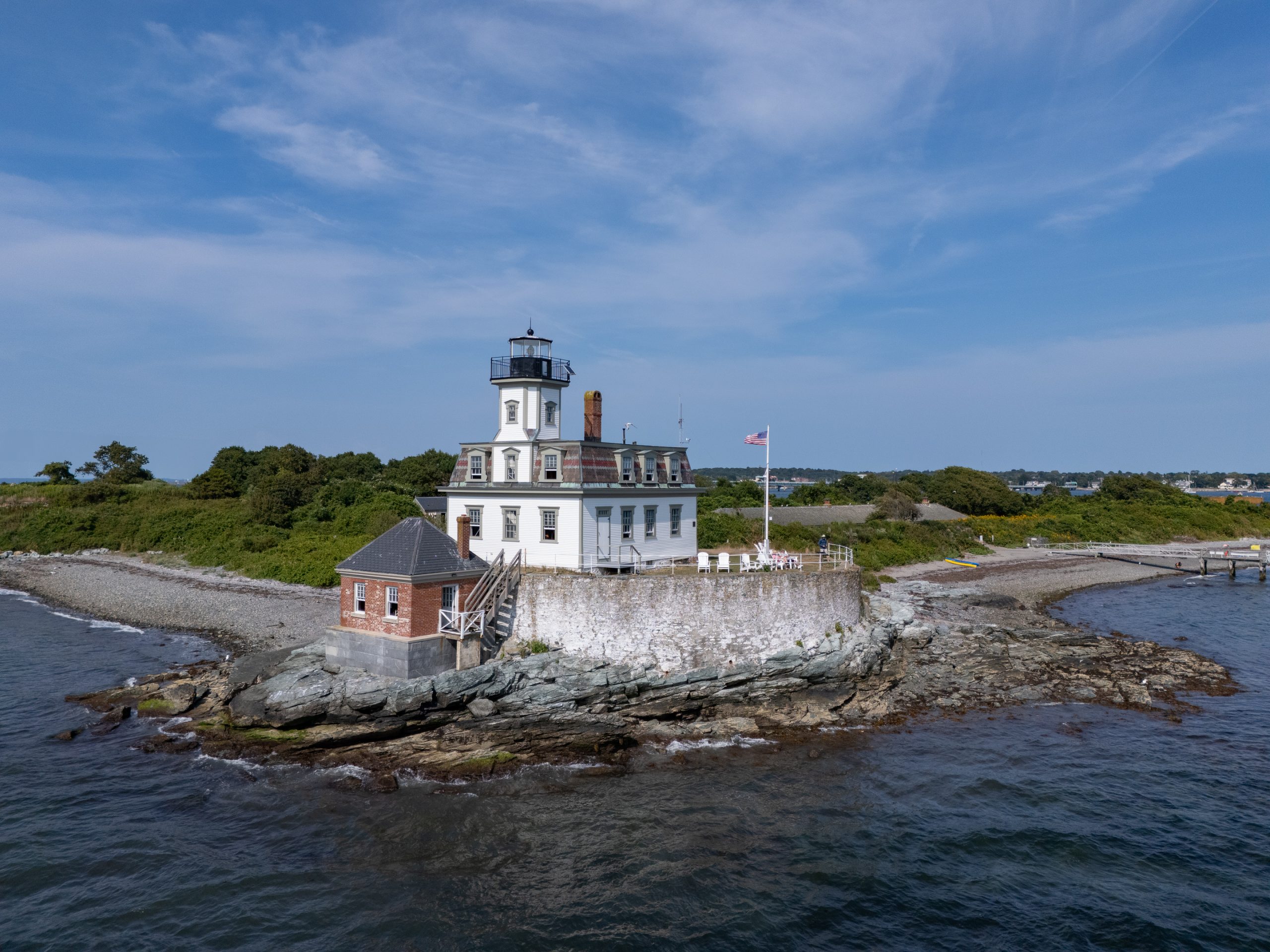
A short ferry ride took us to 18.5 acre Rose Island, known for its historic lighthouse and military significance. The Rose Island Lighthouse was built in 1870 on the site of Fort Hamilton’s southwest bastion and served as an important navigation aid for a century until it was decommissioned in 1970 due to the construction of the Newport Pell Bridge. After a period of abandonment and vandalism, local efforts in the 1980s led to its restoration, and since 1993, the lighthouse functions as a private aid to navigation and a museum open to the public. Rose Island played a significant role as part of the Naval Torpedo Station at Newport starting in 1883, when it was designated as a U.S. Naval Magazine and used primarily for storing explosives and torpedoes. The island’s facilities included storage for gun-cotton and other munitions, as well as serving as a torpedo warhead arming facility during World Wars I and II.
After returning from Rose Island, our next stop was the Sachuest Point National Wildlife Refuge, where we worked off our lunch with a traverse of the Ocean View Loop Trail.
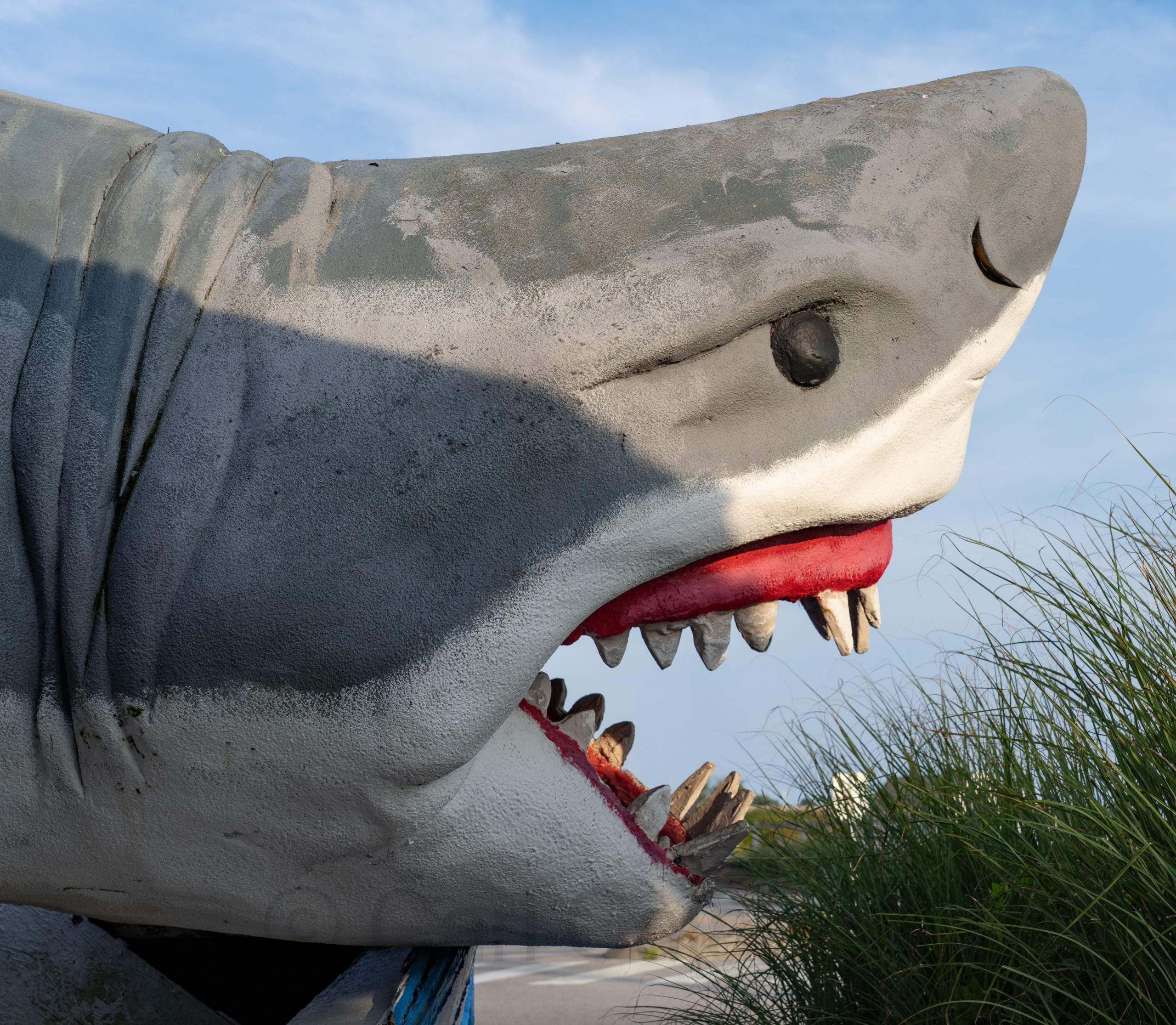
We ended the day with dinner at Flo’s Clam Shack, which features a distinctive shark sculpture in their outdoor dining area. All-in-all, a thoroughly delightful day.
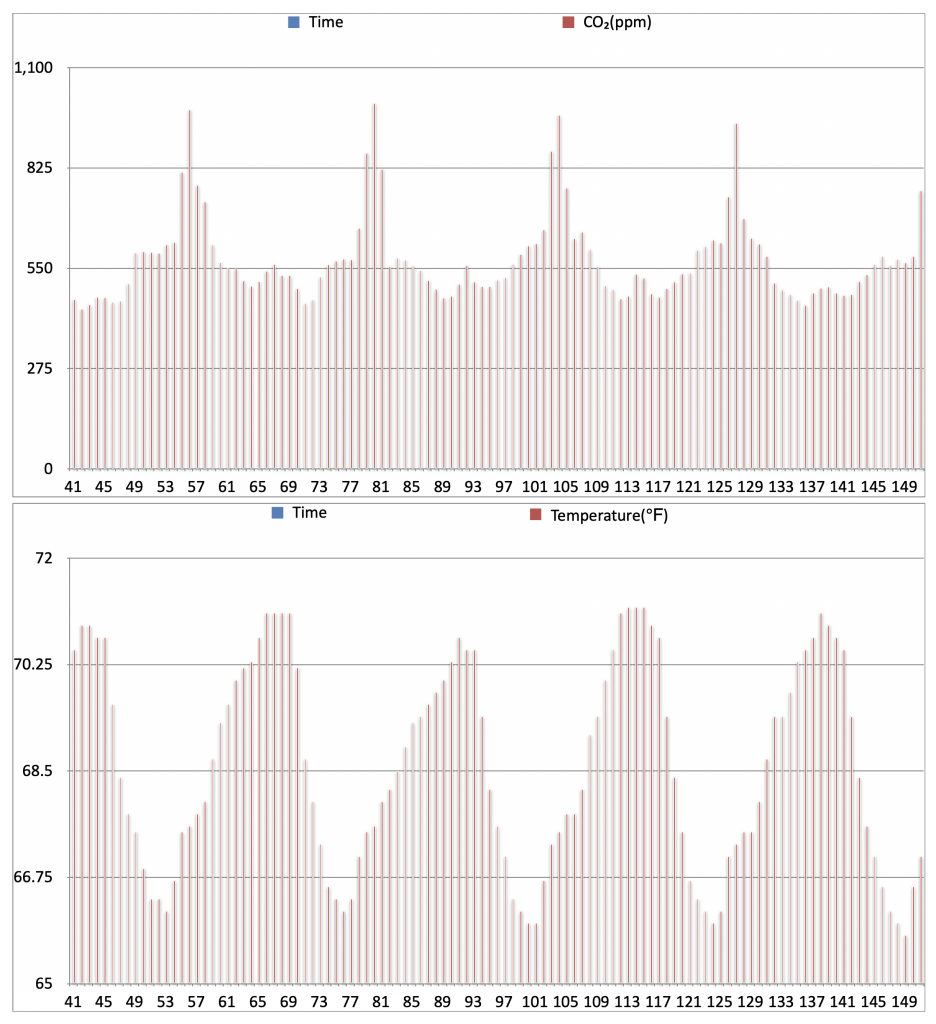
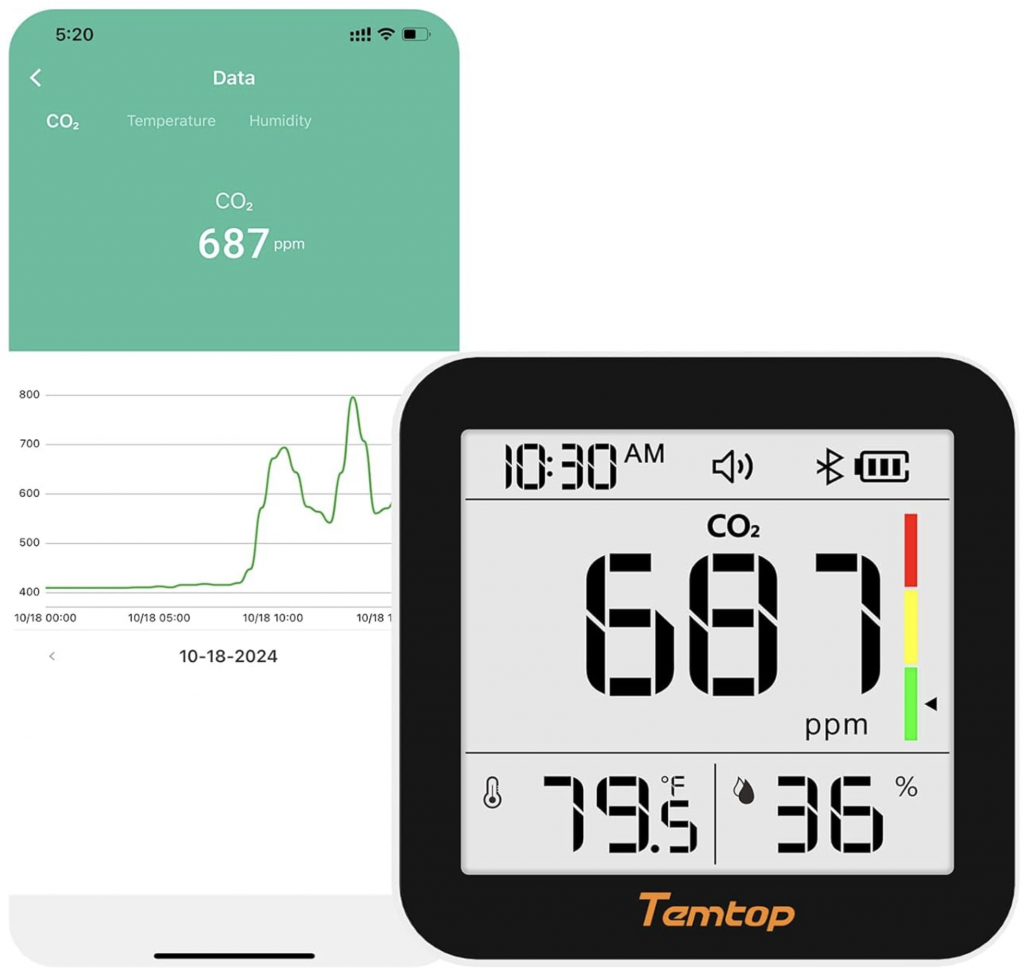
I recently purchased a device that monitors and records carbon dioxide, temperature, and humidity levels. I am using it to improve air quality and comfort in our home. The top chart shows CO2 levels measured hourly over five days in our bedroom, while the bottom chart displays temperature. The CO2 pattern peaks every morning at 7 AM, driven by our respiration in the closed room. Optimal levels of CO2 are in the range of 400-800 ppm. Based on this information, I have programmed our ventilation system to increase fresh air from 5 AM to 7 AM. The reason for not leaving the system turned up all day is that it wastes energy. I will remeasure CO2 levels over the next week and refine the ventilation schedule as needed.
The temperature chart reflects the summertime programming of our HVAC system during a week with outdoor temps in the 90s. The AC starts running at 8 PM and cools the house to 66°F by bedtime (our optimal sleeping temperature). At 4 AM, it turns off, and the temperature ramps up to 71°F over the next 12 hours or so.
NERD ALERT: When I get some time, I will use this data to see how accurate my HVAC design calculations were.
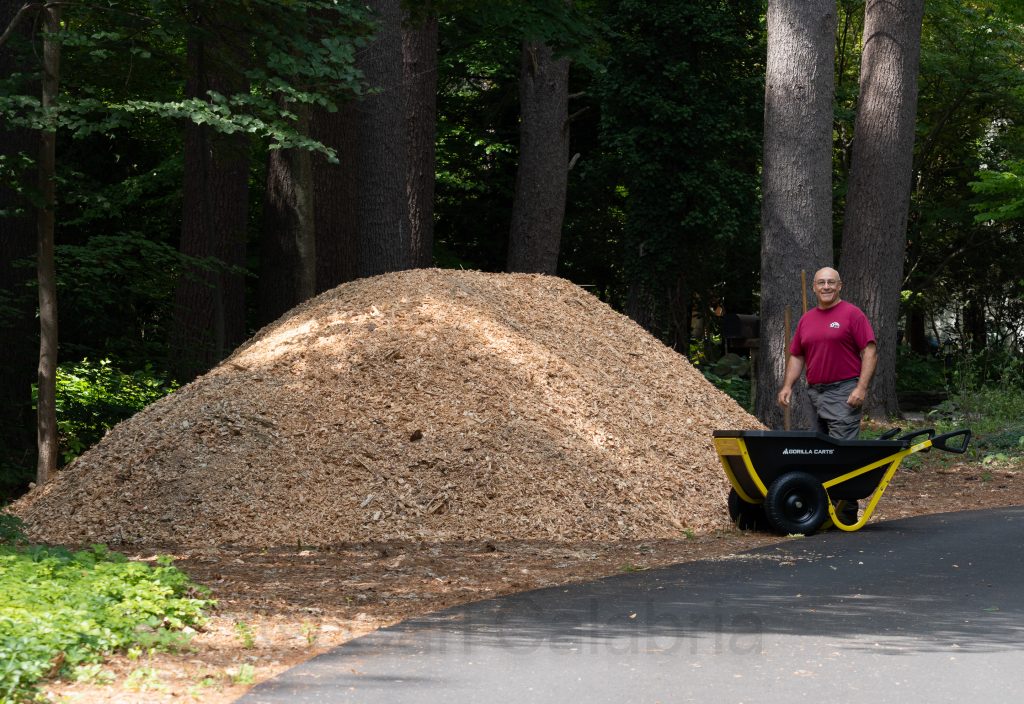
Armed with a new 10 cubic foot yard cart that I picked up this morning, I set out to attack the first of four wood chip piles that now grace our property. It took twelve 5-gallon buckets to fill the cart, which equals 8 cubic feet. So much for the Gorilla brand marketing claim of ten. The density of Red Pine wood chips is ~33 pounds per cubic foot, making the cart total ~264 pounds. After an hour of work, I managed to install 8 carts’ worth of wood chips and was ready to call it a day. This puts my installation rate at one ton per hour. At this pace, it will take me 20 more days to conquer all four piles. When temperatures begin to drop a bit, I suspect I will be able to work for more than an hour a day. If nothing else, I should be in pretty good shape by the time my fall soccer season starts.
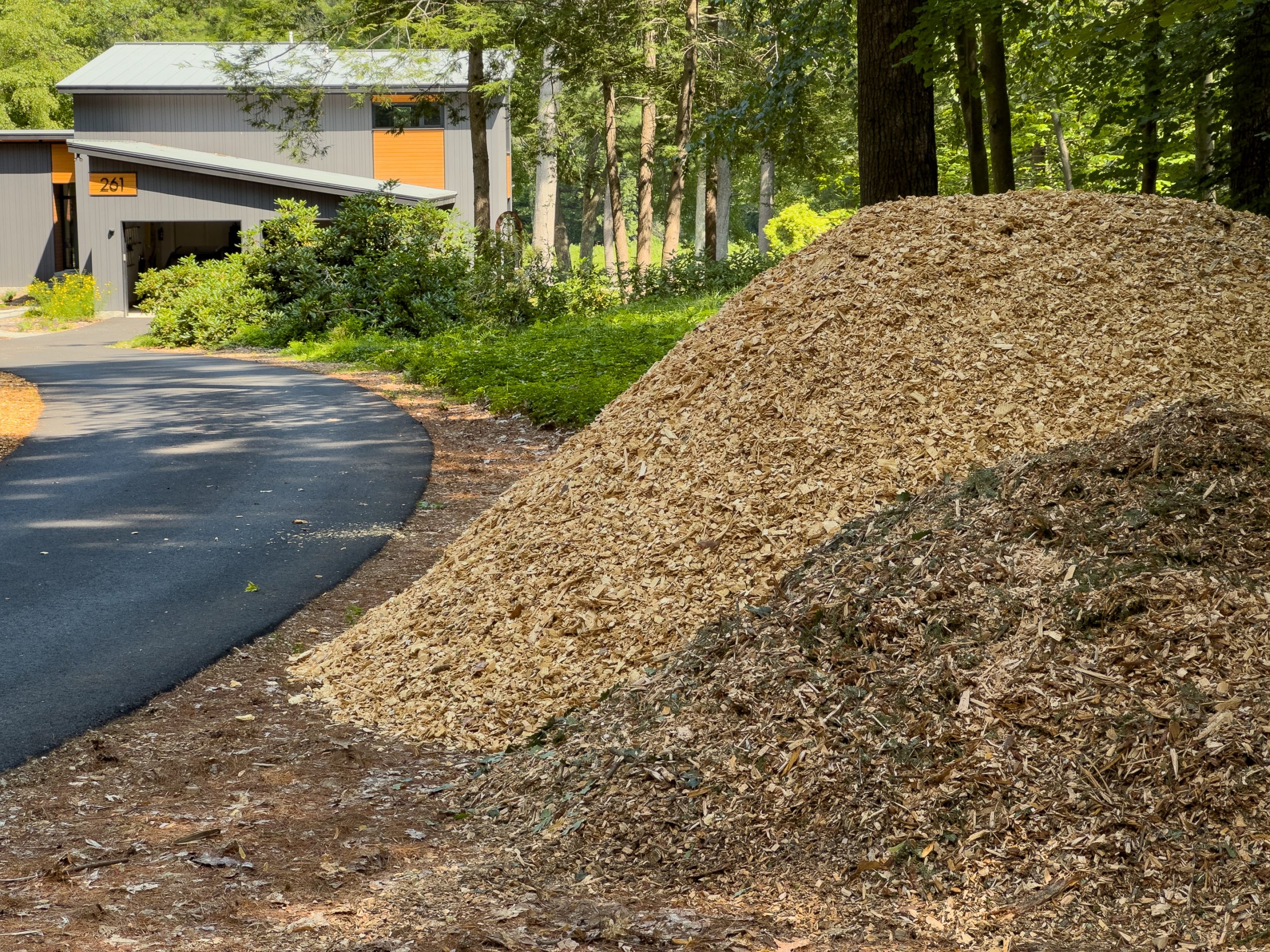
Our neighbors across the street were having twenty dead or nearly dead Red pines removed from their property today. I asked the tree company if we could have the wood chips. They were more than happy to dump them across the street rather than haul them across the county to their approved site. The darker batch of chips in the photo above came from a different neighbor who was also having tree work done today. In total, we received 15 tons of chips, now located in two massive piles on either side of the top of our driveway. Over the coming weeks and months, I will be getting a good workout as I spread these piles to where they are needed.
UPDATE: Since posting, the tree company asked if we could take another 6 tons, which are now distributed at the edges of our property near the street.
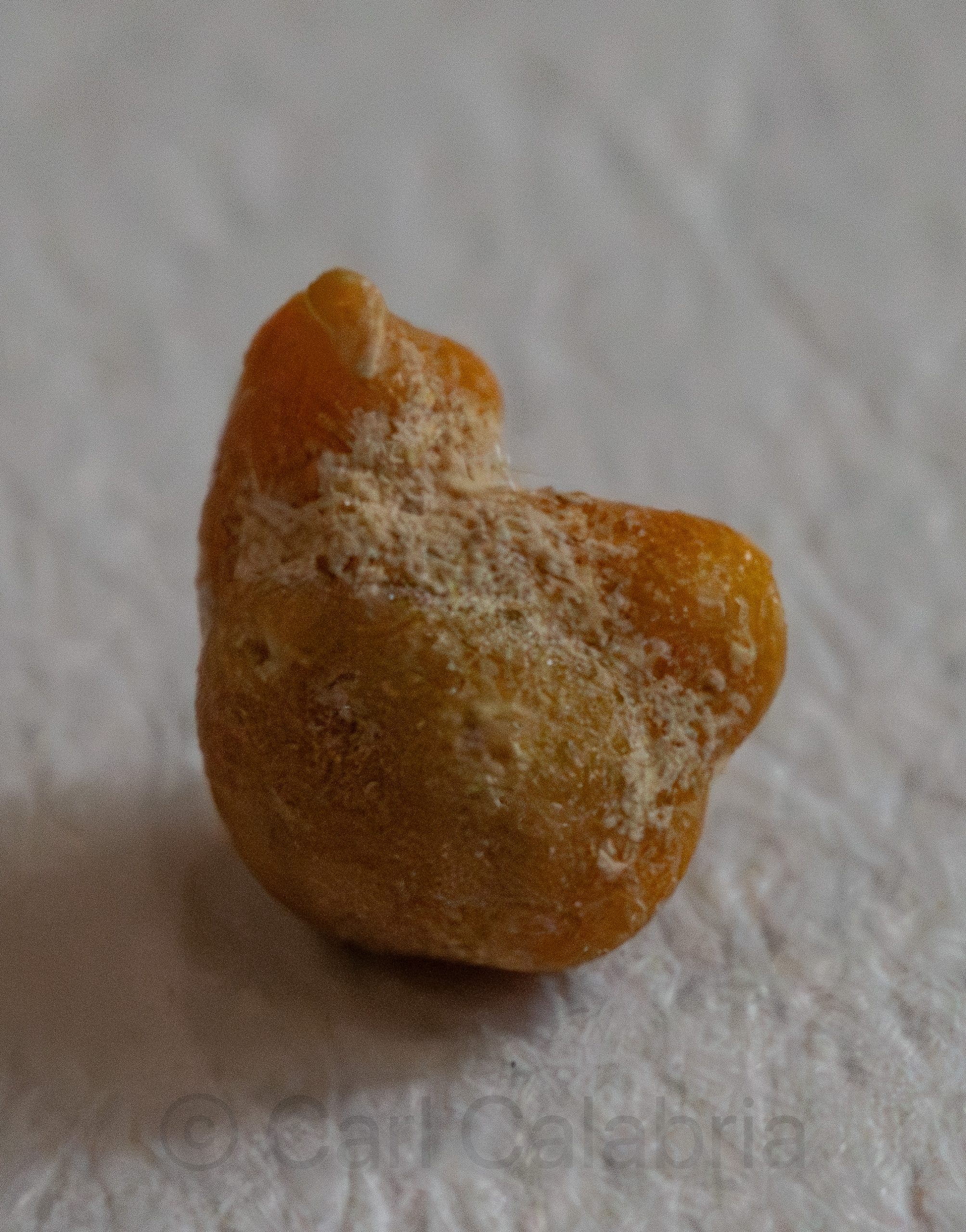
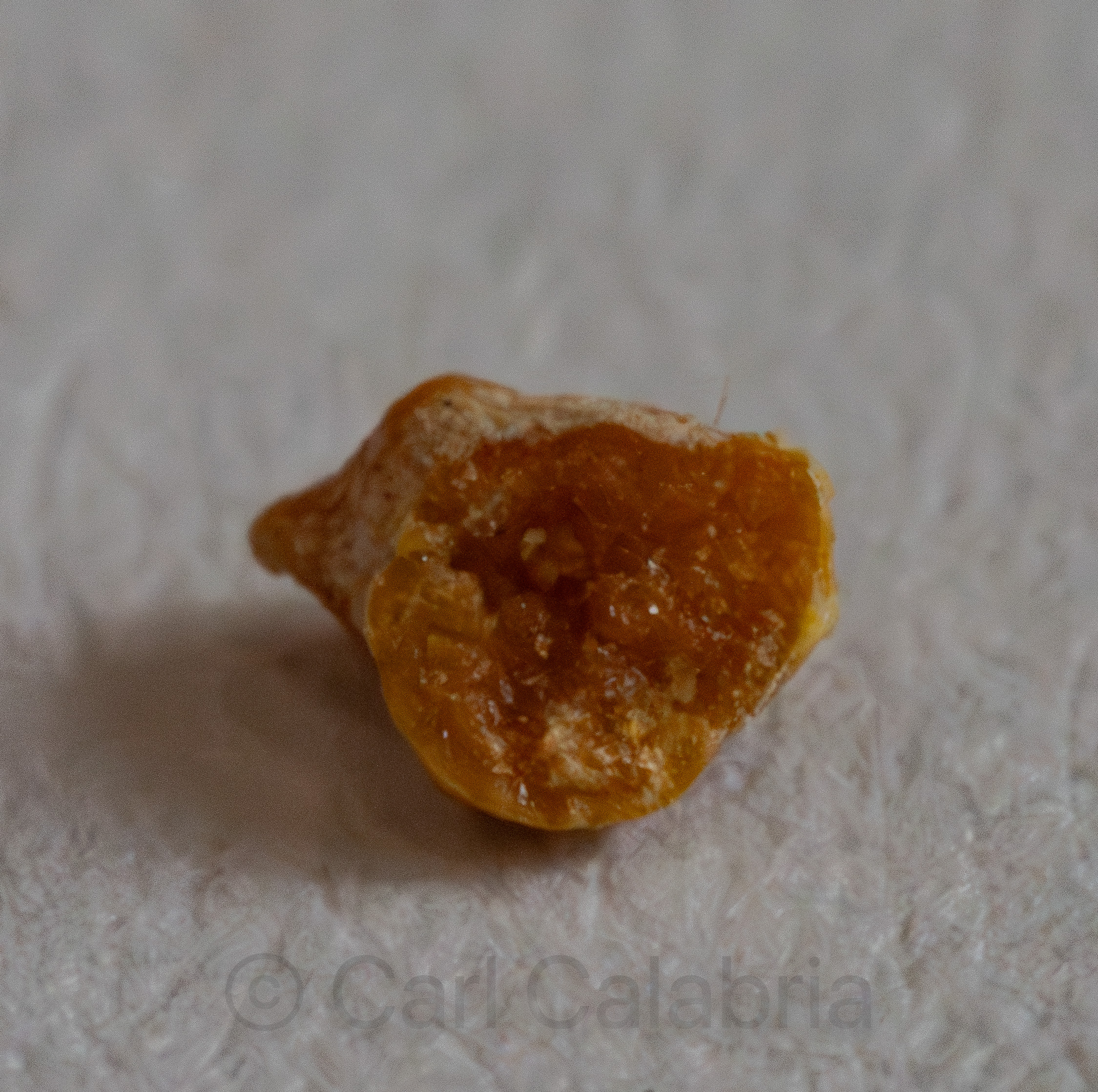
My blog serves many purposes. It is a family journal and archive. It is a creative outlet for my photography and writing. It is a vehicle for sharing ideas and documenting projects. And sometimes, it serves as a medical record. For this, I apologize to visitors who were hoping to find something else today. Recently, I documented Maya’s broken fifth metatarsal x-rays, and today, I am memorializing my passing of yet another kidney stone. This stone measured 1.5 x 1.0 mm and caused minimal pain. I added it to my collection of passed stones, numbering in the hundreds, but not before breaking it in half to examine the structure inside. What I discovered reminded me a little of a geode, the most common type of mineral formations with hollow insides. They are typically hollow, globular rock structures lined with crystals.
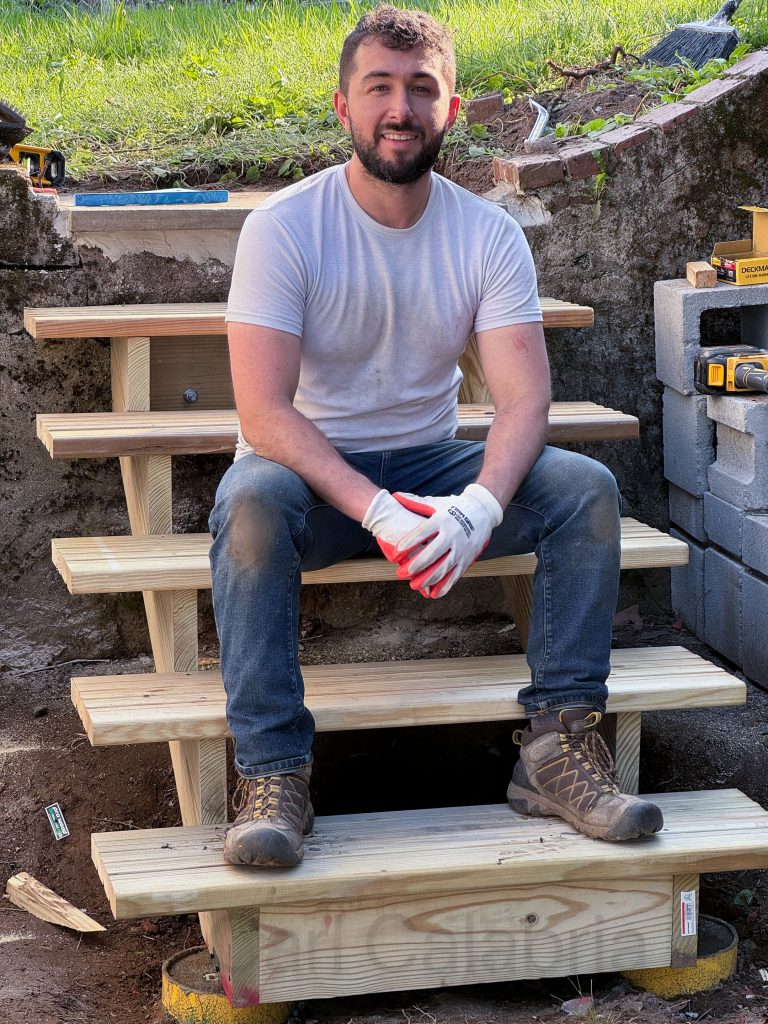
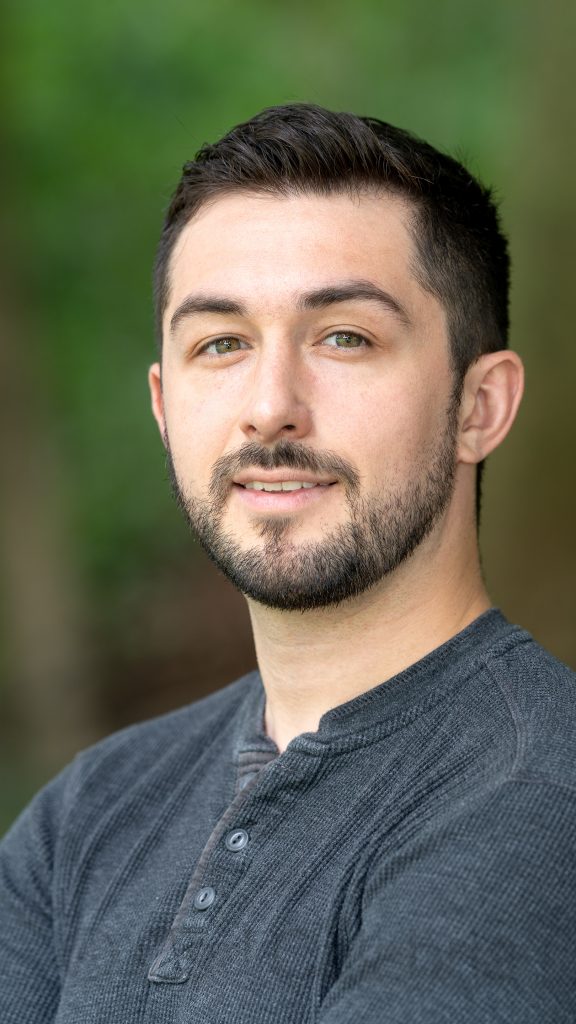
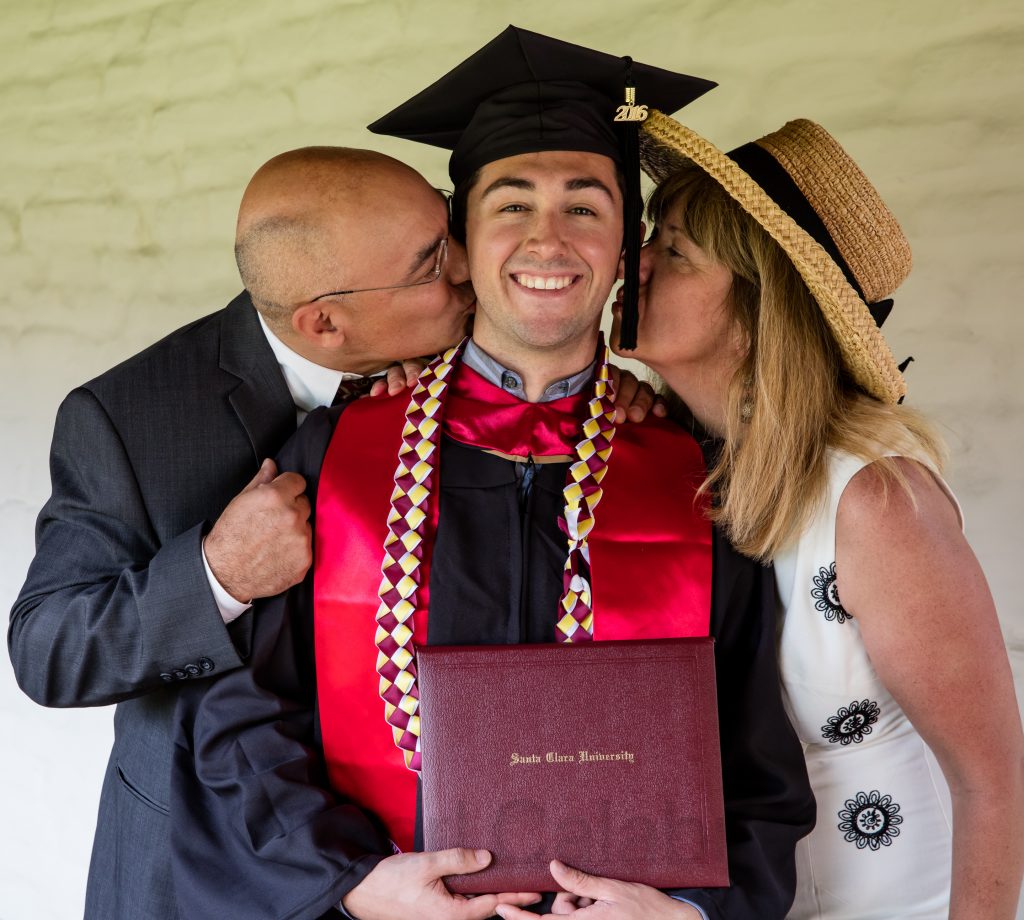
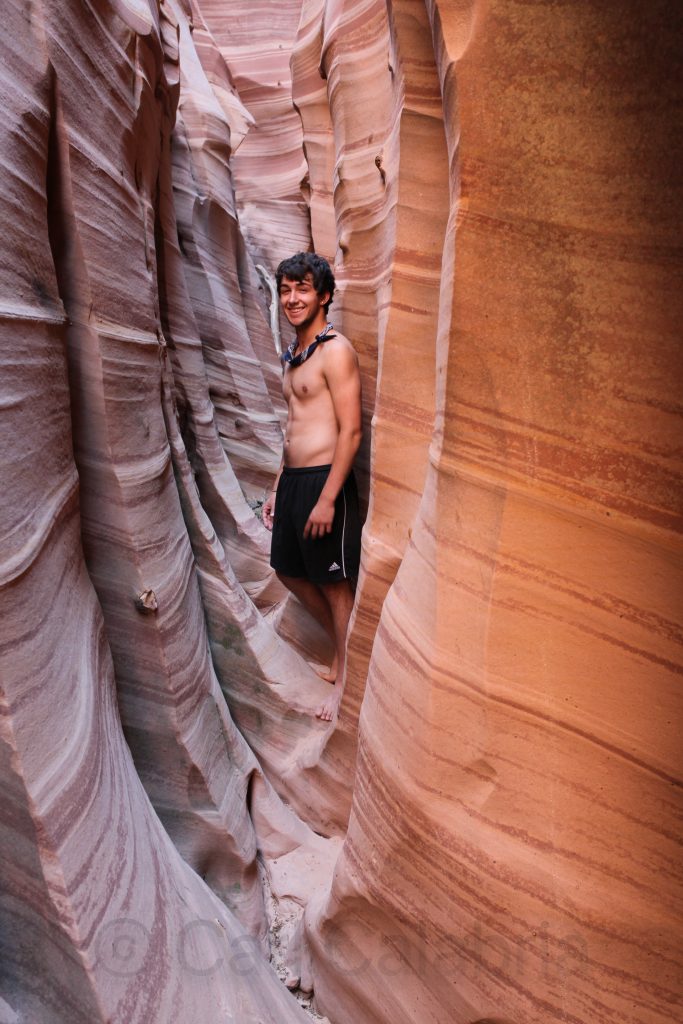
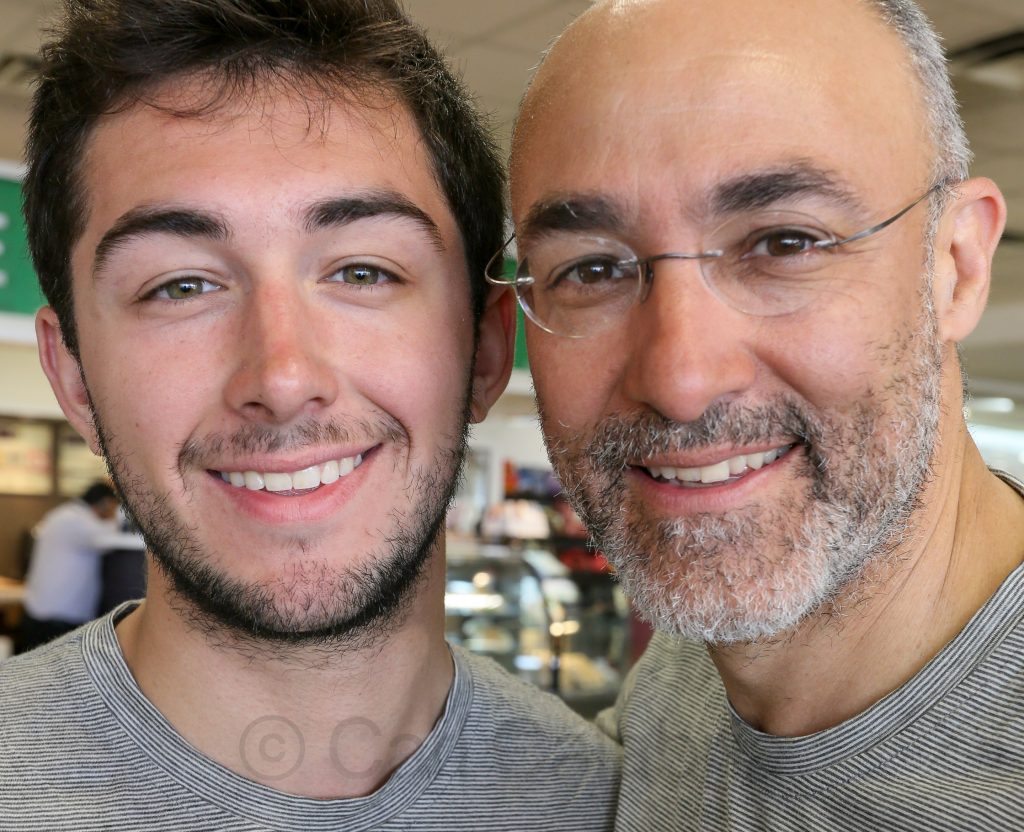
33 years ago today, I experienced more joy and happiness than I imagined possible. I had become a father. Having found the woman I wanted to spend the rest of my life with, my greatest desire was to have a child with her. I was secretly hoping for a girl, but the instant the doctor announced Kyle’s gender, I could imagine nothing more perfect. I envisioned the future we would have together. I would teach him to build things, wrestle, play soccer, and share my love of camping and hiking. Looking back, we have done all those things and more.
An excellent student, athlete, and an entrepreneur at heart, he started his own company while still in high school and reinvented himself as a data engineer when the field of finance proved unsatisfying. Now he is beginning to generate passive income from a home rental business while dipping a toe in the sphere of AI engineering. All this, while traveling the world as a digital nomad working remotely from all over the globe. I could not be more proud of him for all he has achieved.
For two years, Kyle was the center of our world. Normally, a second child receives less attention because they have to share their parents with a sibling. In our case, Nico received a disproportionate amount of our focus as we attended to his special circumstance. Even at his very young age, Kyle seemed to understand this, and what’s more, he was a fierce advocate for and defender of his baby brother and remains his biggest supporter. When Maya arrived, Jeanine and I had had more than our fill of “boy energy” and were so ready to welcome a little girl to the family. To be honest, she became the focal point for everyone. Once again, Kyle was a doting big brother which is not to say that he did not occasionally torment his siblings as is the prerogative of all first born.
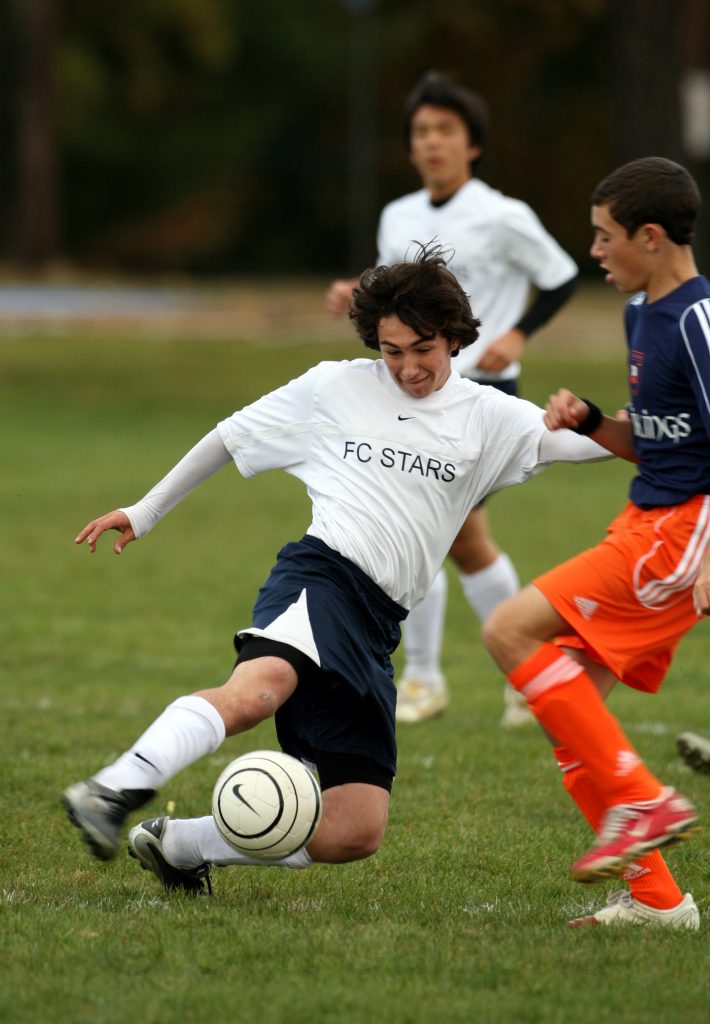
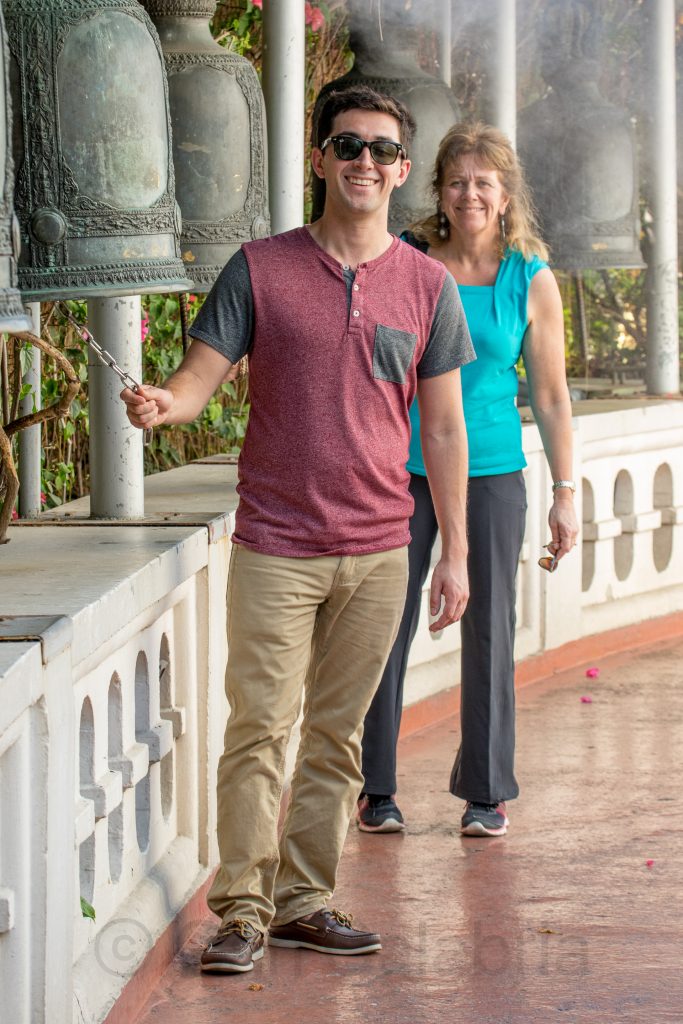
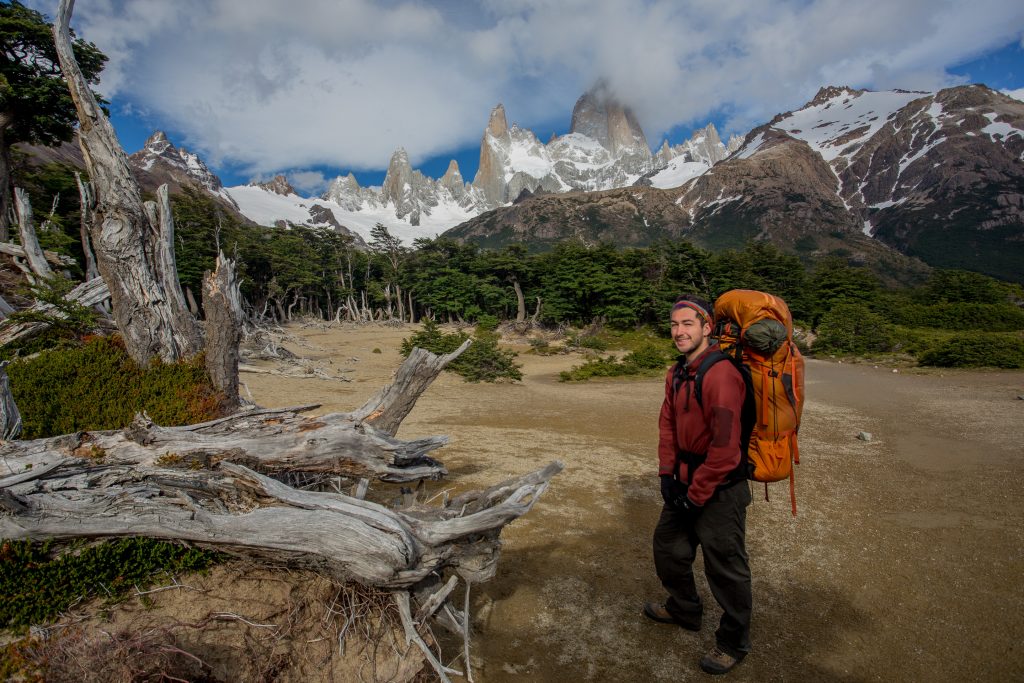
Although Kyle grew up during the most demanding period of my professional career, I always found time to attend his soccer matches and enjoyed the flair with which he played the game. Even more memorable were the three father-son adventures we embarked on together. The first, to Belize when he was 13. There we went spelunking, snorkeling, underground river rafting, and kite surfing in a tropical paradise. The second time, when he was 20, we trekked through Chile’s Torres Del Paine National Park, and then hiked Argentina’s Mount Fitz Roy and visited the Perito Moreno glacier, ending our trip in Buenos Aires. Finally, the year we spent working together on weekends to renovate the basement of the home he purchased in Medford. These “journeys,” afforded me a front row seat to Kyle’s evolution from boyhood to manhood and I will forever cherish that time spent together.
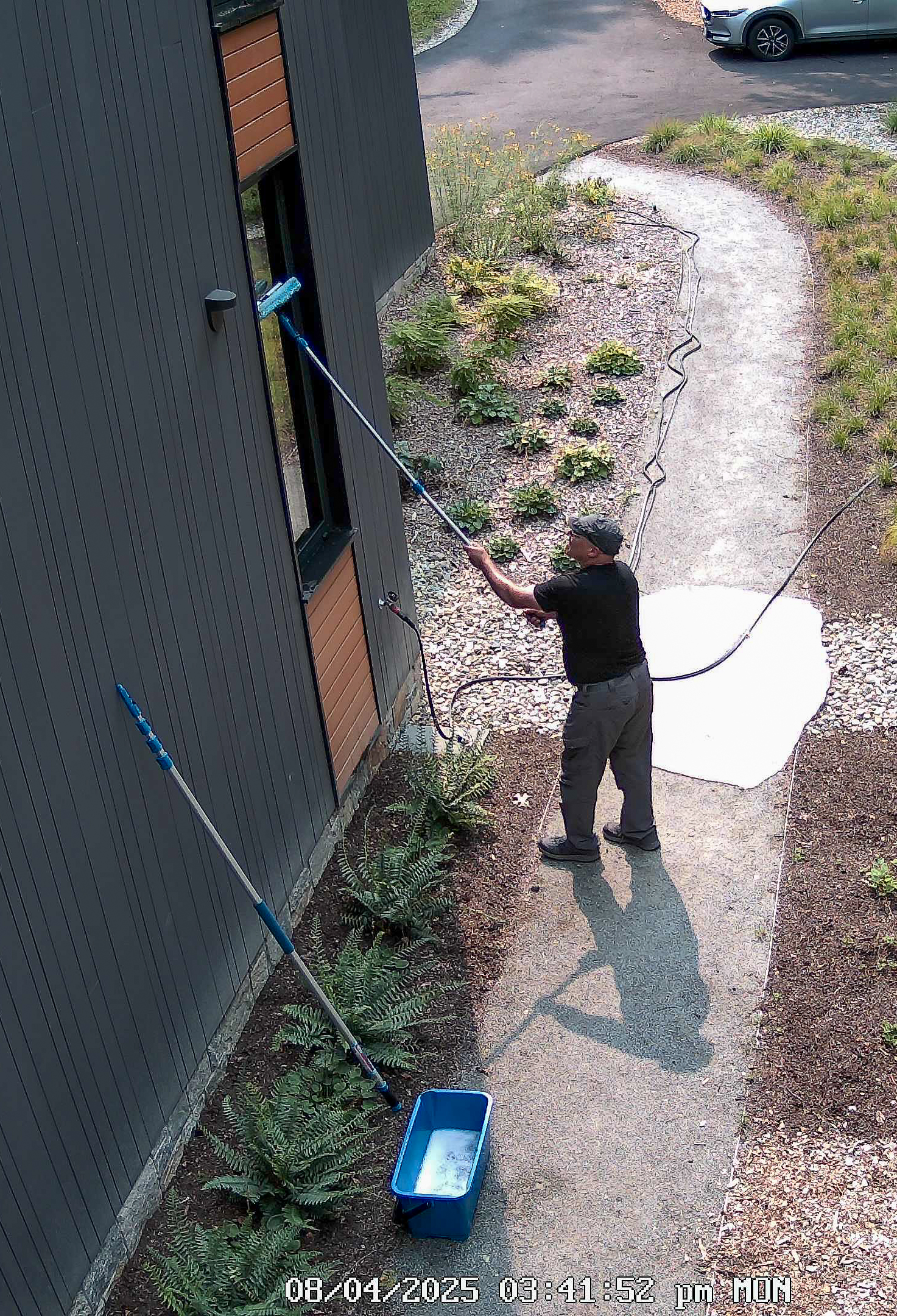
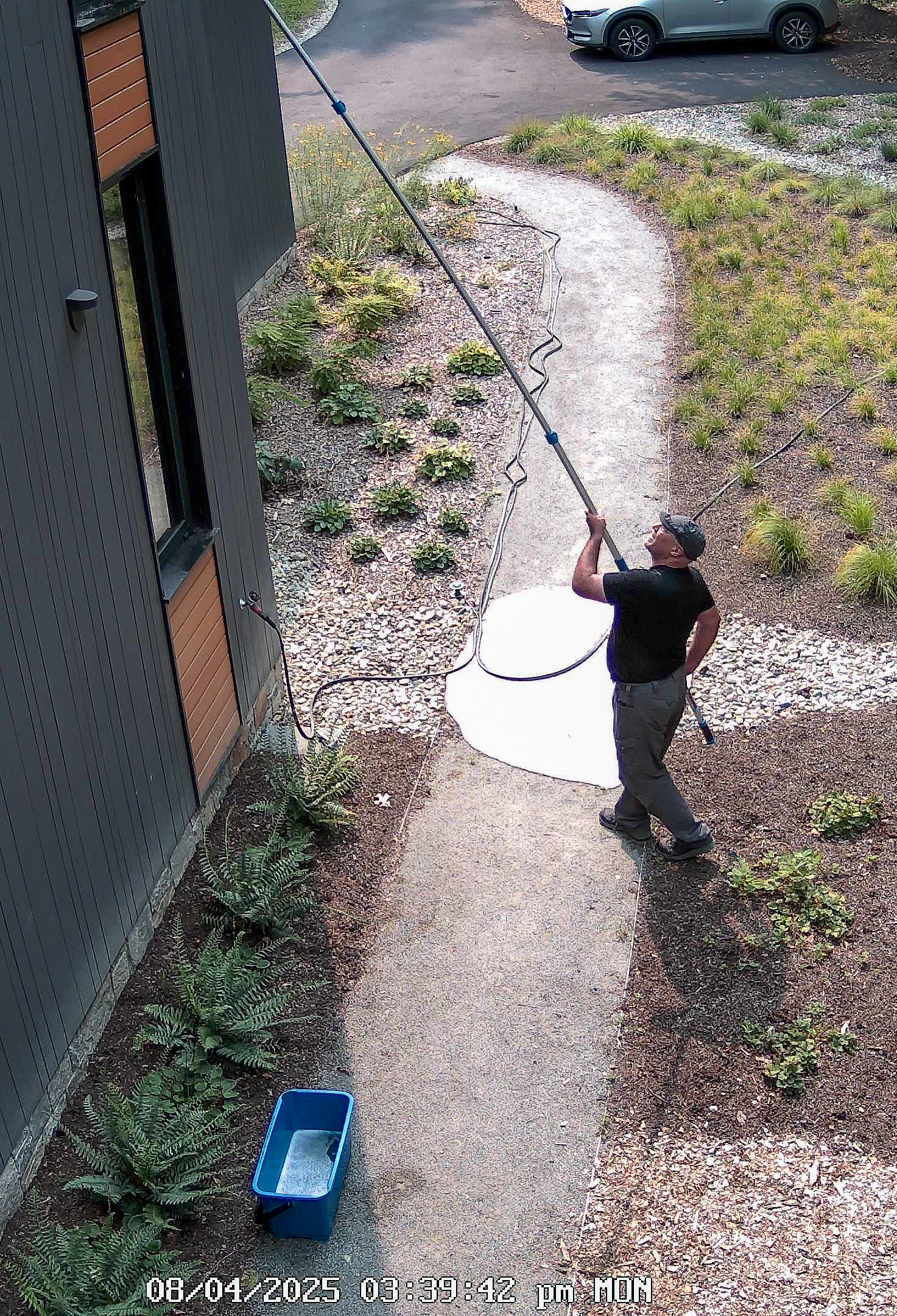
This afternoon, it was not too hot, not too sunny, and not too windy. Perfect conditions for a chore that I have been putting off for one of the above reasons for some time now. Window washing was never a priority in any of the other homes we have owned. Here, however, we are constantly looking out the windows, and the experience is made all the better when they are squeaky clean. The tool I use for this has a sponge on one side and a squeegee on the other. I mount it on a short pole for the first-floor windows and a long pole for the second-floor windows. These photos, courtesy of our security camera show the basic operation on our smallest windows. I completed 25 of 37 windows and will have to tackle the remaining dozen another time. It may not look like it, but this task is quite the upper body work out and I was happy to burn off some of the calories I ingested last night during the birthday feast for the boys.
This website is dedicated to sharing, with family and friends, the day-to-day adventures of the Calabria family.