The Journey Home

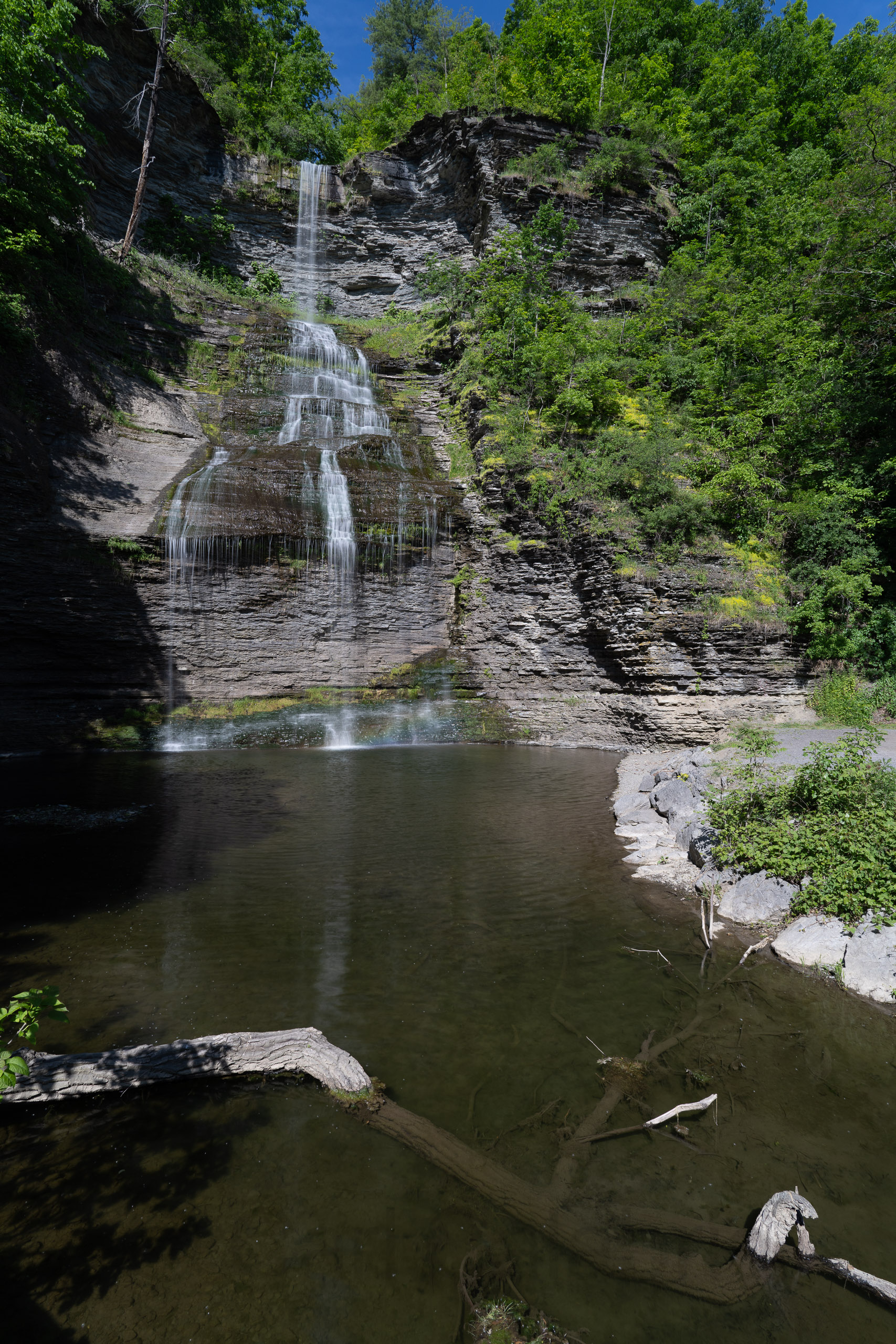
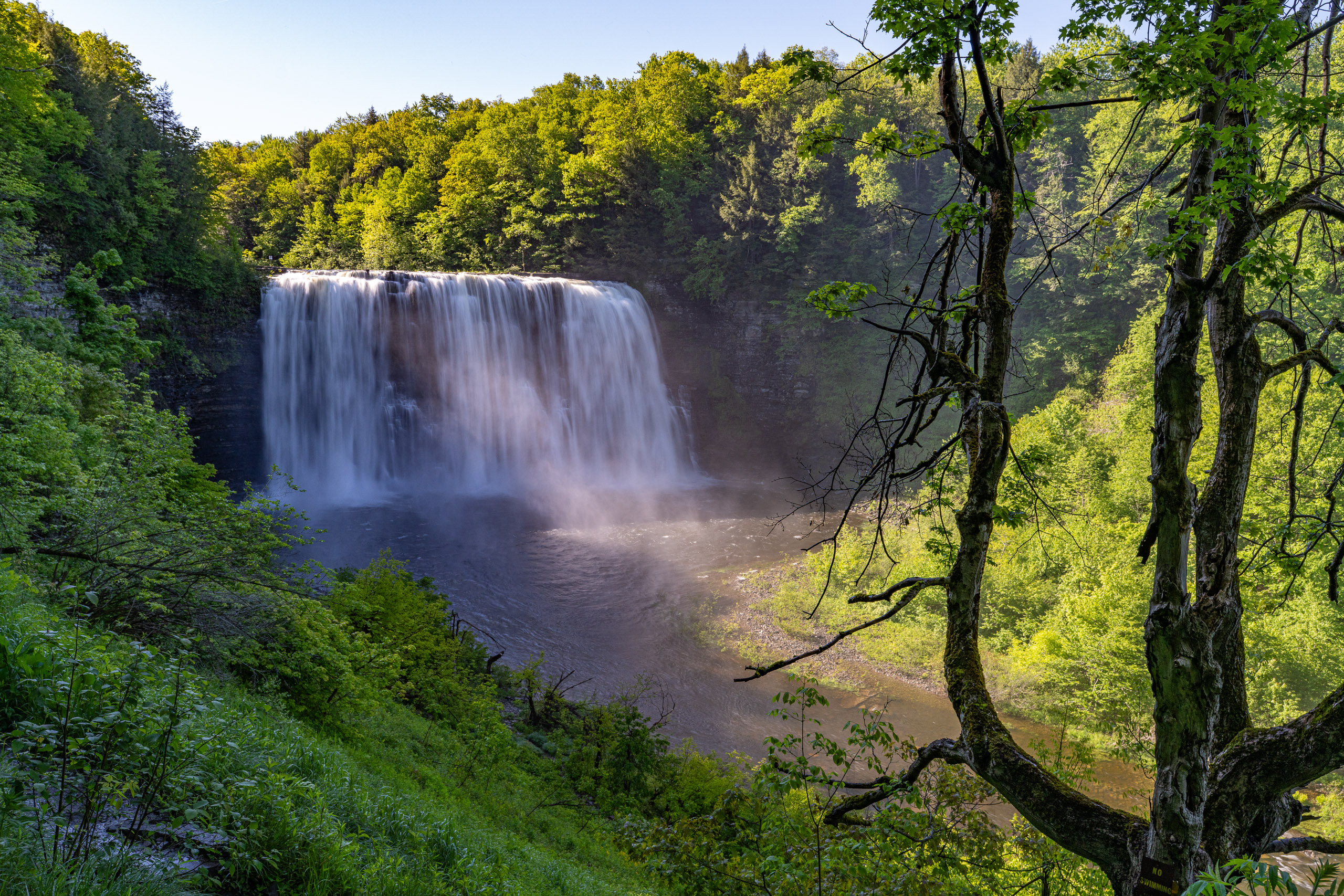
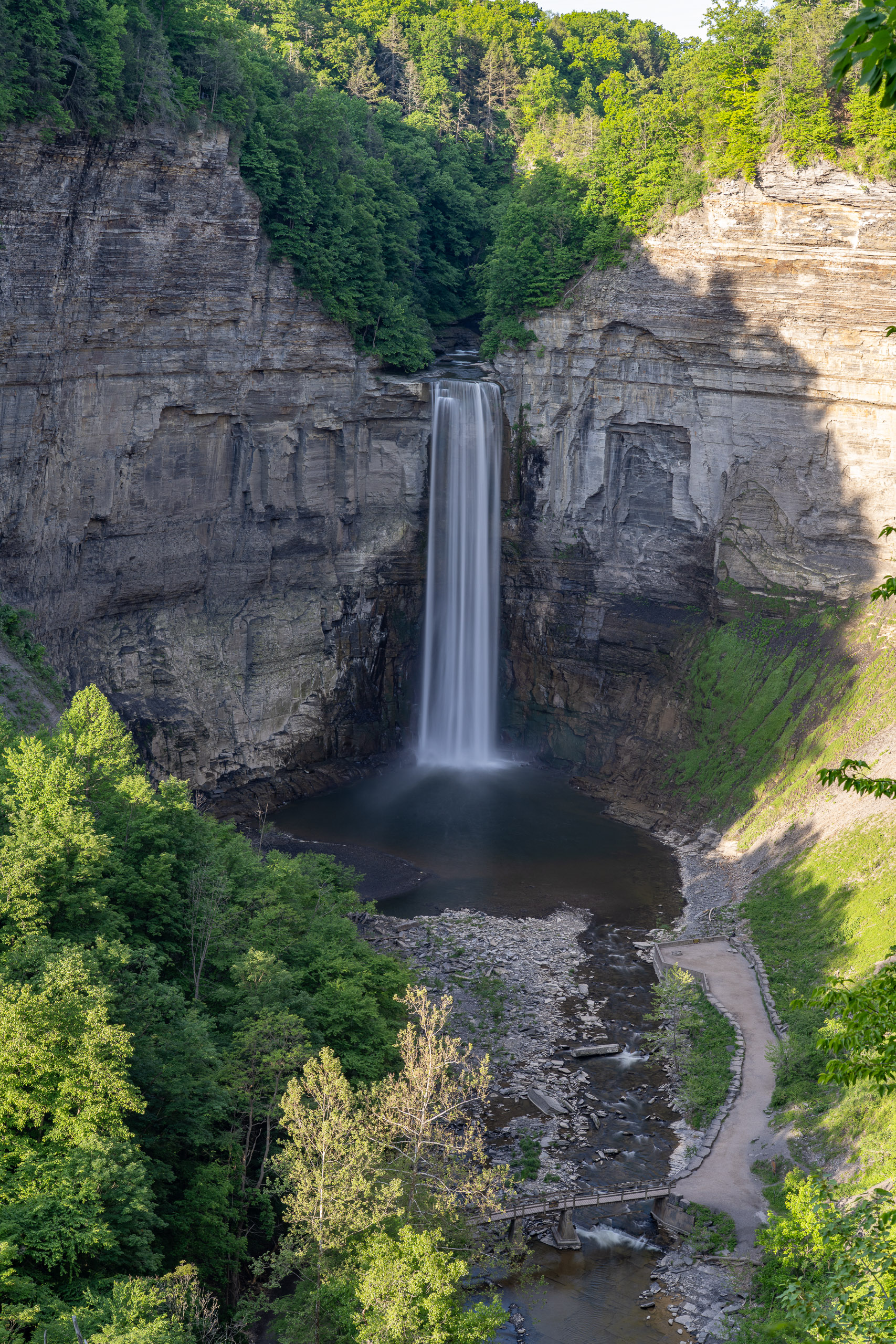
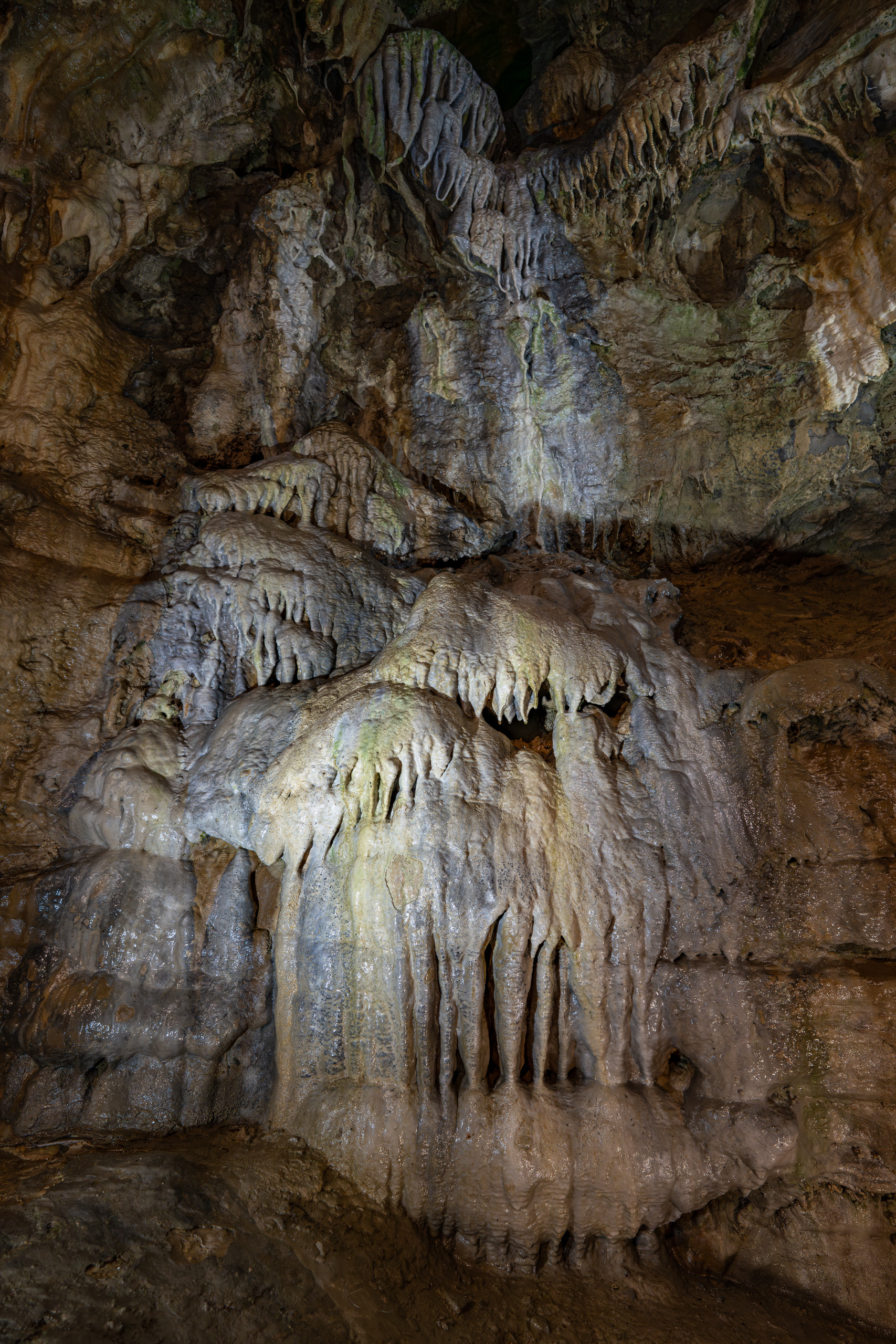
The last time we visited Taughannock Falls, it was dry. What a difference a season makes. It was our first stop on the journey home, and we were treated to the full volume of spring runoff. Taughannock Falls features a breathtaking 215-foot plunge, making it the tallest single-drop waterfall east of the Rocky Mountains. Next, to break up the drive, we stopped at Howe Caverns, the largest show cave in the Northeastern United States. It was disappointing compared to almost every other cave we have visited, as it had almost no interesting geological formations. To be fair, the narrow, snaking Winding Way passage at the end was a lot of fun.
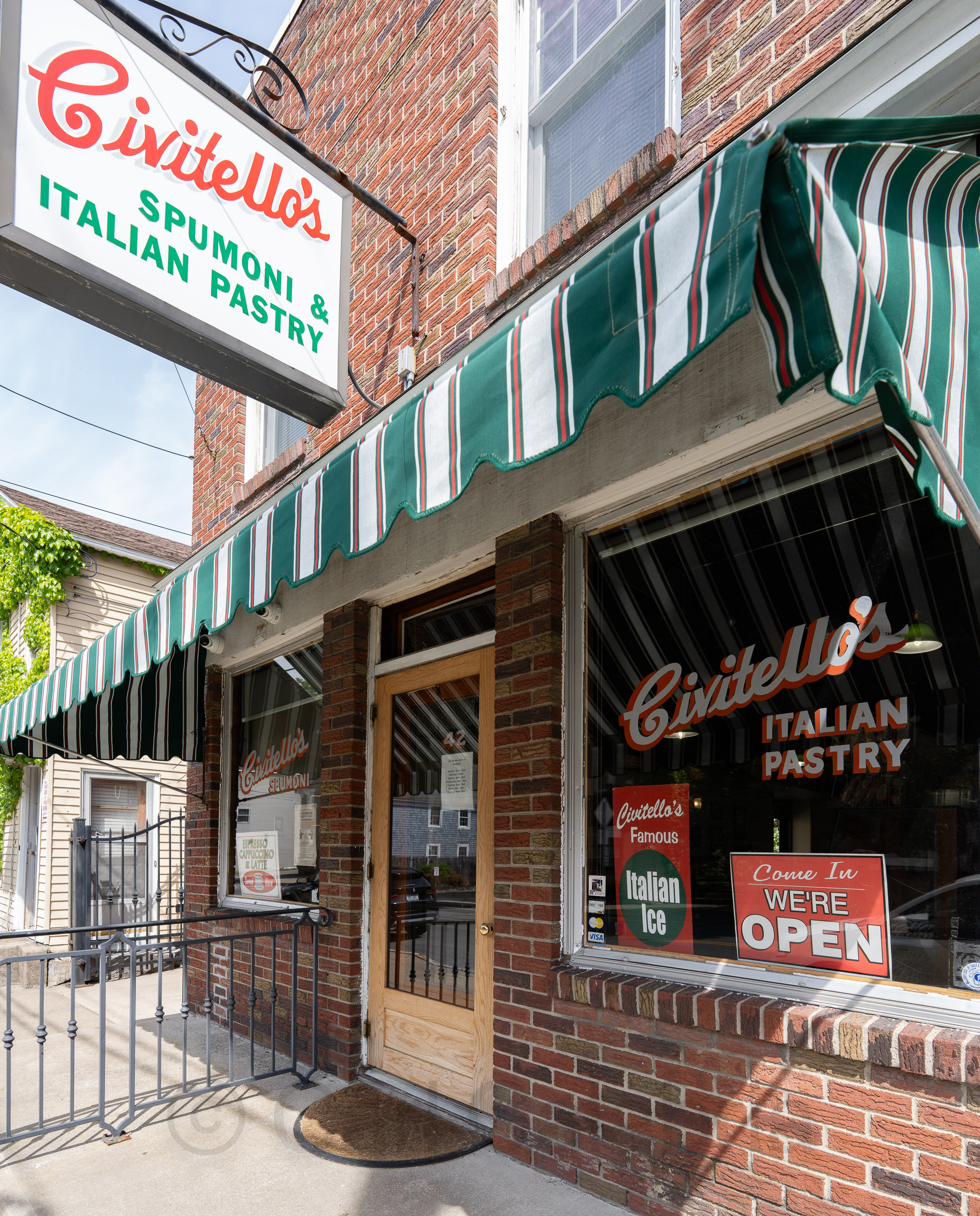
Our first stop when we reached my hometown of Schenectady was Civitello’s. Featuring the best Italian lemon ice in the world, I was a frequent visitor as a youth and throughout my life anytime I found myself within a hundred miles. Sadly, the original owners have retired and sold the business. You cannot imagine my disappointment when I took my first taste of this cherished treat. It was not the same. I asked the new owner if he had changed the recipe. He said that it was the same, except he had added a “stabilizer” to prevent it from freezing. Why would you buy a business and alter its most popular offering? Unfortunately, this will be my last visit.
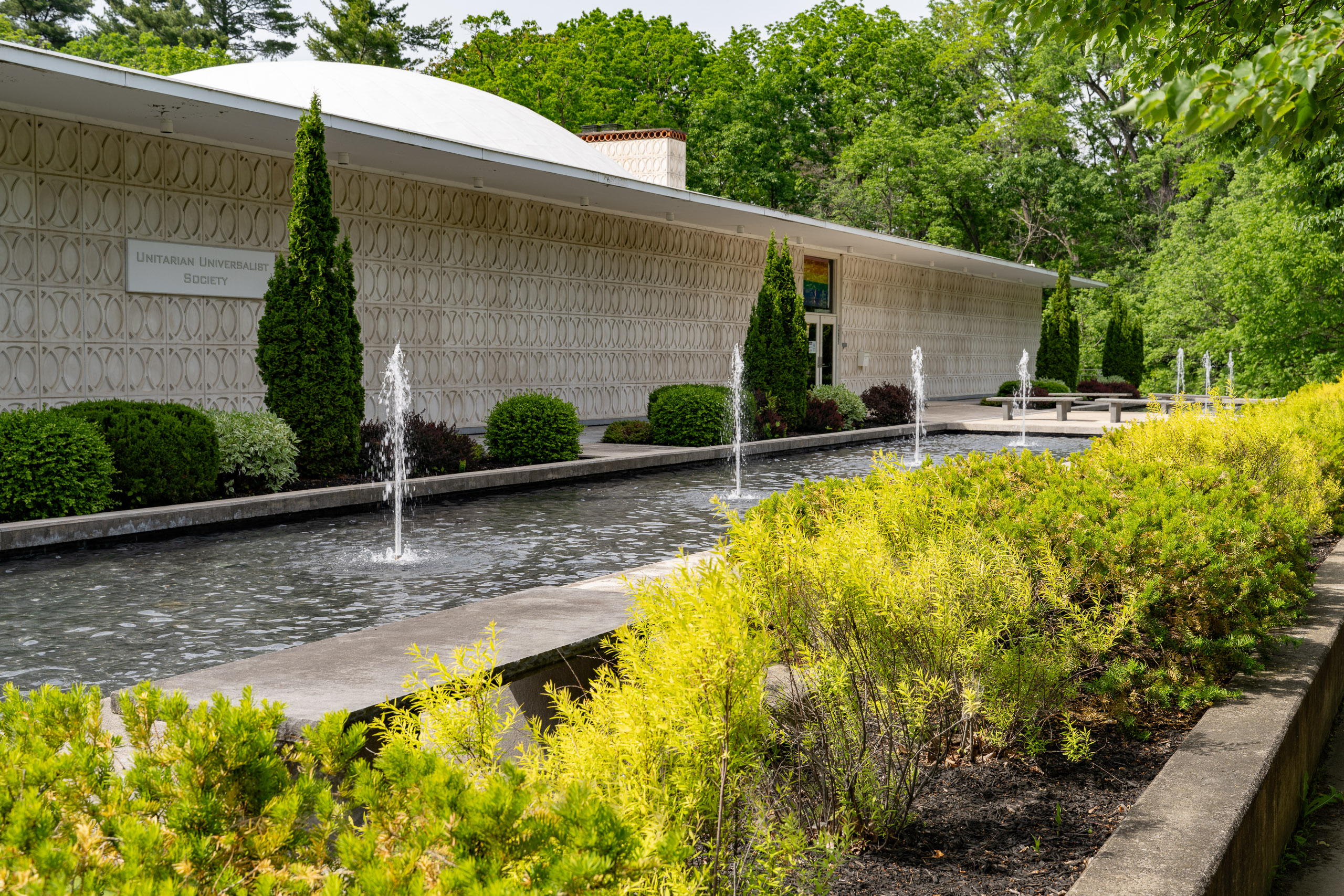
Located on the same block as my childhood home, the Unitarian Church I attended growing up was our next stop.
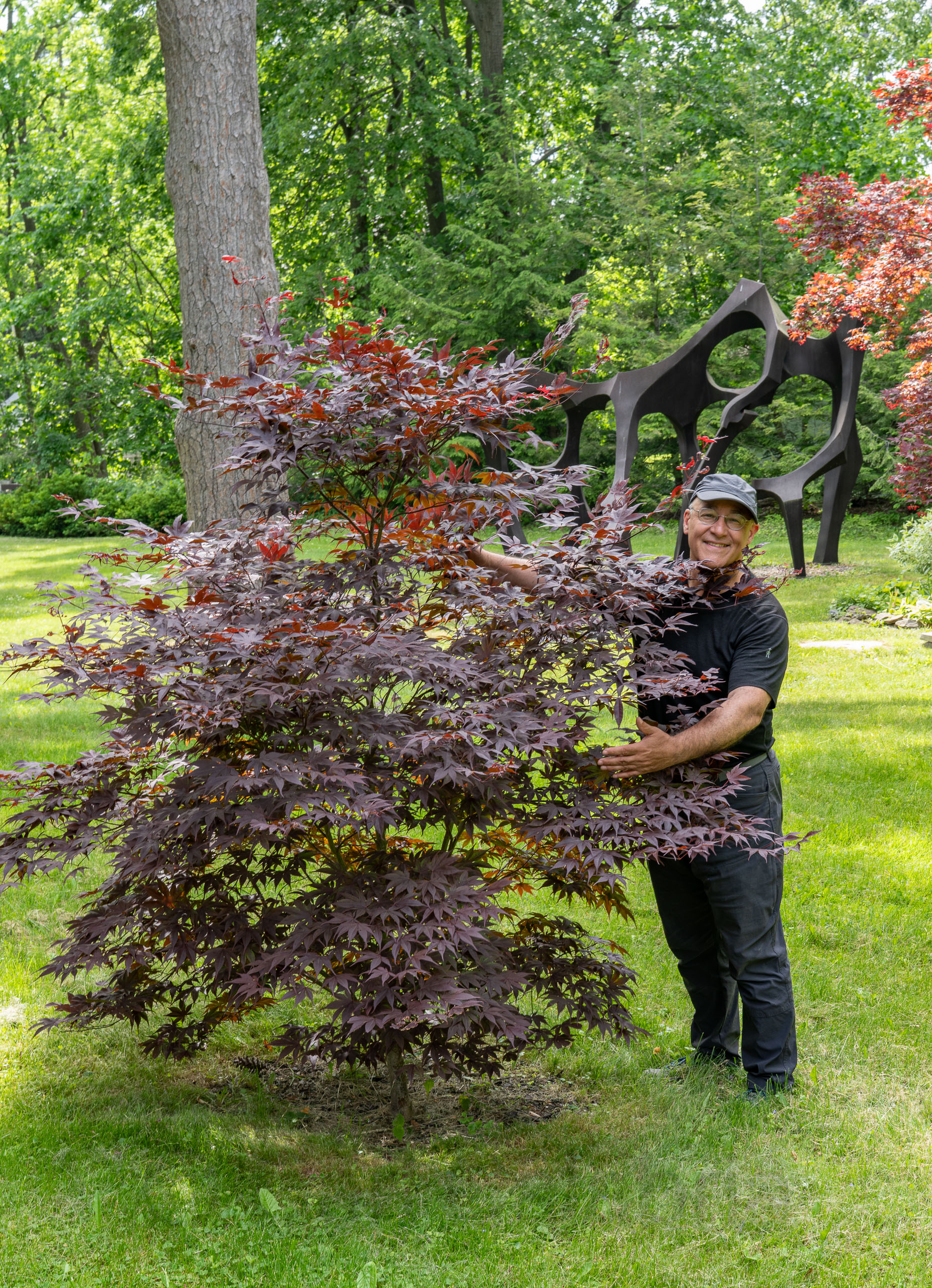
Located behind the church is a memorial tree we planted in honor of my mother. I am happy to report that it is thriving and has more than doubled in size since we planted it.
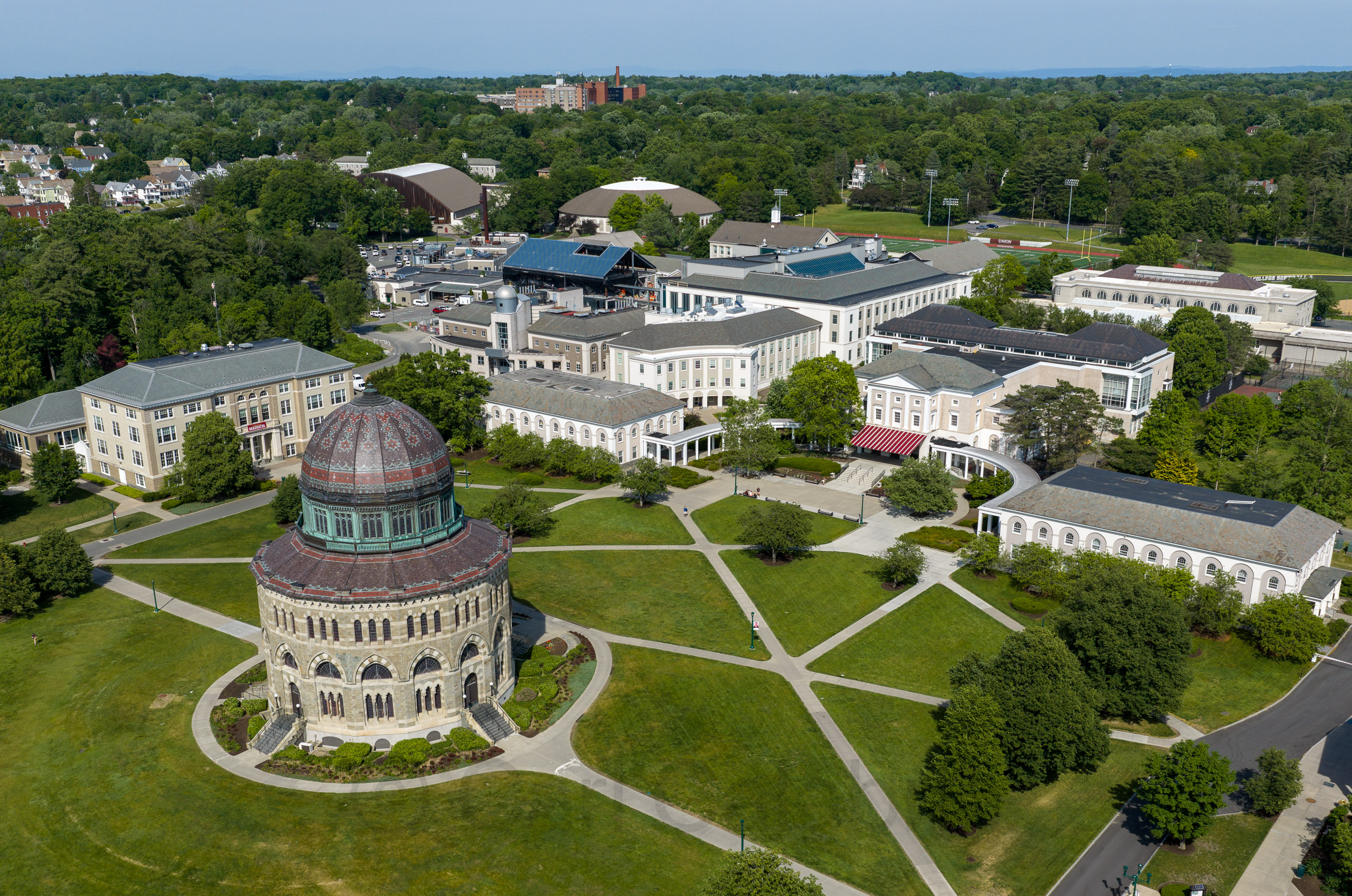
Our final stop in Schenectady was Union College, where I earned my degree in electrical engineering. The campus continues to evolve with several new buildings and gardens.
My sister Alissa prepared a veritable feast for us as we dined together on her lovely patio before relaxing to watch a “drive-in-style movie” on an outdoor projector. The perfect way to spend the last evening of our short road trip.
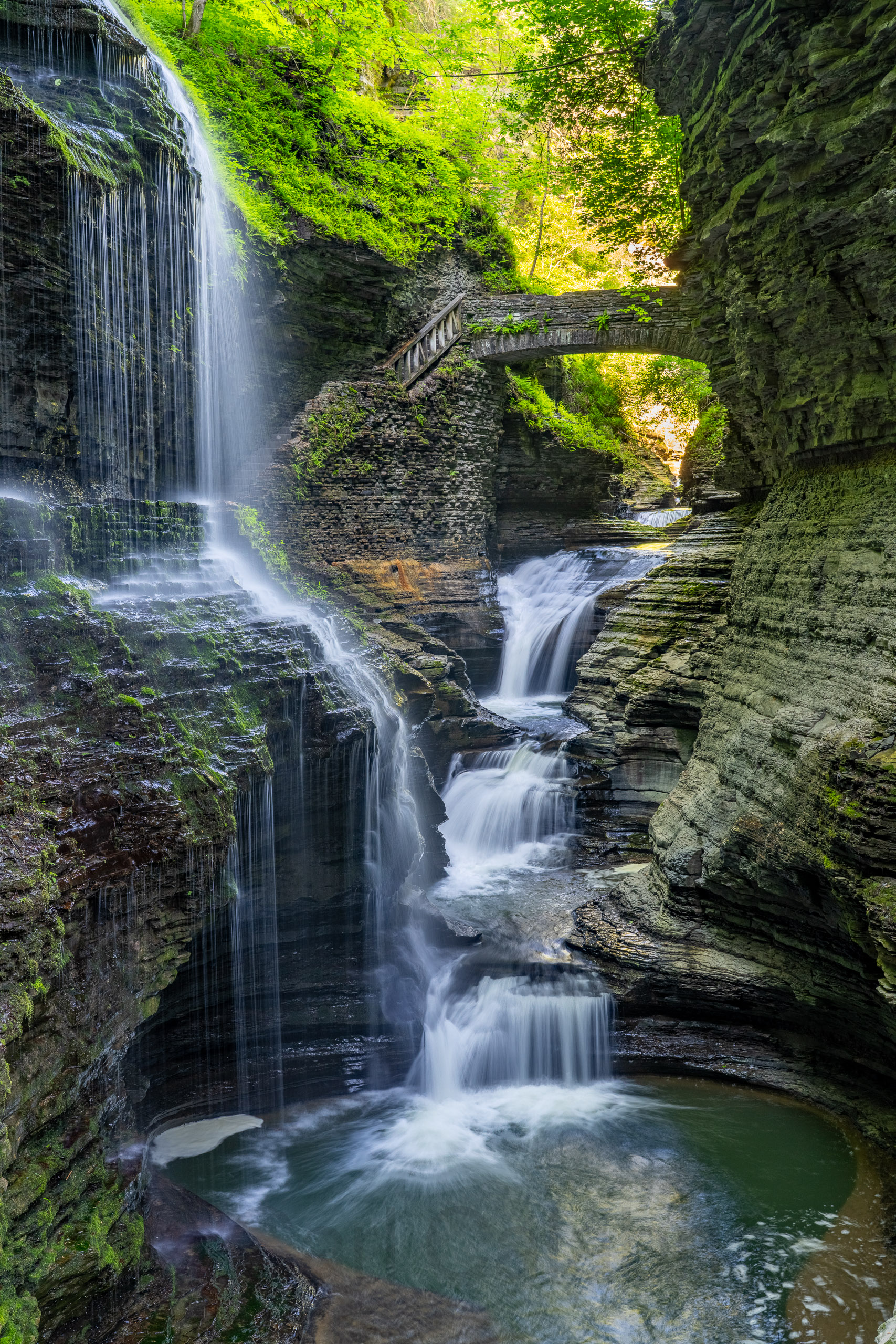
Watkins Glen

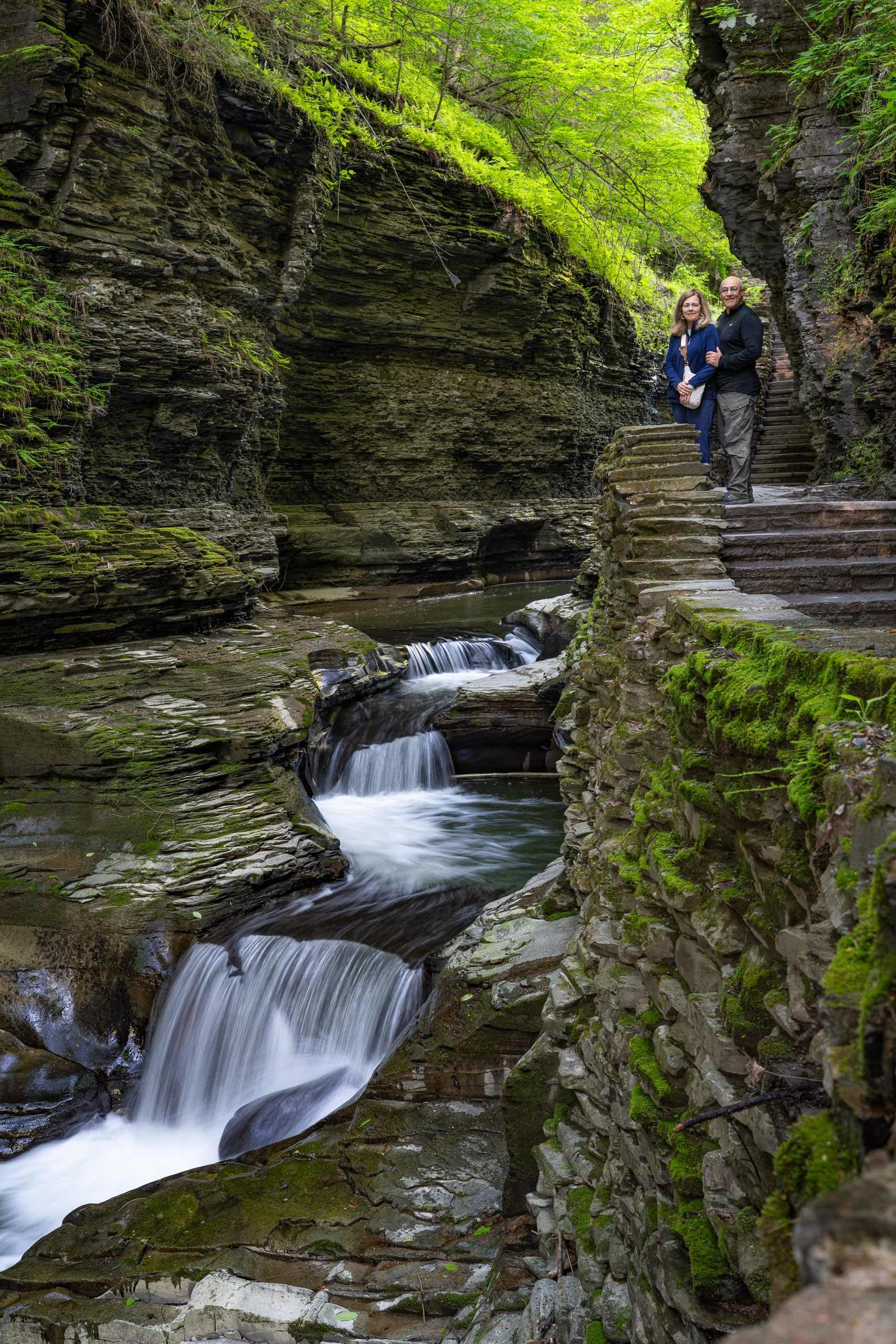
Watkins Glen State Park features 19 waterfalls packed into a 1.5-mile stretch along the Gorge Trail. These waterfalls were carved by Glen Creek, which drops 400 feet through a rocky, 200-foot-deep gorge. It is a photographer’s dream, offering lovely compositions around every bend. Jeanine and I were last here ten years ago in the fall. I remember thinking at the time that it would be wonderful to return in spring when the falls are fuller. That instinct was correct, and this morning we were first into the gorge for another series of wonderful photos. Regretably, construction of a new bridge in the park left one of the most beautiful sections of the gorge off limits. Even more irritating (to a photographer), park management has allowed vegetation to grow unchecked, blocking some of the most ideal views of the falls. Had I thought to pack loppers, I would have put them to good use. Even with these limitations, our visit was magical.

After we toured the park, we had breakfast in town before exploring more waterfalls in the immediate area. First up was Aunt Sarah’s Falls.

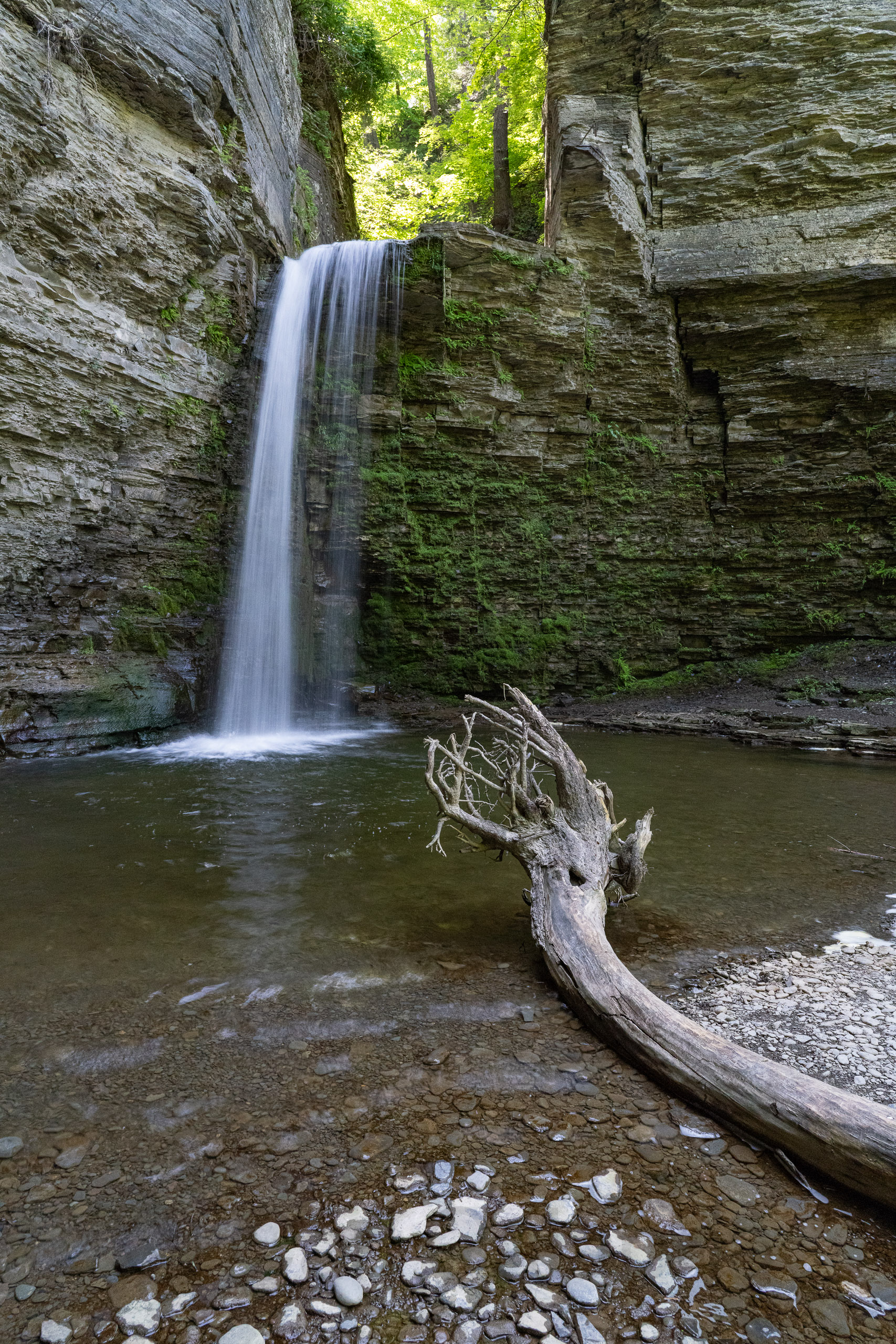
Eagle Cliff Falls normally attracts a horde of people frolicking in the basin. It was still early enough in the day that we had the place to ourselves.

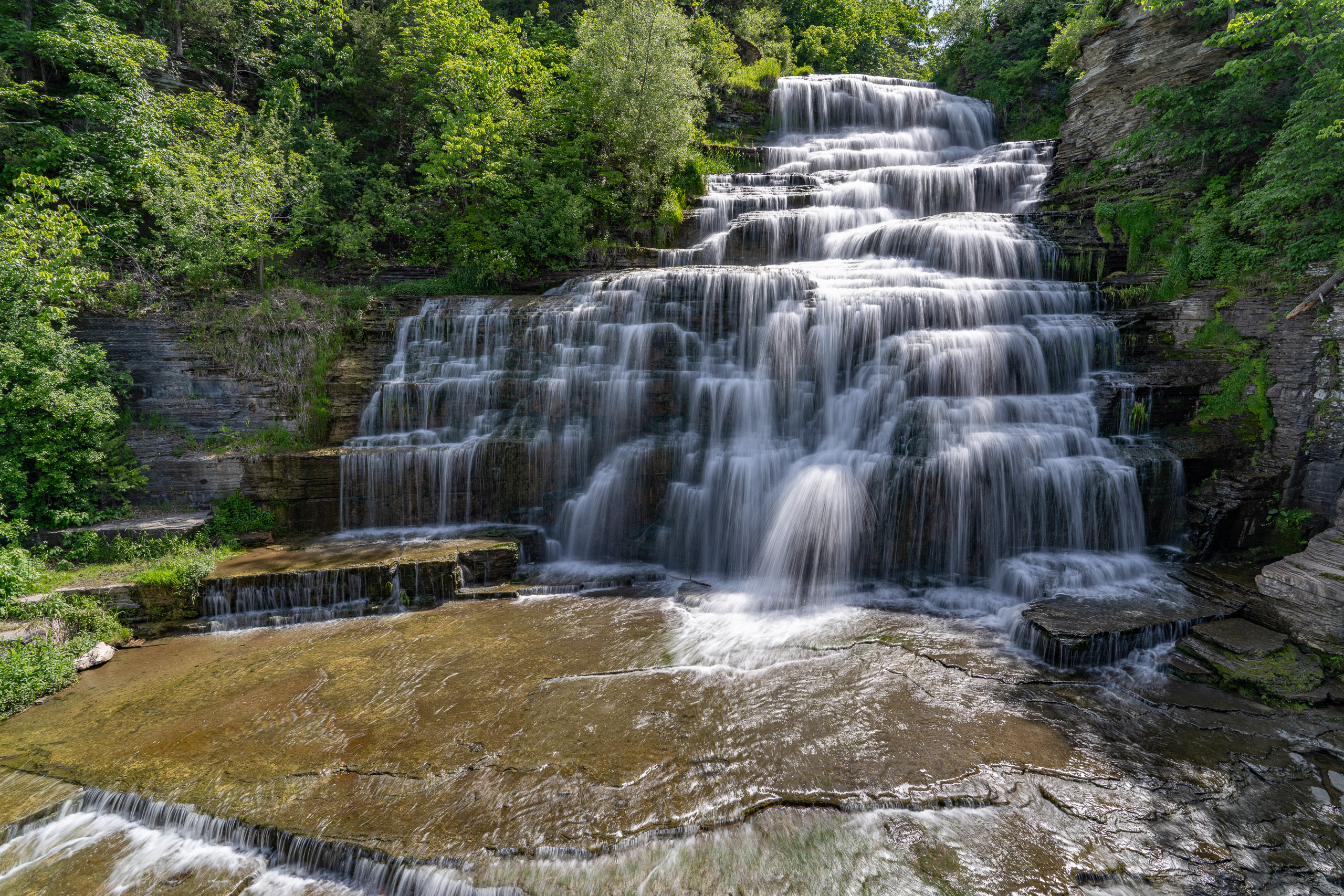
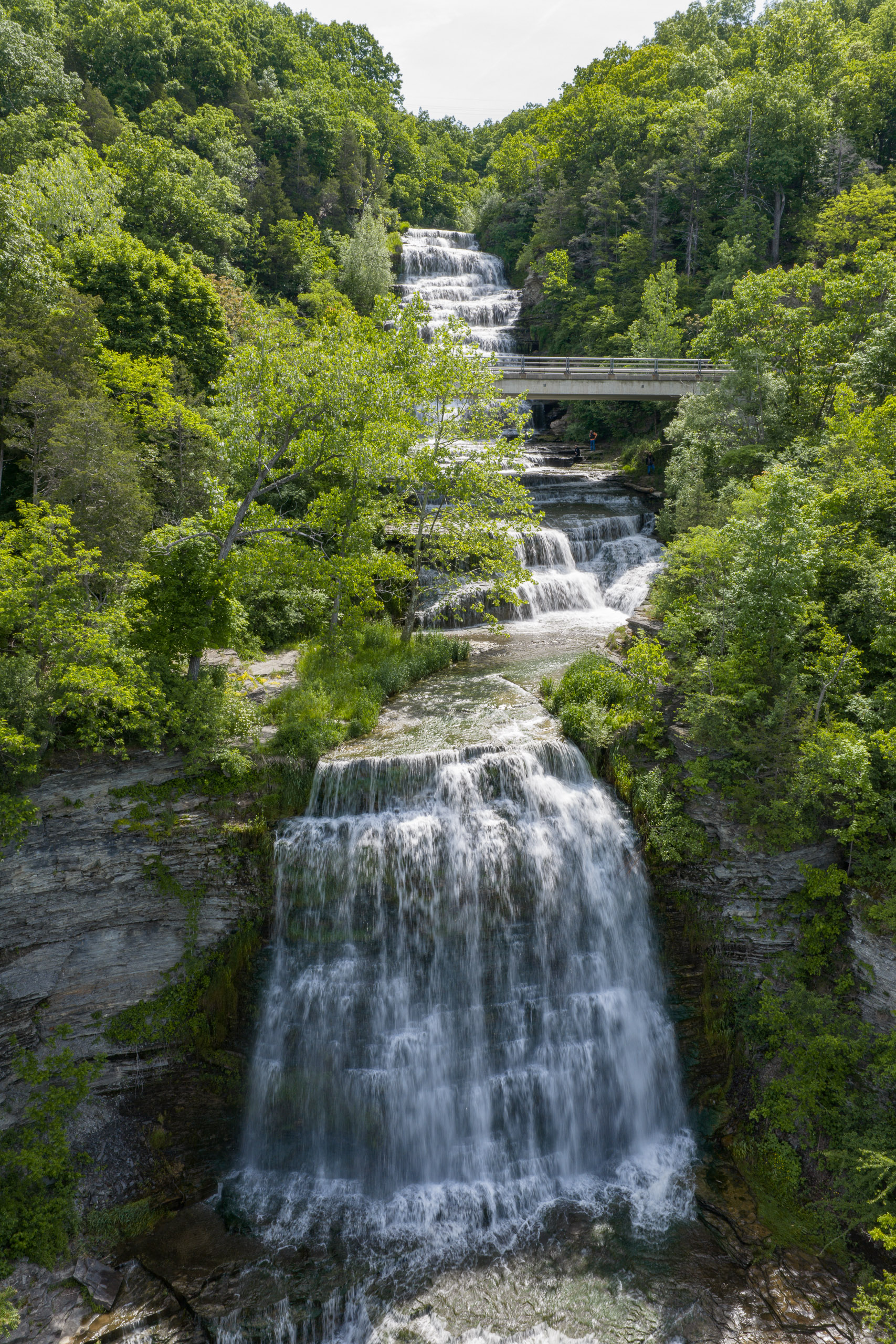
Hector Falls can be easily photographed from a pullout on the bridge that traverses it. I was all too happy to do so, given that my knees were starting to complain about all the climbing of the past few days. If not for Jeanine’s observation, I would not have realized that three-quarters of the cascade was on the other side of the bridge, visible only from Seneca Lake or by drone.

NY Waterfalls

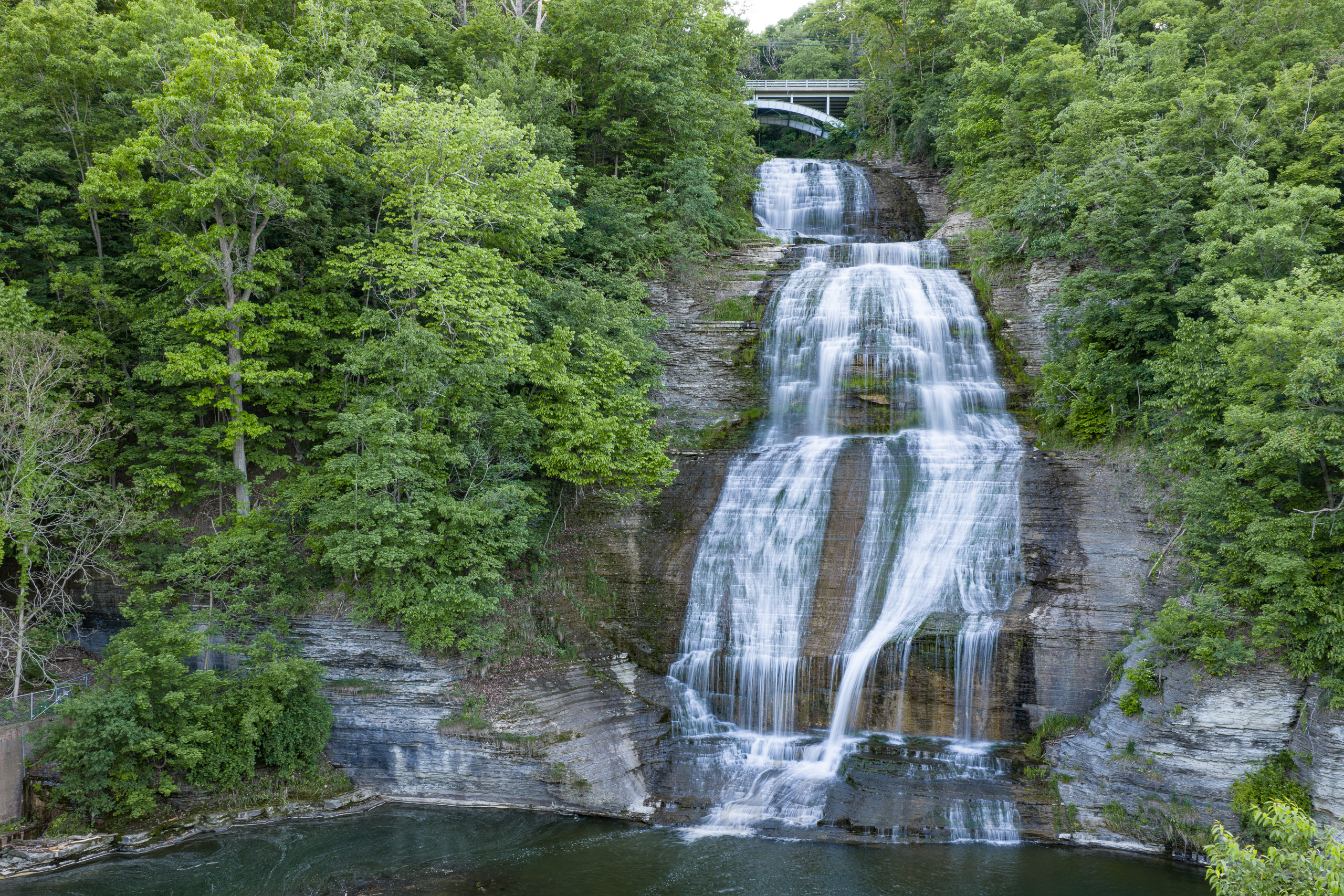
Today, Jeanine and I drove from Alexandria Bay, NY, to Watkins Glen, NY, stopping every hour or so to enjoy another magnificent waterfall. Pictured above is Shequaga Falls, where the lighting was perfect.

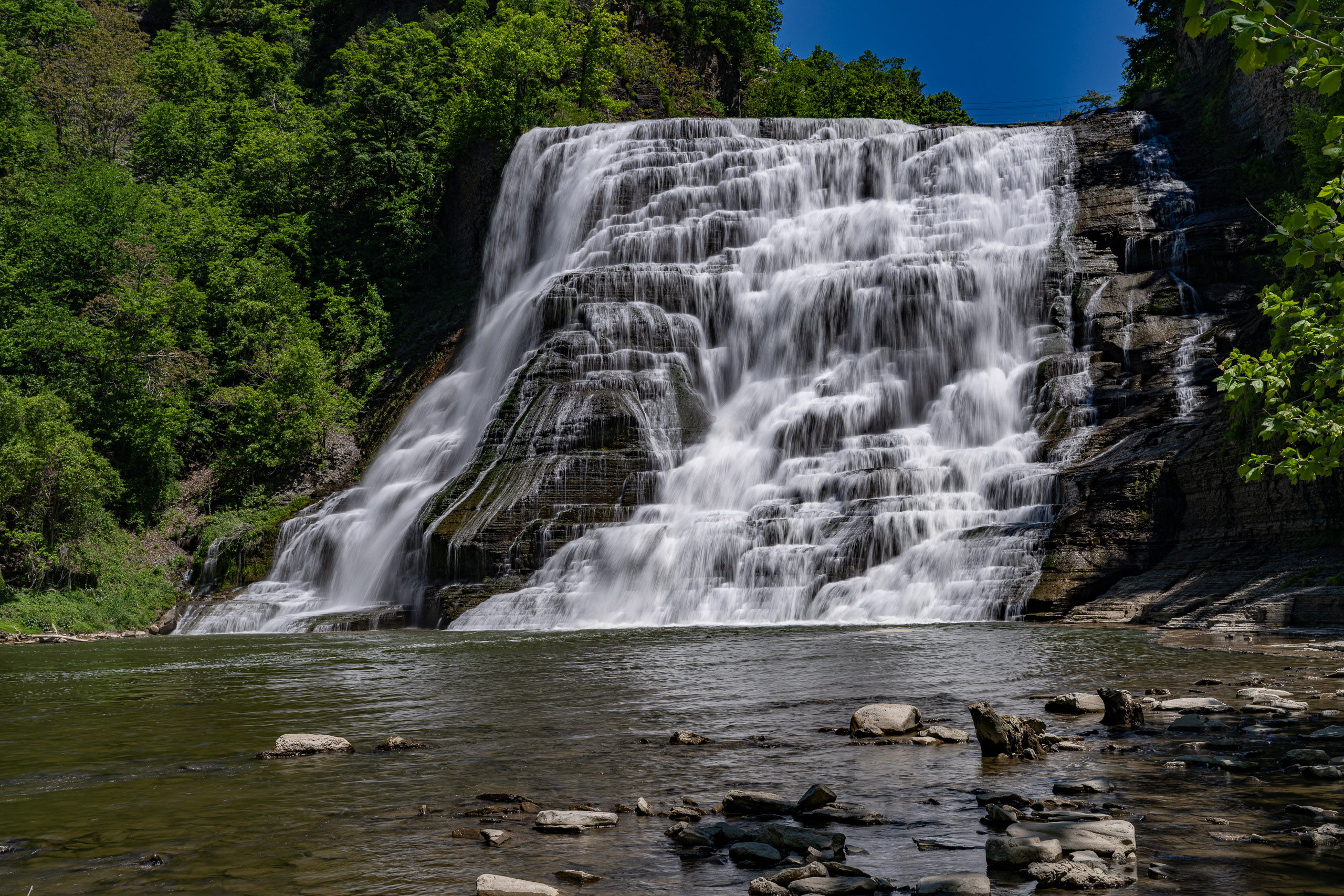
Ithaca Falls were equally magnificent. Flat lighting and a slow shutter speed yield my favorite renderings of waterfalls.

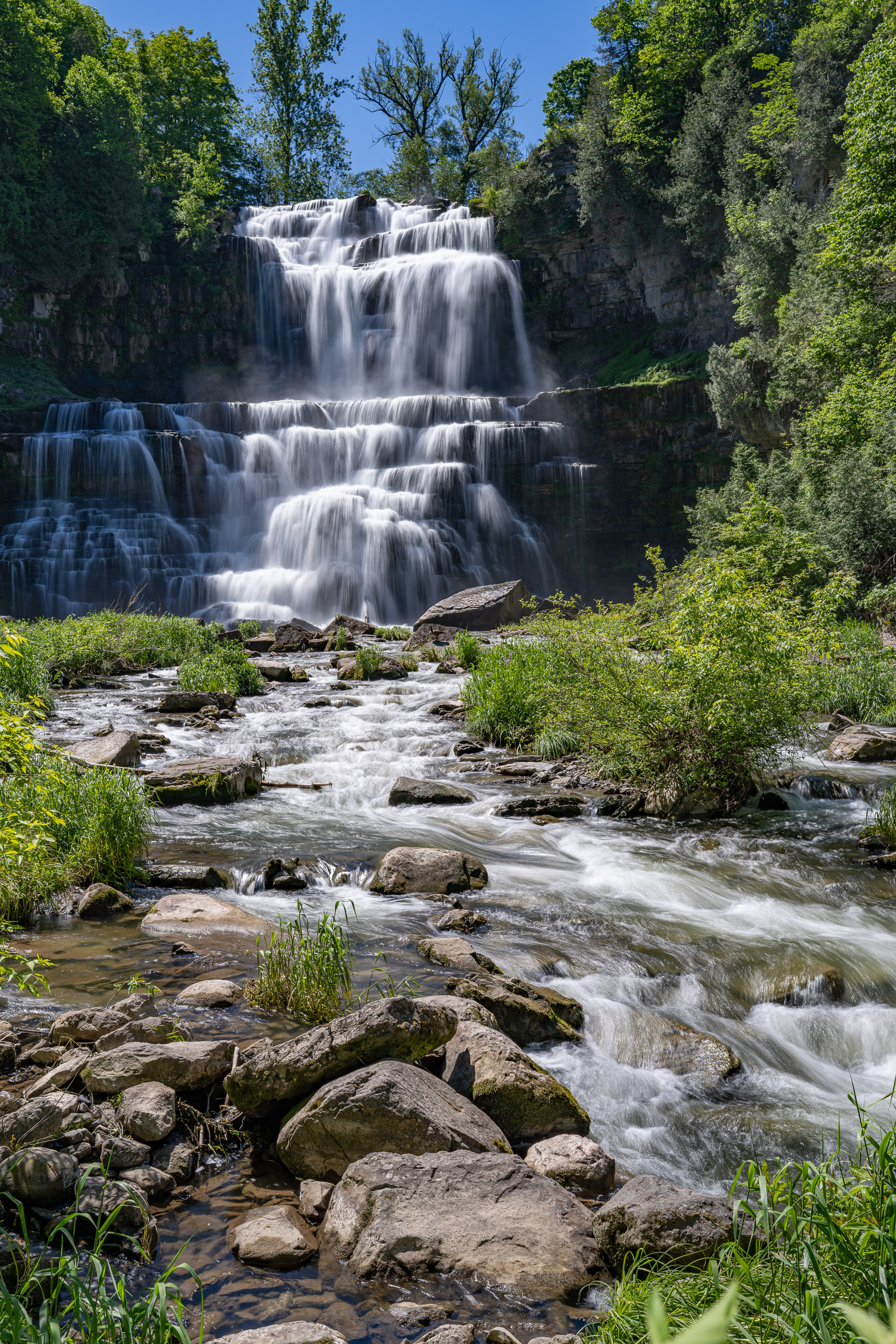
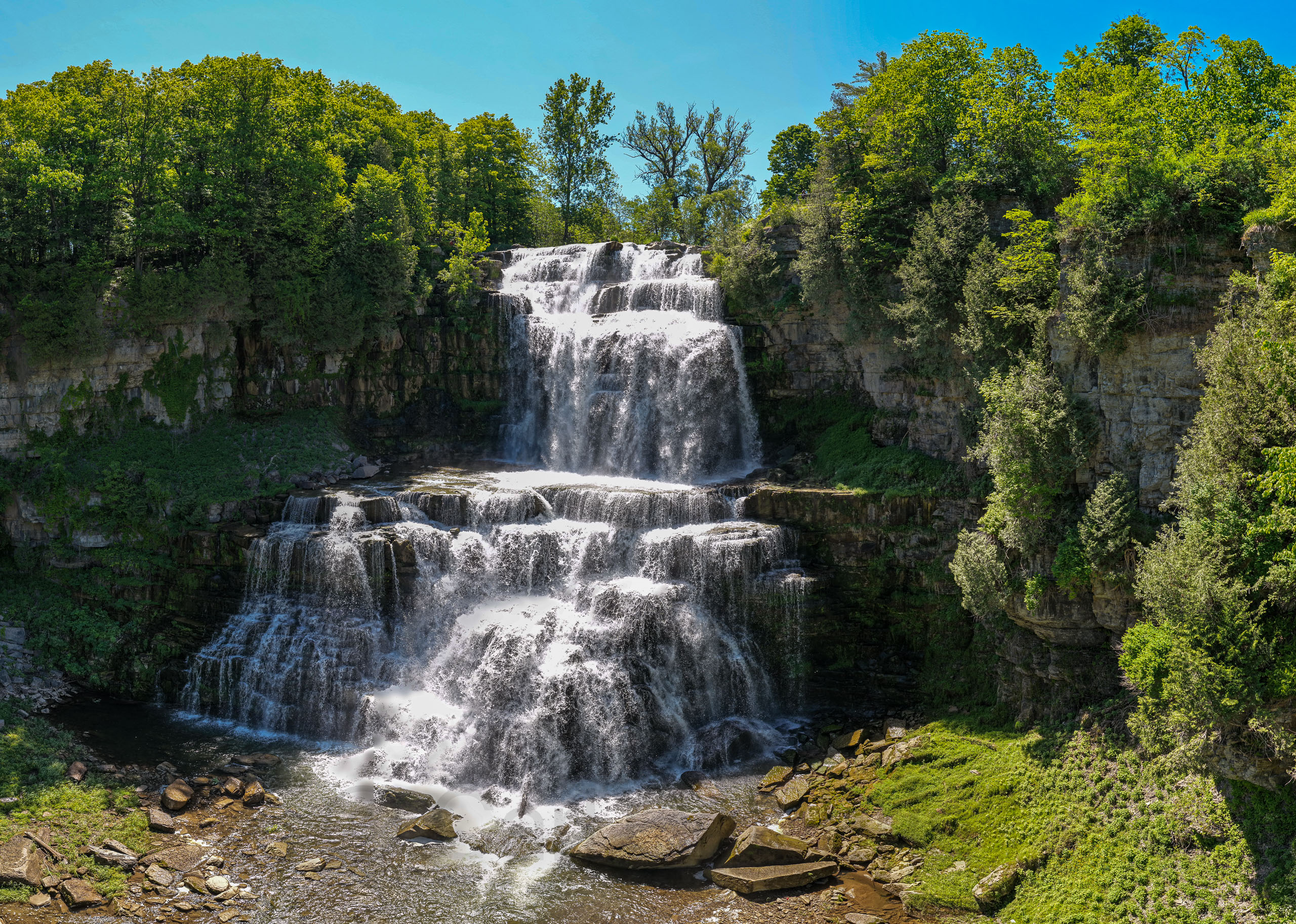
The lighting was very poor when we arrived at the Chittenango Falls, but the cascade was still quite impressive. I shot images from the ground and with my drone. This illustrates how a small change in shooting position can yield a dramatically different perspective of the same scene.

The sun’s position when we arrived at Salmon River Falls was terrible, and I will need to return here one day when I can arrange to arrive in the afternoon.

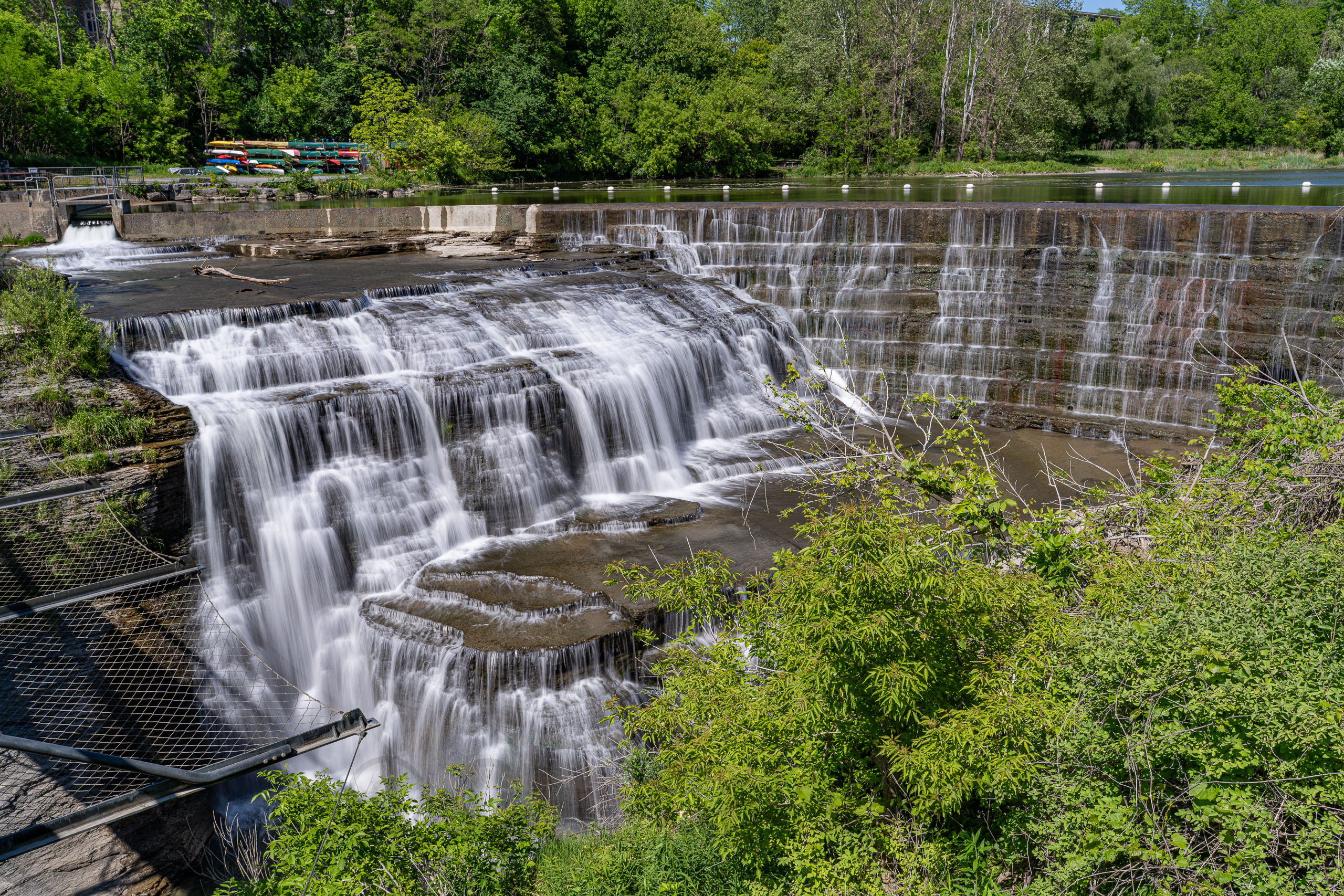
Finally, we have the Triphammer Falls located on the campus of Cornell University. Between 1990 and 2010, 27 people died by jumping from bridges spanning the gorges in Ithaca. A tragic cluster of six student suicides in the 2009–2010 academic year prompted the university to implement extensive preventive measures, including the installation of steel-mesh safety nets under seven bridges in 2013. One can be seen encroaching on the photo below.

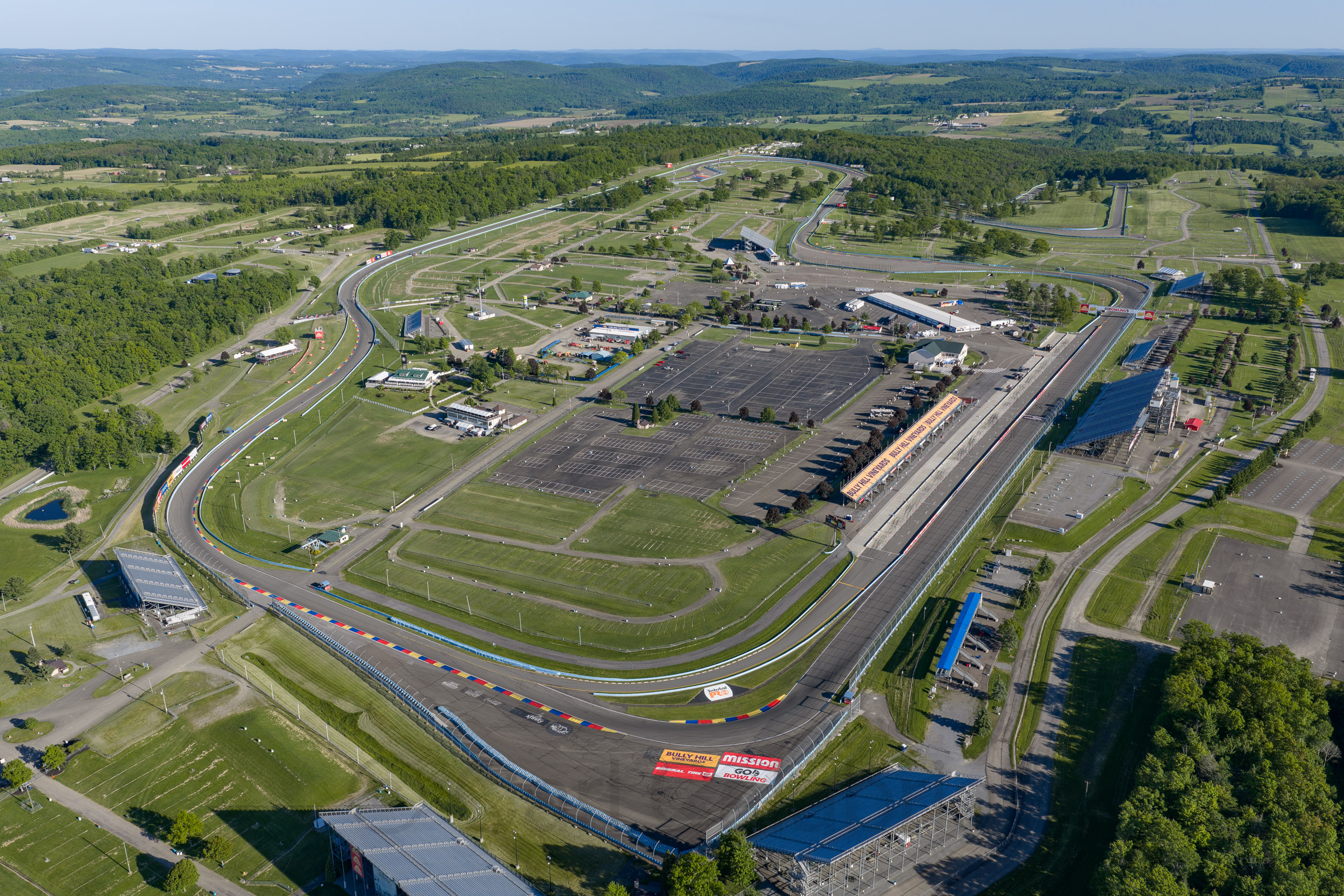
Even though neither of us is a big racing fan, Jeanine suggested we visit the Watkins Glen International Raceway, “the Glen.” By the time we arrived, the gates had just closed, so I used the drone to get a bird’s-eye view of the track.

Boldt Castle

Boldt Castle is a grand unfinished castle on Heart Island in the Thousand Islands region of New York. It was built in 1900 by millionaire hotelier George C. Boldt as a lavish gift for his wife, Louise, but construction stopped in 1904 after her sudden death. The castle sat neglected for decades before being acquired in 1977 and restored as a tourist attraction. Today, it is one of the best-known landmarks in the Thousand Islands and is closely associated with a tragic love story. Jeanine and I spent several hours touring the castle after a boat tour of the islands and lavish homes in the area, both on the US and Canadian side of the border.

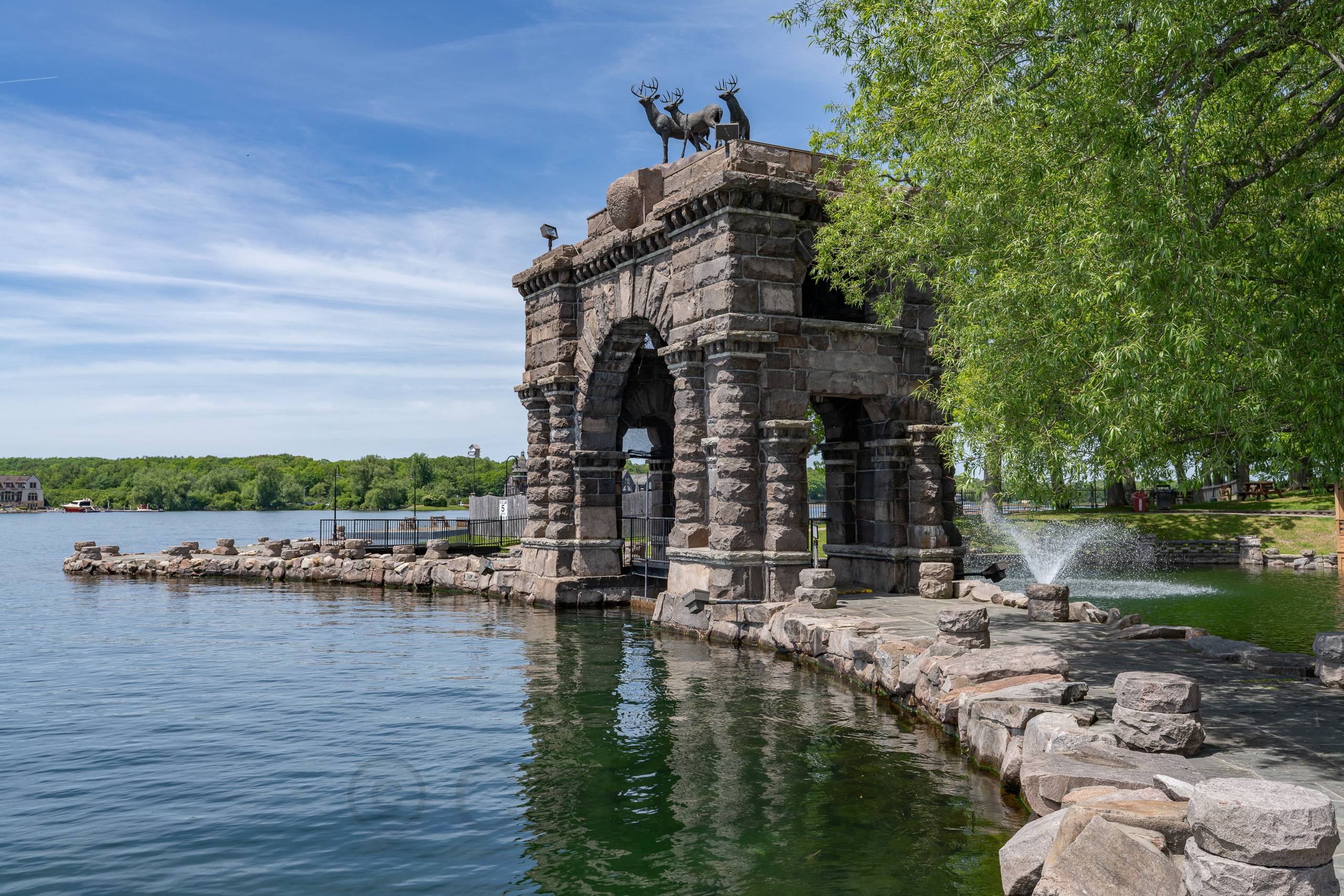
Pictured below is the Peristyle Archway through which visitors to the island would have arrived by boat.

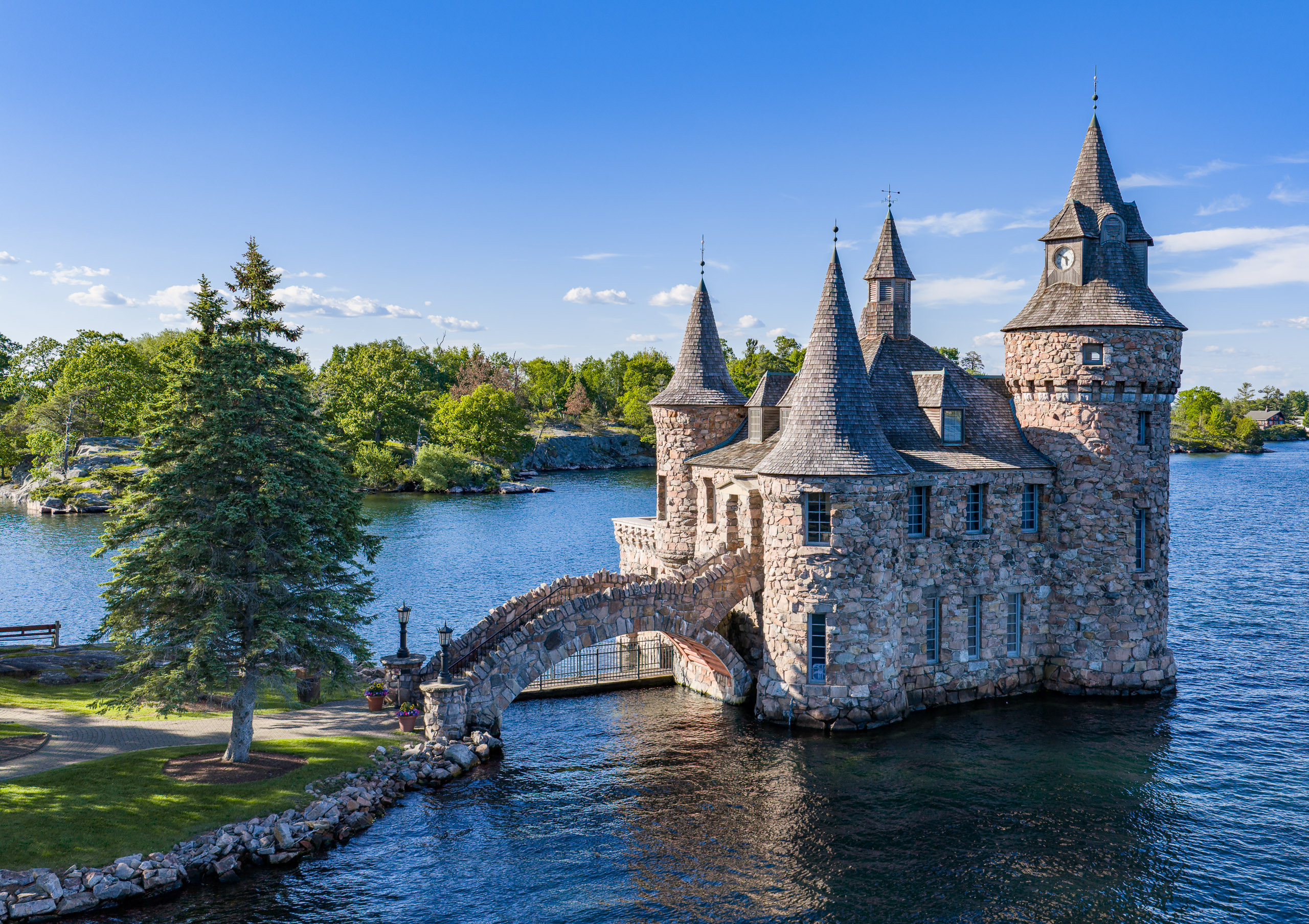
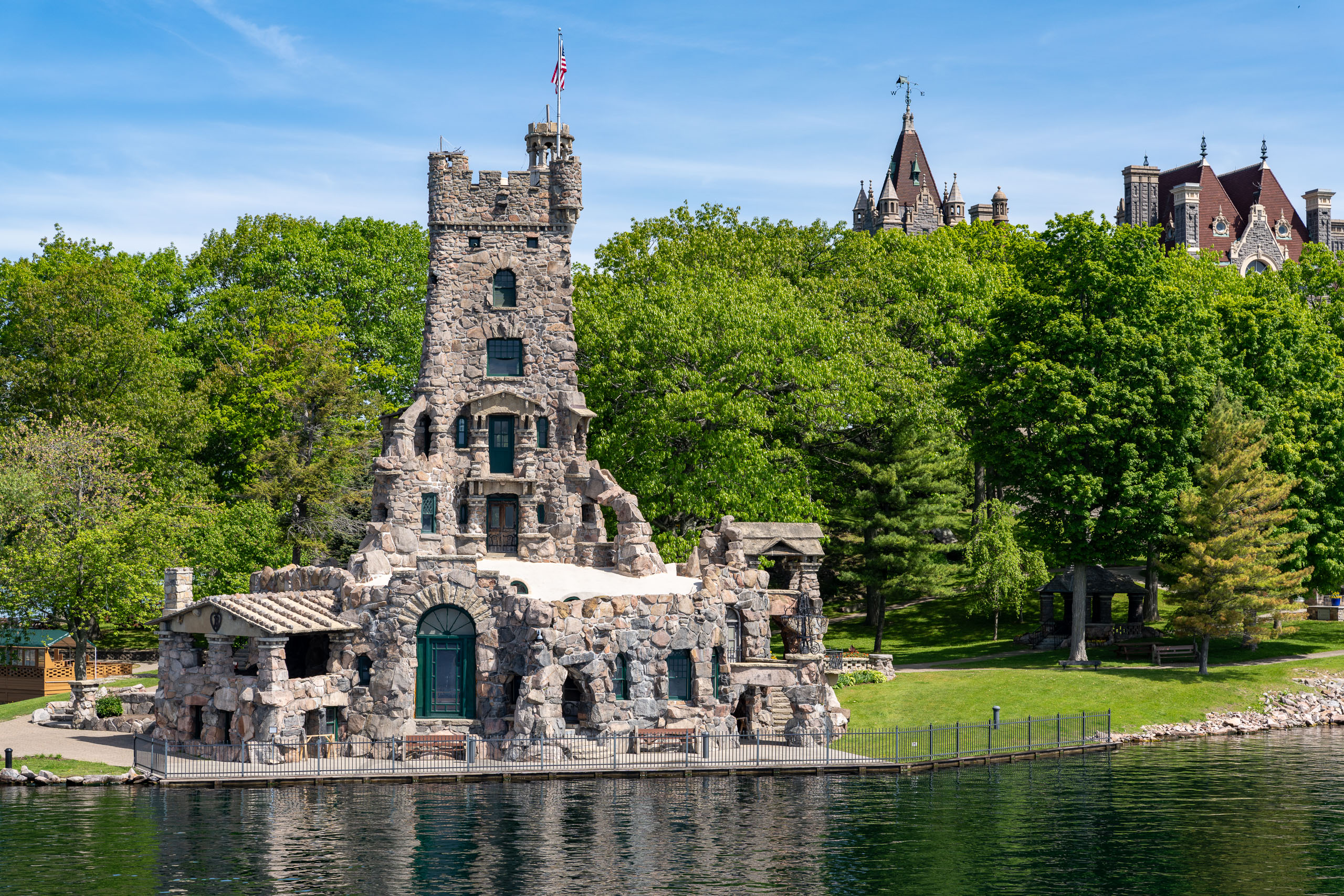
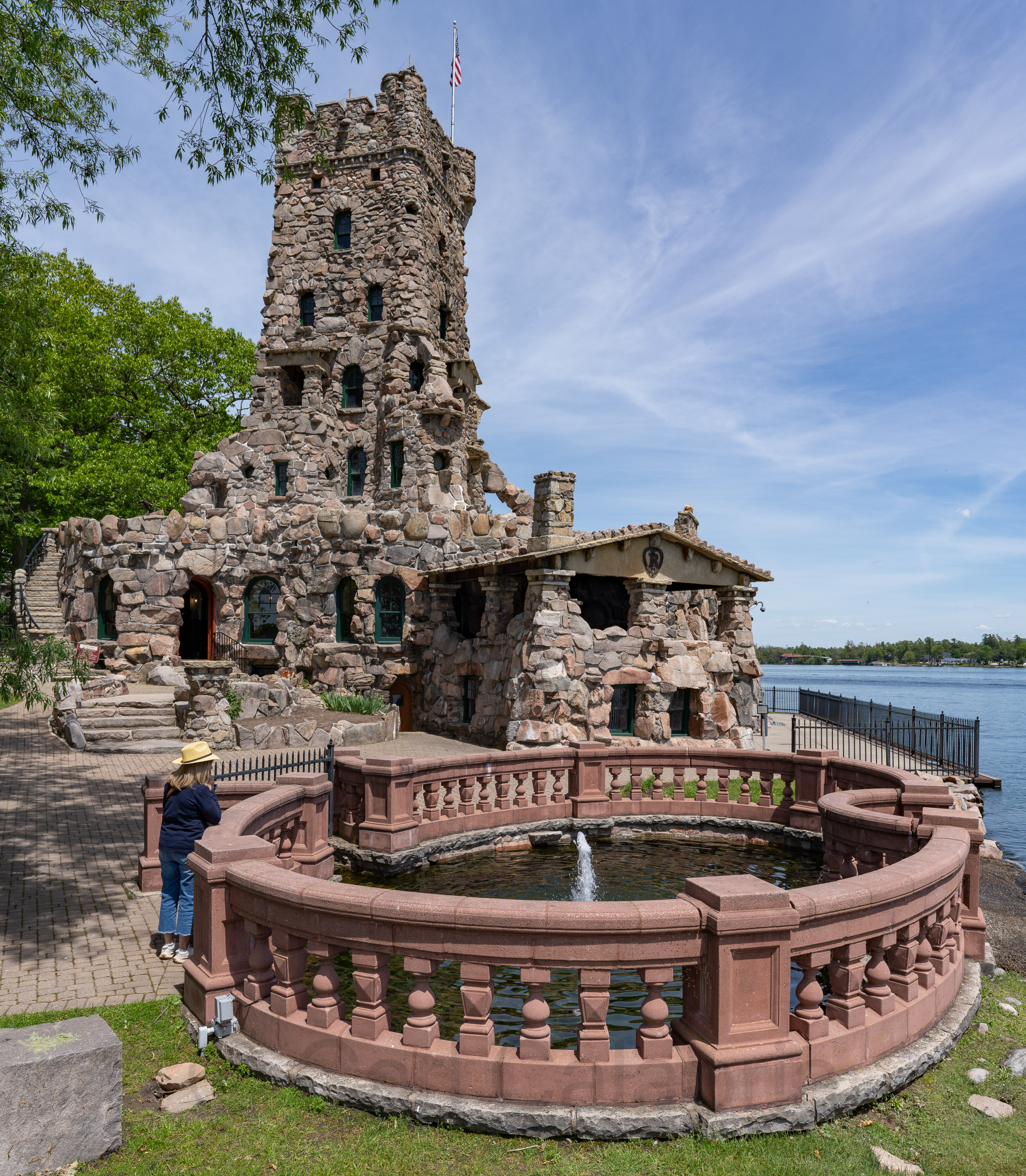
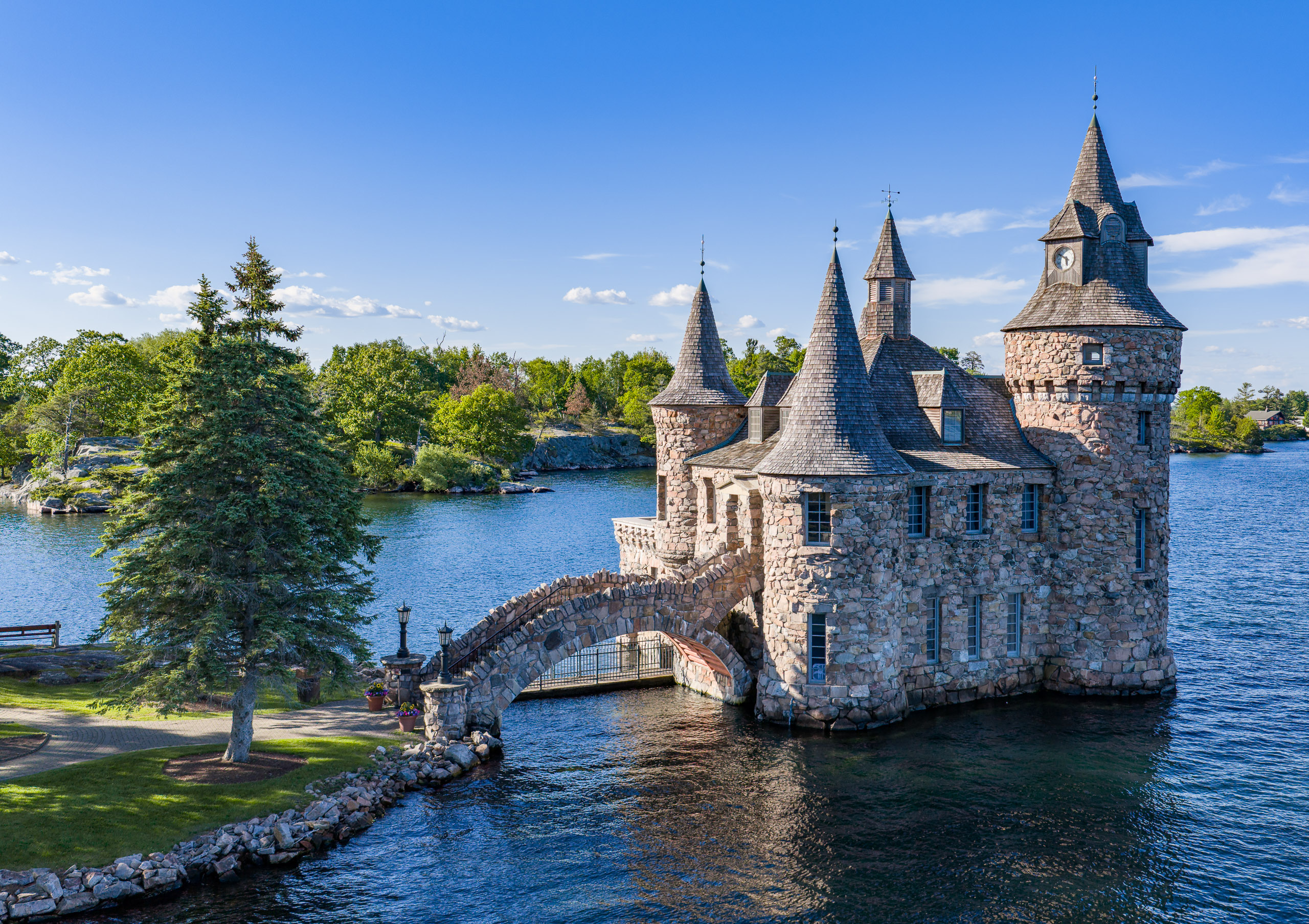
The Power House, pictured above, described in yesterday’s post, remains my favorite architectural structure on the island, with a close second going to the Alster Tower, pictured below. The tower is a whimsical, eccentric structure, often referred to as the “Play House.” It was designed as a playroom and entertainment space for his children and guests while the massive Boldt Castle was under construction.

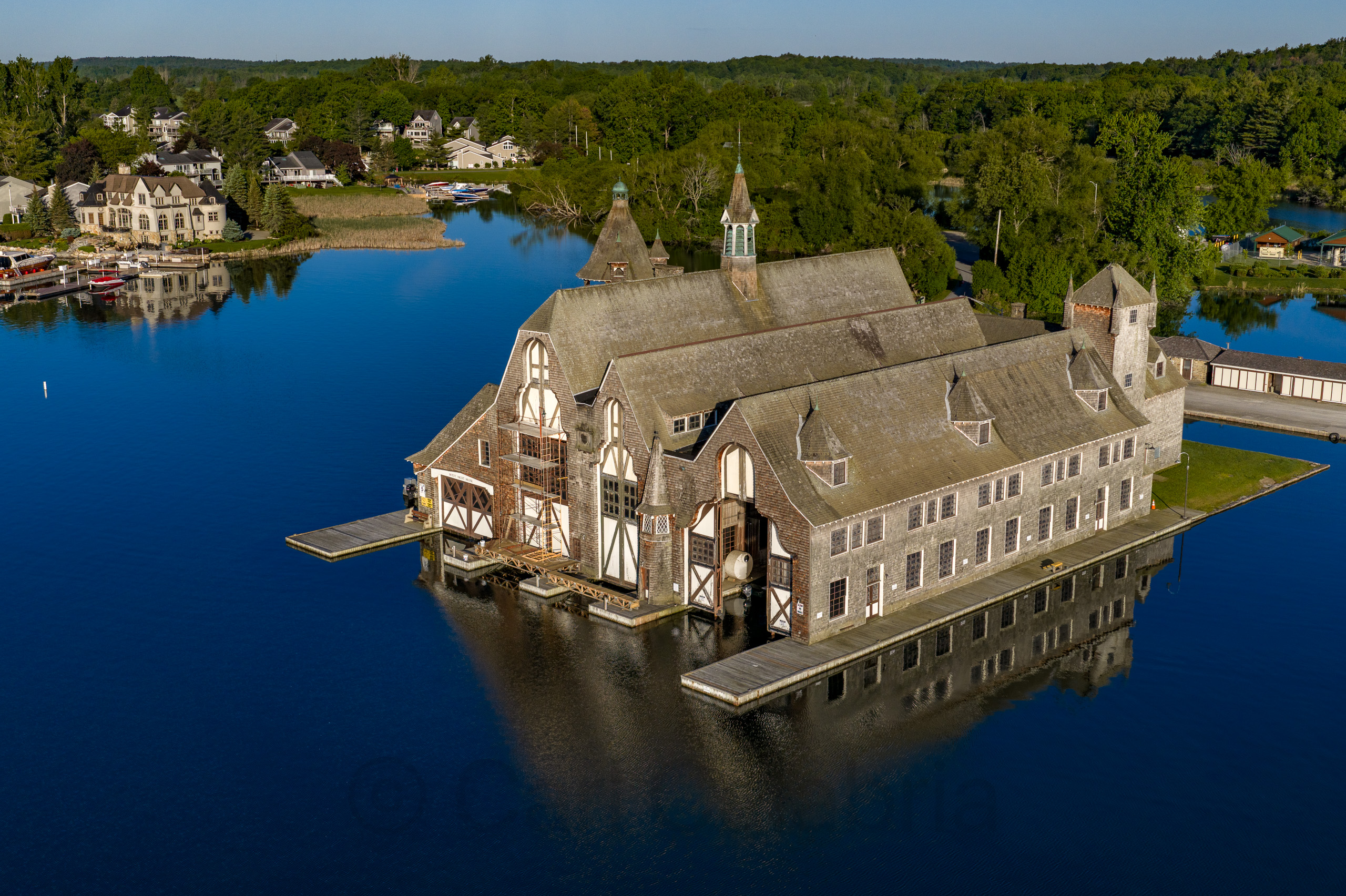
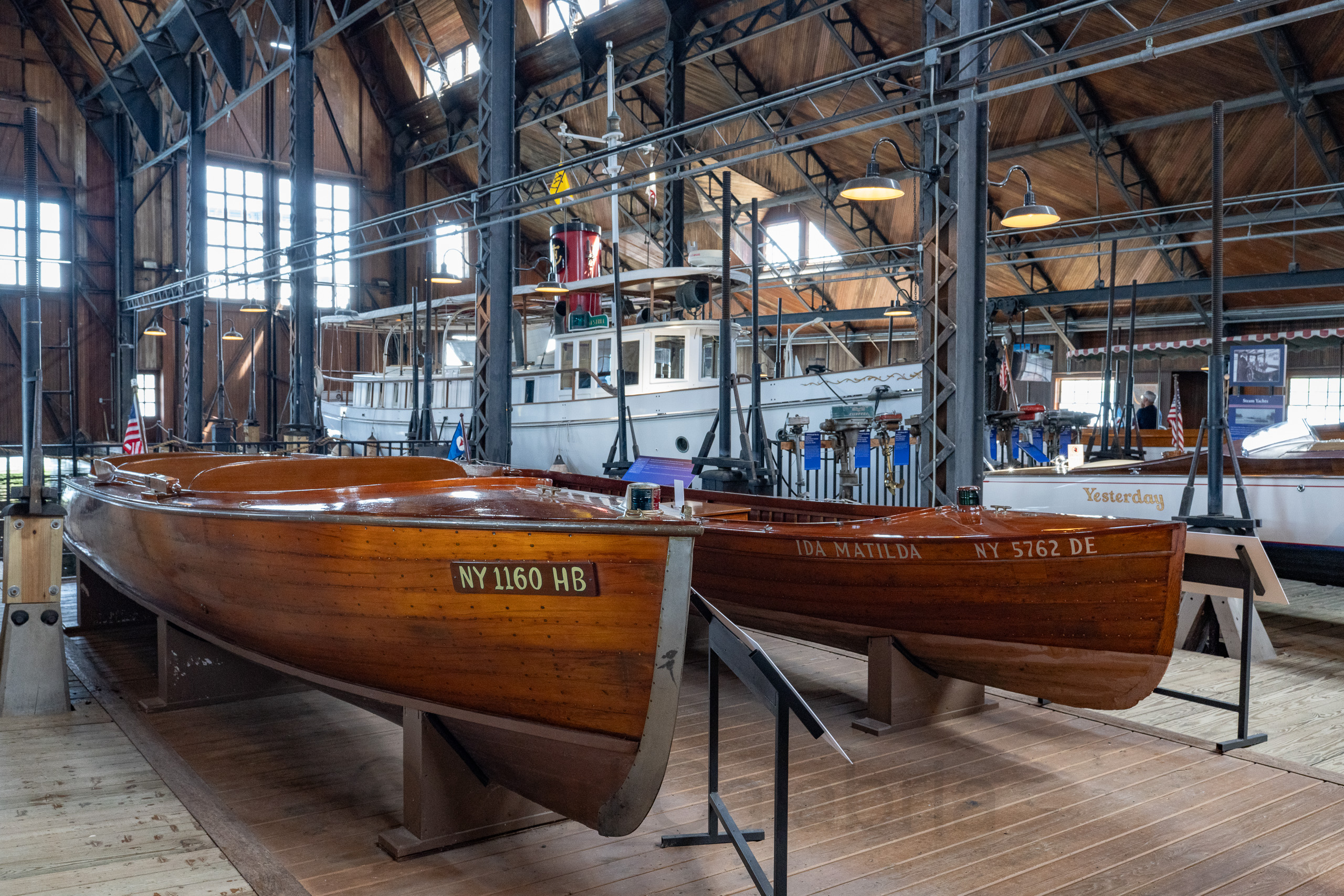
A quick ferry ride took us to the Boldt Yacht House, pictured below. It is a massive, historic Gilded Age boathouse built in 1903 to shelter an extensive private fleet of watercraft. It stands out as the last and largest remaining wooden yacht house of its kind on the St. Lawrence River. The main draw of the interior is a curated collection of antique wooden launches, speedboats, and skiffs. Several of these crafts were part of the original Boldt family fleet. A permanent centerpiece of the museum, the Steam Yacht Kestrel, is a 63-foot luxury steam yacht built in 1892 and sits floating directly inside one of the slips.

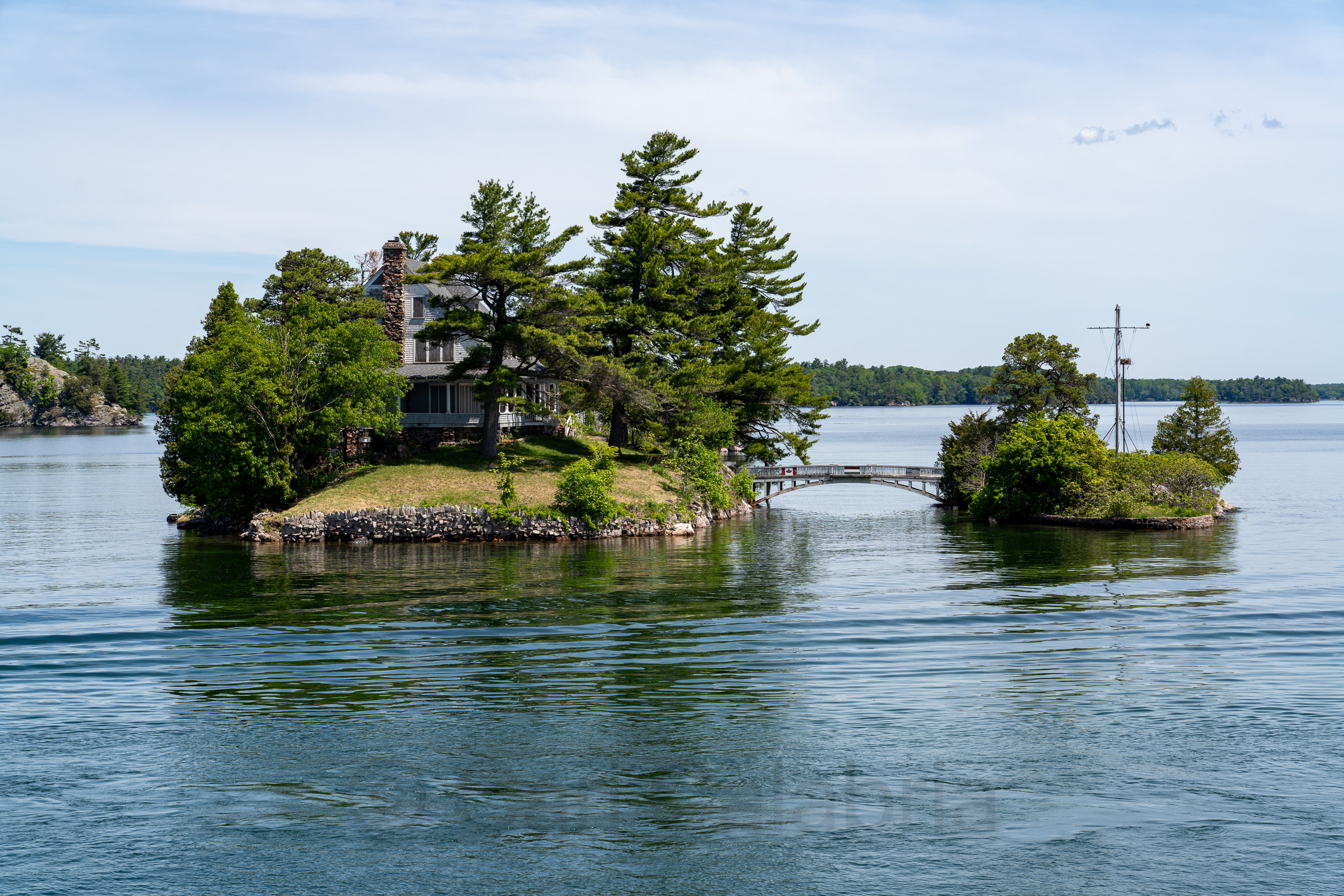
The US/Canadian border threads between islands along the length of the St. Lawrence River. It runs between the two islands pictured below, both owned by the same family and connected by a footbridge. Reportedly, the husband will leave the country after an argument with his wife. Incidentally, to count as an island in the St. Lawrence River, a landmass must meet three specific geographical criteria: it must remain above the water level year-round, it must be larger than 1 sq. ft. in area, and it must support at least one living tree.

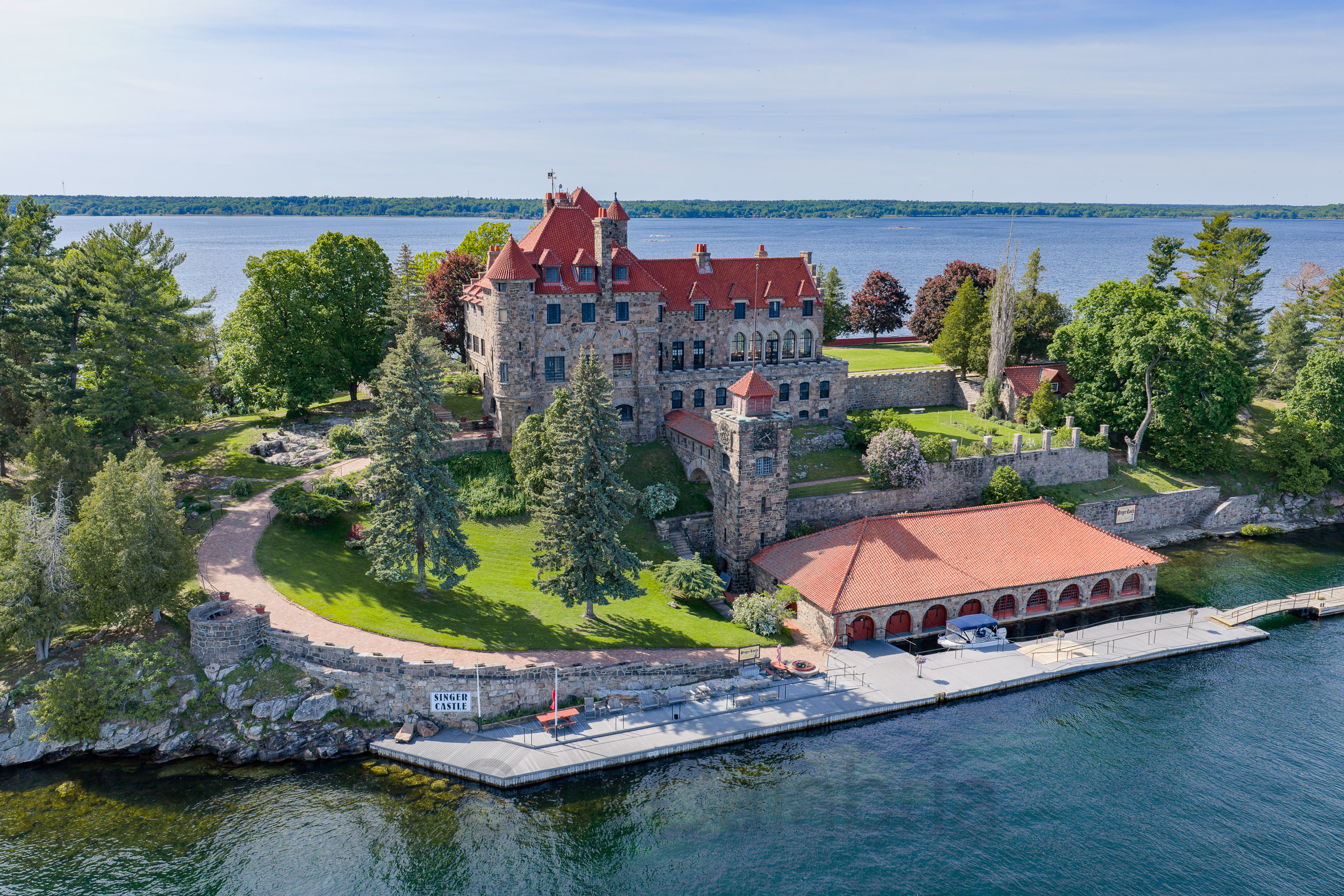
Originally, we had planned to tour the Singer Castle as well as the Boldt, but had to adjust our plans after we missed our boat. We arrived thirty minutes before departure, but a lack of signage had us waiting at the incorrect slip. Had we driven to the docks, it would have been more apparent that there was an additional slip. Because we walked to the docks from the adjacent hotel, we only had a line of sight to the boat we waited on. Alas, we will simply have to visit again, something we are very inclined to do. Until then, I flew my drone out to Dark Island for an aerial photo of the castle and dock.

Burlington to Alexandria Bay

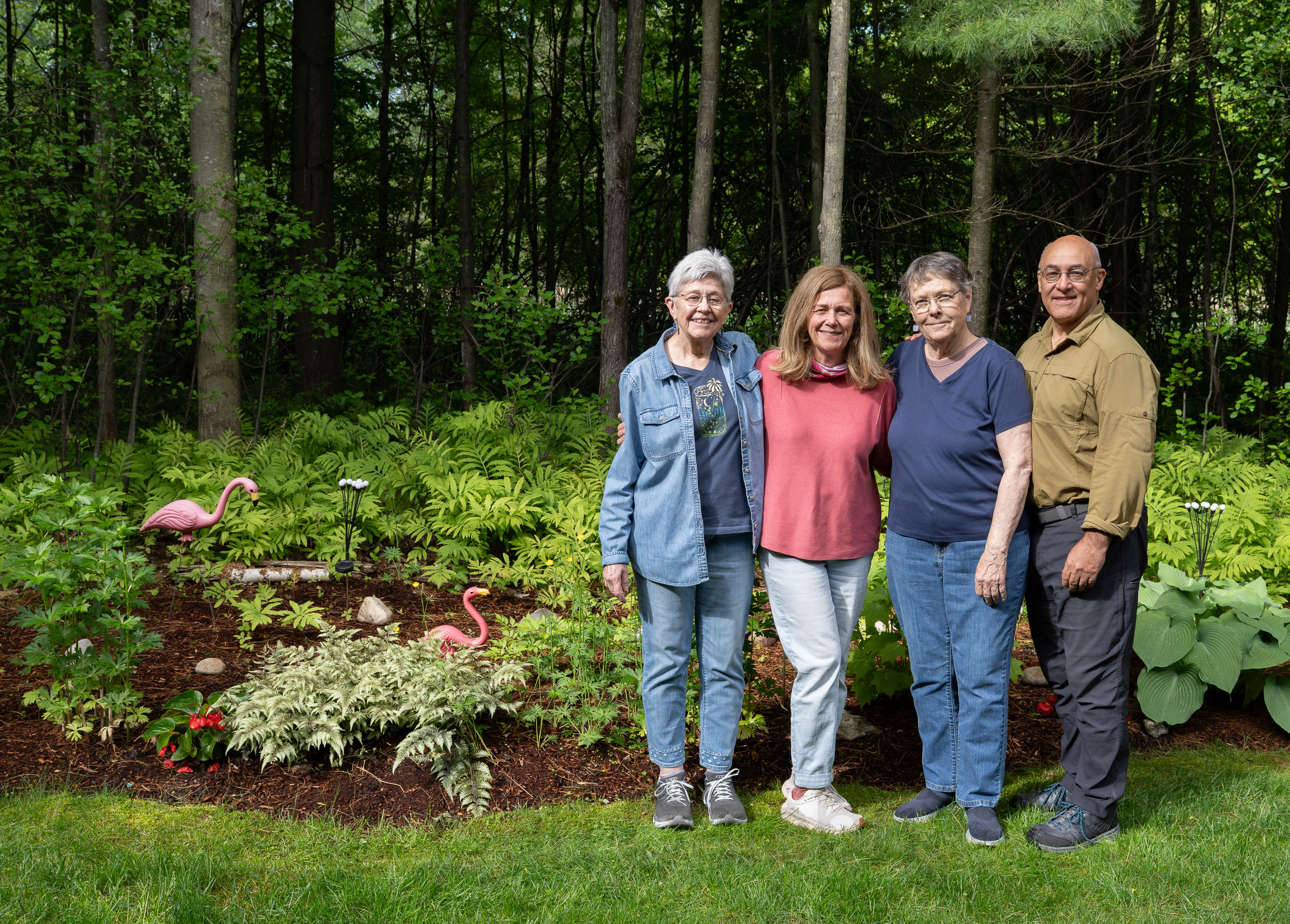
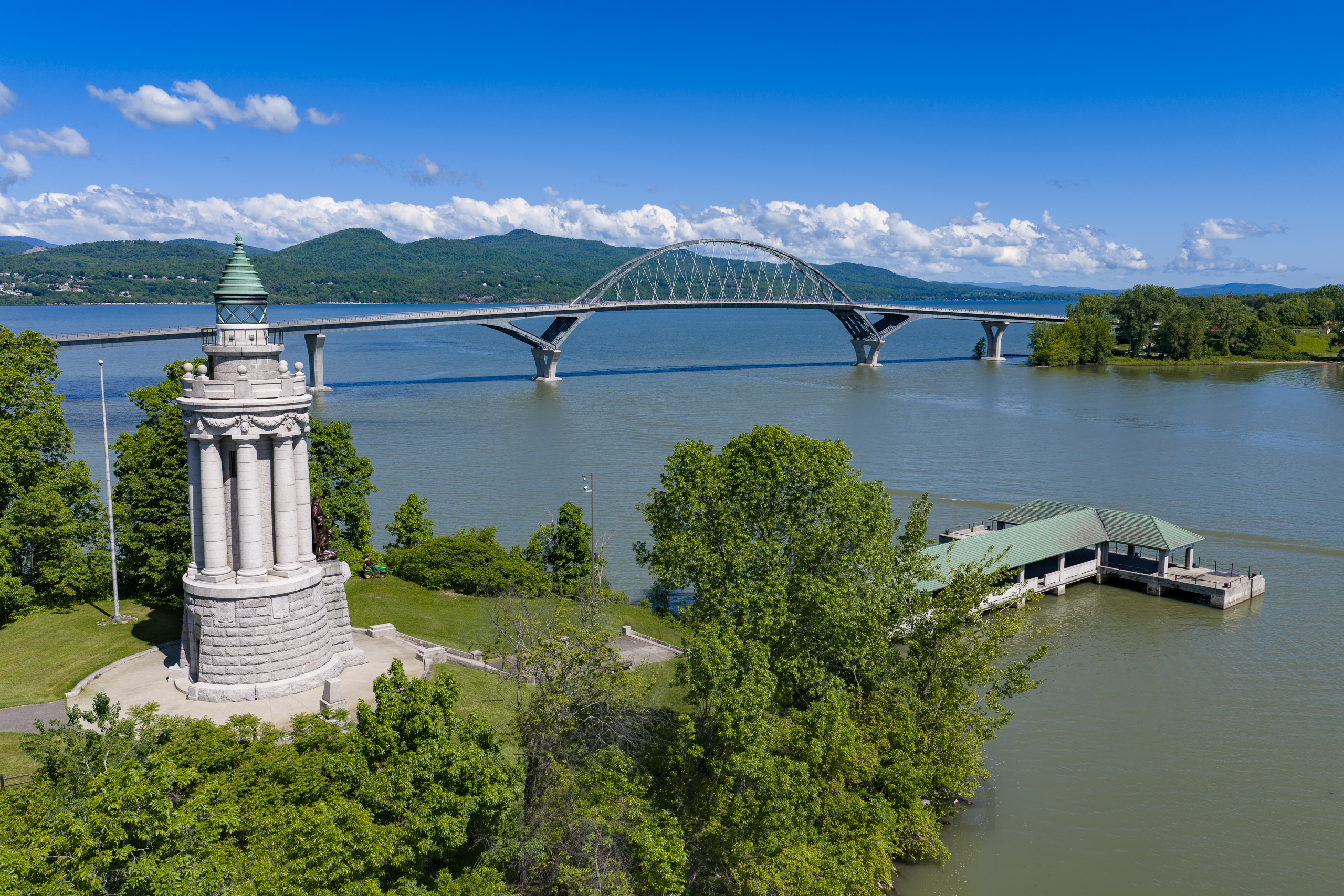
After breakfast and a group photo with Susan and Jean, we set out for New York State this morning. We crossed the Lake Champlain Bridge and stopped at the Crown Point Campground, where the Champlain Memorial Lighthouse stands as a navigational aid for mariners and a monument honoring French explorer Samuel de Champlain.

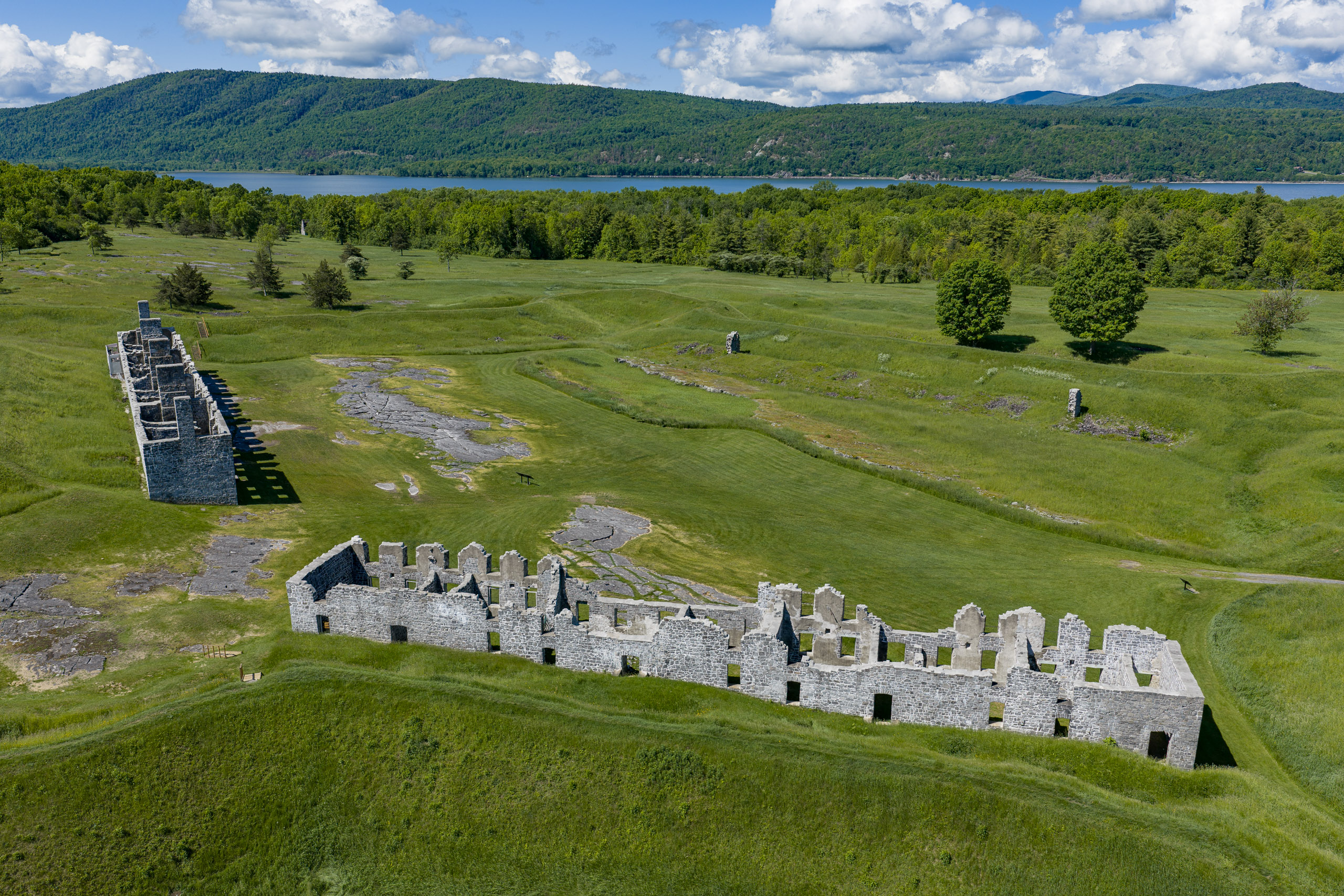
Located adjacent to the campground is the Crown Point State Historic Site, dedicated to the preservation and interpretation of the ruins of two fortifications from the colonial wars between the British and French. Long before the American Revolution, these colonial powers both laid claim to the Champlain Valley and this strategically important peninsula known as Crown Point. The French built Fort St. Frederic here between 1734 and 1737 and used it as a base for raids on British settlements in New York and New England. As a result, the British mounted various expeditions to take control of Crown Point, and in 1759, they were finally successful. They immediately began construction of new fortifications that they called “His Majesty’s Fort of Crown Point”. Enclosing over seven acres, this was one of the largest built by the British in North America. All that remains now are the stone ruins of two barracks.

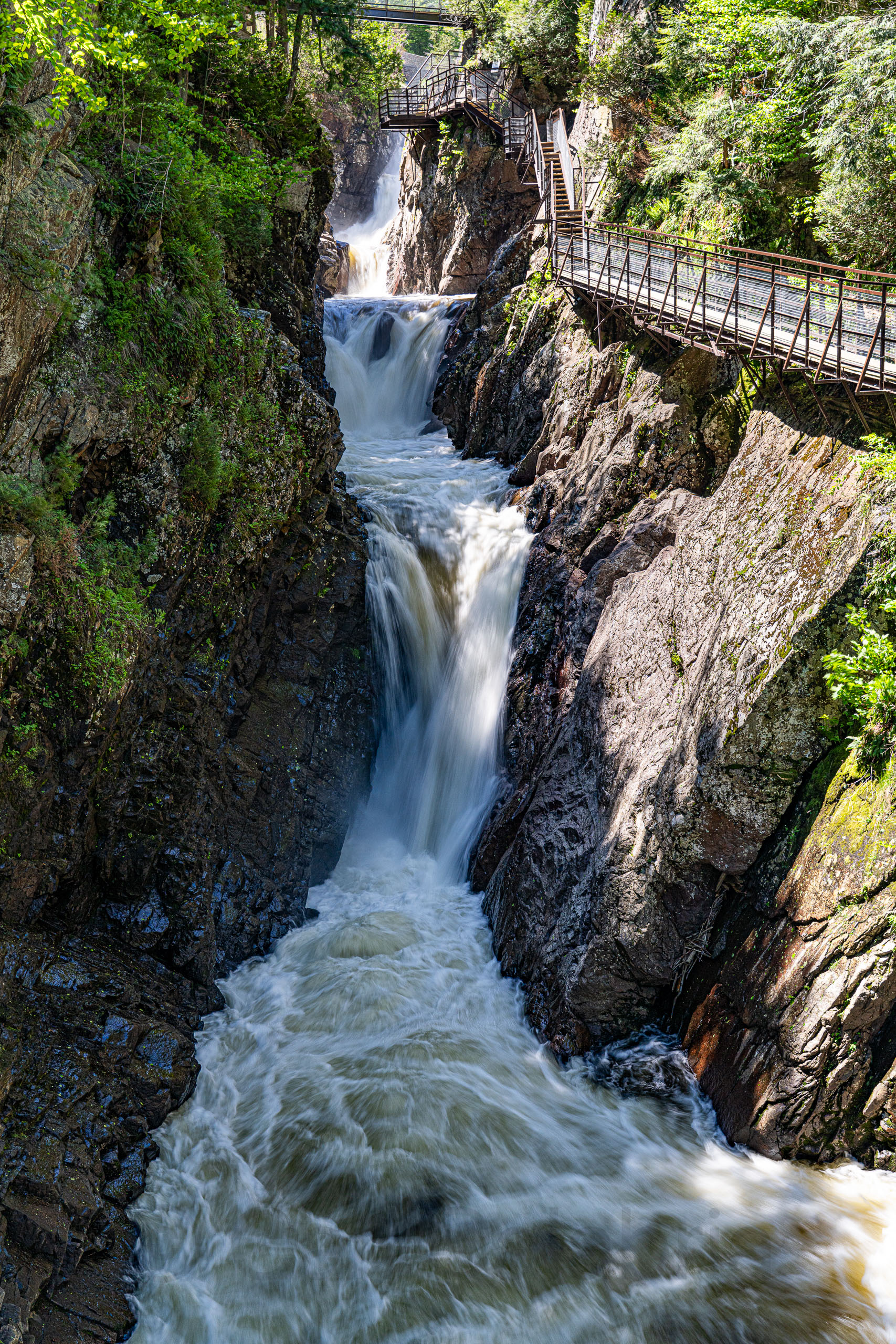
Our next stop, the High Falls Gorge Park, contains what is known as “The Adirondacks’ Most Breathtaking 30-Minute Walk,” featuring a dramatic deep chasm carved over a billion years ago, where the West Branch of the AuSable River plunges over four majestic waterfalls.

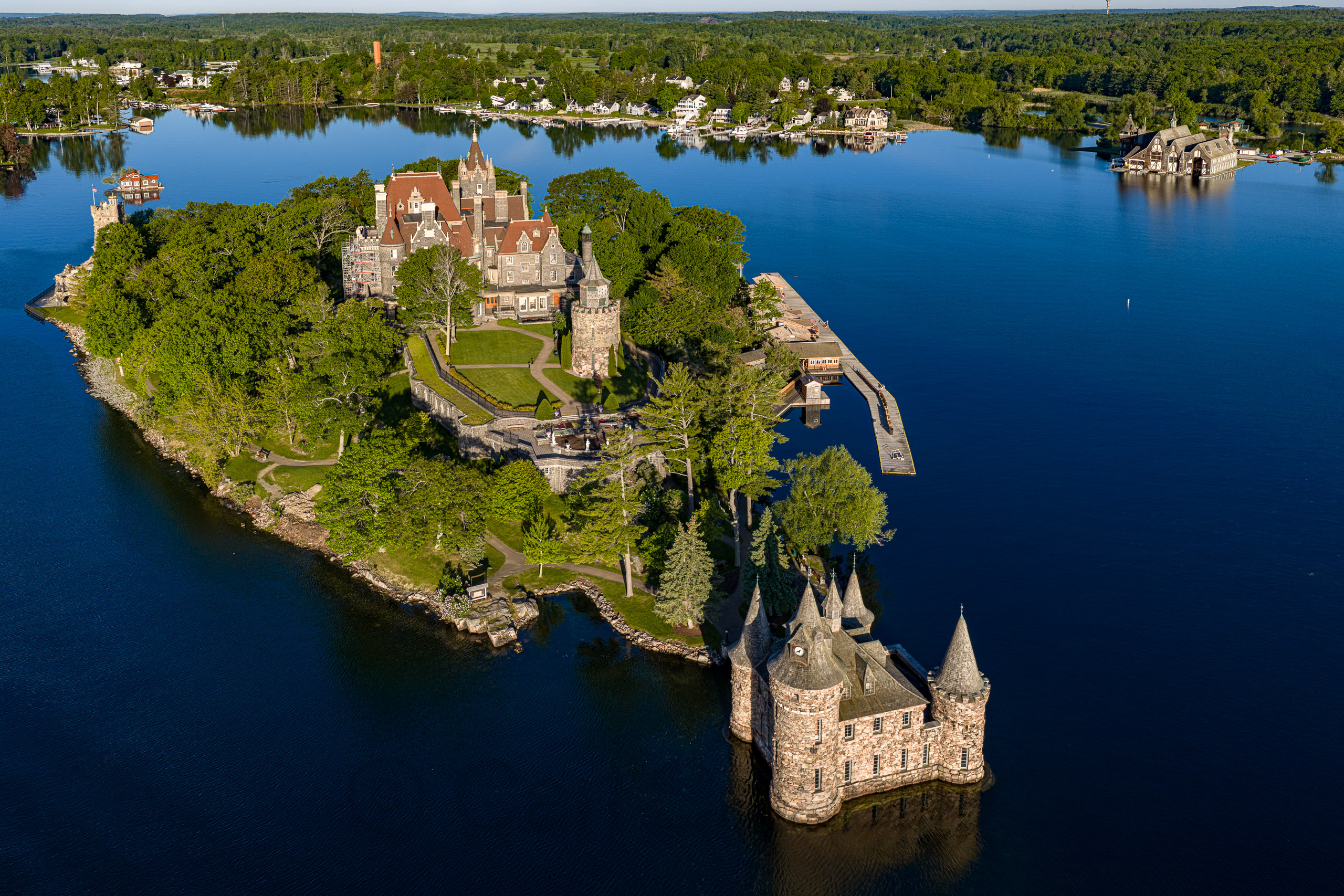
We continued our westward journey across the Adirondack Mountains, stopping briefly at Lake Placid, Saranac Lake, and Cranberry Lake before reaching our destination for the evening, Alexandria Bay. There I did a little drone photography, offering a preview of what we wil see tomorrow. Pictured below is the Boldt Castle Power House and Clock Tower. It rises out of the St. Lawrence River from an underwater shoal and is connected to Heart Island by its one-of-a-kind, arched stone bridge. It once housed two coal-fired steam generators that would supply electricity to the entire island.