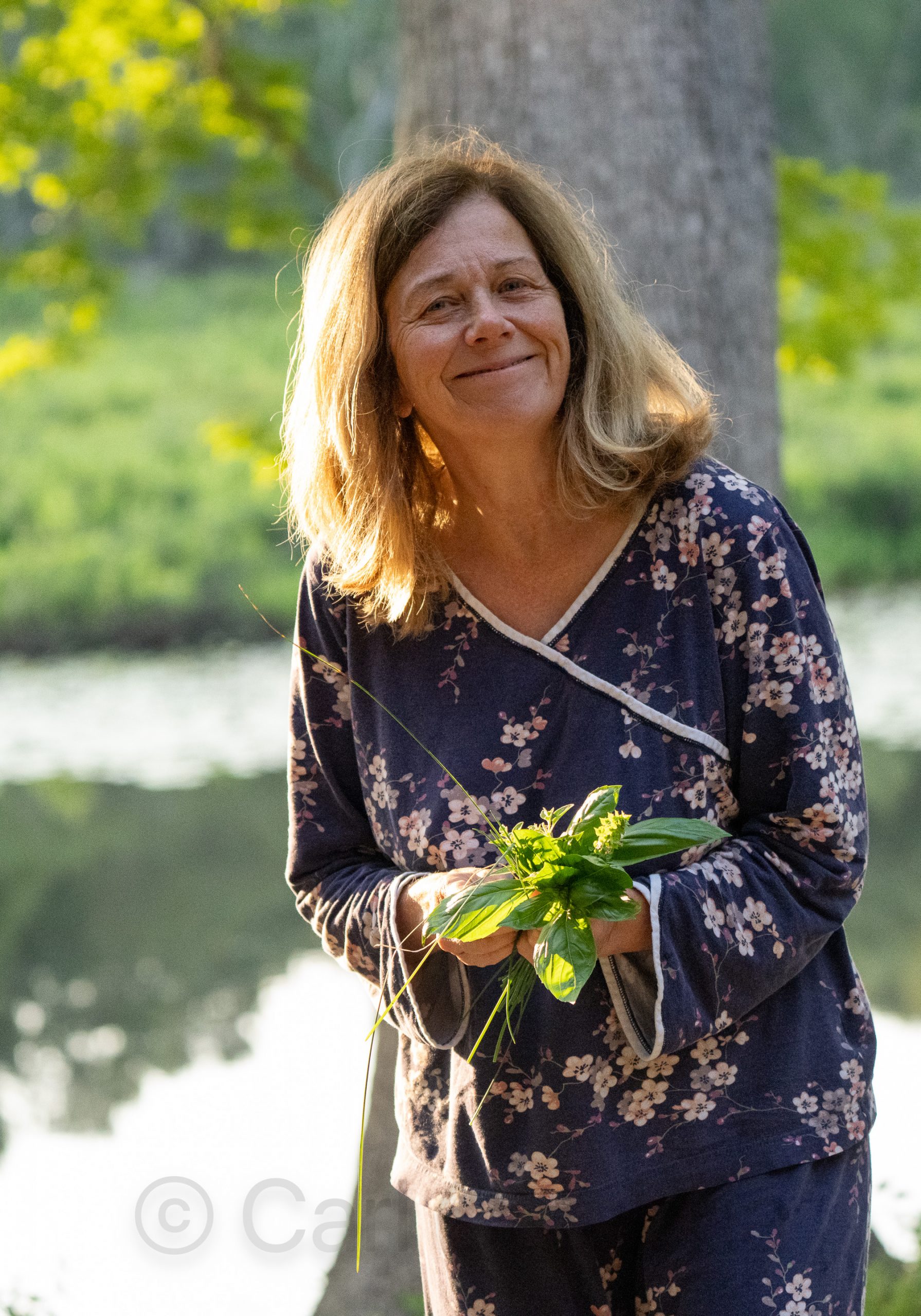
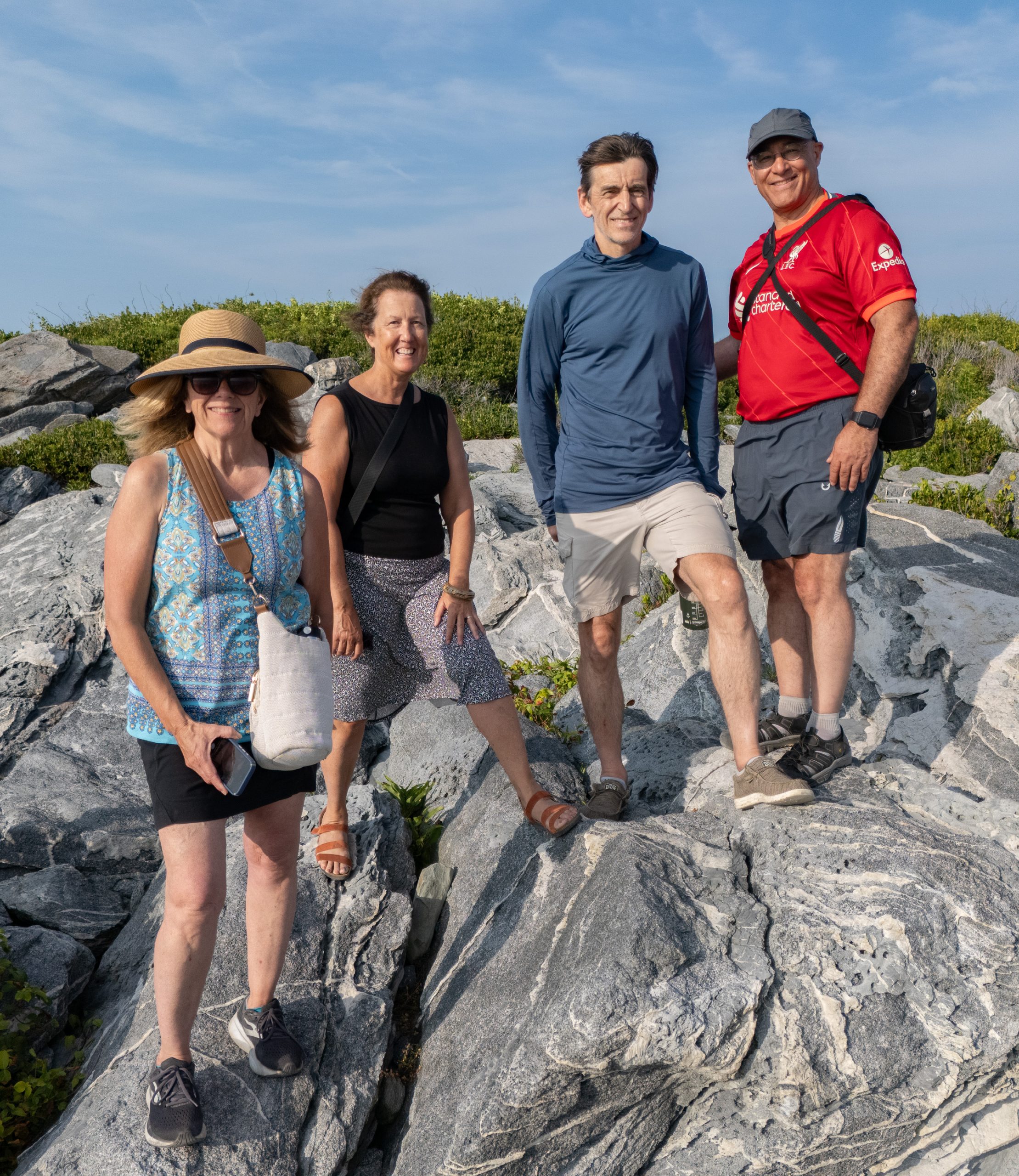
The day started with Jeanine picking basil from our herb garden for a tomato and mozzarella salad. This would be one of the dishes shared over lunch with our good friends, Louanne and Alex Mackenzie. We were invited to join them for a driving/ferry tour of Jamestown and Newport, Rhode Island. They live in Providence and offered to give us a grand tour of their neck of the woods. Their daughter, Fiona, is one of Maya’s closest friends from high school and a current flatmate. Alex and I play for the same Concord football club, although he usually plays one age division down from me.
On the way to Jamestown, we stopped at the birthplace of Gilbert Stuart, one of America’s foremost portrait artists, best known for his iconic unfinished portrait of George Washington, which became the image on the U.S. one-dollar bill. He painted over one thousand portraits, including six presidents and numerous prominent figures of the early United States, helping shape how generations visualize America’s founders. Despite his artistic achievements, Stuart struggled financially throughout his life and died in 1828, buried in an unmarked grave in Boston.

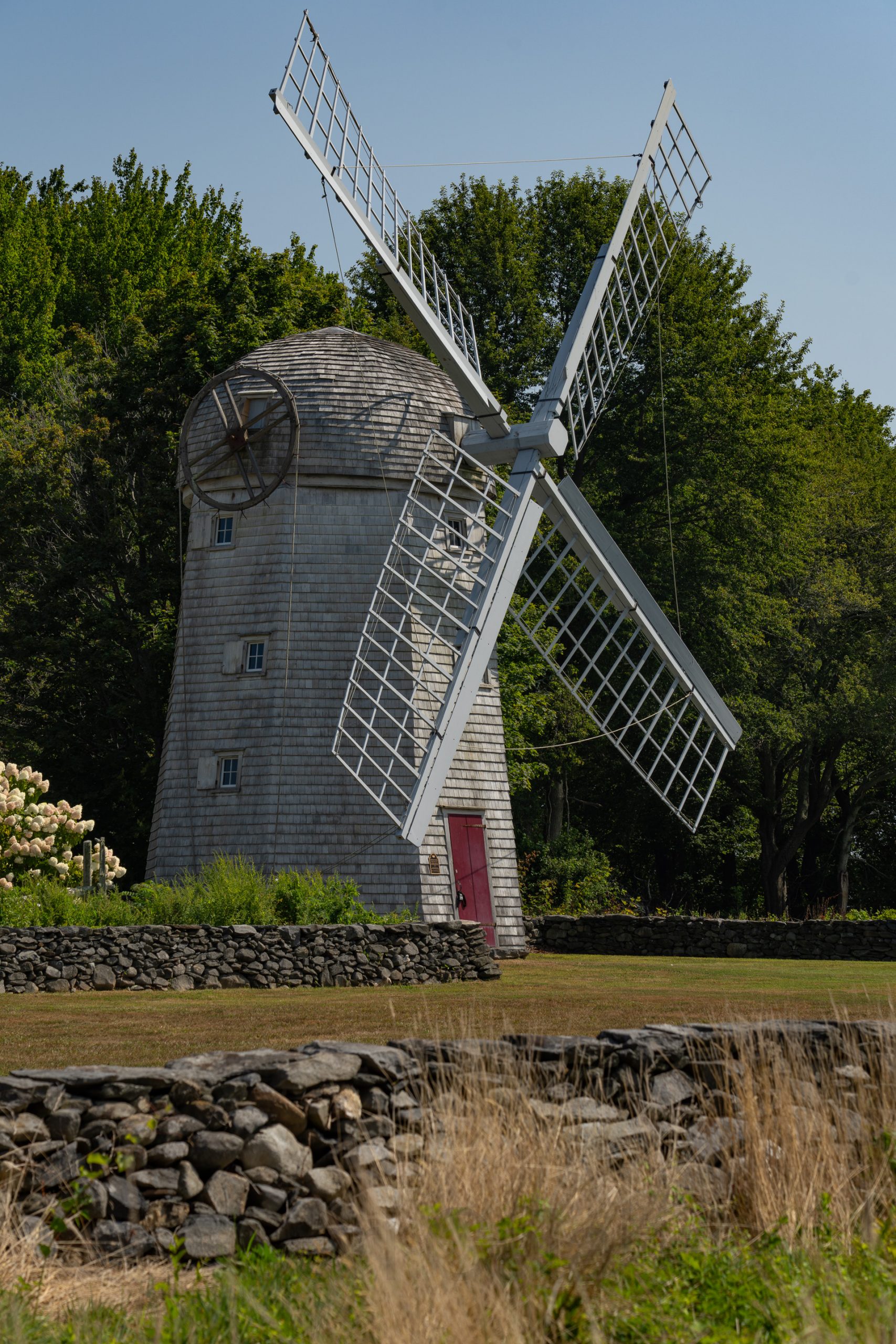
The Jamestown Windmill, a three-story, octagonal windmill built in 1787, still stands today and operated until 1896. The hill on which it is built includes farmsteads, the Quaker Meetinghouse, and has archaeological significance due to evidence of prehistoric Native American occupation. The windmill, an important part of the local agricultural community, was built after the original 1730 mill and is maintained as a working historic site by the Jamestown Historical Society.
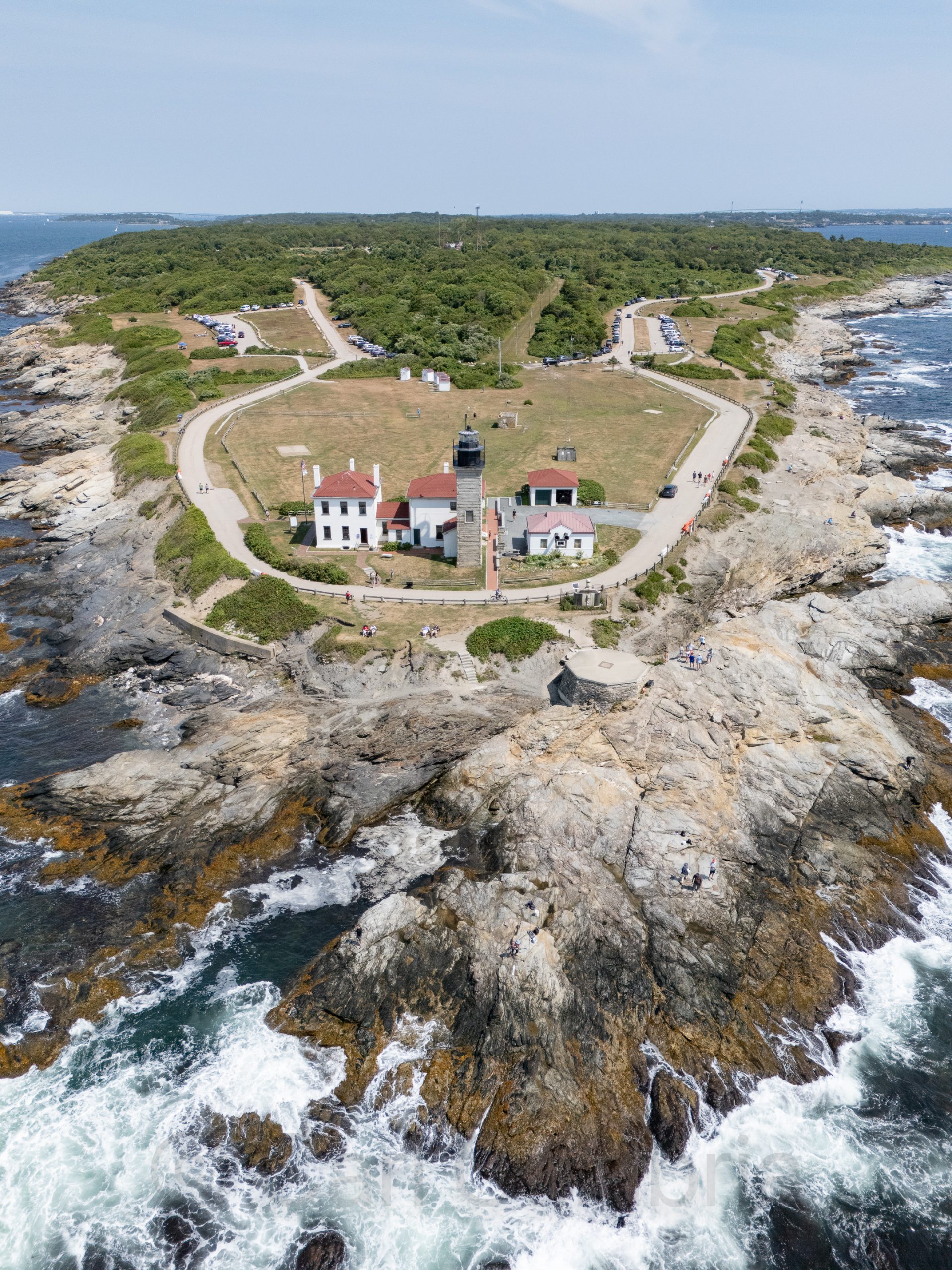
The Beavertail Lighthouse, located on the southern tip of Conanicut Island, was originally established in 1749 and is the third-oldest lighthouse in the United States. The current granite tower was built in 1856 and marks the entrance to Narragansett Bay, serving as an important navigation aid for vessels. The lighthouse—and an associated museum—has a rich history, including damage during the Revolutionary War and the 1938 hurricane. It is so named for the shape of the tip of the island on which it was built.
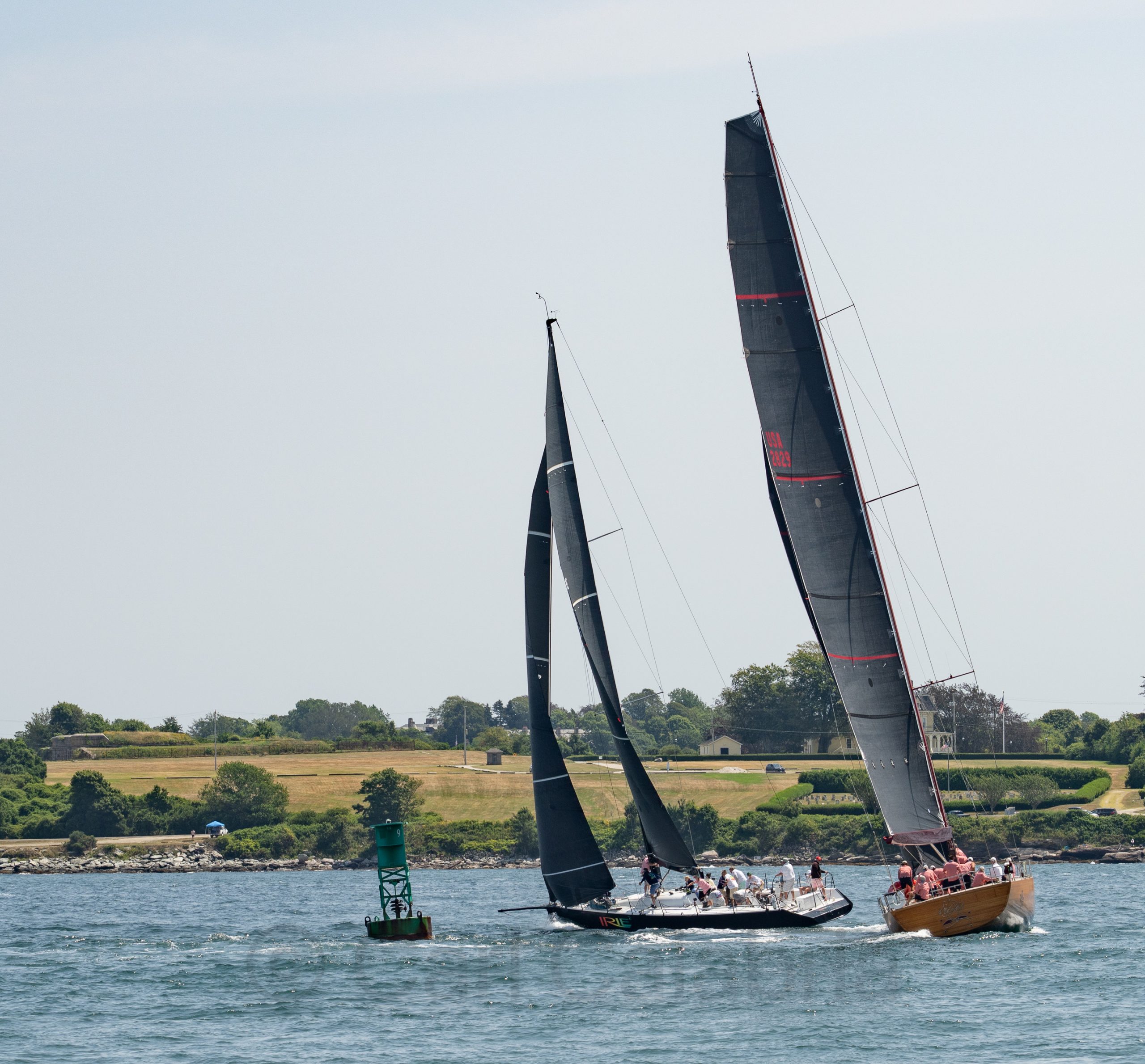
We paused for a brief hike and lunch in Fort Wetherill State Park. From the marina there, we got to watch a sailing regatta in progress. Its start was signaled by a thunderous blast from a cannon located at nearby Fort Adams.
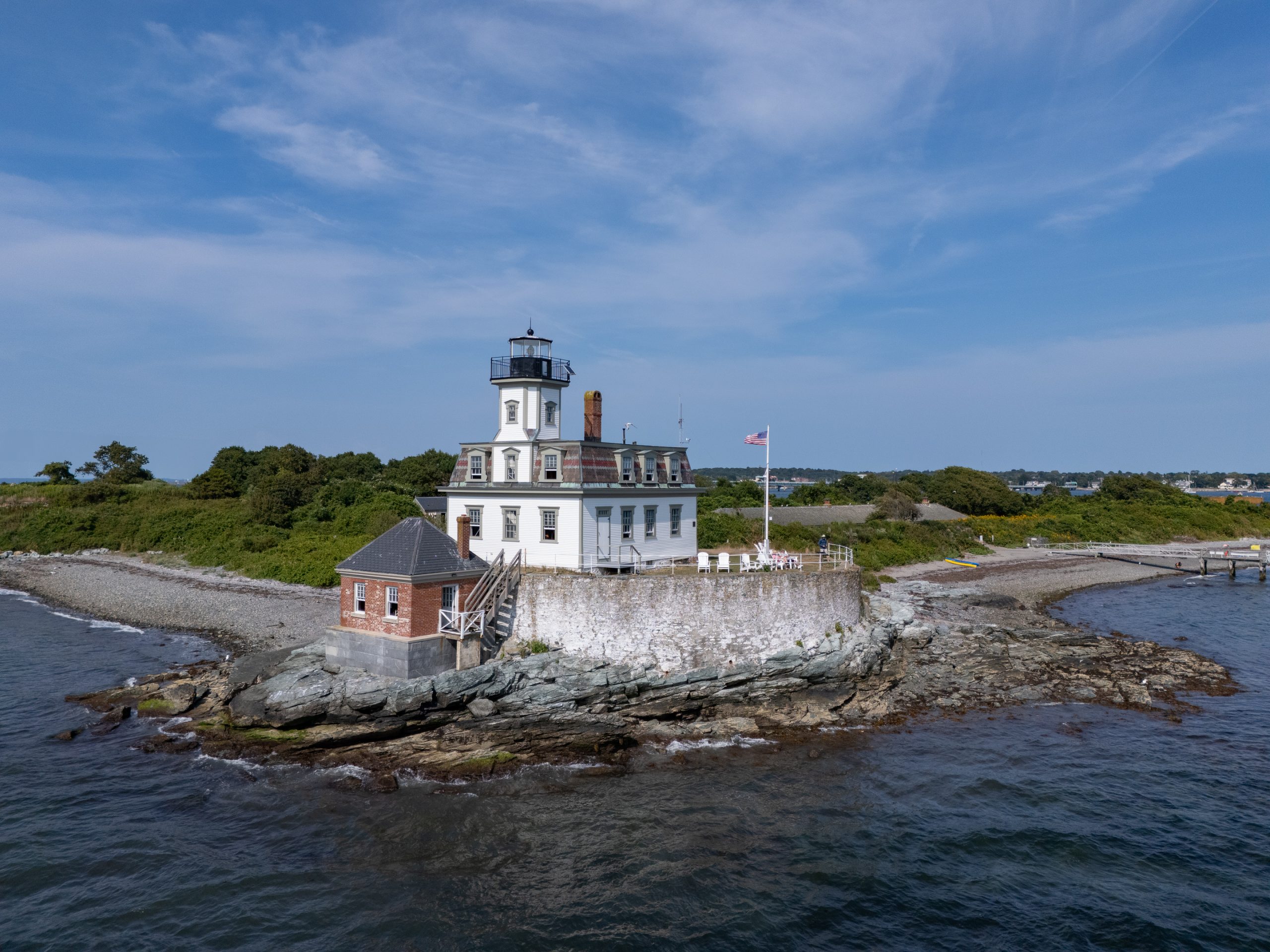
A short ferry ride took us to 18.5 acre Rose Island, known for its historic lighthouse and military significance. The Rose Island Lighthouse was built in 1870 on the site of Fort Hamilton’s southwest bastion and served as an important navigation aid for a century until it was decommissioned in 1970 due to the construction of the Newport Pell Bridge. After a period of abandonment and vandalism, local efforts in the 1980s led to its restoration, and since 1993, the lighthouse functions as a private aid to navigation and a museum open to the public. Rose Island played a significant role as part of the Naval Torpedo Station at Newport starting in 1883, when it was designated as a U.S. Naval Magazine and used primarily for storing explosives and torpedoes. The island’s facilities included storage for gun-cotton and other munitions, as well as serving as a torpedo warhead arming facility during World Wars I and II.
After returning from Rose Island, our next stop was the Sachuest Point National Wildlife Refuge, where we worked off our lunch with a traverse of the Ocean View Loop Trail.
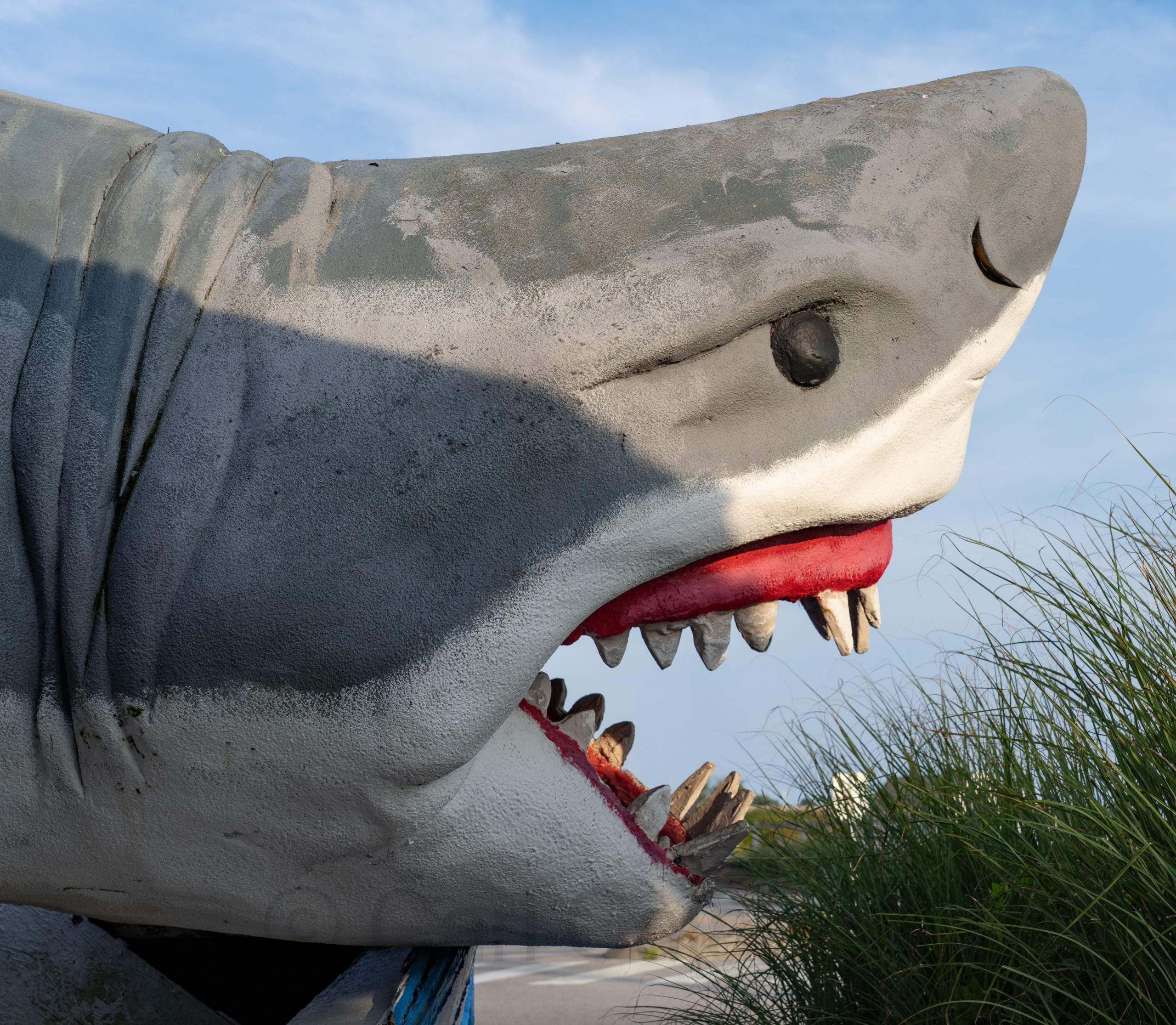
We ended the day with dinner at Flo’s Clam Shack, which features a distinctive shark sculpture in their outdoor dining area. All-in-all, a thoroughly delightful day.