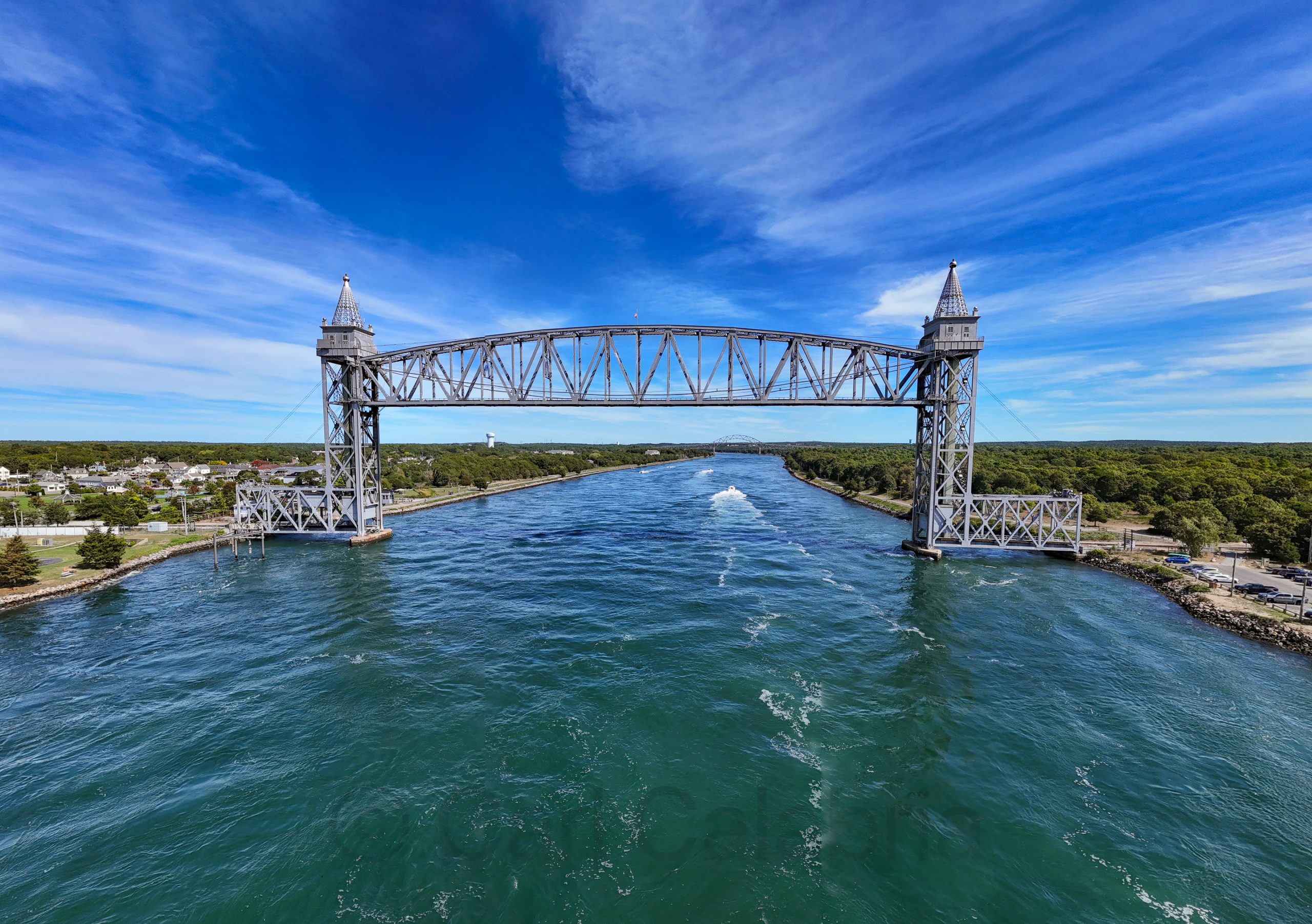
My soccer team traveled to Raynham this morning, where we inflicted a 5-0 drubbing of an opponent that had a few dirty players. One intentionally cleated the top of my right foot, provoking me to subsequently knock him off his feet. Fortunately, the referee saw the lead-up and did not issue me a card for my infraction.
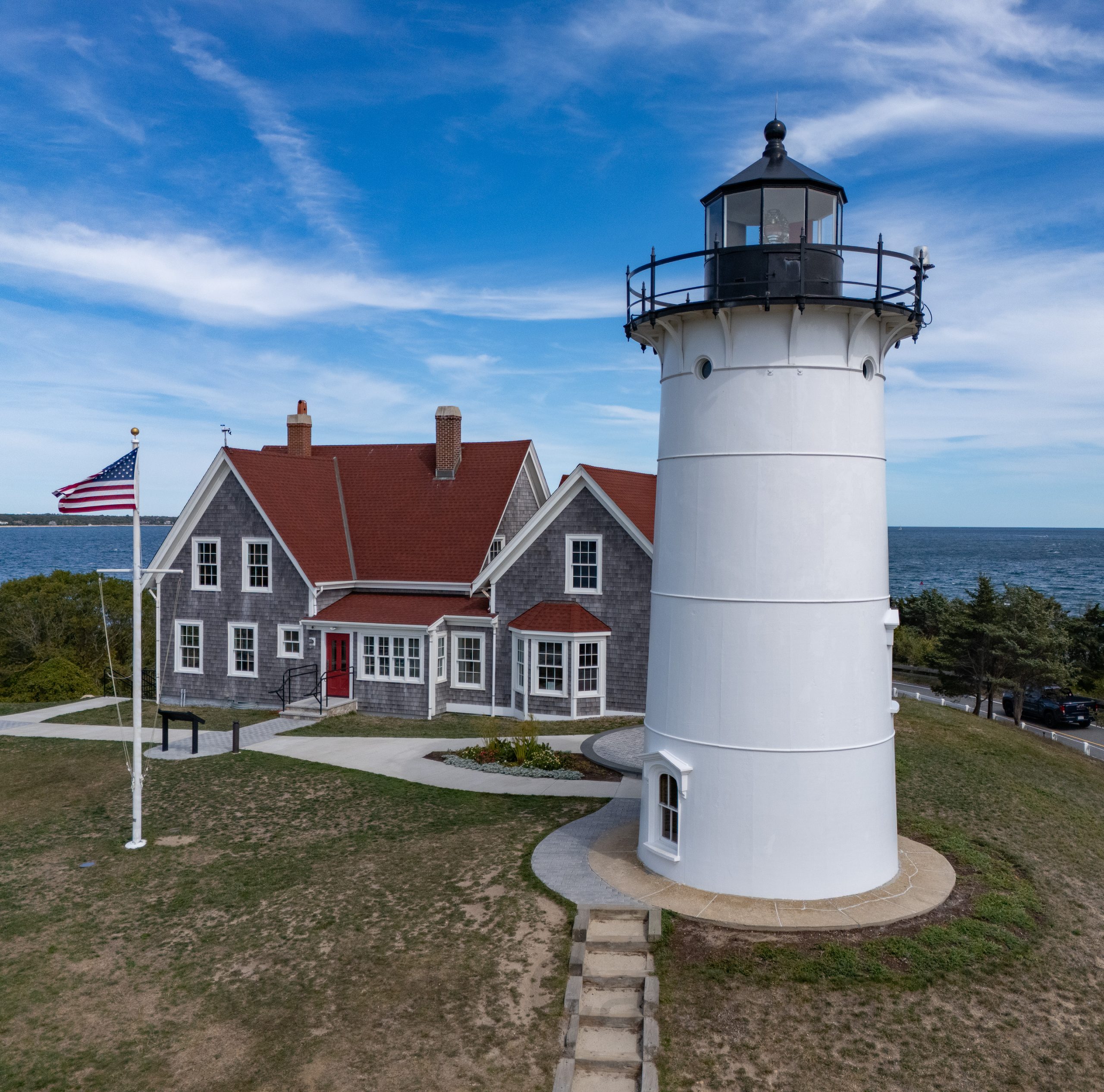
Having driven an hour south, I decided to continue south after the match to visit Woods Hole, MA. There, I stopped first at the Nobska Lighthouse, a historic 40-foot cast-iron tower built in 1876. It serves as a landmark, offering views of Vineyard Sound and guiding mariners to safety through the area’s dangerous shoals. The site is now a publicly accessible museum about maritime history.
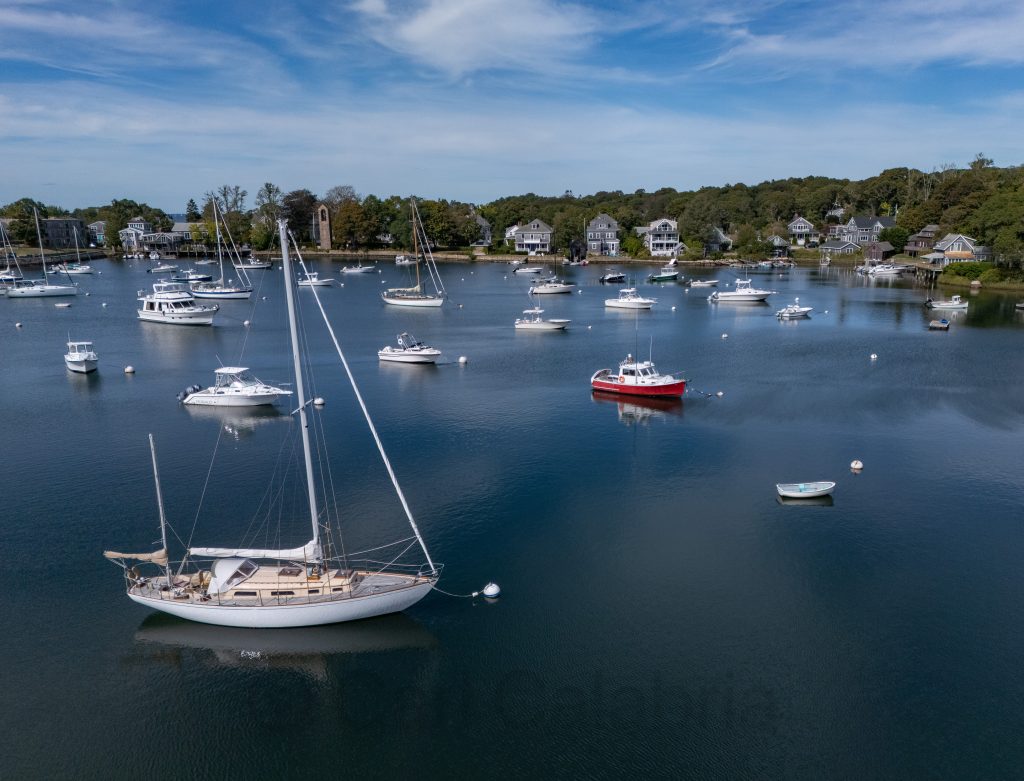
Eel Pond, pictured below, is a serene coastal pond at the heart of Woods Hole, valued for its scenic beauty and calm waters.
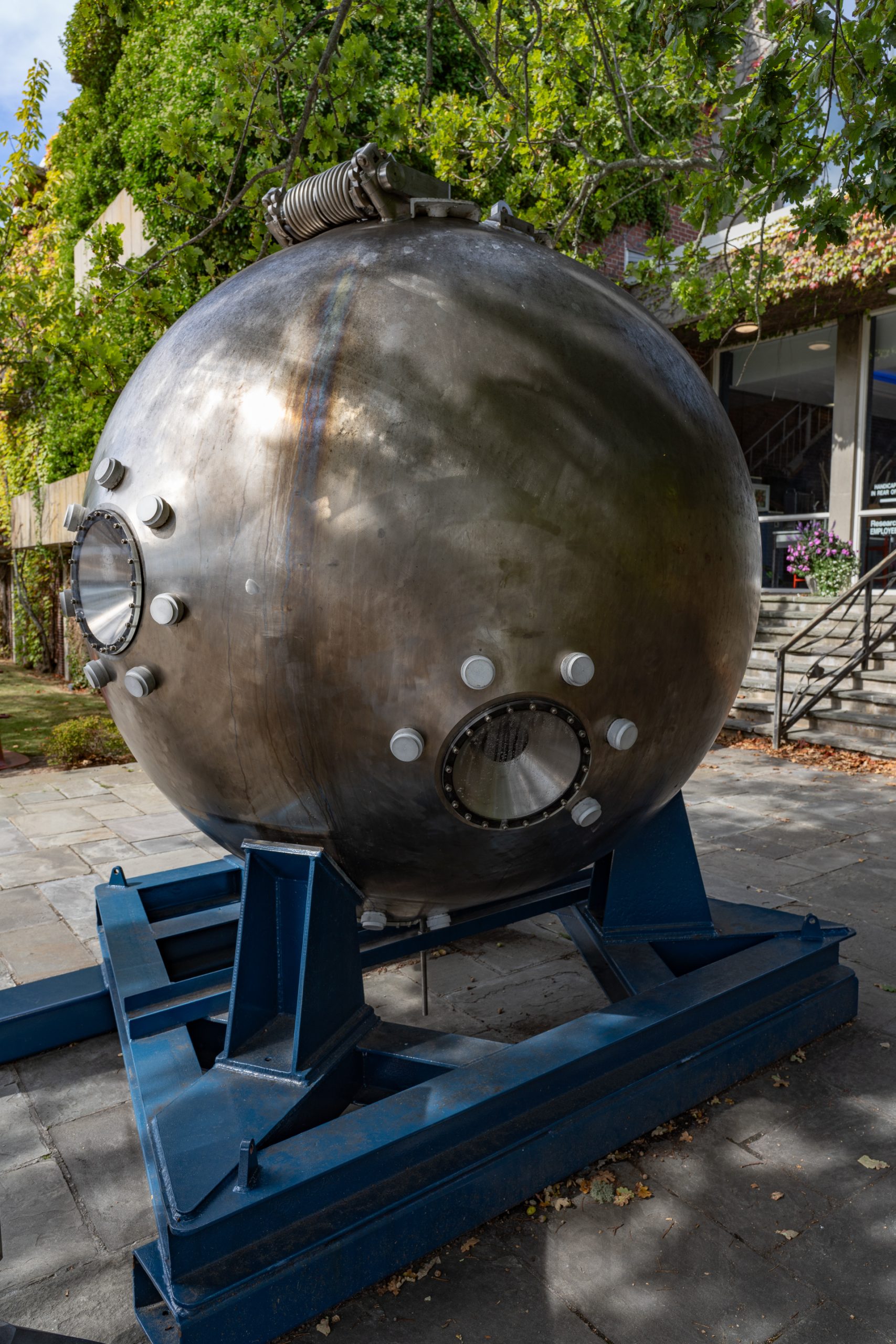
Alvin is a three-person crewed deep-sea titanium-hulled submersible operated by the Woods Hole Oceanographic Institution, capable of diving to depths of 6,500 meters (21,300 feet) for ocean floor research. Its personnel sphere, forged from titanium and featuring 2.9-inch thick walls, houses the pilot and two scientists and is designed to withstand immense deep-ocean pressures while providing five viewports for observation.
The Cape Cod Canal Railroad Bridge is a vertical lift bridge completed in 1935, featuring a 544-foot span and 135-foot clearance when raised. It was the longest vertical lift span in the world at the time, and currently is the second-longest in the United States. Engineered for the U.S. Army Corps of Engineers, the bridge serves freight and seasonal tourist trains and operates primarily by keeping its span raised except during train crossings. In the early 2000s, it underwent a major $30 million rehabilitation to update its cables, machinery, and electrical systems