
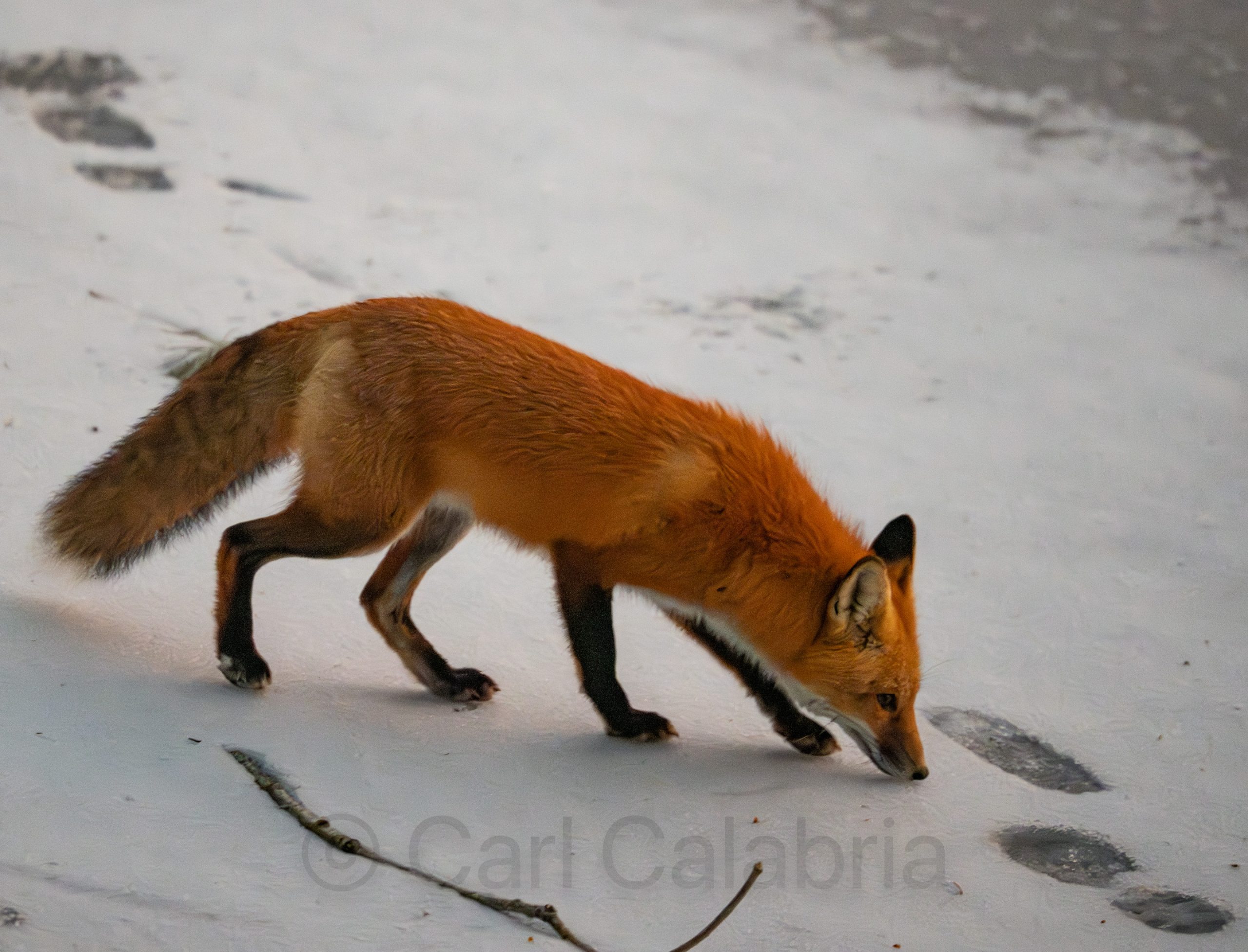
This morning, we had visits from both a red fox and a coyote, both likely on the prowl for a mate. Red foxes are generally monogamous, often forming long-term pairs, though males may seek extra mates once the primary female’s brief heat ends. Courtship starts in winter and includes hunting together, chasing, and playful interactions. The dominant male mates with the dominant vixen; pair bonds can last for life, but high mortality means many breeding pairs are newly formed each year. After mating, the vixen uses a den system; gestation is about 49–58 days, with typically one litter of 4–6 kits per year. Males often provision the female while she is confined to the den, then both parents may help feed and protect the young as they grow. In areas with abundant resources, one male may mate with multiple females, and subordinate females may share the territory and sometimes help rear kits.
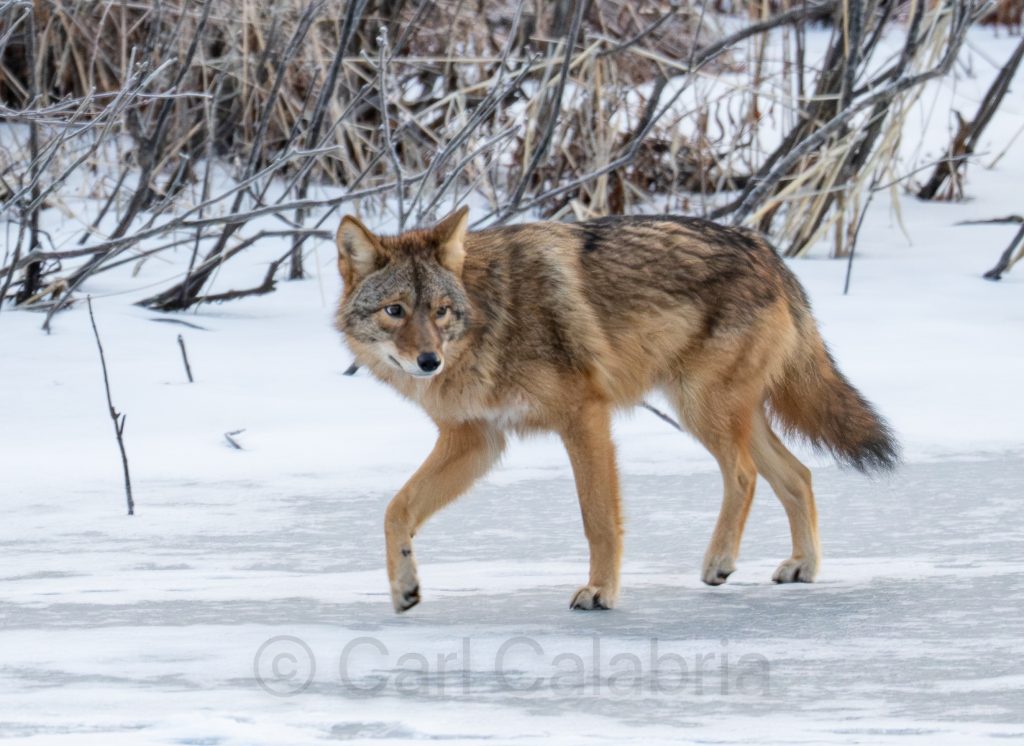
Coyotes are strongly monogamous, with alpha pairs usually staying together for life and forming the core of a territorial family group. Breeding occurs once per year, mainly mid‑January to mid‑February, because females are monestrous and fertile only during a short, roughly 10‑day estrus. Courtship includes play‑wrestling, chasing, grooming, and food sharing, which reinforce the pair‑bond before and during mating. Gestation lasts about 60–65 days, with pups born in spring; the pair chooses or excavates a den mainly for this season, otherwise living and resting above ground. The male commonly provisions the pregnant and nursing female, and later the pups; older offspring or pack members may also help rear the litter.