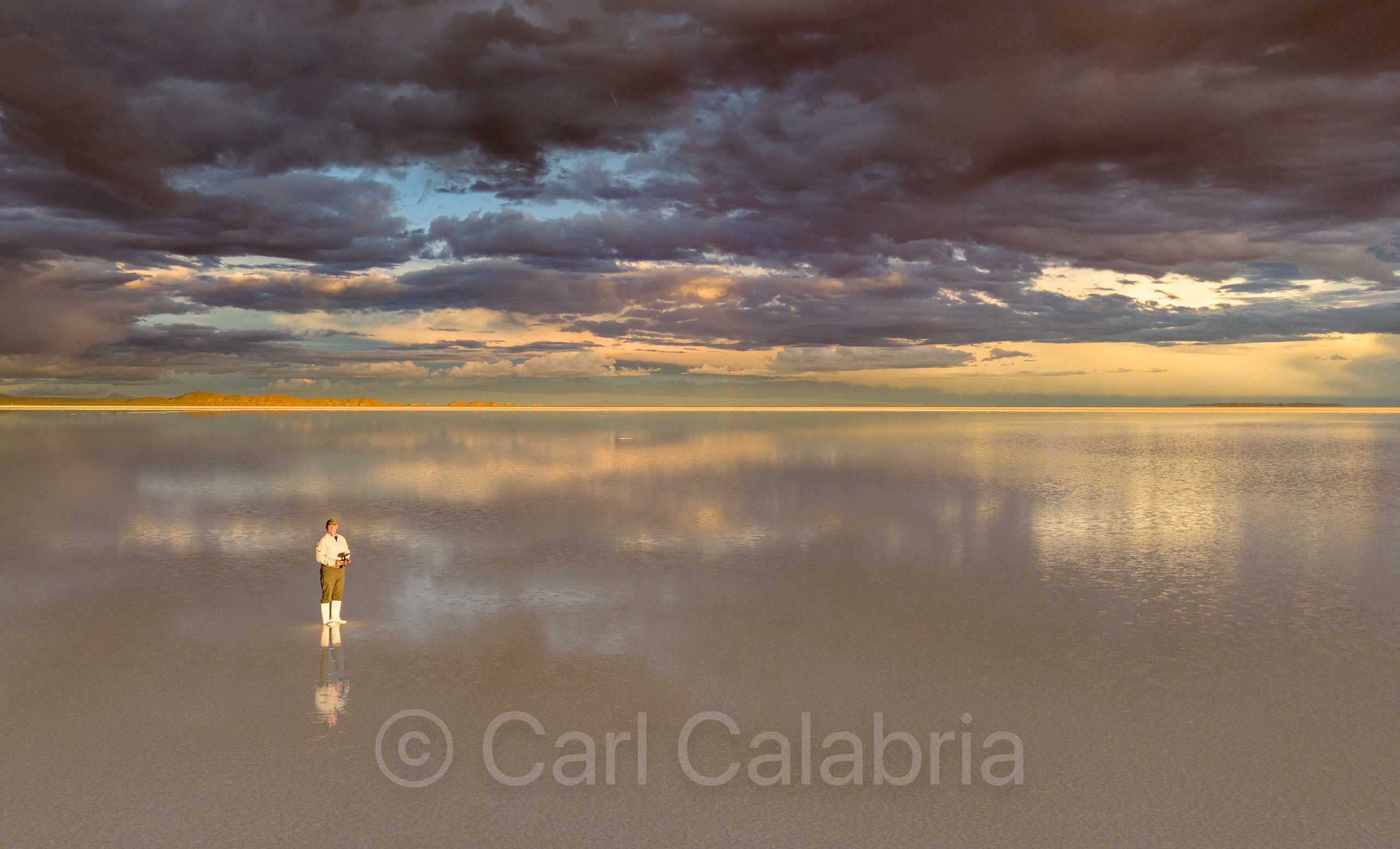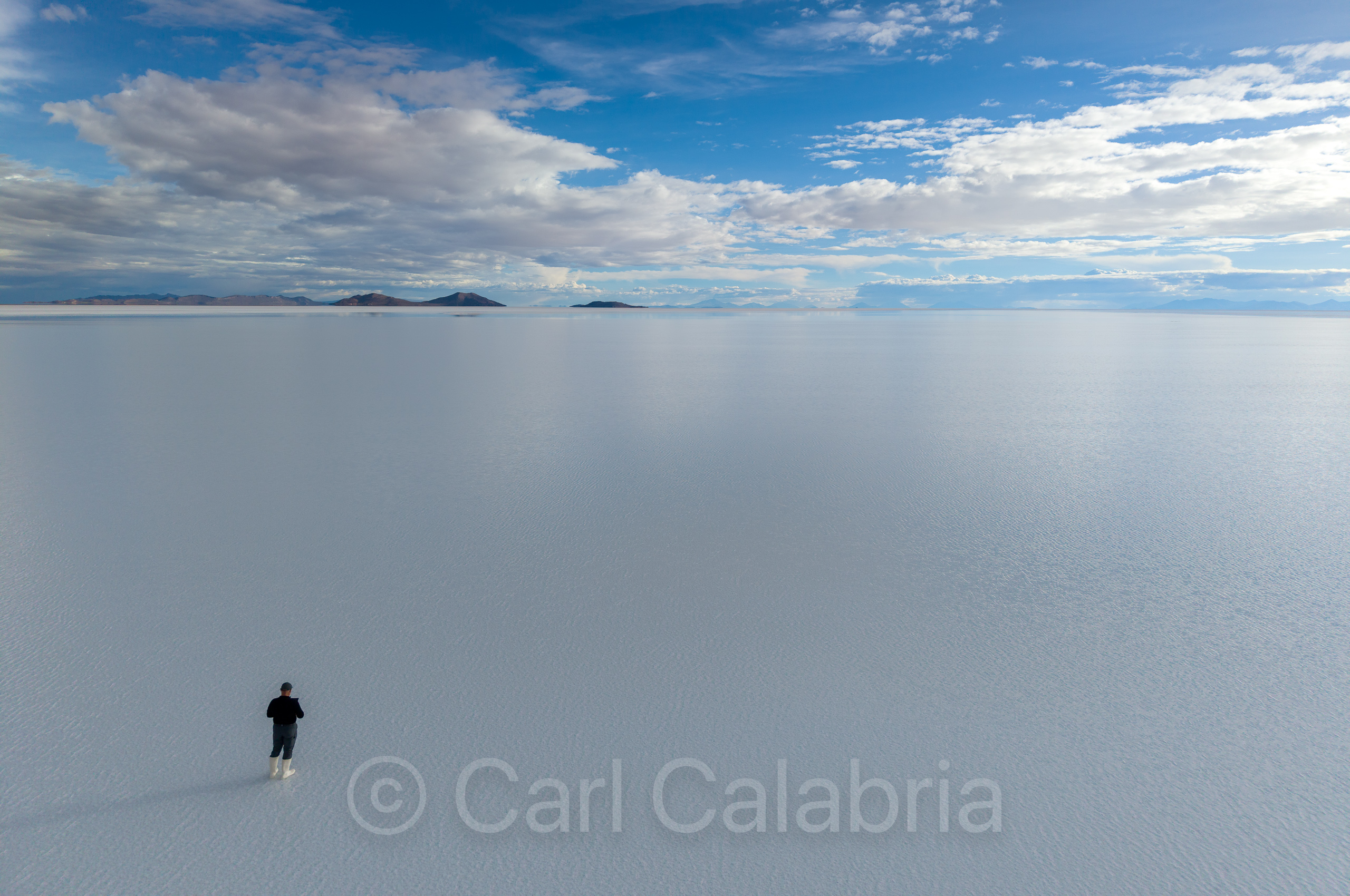
The Salar de Uyuni is the world’s largest salt flat, spanning over 10,500 square kilometers (4,000 square miles). Situated on the high-altitude Altiplano at approximately 3,656 meters (12,000 feet) above sea level, it is a surreal, blindingly white landscape formed by the evaporation of prehistoric lakes tens of thousands of years ago.
From December to April, a thin layer of rainwater can accumulate on the surface, transforming the flat into a perfectly reflective mirror. This effect blurs the horizon, making it difficult to distinguish where the earth ends and the sky begins, a photograph I have yet to capture.
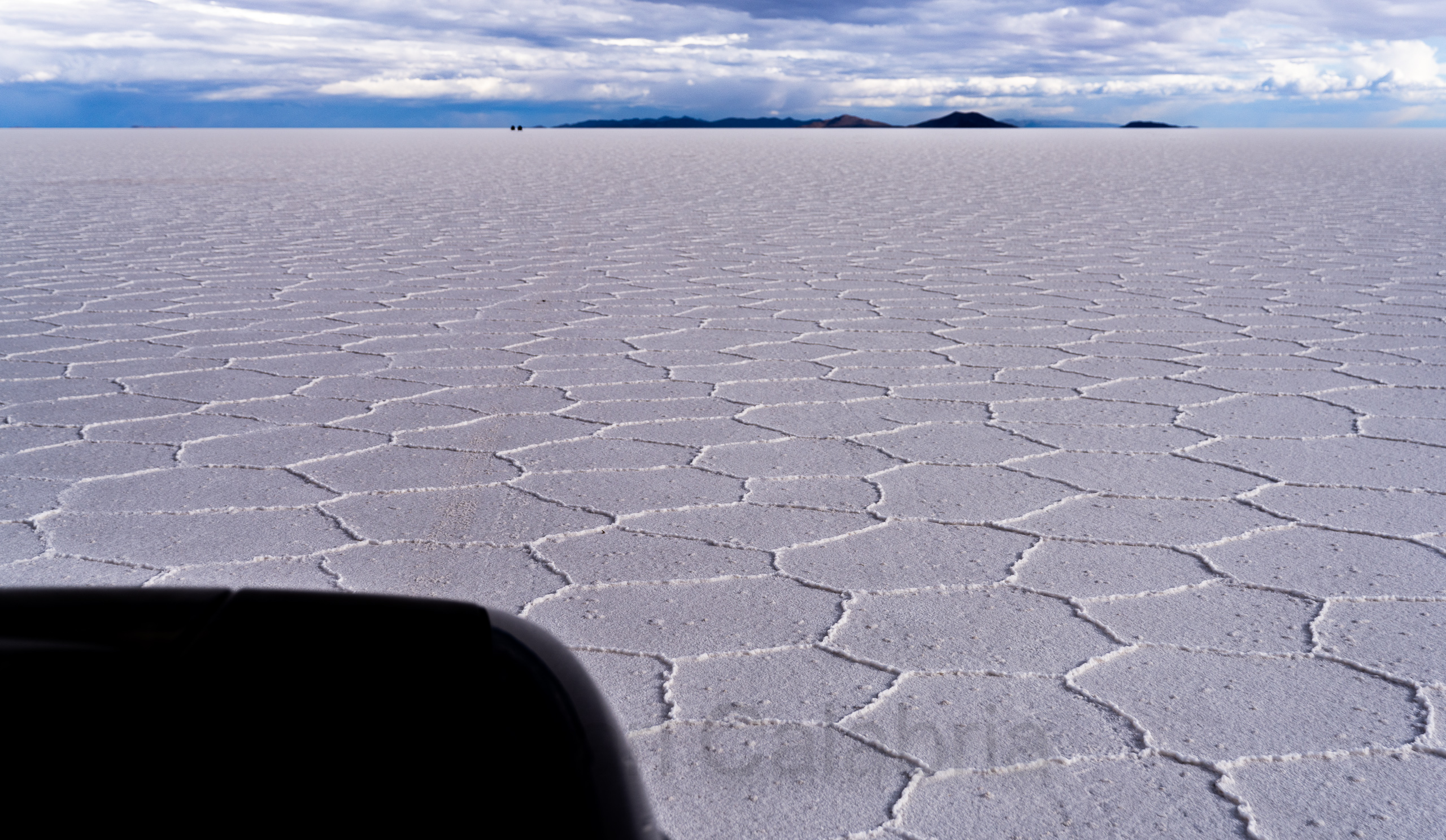
From May to November, the water evaporates, leaving behind a hard, cracked crust that forms distinctive hexagonal salt patterns across the vast expanse. I took the photo below from a moving vehicle, and the dark item is the side view mirror.
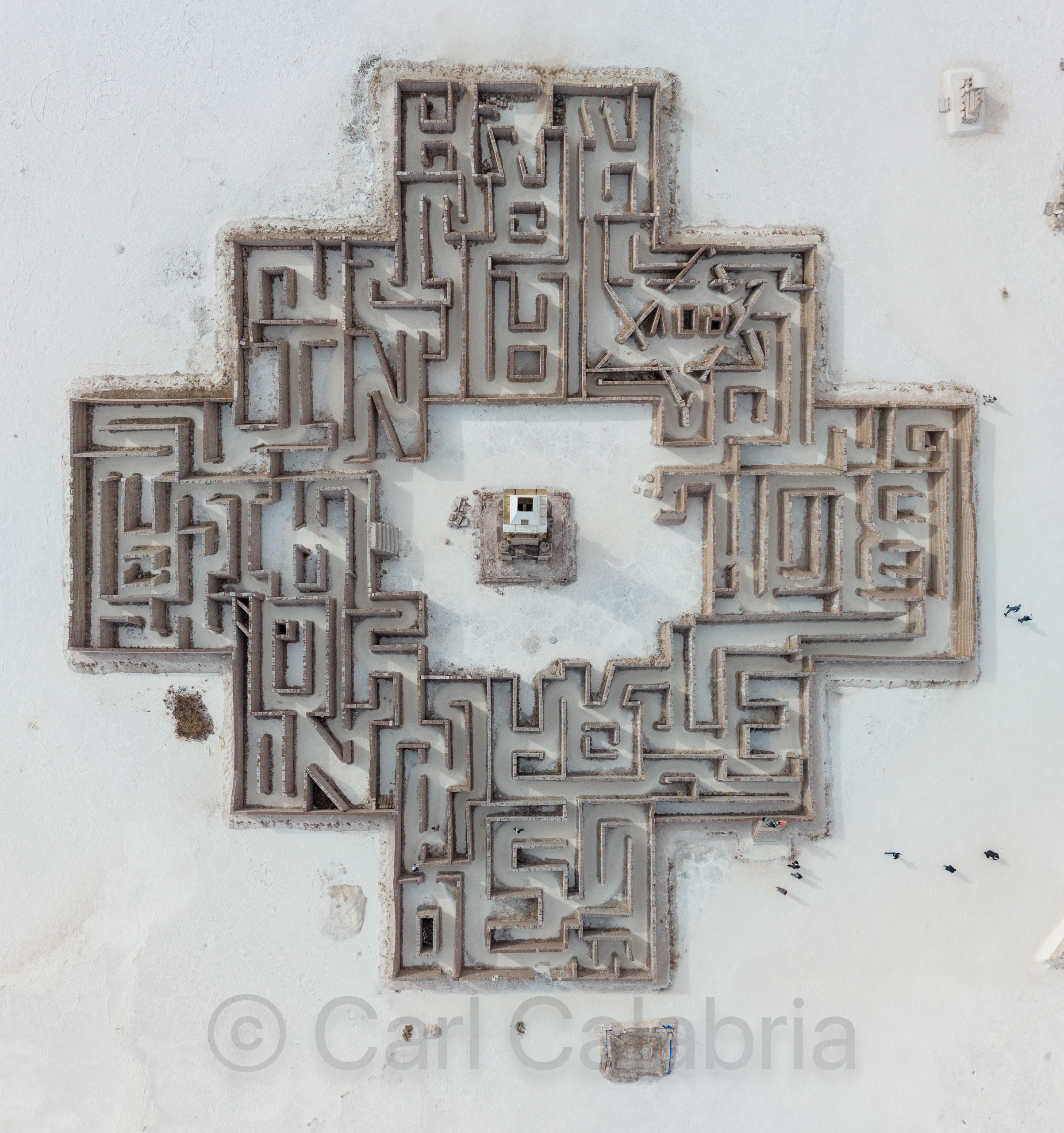
The Colchani Salt Mazes (locally known as Laberinto de Sal) are a series of immersive tourist attractions. These labyrinths are hand-crafted by local artisans to diversify the region’s tourism beyond traditional salt mining. The mazes are built entirely from compacted salt blocks carved directly from the salt flats. These blocks are stacked like bricks to form intricate, solid walls. I followed members of our group to reach the center of the maze, which was quite challenging. I used the “wall follower algorithm” to exit on my own. The wall follower algorithm (also known as the left-hand rule or right-hand rule) is a simple, memory-efficient method for solving a maze by consistently keeping one hand in contact with a single wall. This algorithm is guaranteed to find the exit if the maze is “simply connected,” meaning all its walls are connected to each other or the maze’s outer boundary, and there are no loops or detached sections (islands).
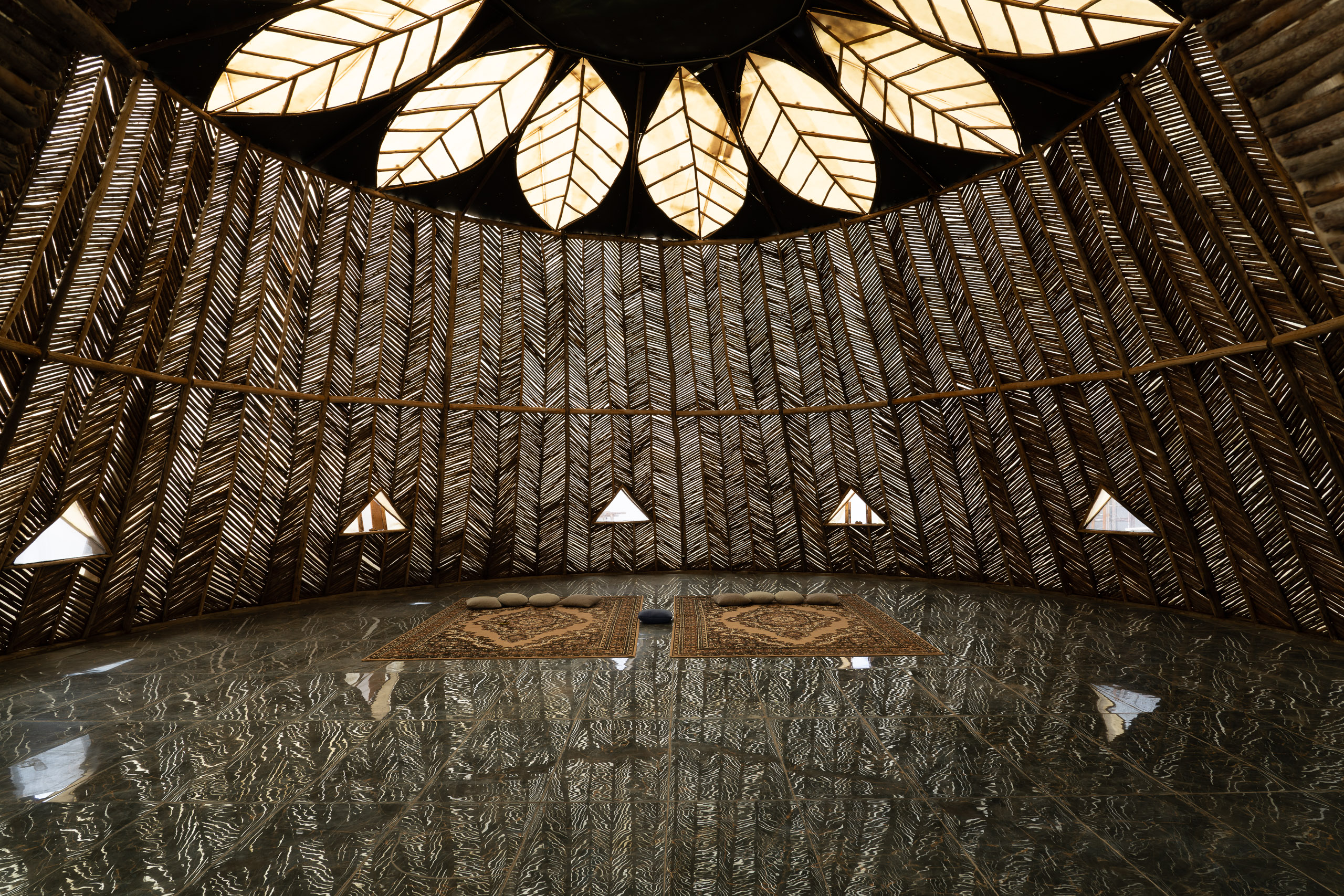
Our photography group is currently staying at the Cristal Samaña Salt Hotel, famous for being constructed almost entirely out of salt blocks, including its walls, floors, and furniture. The hotel’s design is inspired by the coca leaf, a sacred plant in Aymara culture, and is built according to Feng Shui principles to promote energy balance. Throughout the property, you can find intricate salt sculptures and carvings inspired by Aymara astrology as well as areas such as the one pictured below for mediation.
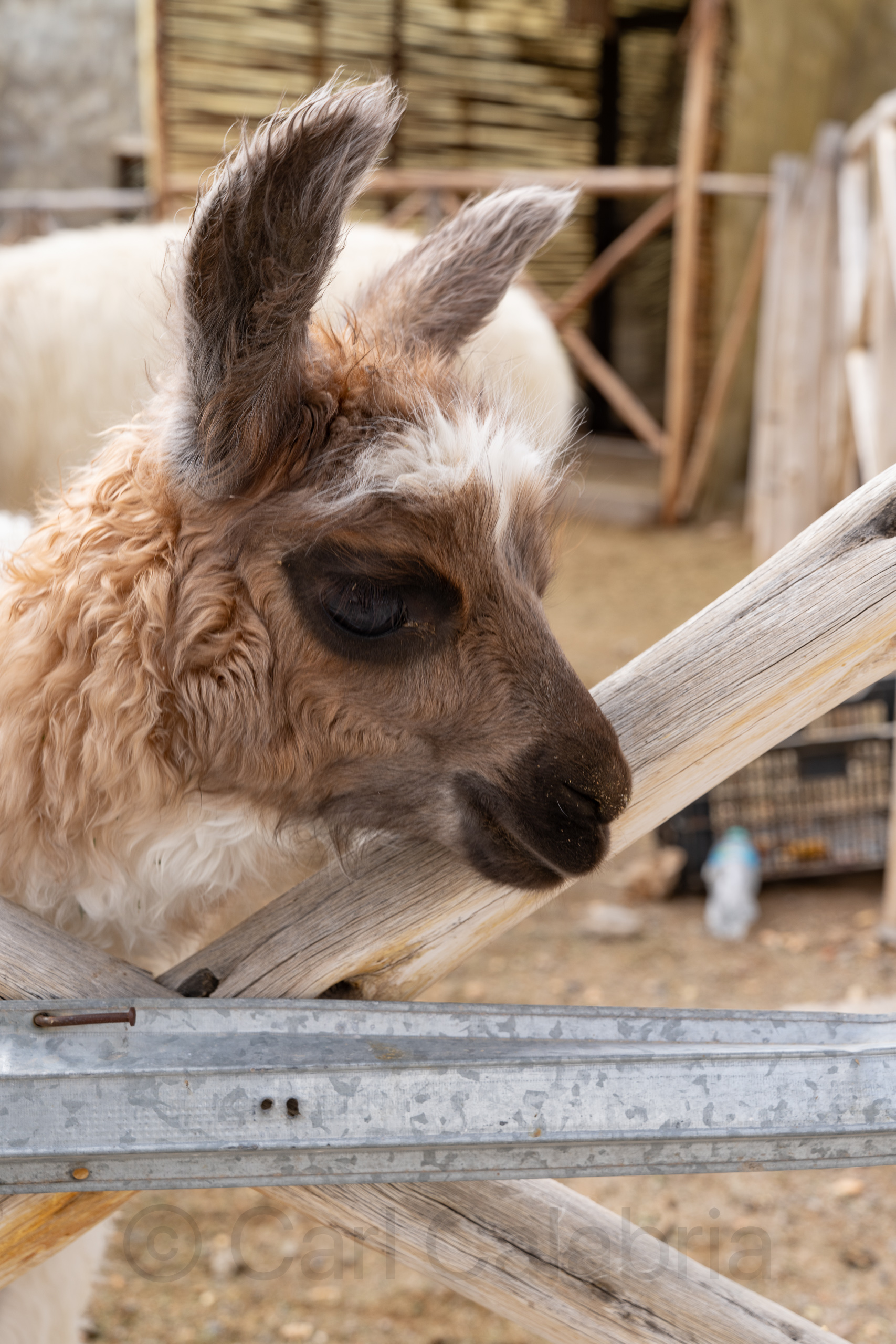
Thus far, cloud cover has prevented our group from experiencing the Milky Way at night, which we are all hoping for. There has been some talk of sacrificing a baby lama to the Gods for good weather. Conveniently, one can be found on the hotel grounds.
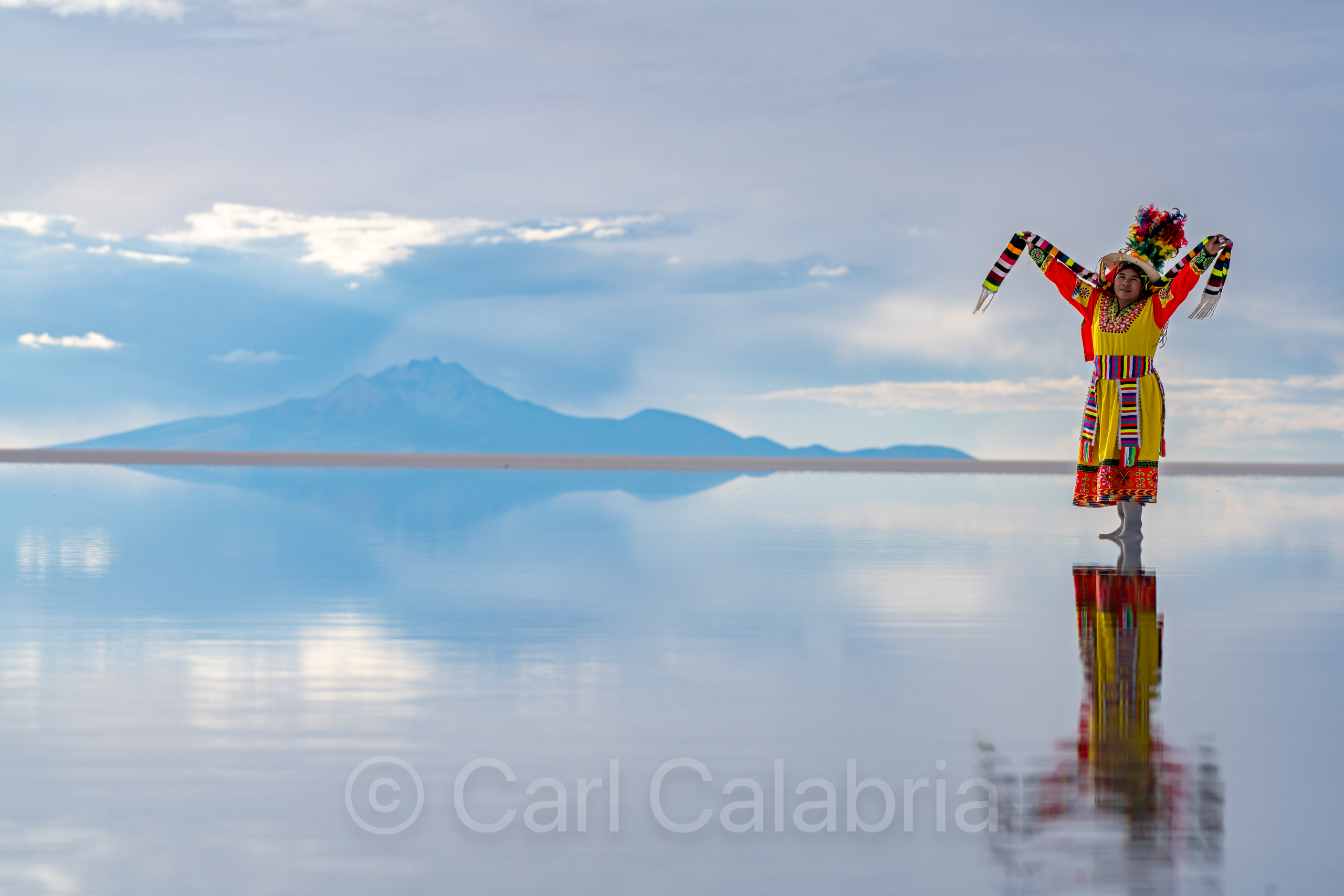
Our group spent much of the day on the slat flats photographing a local model wearing traditional clothing. I must have shot 100 variations of this image, but I will not pick a final favorite until I can view them on my large computer screen at home. Pictured in the distant background is the Tunupa Volcano.
Attempting to fly my drone in high winds yesterday almost resulted in a crash. Today, the winds were more moderate, and I was able to make several flights both for stills and videos, including the ones below.