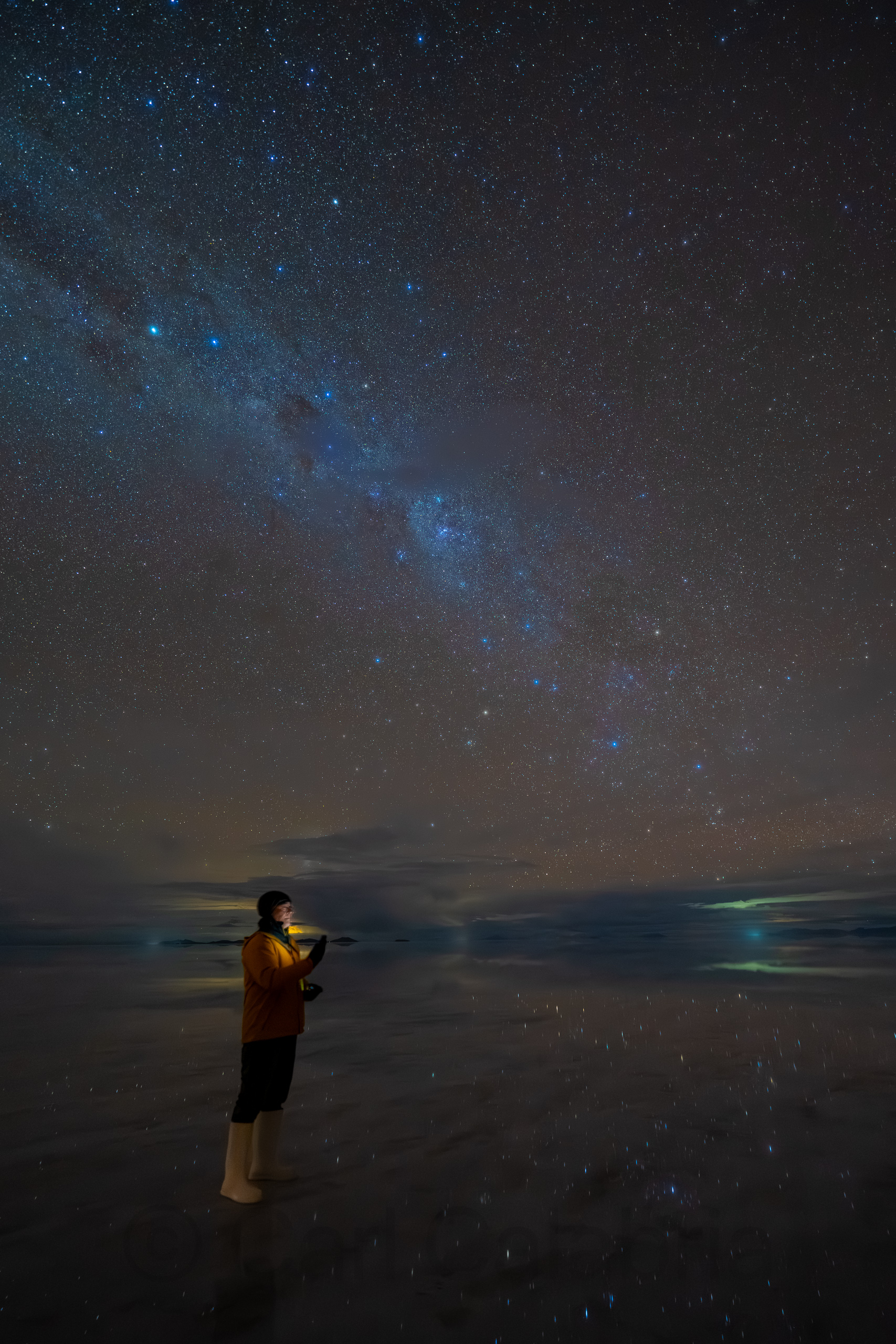
My day started at midnight when our group returned to the Uyuni salt flats for our first opportunity to photograph the Milky Way. Because I did not have the optimal tripod head for shooting a panorama of the sky, I opted to focus on making a single image and used myself as a foreground object, using my iPhone to illuminate my face. As a first attempt at astro photography, I am pleased with the outcome.
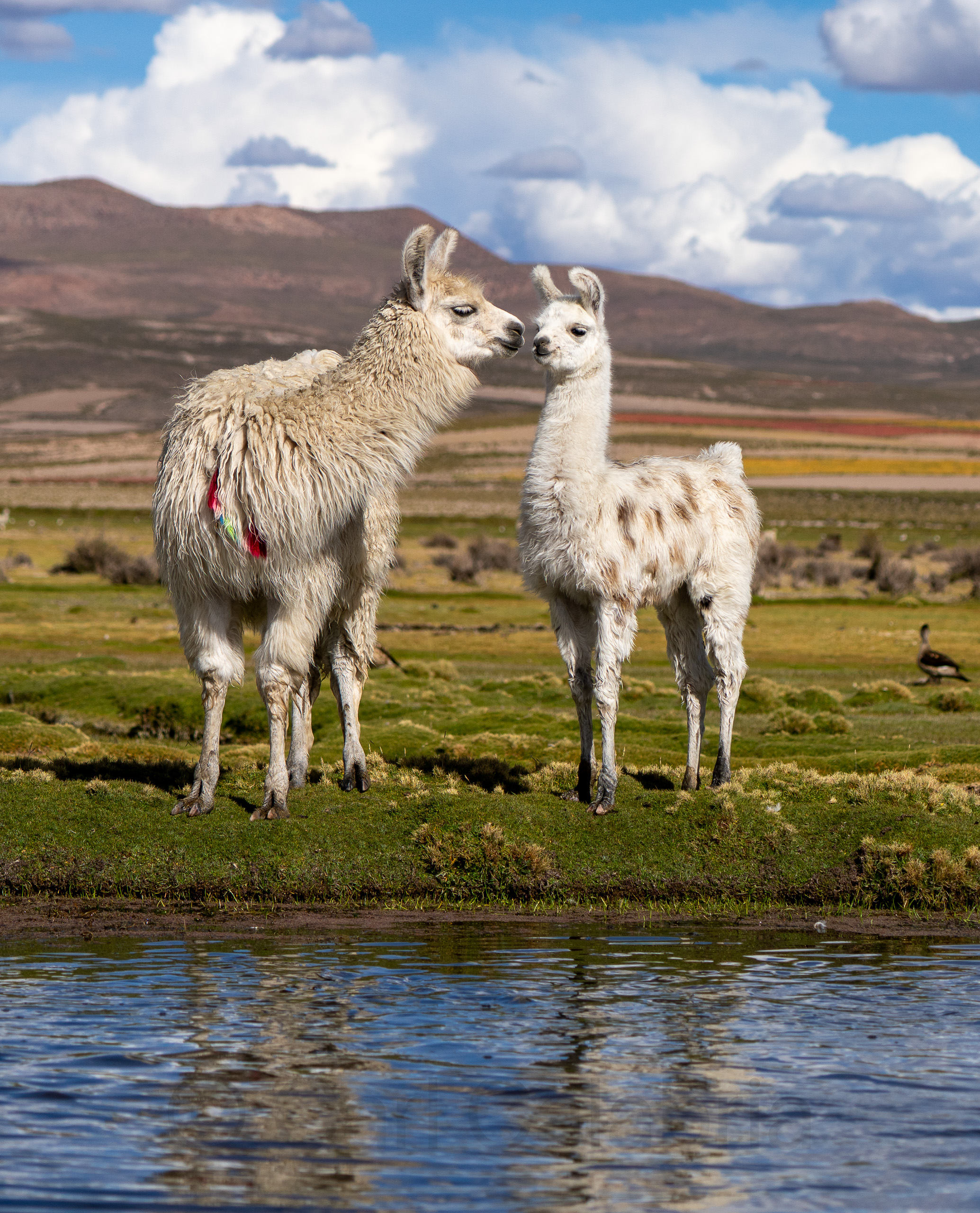
While driving to the Bosque de Piedras, we stopped at a small watering area where the local alpacas were gathered en masse. Parents are very attentive to their young, and I have too many family portraits to pick a favorite.
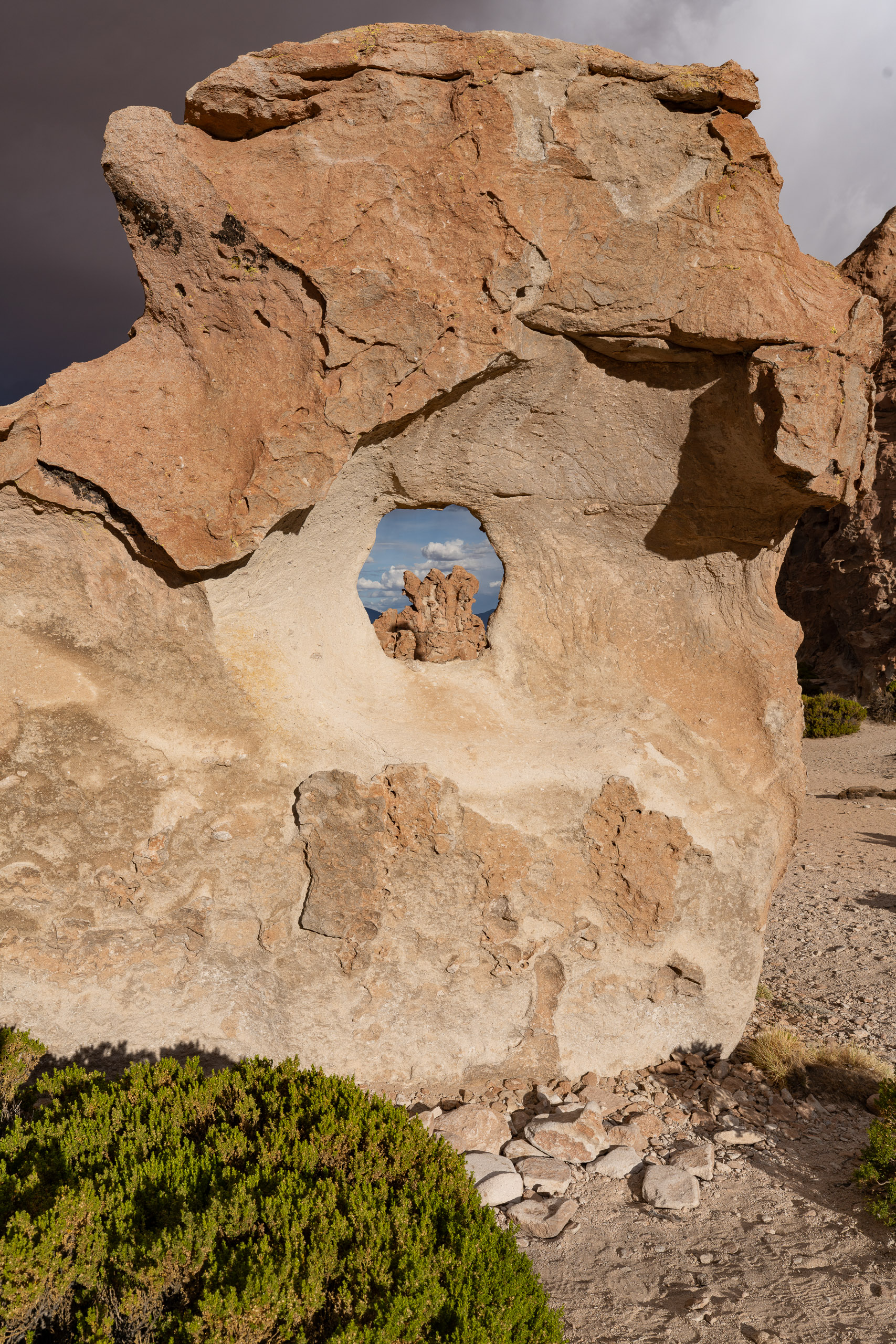
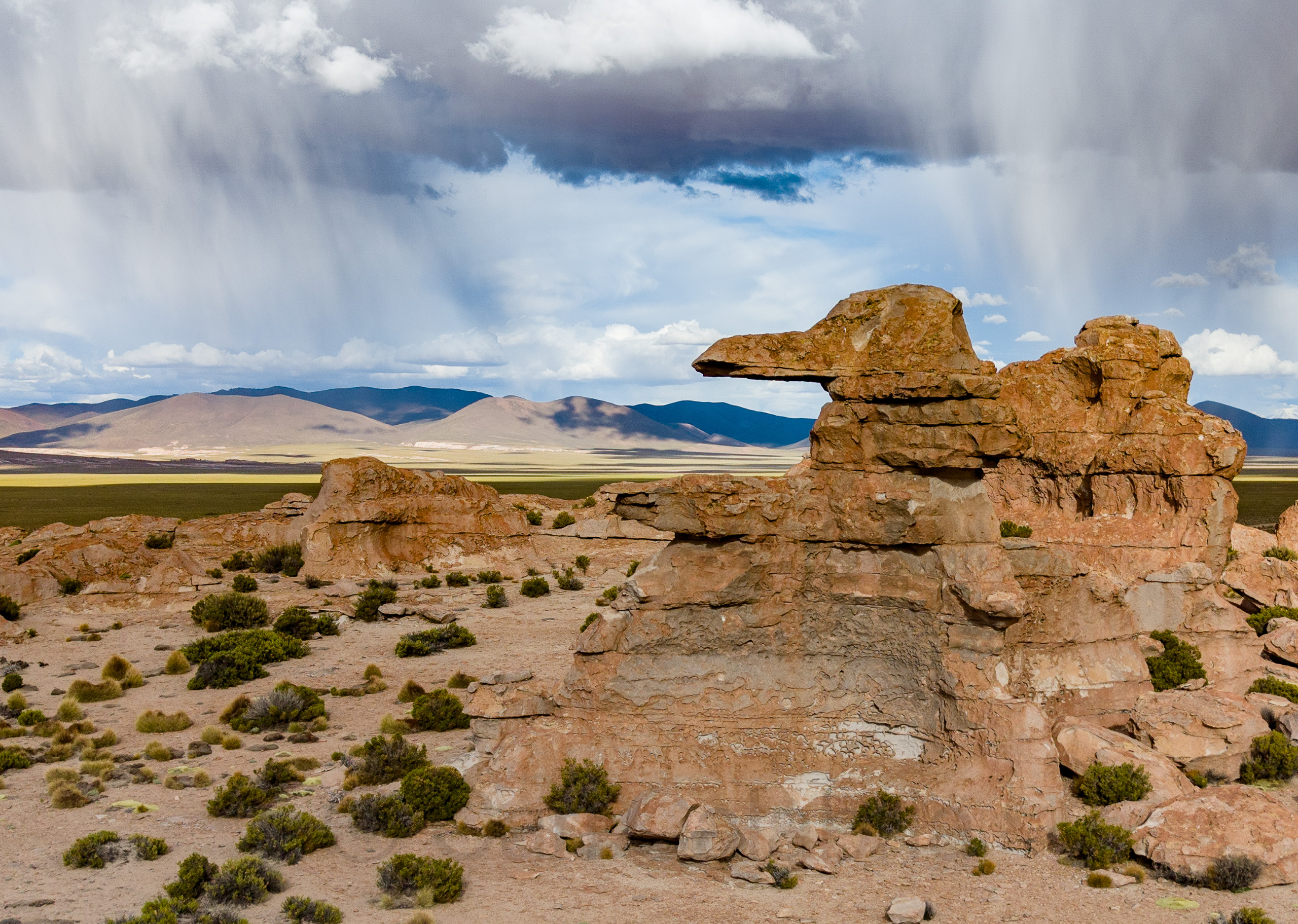
Bosque de Piedras (Stone Forest) generally refers to several unique geological areas characterized by massive, wind-sculpted rock formations. While “Bosque de Piedras” is a common term for such landscapes across the Andes, the most famous ones in Bolivia are located in the high-altitude Altiplano region.
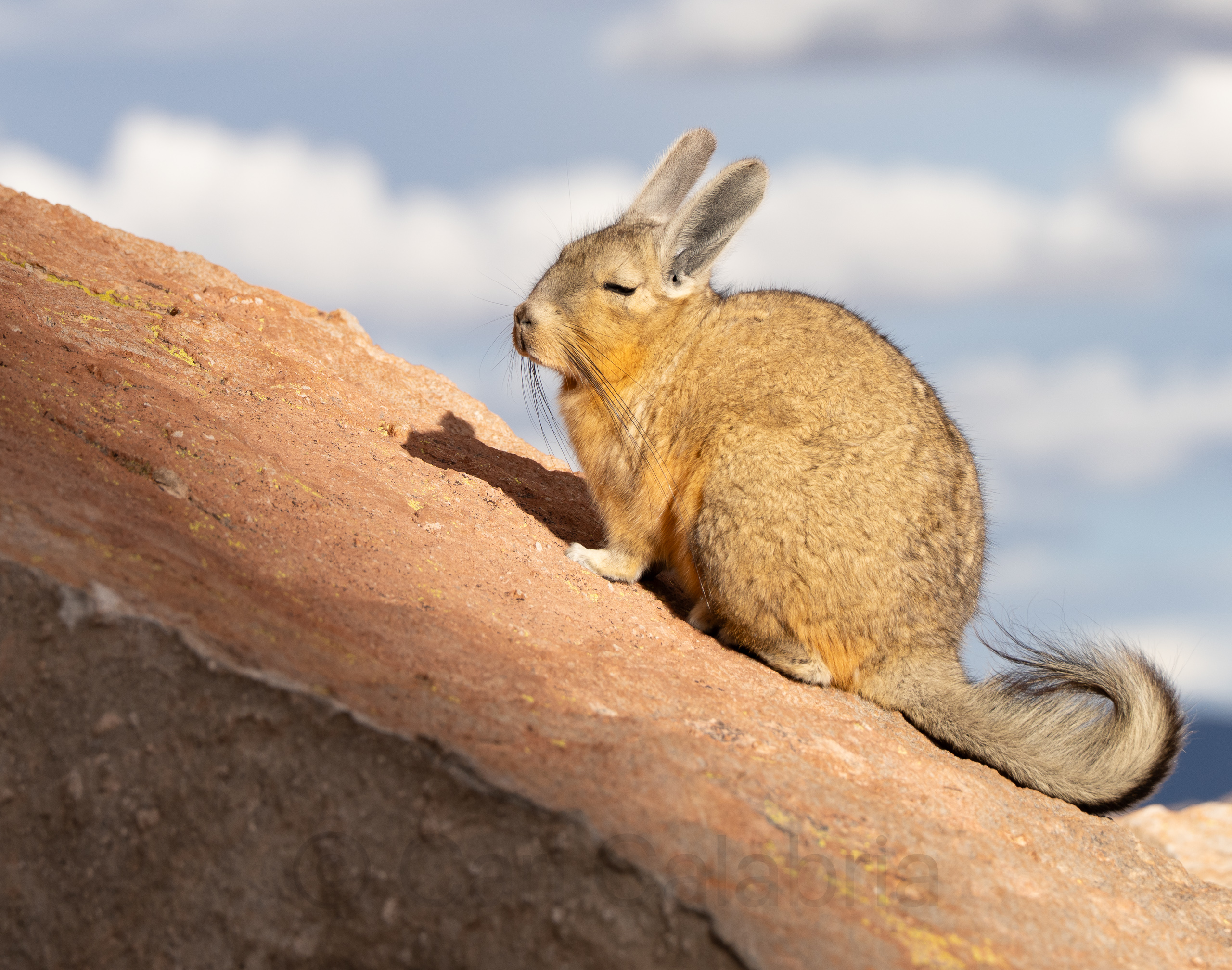
The southern viscacha (Lagidium viscacia) is a rodent related to chinchillas that strongly resembles a rabbit with a long, bushy tail. While often called an Andean rabbit, it is not a true rabbit but a rock-dwelling mammal often seen sunbathing on rocky outcrops. They are gregarious (live in colonies), diurnal (often active during the day, especially sunbathing), and feed on grasses and lichens. The one pictured below appears to be napping, allowing me to approach fairly close.