Where the heck are the meteor photos in this dubiously titled post?
Last night, the annual Perseid Meteor Shower was at its peak. Even better, there was a new moon providing optimal conditions for photography. Unfortunately, cloud cover obscured the celestial light show for all but a brief moment just after nightfall, and I saw a single meteor trail from my vantage point on the high grounds of the Fruitlands Museum in Harvard. Unfortunately, it did not show up in the 300 photos I took.
To photograph a meteor shower, you put a wide-angle lens on your camera, put it on a tripod, aim it at some part of the sky, and use an intervalometer to take back-to-back 15-second exposures for several hours. When you get home, you download the images and look through hundreds to see if you were lucky enough to catch one. Pictures you may have seen with multiple meteors are made by compositing several such images.
The forecast for this evening called for clear skies and a 5% crescent moon. Although past the peak rate, there are still plenty of meteors burning through our atmosphere. For optimal viewing and photography, I drove an hour and a half to Dennison Lake in central Massachusetts, a Bortle Class 3 dark sky site. Although I visually observed 5 meteors (one was spectacular), I did not capture a single image in over 600 photos. If you are not lucky enough to have your camera trained on the right part of the sky at the right moment, you miss the photo. Had I let my camera run all night, I have no doubt I would have caught something. I decided to bail just after midnight, given the 90-minute drive home.
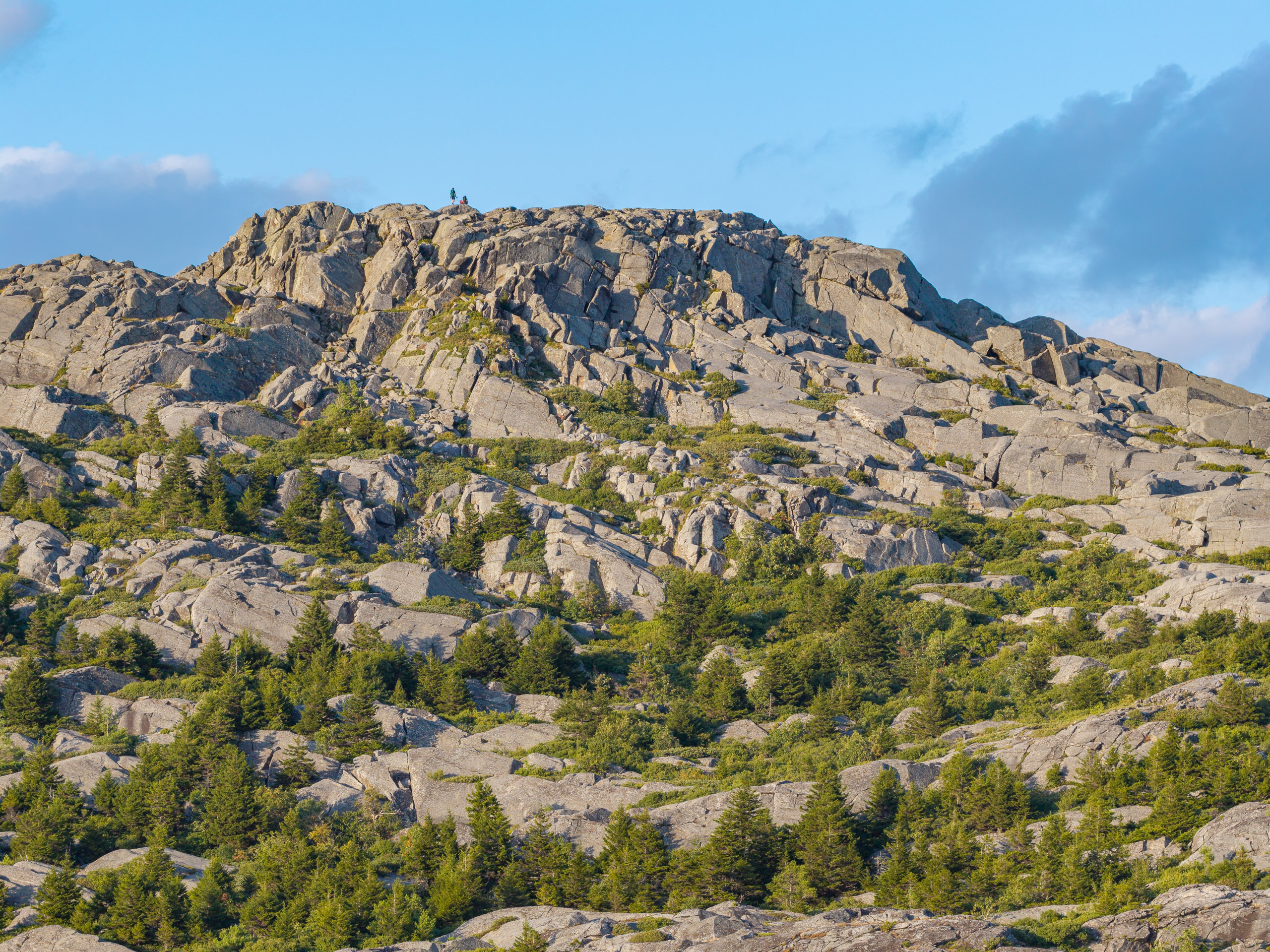
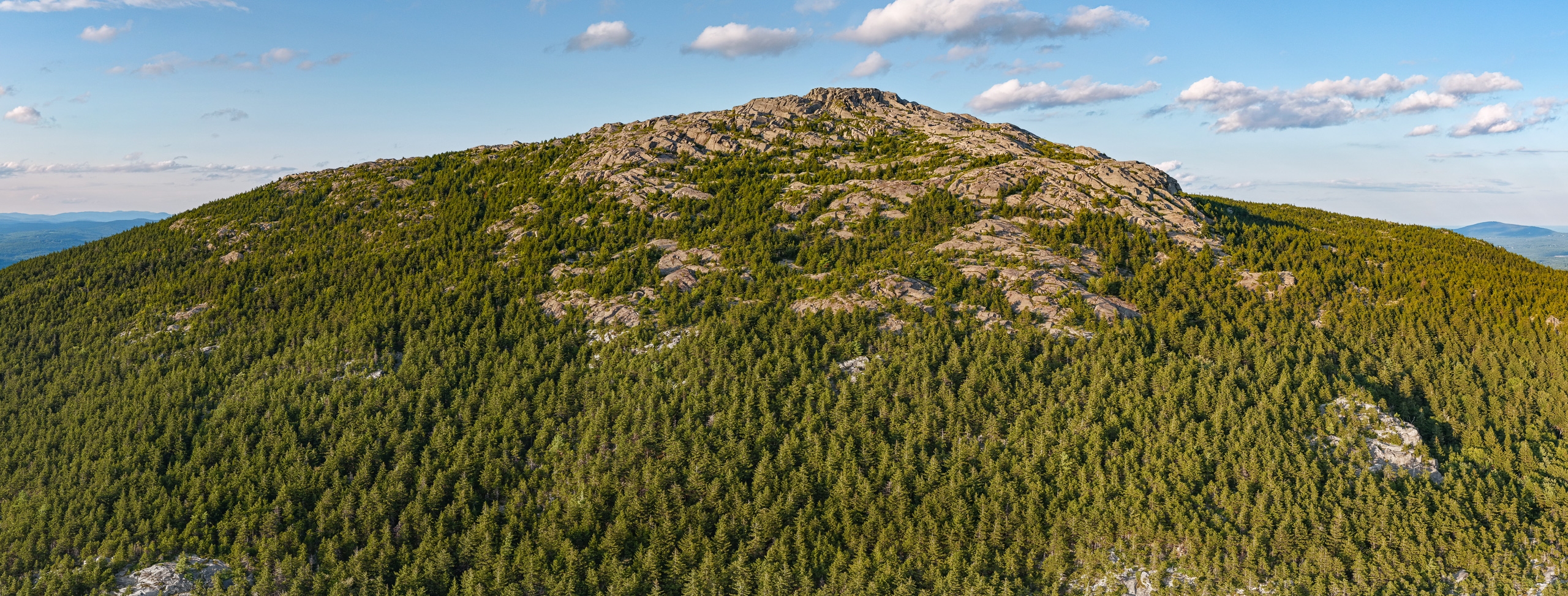
Pictured above and below is Mount Monadnock. By virtue of its proximity to Dennison Lake, I used my drone to get a few shots before sunset. Thankfully so, or I would have gone empty-handed for the day.