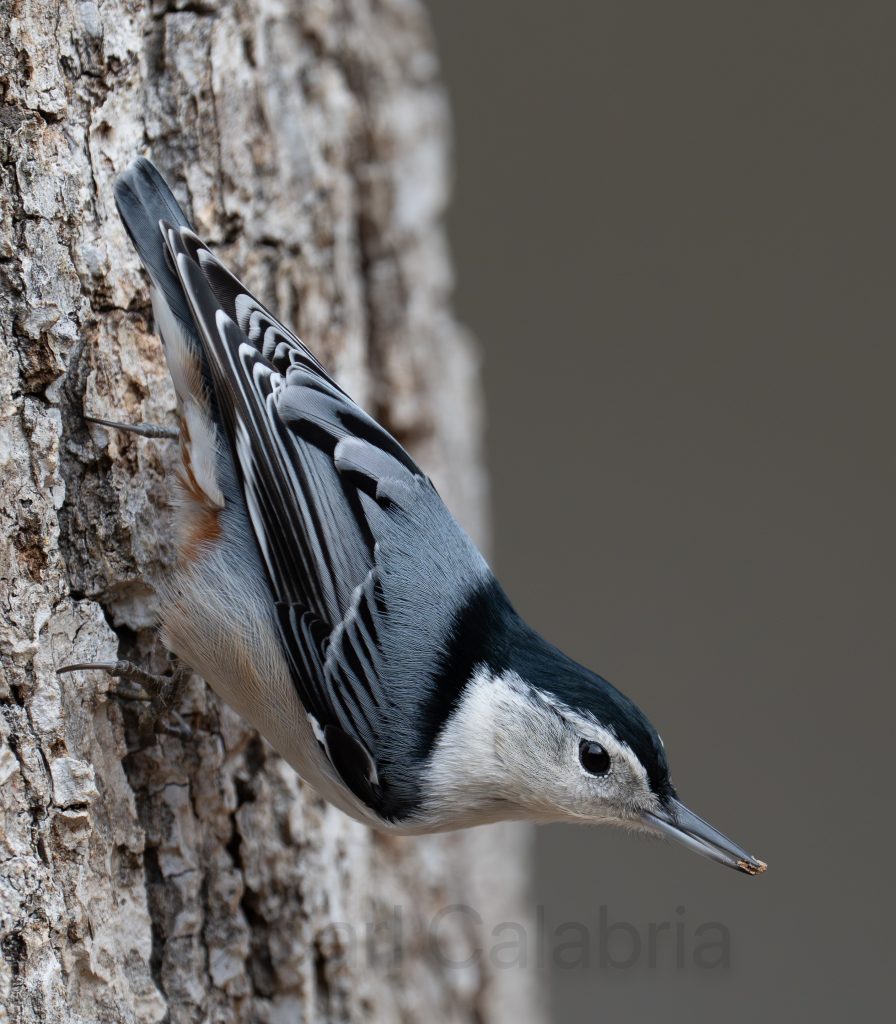
Behold the tiny White-Brested Nuthatch. These birds are known for their ability to climb down trees headfirst, a behavior that distinguishes them from other birds like woodpeckers. Their diet consists of insects, seeds, and nuts, and they are found throughout North America in deciduous and mixed forests. They get their name “nuthatch” from their habit of wedging large seeds or nuts into tree crevices and then “hatching” them open with their bills. I spotted this one after waking from a long post-soccer-match nap. We finished our season with a 5-0 win and are now on to the postseason playoffs, which will start next weekend. I had a very nice pass to one of our best players for an open shot on net, but he failed to finish and deprived me of the assist. On a positive note, the combination of rolling out my leg muscles and a healthy dose of Ibuprofen allowed me to play free of hip pain.
For the first time in our 35-year marriage, Jeanine spent the entire day in her pajamas. I spent much of it experimenting with a new flash for my camera, using her as an unaware subject. The photo above appears straightforward, but it is actually quite challenging to balance the bright outdoor scene with the darker interior. Jeanine and I are relatively active, but something about the weather, the phase of the moon, or the prior week of gym workouts left us quite content just lounging about for the day.
Jeanine and I hosted a potluck dinner for the soccer parents of Maya’s teammates at Concord Carlisle High School. It was wonderful catching up with everyone, and the food was great. Jeanine prepared lasagna, possibly my favorite Italian dish. Little did we know at the time that these friendships would have endured over the years.
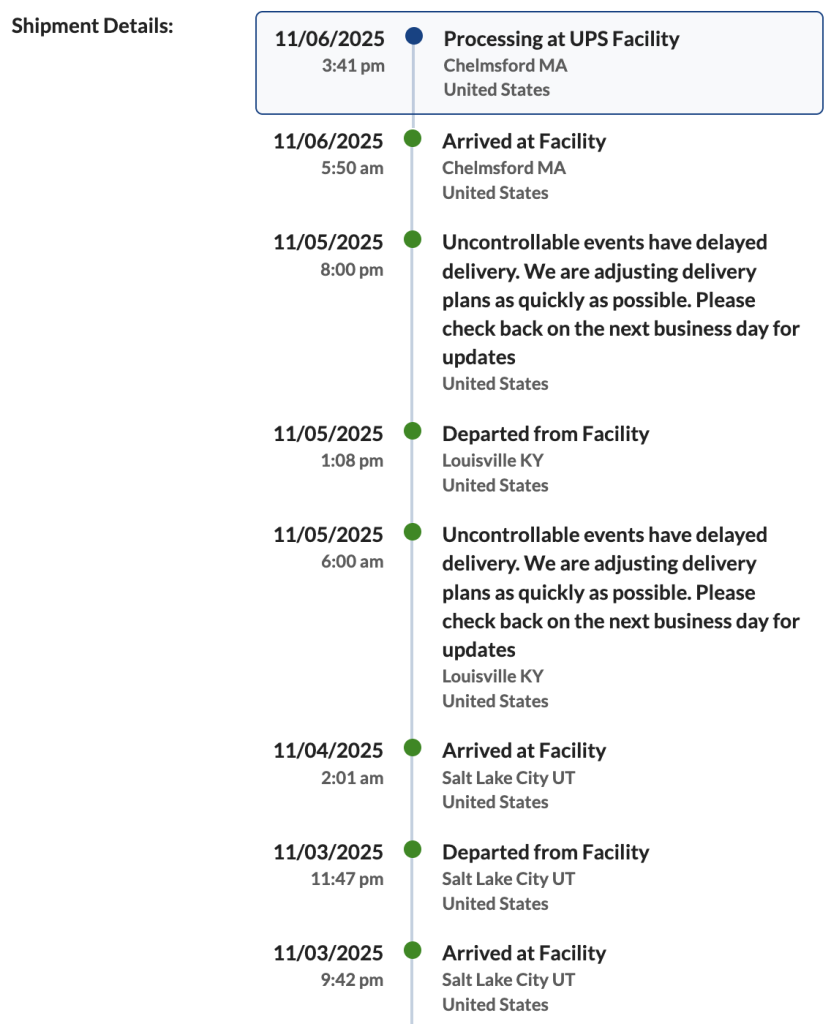
It took me a moment to connect the automated UPS delay notification I received with the tragic plane crash of flight 2976 in Louisville, KY, on November 4th. It appears that a catastrophic engine failure on takeoff caused the crash, which killed the 3 person crew, 9 people on the ground, with another 12 missing and presumed dead. My heart goes out to the families and friends of all who have been impacted by this horrific accident. I also feel guilty that a package for me was processed through the UPS Worldport facility in Louisville while workers there were grieving for their community and lost colleagues. I can only imagine how difficult it must be to return to business as usual after such a tragic event. When my package arrives, one of 22.4 million per day delivered by UPS, I hope to greet the driver and share my condolences and appreciation for the work they do.
After one year of normal use, our milk frother stopped working. Specifically, the frother spring stopped rotating even though the heating element continued to work. My first impulse was to repair the unit. When the problem became apparent, it was clear that a fix would only be temporary. The root cause of the failure was a poorly designed seal that allowed heated milk to penetrate the front bushing of the motor, where it became encrusted around the shaft. I have ordered a replacement, which employs a different design with a totally separate stainless steel vessel for the milk. The frother is magnetically coupled to the motor in the base, making the current failure mode impossible. Only time will tell how robust the new unit is.
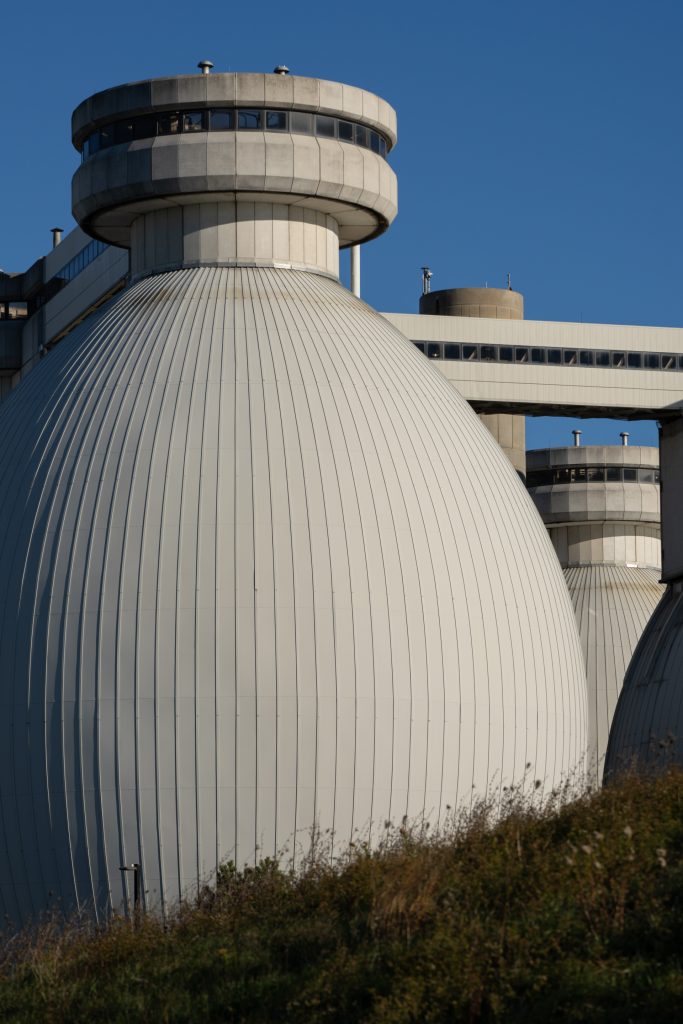
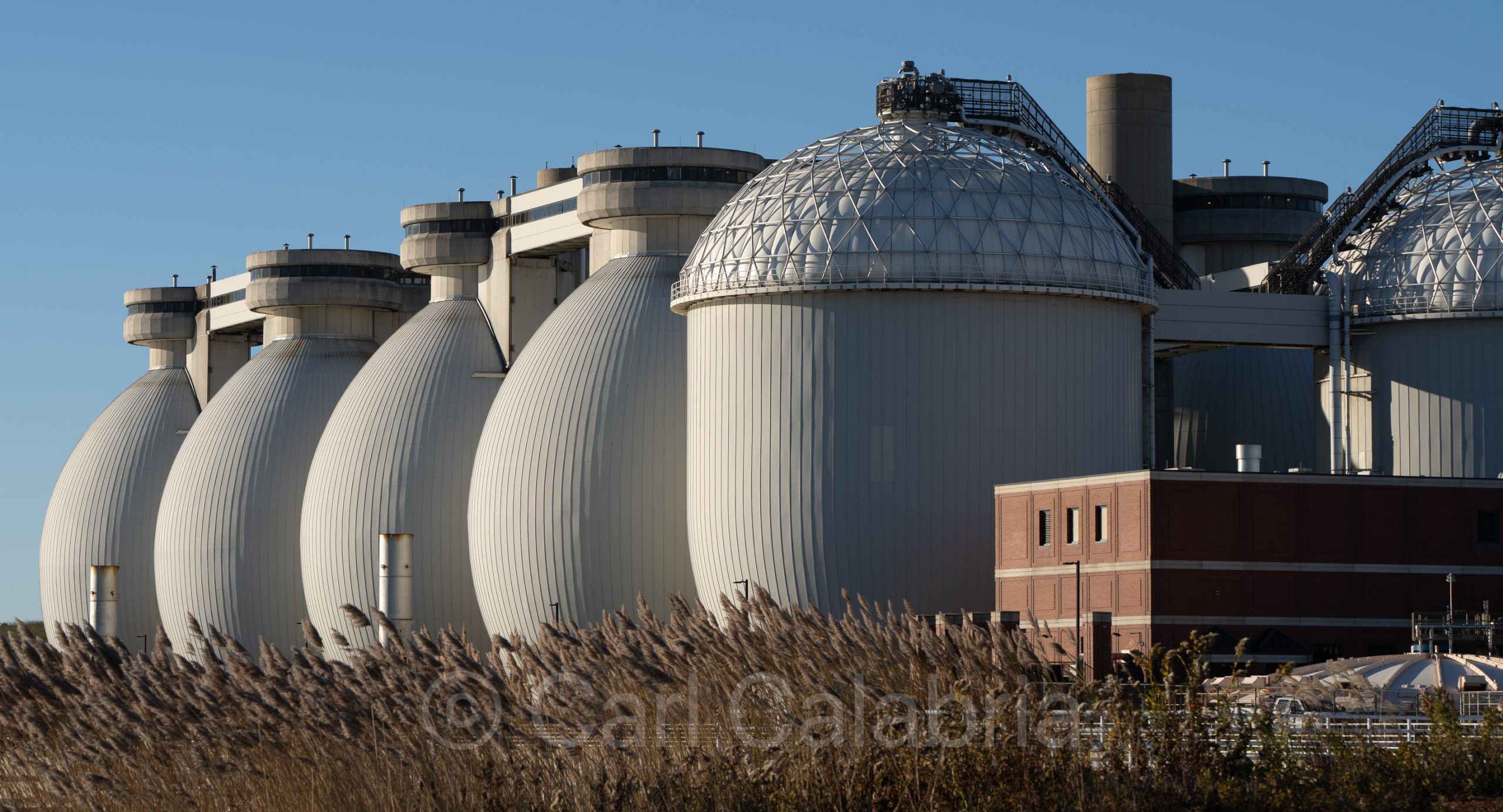
The Deer Island Wastewater Treatment Plant, located in Boston Harbor and operated by the MWRA, is one of the largest and most advanced facilities in the U.S., serving over 2 million people in 43 communities. It treats up to 1.2 billion gallons of wastewater per day—removing more than 85% of pollutants—before safely releasing cleansed water into Massachusetts Bay via a 9.5-mile outfall tunnel. The plant also generates energy from methane produced during sludge digestion, supporting on-site power needs.
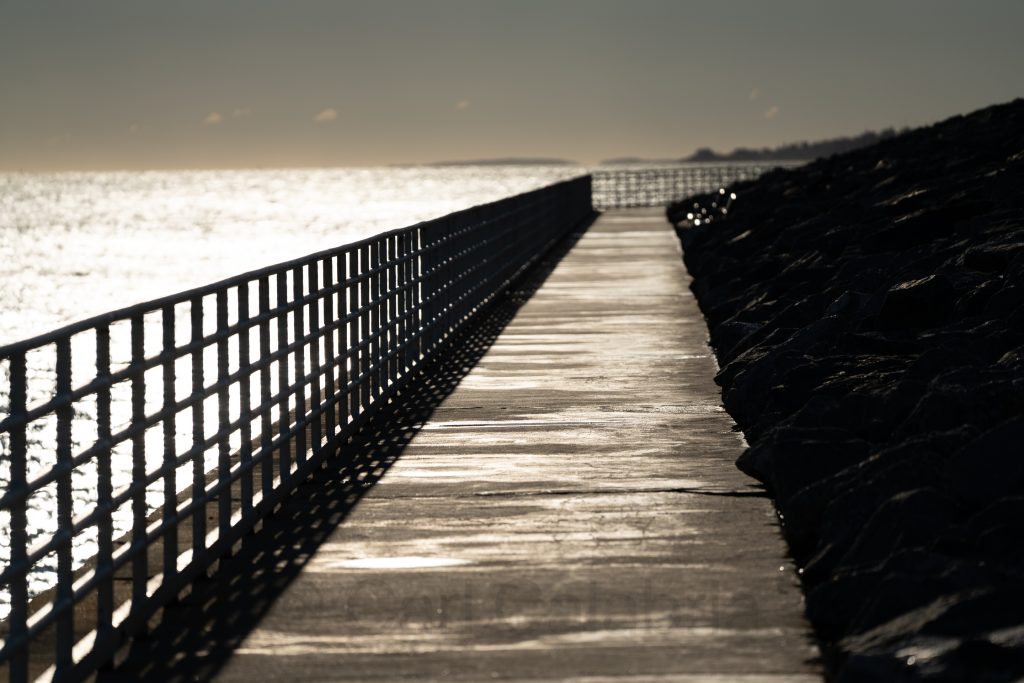
Jeanine and I completed the 2.6-mile walk around the perimeter of this island in very high winds. We did so in the early morning after dropping Marie and Rose at the airport for their return to Minnesota. In addition to being a state-of-the-art facility, it is actually quite beautiful from an architectural perspective.
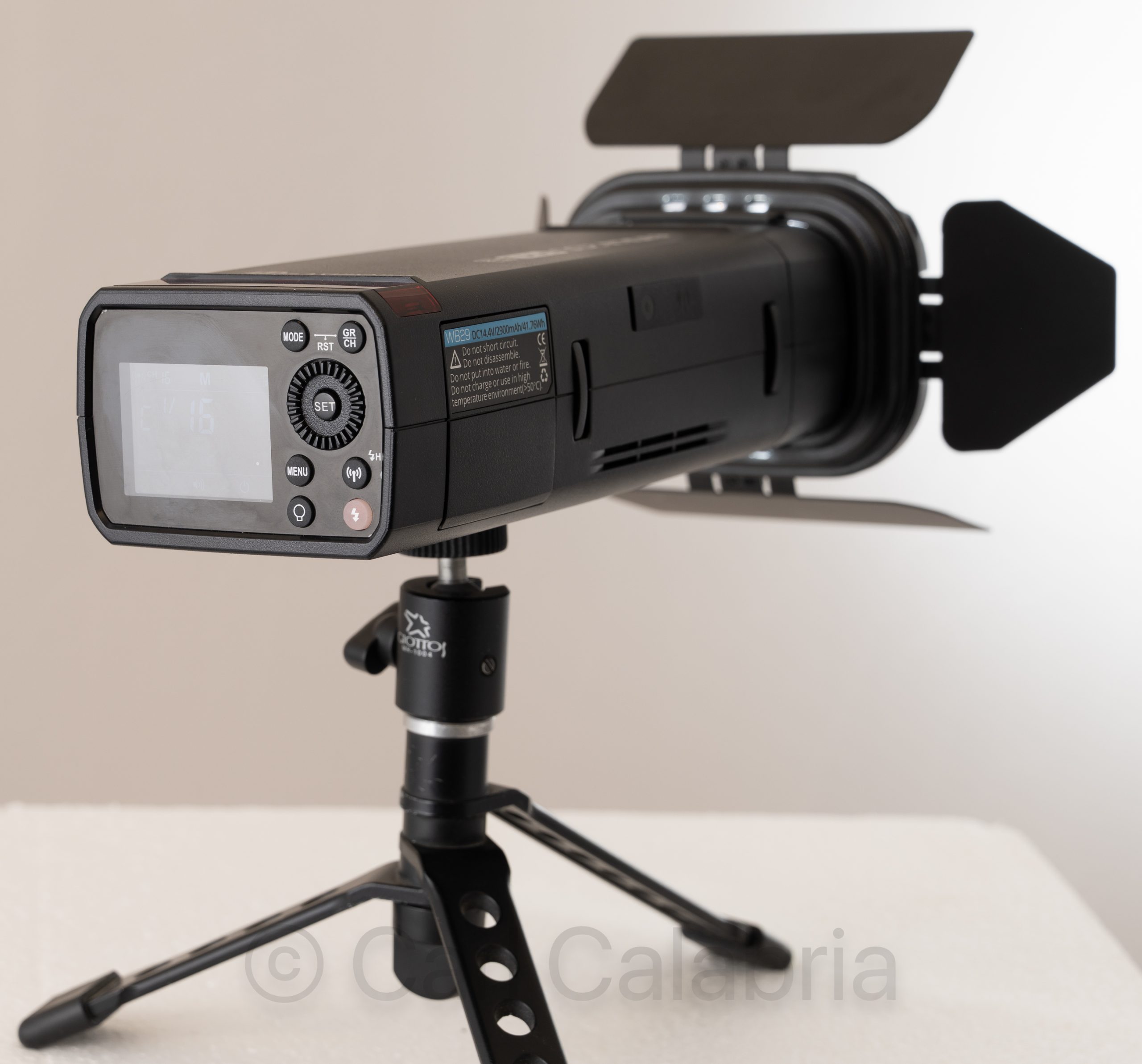
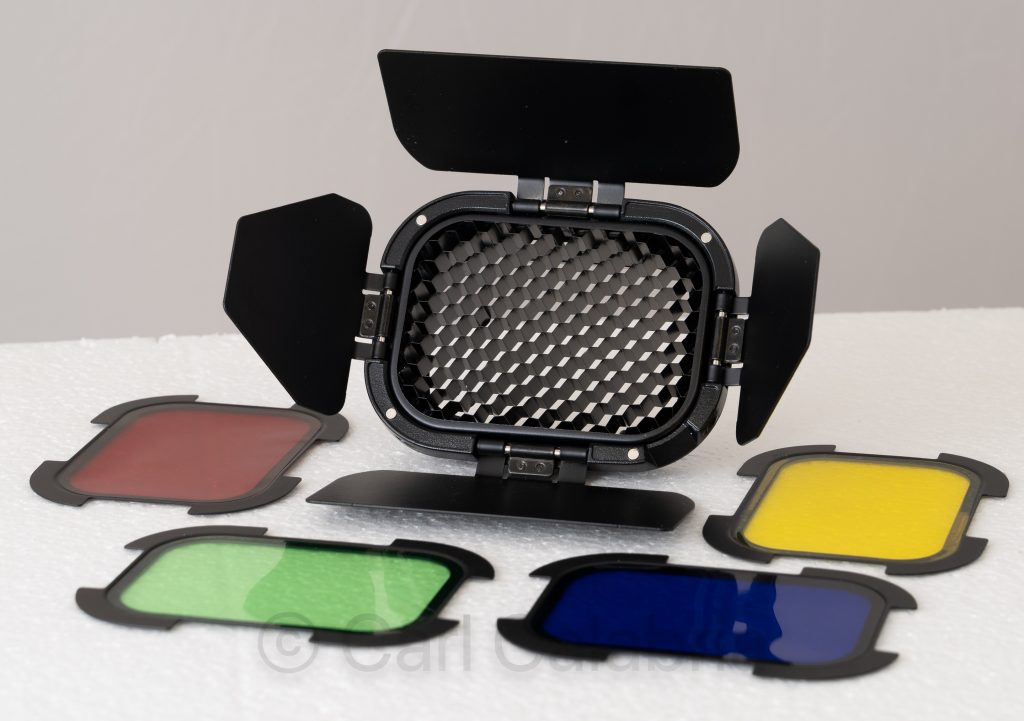
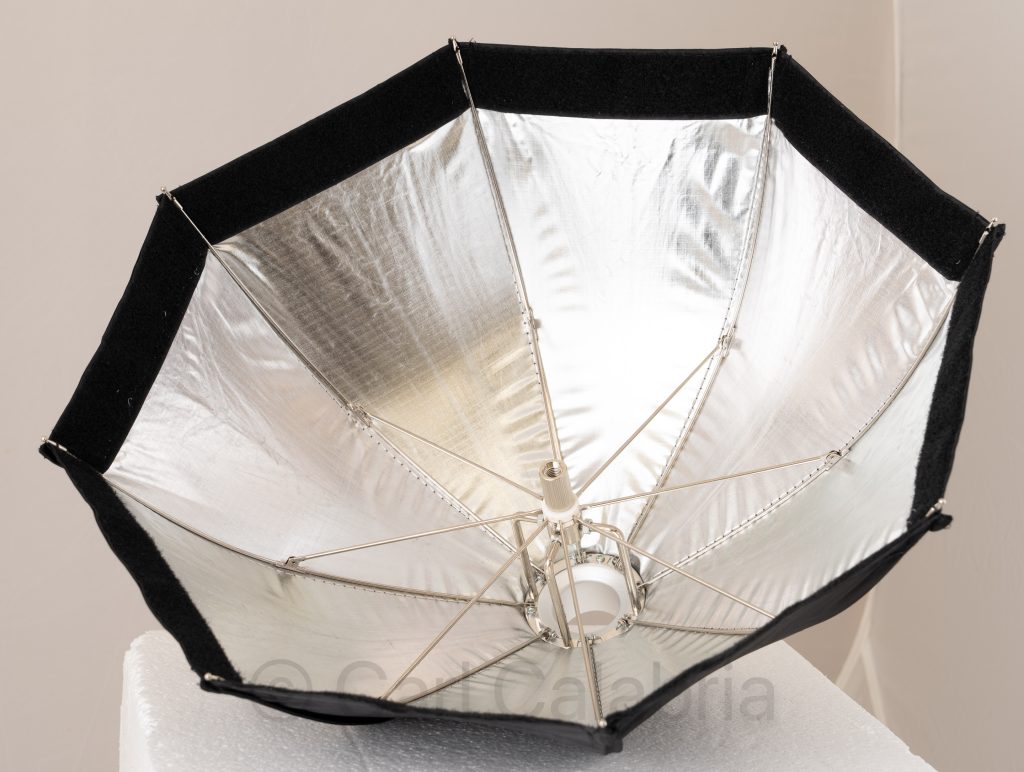
I just purchased a new, more powerful flash for my camera, which triggered a rethinking of my portable lighting kit. As a result, I posted several strobes and lighting accessories for sale this afternoon. My rule for camera gear and computers, and tools in general is that nothing collects dust. If I upgrade or add to my kit, then I take a hard look at what is replaced and what can be sold.
My sister-in-law, Marie, and my niece, Rose, are staying with us for the weekend while doing college visits in the area. After discovering Nico’s synthesizer in the basement, we were treated to a lovely concert. The acoustics in the house are such that her singing could be heard throughout. I managed to make the brief recording featured above.
I left the house early for my soccer match, while Jeanine, Marie, and Rose drove into Boston to have brunch with Maya and do some sightseeing. My team faced Medfield, our toughest opponent in the league, and had to settle for a scoreless tie, which was good enough to earn us a first-place finish for the season and qualify us for the playoffs with home-field advantage.
Kyle shared this photo, taken in Miami with friends from high school who are there to attend the multi-day wedding of their classmate Dave Lishanski. His bride’s family is from India, where celebrations involve vibrant attire, extensive food, music, and dance, with specific ceremonies varying by region and religion.
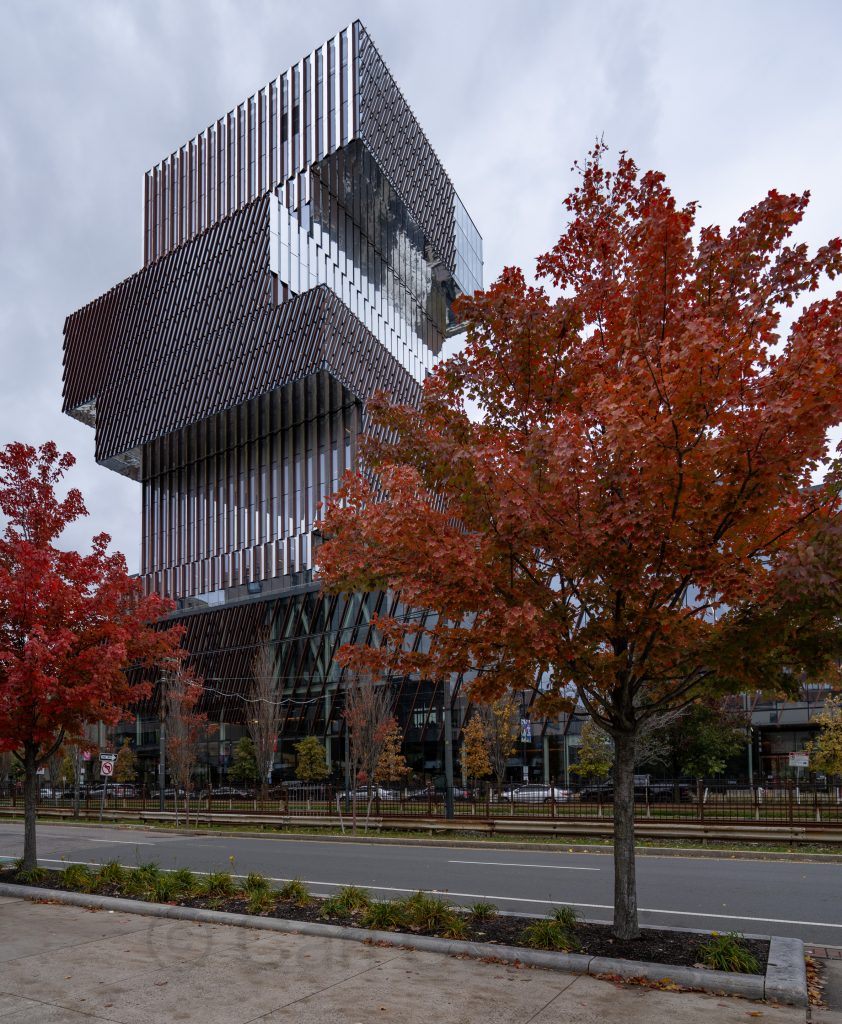
The Boston University Pumpkin Drop is an annual Halloween tradition hosted by the physics department, where dozens of pumpkins are hurled from the roof of the Metcalf Science Center. The event serves as a festive, messy lesson in physics concepts, including gravitation, velocity, and energy transition, as the pumpkins filled with various gooey substances fall 70 feet to the plaza below. When I heard about this event on the radio this morning, I decided I had to drive into Boston to witness it for myself. While in the area, I enjoyed photographing the Center for Computing & Data Sciences, also known by the nickname “the Jenga building” due to its unique stack-of-books architectural design.
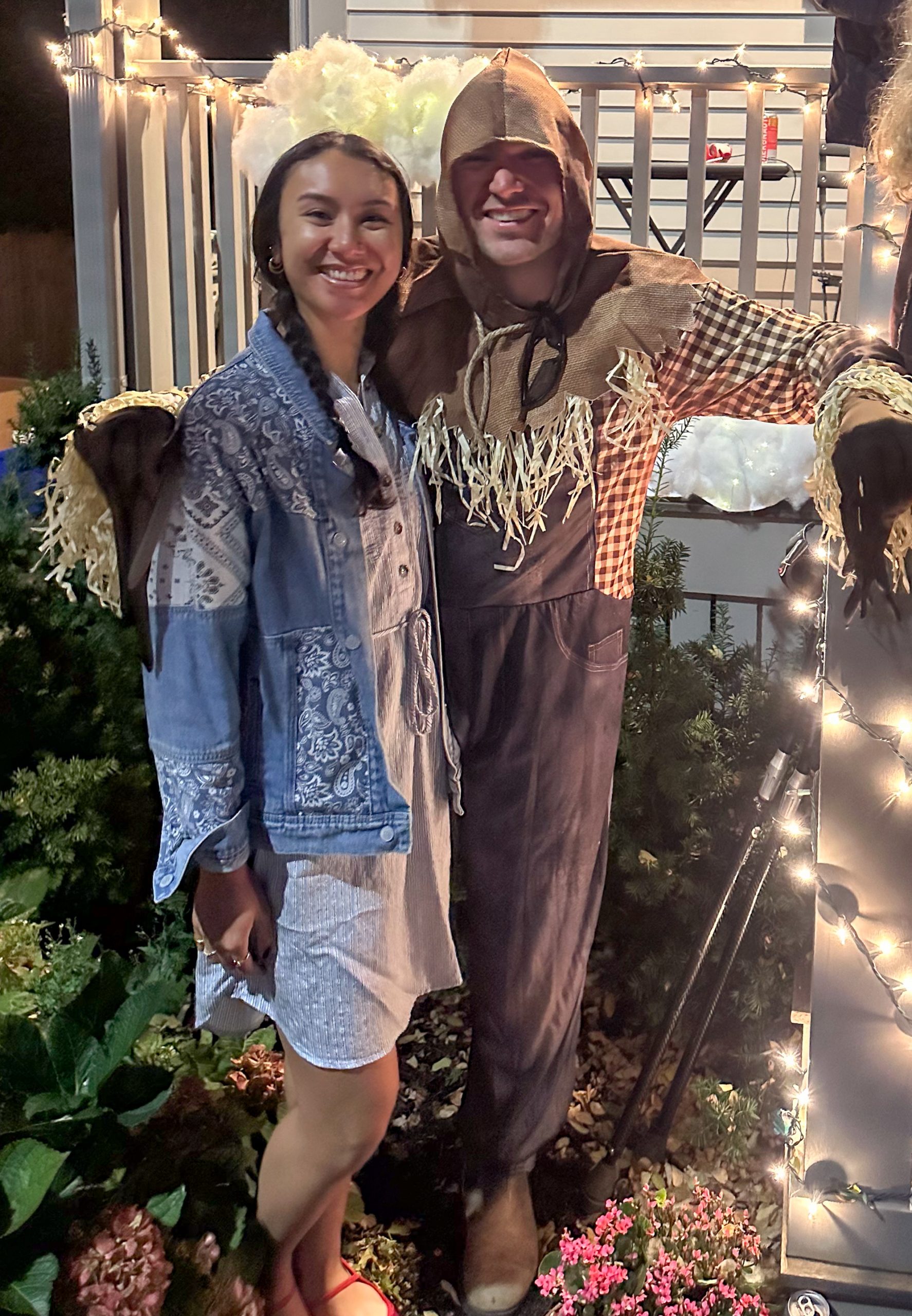
In the evening, Jeanine and I attended the Conantum Haunted Woods celebration (photo album here) before attending an adult party with neighbors.
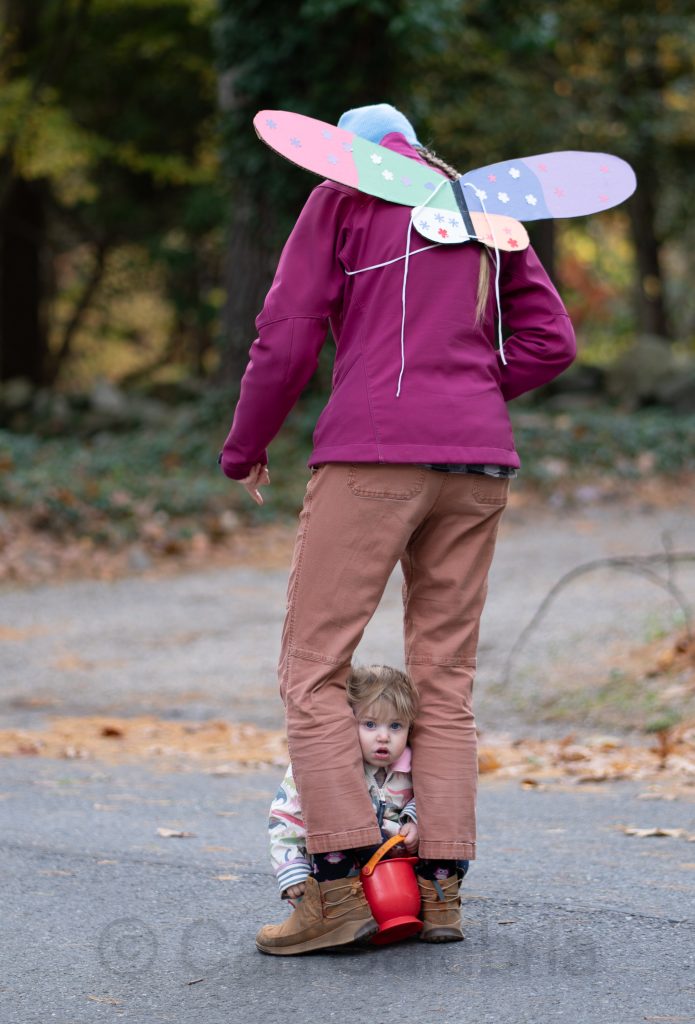
Kyle is on his way to Miami to attend a wedding, while Maya and Nico enjoyed the holiday with friends. Maya’s costume did not arrive in time, so she had to improvise.
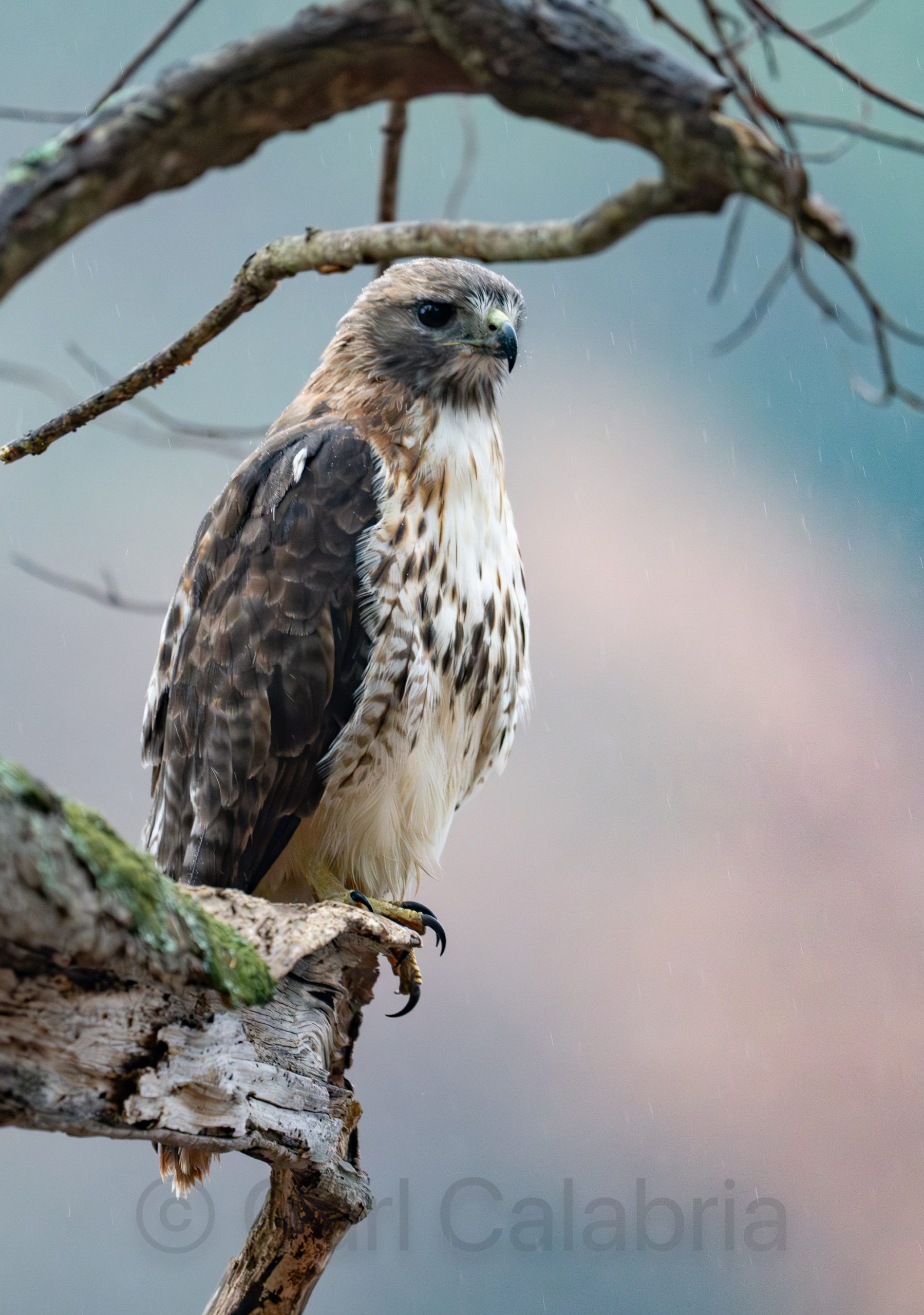
I spotted this red-tailed hawk as it took up a surveillance post above the river in our backyard. I suspect it is a male which are somewhat smaller than the females. Unsurprisingly, the squirrel and chipmunk activity in the yard came to an abrupt halt when it arrived. One look at those talons and you know this bird means business, although I have yet to see one actually catch something.
The combination of wind and rain we are experiencing today is bringing down much of the remaining leaves in droves. It is feeling very much like the end of autumn and time to order more bamboo plywood for the winter projects I have planned: a desk, drawers, and bookshelf for Jeanine’s office, and a new bed with nightstands and shelving for our bedroom.
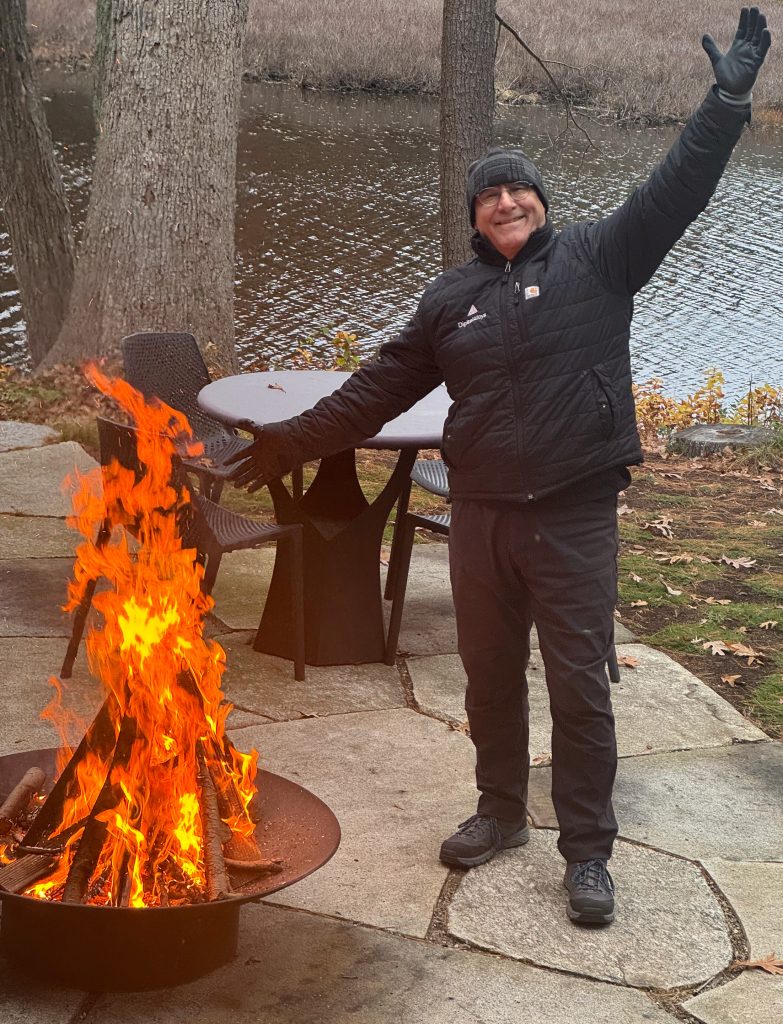
Jeanine hosted her Buddhist Sangha this morning and asked if I would make a fire so the group could meet outdoors. I was happy to oblige. With the right combination of kindling, dry wood, and an industrial-sized propane torch, I produced the pictured fire in under four minutes. Later, I added a couple of full-size logs, which provided warmth that lasted for the one-hour duration of the gathering.
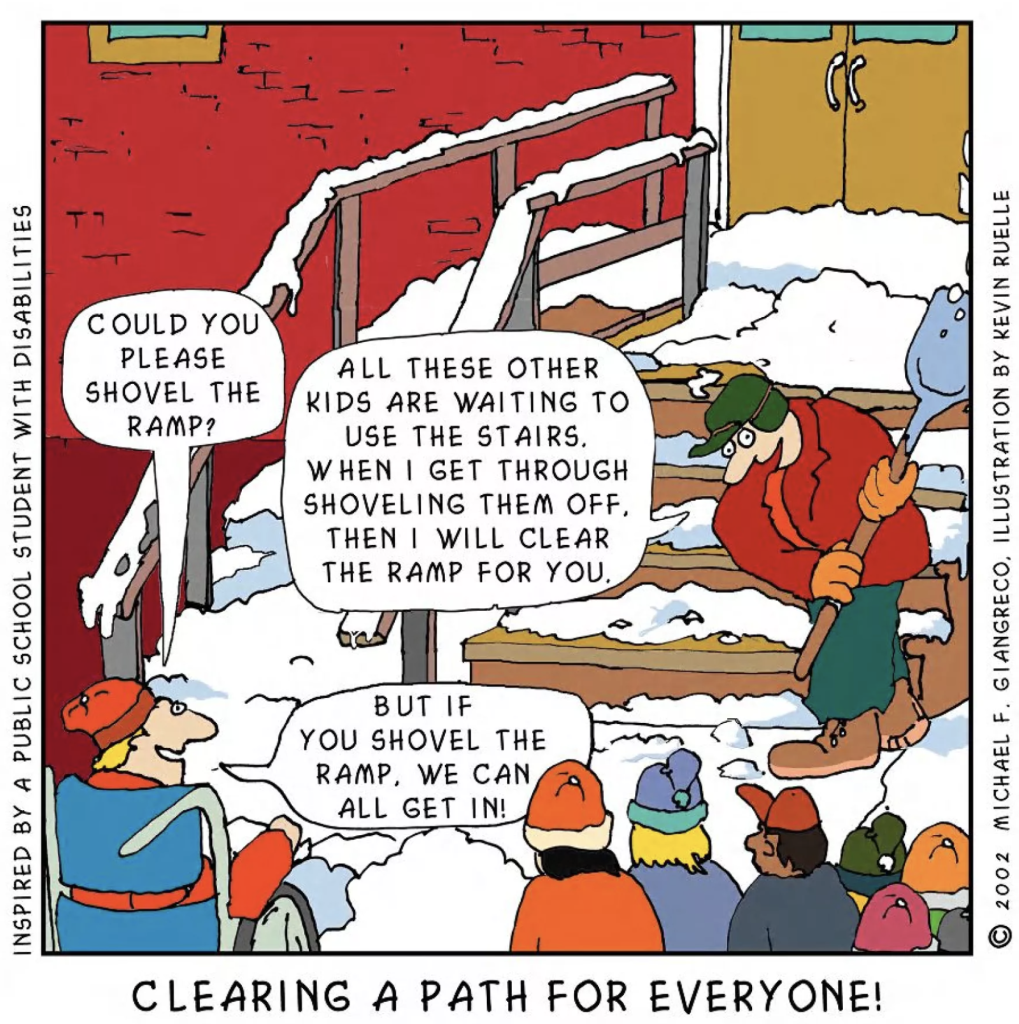
Last week at the Bionic Project Fundraiser, Will Border, the president and co-Founder, included the cartoon above in his presentation. It had such a powerful impact on me that I wanted to learn more about its creator.
Michael Giangreco, a University of Vermont education professor in the special education program, has written more than 300 comics lampooning the bureaucracy, absurdity, and challenges he saw in the implementation of special education. The strips were collected in three volumes, all subtitled Absurdities and Realities of Special Education. In the early 1990s, when he was making presentations of his research, he often used humor to make his point by including cartoons such as those of Gary Larson’s Far Side. It was difficult, however, to find cartoons that were specifically on point, so he eventually started writing his own. Because he was not very good at drawing, he enlisted the help of his friend and Burlington, VT fine artist Kevin Ruelle. The two have been collaborators ever since.
It is these gentlemen we have to thank for this poignant and thought-provoking image.
When my perspective on an issue is changed in an instant, I call that a 2×4 moment, as in being whacked in the head by a heavy bit of lumber.
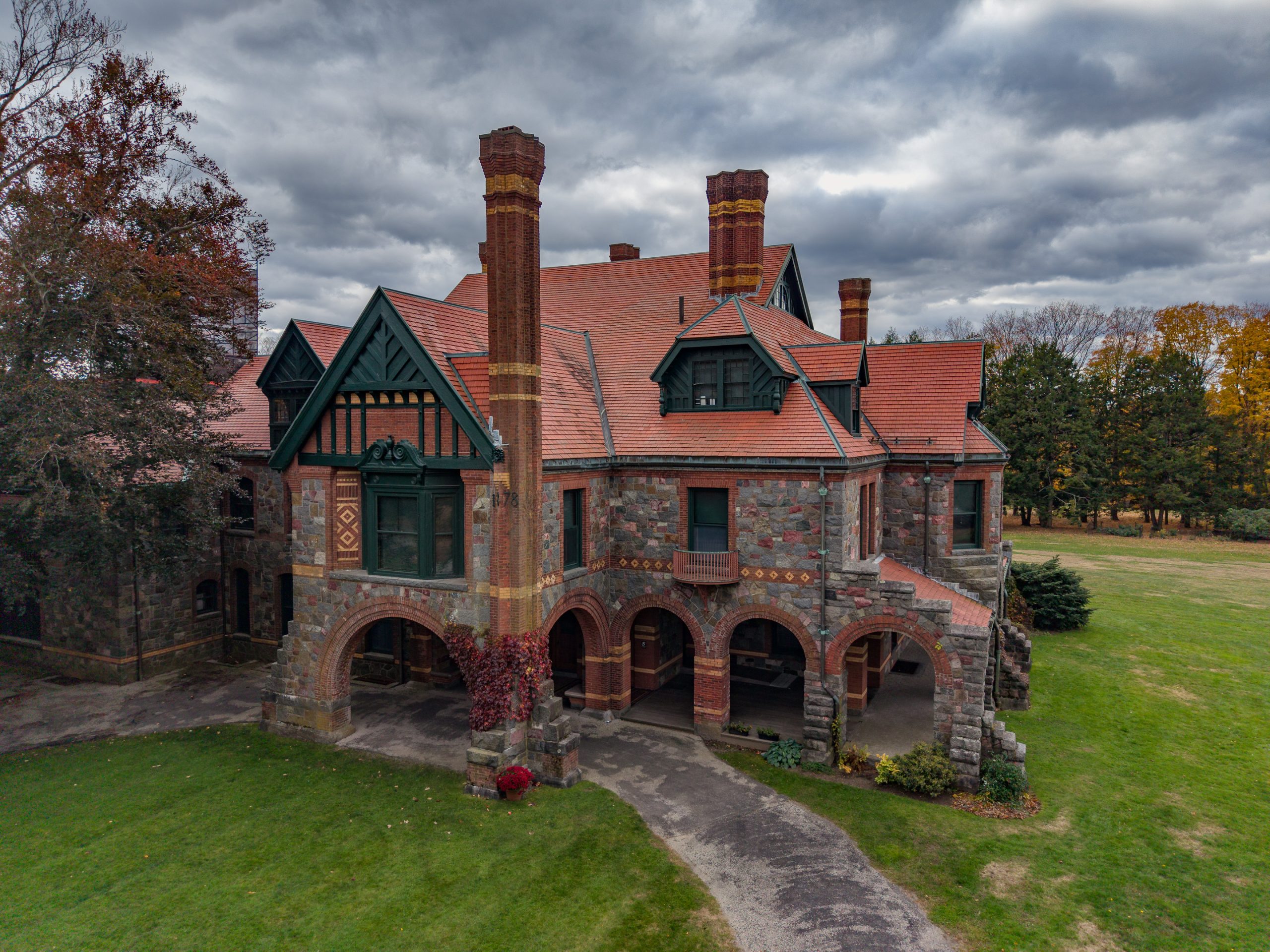
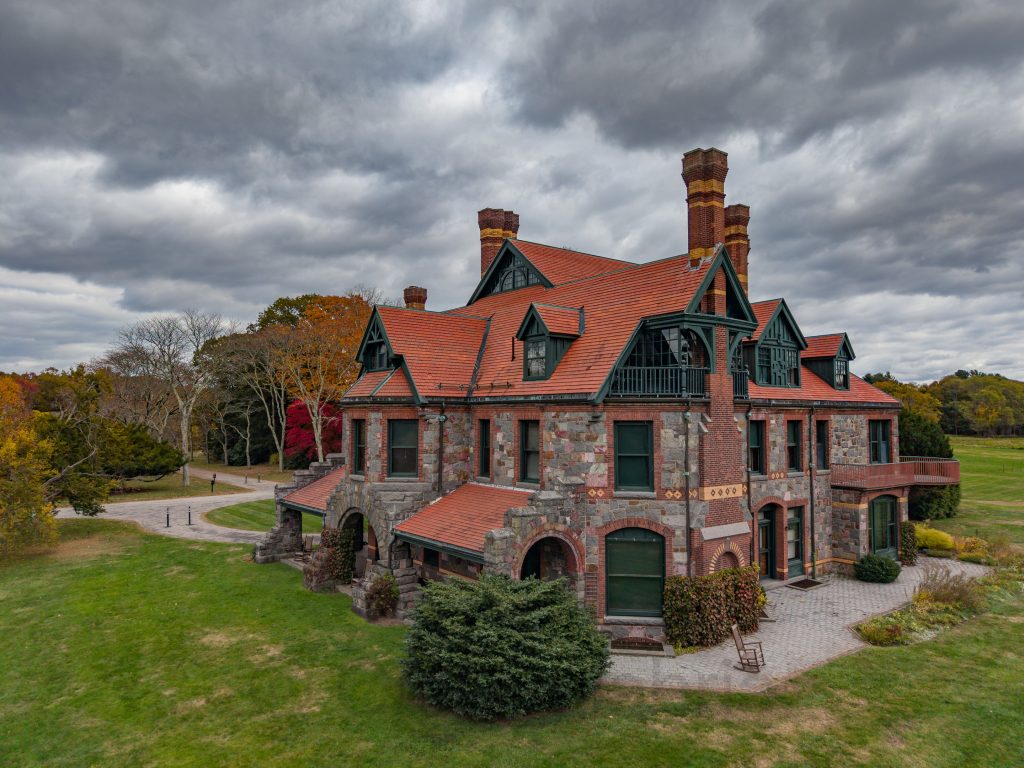
The Eustis Estate is a historic family estate located in Milton, Massachusetts. Its centerpiece is a large, three-story mansion built in 1878 and designed by the prominent architect William Ralph Emerson in an eclectic Late Victorian style. The mansion features local stone construction with red and yellow brick accents, a red tile roof, Romanesque arches on its porte-cochere, and six chimneys with decorative brickwork. The estate covers 110 acres with forests, ponds, gardens, orchards, and several outbuildings, including a gatehouse, stables, greenhouses, and barns, reflecting a self-sustaining property with its own water and ice supply and even electricity generated in later years. The estate was developed by William Ellery Channing Eustis, a Harvard-educated engineer who owned mines and smelting companies, and his wife Edith Hemenway, who inherited the land from her mother. The estate remained in the Eustis family until 2012, when it was sold to Historic New England, which now operates it as a museum.
I decided to visit the mansion while driving ahead of schedule to an appointment with my urologist, whose practice is in Milton. There, I learned after an ultrasound that I have a 3mm kidney stone in each of my kidneys and “multiple” bladder stones with the largest being 8mm. The latter are ticking time bombs. 7mm is generally considered the largest size stone that can be passed without potentially getting stuck. Should one become lodged in the urethra, it is considered a medical emergency and needs to be treated immediately to prevent permanent kidney damage, among even less desirable outcomes. With my luck, this will happen while I am in Antarctica or on the Bolivian altiplano. With this in mind, I will have surgery to remove the bladder stones and during the same procedure address the root cause, an enlarged prostate (68 grams compared to the normal size of 25 grams). I am still evaluating the various surgical options and will try to schedule around my soccer season and travel plans. Fun!
This website is dedicated to sharing, with family and friends, the day-to-day adventures of the Calabria family.