Category Archives: –

The Chester Beatty

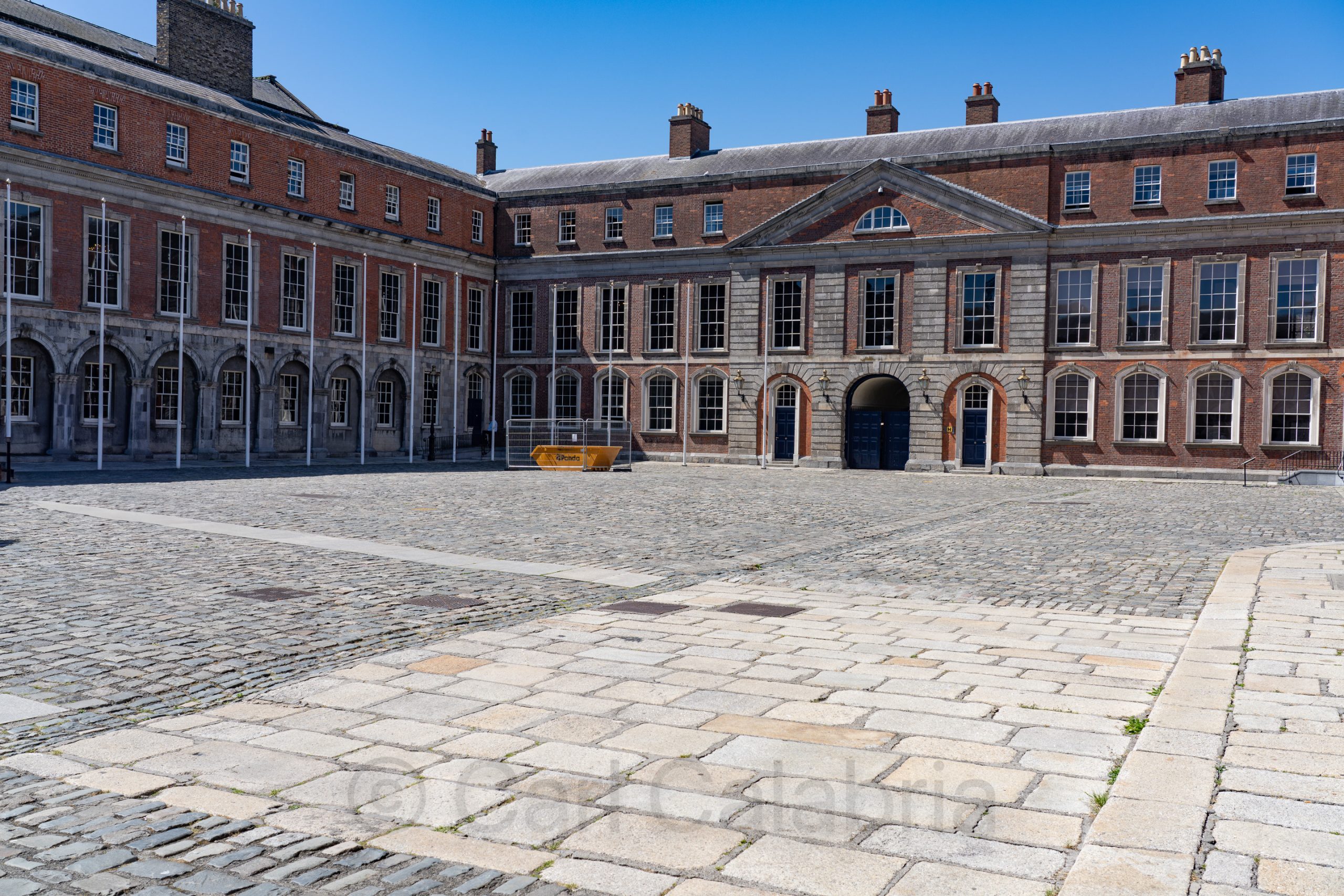
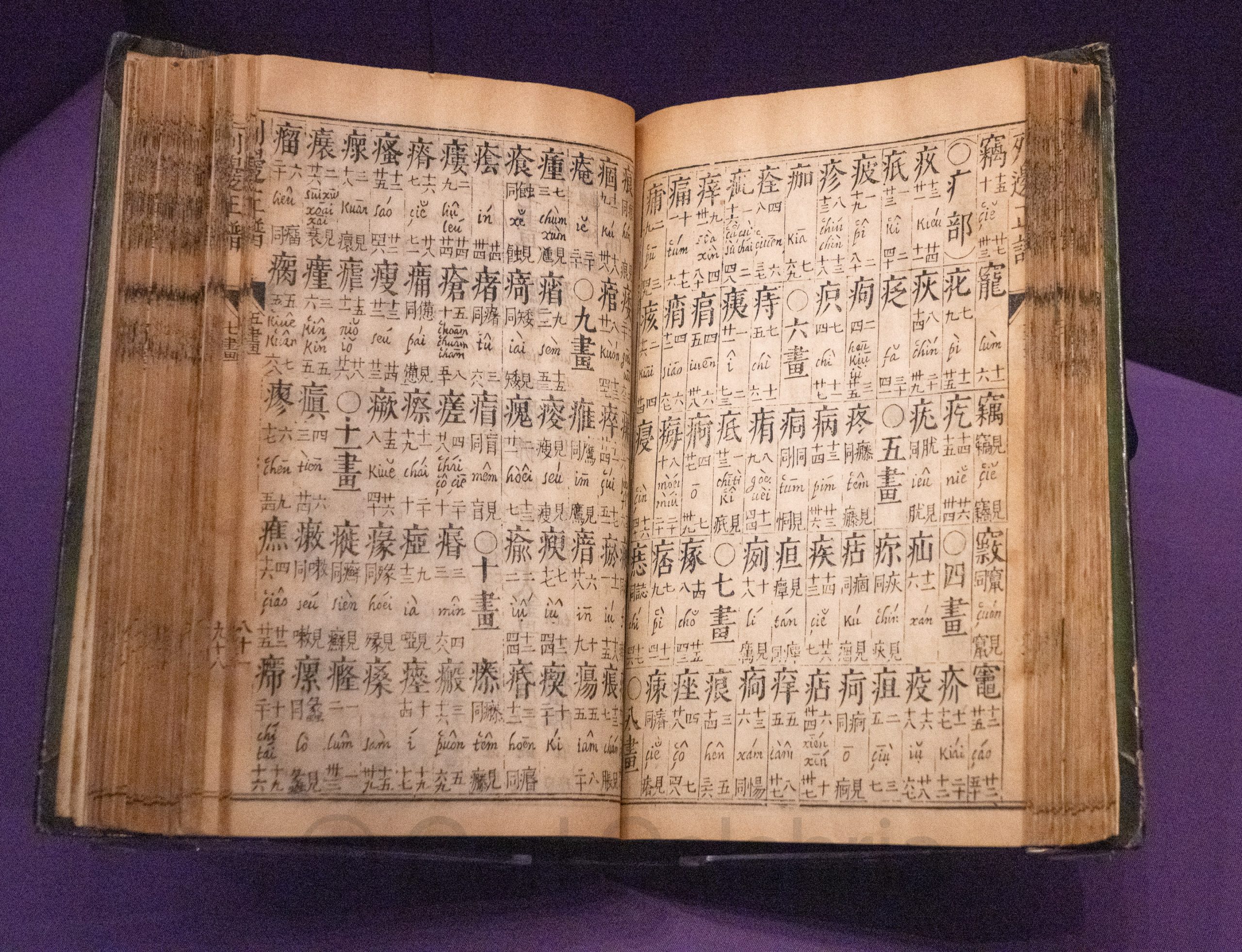
The Chester Beatty, also known as the Chester Beatty Library, is Ireland’s leading museum of world cultures located within the grounds of Dublin Castle. It was established in 1953 to house the collections of Sir Alfred Chester Beatty, an American mining magnate and collector. The museum holds an extraordinary collection of approximately 25,000 manuscripts, rare books, miniature paintings, and decorative objects from Europe, the Middle East, Asia, and North Africa, covering a range of world cultures and religions. The Chester Beatty is acclaimed for its diverse exhibitions, including significant religious manuscripts such as early Bible copies, Qur’an, Buddhist scriptures, and the Gospel of Mani.

It was our primary destination today and lived up to its reputation as one of Europe’s best museums. I learned more about the religions of the world in one day than I have during my lifetime.

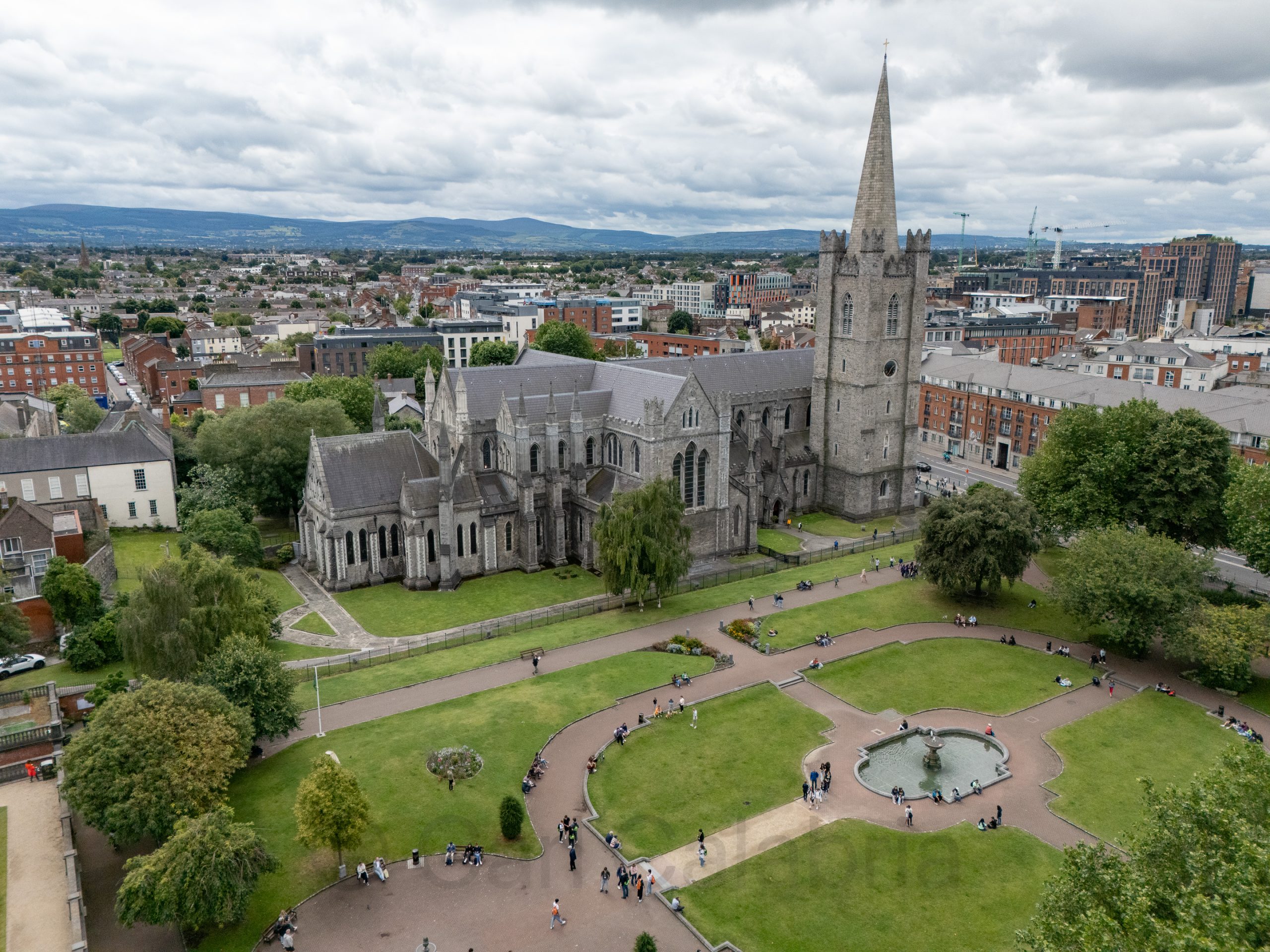
Afterwards, and in between ice cream breaks, we visited the nearby St. Patrick’s Cathedral, the largest church in Ireland and a prime example of Gothic architecture. Its history stretches back over 800 years, built primarily between 1220 and 1260 under Archbishop John Comyn, on a site believed to be where St. Patrick himself baptized converts in the 5th century. The cathedral was constructed in a cruciform (cross-shaped) layout typical of Gothic design, featuring pointed arches, ribbed vaults, flying buttresses, and an elaborate 140-foot tall bell tower.
Pictured below is a random self-portrait I made. Jeanine studied this photo for several minutes and could not figure out what exactly she was looking at. See if you can figure it out.
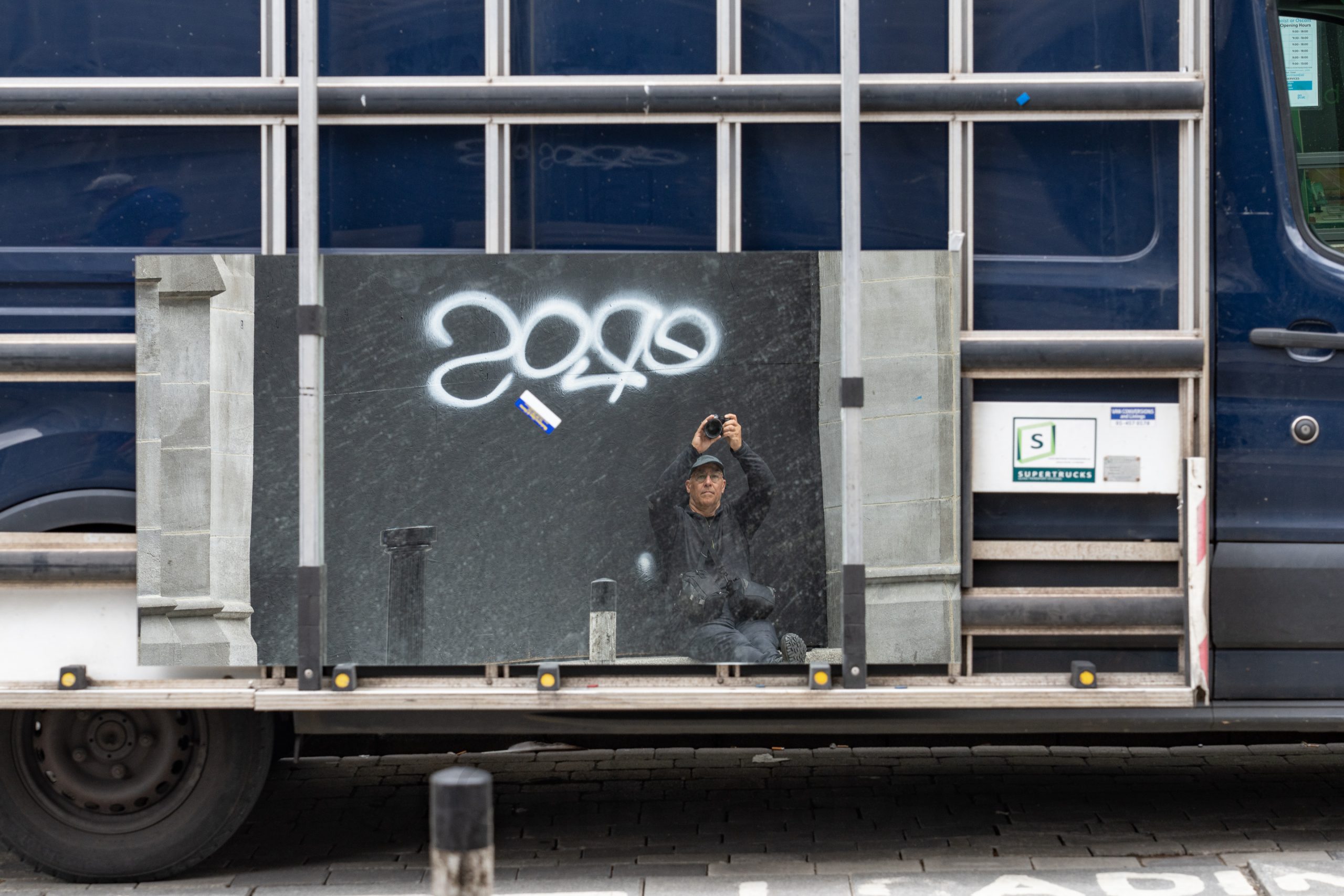
UPDATE: In response to many inquiries about this photo, I am adding the explanation. I was seated on some stone steps in front of a boarded-up entry to an old stone-faced building. I photographed my reflection in a mirror being transported on a panel truck. The graffiti is on the plywood I am leaning against. The rectangular sticker below the graffiti is on the mirror. I am holding the camera above my head to get an angle that makes it look like I am sitting at the bottom of the mirror.
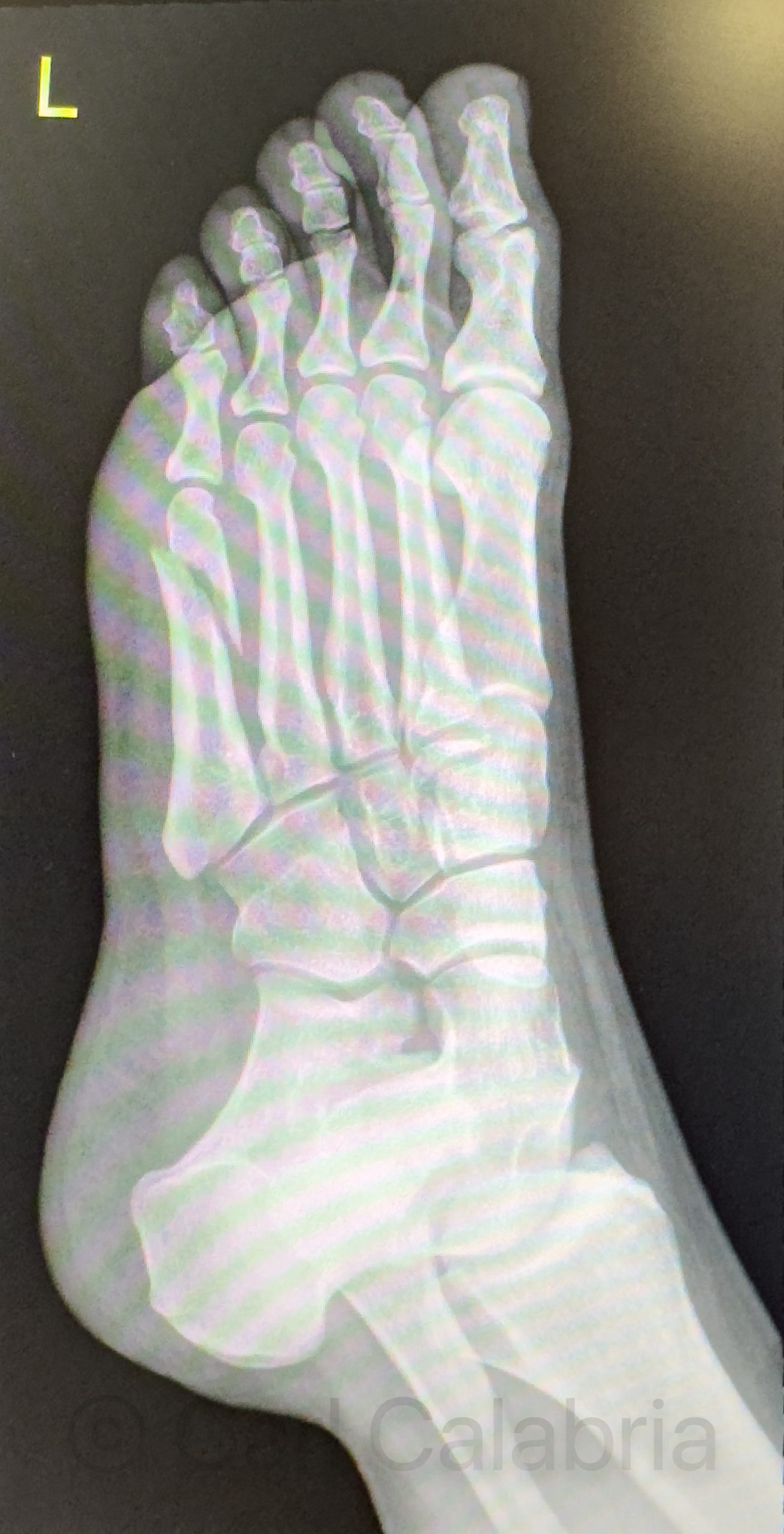
Broken Metatarsal

Shortly after we left the wedding reception last night, Maya broke the fifth metatarsal in her left foot while dancing. She was attempting a split leap when one of her feet got caught on her dress, causing her to land on the side of her foot with all her weight. She contacted us this morning to say that she was in a lot of pain and that she thought she might have broken a bone. Her siblings were quick to her aid while Jeanine and I drove over to their apartment from our hotel. Kyle scheduled an appointment at a local outpatient clinic to get her a referral for an x-ray. Nico found a medical supply house where we obtained a pair of forearm crutches. An x-ray at the hospital confirmed that she had a full fracture of her fifth metatarsal. The doctor said the bone will fully heal in 18 months. For now she will have to wear a boot for several months and avoid bearing her full weight on the foot. Regrettably, Maya was planning to spend the remainder of her vacation hiking in Norway with friends.

Brooke & Mario

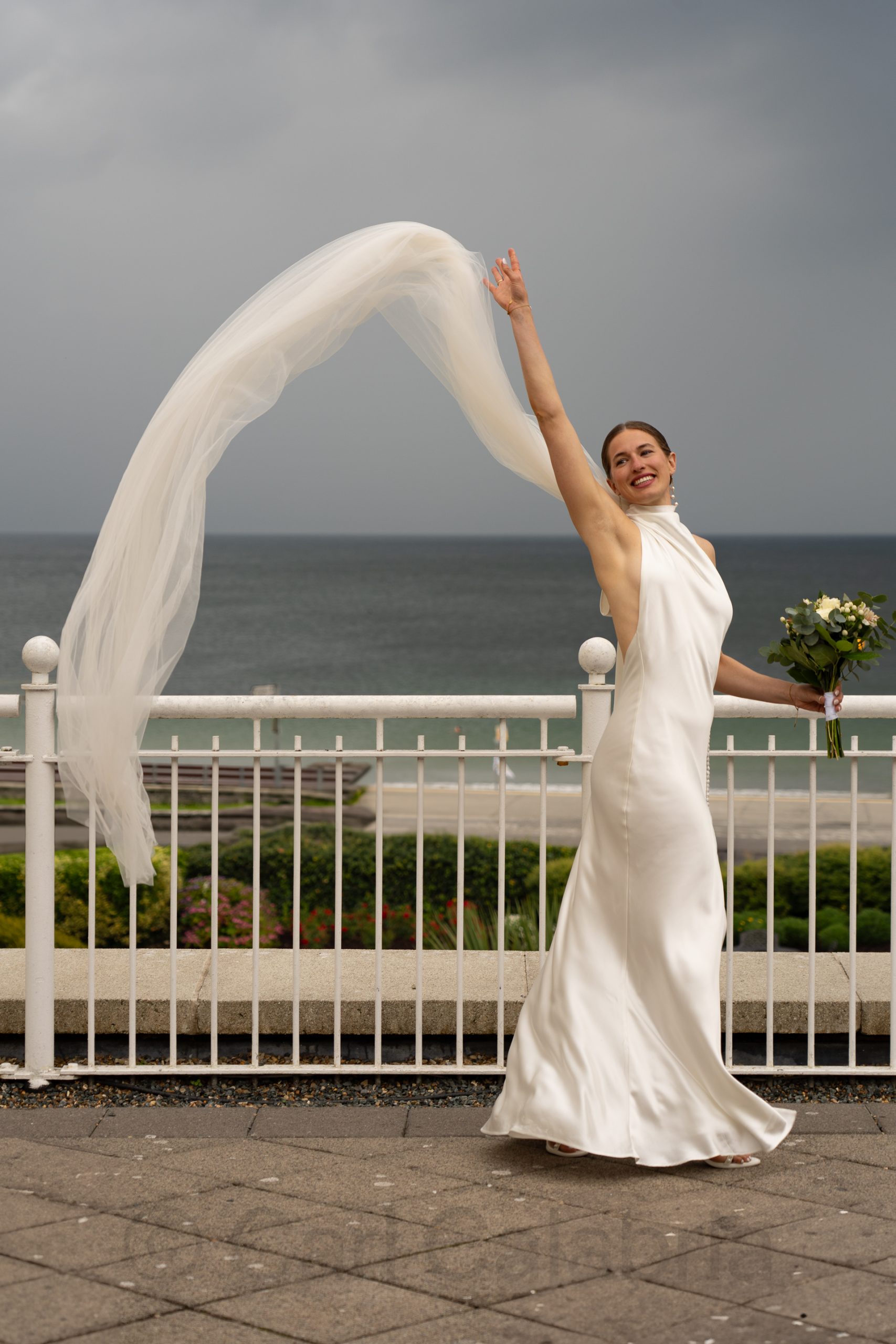
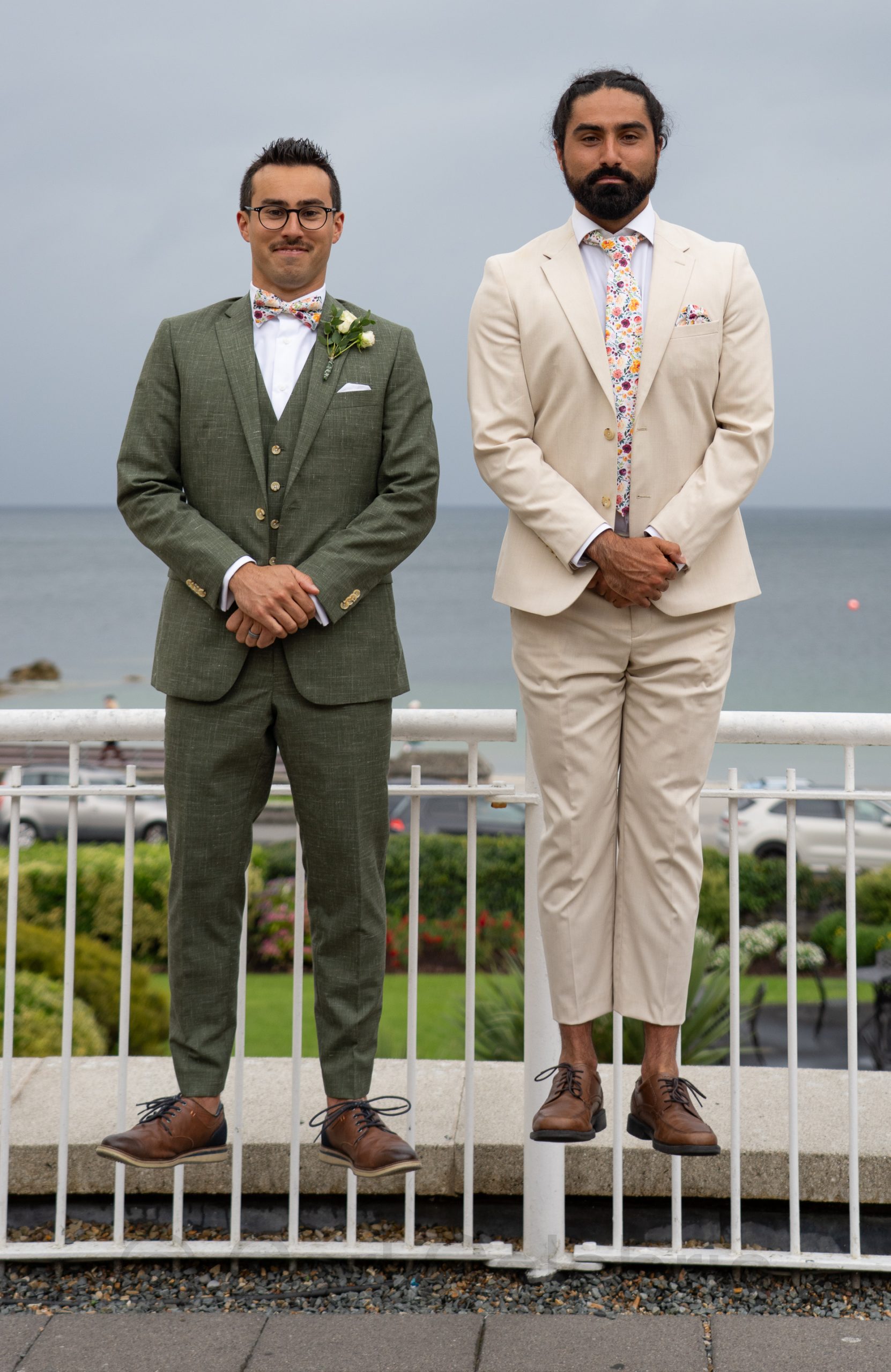
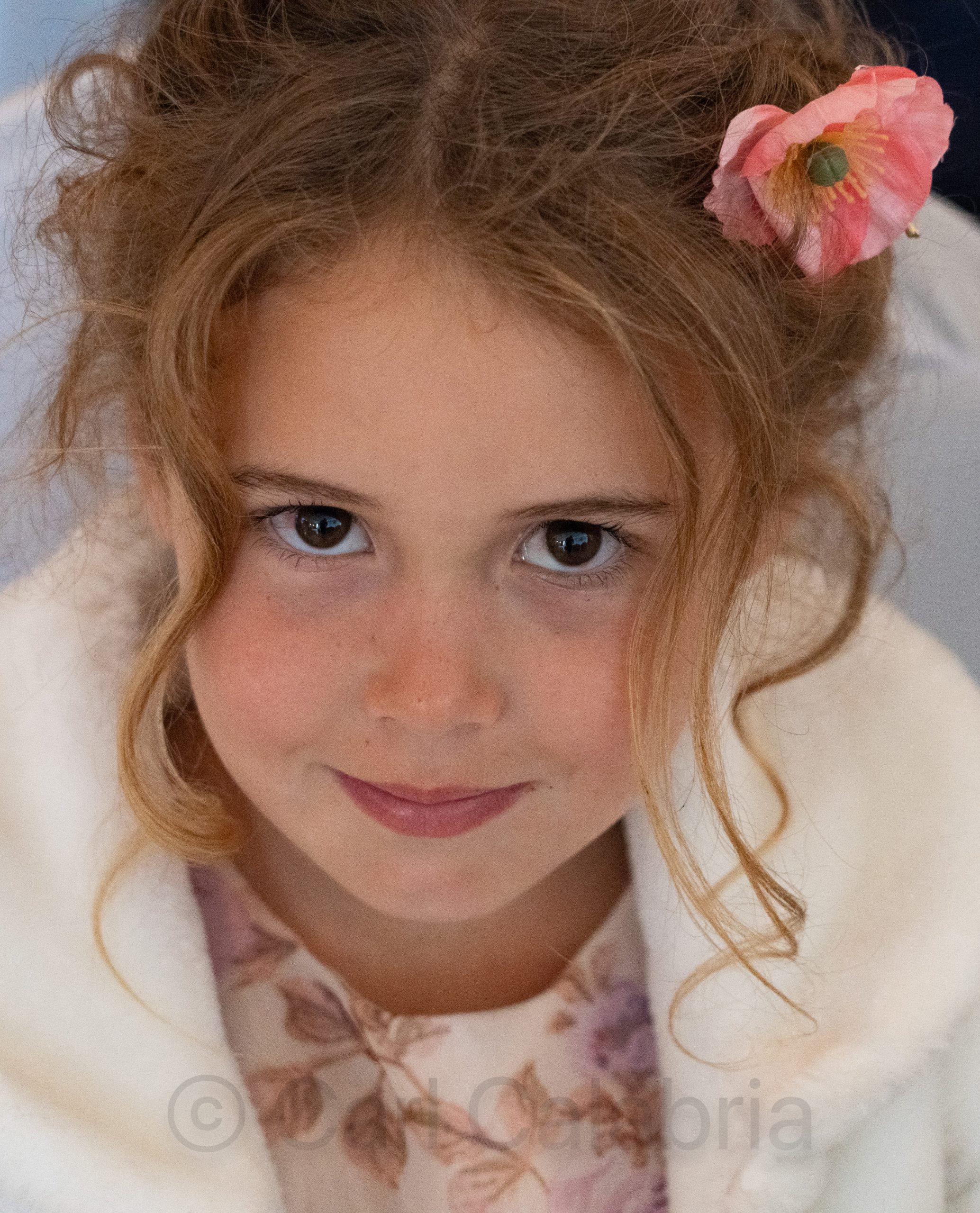
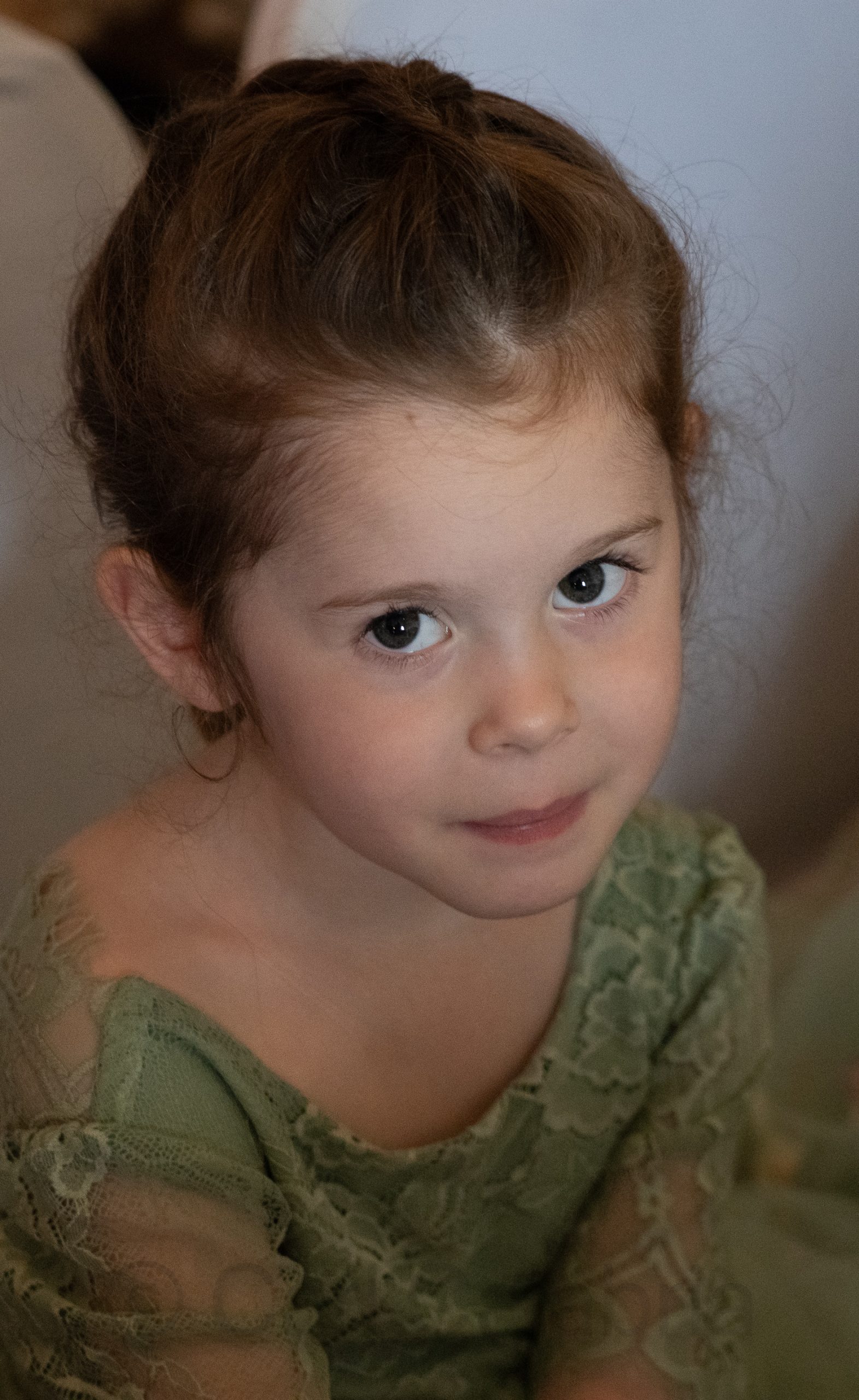
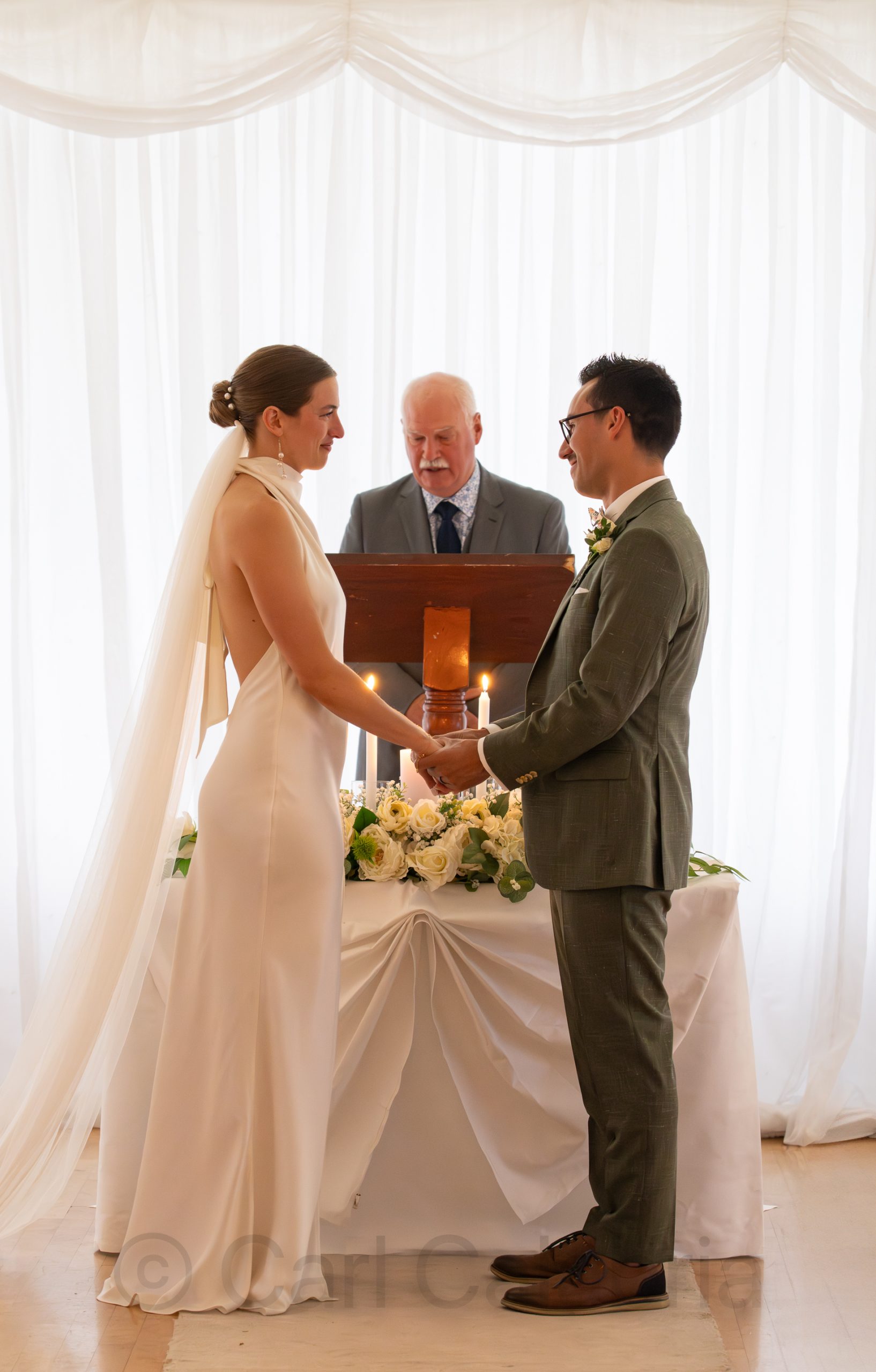
My nephew Mario and Brooke celebrated their marriage with family and friends this afternoon. Brooke’s father officiated the ceremony, and Mario’s brother, Rory, served as the Master of Ceremonies. The event was as playful as it was poignant, a perfect reflection of the couple. Our family was honored to share in the celebration. I took many photos but made sure not to interfere with the professional hired for the occasion. Knowing she would cover all the “standard” shots, I focused on the guests, especially the smaller ones, and some unique takes on the couple.

The full set of photos I have taken during the wedding weekend can be found here.

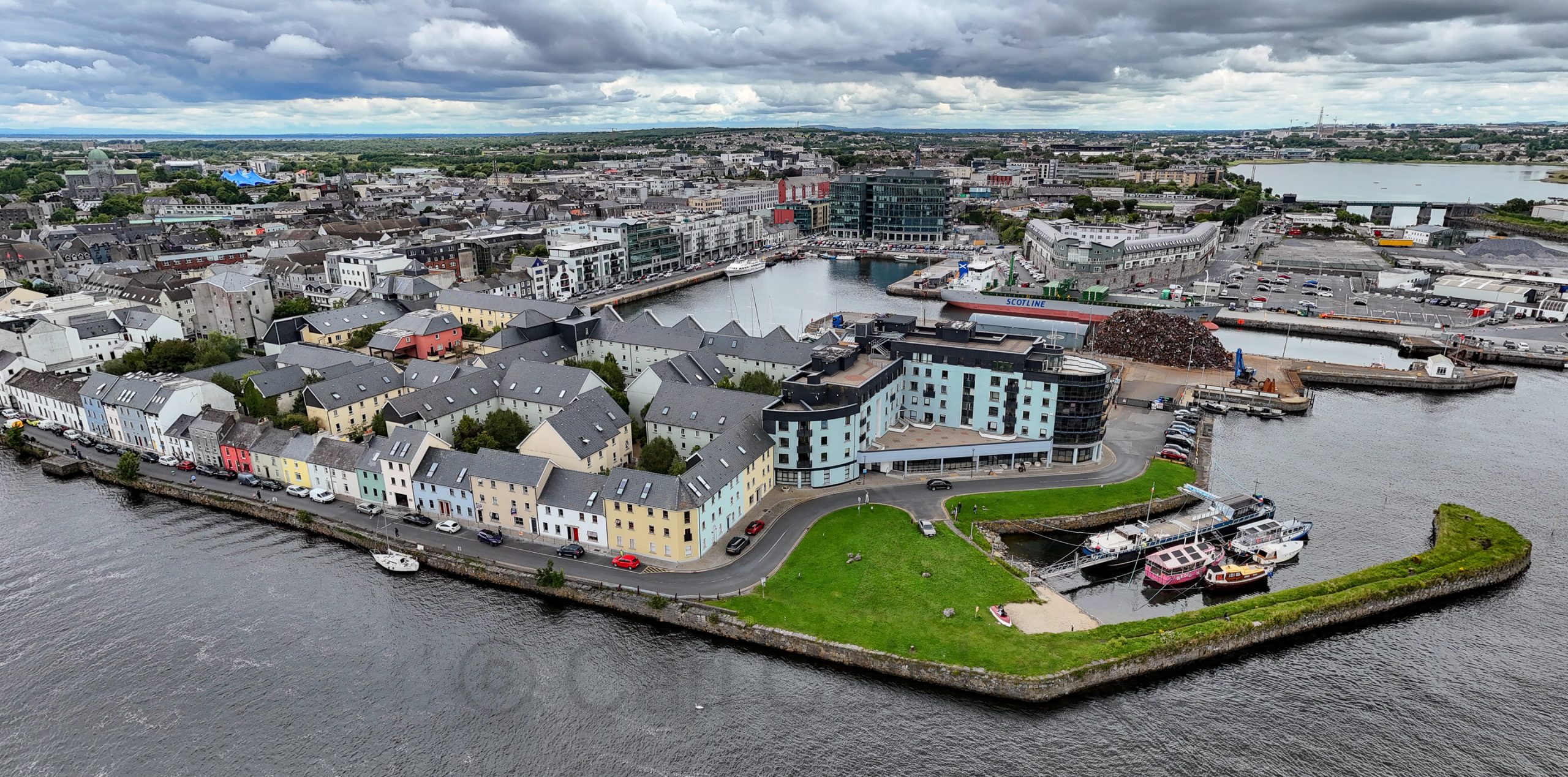
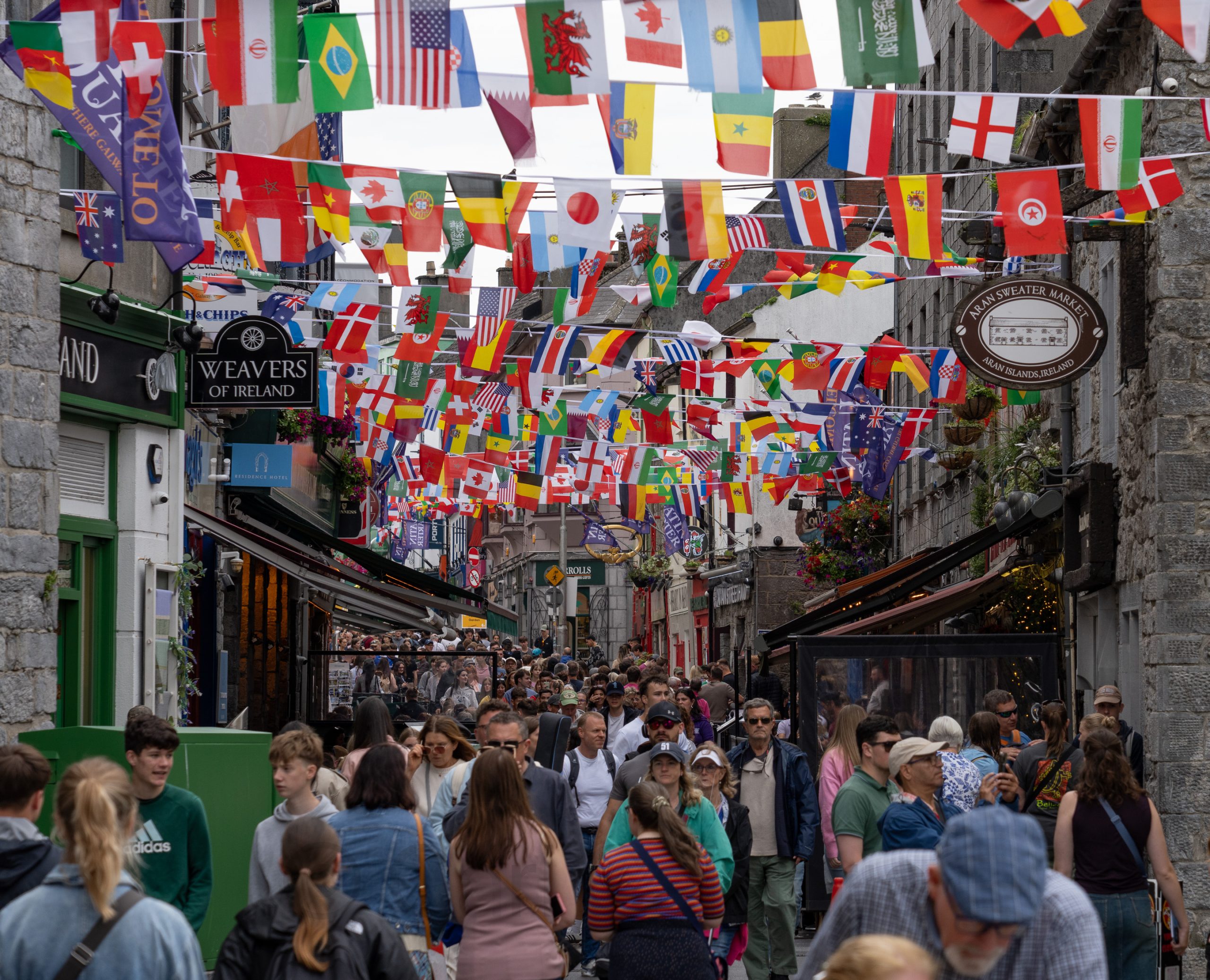
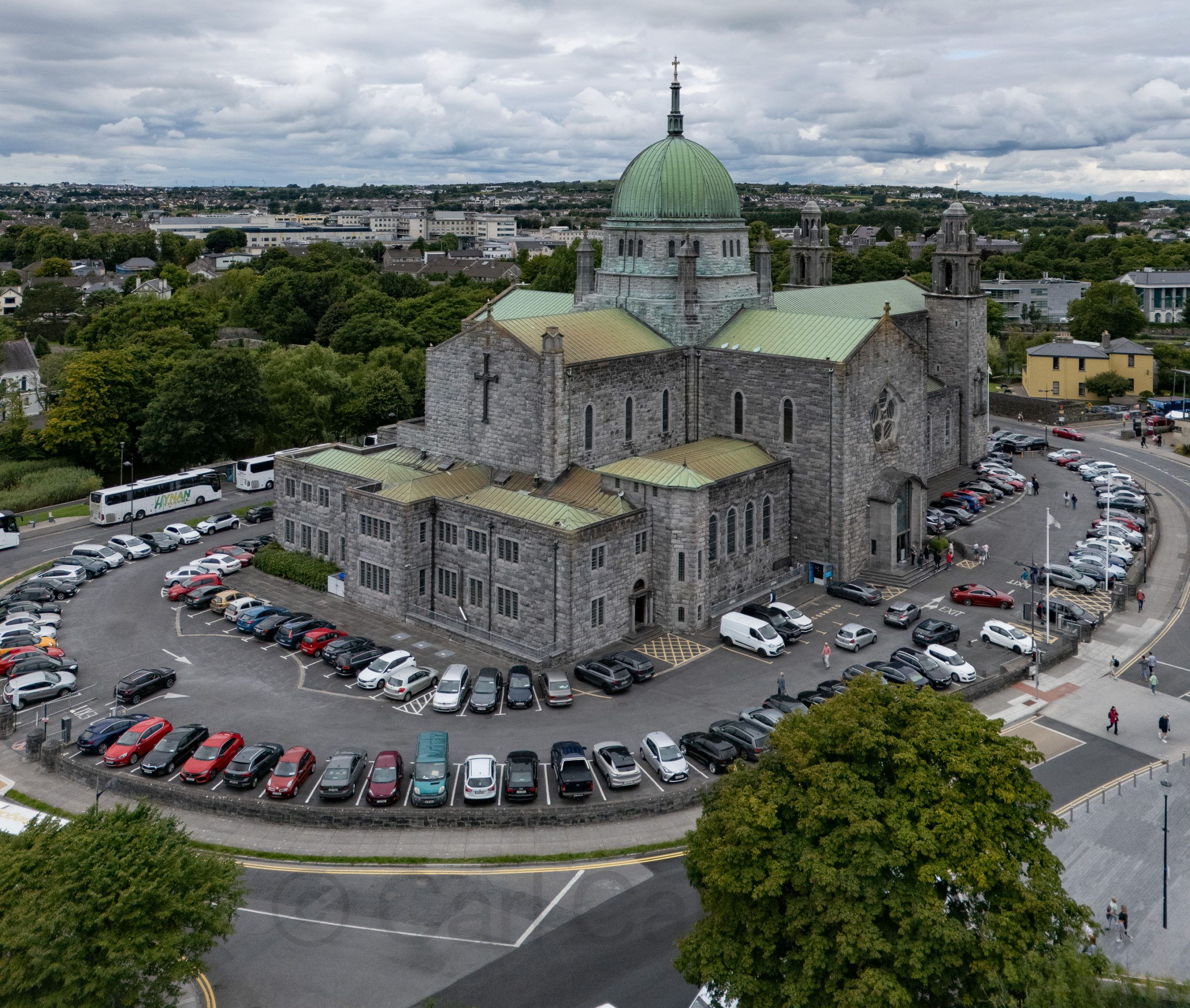
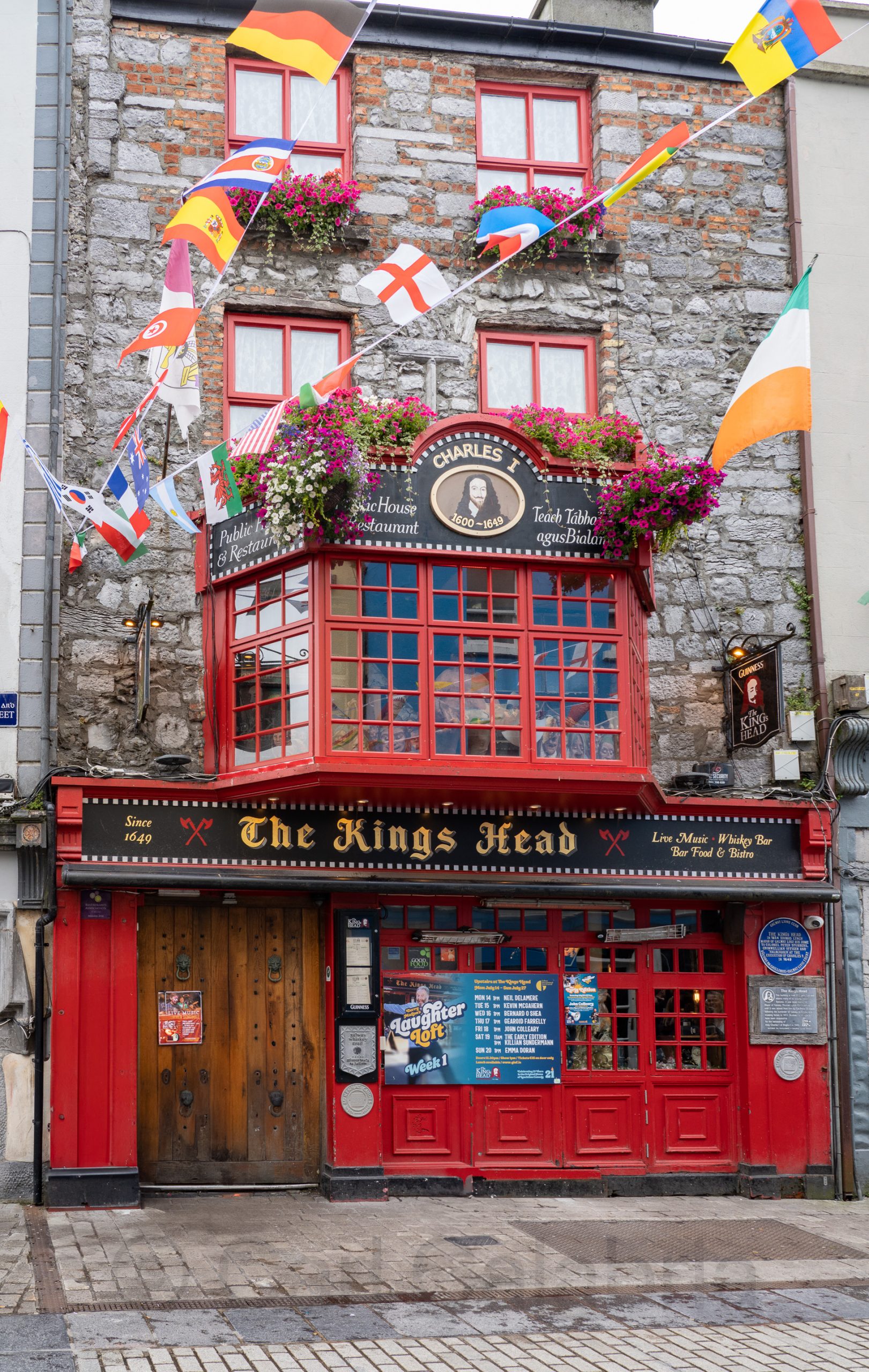
Galway

Galway is a vibrant, bohemian city on Ireland’s west coast, known for its lively arts scene, traditional music, and colorful, cobblestone streets along Galway Bay. The wedding was timed to coincide with the Galway Arts Festival which only served to amplify the cities bustling café and pub culture

Jeanine enjoys catching up with Mario while Brooke greets her nieces.

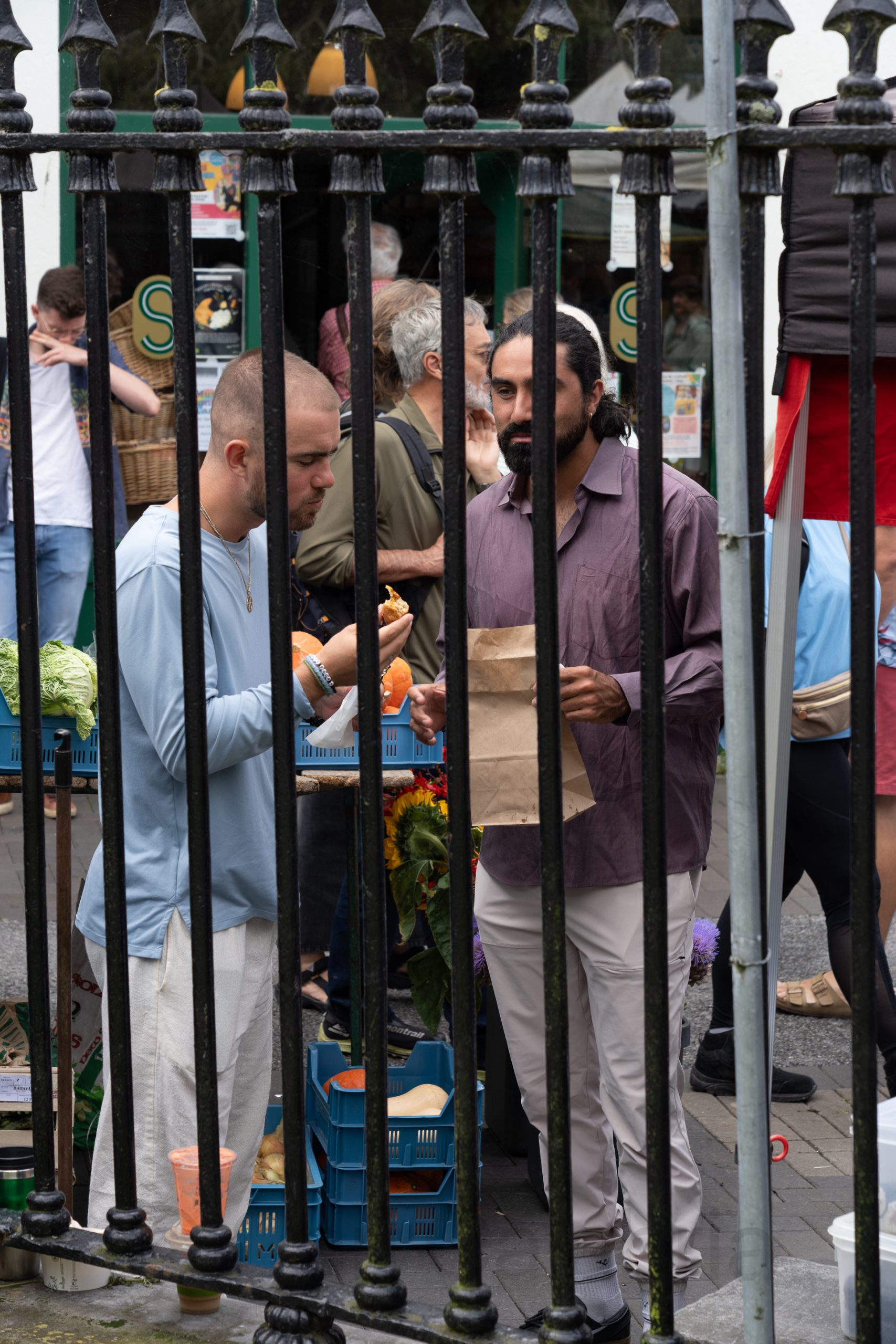
Mario’s brother, Rory, is seen behind bars with one of his friends. Some might argue that this is a good way to protect Rory from the throngs of women who tend to follow him around.

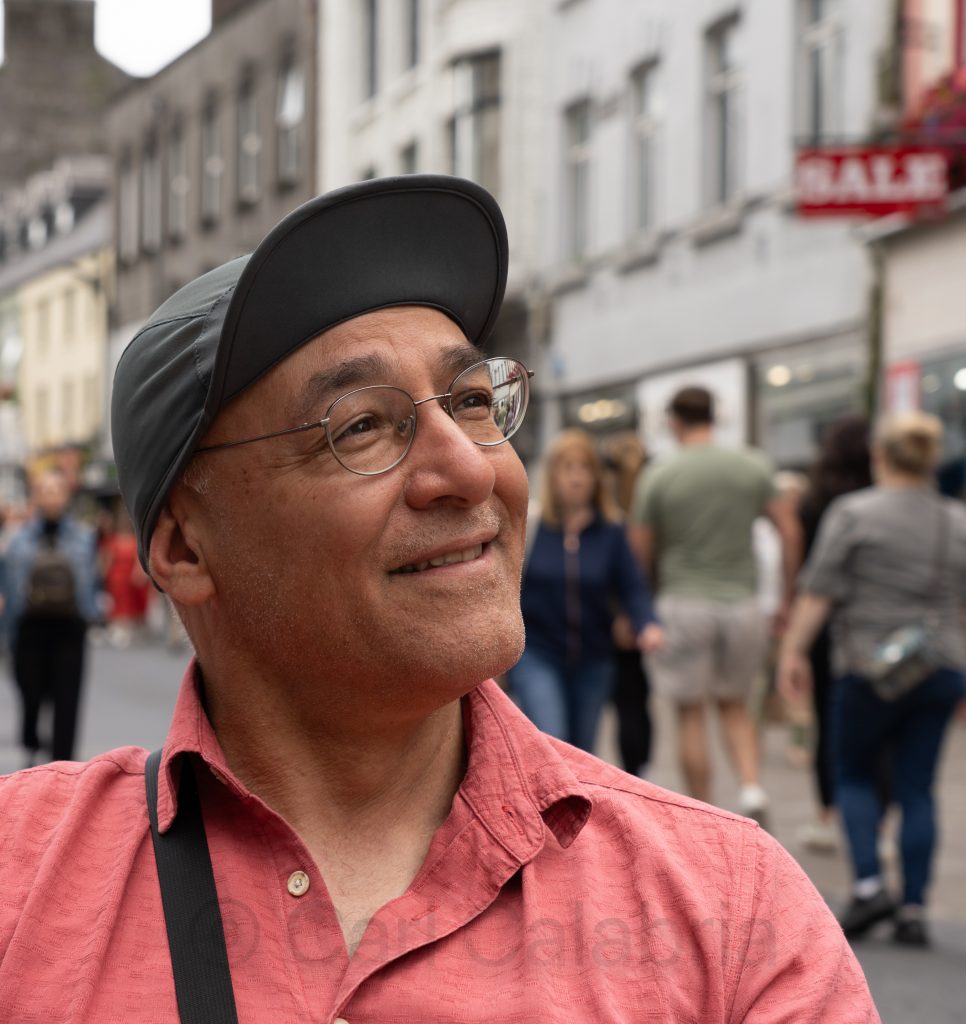
Meanwhile, the kids have coerced me into the ridiculous pose below, designed to make fun of my sun hat; brim tipped up, ears tucked in.

I have started a wedding album for Mario and Brooke. It can be found here.

Connemara & Inishbofin

The reason for our visit to Ireland is to attend the wedding celebration of my nephew, Mario, to Brooke. Most of the guests have now arrived in Galway and will be touring the Aran Island of Inishmore today. Having previously visited there and also in need of some me time, I opted to drive up the Connemara coastline and take the ferry to Inishbofin, an even more remote island off the western coast.

If not for my 11:30 ferry time, I would have spent the entire day in Connemara where there seemed to be something worth photographing at every turn, and there were a lot of turns.

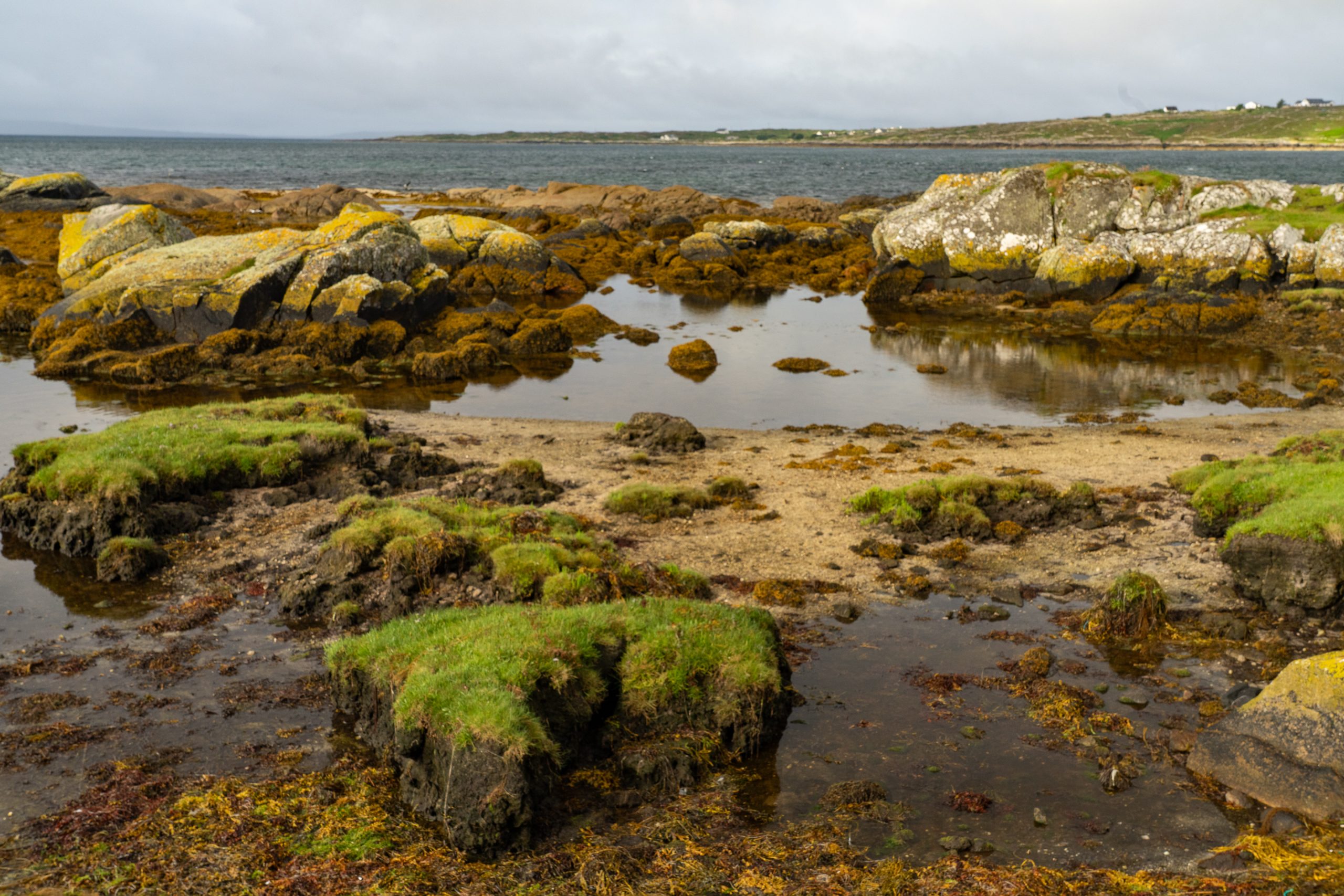
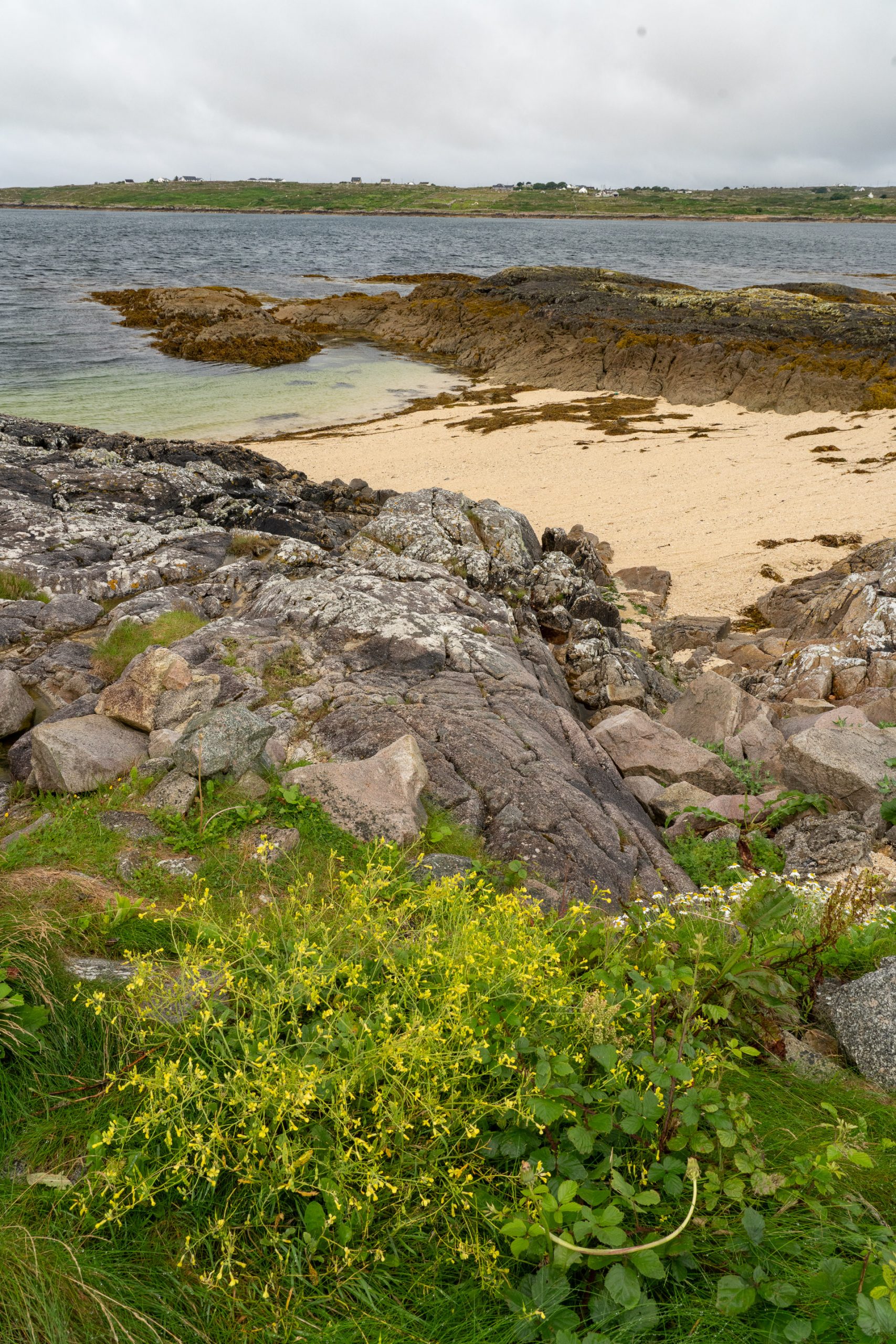
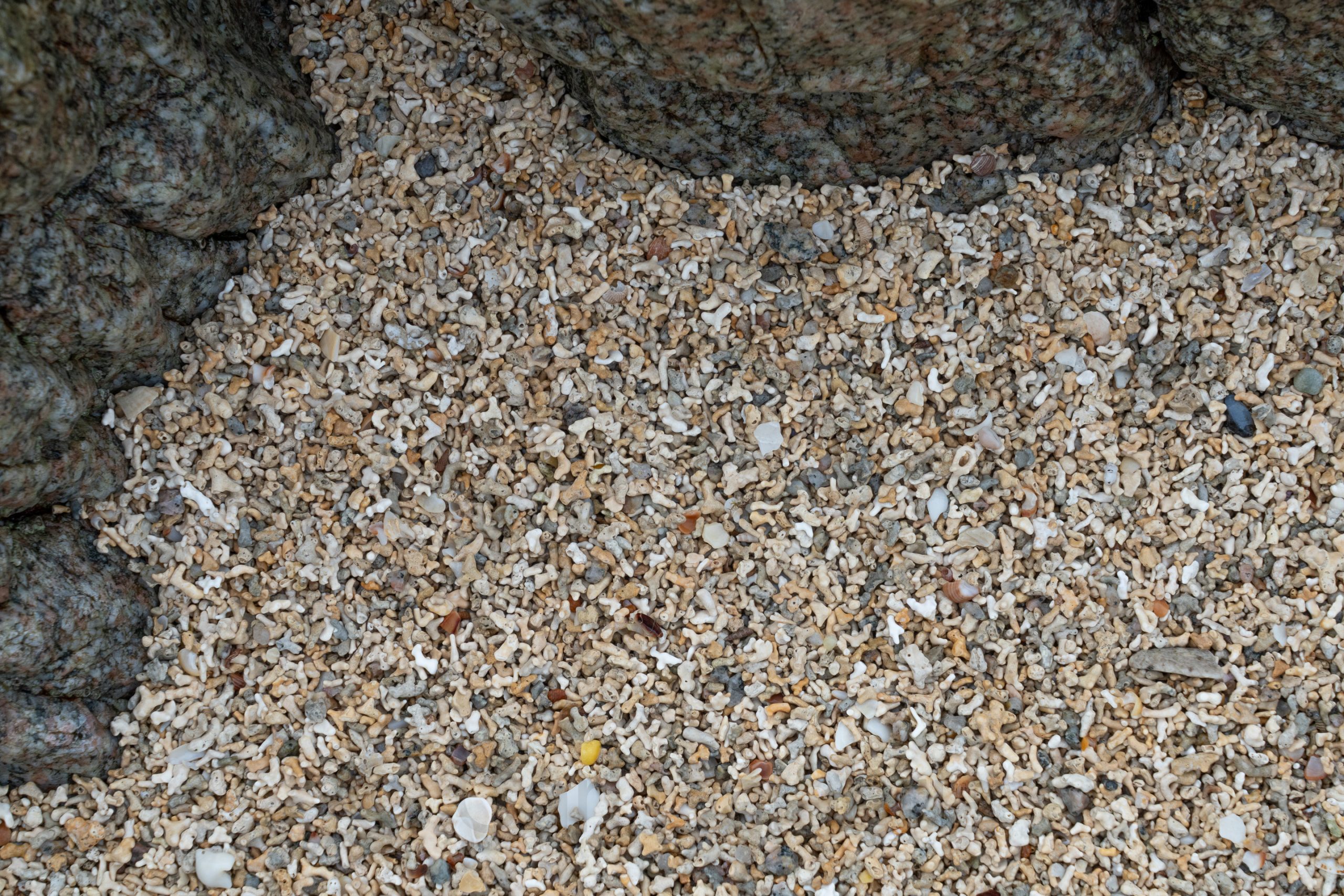
My first real stop was at the Coral Strand, known for its crystal-clear waters and unique sand composed of crushed coraline algae, giving it a distinctive coral-like appearance despite not being true coral. Click on the second photo below for a close-up of the “sand.”

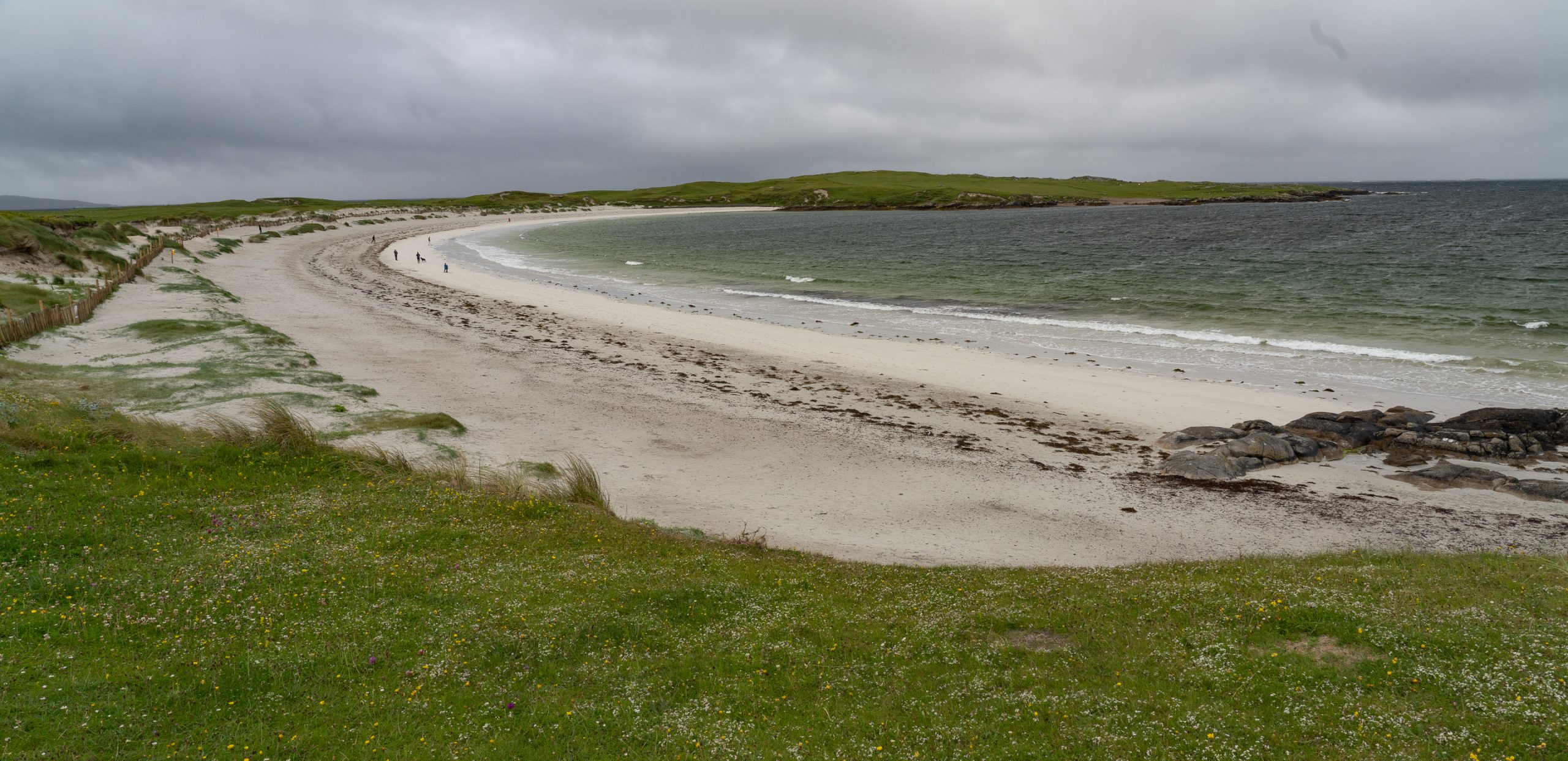
After pausing for breakfast in Roundstone, it was on to Dog’s Bay, a beautiful horseshoe-shaped beach. I had hoped to get an aerial photo similar to the one below (not taken by me), but had to settle for a quick shot from the ground as I was running seriously behind schedule.

I will spare the details of my harrowing drive to catch the ferry to Inishbofin. Suffice it to say that I was the last passenger to board, and the gangway was stowed 30 seconds after I crossed it. For my own future benefit, the Cleggan Ferry does not depart from the Cleggan Cliffs, and it is best not to leave your phone in the car when your ferry tickets are stored on it.

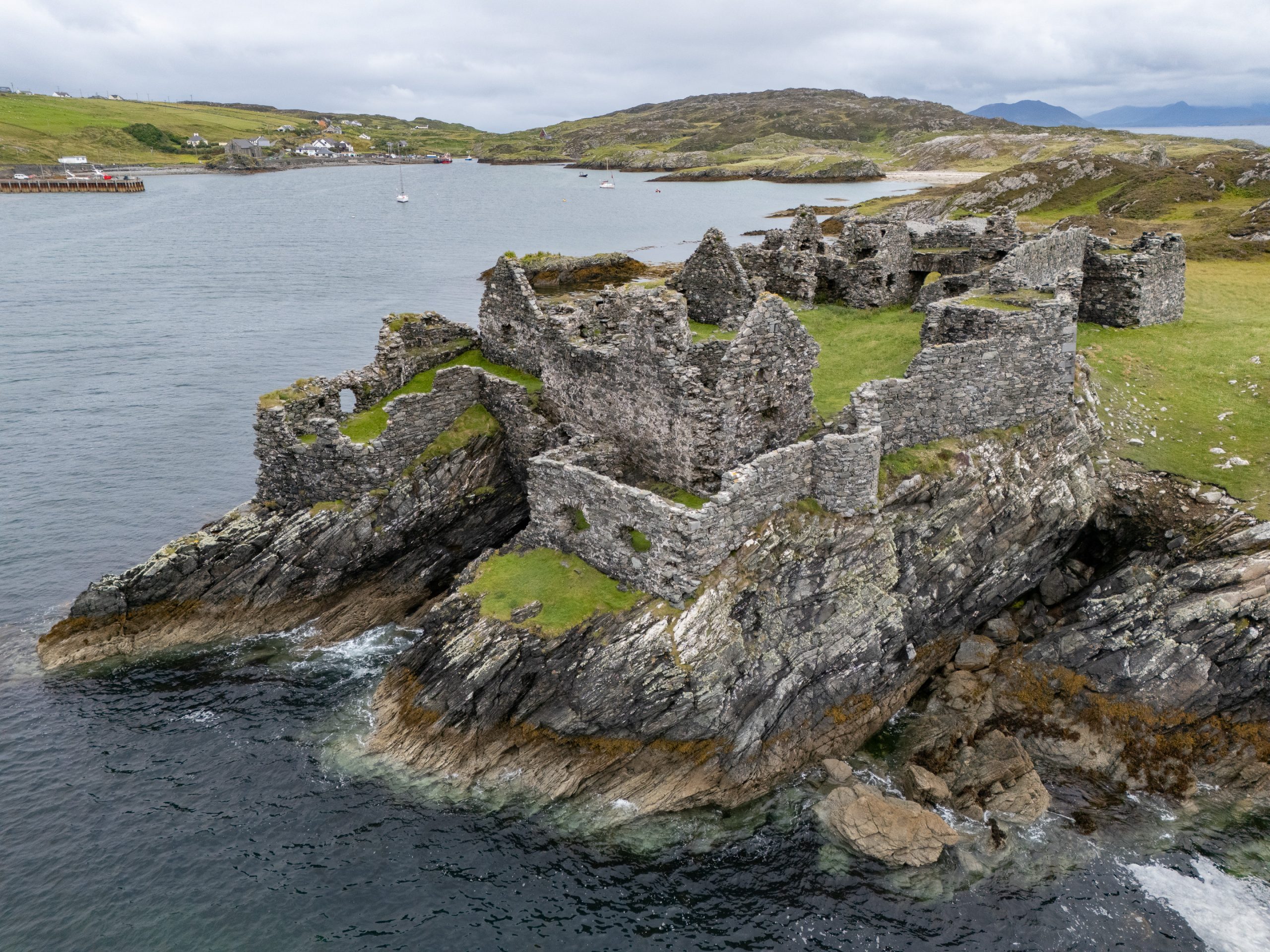
During the Cromwellian conquest of Ireland in the mid-17th century, Inishbofin was the last stronghold of Irish royalist forces. In 1652, it was captured by Cromwell’s troops, who decided to build a new, more formidable fortification to control the harbour and suppress opposition. The result was the star-shaped stone fort—now locally called Cromwell’s Barracks—which still dominates the tidal island today.

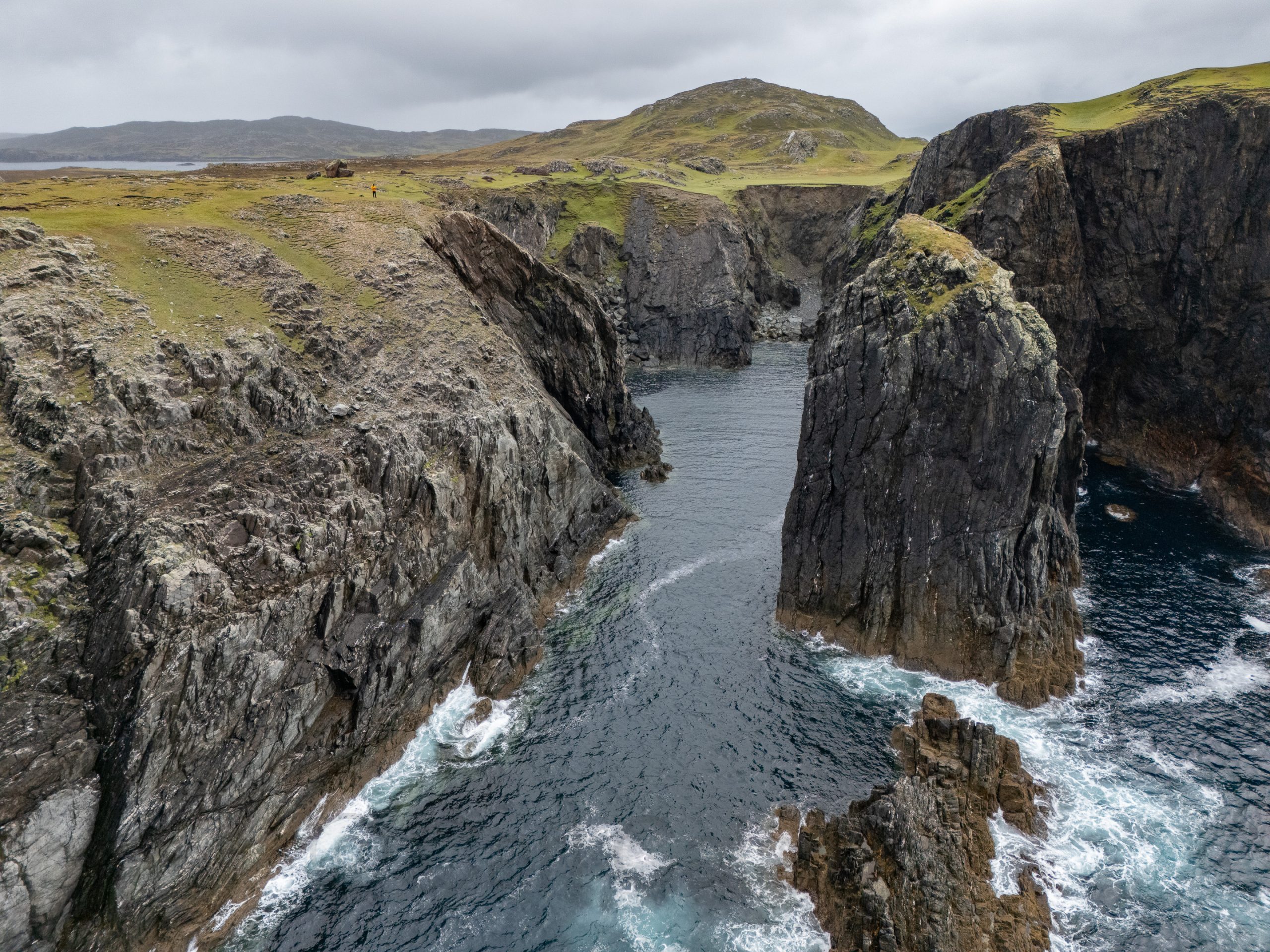
Once on the island, I decided to hike the 5-mile West Quarter Loop. Determined not to miss the last ferry back to the mainland, I set off during torrential rain, hoping it would abate as is often the case in Ireland. Mercifully, the rain stopped an hour into my hike just as the most interesting views appeared. Click on the aerial photo below and see if you can find Waldo. I saw more people in the bathroom at the Cliffs of Moher visitor center than I did on my entire hike on Inishbofin.

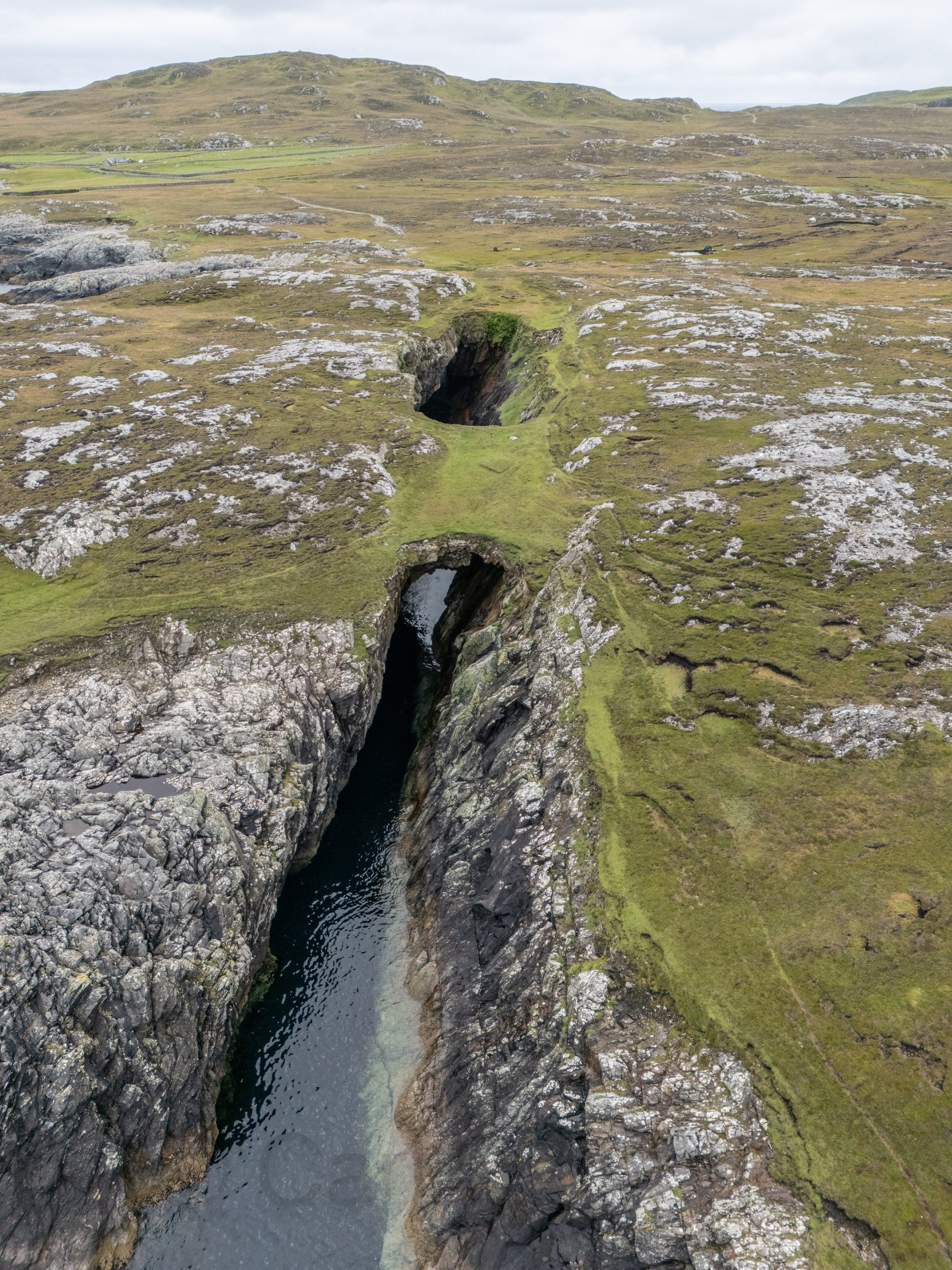
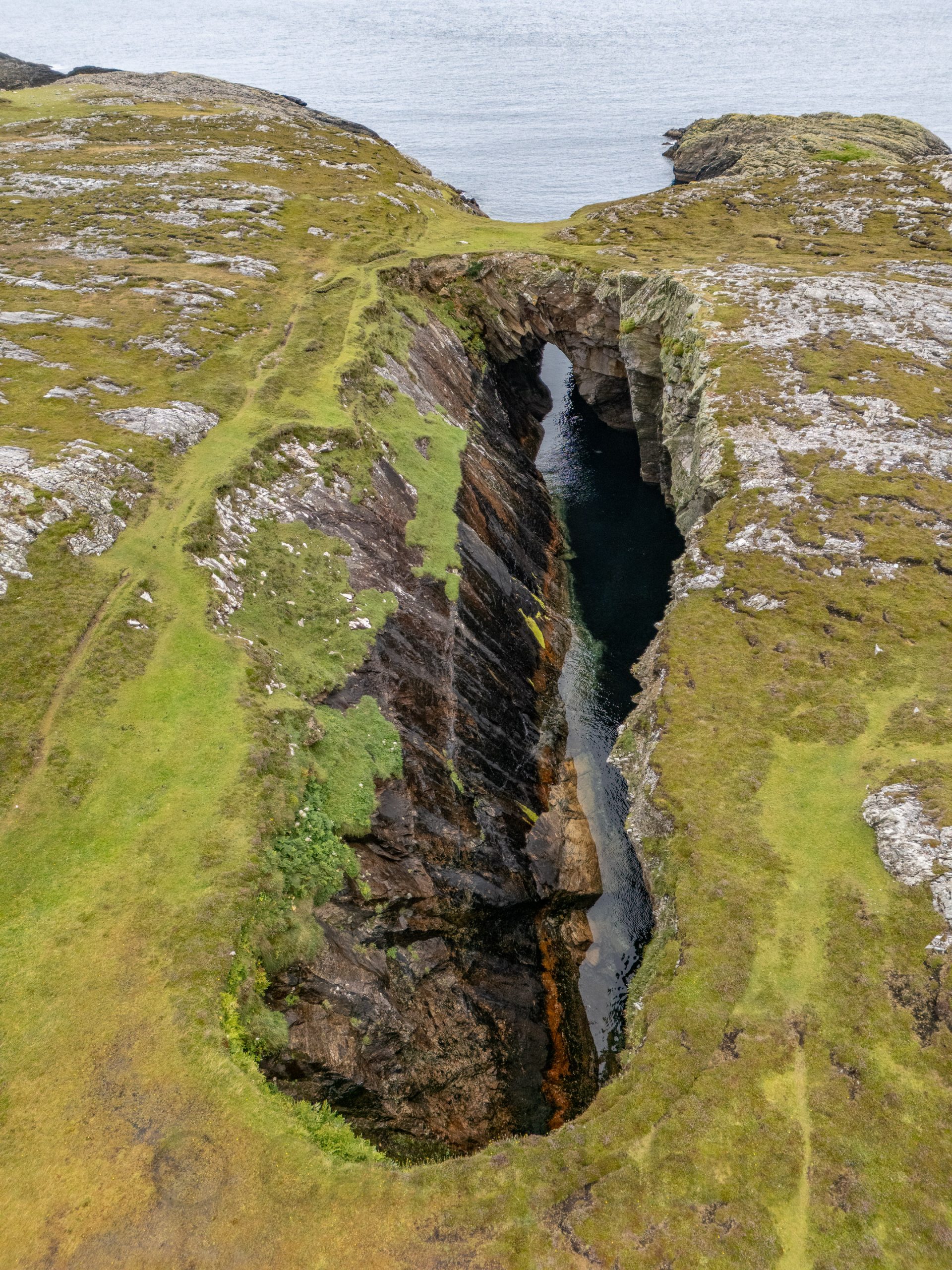
The blow hole on Inishbofin was formed when sea caves eroded landwards and upwards into vertical shafts that opened at the surface, allowing seawater to shoot dramatically into the air during certain tidal conditions. I knew the chances of catching the blow hole in action were minimal and was happy to capture the unique geological formation in a progressive series of drone photos, the last of which is a reverse angle.

The Burren

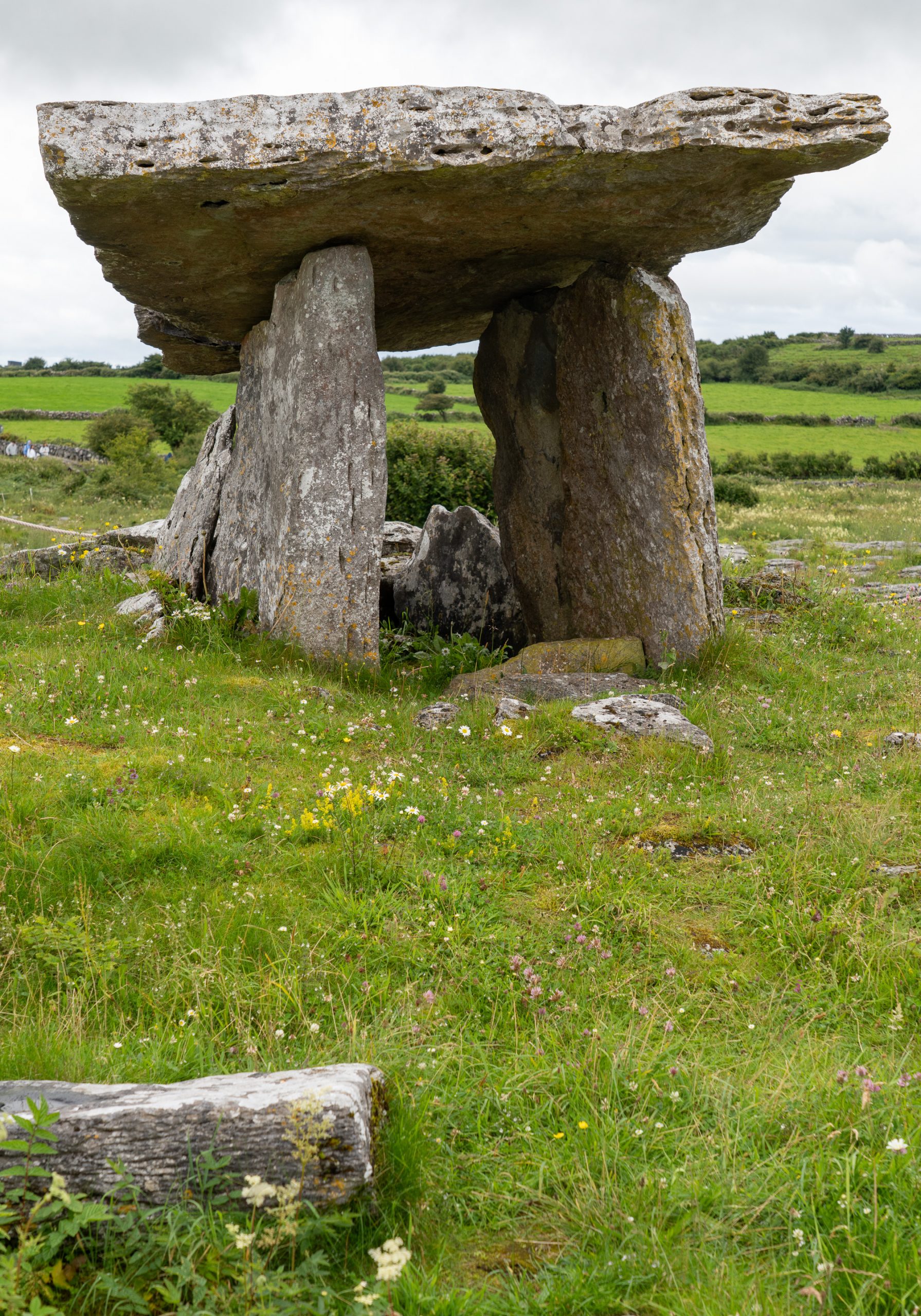
Situated on the high Burren limestone plateau, Poulnabrone Dolmen is one of the country’s most iconic archaeological monuments and the oldest dated megalithic monument in Ireland. It is classified as a portal tomb, featuring two large portal stones standing on either side of an entrance, capped with a massive sloping capstone. Excavations by archaeologists revealed the remains of 33 people at the site and radiocarbon dating of their bones indicates that the tomb was in continual use for a period of 600 years between 5,200 and 5,800 years ago.

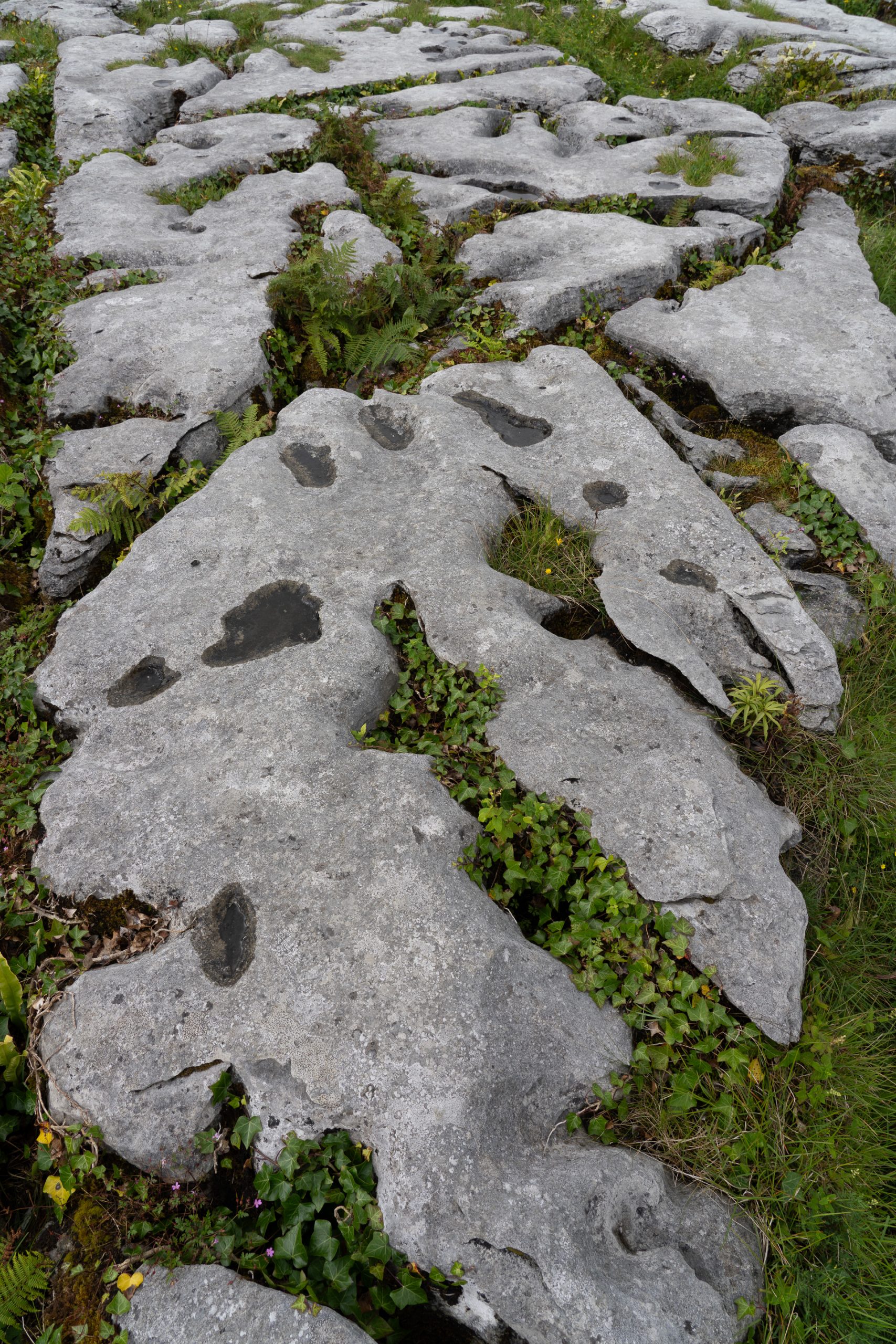
Glacio-karst landscape features, which are the combined result of glacial activity and rainwater dissolution features, are abundant around Poulnabrone Dolmen. The limestone pavement has been scraped clean by moving ice sheets and the blocks of limestone known as clints are separated by fissures known as grikes. The grikes are formed by rainwater dissolving thin calcite veins that permeate the limestone. While the last ice sheets melted here almost 16,000 years ago and the karst process has been active since then, there is evidence that karst processes were operating in warmer interglacial periods before the last ice age.

After visiting the Burren National Park Visitors Center, we drove to the seldom-visited Cahercommaun situated on the edge of a valley. Cathair is the Irish for ‘stone fort’, and this fort contains 3 walls ranging in height from approximately 5-1/2 to 13 feet. It is not certain when Cahercommaun was built, but an excavation in 1934 suggests that it dates back to the early 9th century. However, this date is highly contested, as a number of artifacts that were found within the site pre-date this.

Earlier in the day, we visited the Cahermore ringfort, featuring massive drystone walls up to 9 feet high and thick, with well-fitted limestone blocks and an impressive entrance featuring a complex gateway that could be used to trap would-be invaders.

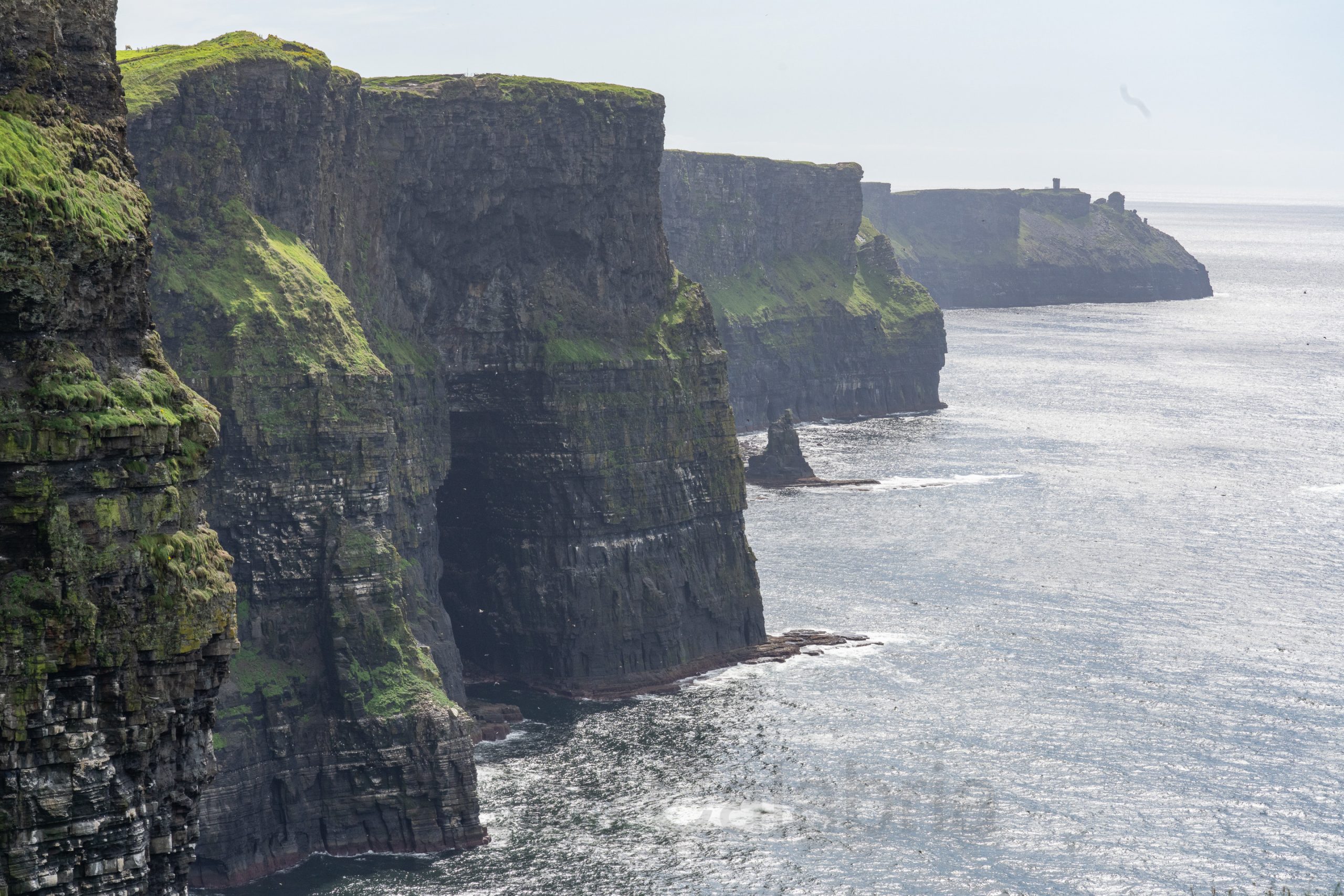
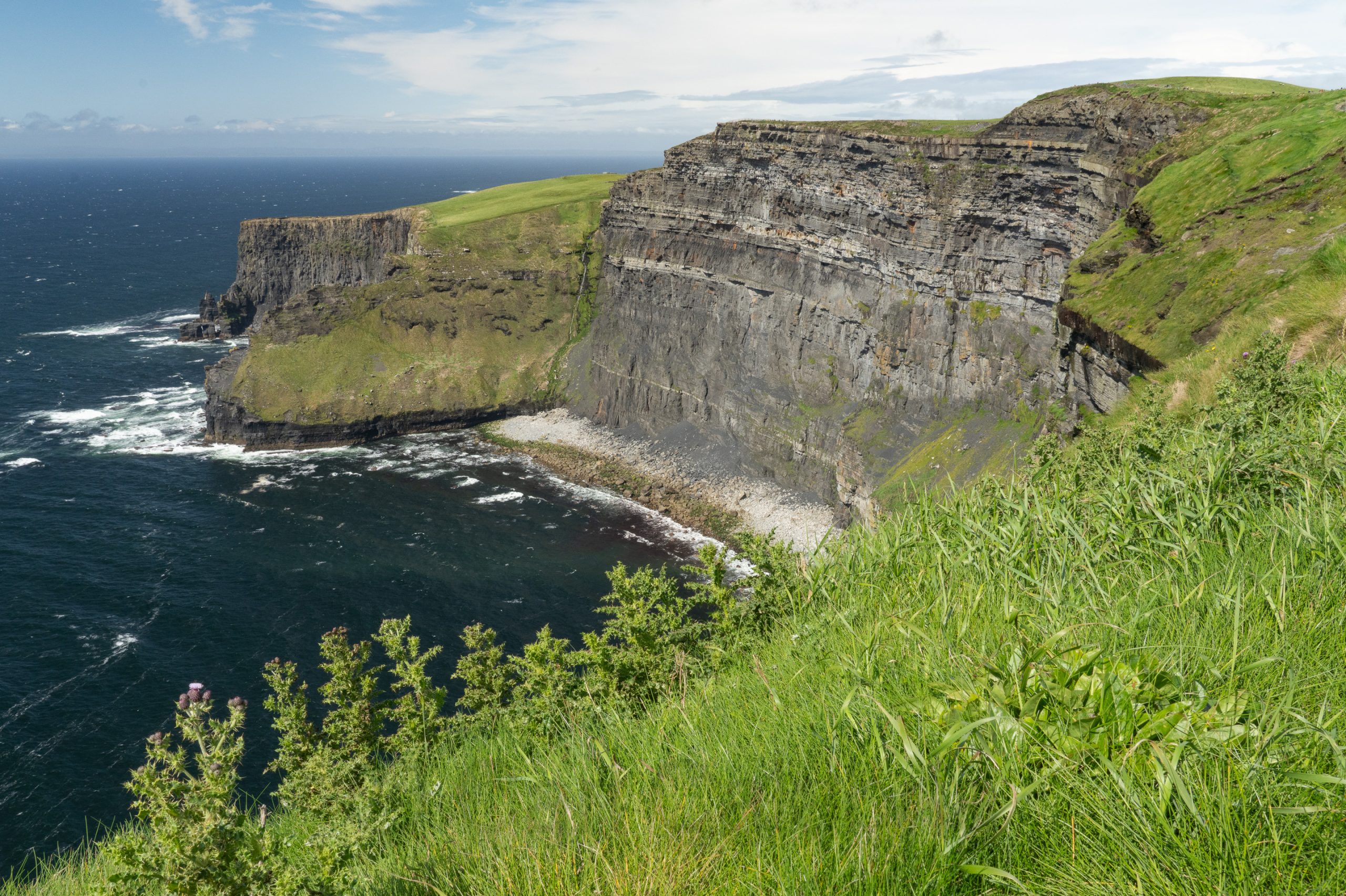
Our final destination for the day were the Cliffs of Moher, which proved to be somewhat of a disappointment for me. Since our last visit, 34 years ago, the site has been dramatically developed to include a $32M visitor center and flagstone barriers installed to physically discourage and prevent visitors from getting closer to the edge. It felt like the difference between seeing a declawed tiger in a zoo compared to one roaming in the wild. The sun angle did not favor the traditional view of the cliffs so I focused my photographic attention on a less dramatic but better illuminated section of the coastline.

Castle Visits

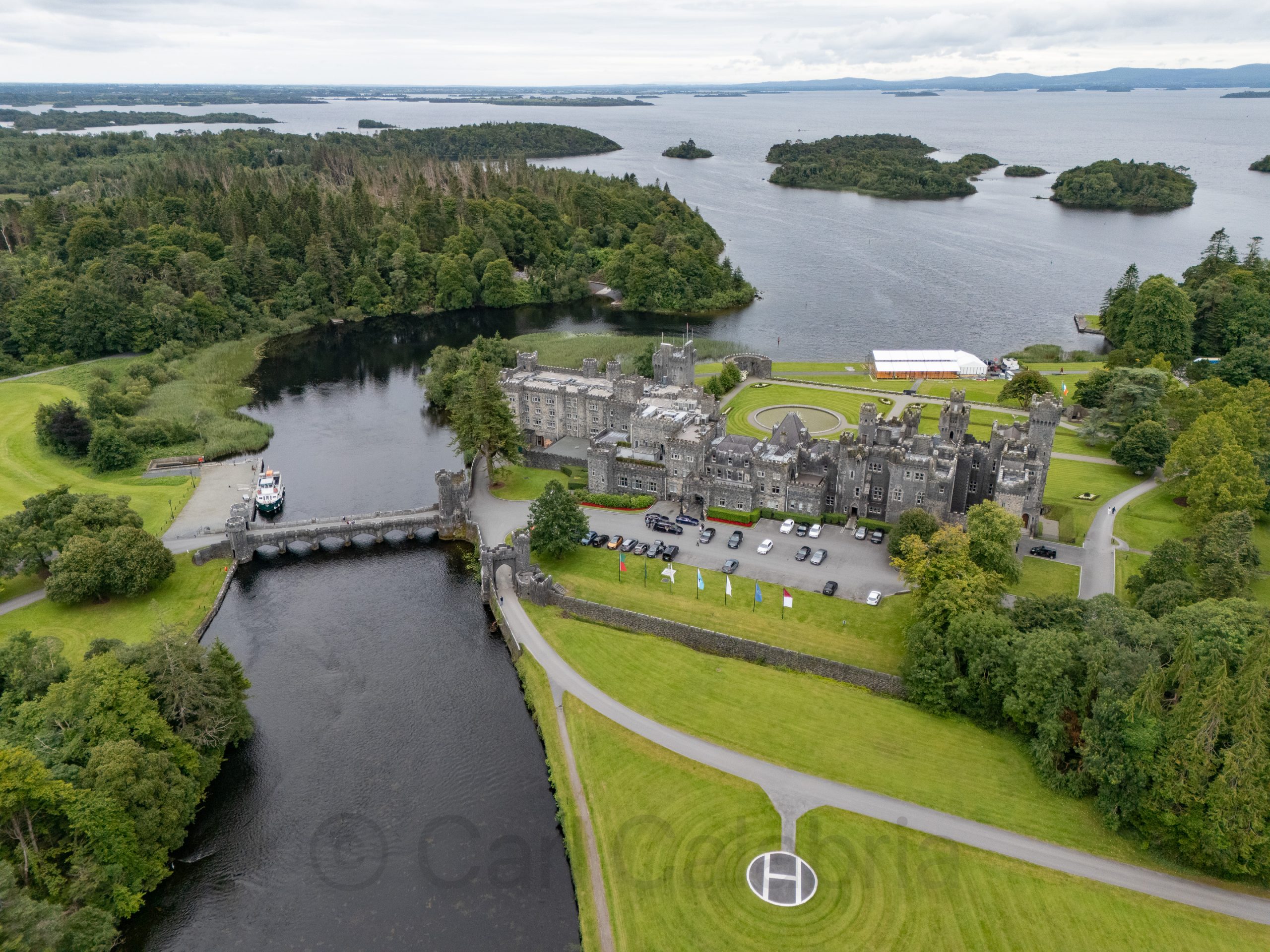
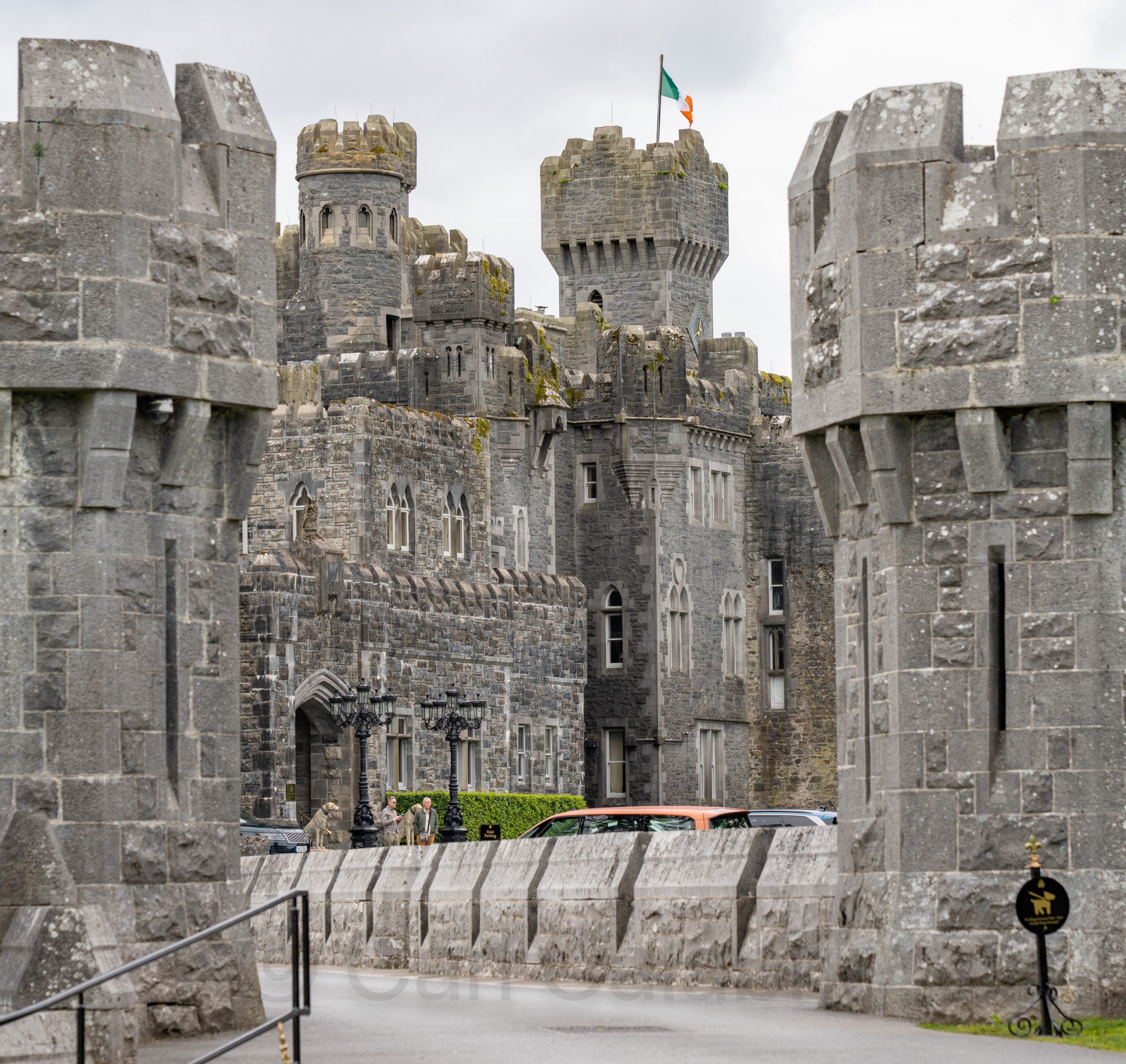
Ashford Castle is a historic 13th-century fortress in the quaint town of Cong. It has been transformed into one of Europe’s most prestigious and luxurious five-star hotels, renowned for its grand architecture, lavish interiors, and storied heritage. The castle has hosted royalty and celebrities over the centuries and sits amid a spectacular 350-acre estate by Lough Corrib. It was our first destination for the morning as we made our way south to Galway.

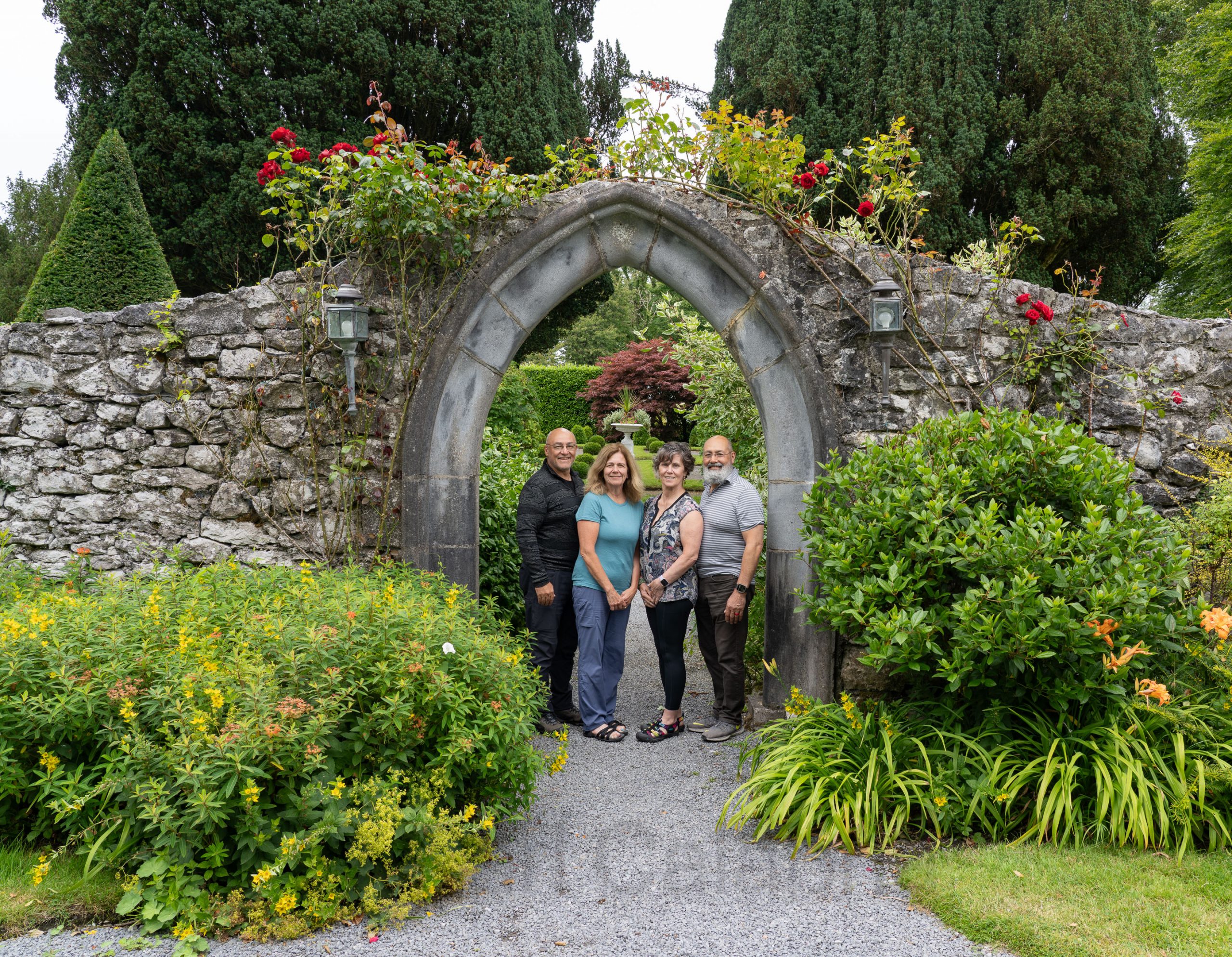
Somewhat more diminutive but every bit as elegant, Ross Castle was our next stop. Thirty-four years ago, Mark and Marie posed in this very arch for their wedding photos. It was the first time they had returned since, and it was fun to watch them relive cherished memories.

County Donegal

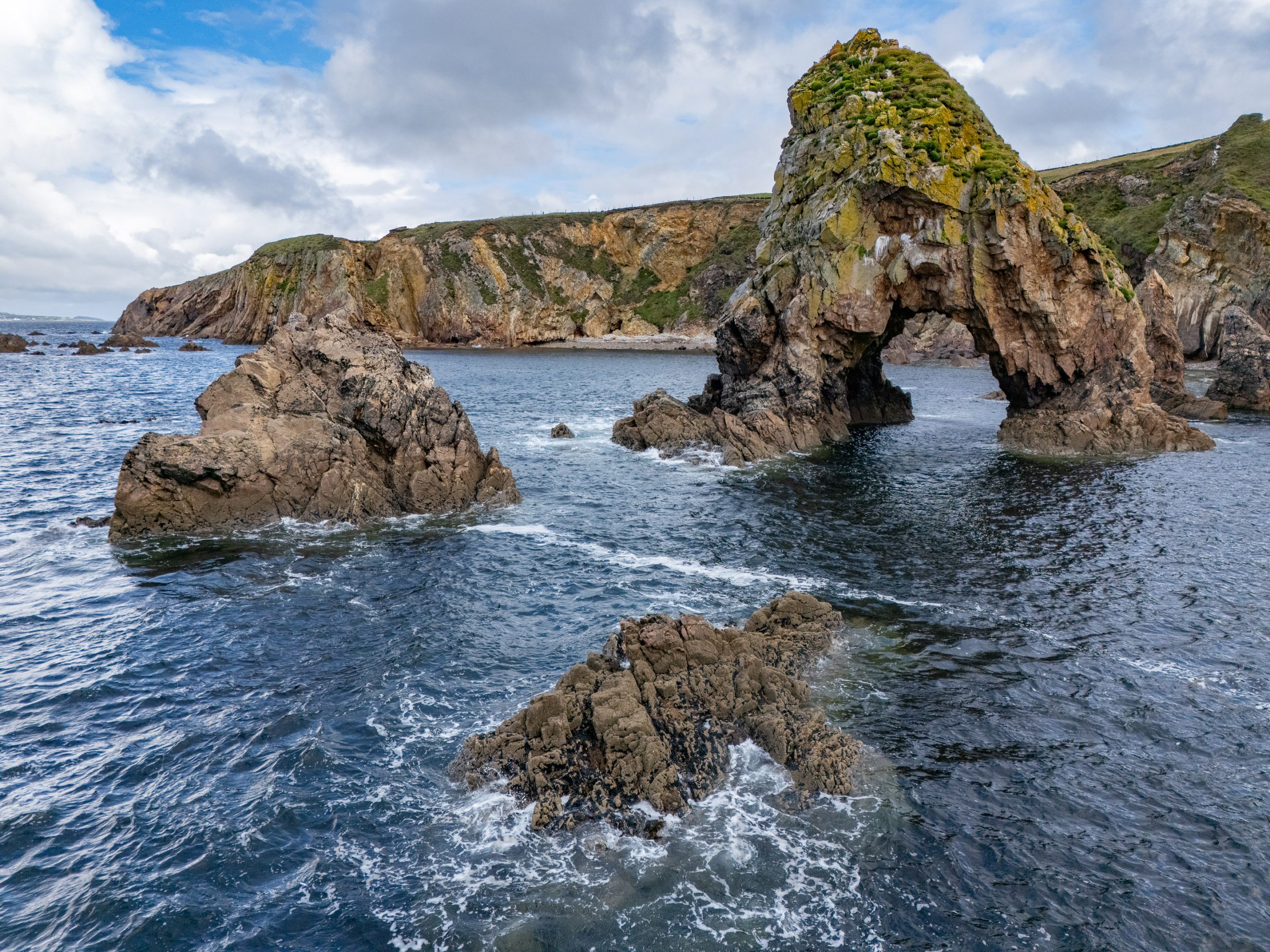
The Old Church of Dunlewey, built in 1853 from white marble and blue quartzite at the foot of Mount Errigal in County Donegal, is a striking and now roofless Gothic-style landmark erected as a memorial by Jane Russell for her husband James, overlooking Dunlewey Lough and renowned for its haunting beauty and rich history. It was our first stop on the way to the dramatic Crohy Head Sea Arch.

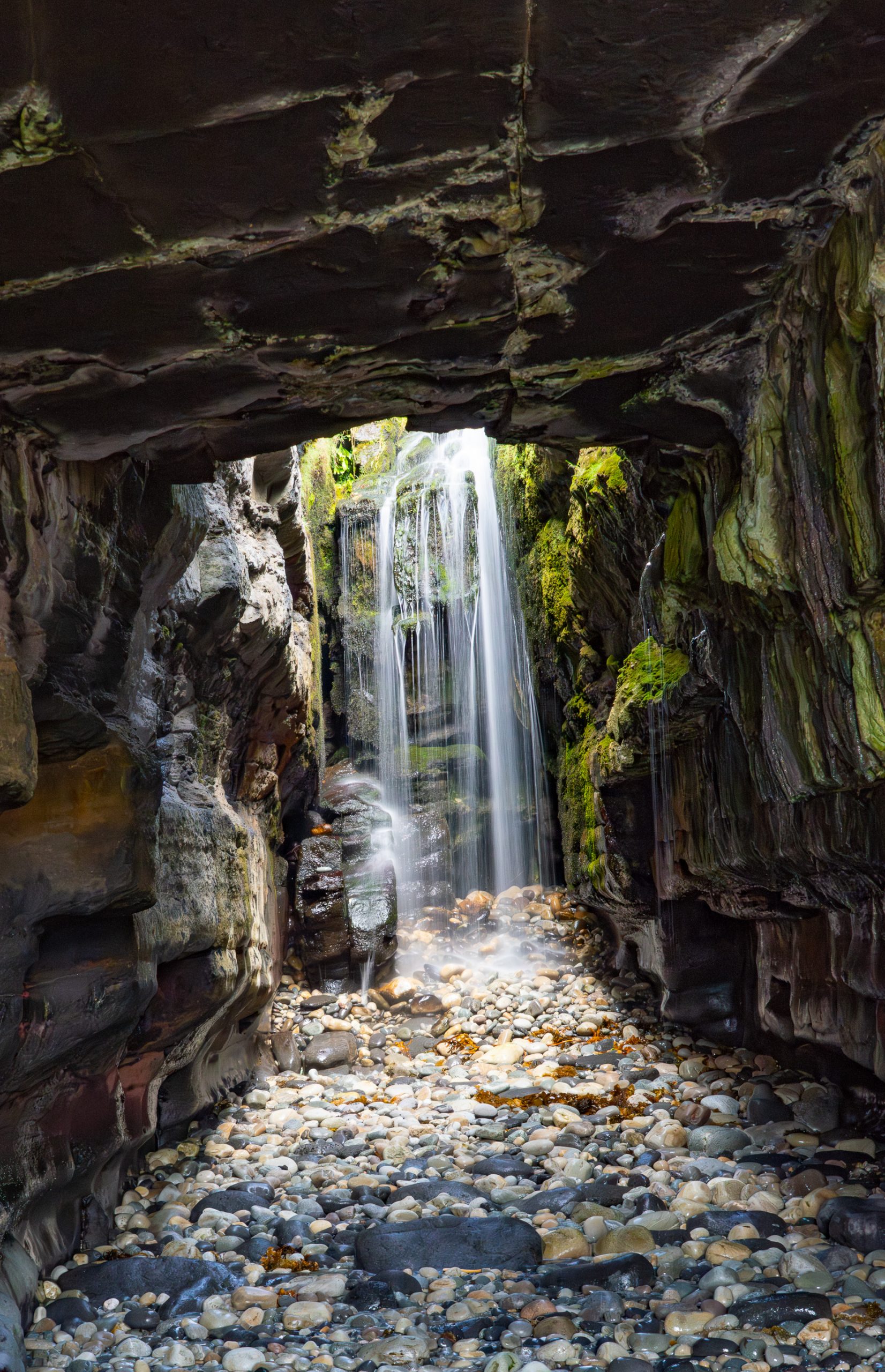
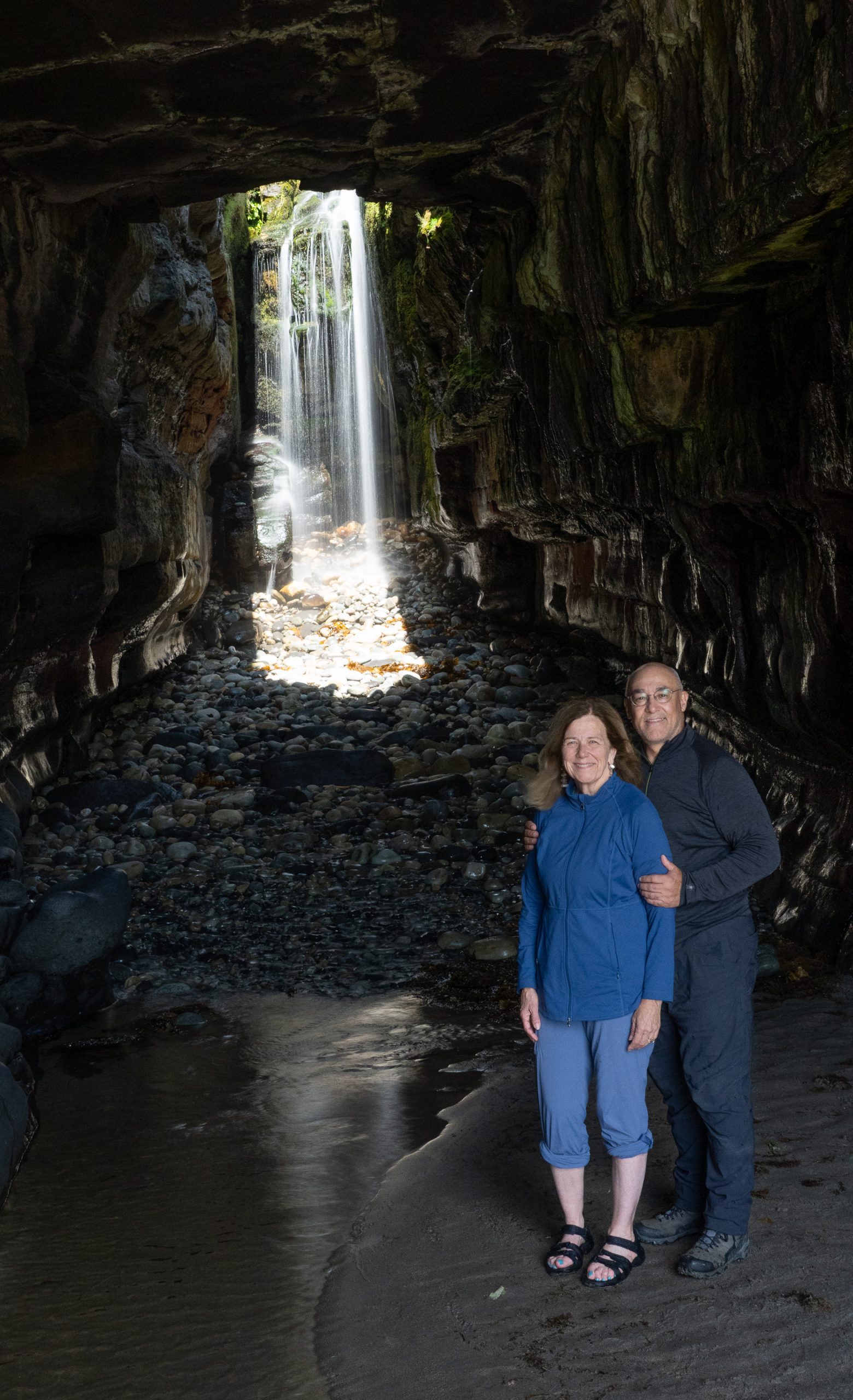
A secret waterfall in a blowhole viewed through a sea cave only accessible at low tide. It doesn’t get better than this.

Killybegs is a town on the south coast of County Donegal, renowned as the largest fishing port in the country and serving as a lively maritime hub with a rich history and vibrant local culture. We stopped here for a little snack.

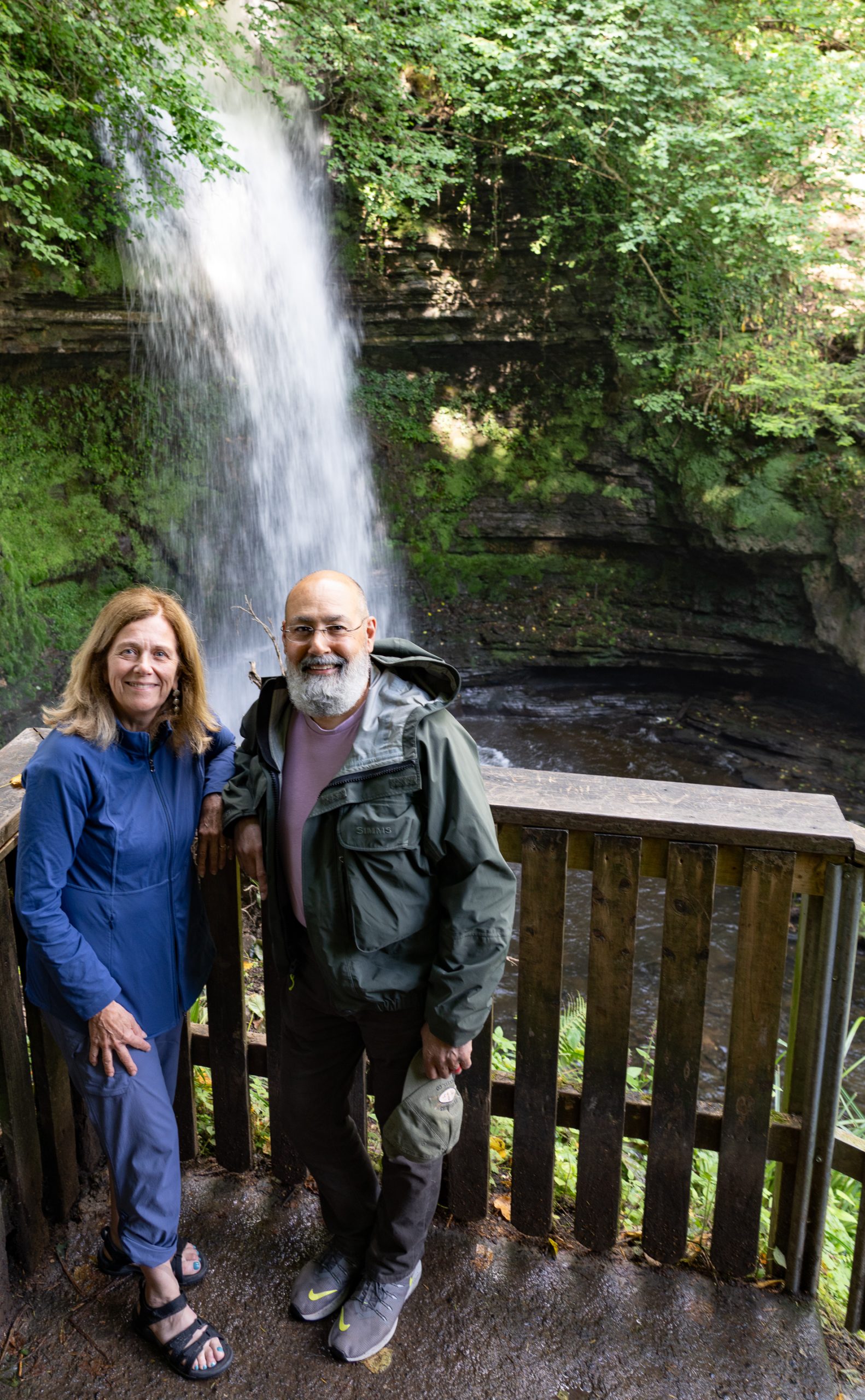
Jeanine found this delightful waterfall along our drive where we paused while Marie took a work phone call.

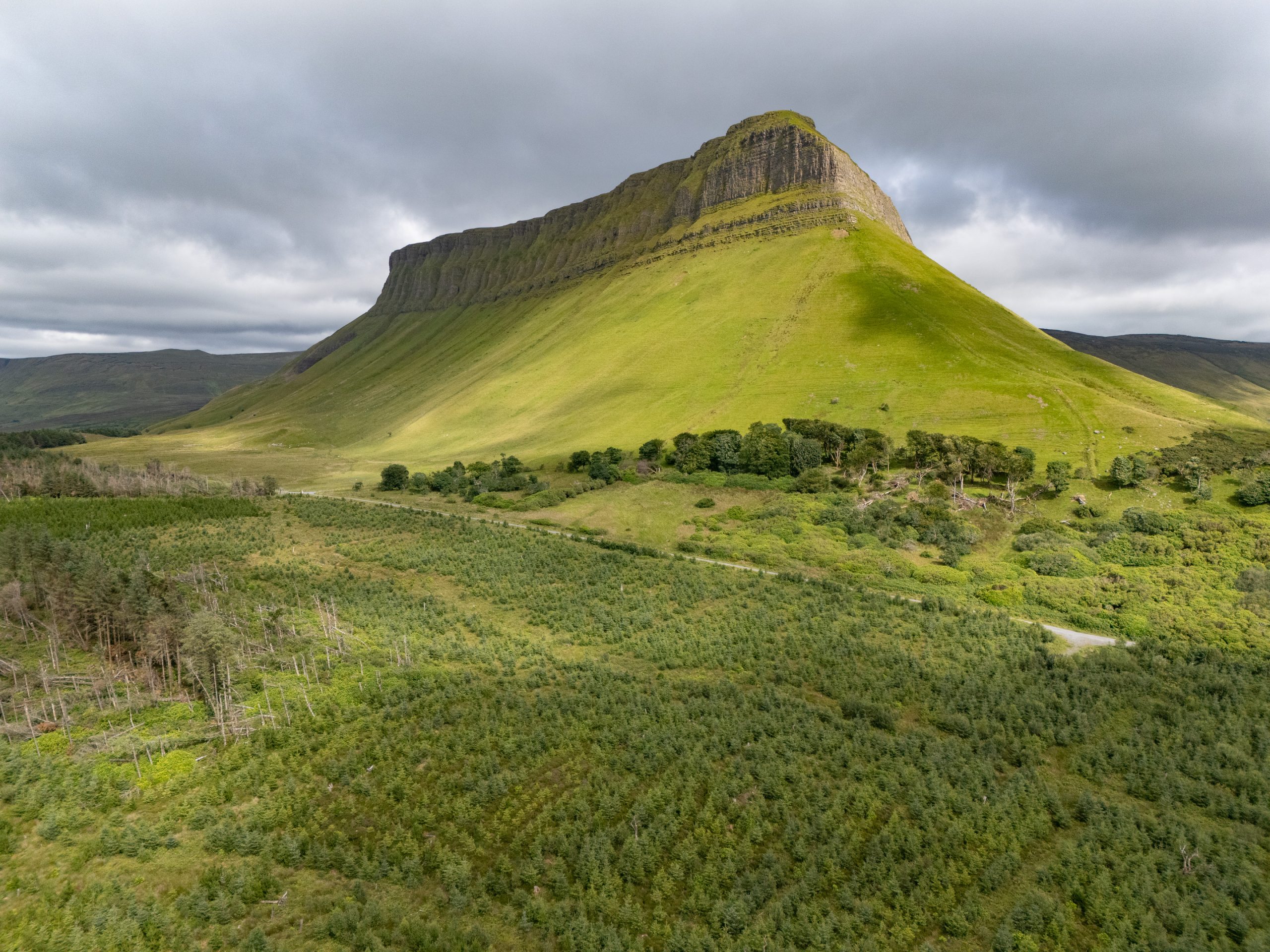
Benbulbin is a dramatic, flat-topped limestone mountain rising 1725 feet, formed by glaciers during the Ice Age and renowned for its unique shape and significance in Irish geology and mythology.

The Wild Atlantic Way

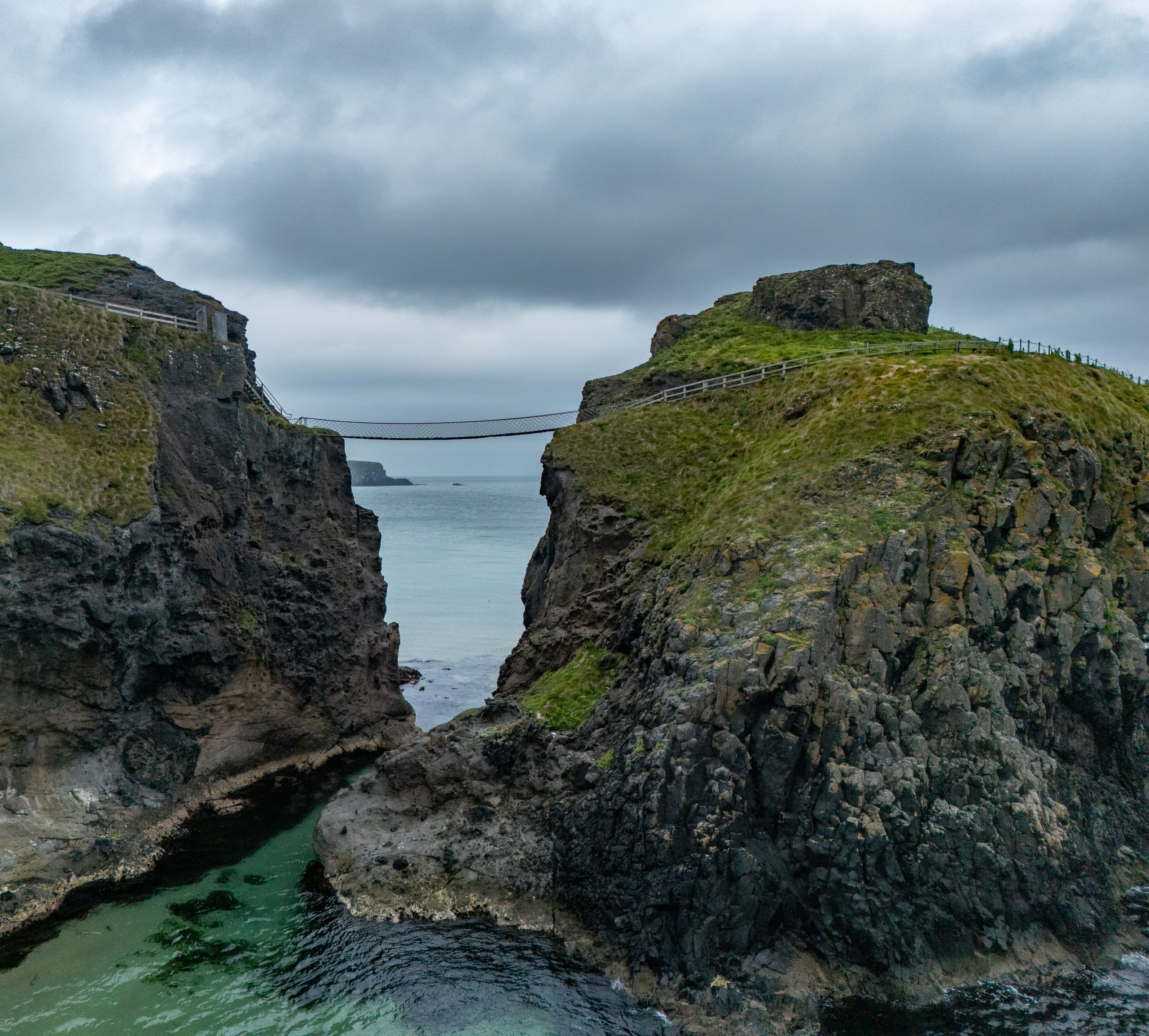
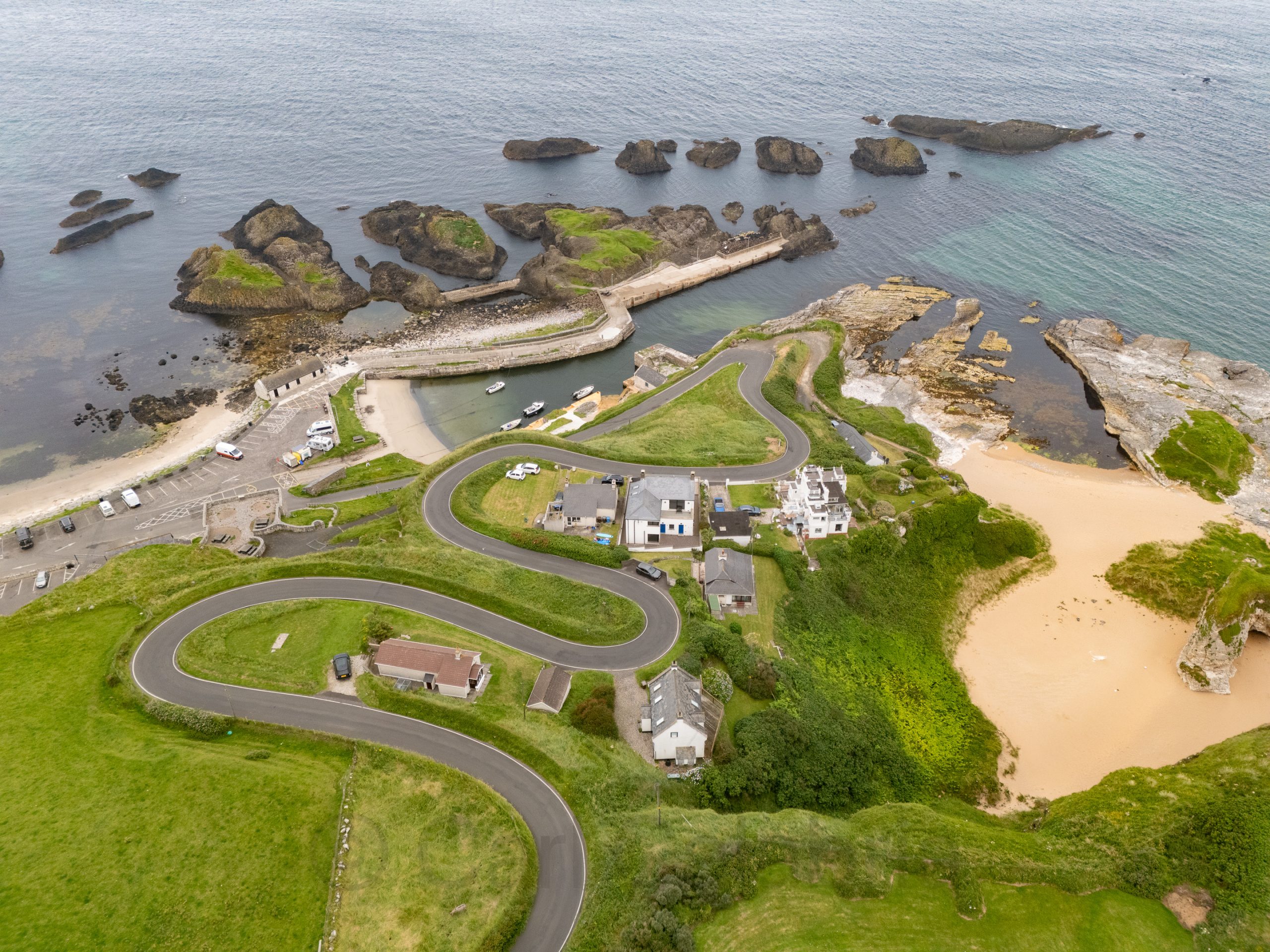
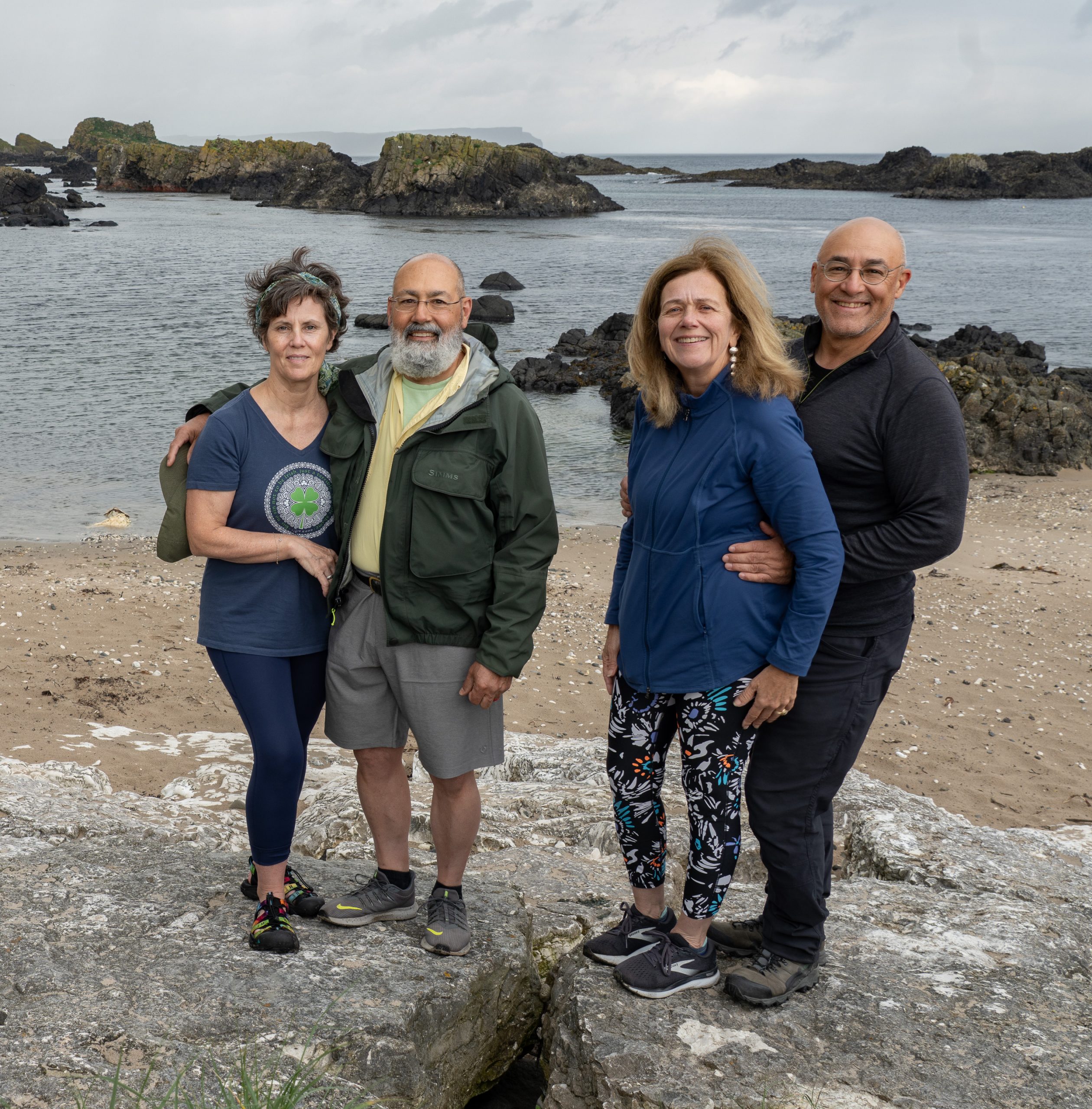
Today, the crew covered a lot of ground, stopping frequently to take in the sights of Ireland’s northern coast. Pictured above is Carrick-a-Rede, originally constructed to provide salmon fishermen with safer and easier access to Carrickarede Island for netting Atlantic salmon, reducing their reliance on boats to reach the best fishing spots. Below, is an aerial view of Ballintoy Harbour where we paused to stretch our legs and take a group photo.

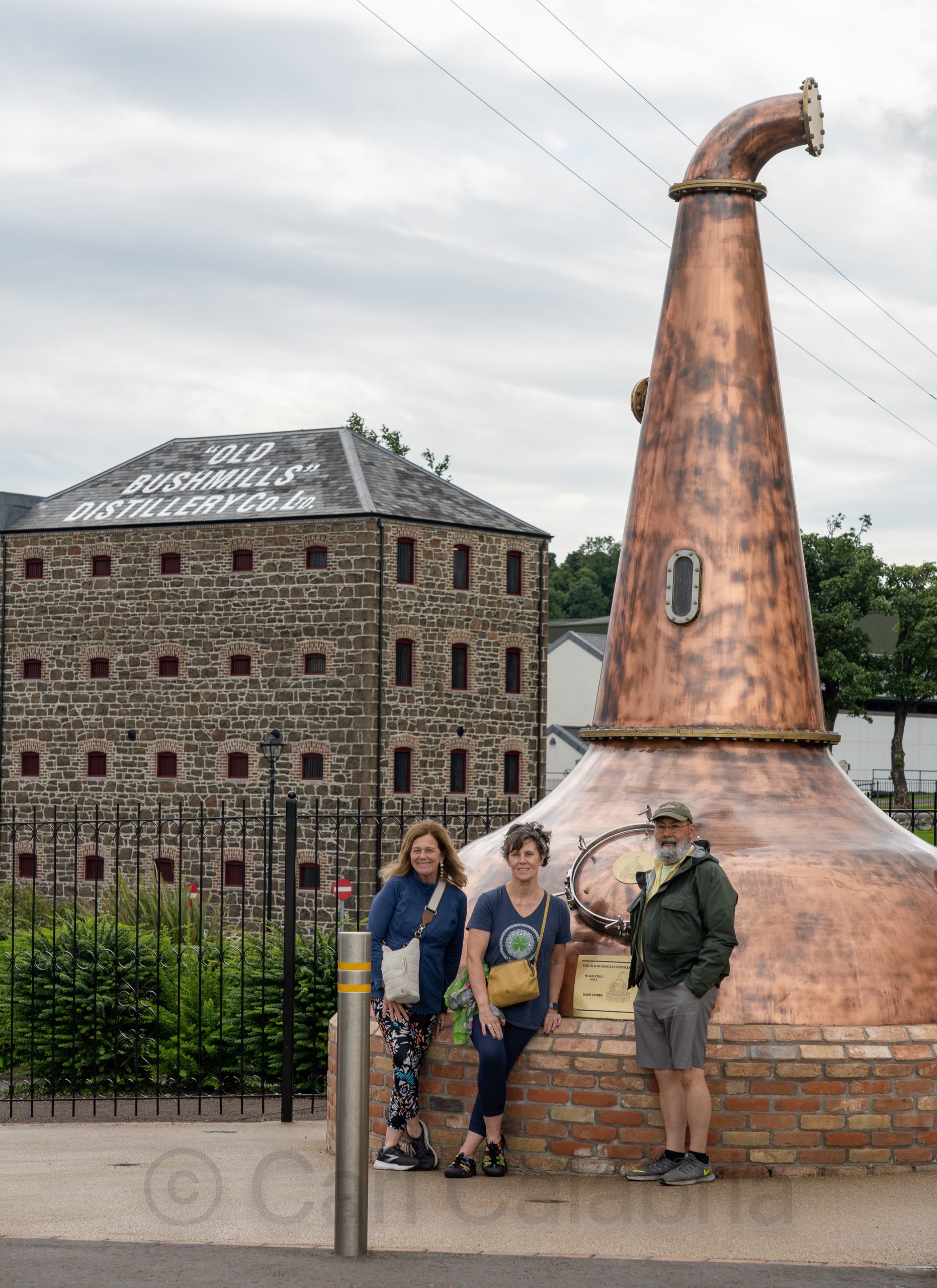
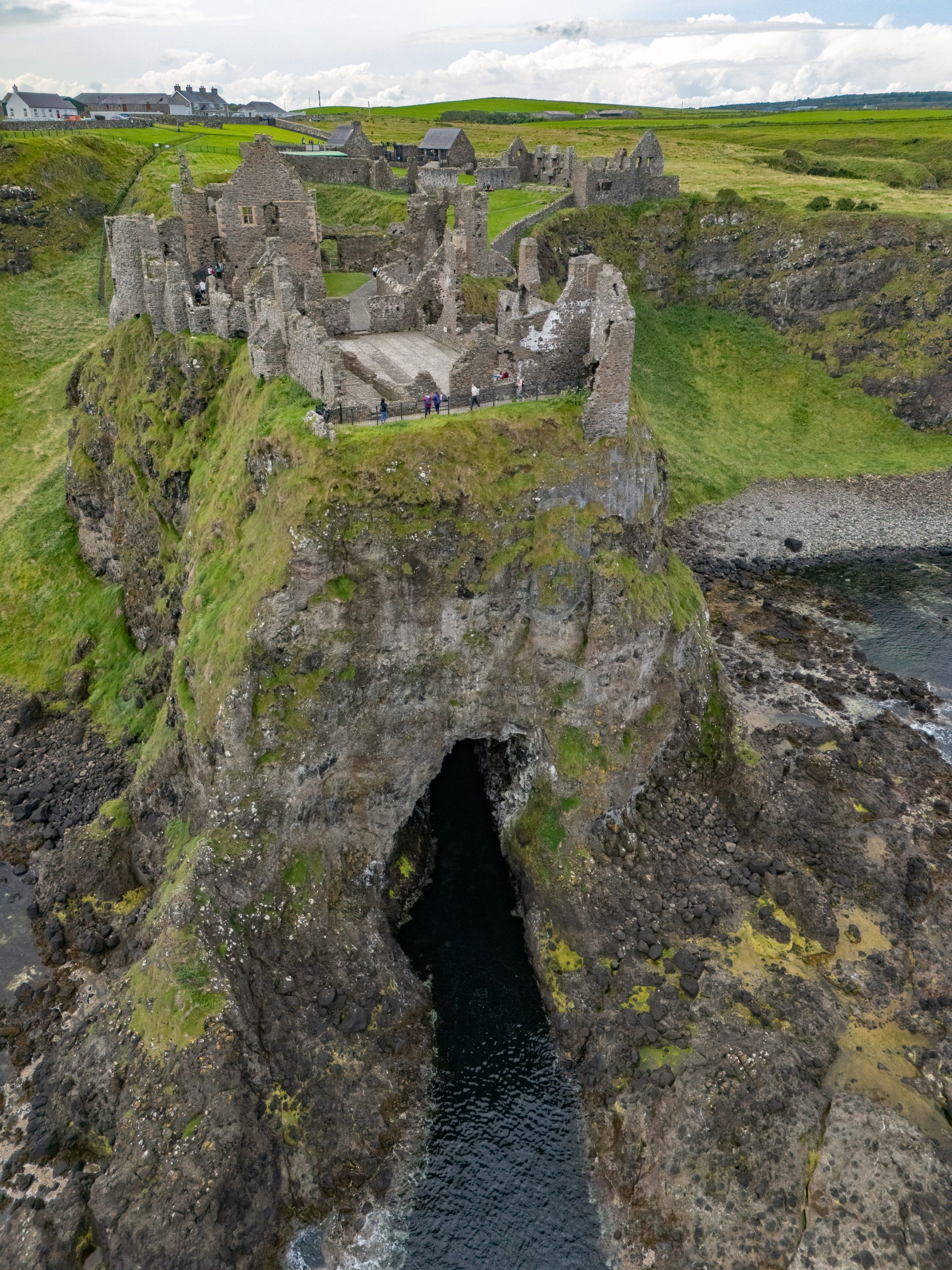
Liquid fortification for the rest of the journey was sampled at the Bushmills Distillery before a brief stop at the ruins of Dunluce Castle, a dramatic, ruined medieval castle dating mainly from the 16th and 17th centuries. It once served as the seat of the powerful MacDonnell clan and the Earls of Antrim.

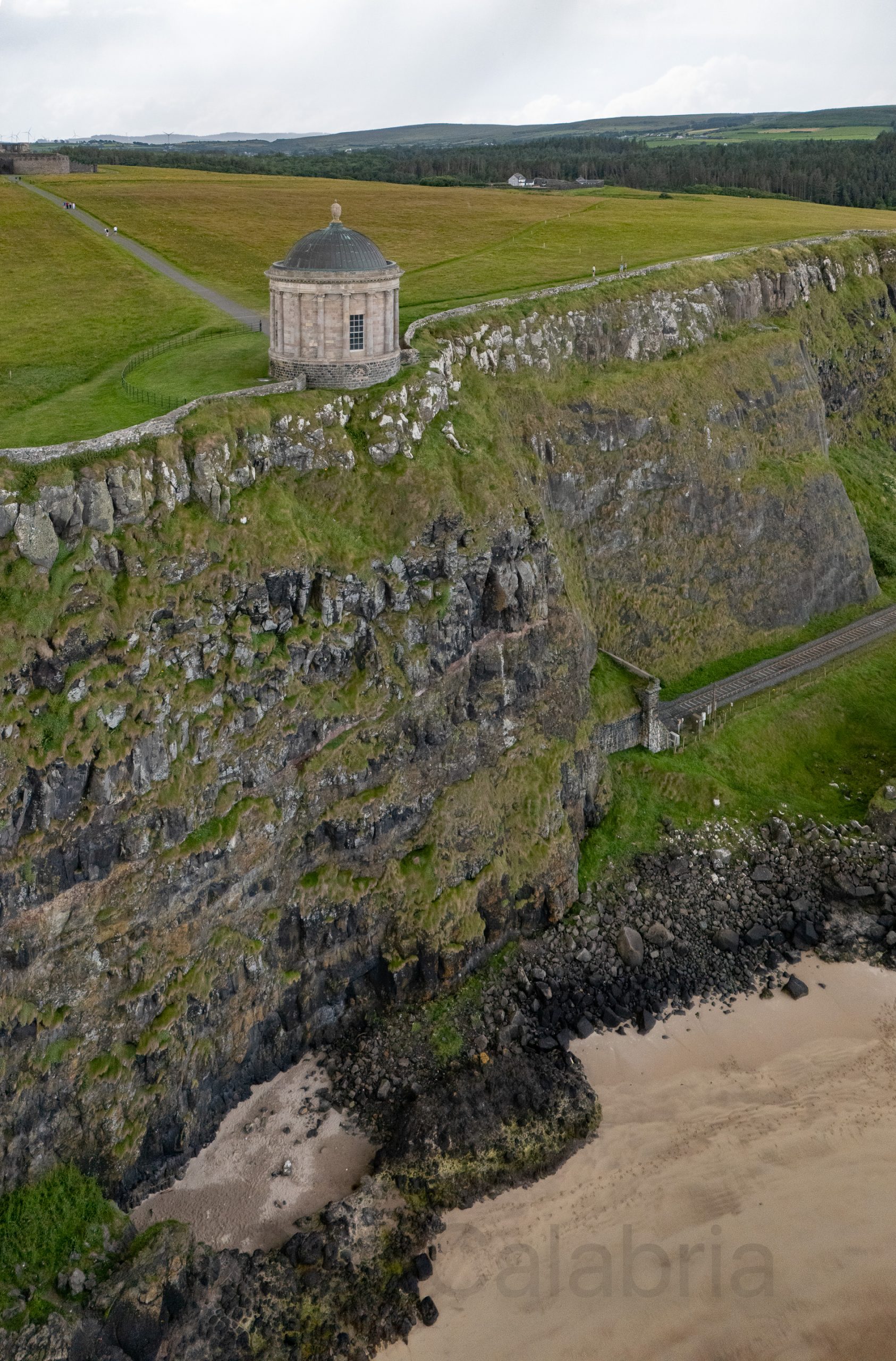
Mussenden Temple is a striking circular building perched on a dramatic cliff edge near Castlerock in County Londonderry, built in 1785 as a library for Frederick Hervey, Earl of Bristol and Bishop of Derry, and dedicated to his cousin Frideswide Mussenden. Inspired by Rome’s Temple of Vesta and renowned for panoramic views over Downhill Strand, it is now one of Ireland’s most photographed landmarks.

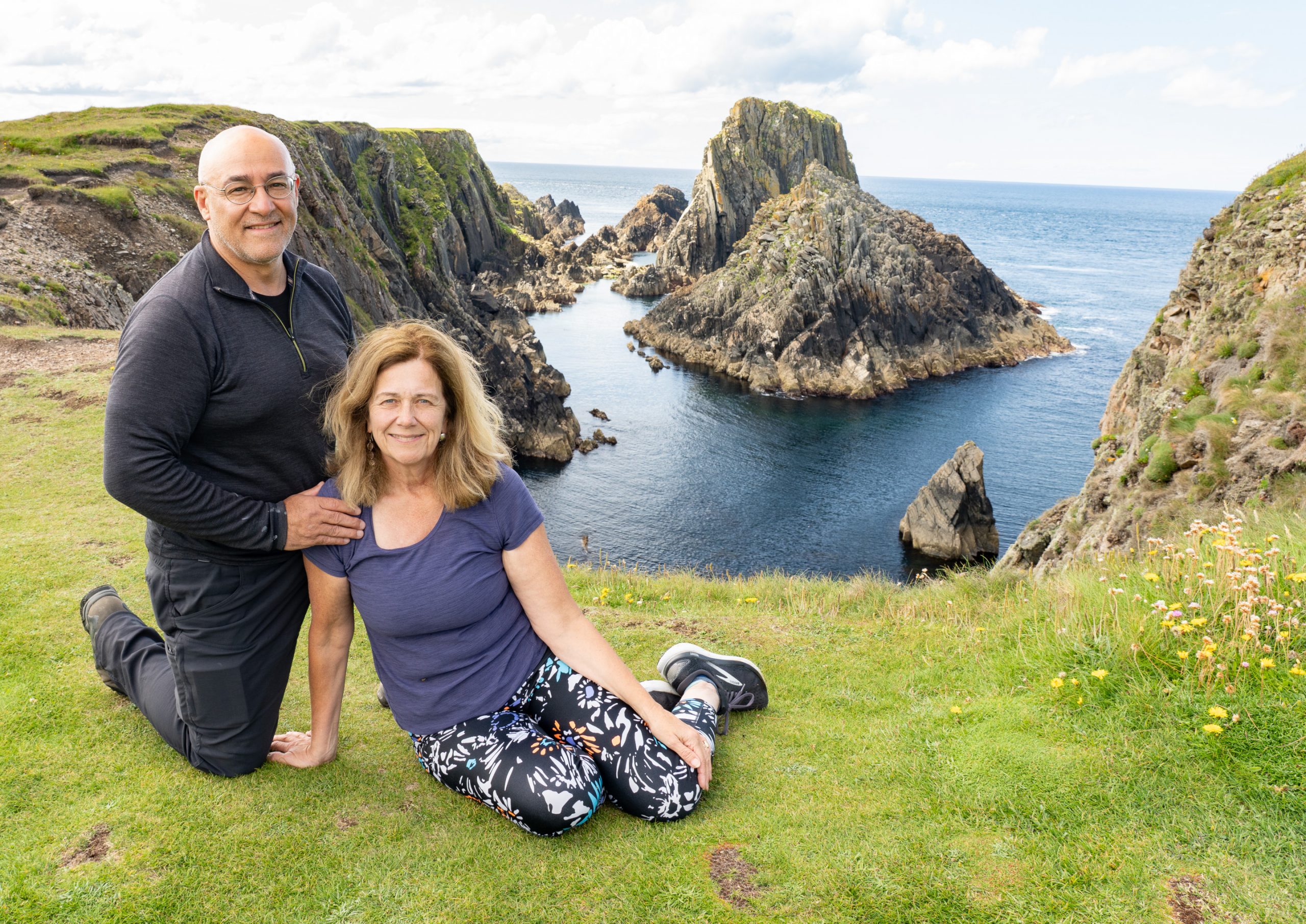
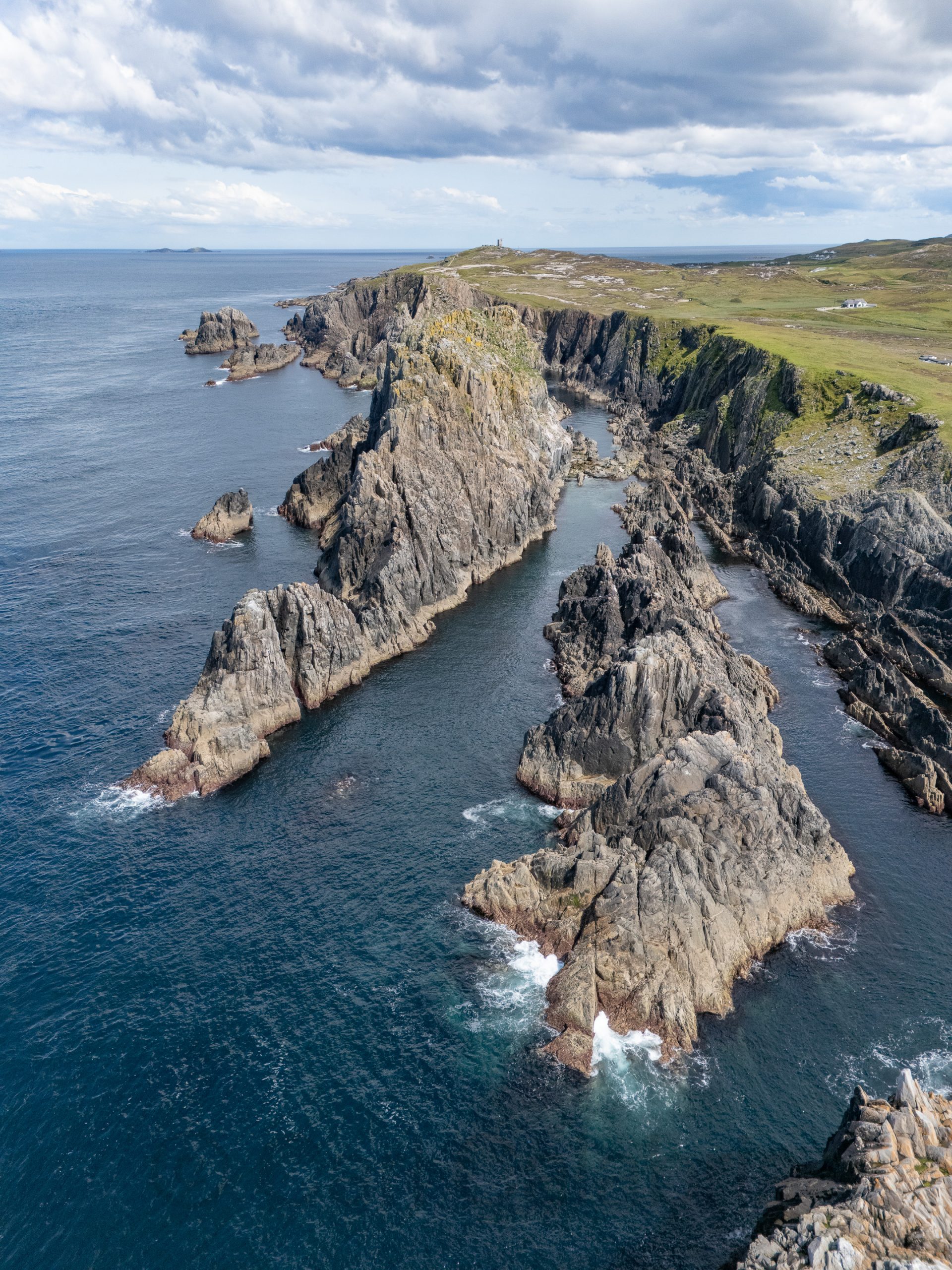
Malin Head is Ireland’s most northerly point, renowned for its wild coastal scenery, geological significance, and diverse marine life. We hiked up to an optimal viewing point where we enjoyed the breathtaking views.

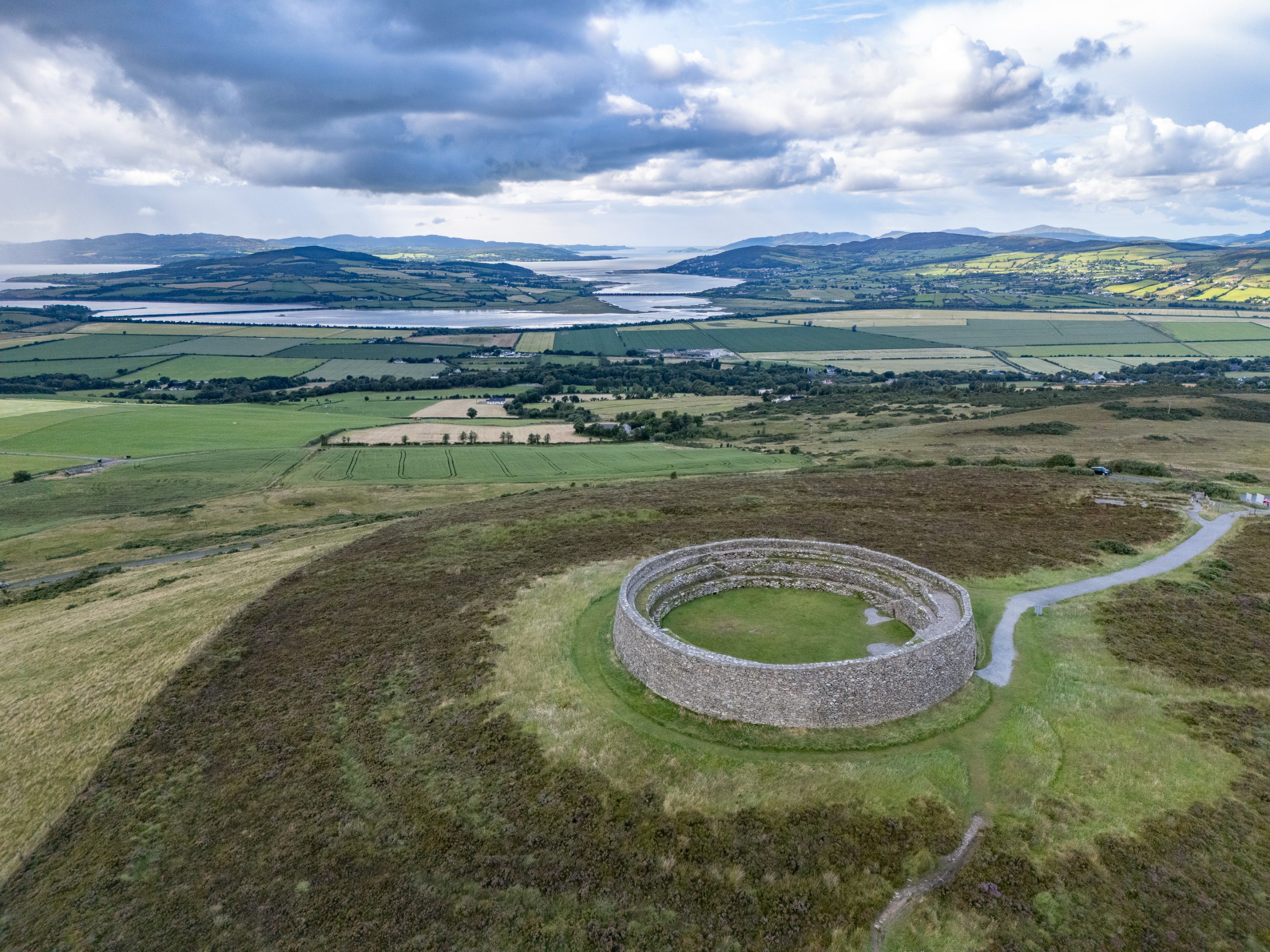
Our final destination for the day was Grianan of Aileach, a large stone ringfort atop Greenan Mountain in County Donegal, dating mainly from the early medieval period, which served as the royal seat of the Northern Uí Néill and is associated with both ancient mythology and early Irish kingship. The impressive drystone structure, originally constructed without mortar and partly reconstructed in the 19th century, offers panoramic views of the surrounding landscape and has stood witness to over 4,000 years of history, myth, and power struggles in the region.

Giant’s Causeway

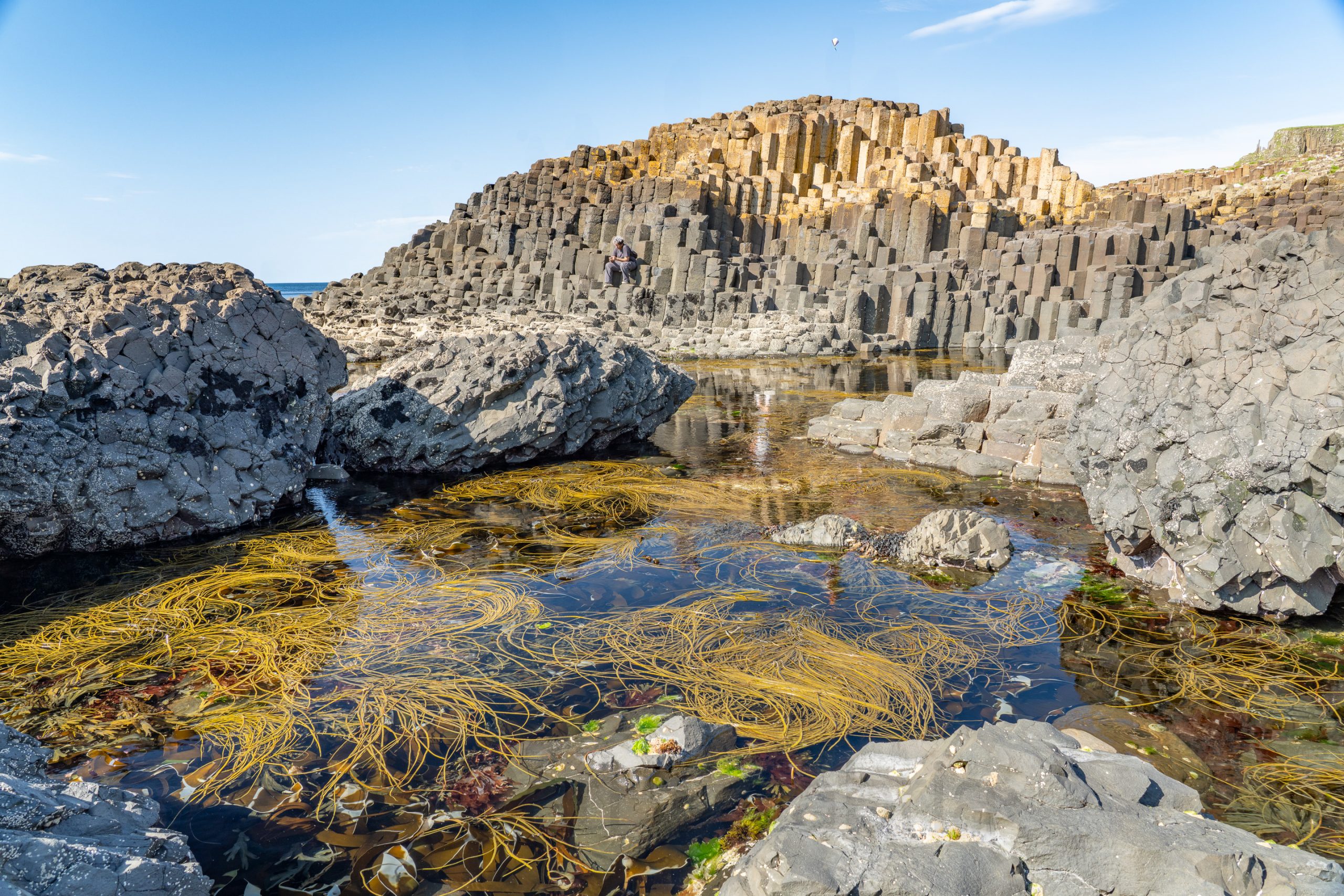
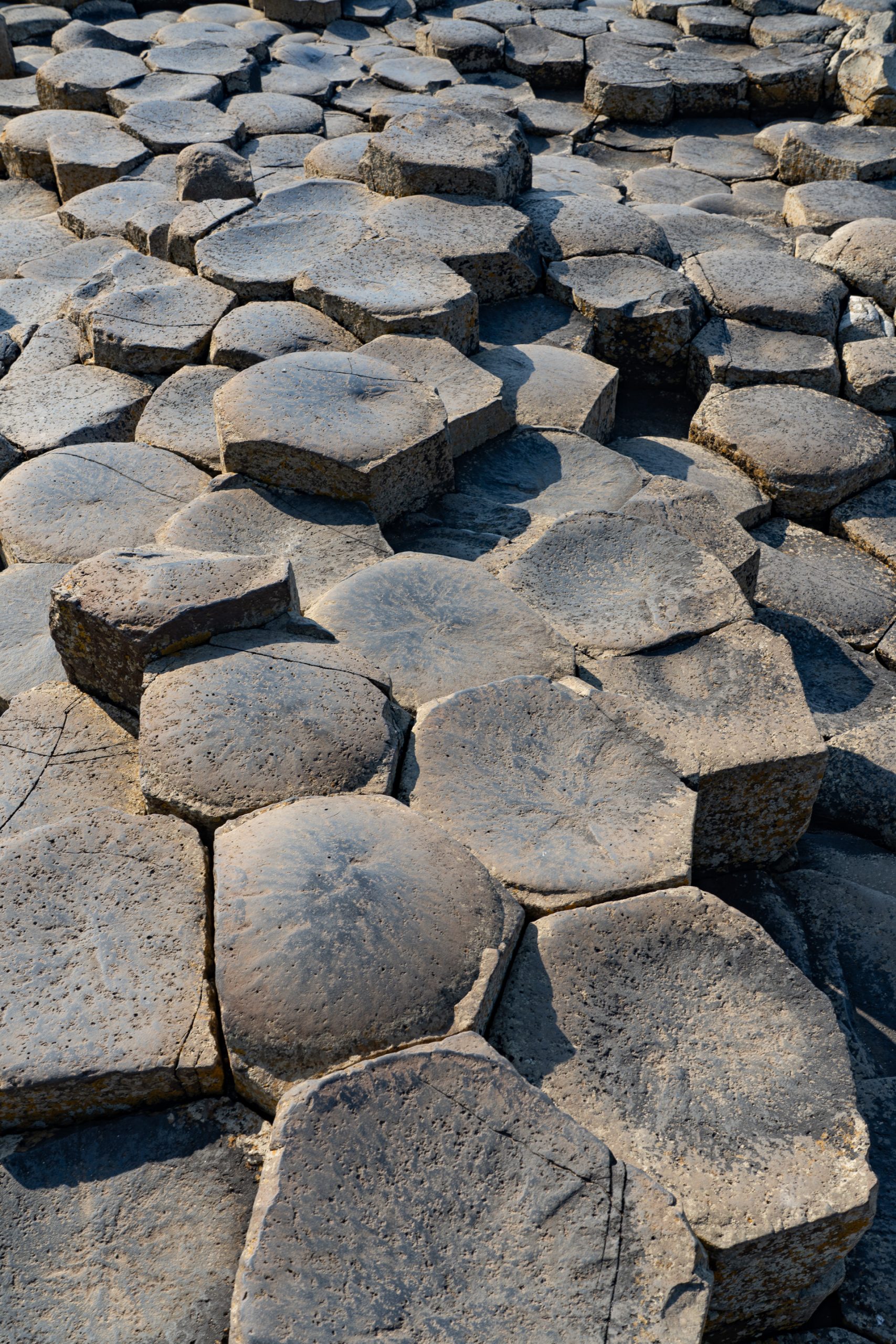
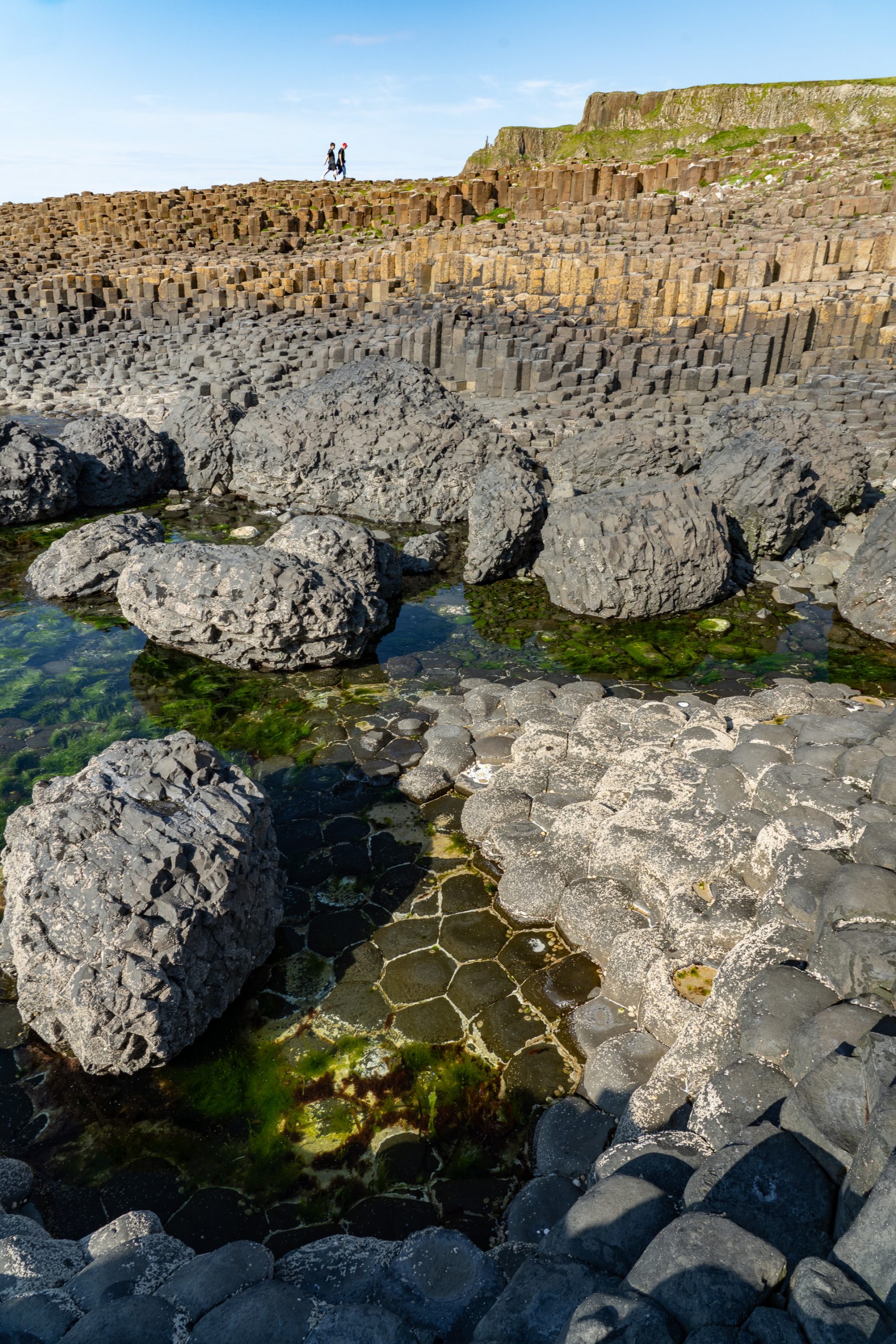
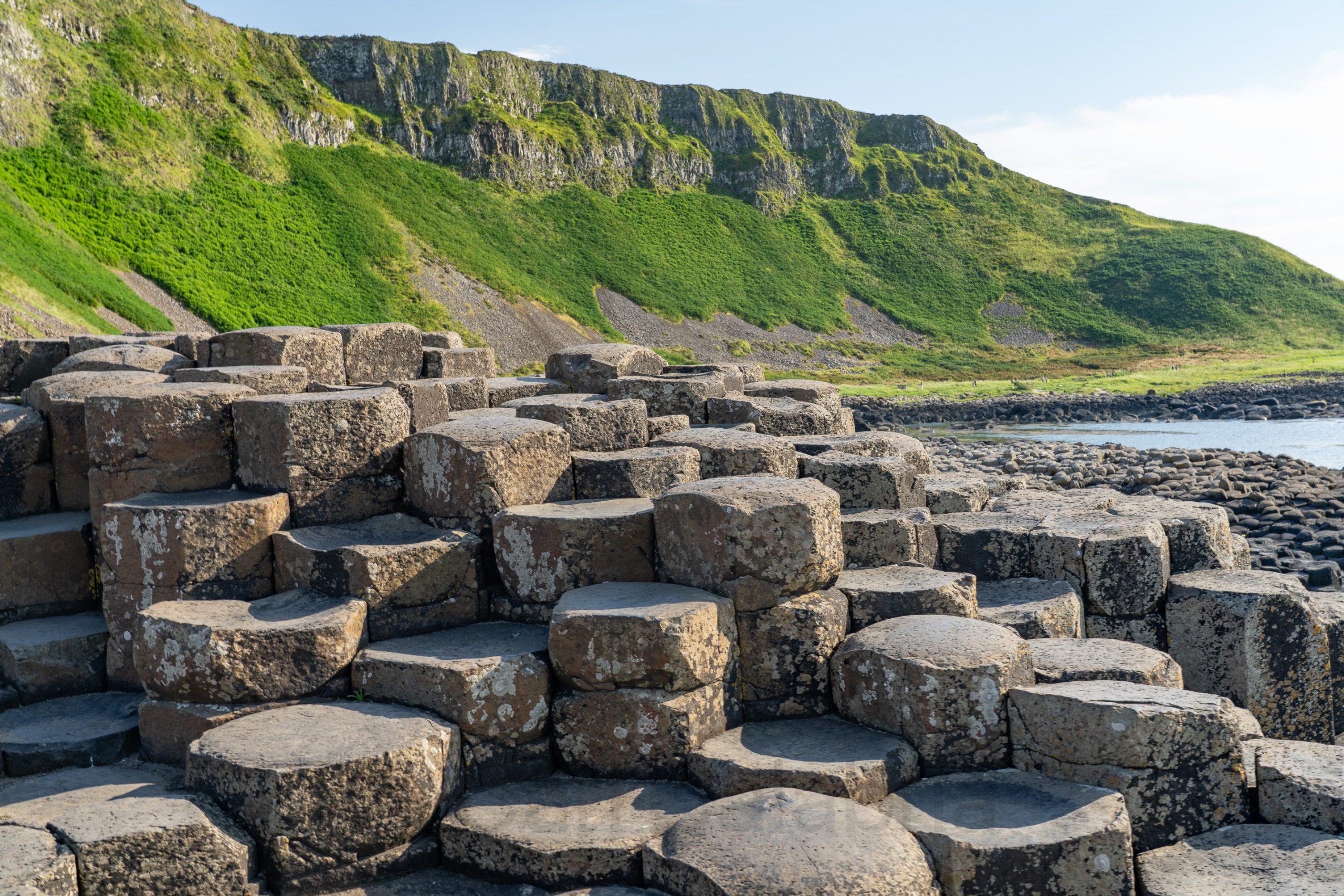
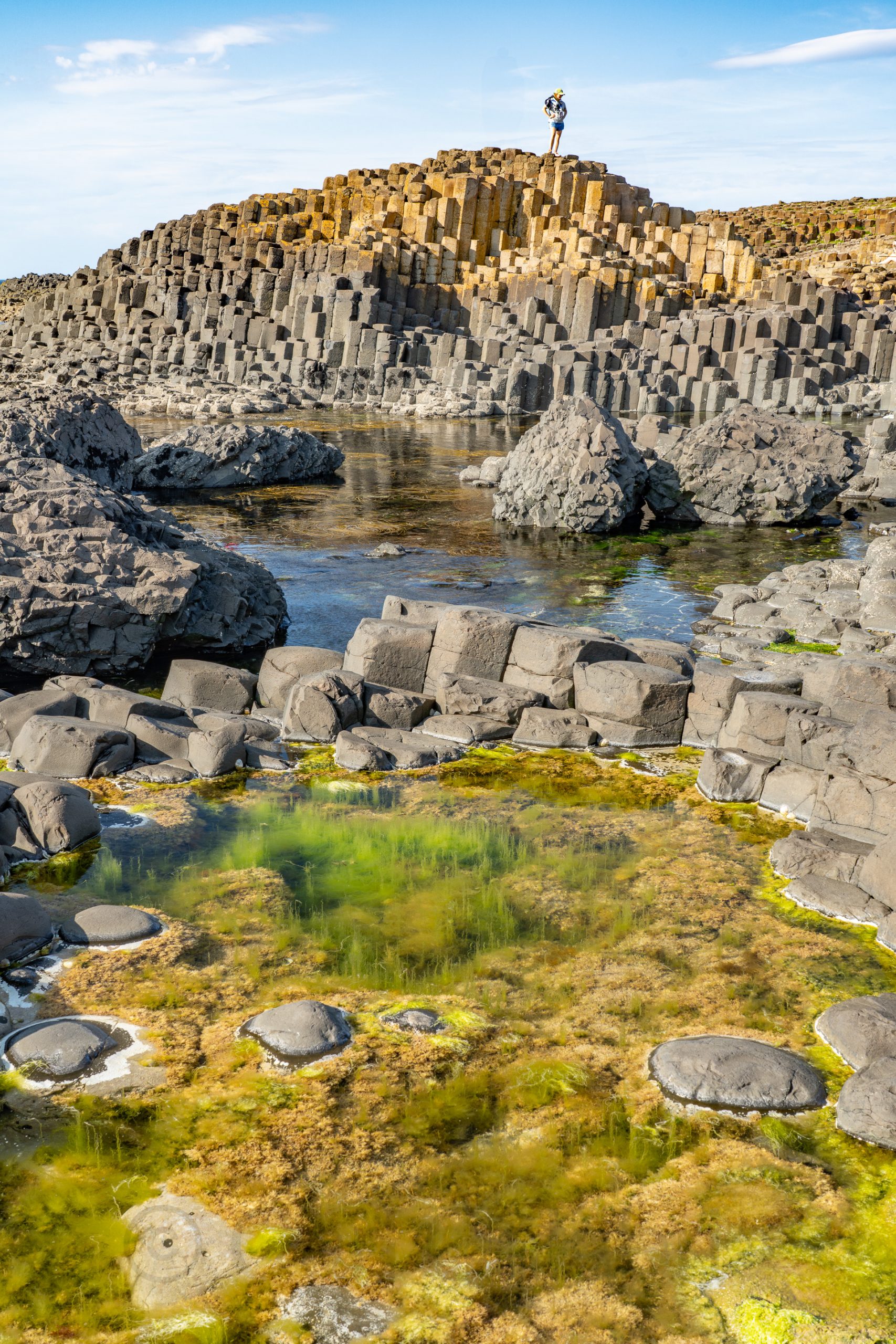
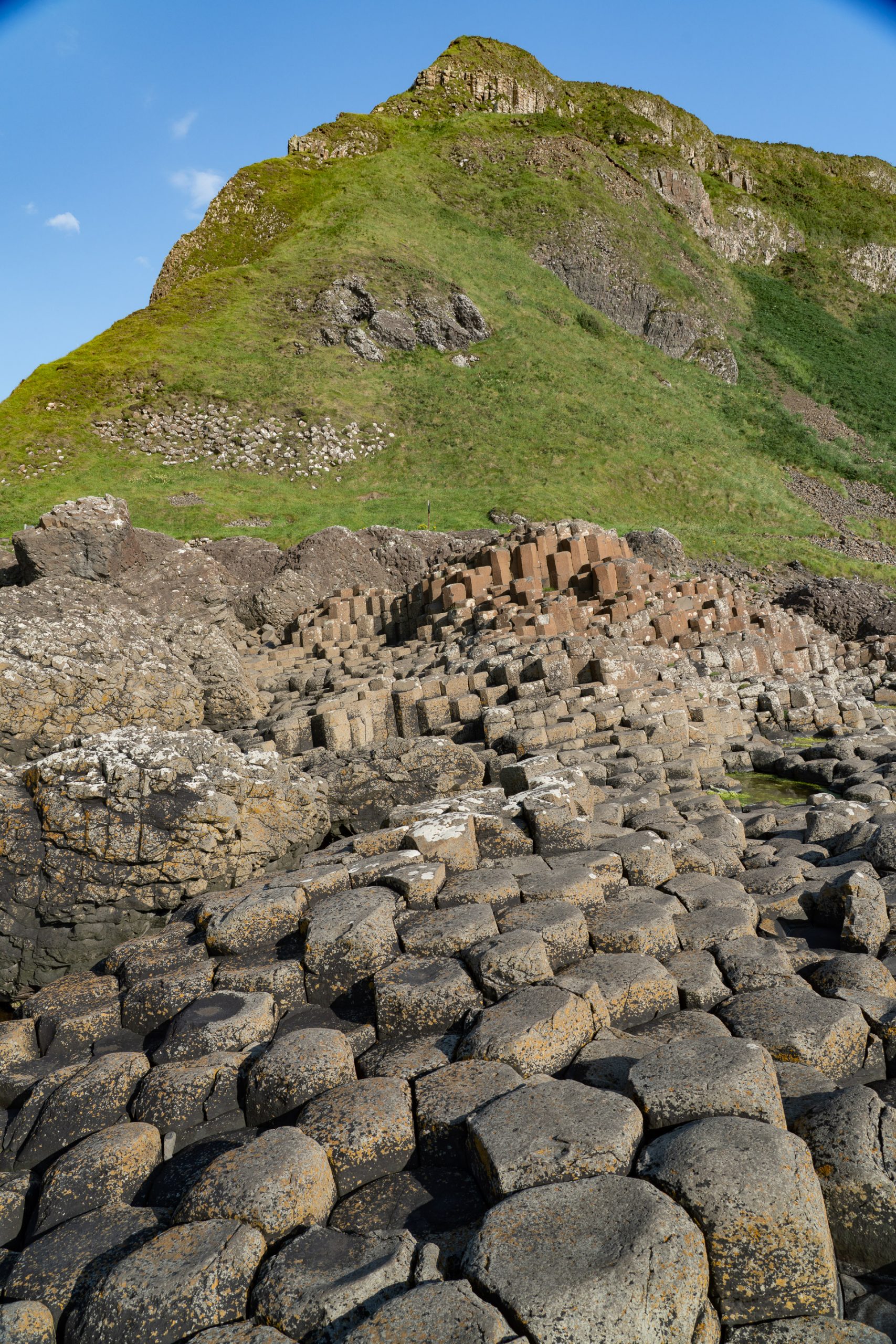
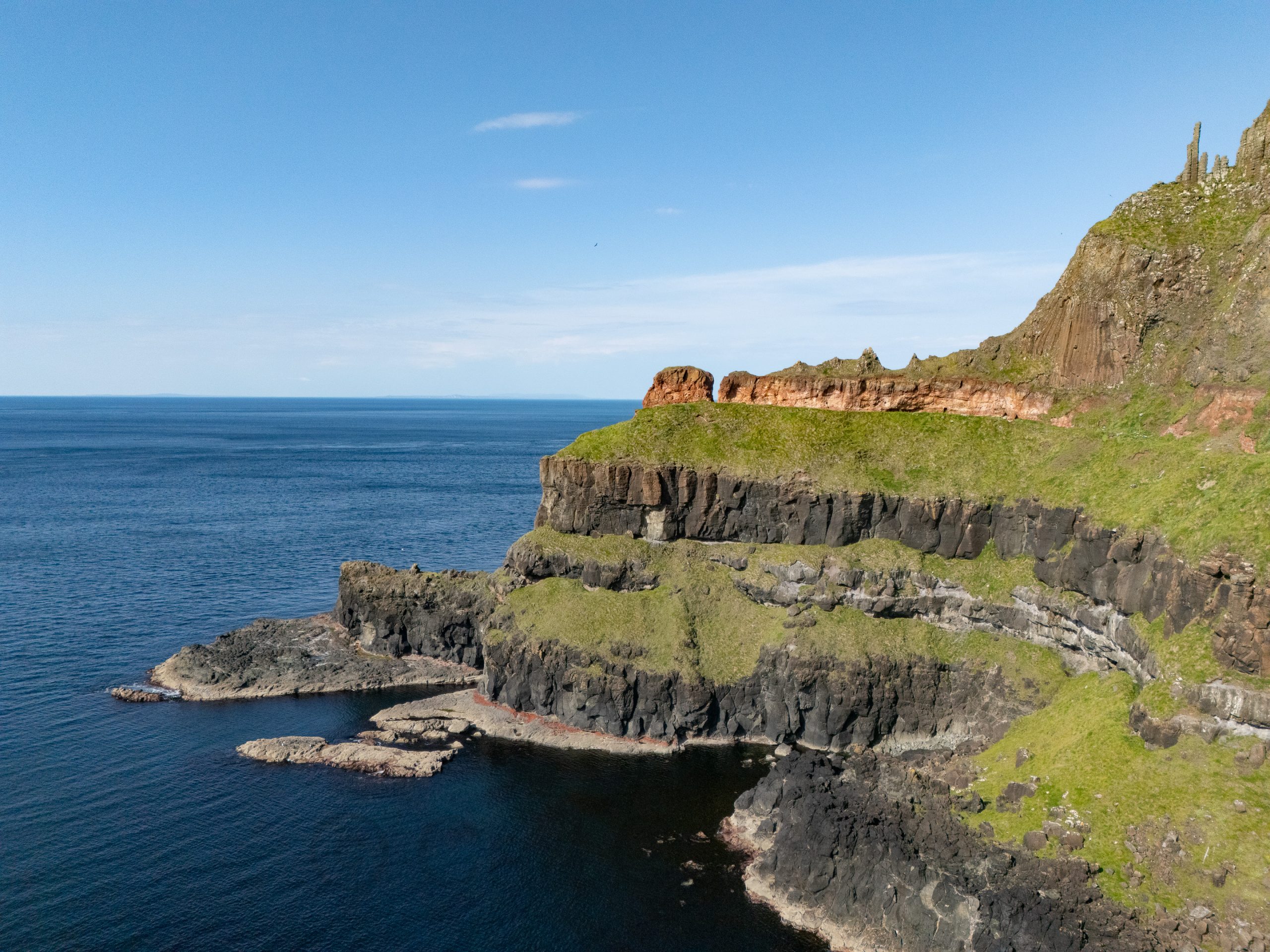
This morning, our crew (Mark, Marie, Jeanine, and I) joined a guided walking tour of Belfast focused on “The Troubles.” It was highly educational but not exactly visually stimulating. The opposite can be said of the Giant’s Causeway, which is a photographer’s dream. I separated from the group that joined a tour, so I could explore on my own. I racked up 7 miles and hundreds of photos. The Giant’s Causeway was formed about 50 to 60 million years ago when intense volcanic activity caused molten basalt to pour through fissures in the Earth’s surface. As the lava pools cooled slowly and evenly, they contracted, leading to extensive cracking that produced around 40,000 polygonal basalt columns—most famously hexagonal in shape. The distinctive appearance of the columns is the result of this regular fracturing during the cooling process.

Belfast

Jeanine and I woke up early to catch the Dublin Express bus to the airport. There, we picked up our rental car and waited to meet up with my brother Mark and his wife Marie, who were arriving from Minneapolis. Both activities proved fraught with challenge. The exact location of the bus stop was so poorly identified that we used every second of our twenty minute buffer running up and down the Aston Quay to find it. We were both dripping wet with perspiration by the time we boarded. Renting a car proved equally infuriating. You are unable to decline insurance coverage without a letter from your credit card or insurance company stating that your policy covers Ireland. Unable to produce this document, I had no choice but to accept their coverage for +$500.

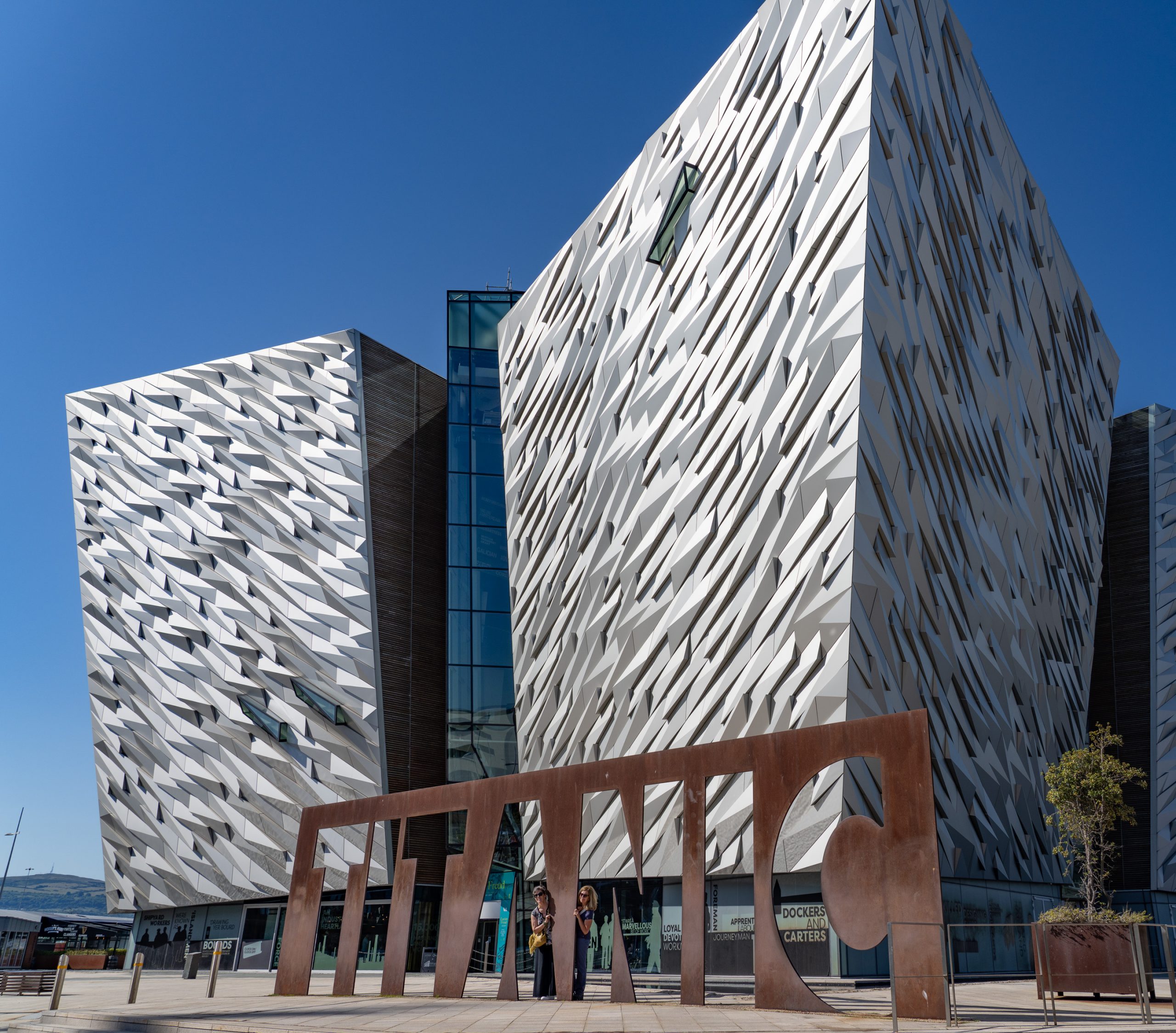
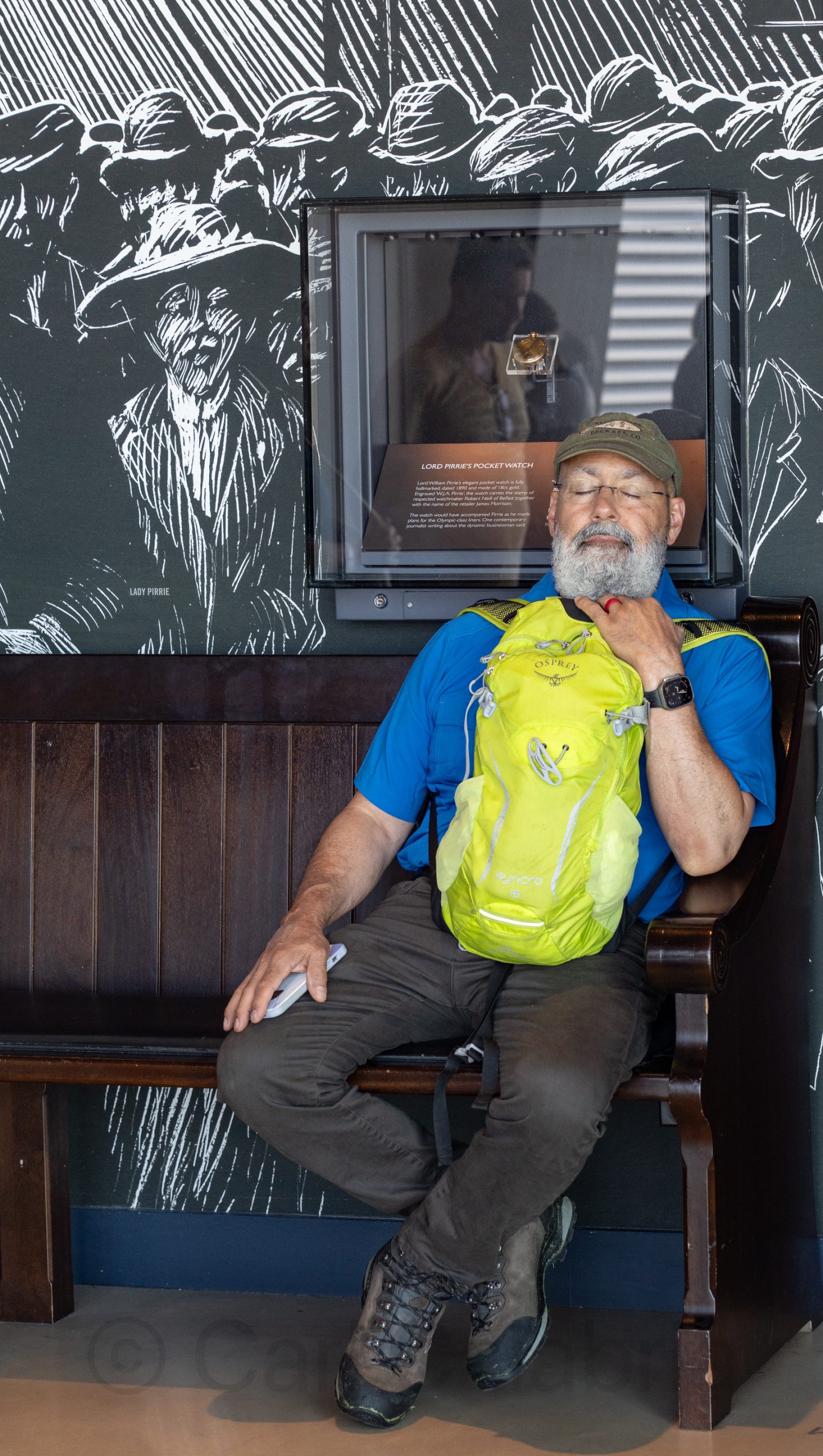
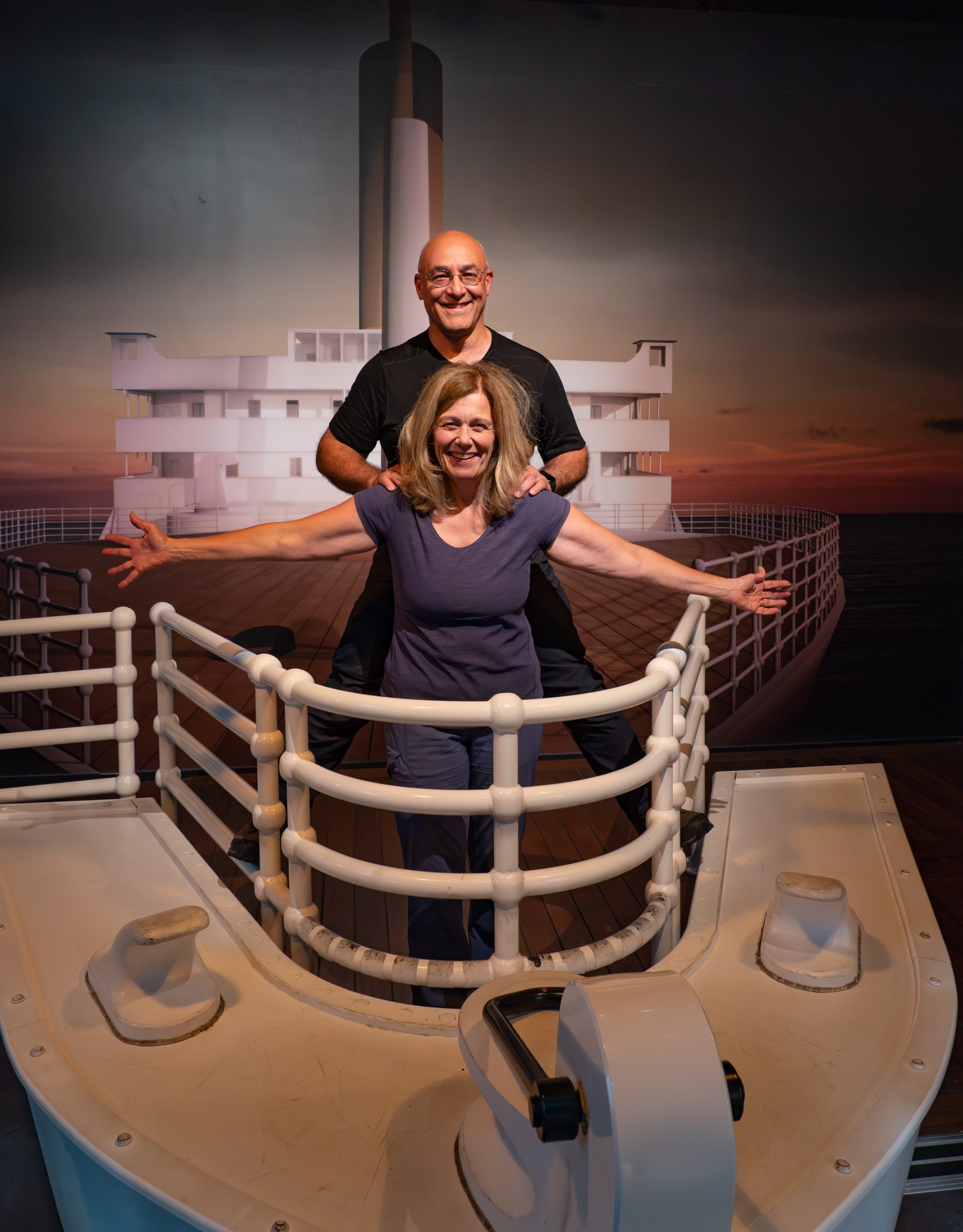
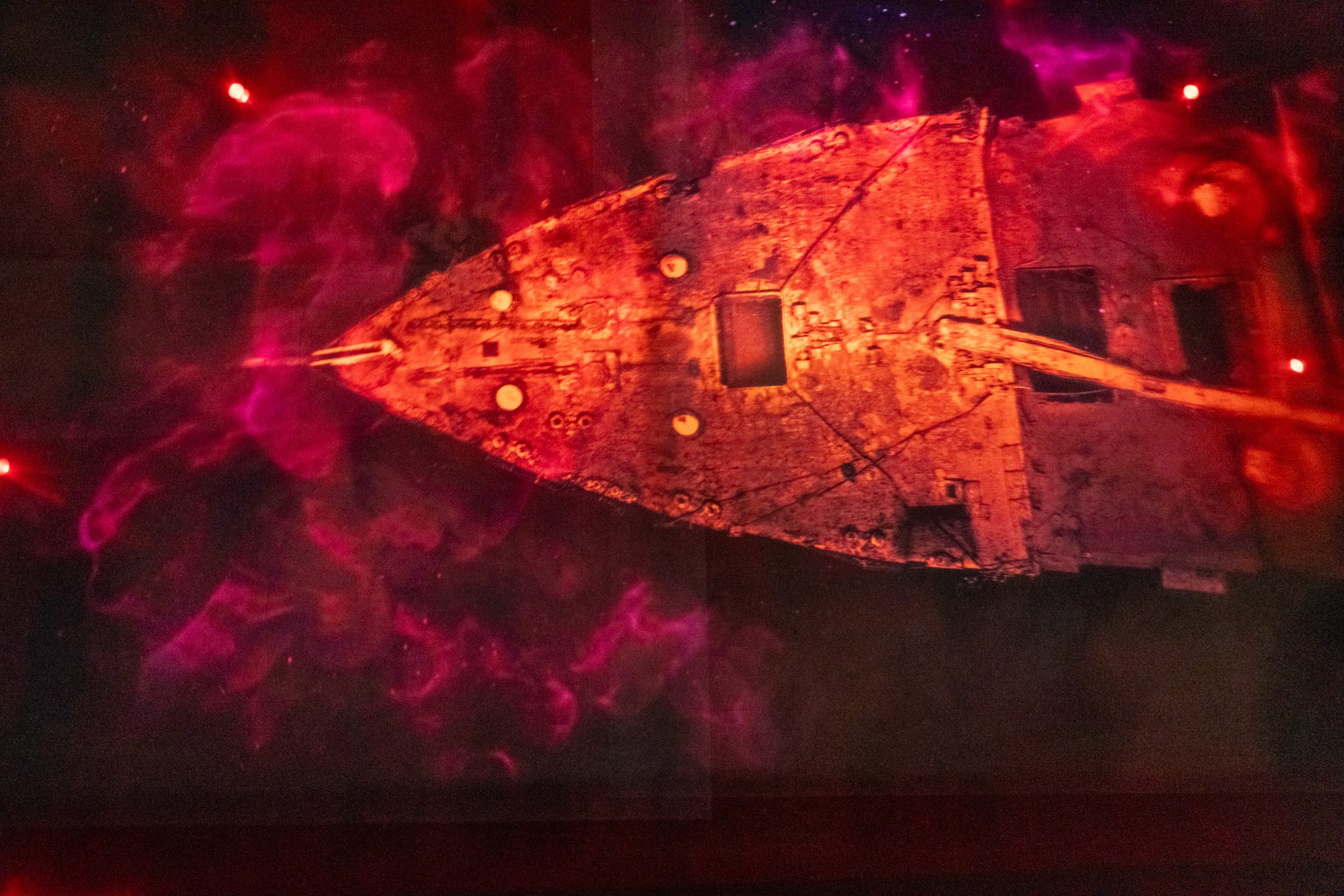
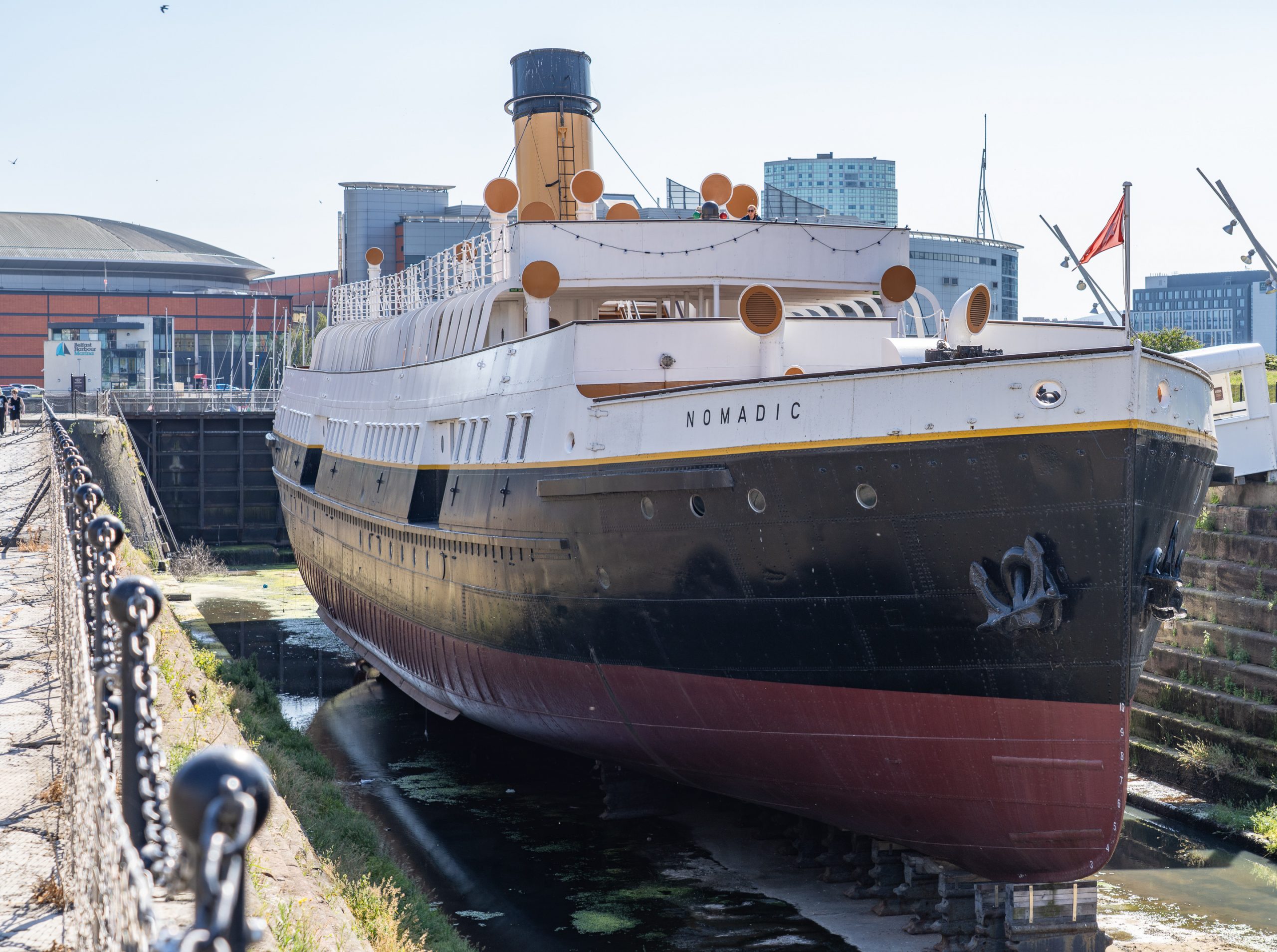
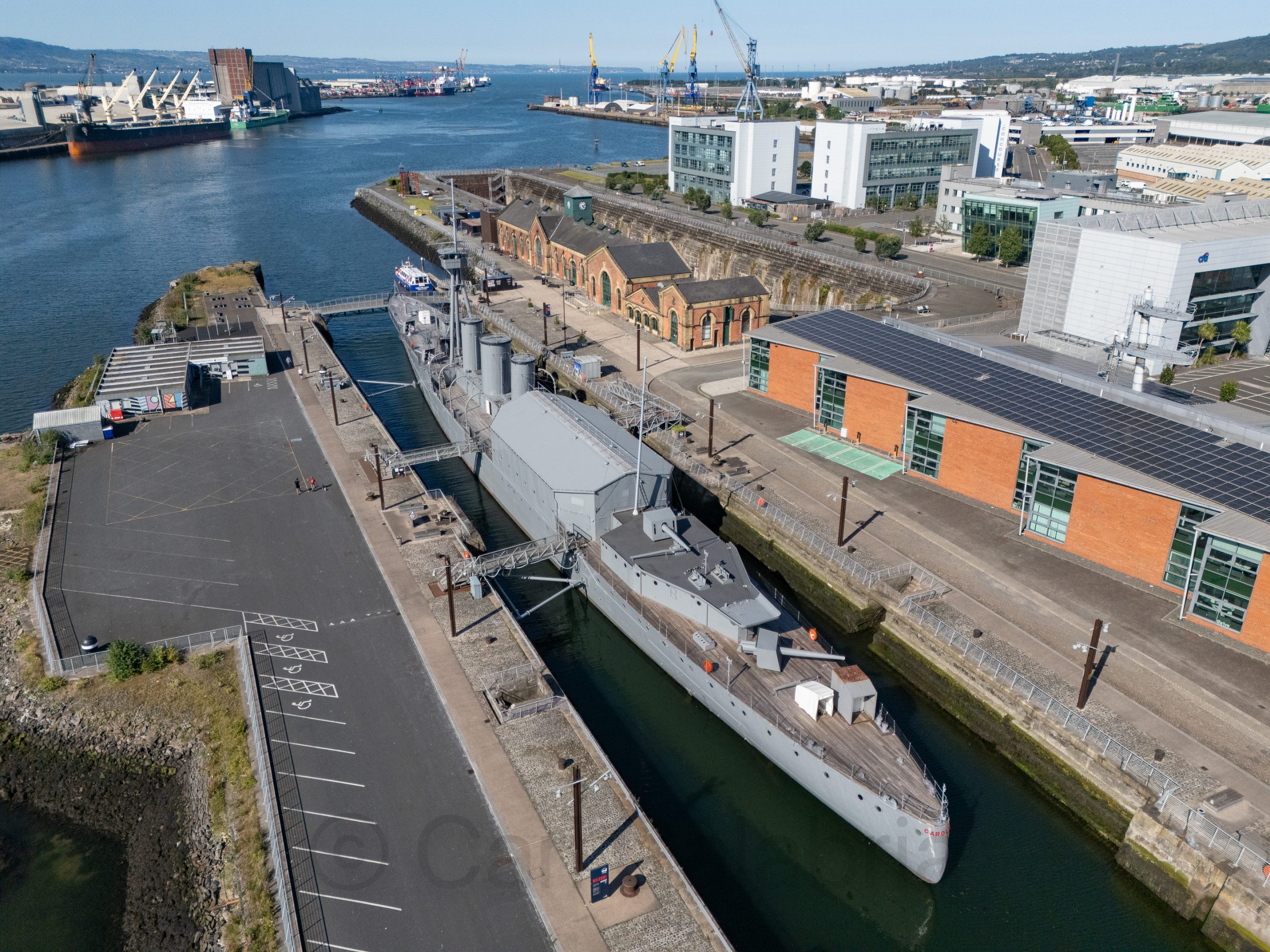
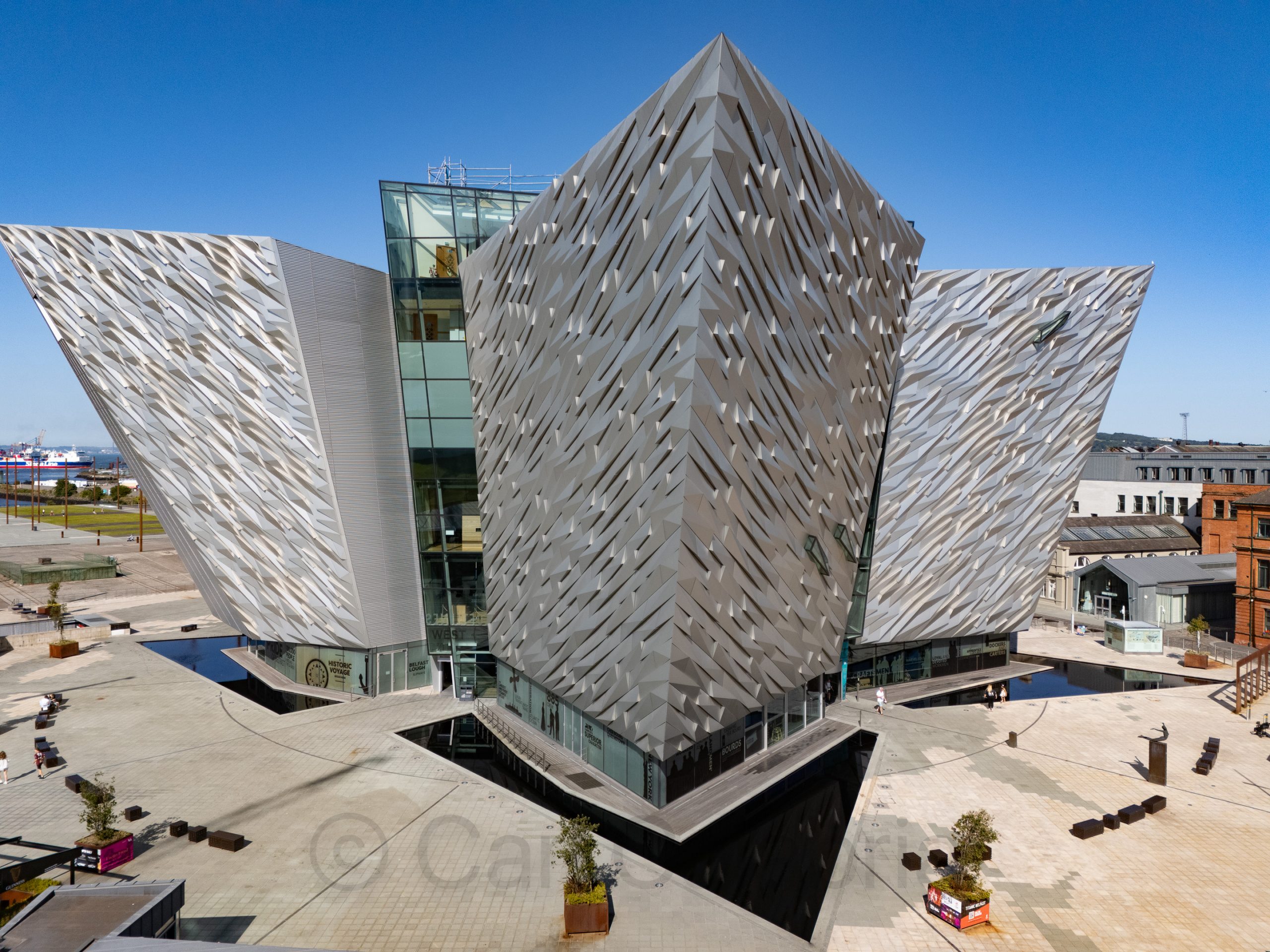
Connecting with Mark and Marie put all this nonsense in the rear view mirror as we departed for a late breakfast in Drogheda. From there, we drove to Belfast and directly to the Titanic Experience where we learned all about the tradition of ship building in Belfast and of the Titanic in particular as well as the entire story of its infamous maiden voyage. It was a fantastic experience and my brother was captivated (or possibly exhausted from no sleep in 40 hours).

Mexico leveraged its home-field advantage to defeat Team USA 2-3. Despite the loss, the US finished second in the tournament and will qualify for the World Cup to be contested next July in Costa Rica. Nico was in exceptional form throughout the tournament and picked up another goal on a penalty kick in this final match which can be viewed here.

Dublin

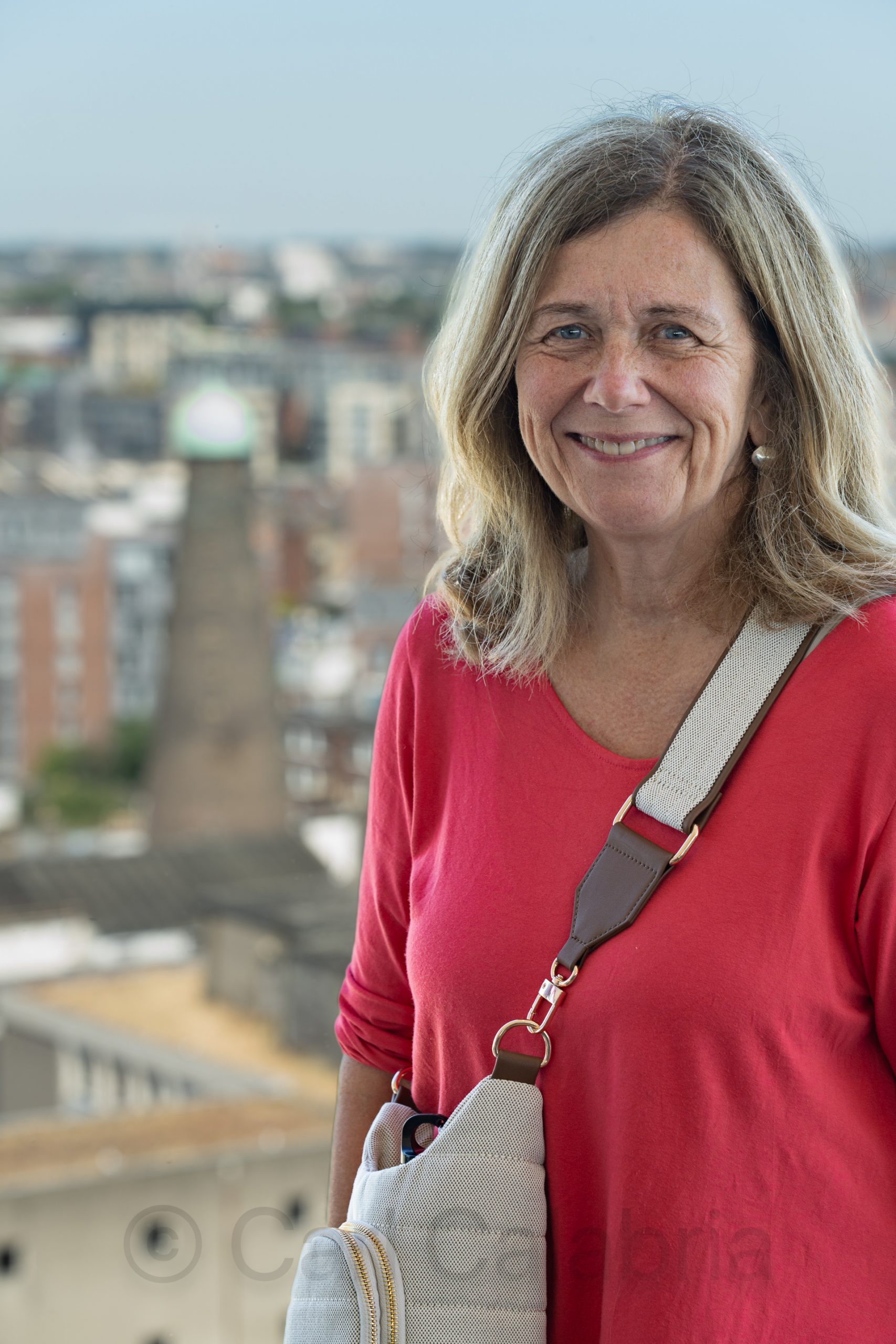
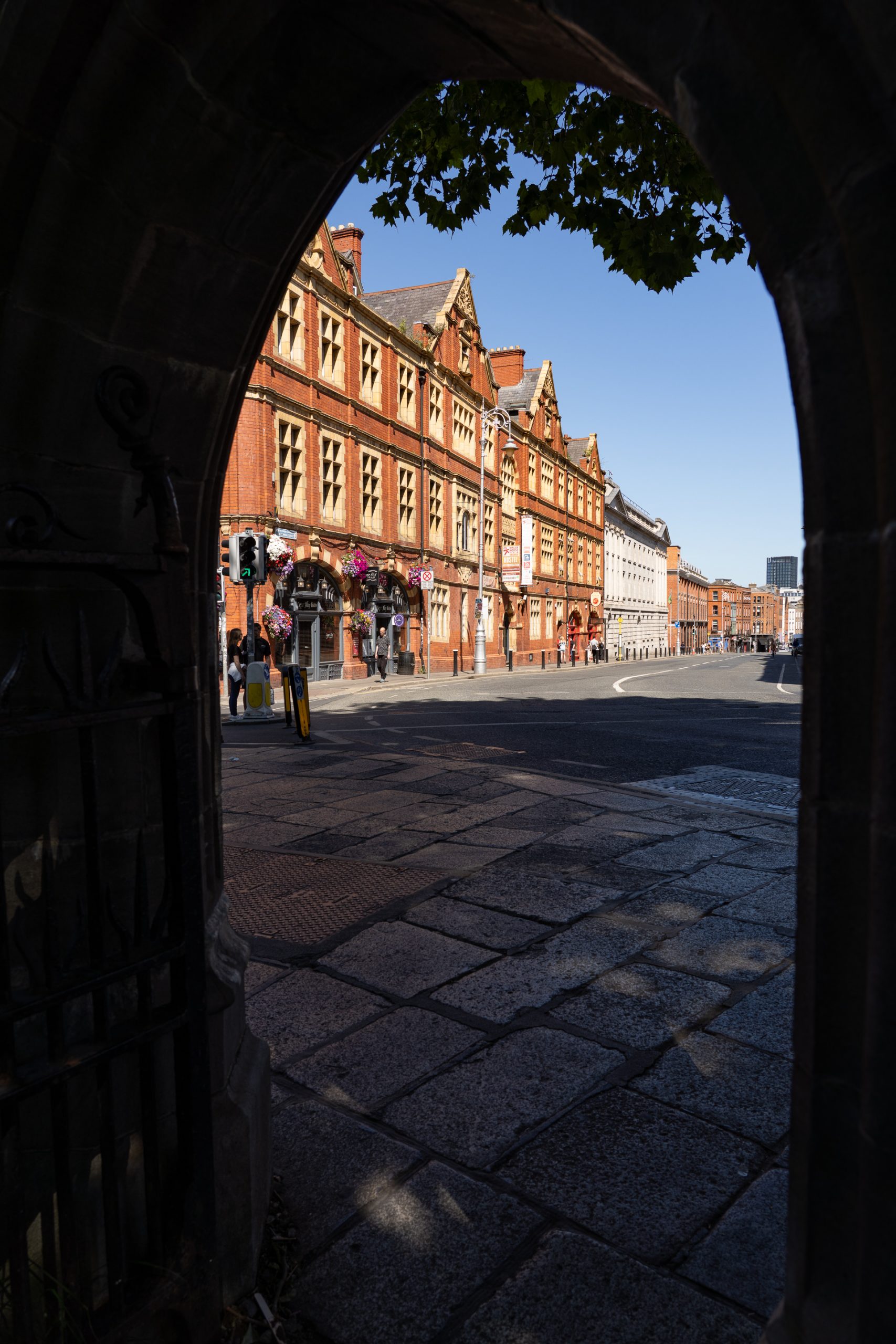
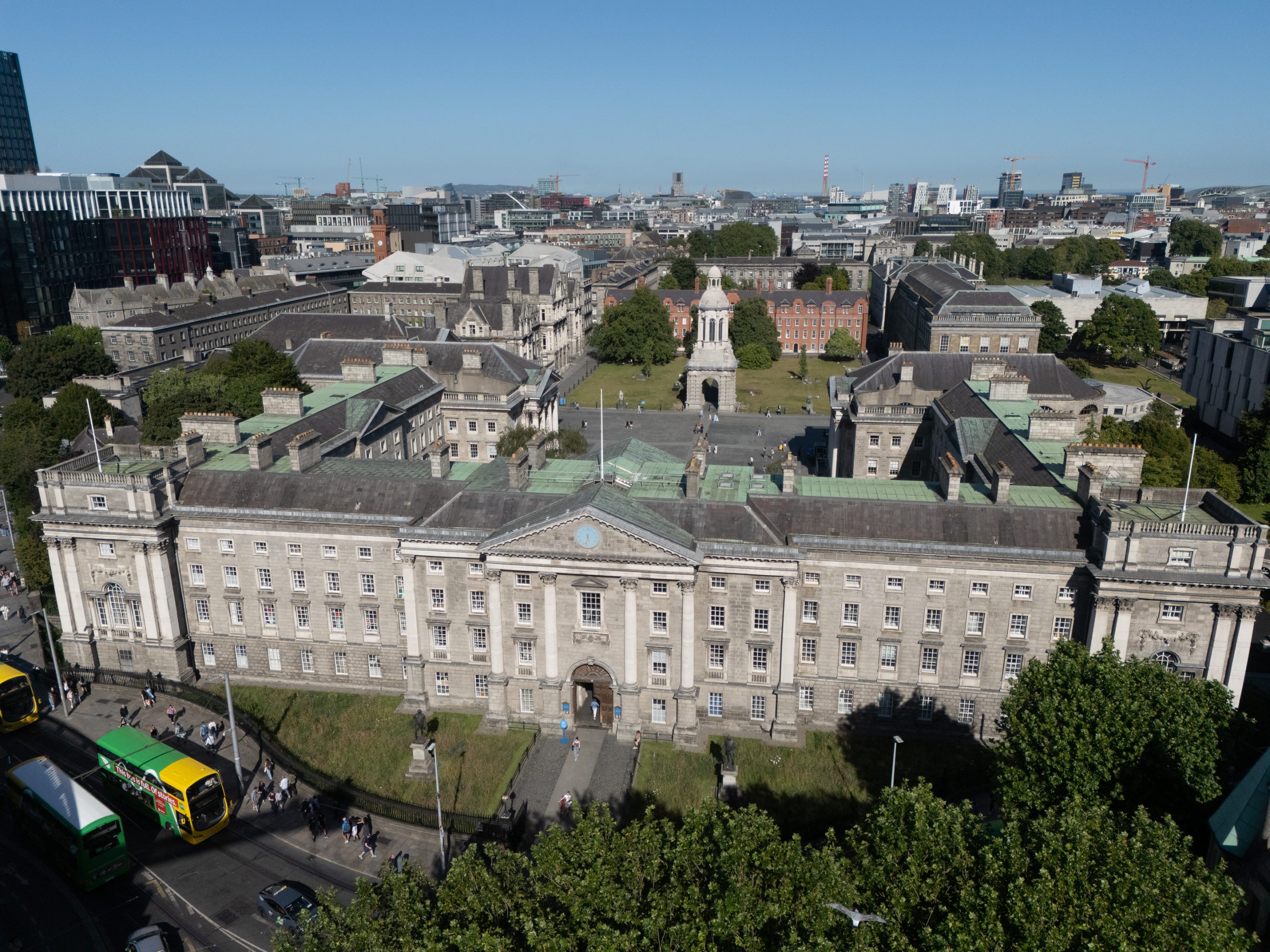
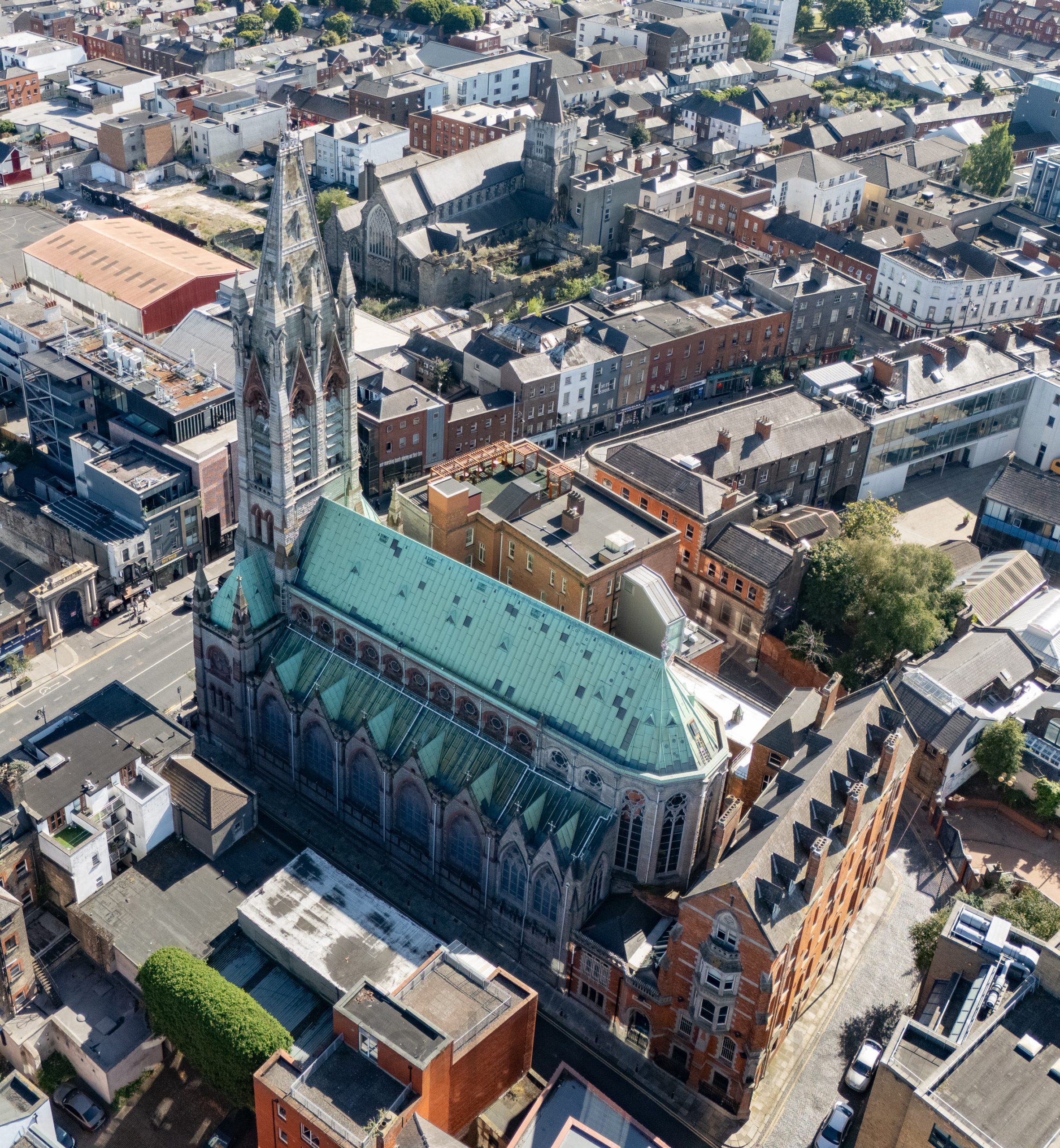
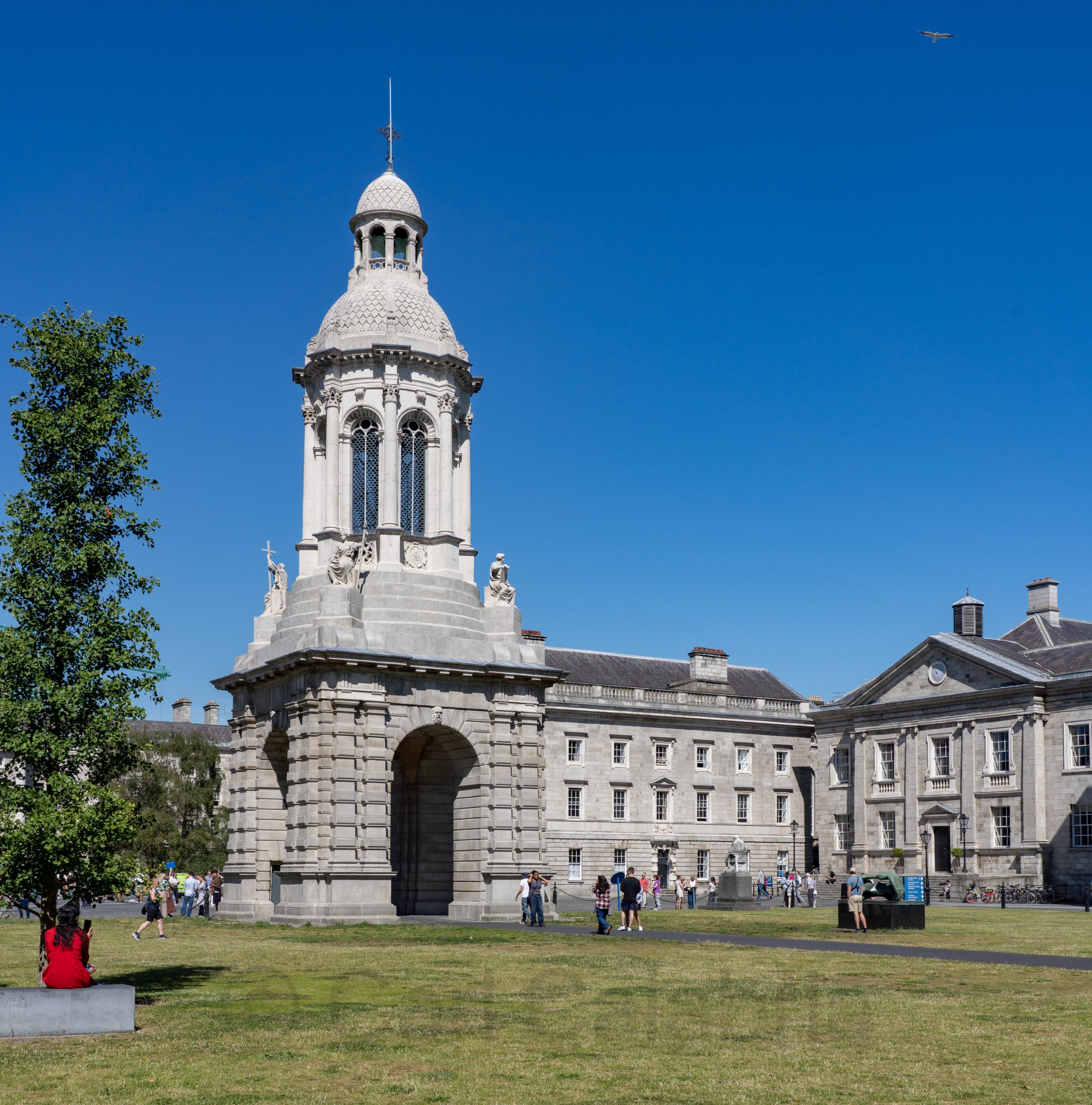
Our flight to Dublin arrived very early this morning. After dropping bags at our hotel, Jeanine and I walked 8.4 miles through the heart of the city. We managed to stay up until about 8 pm and then slept like a pair of rocks.

In Mexico, Team USA secured a ticket to next year’s World Cup in an exhilarating 3-2 win over El Salvador. The nail-biter can be viewed here.
USA 2:0 Costa Rica

Jeanine and I watched Team USA take on Costa Rica at Logan Airport while waiting to board our flight to Dublin. Nico had one assist and one goal from his center midfield position to help cinch the 2-0 victory. The full match can be viewed here. The hysterical after-goal celebration at the 1:00:05 mark is well worth the look.

UPDATE: I found this nice reverse angle of Nico’s goal.

Impact Circles

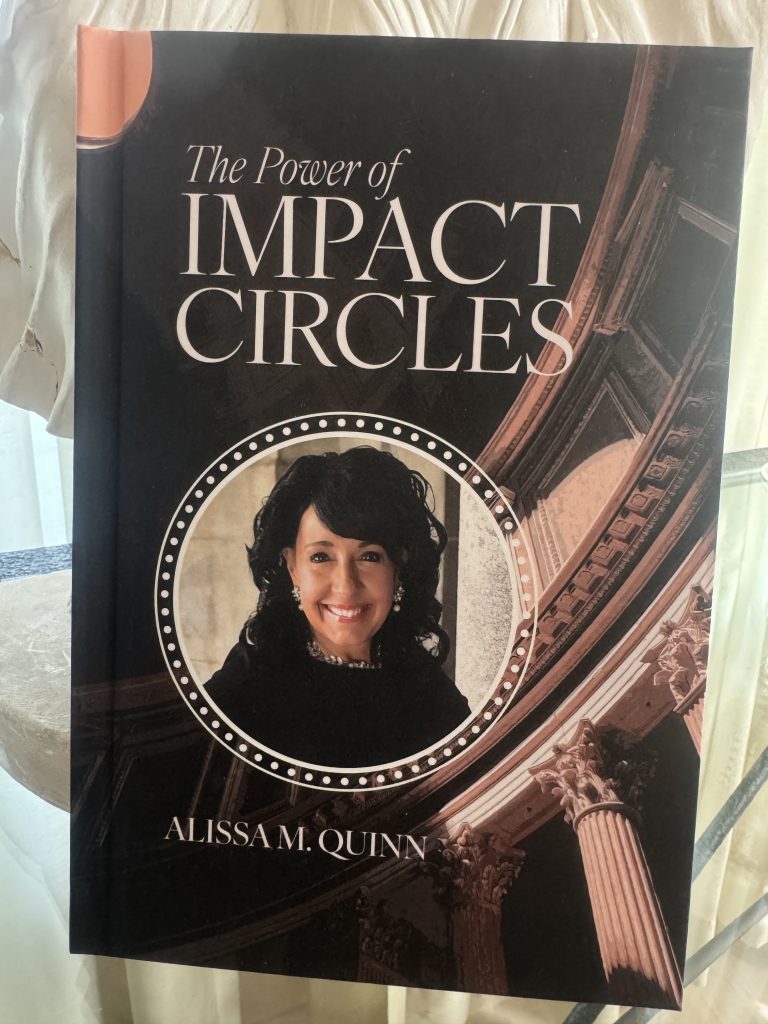
My sister, Alissa, just received the first copy of her new book, “The Power of Impact Circles.” It will go on sale August 1, and I am looking forward to reading it. You can learn more about the book and read the early reviews at https://www.thepowerofimpactcircles.com/.

To my great disappointment, the YouTube Live feed for the soccer match between the USA and Guatemala last night was not operational. The US won, 4-0, and Nico had one goal and two assists. Jeanine and I will try and watch the match against Costa Rica tomorrow from Logan Airport, where we will be waiting to board a flight for Dublin.