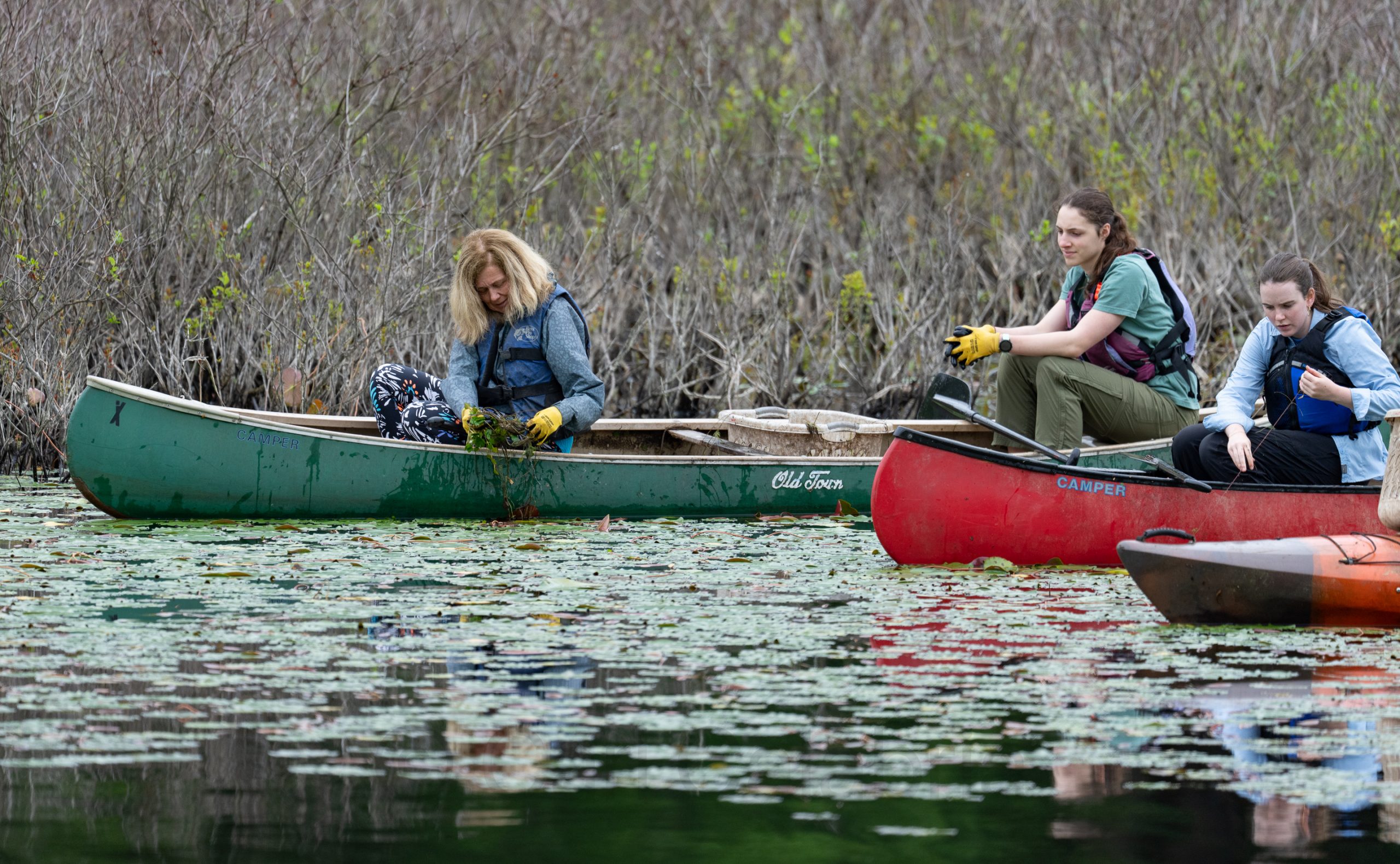
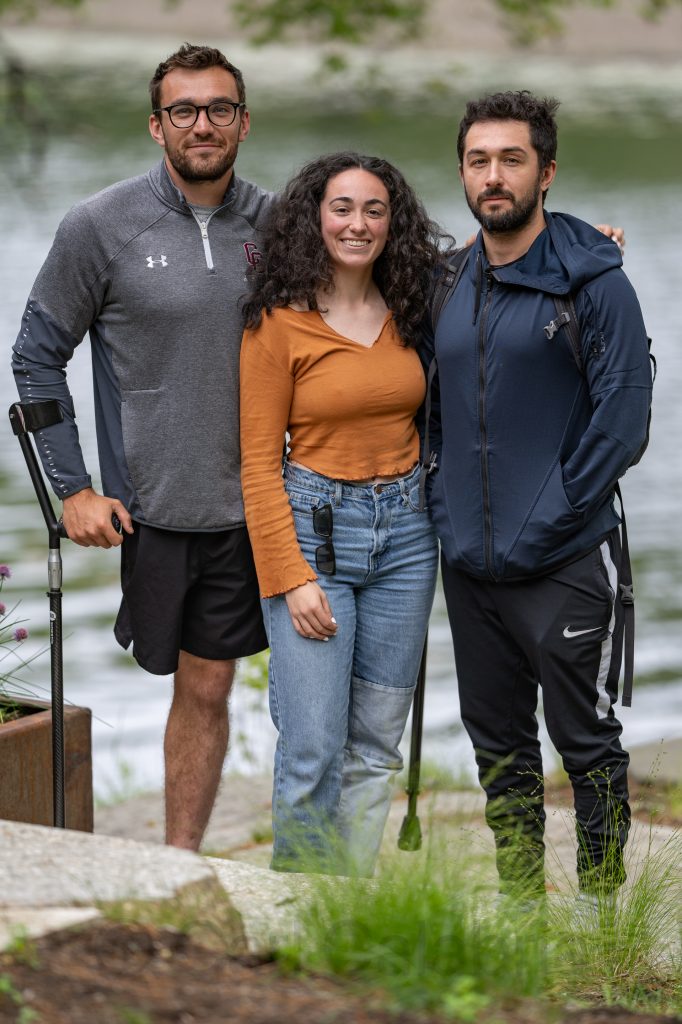
Water chestnut (Trapa natans), often called “American water chestnut” in the U.S., is a highly invasive aquatic plant, not to be confused with the edible water chestnut used in Asian cuisine. Native to Eurasia, it was introduced to North America in the 19th century and has since become a major ecological threat in the northeastern United States. Jeanine joined other members of the community this morning to pull plants from the river in the ongoing battle to keep the spread at bay.
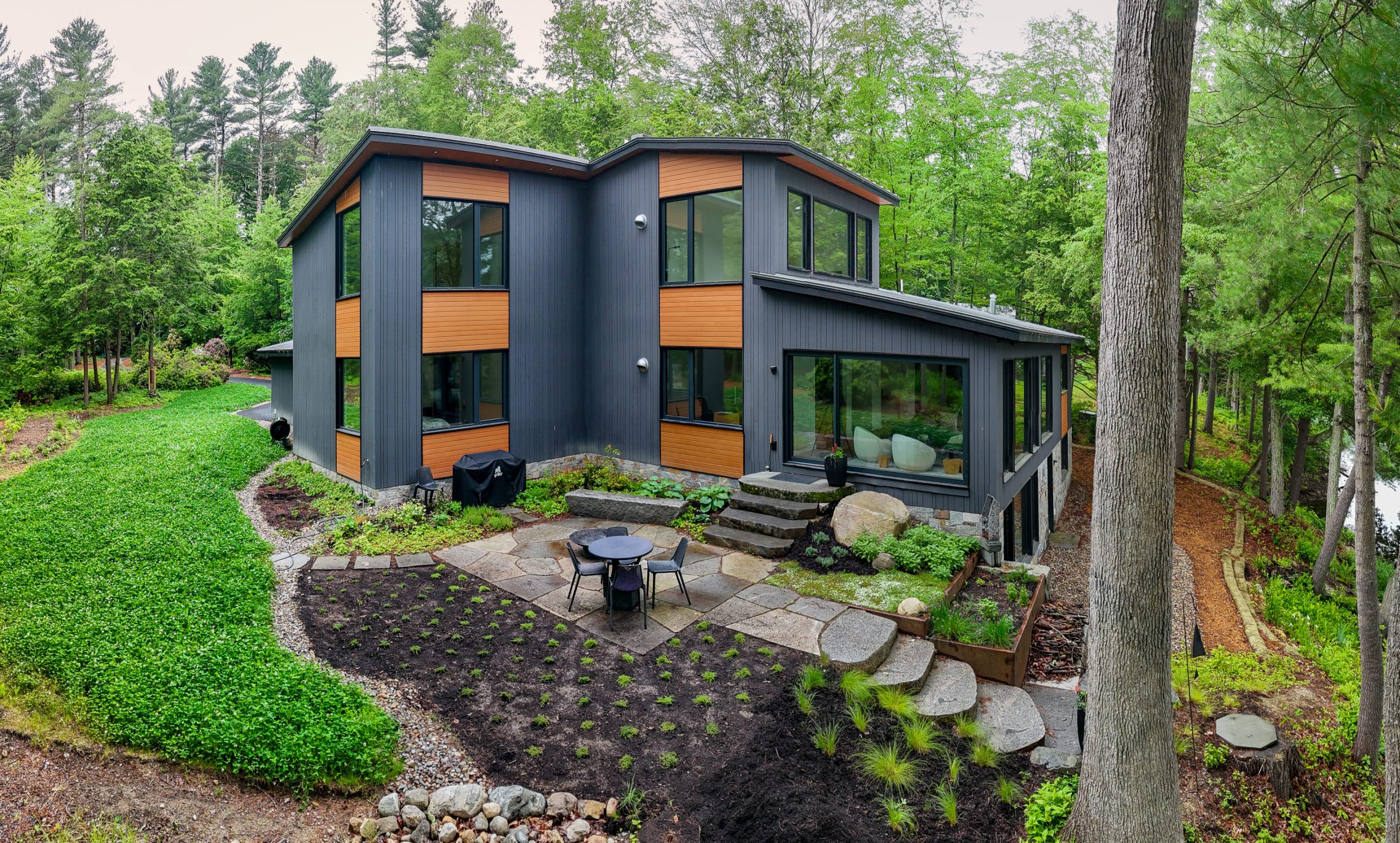
Yesterday, Jeanine and I planted 95 creeping thyme plants in the area between our patio and the clover lawn over a few hours. If they grow to their expected dimensions, we will have a lush, natural carpet covering the entire area that is robust enough to withstand foot traffic and will nearly double the usable size of our patio. Compared to similar work we did in the front yard, this project went three times faster, taking advantage of lessons learned. This time, we marked the hole locations for the entire area before excavating and then excavated all the holes before planting. Now for the hard part: wait 1 or 2 years for the creeping thyme to spread.
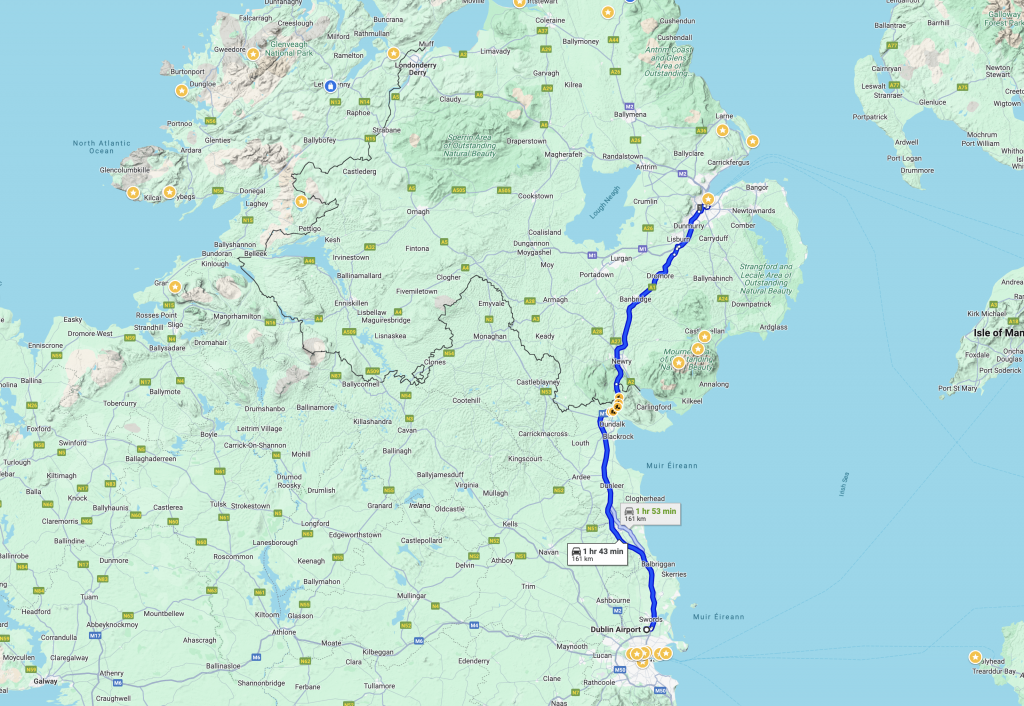
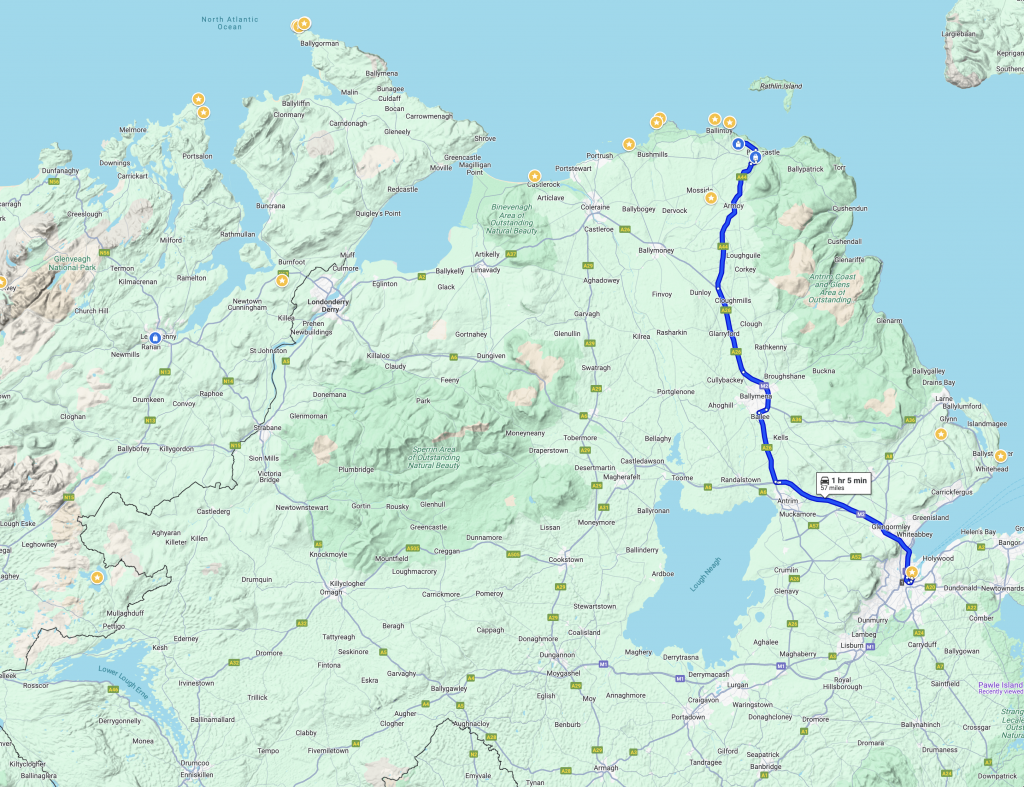
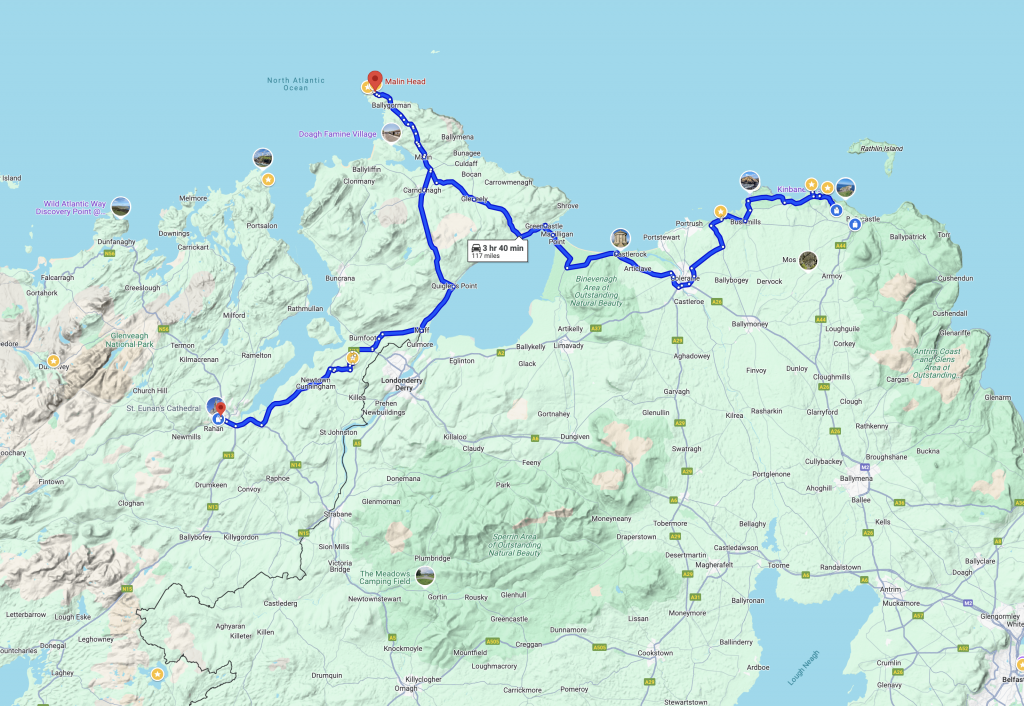
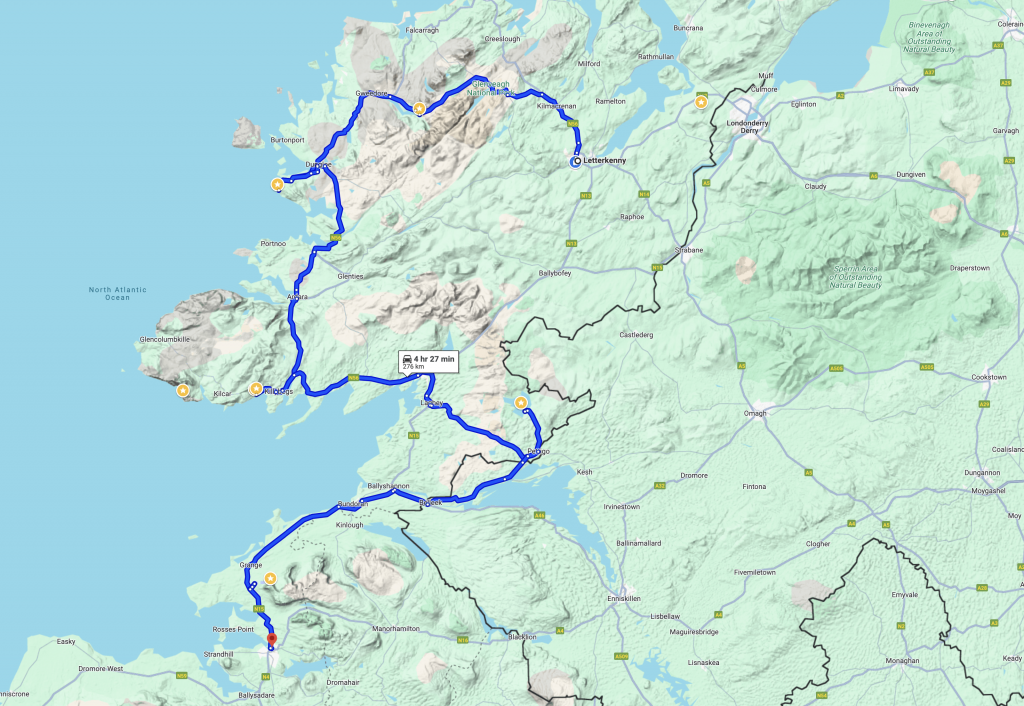
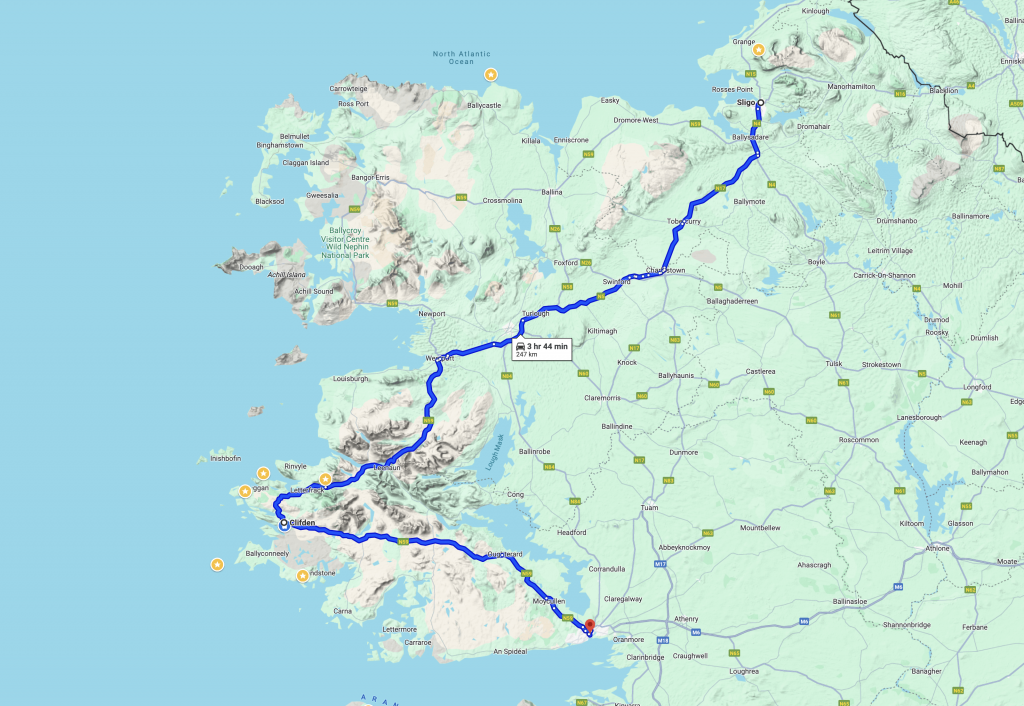
Next month, Jeanine and I will be traveling to Galway, Ireland, to celebrate the marriage of my nephew, Mario. We will fly into Dublin a week before, where we will rent a car and meet up with my brother (Mark) and sister-in-law (Marie) to do a little touring through Northern Ireland. Before such trips, I like to identify places to visit and map out a driving route. Today, I spent some time documenting a tentative plan to share with Mark and Marie for their review.
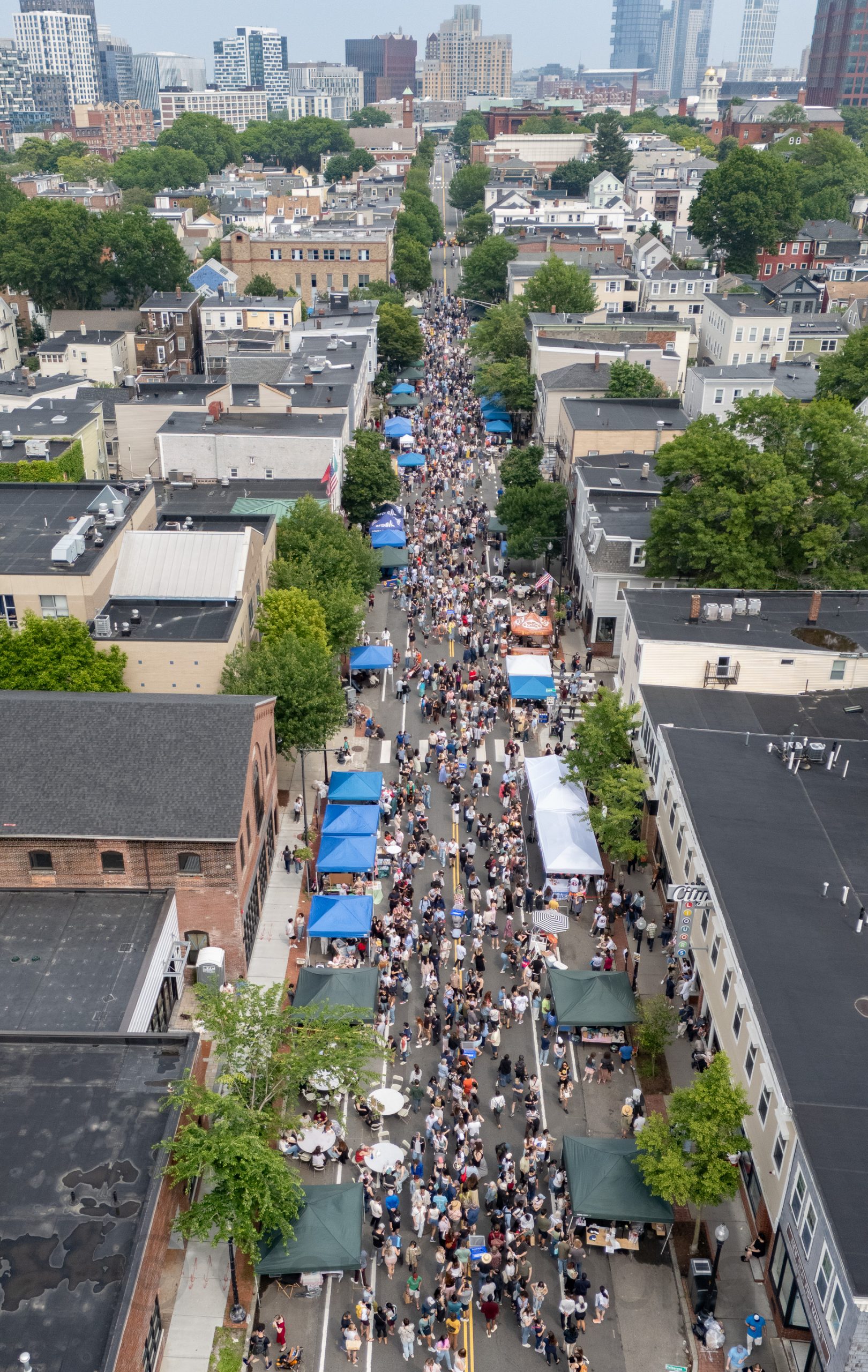
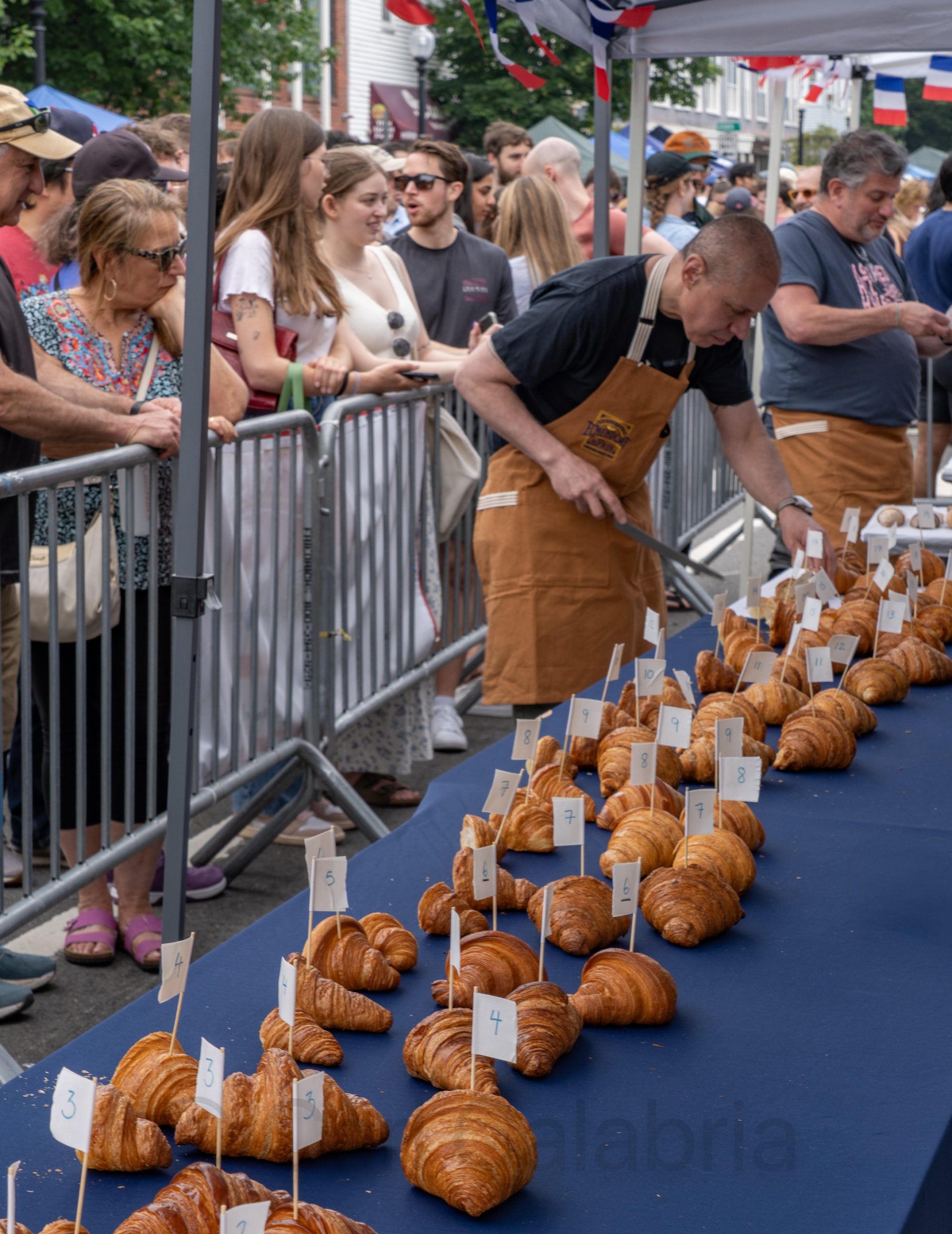
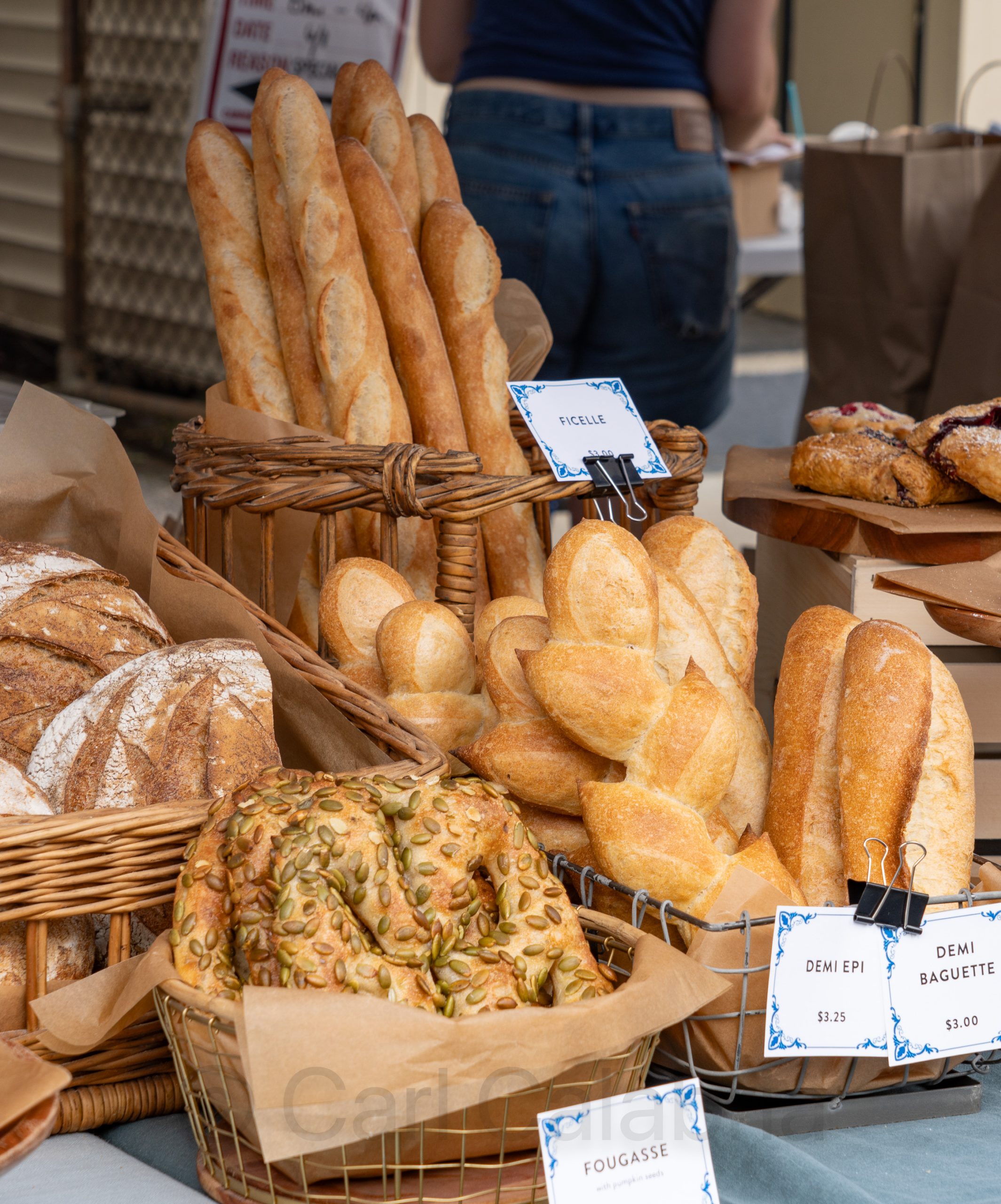
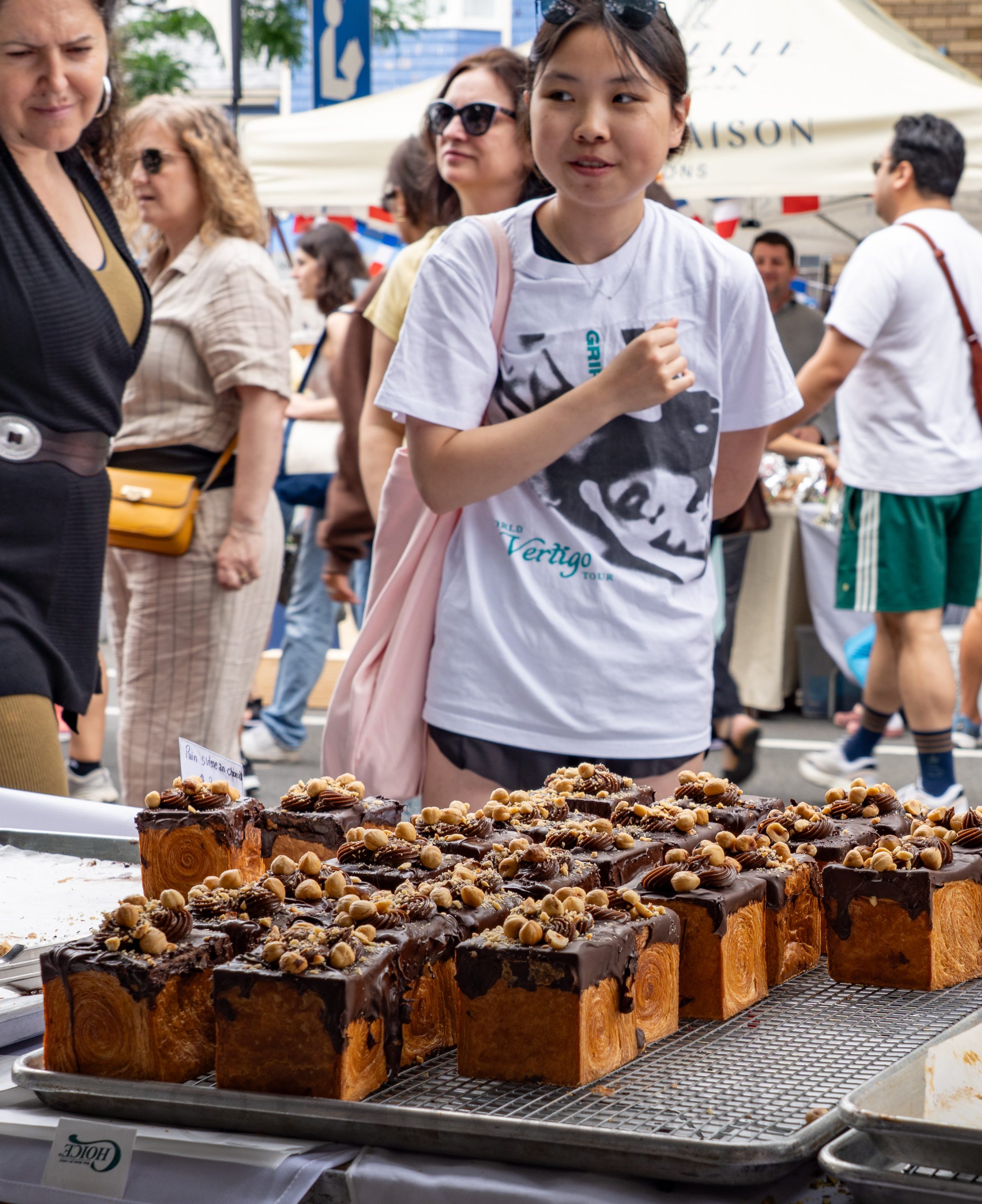
Le Grand Prix Elmendorf du Pain is an annual Parisian-inspired street festival and bread competition held in East Cambridge, celebrating French baking traditions and local community spirit. The event features an eclectic mix of French-inspired food vendors, local artists, live music, and a festive atmosphere as Cambridge and Eighth streets are closed to cars for the occasion. The bread competition is divided into amateur and professional categories, with this year’s challenge focusing on demi-baguettes for home bakers and croissants for professionals, judged blind by a panel of experts. Inspired by Paris’s Grand Prix de la Baguette, the event aims to highlight both the artistry of bread-making and the vibrancy of the East Cambridge community. Jeanine and I enjoyed our visit during which we obtained two loaves of bread, a cheese and cracker plate, a cherry and almond cookie, and two rather large smiles.
We then drove to Medford for a brief visit with Kyle, who is leaving for Portugal tomorrow on a month-long stint working remotely.
Earlier in the day, I watched from the sidelines as my soccer team fought hard for a 2-1 win, which secured our first-place finish for the spring season and home-field advantage for the league championship playoffs. I decided it was better to forego playing today than risk re-injuring my hamstring and missing the playoff matches. I fully expect to be back on the pitch next weekend.
Followers of this blog know that waterfalls are one of my favorite natural subjects. The photo above was not taken by me, and I was unable to determine the photographer to give proper attribution. When I learned that this waterfall inside a cave was taken in Ireland, I instantly knew that I had to see it for myself during our upcoming trip there for my nephew’s wedding. It took a fair amount of sleuthing to discover its location and how to reach it. It is not clear if we will be able to work it into our travel plans, but my fingers are crossed.
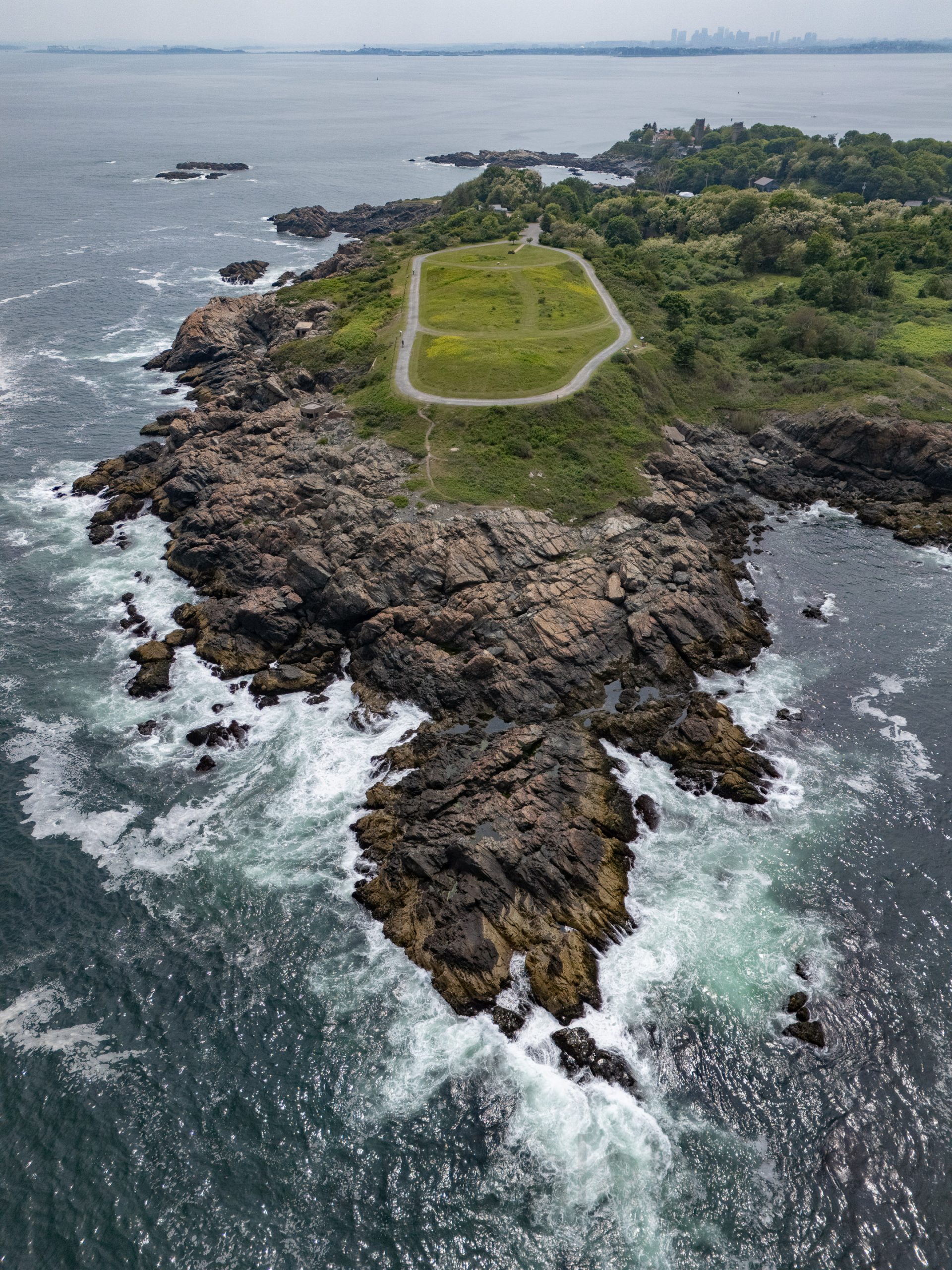
Lodge Park in Nahant, occupies land once used by Native Americans and later became the site of the Nahant Hotel, considered America’s first seaside resort, built in 1823 and destroyed by fire in 1861. After the hotel burned, the property was acquired by the family of Senator Henry Cabot Lodge, who built his summer “cottage” there in 1868, making it a prominent family estate. The site’s strategic location led to its use for coastal defense during the Spanish-American War, both World Wars, and the Cold War, including as a Nike missile base. The U.S. government purchased the estate in 1941, and after the military base was decommissioned, the Town of Nahant acquired the land. In 1988, it was officially designated Lodge Park, honoring the Lodge family, and is now a public park known for its scenic views and layered history. I made a brief visit after some consulting work in Billerica and a visit to the Arc’tyrex store in Lynnfield where I returned a 12-year old shell jacket with delaminating seams for a generous store credit that I used to purchase a down jacket.
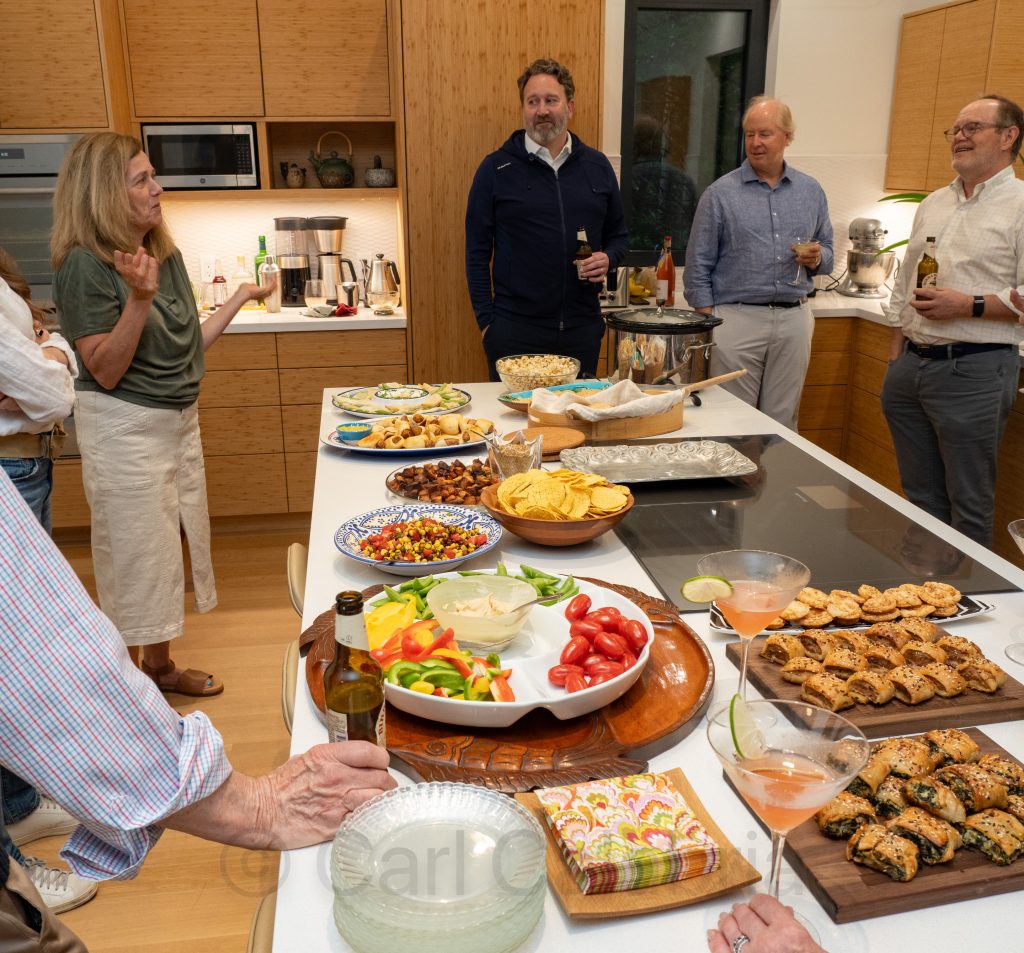
In the evening, we hosted a small “dinner” party consisting of potluck appetizers with an Indiana theme. Our guests included old friends, neighbors, and new acquaintances.
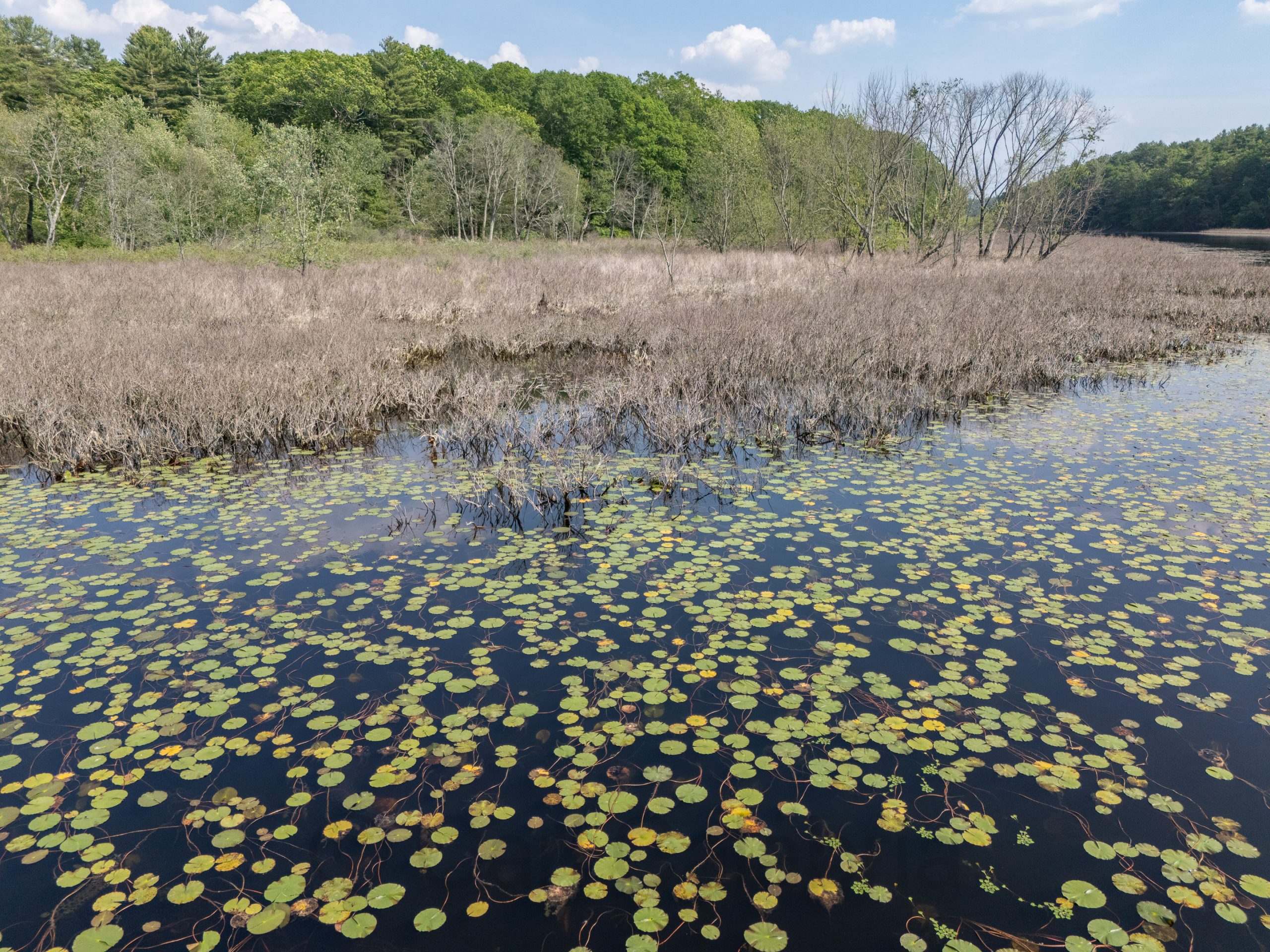
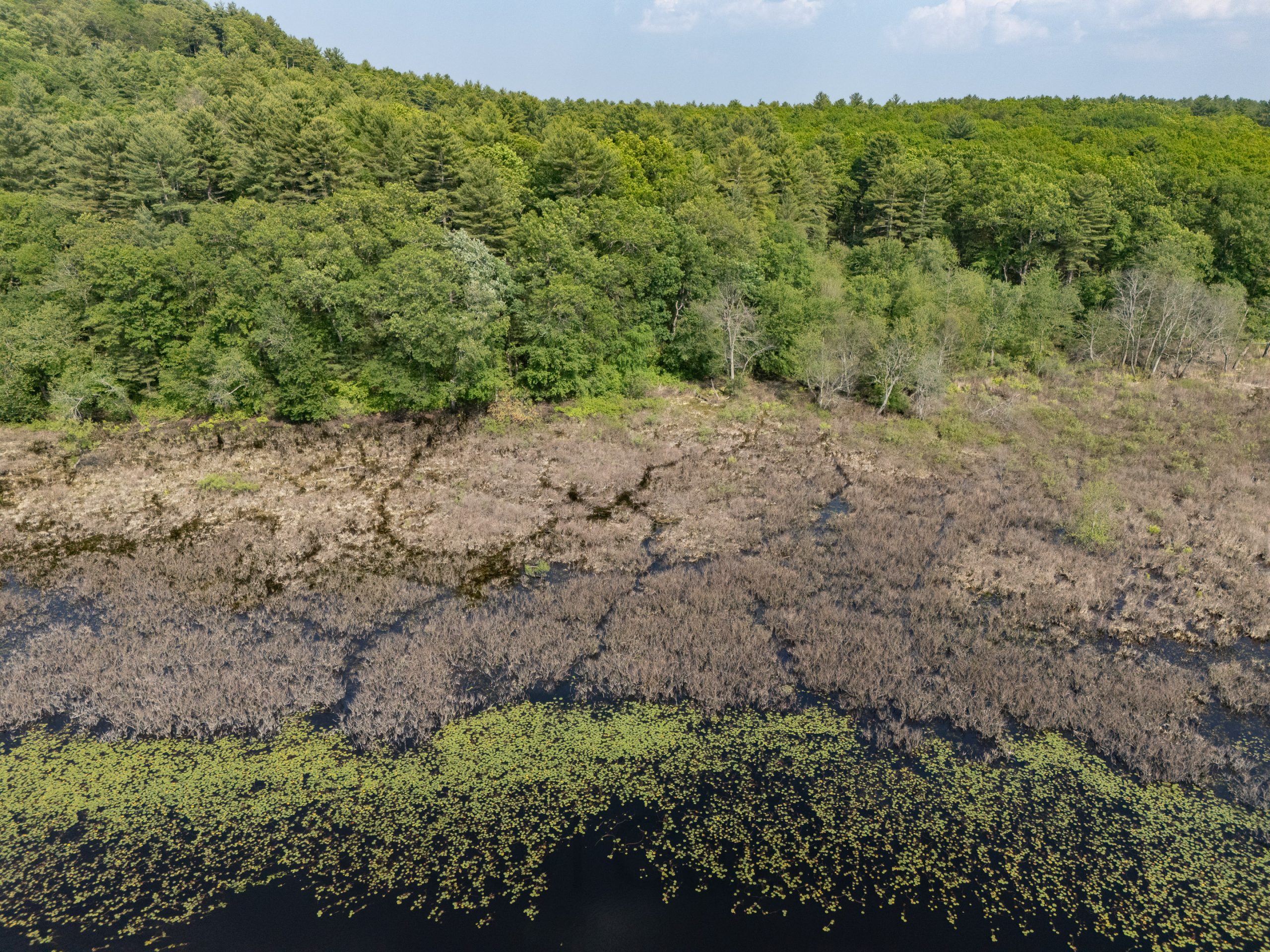
We are very fortunate to be situated on a section of the Sudbury River with a rather diverse shoreline that morphs depending on the water level. Presently, the water is high due to heavy spring rains. The wetlands (brown areas) are fully saturated, and you can see the various canals created by waterfowl, beavers, muskrats, and otters. The tree line serves to provide great background color during the spring and fall, while the water lilies create nice texture in the foreground.
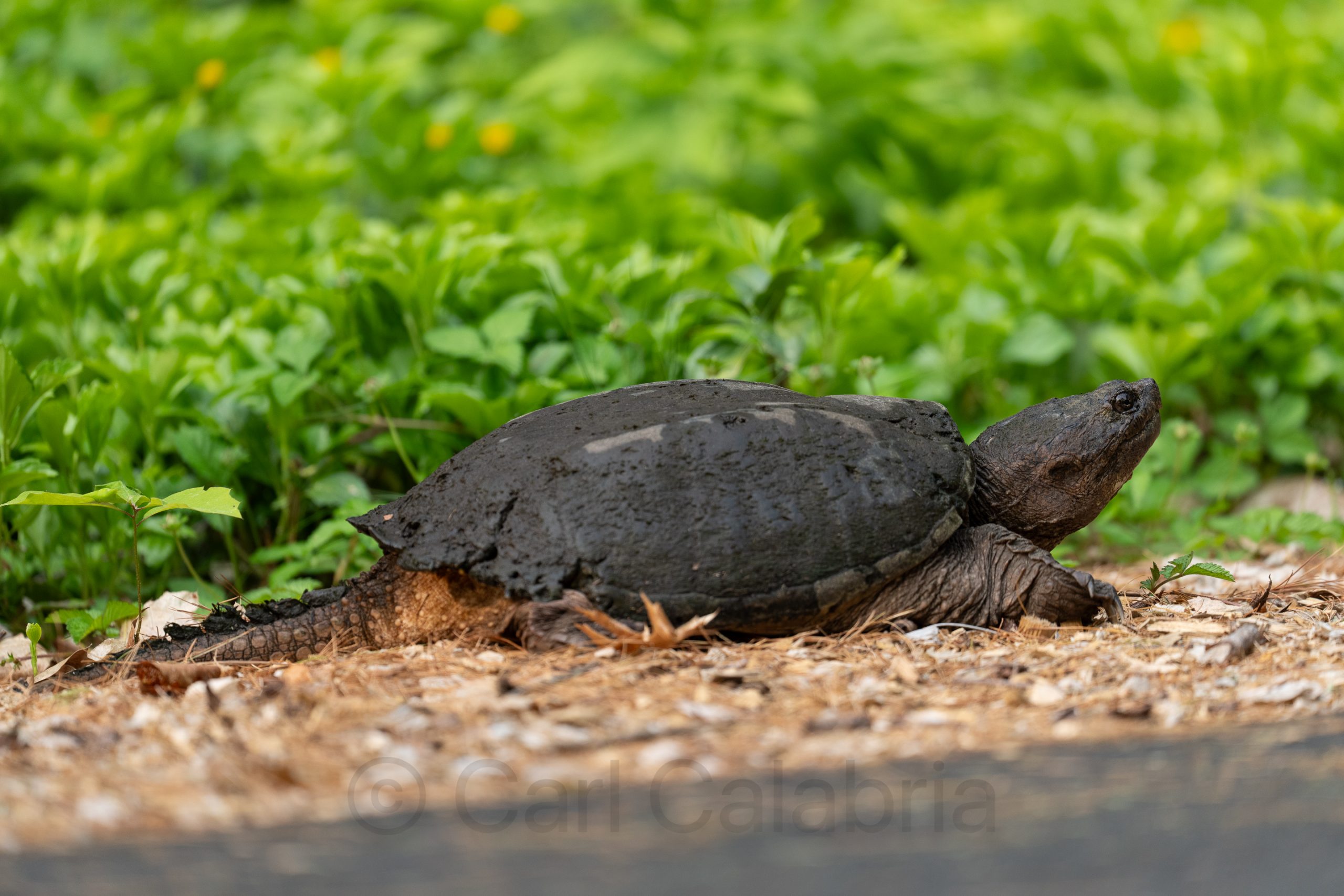
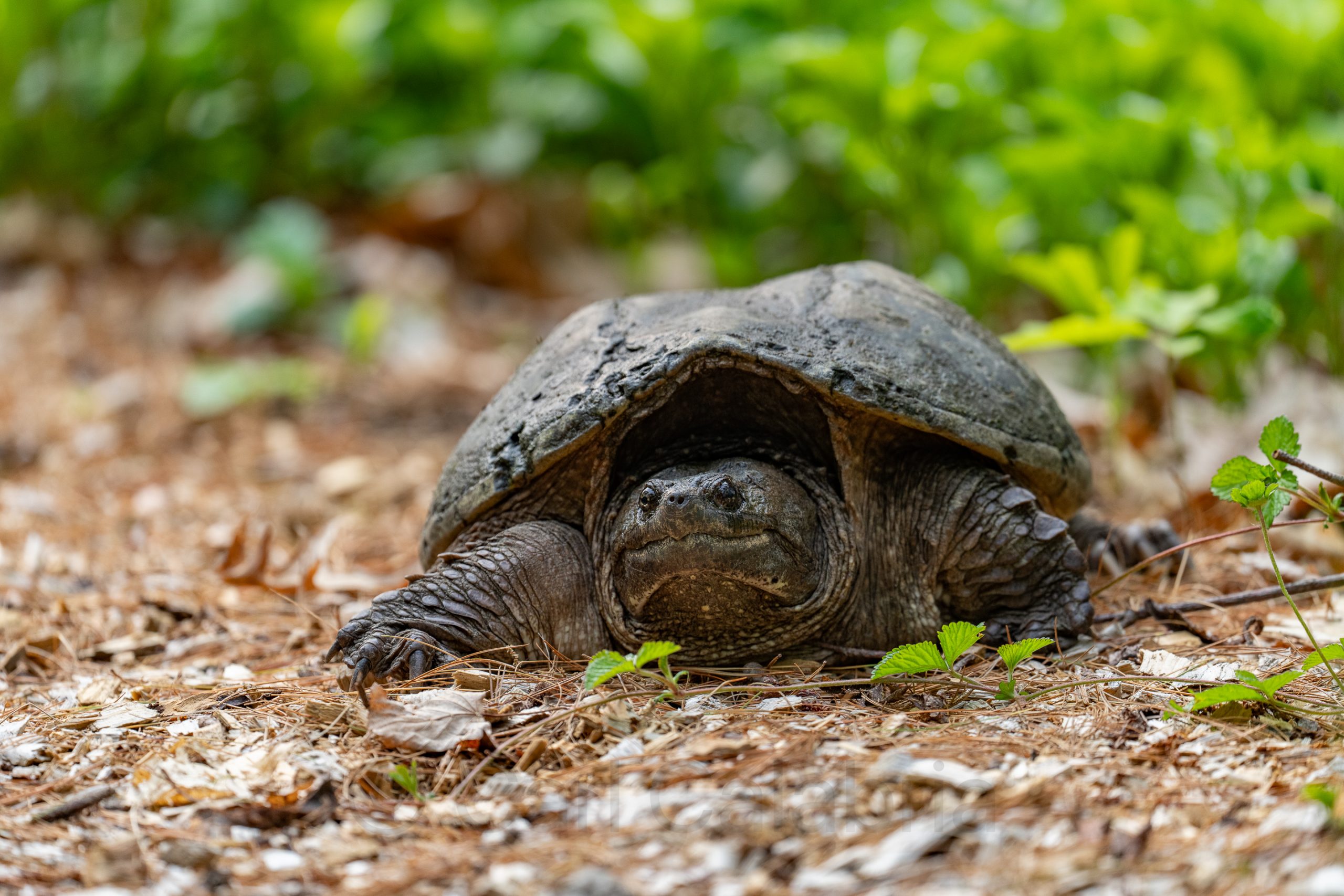
Today, we had an extended visit from a large snapping turtle. I estimate the shell length to be 16 inches. S/he spent several hours moving about the newly mulched areas of our front yard and eventually started excavating the compost pile in which my future bonsai Japanese Lace Leaf Maple is growing. A provoked snapping turtle of this size can easily remove a finger from your hand and can strike with lightning speed over a distance of about six inches. It is best to give them a wide berth. I suspect she was surveying our yard to locate a good place to lay eggs. When the coast is clear, I will investigate the compost pile to see if I find eggs there. If yes, I will cordon off the area until the baby turtles hatch.
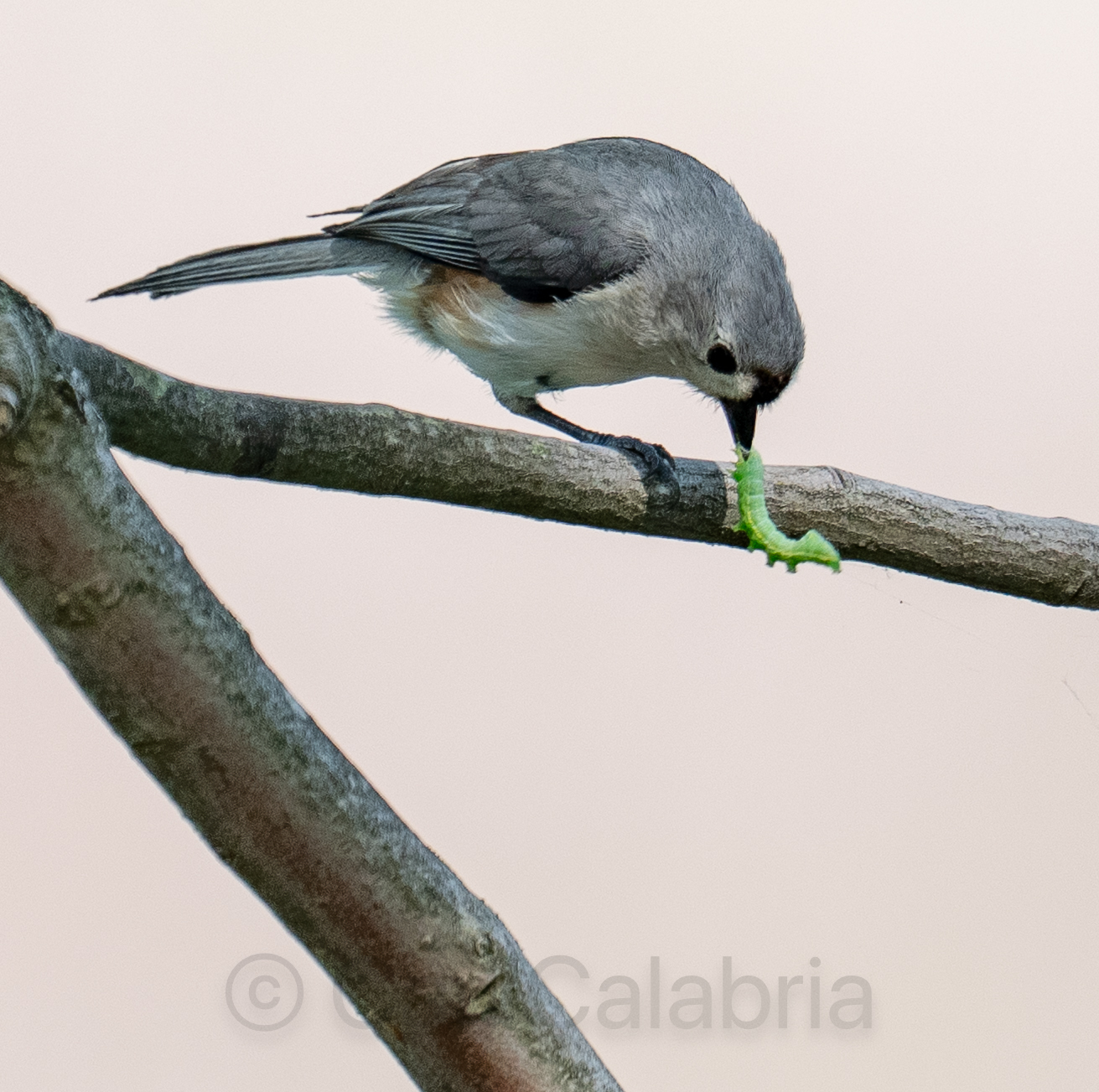
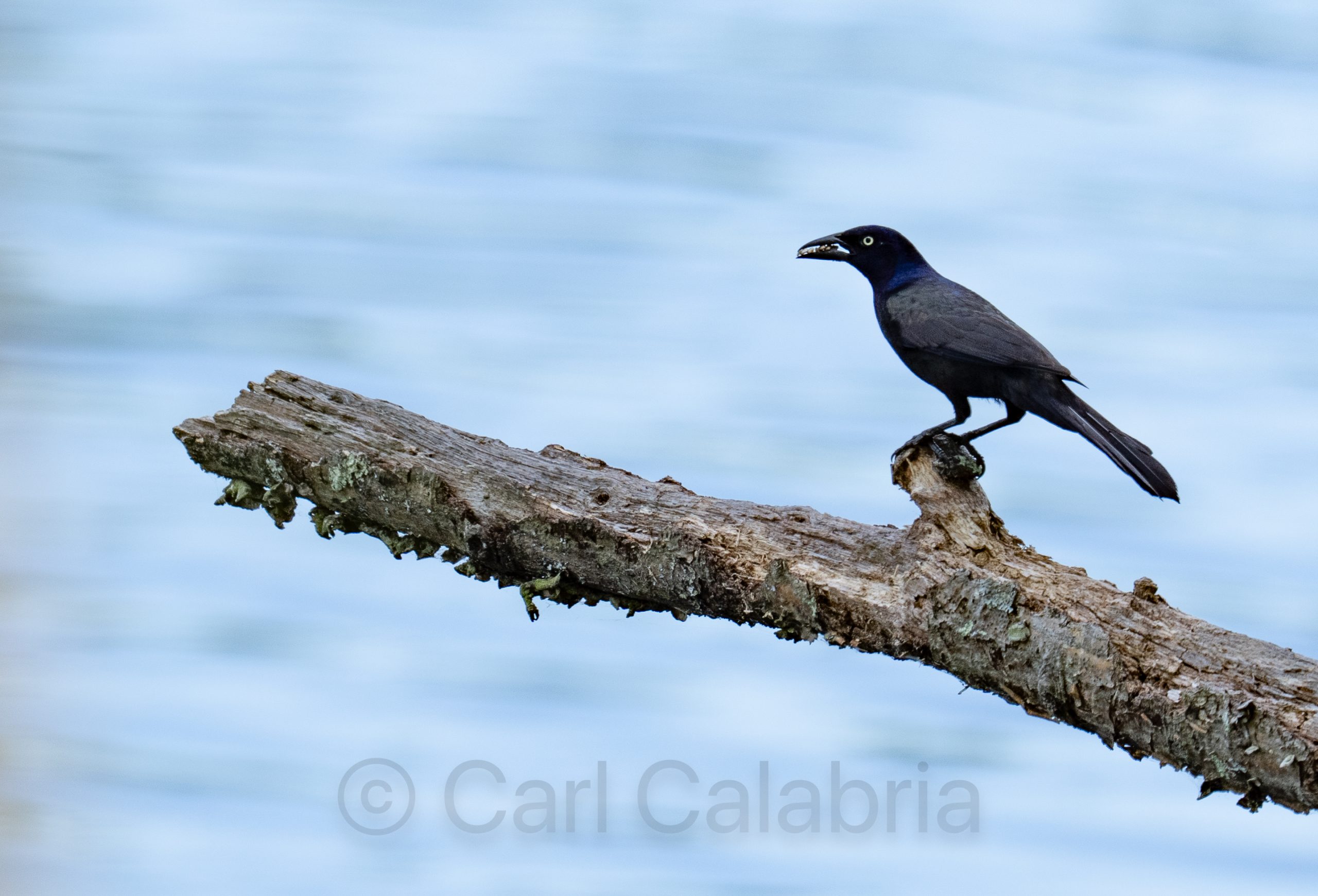
I’m still feeling under the weather today, despite the beautiful outdoor weather we’re enjoying. I decided to do a little bird photography from our patio to distract myself.
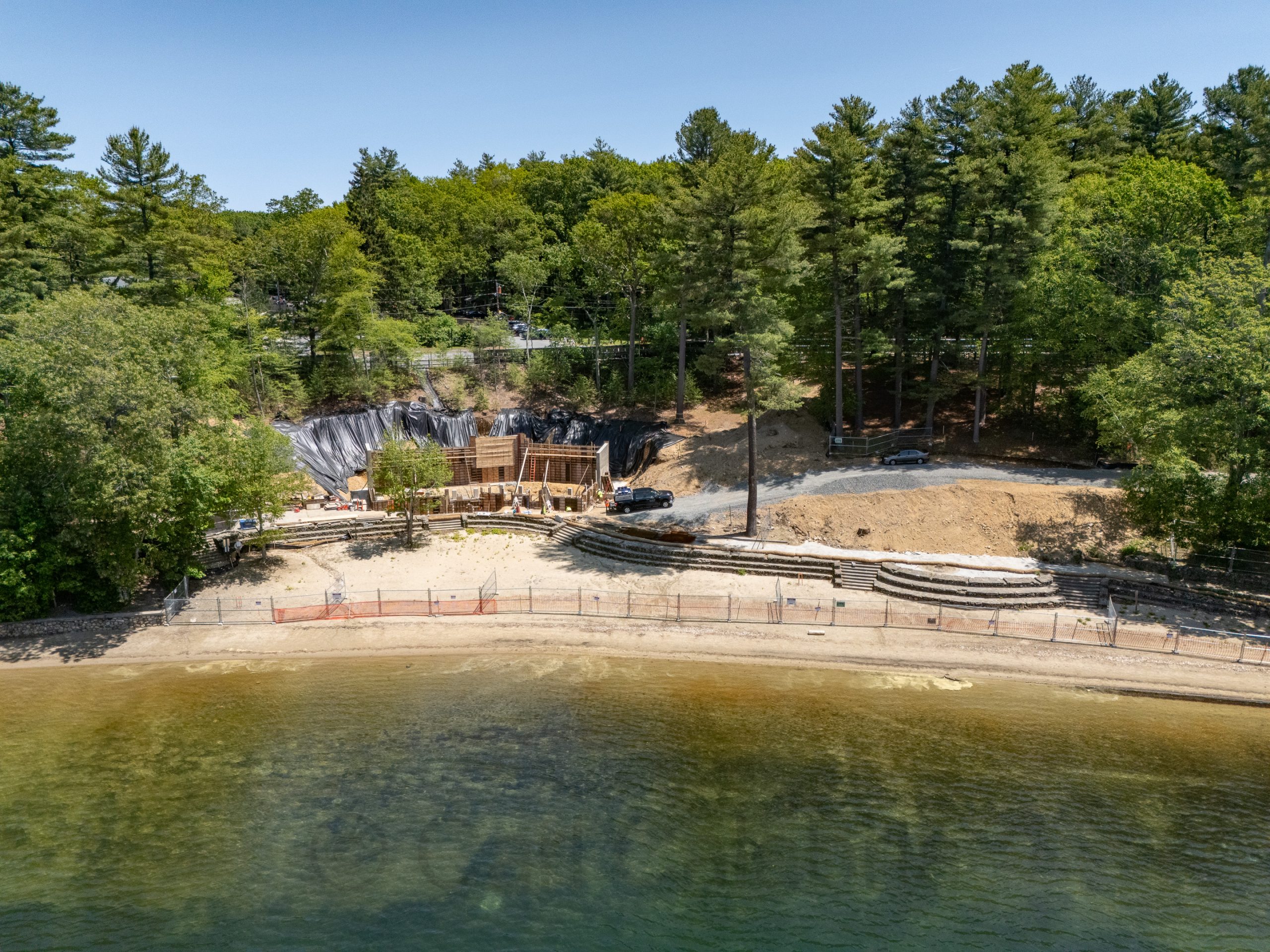
For the first time since moving to Concord some 22 years ago, I found the beach at Walden Pond vacant on a warm summer afternoon. It will remain closed until a new pavilion is constructed to replace the old one.
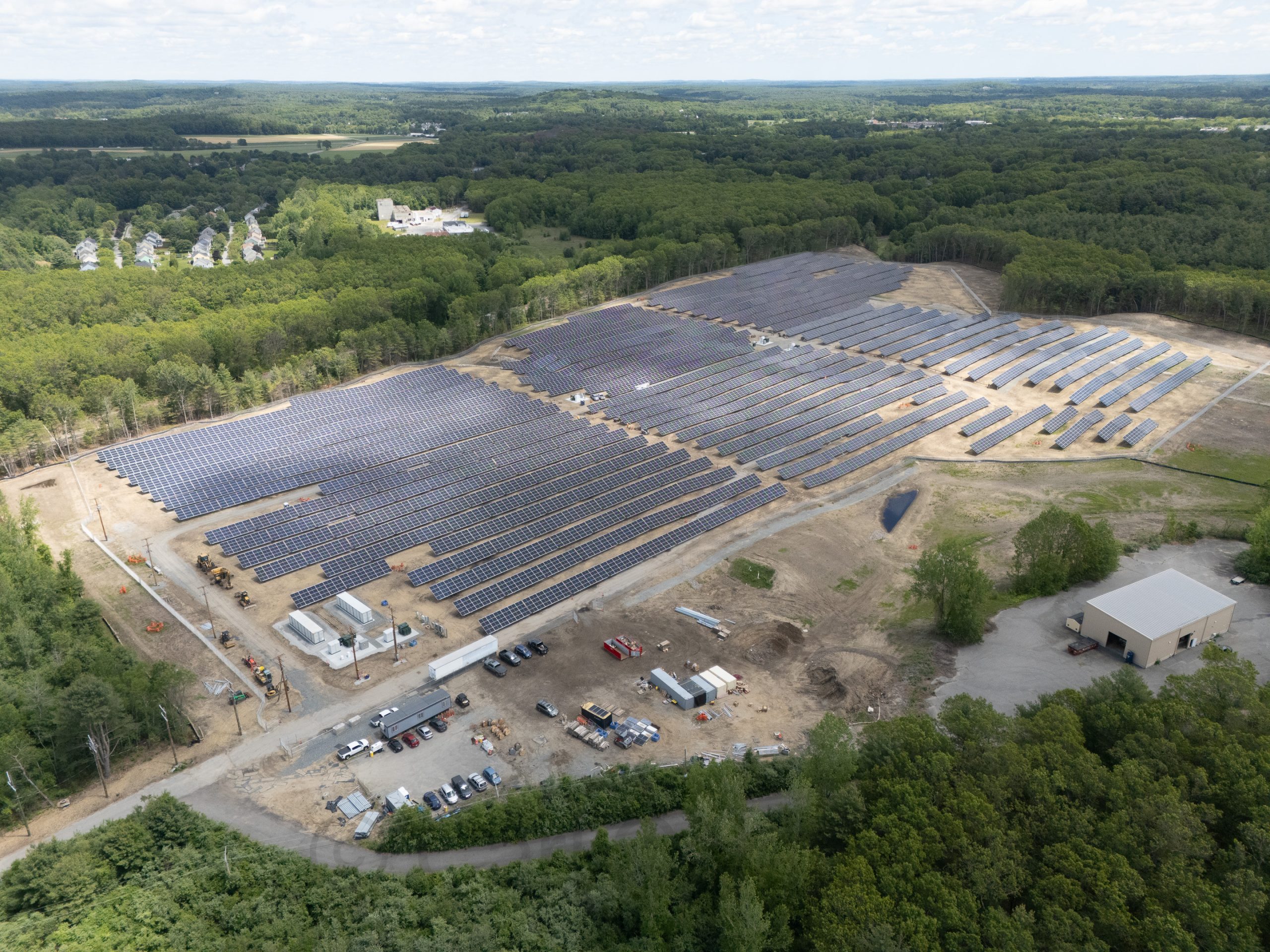
I spent a good part of the afternoon doing aerial photography around town as an excuse to be outside. I have been suffering from the flu for the past few days and needed to do something other than sleep.
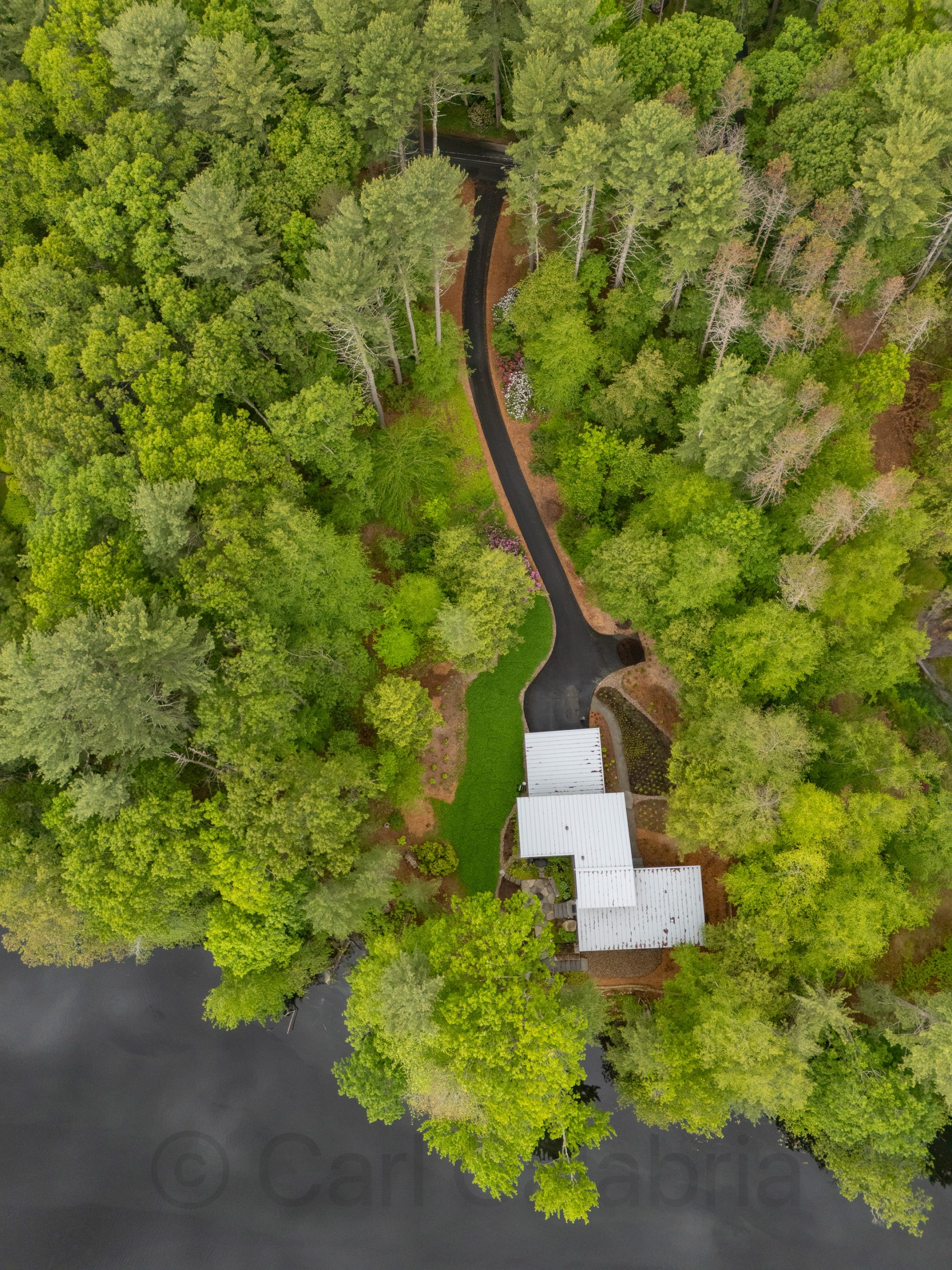
Pictured below is the WR Grace Superfund Site located on the town line between Acton and Concord. Grace acquired the site in 1954, using it to make concrete additives, organic chemicals, container sealing compounds, latex products, and paper and plastic battery separators. Wastes from these operations were discharged into unlined lagoons or buried in landfills onsite, contaminating soil, sediment, and groundwater. The surface contaminants have been removed, and a 5 megawatt solar field has been installed. Groundwater remediation is ongoing and expected to continue through at least 2031.
While I was playing soccer in Italy, my younger sister, Alissa, was competing at the Blackpool Dance Festival in the UK. She placed 8th in her age group of 33 entrants. My parents met on the dance floor and enjoyed ballroom dancing for their entire lives. They would be so happy to see their daughter following in their footsteps.
On the home front, I scored my first goal of the season on the soccer pitch in a one-sided 10-2 victory over Wayland. Unfortunately, I managed to tweak my left hamstring with just two minutes left to play in the match. I eased up immediately and hope that it will prove to be a minor injury. We have just two games left in our spring season before the playoffs.
The kids joined us for a late lunch today. I cooked steaks on the grill, and Jeanine made a great strawberry salad. Afterwards, we watched the UEFA Champions League final, which turned out to be a rather boring one-sided affair. We had a chance to catch up on their latest work and relationship status. We feel so fortunate to have them all living close by.
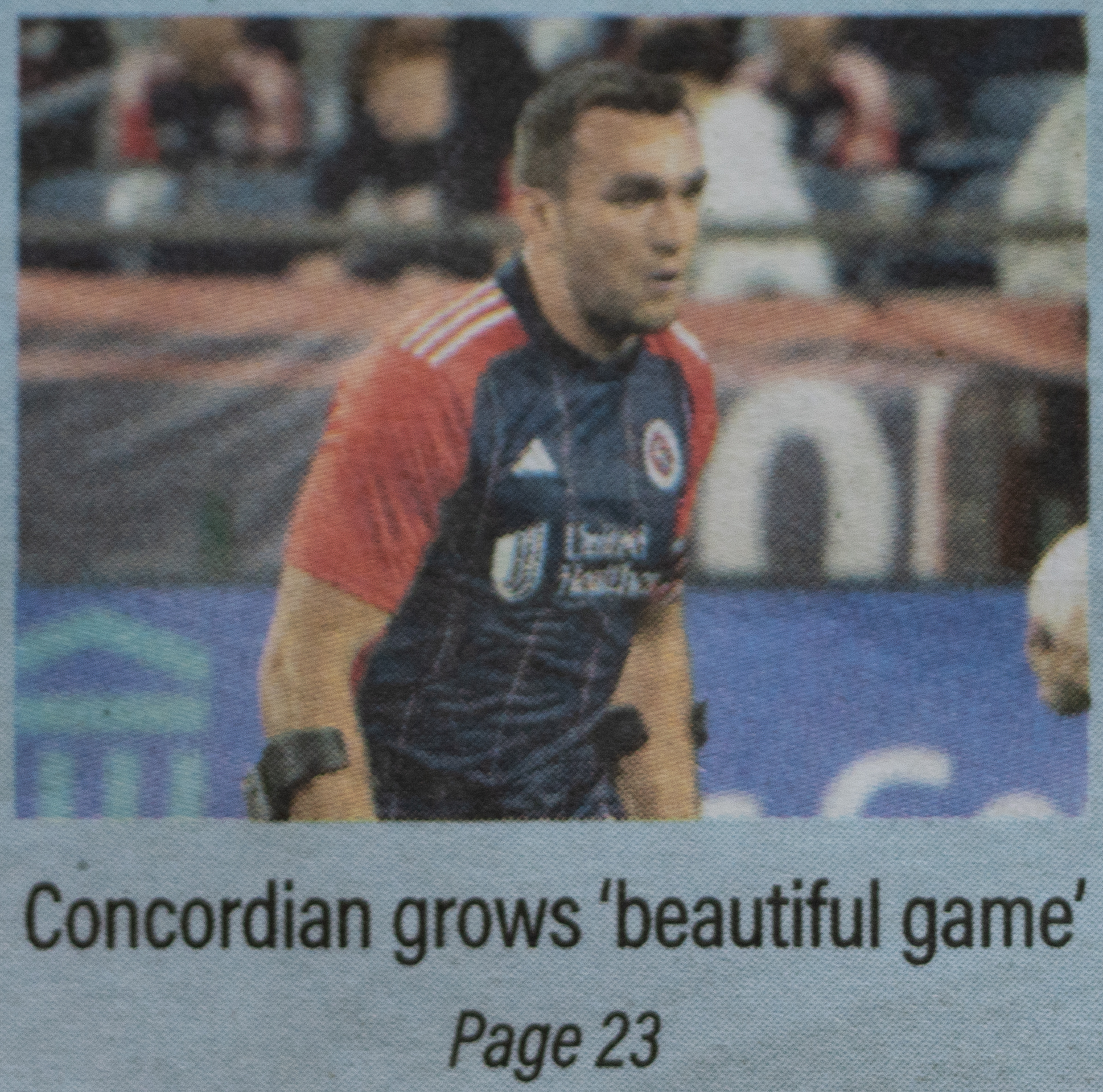
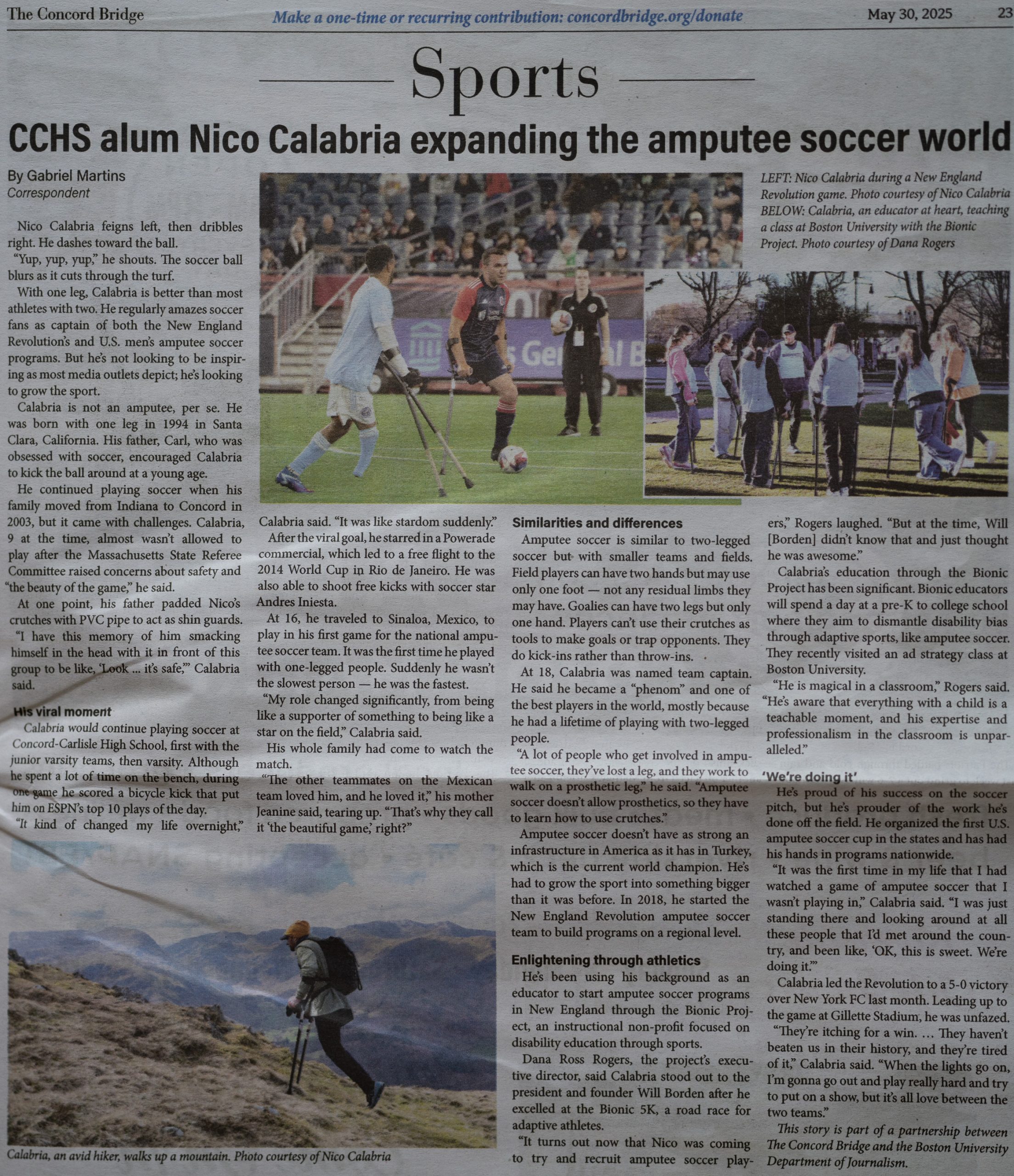
Maya just received another promotion at work, Kyle made an offer on a second house located in Chelsea, and Nico was featured in this week’s Concord Journal for his work promoting the Beautiful Game.
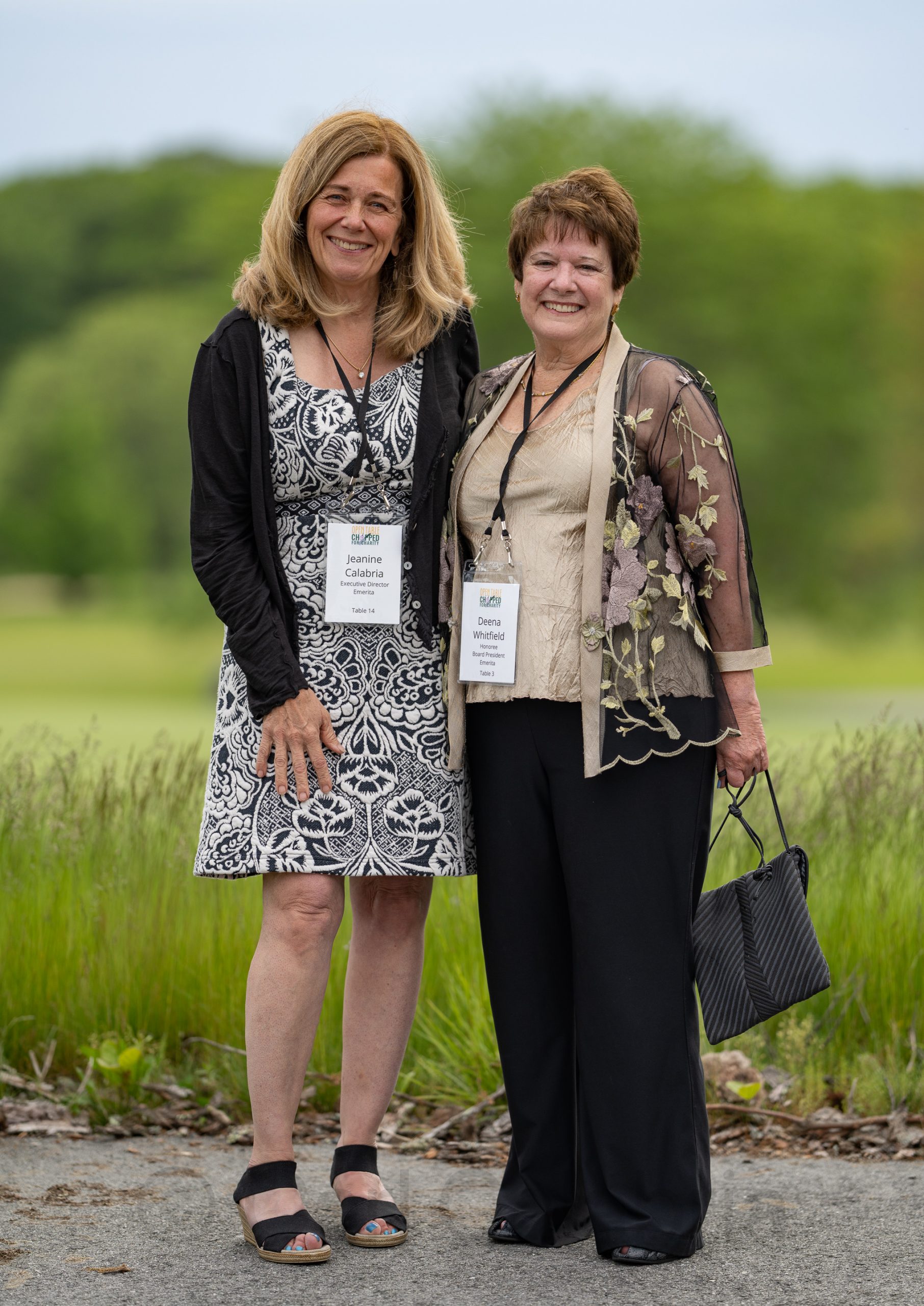
Jeanine and I attended Chopped for Charity, the Open Table fundraiser that she started several years ago when she was the Executive Director of the organization. This evening, the honored guest was Deena Whitfield, former Chairman of the Board. Jeanine was invited to speak about the impact she had on both herself and the organization. Here is her speach:
“Fierce. A force to be reckoned with. Persuasive, indefatigable, strategic, energizing, infectiously positive.” These are the words former Board members who could not attend this evening used to describe working with Deena
It is a privilege to be able to honor – my friend and former colleague Deena Whitfield. As the BOD chair and ED, we faced many major challenges that led to organizational transformations. With Deena as a partner the challenges became bumps in the road toward a greater shared vision. That vision is what I want to thank her for this evening
I met Deena Whitfield in 2013 at my first OT Board meeting. Peter Hilton was president and Lynn Zubrigg the chair. That day, the Board was discussing the recent strategic plan when Deena spoke up: “I think we should be striving to make Open Table the best food relief program in the country.” ….that ambitious statement rendered the rest of the board speechless.
It came as no surprise when, a year later, the Board voted Deena and Patty Chambers in as co-chairs. If anyone had the vision and drive to help Open Table become the best it could be, it was Deena, and Patty would be able to navigate the Maynard local politics.
“Think more strategically” became her rallying cry. Under Deena’s leadership of the Board, OT experienced an accelerated transition from an operations board to a strategic one—a change that has arguably had the greatest impact on Open Table’s trajectory. Yes, she’s an amazing fundraiser and a natural leader. But more importantly, she was able to bring the entire Board along on the journey, paving the way for other major transitions. Little did we know, it would also prepare us for one of the biggest crisis we’d ever face—and no, it wasn’t the pandemic.
In 2015, Open Table lost its Maynard location at the Mill, leaving us just two weeks to find a new home for our community dinner. At the time, it was infuriating, but in hindsight the catalyst for a second major cultural shift-professionalizing the all-volunteer organization.
By the end of her term as Board chair, Deena had accomplished much. She had convinced the Board to hire the first professional staff, she negotiated a lease with a purchase clause for the 33 Main Street site (with the Aubuchon Hardware), then co-led a capital campaign and brokered very favorable mortgage terms with Middlesex Bank to secure Open Table’s “ permanent home”, a term she coined that rallied longtime volunteers to get behind this major shift.
Changes of this magnitude would test any organization, but the strategic culture shifts Deena had cultivated made it possible for Open Table to weather these foundational transitions. This shift later paved the way for Open Table to purchase two more buildings and our refrigerated truck, with Deena, now a volunteer on the fundraising committee, strategizing the campaigns that made these acquisitions possible.
So tonight, let us raise our glasses to Deena’s early vision realized: To creating the best food relief organization in the area if not the country, that vision has had vast impact , and you are still here, inspiring others to join OT on the the journey.
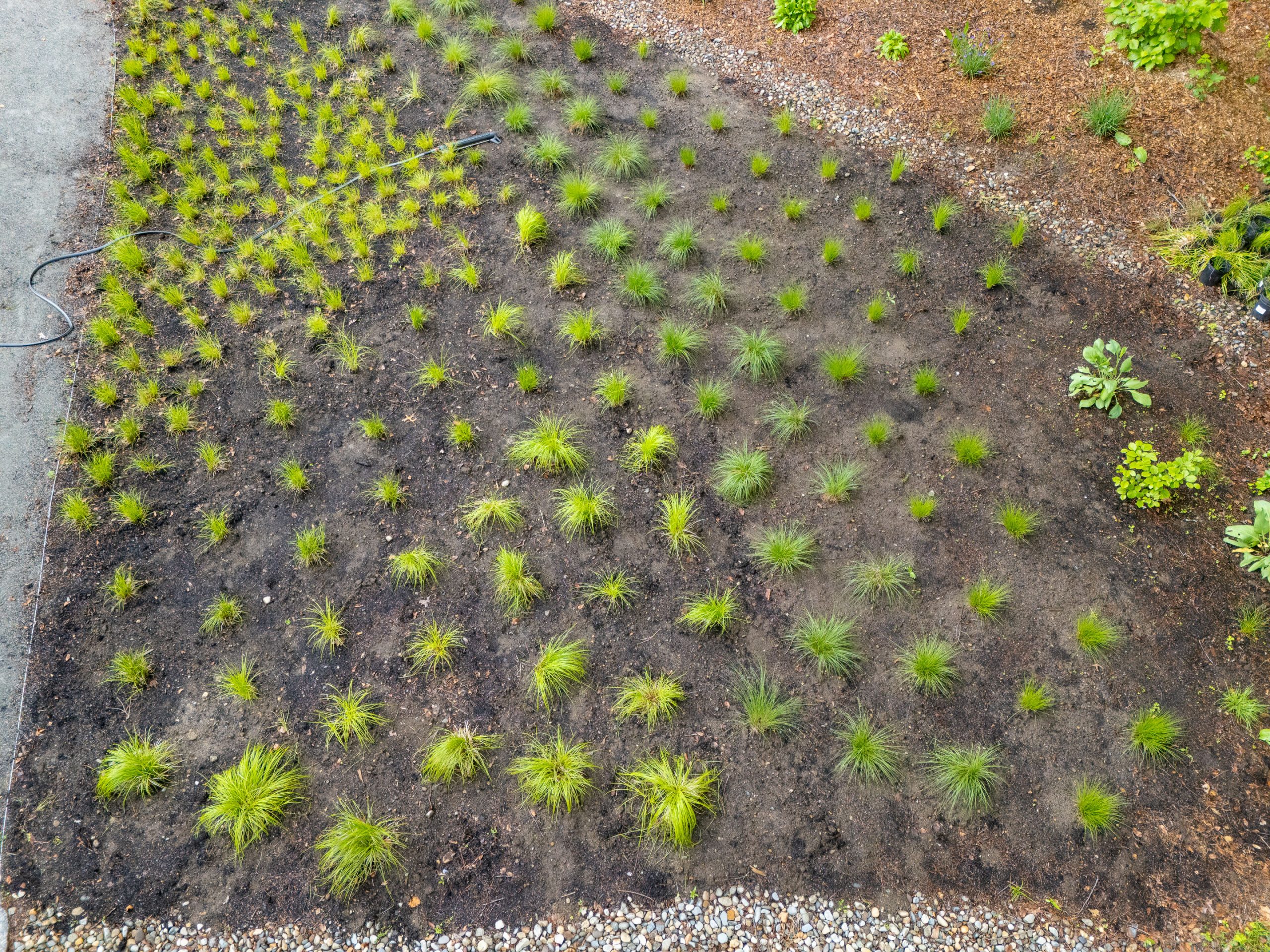
Completing our landscaping plan for the new house will be a multi-year effort. This season, Jeanine and I focused on the small (brown) patch beneath the driveway turnaround and to the right of the garage. Over the last week, we have planted or replanted more than 100 Sedge Grass and Prairie Dropseed Grass plants in an offset grid pattern surrounding smaller randomly placed plants from last year. In a few years, this whole area will be a mass of green with no earth showing, or at least, that is our expectation. Time will tell. The clover “lawn” we planted on the left side of the house has filled in beautifully in just one season, so there is reason for optimism.
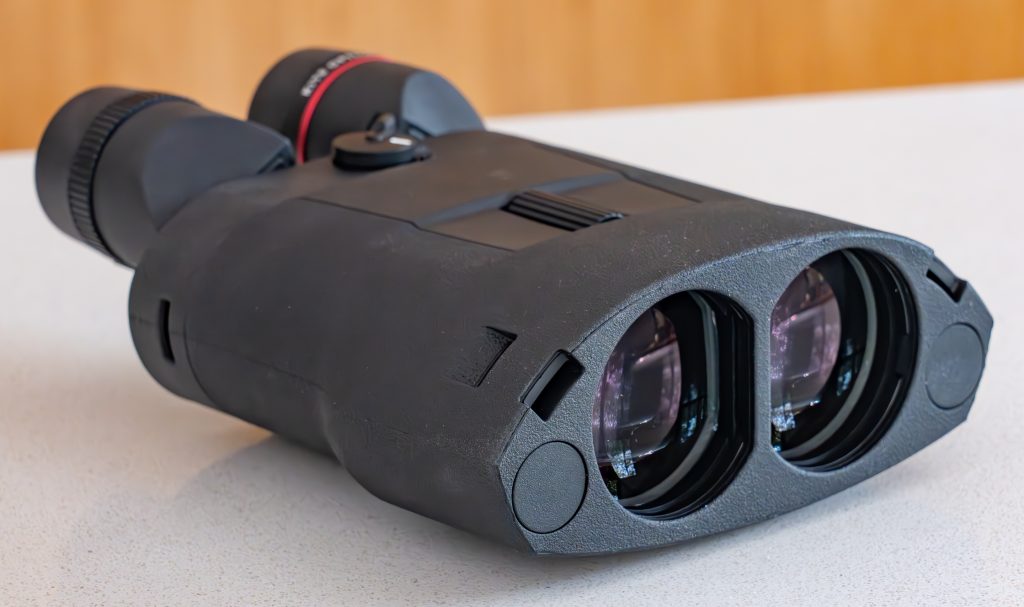
In the 20-year history of this blog, I do not believe I have ever recognized a company for superior customer service. Today, I would like to talk about my experience with Kite Optics. About a year ago, I decided to purchase a new pair of binoculars for use at the River House. I already owned a Canon 12×36 Image Stabilized binocular, which I bought more than a decade ago for use in the field (weight was an important consideration). The Kite Optics 14×50 APC Stabilized unit that I purchased offered more magnification and better low-light performance at the expense of being heavier. Weight was not a consideration since I intended to use it exclusively from within the house to observe the river critters that visit so frequently. From the day it arrived, I have enjoyed this glass immensely. The optical and stabilization performance are superb. When Jeanine and I returned from New Zealand I noticed that the stabilization did not seem to be working. The unit has built in rechargeable batteries so I assumed that after a year of use they finally needed charging and gave it a full over night charge. The next day, the image stabilization still did not work. I then asked Nico, who was house sitting for us while we were away, if anything traumatic had happened to the binoculars. He assured me they had been used with care. I then noticed that the alignment mark on the power switch did not seem to be properly registered to the ON-OFF symbols on the body. At this point, I contacted RSD Outdoor, the exclusive US distributor of Kite Optics and explained the situation. I was asked to return the binoculars for examination. A few days later, I received confirmation that they had received the binoculars and that they would be sending me a brand new replacement. Bear in mind that I paid close to $2,000 for this unit. No muss, no fuss, just a commitment to get me operational again. Based on this experience and the performance of the product, I can give Kite Optics and RSD Outdoor Inc. my highest endorsement.
This website is dedicated to sharing, with family and friends, the day-to-day adventures of the Calabria family.