Category Archives: –

Katmai National Park

Thus far on our Alaskan safari we have spotted a half dozen or so Coastal Brown Bears (the more accurate term for Grizzly Bears in this region). These sighting have been from about a quarter of a mile away (which many would argue is plenty close). Today, however, our objective is to experience these magnificent creatures in their natural habitats from a more intimate distance. We will fly by seaplane from Homer to Katmai National Park where we will spend the day observing these bears as they fish for salmon, interact with each other, and nap.

We board our de Havilland Canada DHC-3 Otter (this level of detail is for my brother who is a pilot) from its lake side dock after donning the hip waders we will need to remain dry as we hike around in the bears preferred fishing grounds. The flight to the north end of Katmai takes about an hour and we are very fortunate to have another day of great weather. En route we fly over Augustine Volcano which last erupted in 2006 sending an ash plume 9 miles into the atmosphere. Steam emerges from the lava dome, a reminder that this remains an active volcano. In a state where they stopped counting the number of lakes after they got to 3 million, a float plane is far more practical than any other form of transportation. Our pilot lands on a tiny lake (about 2000 feet long) which lies about 6 miles east of enormous Kukaklek Lake. Here we deplane and hike less than a mile to a nearby river where our pilot spotted bears during our approach. In less than five minutes we spot our first bear and sit down along the bank of the river to observe.

Bears do not view humans as prey (provided you don’t run away from them) nor do they regard us as a threat (provided you don’t surprise them, come between a mother and her cubs, or try to take their food). If you sit quietly they well recognize your presence and then happily ignore you while they go about their business of being bears. Essentially this involves eating and sleeping.

Over the course of the day we observes a dozen or so bears. Some large, some small, some blonde, some brown. The larger the bear the more deference paid by the other bears. Smaller ones are quickly chased off prime fishing locations and often must sacrifice their catch. After downing 4 or 5 salmon it is time for a 30 minute power nap. Jeanine started our vacation nearly paralyzed with fear over a bear encounter. By the end of the day she was happy to take a nap with a number of bears just yards away. I took 100s of photos over the course of the afternoon some from as close as 10 feet. I have not really had time to narrow down my favorite shots and will probably replace photos here with better ones as time permits.

We returned to Homer by 6pm which still left several hours of sunlight by which to explore. We decided to try and make it to Voznesenka, one of four Russian Old Believer villages on the peninsula. It is situated beyond the end of the paved East End Road, a distance of approximately 23 miles from Homer and the last mile or two is on a gravel road which descends to the sea on a very precarious grade. We wisely opted to abandon the car and make the final approach on foot. Unfortunately the hike turned into more than we bargained for. Having left our day packs (with water and rain gear) at the car and with massive storm clouds rapidly approaching we decided to turn back before we could find our way to the small village. Old Believers separated from the official Russian Orthodox Church as a protest against church reforms introduced by Patriarch Nikon between 1652–66 and value privacy and seclusion.

We spent the evening at a B&B in Soldotna, a convenient stopping point as we started making our way back to Anchorage for our flight tomorrow.

Anchorage / Homer

Our travels today take us to the Kenai Peninsula via Anchorage. Our first stop is in the Dena’ina Athabascan village of Eklutna with a population of 70. It lies 24 miles northeast of Anchorage two miles from the mouth of the Eklutna River at the head of the Knik Arm of Cook Inlet. The last of eight villages that existed before construction of the Alaska Railroad brought an influx of American colonists around 1915. First settled more than 800 years ago, it is the oldest inhabited location in the Anchorage area. Russian Orthodox missionaries arrived in the 1840s. The melding of Orthodox Christianity and native practices resulted in the brightly-colored spirit houses which can be seen at the Eklutna Cemetery, in use since 1650 and now a historical park.

We continued on to Anchorage where we stopped for breakfast and a 2 hour tour of the Anchorage Museum, the state’s largest. Displays in the Alaska History Gallery delve into Russian occupation, the gold rush, and the Exxon Valdez oil spill. The Smithsonian Arctic Studies Center provides a glimpse of the diverse culture of the Alaska Native peoples.

As we continue in the direction of Homer we stop frequently along the Turnagain Arm. Our second time on this scenic highway but the first without rain. We pause briefly at Bird Point which offers exceptional views. The mudflats of Turnagain Arm are treacherous and have caused several deaths over the years. Tides here have an extreme range of 40 ft and are among the highest in the world second only to the Bay of Fundy between Nova Scotia and New Brunswick in southeastern Canada.

We frequently encounter the Russian River, which is of a color I have never seen before and is accurately represented in the photo.

Homer, our destination for the evening, also known as the “Cosmic Hamlet by the Sea” is located on the shores of beautiful Kachemak Bay. Nestled among rolling hills, this seaside and truly seagoing community of 5000 is comprised of artistic and outdoorsy types. The Homer Spit is a geographical landmark which distinguishes the town. The spit is a 4.5-mile long, narrow strip of land jutting out into Kachemak Bay.

Denali / Matanuska Glacier

During the last four days no flightseeing tours have left Talkeetna due to unsafe conditions (dense clouds while flying small craft between mountain peaks yields poor outcomes). This morning we are thrilled to learn that there has been a break in the weather overnight and that our flight is scheduled to go. We skip our B&B continental breakfast in favor of a more robust and delicious meal at the Roadhouse Inn (I had raspberry and walnut sourdough pancakes – a house specialty) before making our way to the airport. People describe the Denali Park tour as the most amazing flight of their lives. We went in with very high expectations and still were not prepared for the magnificent grandeur we witnessed. The photos and brief video below do not do justice to the experience but may give you a sense of the environment.

After exploring the various glaciers and mountains including a 360 degree view of Mount Denali from the air we landed on Ruth’s Glacier where we had about 30 minutes on the snow covered ice to take in the majesty of the surroundings. The landing involved a series of highly banked turns with our wingtips seemingly feet from the adjacent mountains as we weaved our way down into the valley containing our glacier landing site. The instant the plane’s skis made contact with the snow the captain made a high G-force left turn before running out of glacier and setting us into position for take off. That maneuver triggered an adrenaline rush equivalent to what I remember from my skydiving days.

Denali Flightseeing from Carl Calabria on Vimeo.

For anyone considering a visit to Alaska I would endorse a flightseeing tour of Denali and glacier landing as a must include activity (weather permitting). Upon return to Talkeetna we immediately set off for the Matanuska Glacier, our primary destination for the day where we have a guide scheduled to meet us for a private tour of the glacier and ice climbing instructions for me.

After being fitted with the necessary crampons and boots (special ones with inflexible sole required for ice climbing) we drove to the base of the glacier and began our ascent. The Matanuska Glacier is a 27 miles long by 4 miles wide valley glacier which flows about 1 foot per day. It is the largest glacier accessible by car in the United States. Our guide, Reese, educates us about glaciers and instructs us as to the proper techniques for ascent and descent as we tour the massive blue toned chunk of ice.

Jeanine is content to man the cameras as I do a little bit of technical ice climbing. Reese belays me on an 80 foot ascent which includes traversing a crevasse that is easily 100 feet deep. Very thrilling and very tiring.


As we descend the glacier we encounter another climbing group who have discovered a porcupine stranded on an ice ledge, miles from his native habitat. We collectively decide that absent a rescue this animal will die in short order. The rescue of this porcupine will be the subject of an entire post that I will prepare after returning to Concord.

It has been a long day filled with more beauty than one can imagine. We opt for a Palmer hotel, soft bed, and the opportunity to watch more Olympics over the planned evening of camping in a nearby forest.

Talkeetna

We broke camp at 5:30am this morning and enjoyed an unexpectedly tasty breakfast (first experience with dehydrated food which proved quite good, even by Jeanine standards) before catching the 6:30am bus to the park entrance. On the bus we were fortunate to meet and enjoy the company of the Pitcher family from Homer, AK. He is a professional photographer and author of several travel guide books including one of Alaska which he gifted to us. It proved to be far better than the Frommer’s book we had been using and offered many great suggestions which we used for the remainder of our travels.

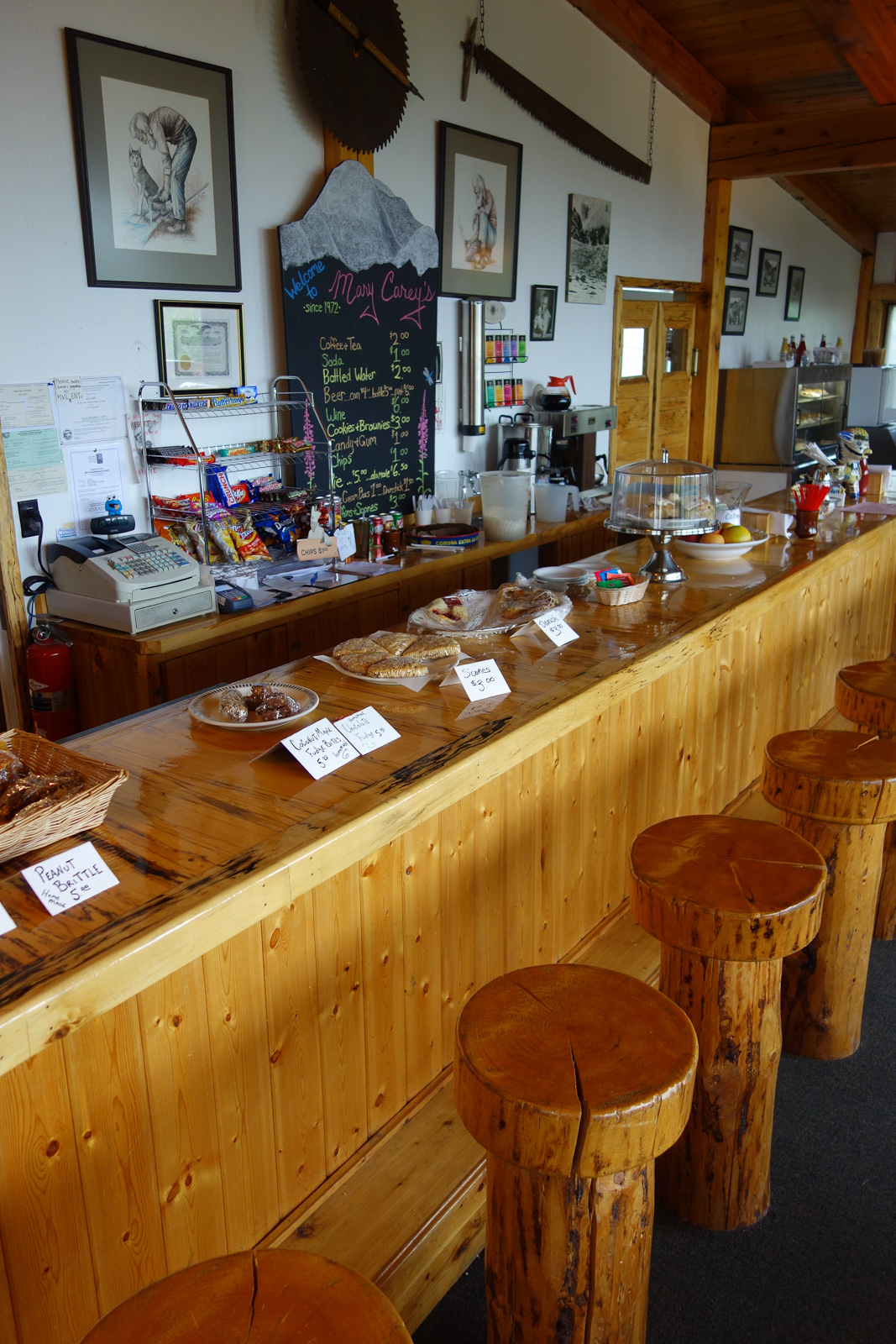
Today we are destined for the town of Talkeetna. En route we stop at the famous Mary’s McKinley View Lodge for lunch.

Alaska legend Mary Carey came to this area as a widow in the early 1960’s and promptly homesteaded 100 miles from the nearest road at a spot with the best view of McKinley she’d ever seen. Mary Carey was friends with the great bush pilot Don Sheldon and constantly advocated the building of the Parks Highway between Anchorage and Fairbanks to improve access to the Denali National Park. When she wrote to then-governor Bill Egan about the project, he famously replied that, “Alaska already has two roads, how many do you want in one state?” When the Parks Highway was finally constructed in 1973, it passed by her homestead where she built a lodge which offers some of the best views of Mount Denali. She then proceeded to write 16 books, including “Alaska, Not For A Woman.” Ownership of the lodge has passed to her daughter who is also an accomplished author of children’s books.

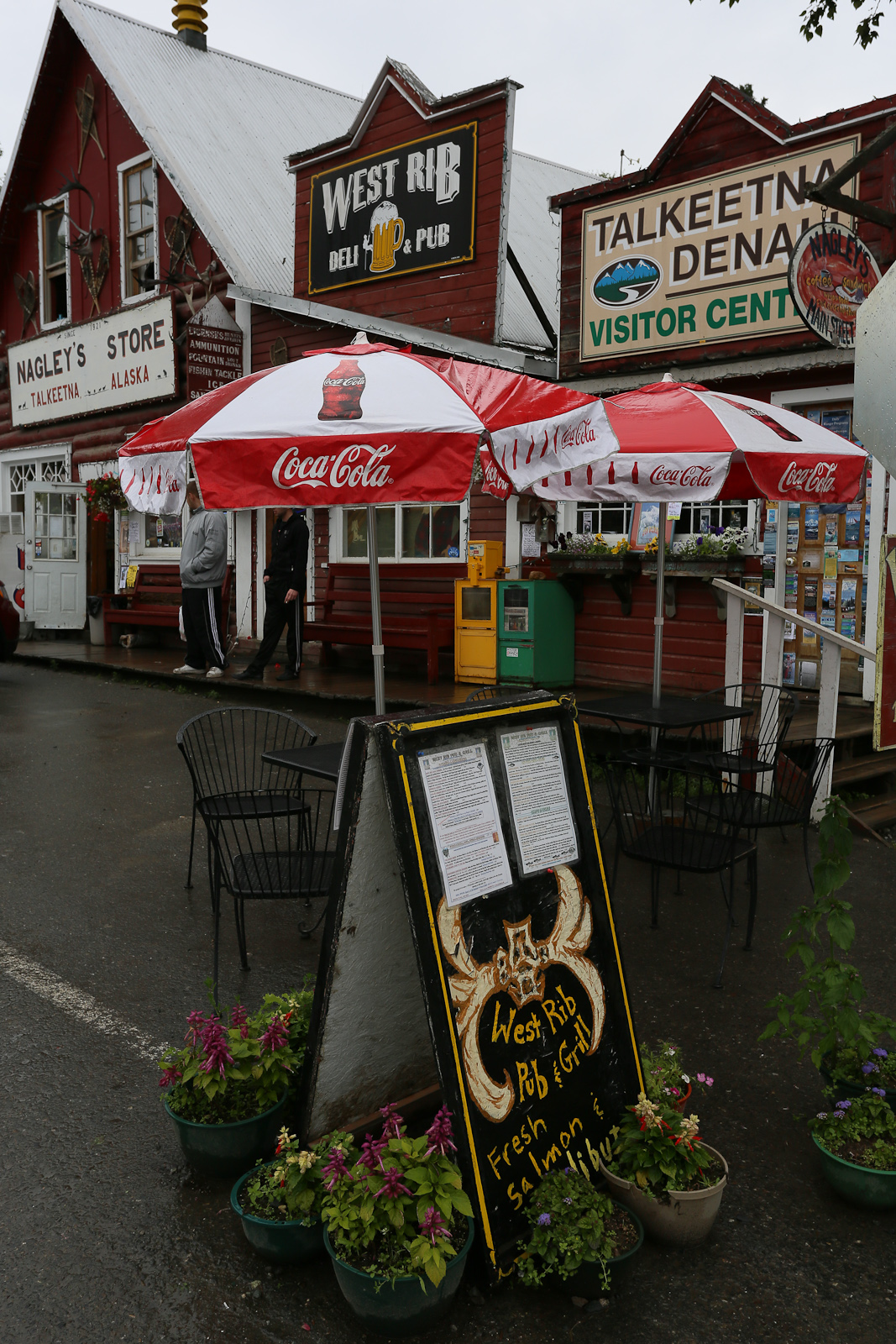
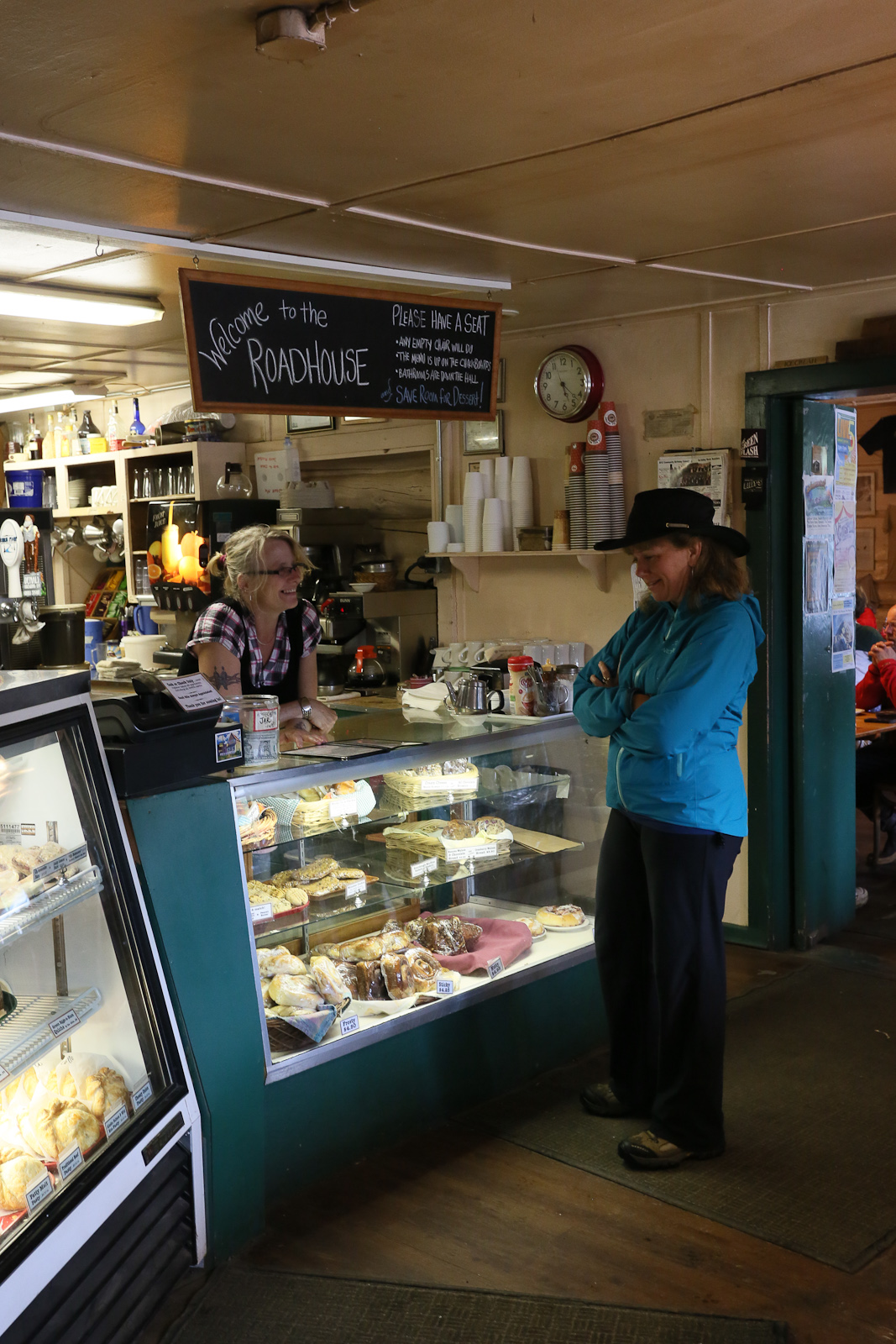
Rumored to be the inspiration for the television show “Northern Exposure”, Talkeetna is a quirky historic town located at the confluence of the Susitna, Chulitna and Talkeetna Rivers. The townsite was established in 1919 when the railroad surveyed and auctioned 80 lots for $14.25 each. The downtown area is classified as a National Historic Site, with buildings dating from the early 1900s including Nagley’s General Store, Fairview Inn and the Talkeetna Roadhouse where Jeanine discovered Pasties (a Michigan Upper Peninsula food of her childhood – a hearty meat and root vegetable pastry).

Inclement weather conditions cancelled the flightseeing tour of Denali we had reserved for this evening so we booked the first flight in the morning and hoped for better conditions. We settled into our lodging at the Meandering Moose Inn and enjoyed watching the Olympics from a very cozy bed. Click on any photo for a larger view and click again for the full image.

Denali National Park

The Denali National Park is serviced by a 91-mile road from the entrance to the mining camp of Kantishna. It runs east to west, north of and roughly parallel to the imposing Alaska Range.  Only a small fraction of the road is paved because permafrost and the freeze-thaw cycle creates an enormous cost for maintaining the road. Only the first 15 miles of the road are available to private vehicles, and beyond this point, visitors must access the interior by park bus. The Wonder Lake campground, our destination for the evening, takes six hours to reach with frequent stops for wildlife sightings (Jeanine spotted the first bear) and rest breaks along the way.

Portions of the road cling to the sides of mountains and are seemingly too narrow to support bi-directional bus traffic. Absent guard rails of any type and sheer cliff drop offs I was happy to be chauffeured by our skilled bus driver who also provided highly informative narrative during our journey.

The view from our campsite was magnificent and our preparations for the infamous mosquitoes (head nets and repellent-treated clothing in additional to normal measures) allowed us to enjoy being outside.

As soon as we established our camp we ventured out for a 6 mile hike on the McKinley Bar trail and later in the day found our way down to Wonder Lake where we relaxed in solitude.

The Denali Highway

Largely a driving day, we traversed the magnificent 135 mile long Denali Highway (110 miles of it is unpaved). Traveling west, it climbs steeply up into the foothills of the central Alaska Range. Along its length, the highway passes through three of the principal river drainages in Interior Alaska: the Copper River drainage, the Tanana/Yukon drainage and the Susitna drainage. Along the way there are stunning views of the peaks and glaciers of the central Alaska Range, including Mount Hayes (13,700 ft), Mount Hess (11,940 ft) and Mount Deborah (12,688 ft). The first 45 miles winds through the Amphitheater Mountains, cresting at Maclaren Summit, at 4,086 feet the second highest road in Alaska and the location of the Maclaren Lodge where we paused for delicious home made pies that will not soon be forgotten. The road then drops down to the Maclaren River Valley and crosses the Maclaren River, the road winds through the geologically mysterious Crazy Notch and then along the toe of the Denali Clearwater Mountains to the Susitna River. After crossing the Susitna River the road extends across the glaciers outwash plains to the Nenana River, and then down the Nenana River to Cantwell where we spent the evening at the Bluesberry Inn. Opened the year before I was born in 1957, it was the first road access to Denali National Park. Since 1971, primary park access has been via the Parks Highway, and it is now lightly traveled and a great place to encounter wildlife.

We were only slightly surprised to come across a team of sled dogs towing an ATV, no doubt in training for the Iditorad.

We saw more caribou than cars (and a single motorcycle) as we leisurely traversed this primitive landscape.

Valdez

I woke up with the sun this morning and set out to capture some final images of Cordova before joining Jeanine for breakfast. We then made a return visit to Hartney Bay for our first bear sighting and all this before arriving at the ferry terminal by 6:30am.

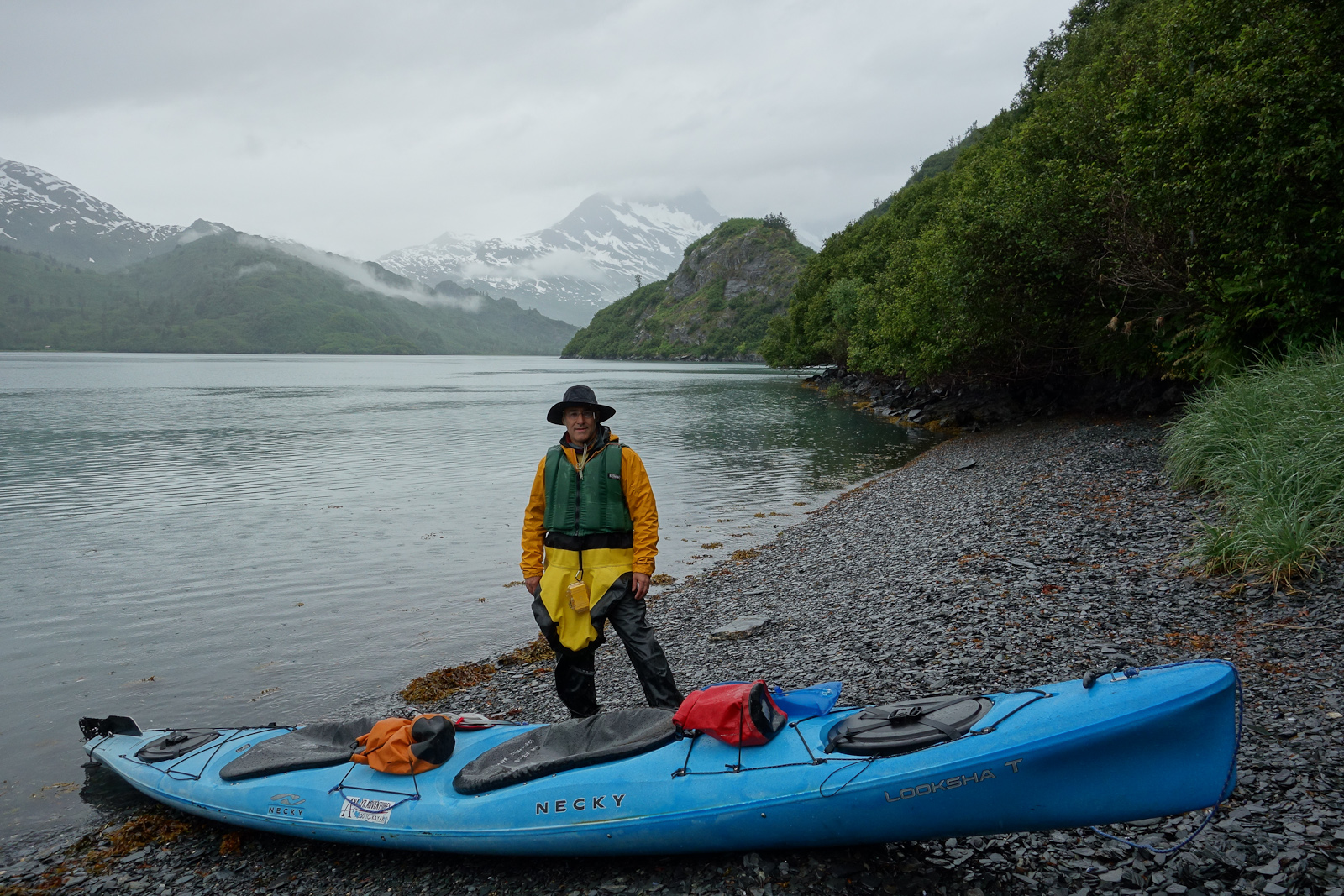
The three hour transit to Valdez started with great weather but degraded into a steady rain by the time we reached our destination. We arrived just in time to gather a box lunch in preparation for a 6 hour guided kayaking tour of the Shoup Glacier and adjacent Kittiwake rookery.

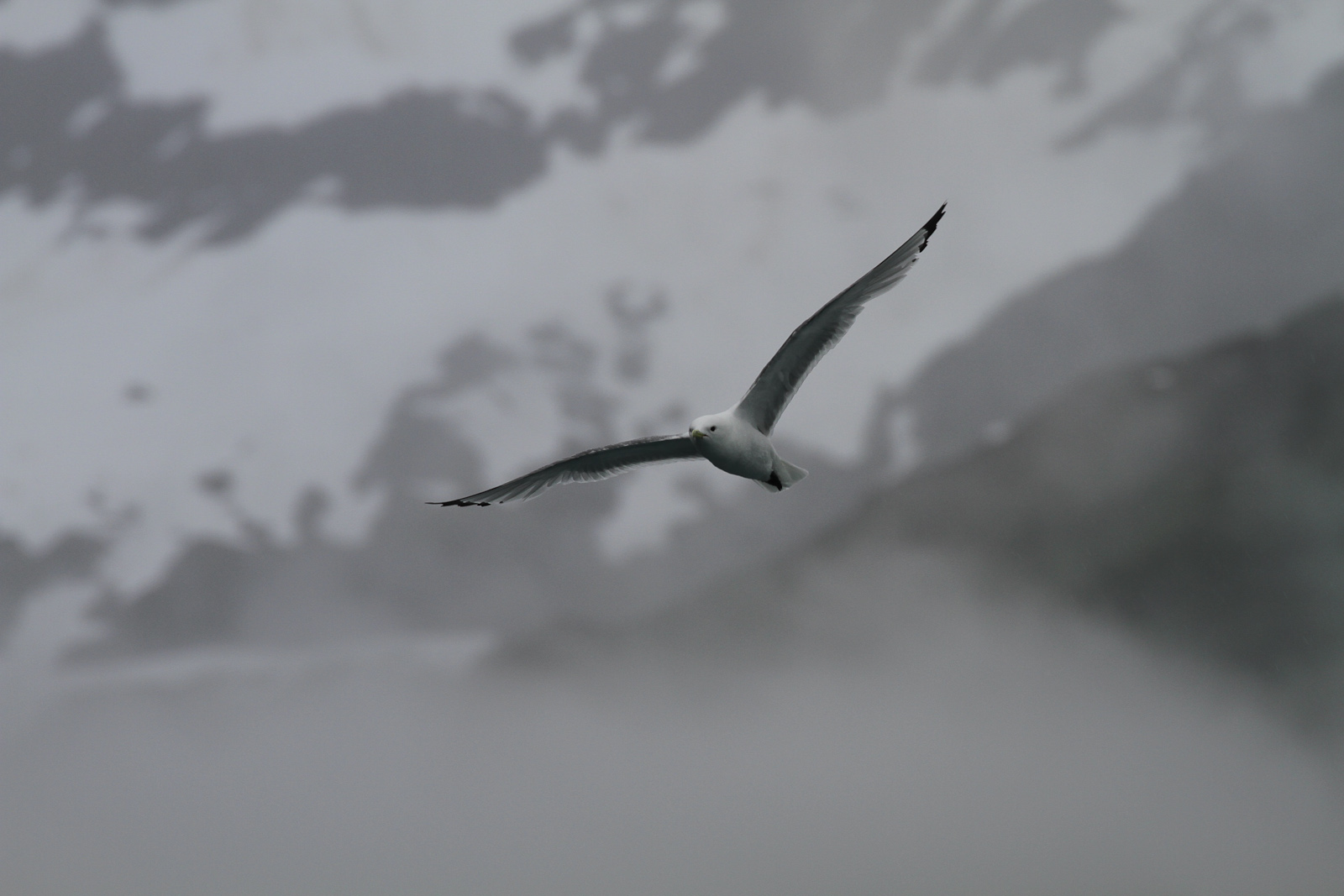
Our kayaks and group of six paddlers were taxied by small boat from the port of Valdez to the top of Shoup Bay where we off loaded onto a small beach and then put in for our day on the water. In total we were four kayaks (3 doubles and a single for our guide, Darcy). An all day slow steady rain was the price of entry for a front row seat to a Kittiwake rookery of several thousand birds. We were able to glide within feet of the nesting birds without disturbing them in the least. The presence of an opportunistic Bald Eagle in search of a baby Kittiwake snack, however, would launch the entire colony into a defensive mobbing behavior which is captured in the video below.

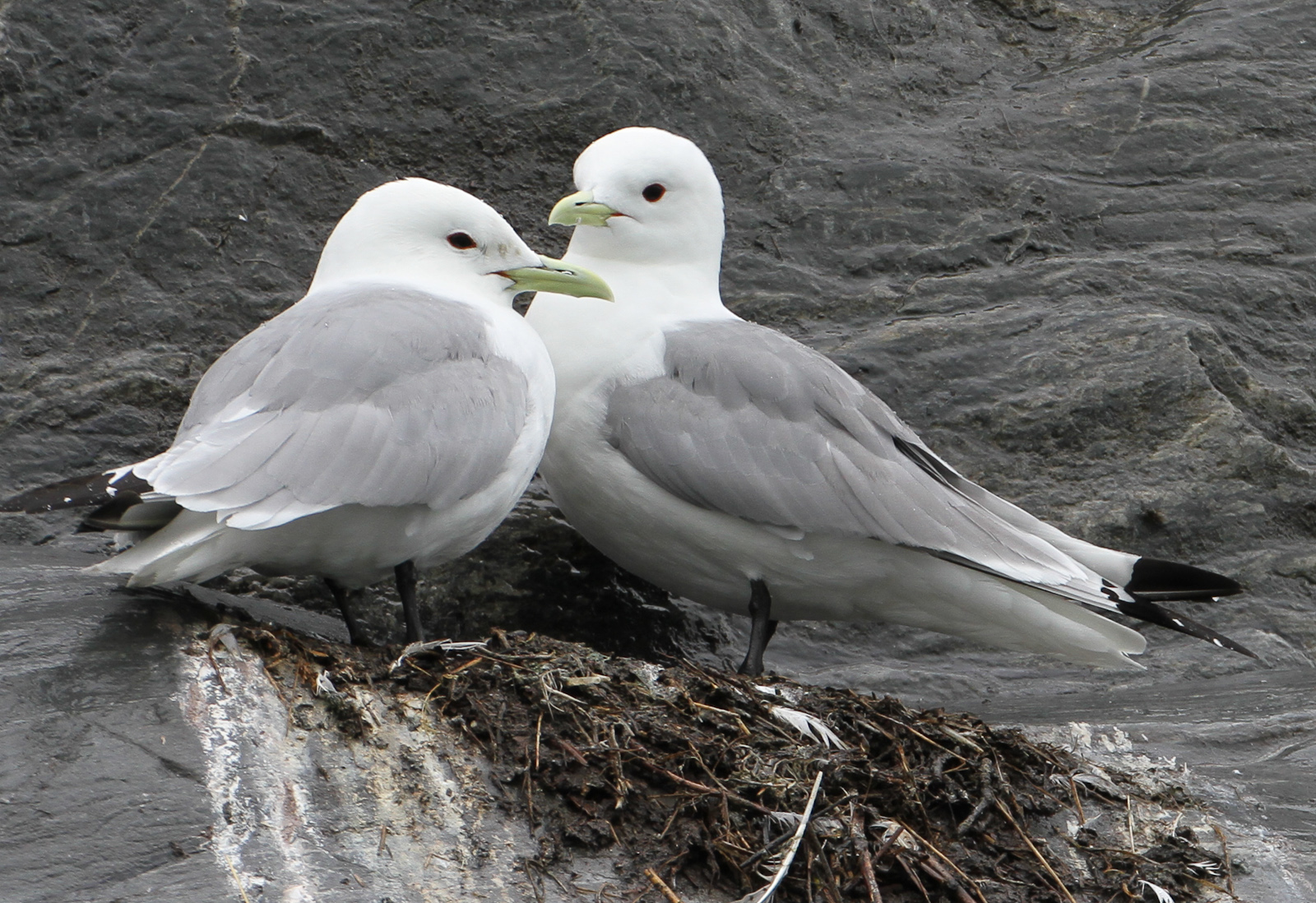
Kittiwakes are of two types, black-legged (this colony) and red-legged. They are the only gull species that are exclusively cliff-nesting. We enjoyed watching couples working together constructing and tending to their nests. Several newborns were also present. Shoup Bay has the fastest growing Kittiwake rookery in Prince William Sound with more than 20,000 birds and 6,000 nests. We continued to paddle taking us from the tidal basin containing the rookery to the one into which the Shoup Glacier terminates.

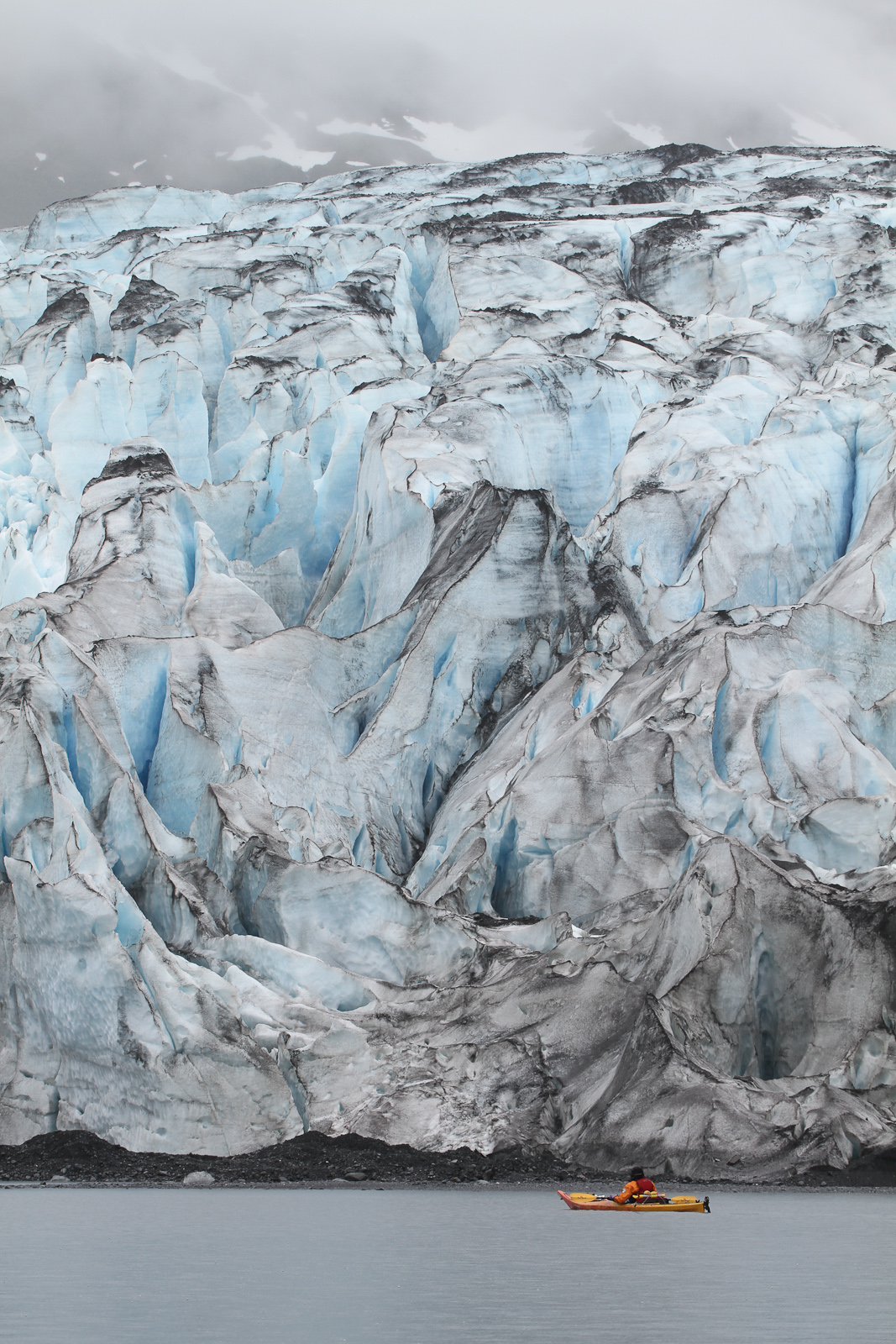
The glacier is simply beautiful, both in color and form. Two rivers carry melt water from beneath the glacier into the bay and have formed massive tunnels. Calving can occur at any moment (except while recording video in anticipation of the event). A sharp cracking noise is followed by a thunderous crash as the ice hits the water. We put ashore twice during the day, once to eat lunch and the second to walk up to and investigate the glacier. We timed our departure to catch the falling tide and had an exciting high speed white water exit as we moved from the inner to outer tidal basin where we rendezvoused with our water taxi.

Cordova

Daylight at this time of year in south central Alaska lasts from 5:30am to 10:30pm and we took full advantage of it on a day which featured crystal clear blue skies and perfect hiking temperatures. We returned to the Copper River Delta following the gravel “highway” to its end. Most of the wildlife in the delta is avian and our favorite encounter was with this pair of Trumpeter Swans which helped us appreciate why they are so named.

Changes in the Copper River water flow last August compromised the integrity of the footings of the bridge at mile 36 and the highway has been closed indefinitely blocking access to the remaining 12 miles of highway and access to the famous Million Dollar bridge and Child’s Glacier. Surrounded by mountain ranges on three sides the panoramic views at this very remote location are nothing shy of spectacular.

We returned to Cordova for lunch before starting a climb of Mount Eyak, a popular local ski area. Snow obscuring the path at higher elevations prevented us from reaching the top but the views of Prince William Sound from the vantage point we reached were breathtaking and well worth the steep ascent.

Cordova has three main roads which leave the town all of which dead end (access to the town is only by sea or air). Having thoroughly explored the Copper River Highway we decided to investigate the other two roads and got a treat when we arrived at Hartney Bay.

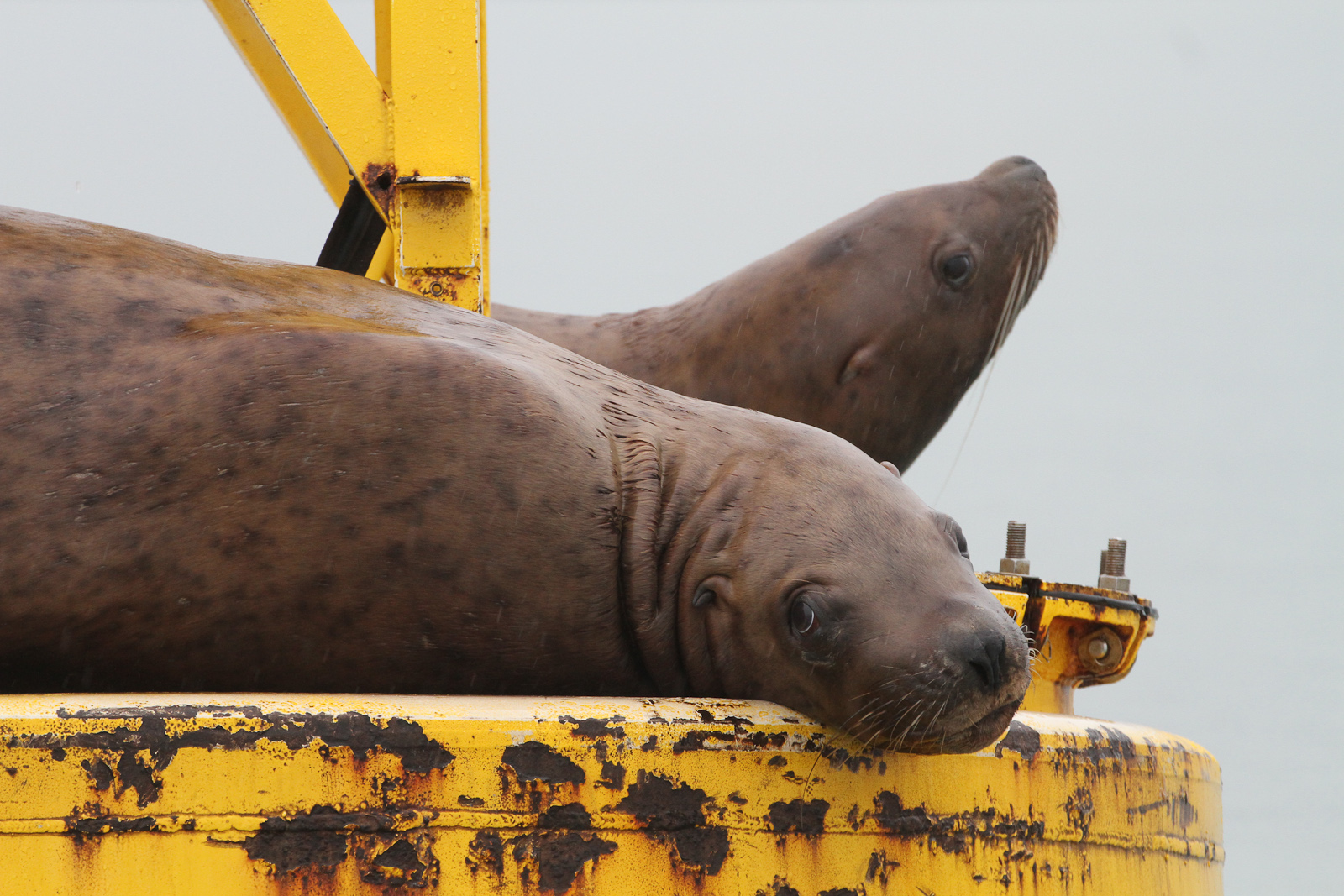
Here we could see hundreds of salmon acclimating to the fresh water in preparation for their spawning runs upstream. Seals would work in concert to coral the salmon for an easy meal while bears patiently awaited their arrival further inland.

Whittier

Our destination today is the small (population 2,500) fishing village of Cordova located at the head of Orca Inlet on the east side of Prince William Sound. It is accessible only by air or water as there are no roads which connect it to the rest of Alaska. We will travel there by high speed ferry leaving from the deep port city of Whittier which we reach through the Whittier Tunnel, the longest (2.5 miles) combined car and rail tunnel in North America. The one way tunnel operates according to a schedule with four phases (east bound auto, west bound auto, east bound train, and west bound train). During the morning we visited the Portage Glacier once visible from the nearby Begich/Boggs Visitor Center where we learned about glaciers and the native wildlife of our 49th state.

The weather at this time of year is often overcast and rainy which made our 3 hour ferry transit less of the photo opportunity I had hoped for. I did, however, spot several sea otters happily floating on their backs.

Off the beaten path Cordova is dominated by the marina and the town is authentically Alaskan, absent the scores of tourist gift shops which dominate cruise boat destinations. People here work the sea. For two nights we will stay at the Lighthouse Inn (can you find it in the photo).

Jeanine spotted our first Bald Eagle as we made a late afternoon excursion into the Copper River Delta, an incredible wetland formed by six glacial river systems stretching across a 60-mile arc. The Delta is characterized by a myriad of shallow ponds, intertidal sloughs, braided glacial streams, sedge marshes, willow thickets, and stands of spruce and cottonwood. While in Alaska we hiked almost every day and this afternoon we kicked things off with a relatively easy climb of the Haystack Trail.

Girdwood

Since before we were married, Jeanine and I have shared a desire to visit Alaska. Today our journey and Alaskan safari commenced. Fourteen hours of elapsed travel time were rewarded with a spectacular first view of our destination as our flight approached Anchorage. The captain reported a cloud ceiling of 7000 feet. These peaks of the Chugach mountain range stood above the cotton like blanket hinting of the grandeur that lie below. After picking up our rental car (wisely upgraded to an all wheel drive Subaru Outback) we enjoyed a frozen yogurt treat before starting our drive along the Cook Inlet and down the Turnagain Arm. It took less than 15 minutes before Jeanine demonstrated her keen wildlife spotting abilities noticing this family of Dall Sheep high on the sheer rock cliffs which flank the road. Another 15 minutes of driving brought us to Girdwood and the Carriage House bed and breakfast where we spent our first evening in timber frame rustic comfort. Click on any image to see a larger version, click again to see even more.

Deluge

As if to prepare us for our vacation to Alaska, the skies opened up today and it rained in waves of extreme downpours. Jeanine and I leave for Anchorage tomorrow where we will spend the next 11 days. Maya is at camp and Nicolai left for a week in Nicaragua early this morning leaving Kyle and his cousin Johnie to hold down the fort while we are away. At this time of year it typically rains every other day in the 49th state but that will not dampen our spirits as we embark on an adventure we have talked about since we first met. I will probably not be able to update the blog until we return. If we have access to Wi-Fi I may try and make text only entries adding photos when I get back.

Wolf Instincts

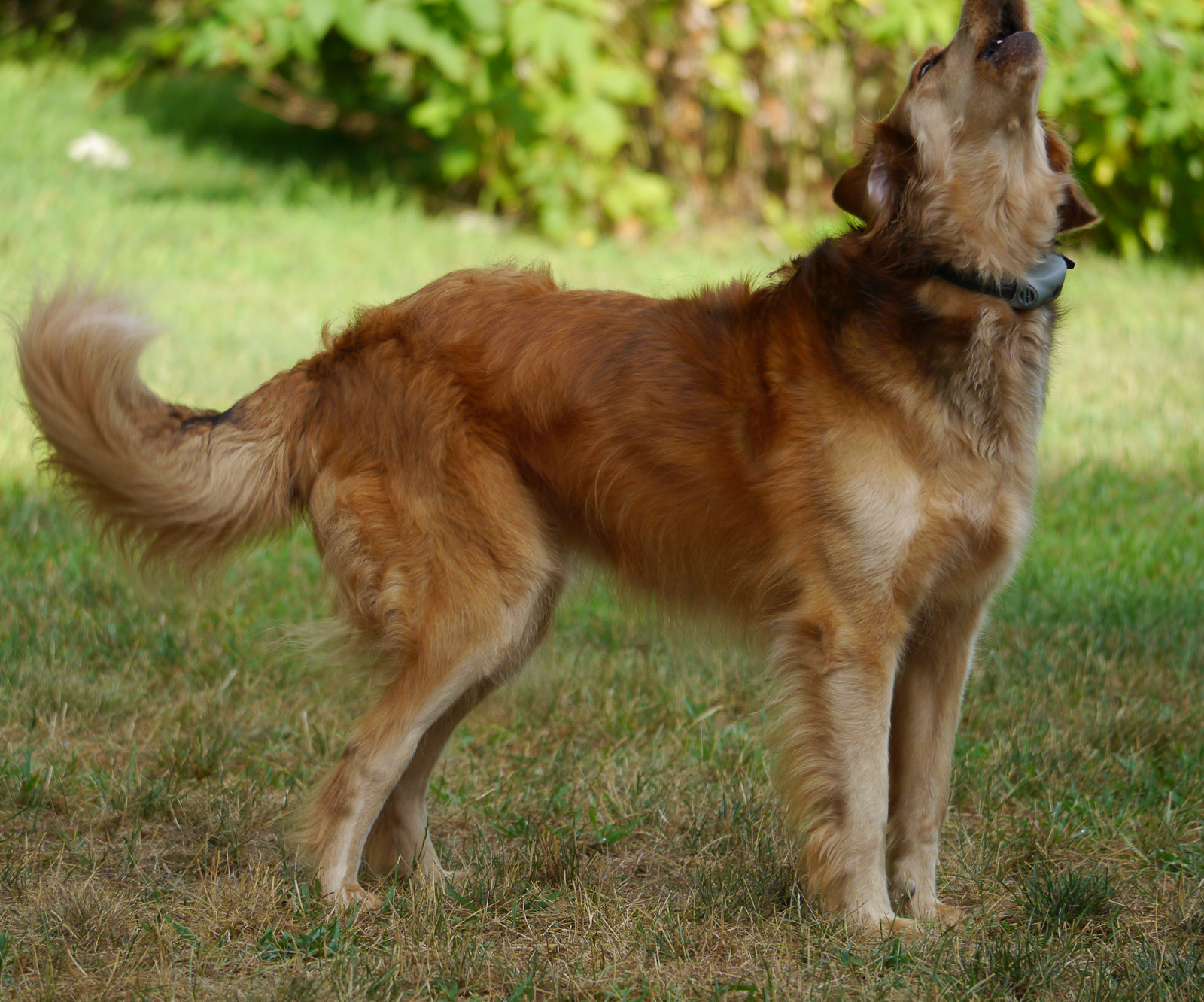
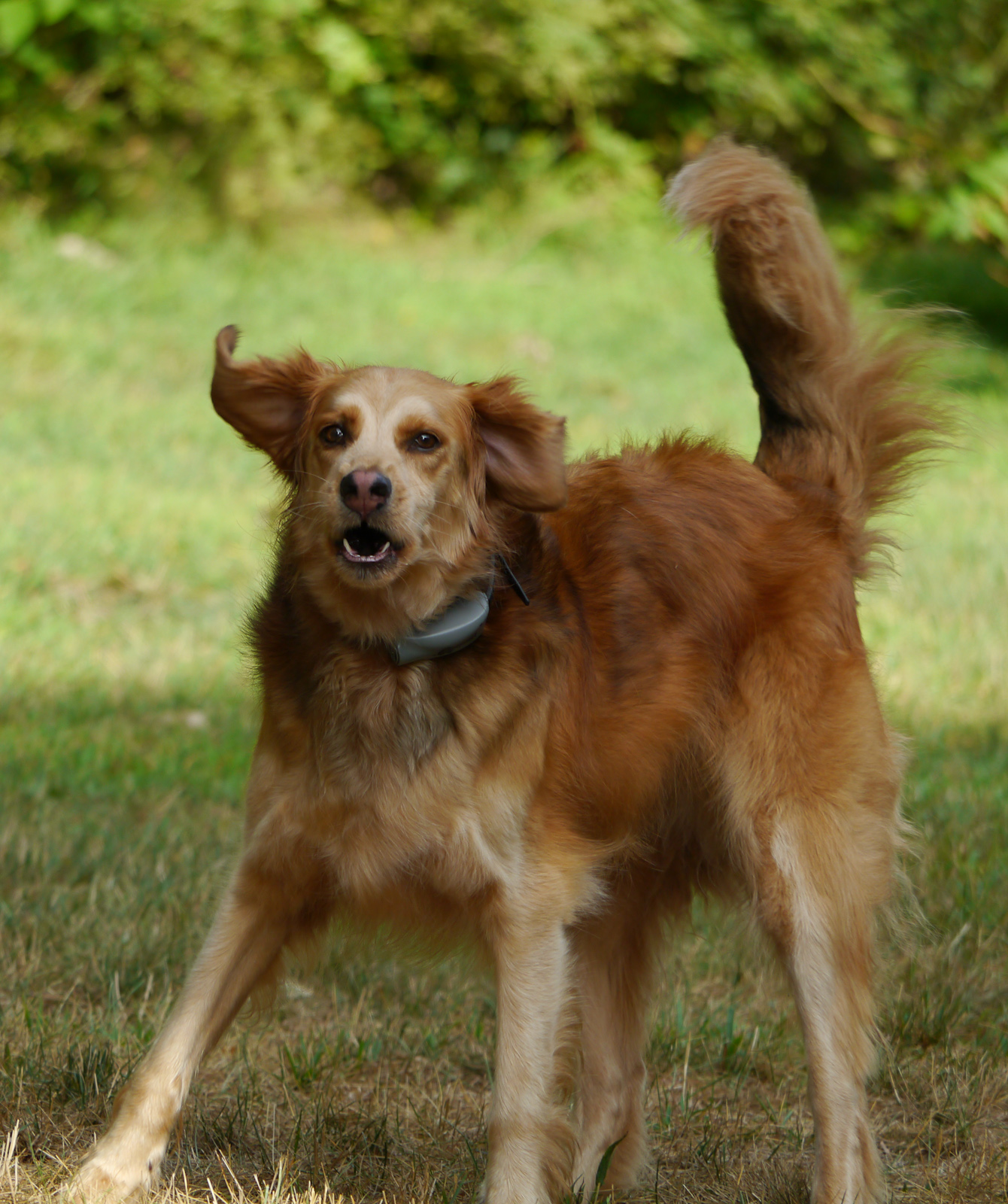
I have often observed that Nala has the personality of a cat. Occasionally, however, she does demonstrate her canine roots. When I arrived at home today she was doing her best wolf imitation in response to the presence of a small mammal within her domain (the extent of her electric containment fence).

Hydrant Flushing?

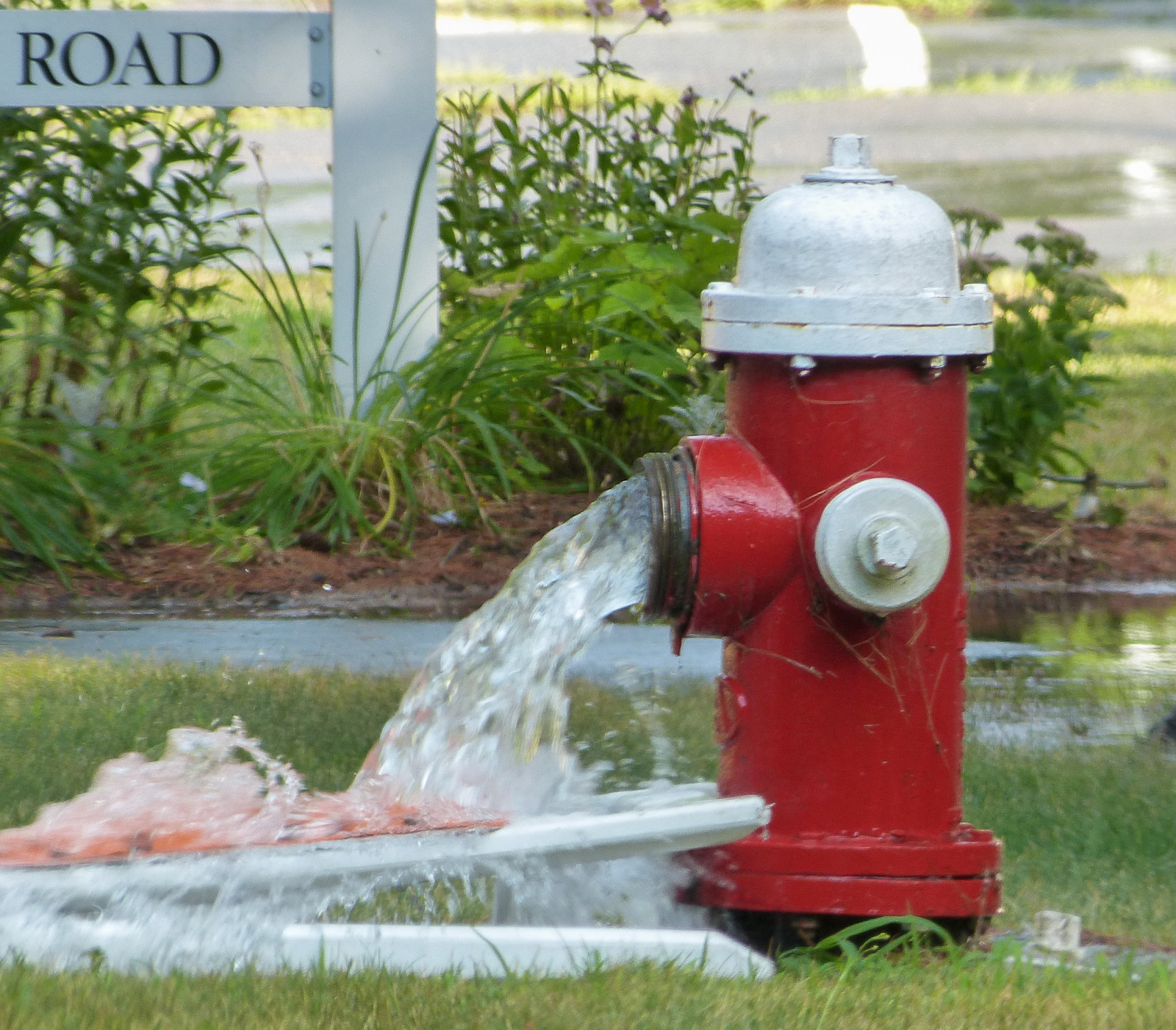
Despite a general call for water conservation this fire hydrant which I pass on my commute twice each day has been open and flowing freely for the last three. This evening I called the Bedford Police Department to make sure they were aware of the situation. I was informed that this was part of a scheduled hydrant flushing program. After three days it would seem to me that they could have flushed a water line that started in California. Very incongruous to drive past a sign calling for water conservation and then past this scene. Perhaps tomorrow I will move the water conservation sign in front of the hydrant to see if others share my dismay.

Blackberries

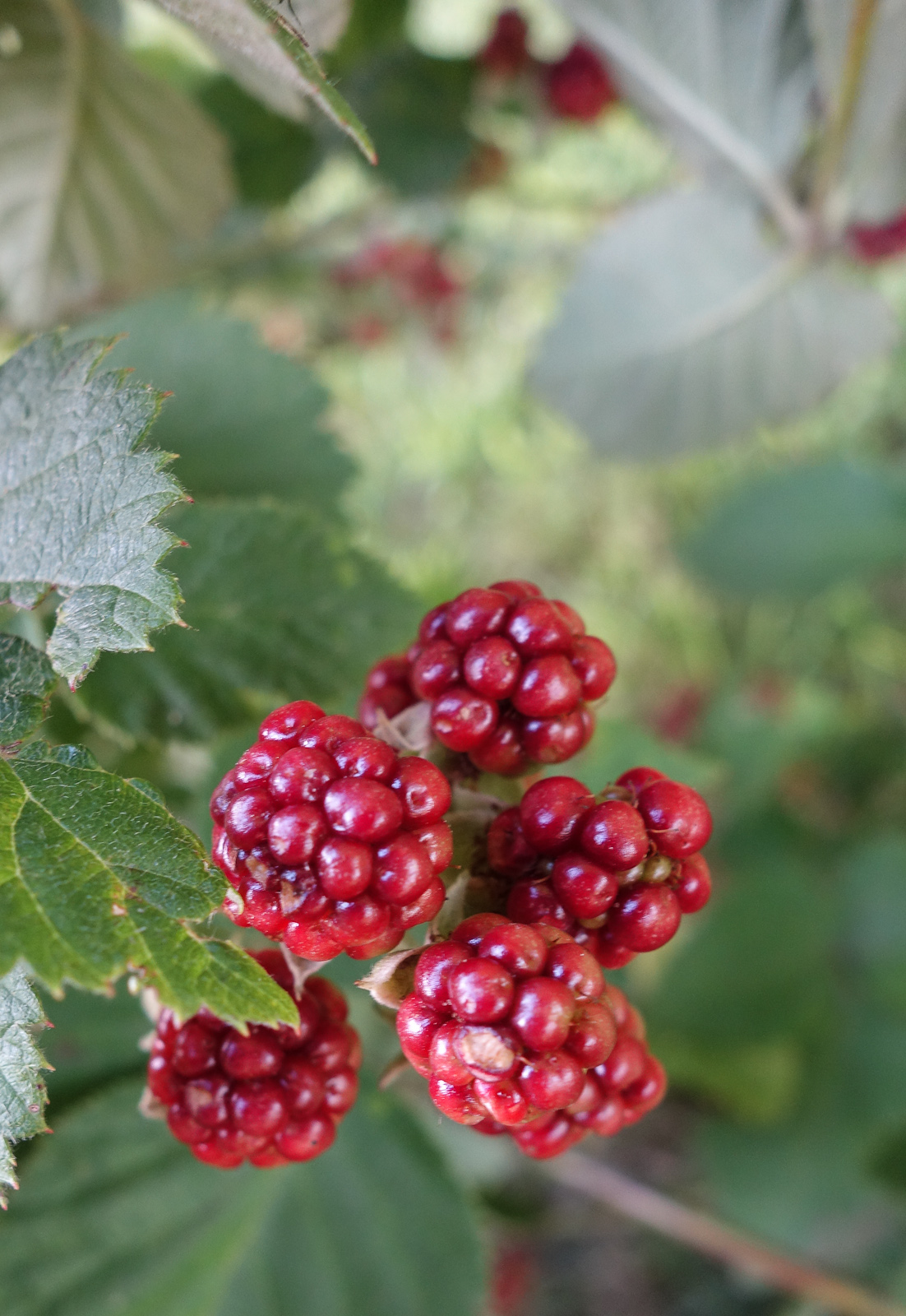
It would be safe to say that the birds have enjoyed more of our blackberries than our family this year. I must make a point of visiting the backyard more frequently to harvest these tasty little treats. Jeanine planted these bushes several years ago and they have been quite productive, evidenced by the number of happy birds in our neighborhood. My initial post incorrectly identified these as raspberries. Jeanine pointed out the error immediately.