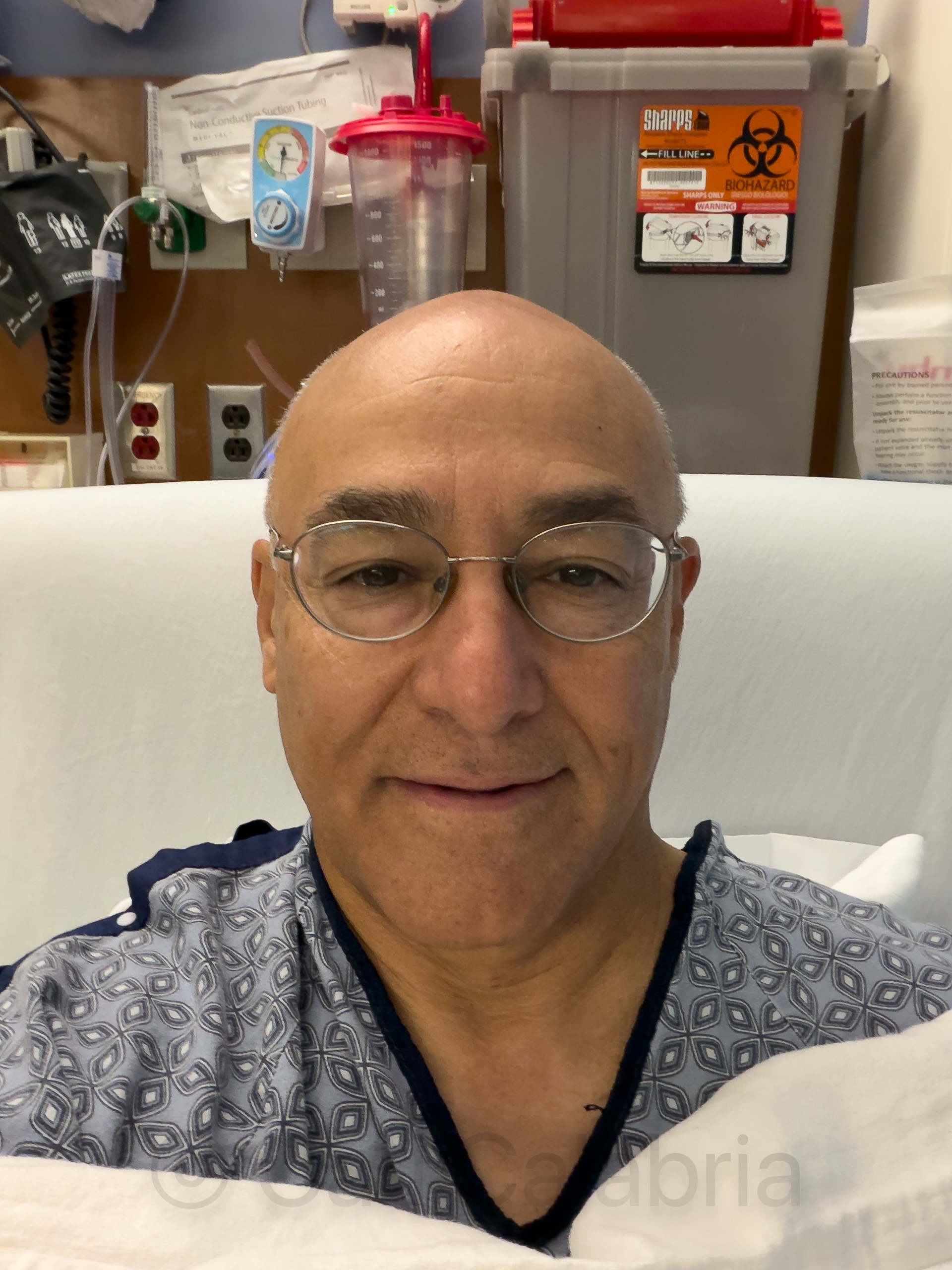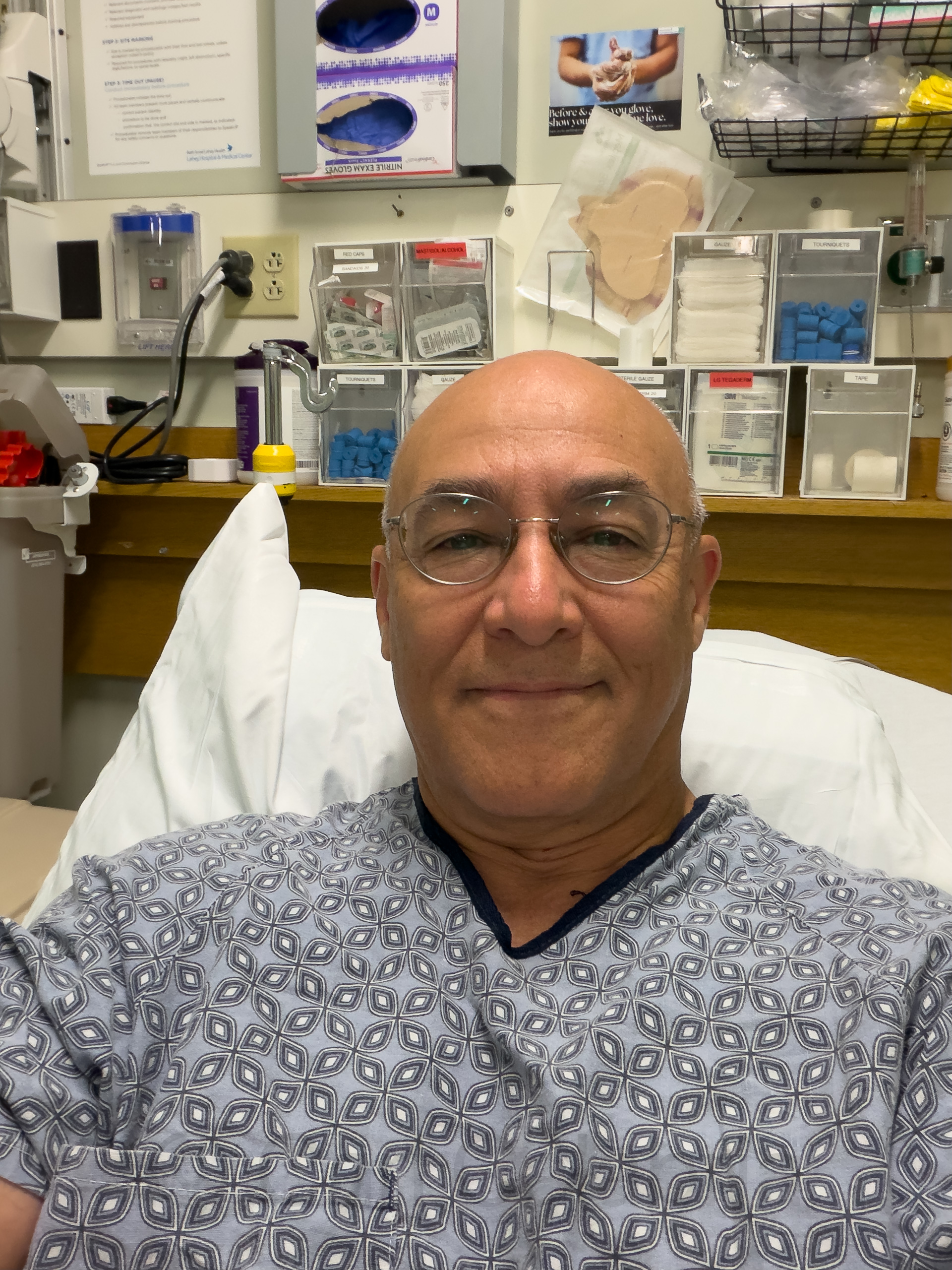
The prostate is unique as it is the only organ that continuously grows in size with age. Mine has now grown to three times the normal size, resulting in a condition called Benign Prostatic Hyperplasia (BPH), which causes several quality-of-life issues (difficulty urinating, waking once or twice every night to urinate, increased occurance of bladder stones). About 50% of men in their 50s show signs of BPH, and this percentage climbs about 10% per decade. Symptoms only get worse with age, so today I had surgery to remove much of my prostate.
Of the many options available, I elected a procedure called Holmium Laser Enucleation of the Prostate (HoLEP). The HoLEP procedure is performed by inserting a specialized scope and laser through the urethra into the bladder. A holmium laser is then used to cut away and separate excess prostate tissue from its outer capsule, pushing the detached tissue into the bladder. A mechanical device called a morcellator is introduced to break the tissue into tiny fragments. Finally, these tissue pieces are suctioned out through the scope, creating an open channel for urine flow. Of the available minimally invasive surgical options, this approach has the highest durability and, with any luck, will resolve my symptoms for the remainder of my life.
My surgeon says she removed 23 grams of tissue and that the procedure was successful. I will remain in the hospital for one night and hope to be released tomorrow morning. As can be seen in the before-and-after photos, I look 23 grams lighter in the second one.