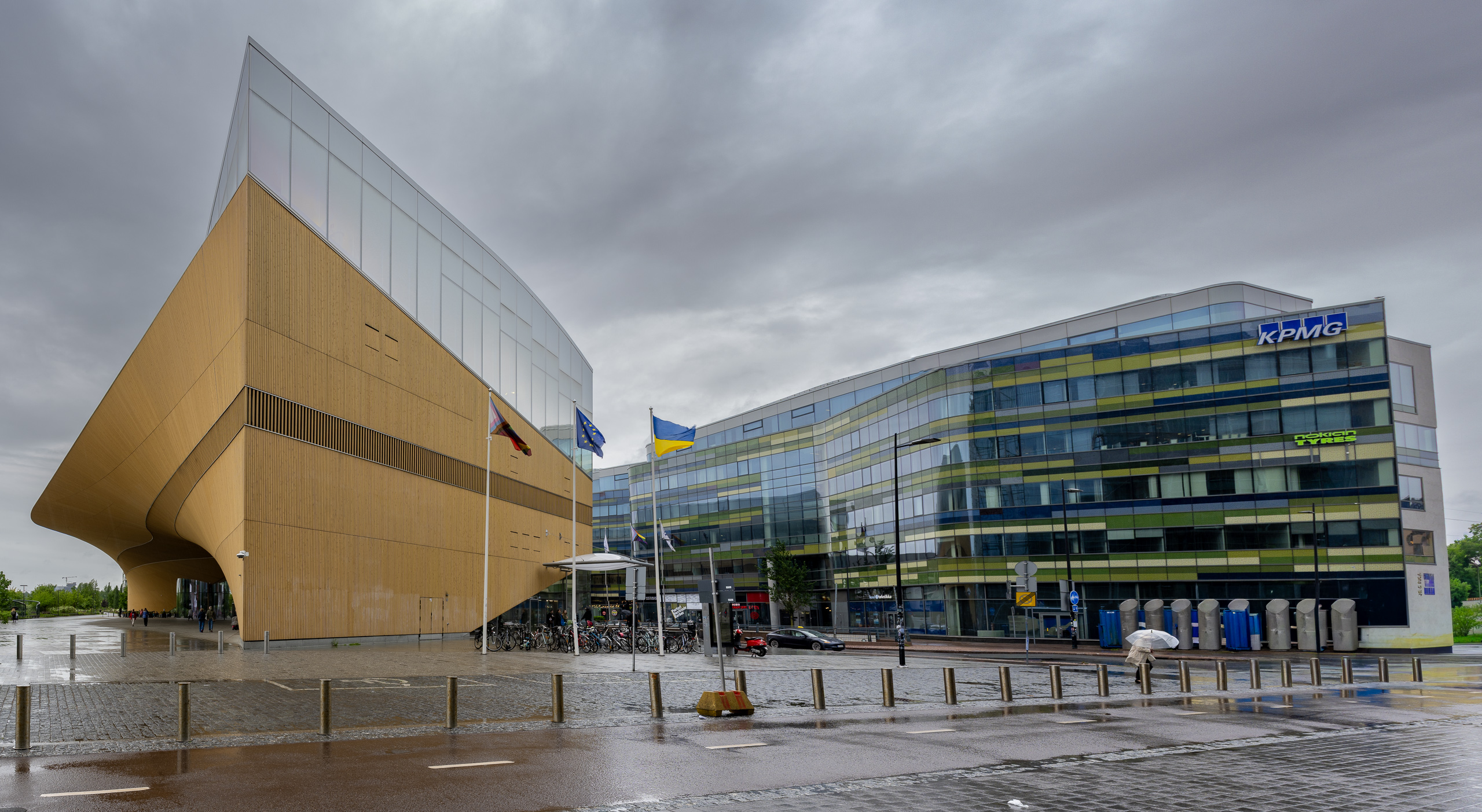
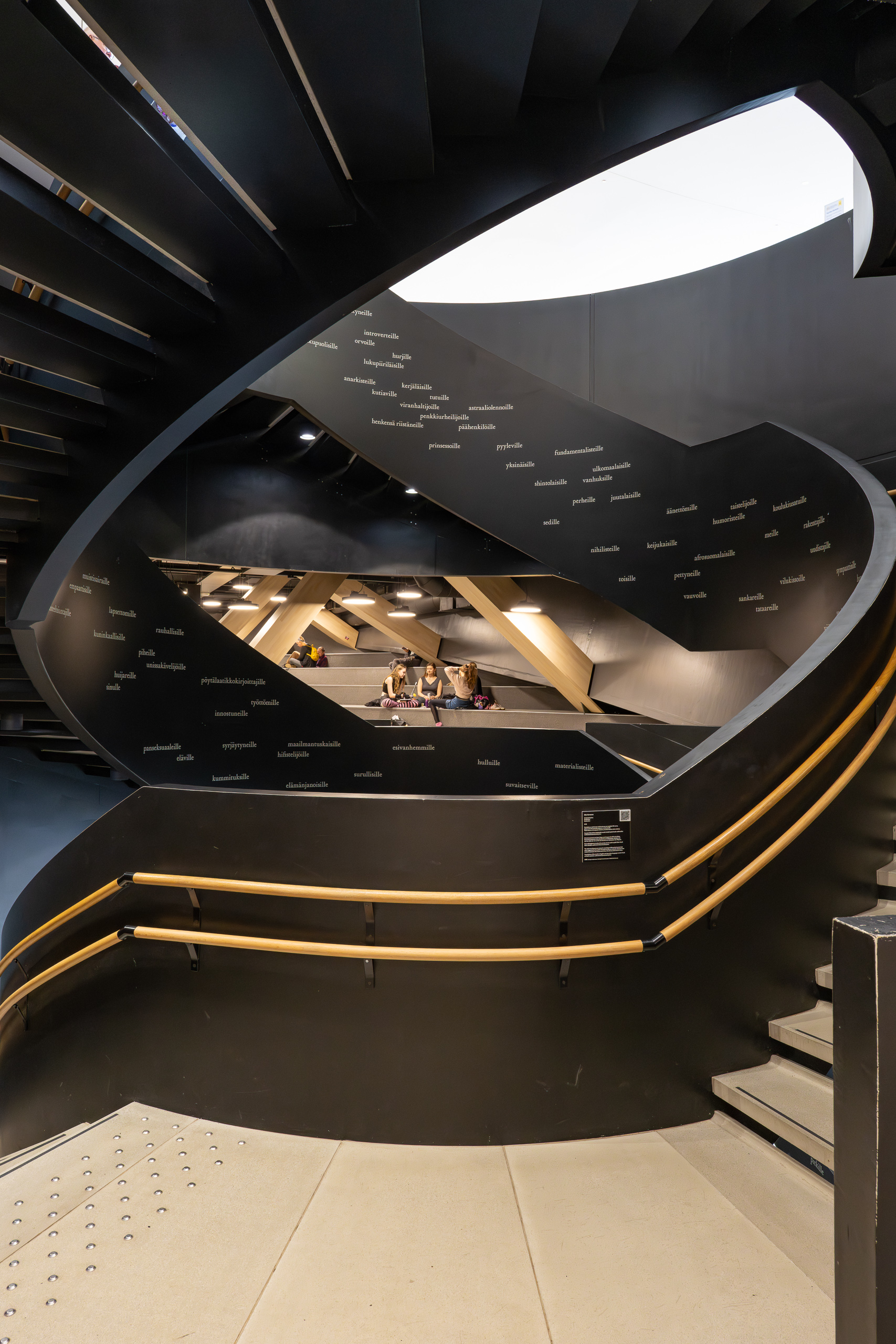
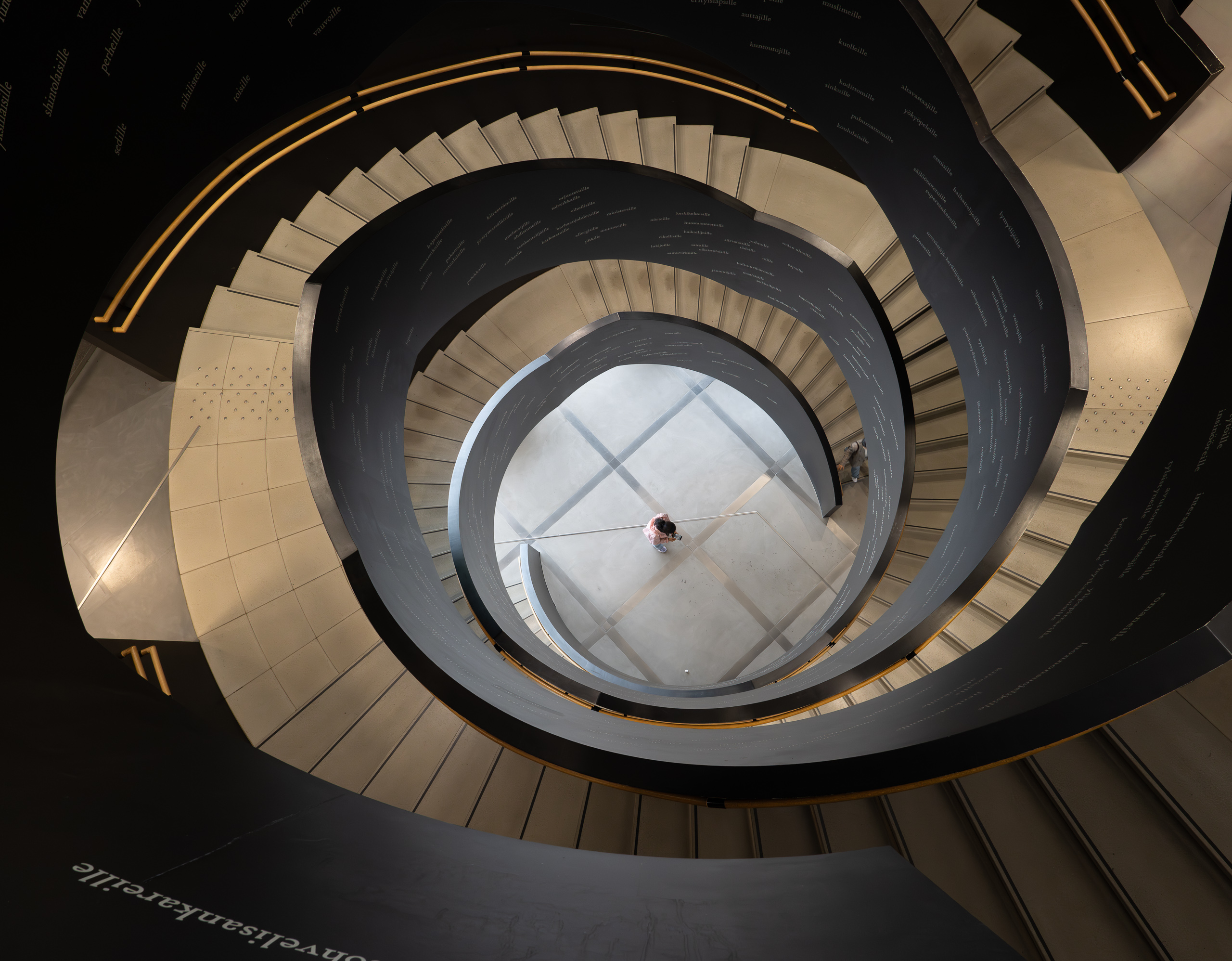
As forecasted, it rained for most of the day. Photographically speaking, this is not always a bad thing. The overcast skies create a moody atmosphere and provide uniform and soft light. Pictured above on the left is the Helsinki Central Library Oodi. It is without a doubt the most amazing library I have ever visited, both from an architectural point of view as well as the offerings inside. A striking spiral staircase is wrapped in an art installation called Omistuskirjoitus (Dedication) by artist Otto Karvonen. The installation features words and dedications gathered from the public, emphasizing that the library belongs to everyone regardless of age, origin, or wealth.
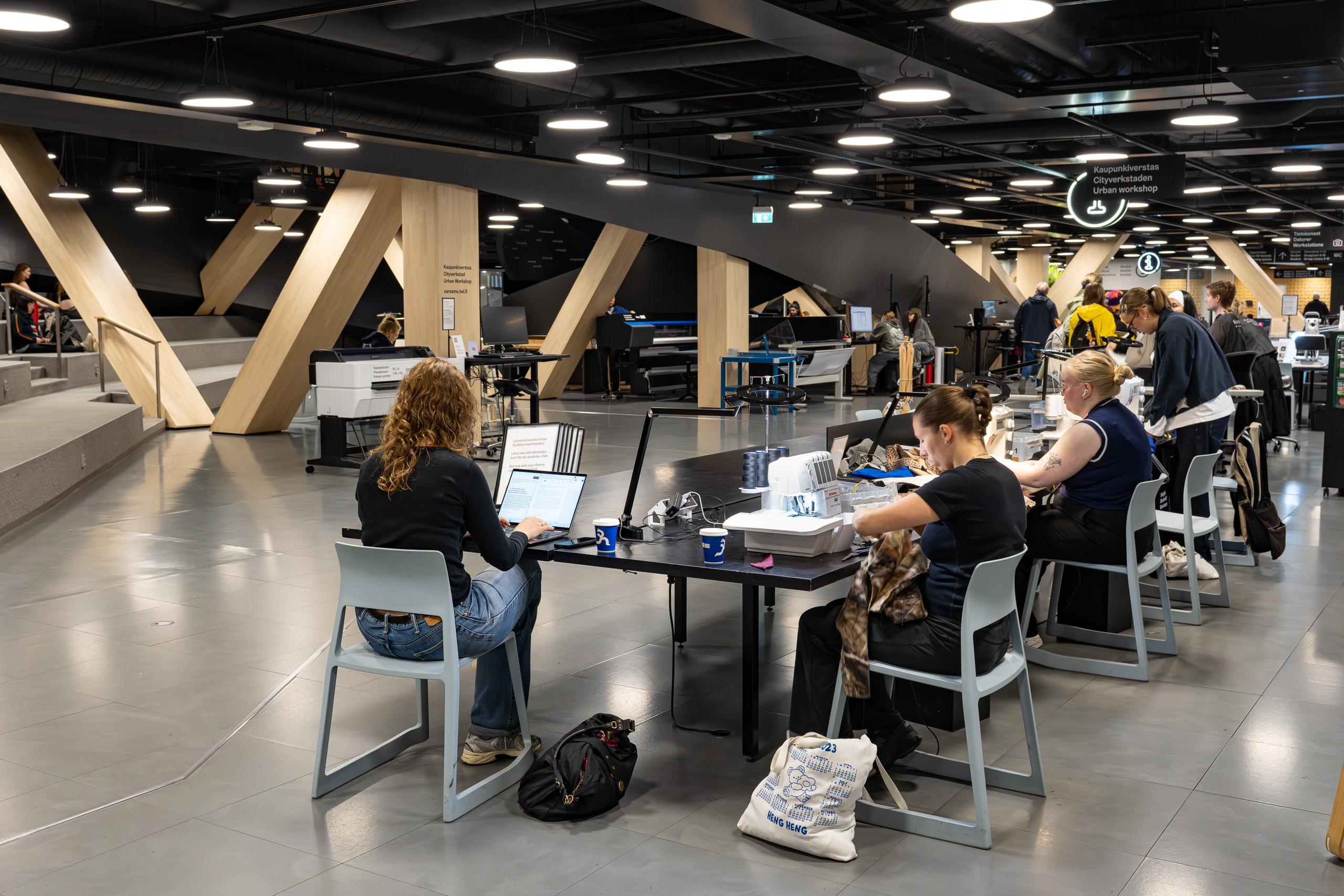
Oodi Library’s makerspace, officially known as the Urban Workshop (Kaupunkiverstas), is a communal DIY space located on the second floor. It provides free access to advanced tools and machinery for creators, hobbyists, and entrepreneurs. The list of resources includes: 3D printers, a laser cutter, a large-format printer and scanner, a vinyl cutter, sewing machines, embroidery machines, button makers, and a heat press. There is also an audio-visual area with dedicated recording studios (with instruments and mixing equipment), photo studios (with cameras, green screens, and lighting), and editing bays. I could live in this place and never get bored!
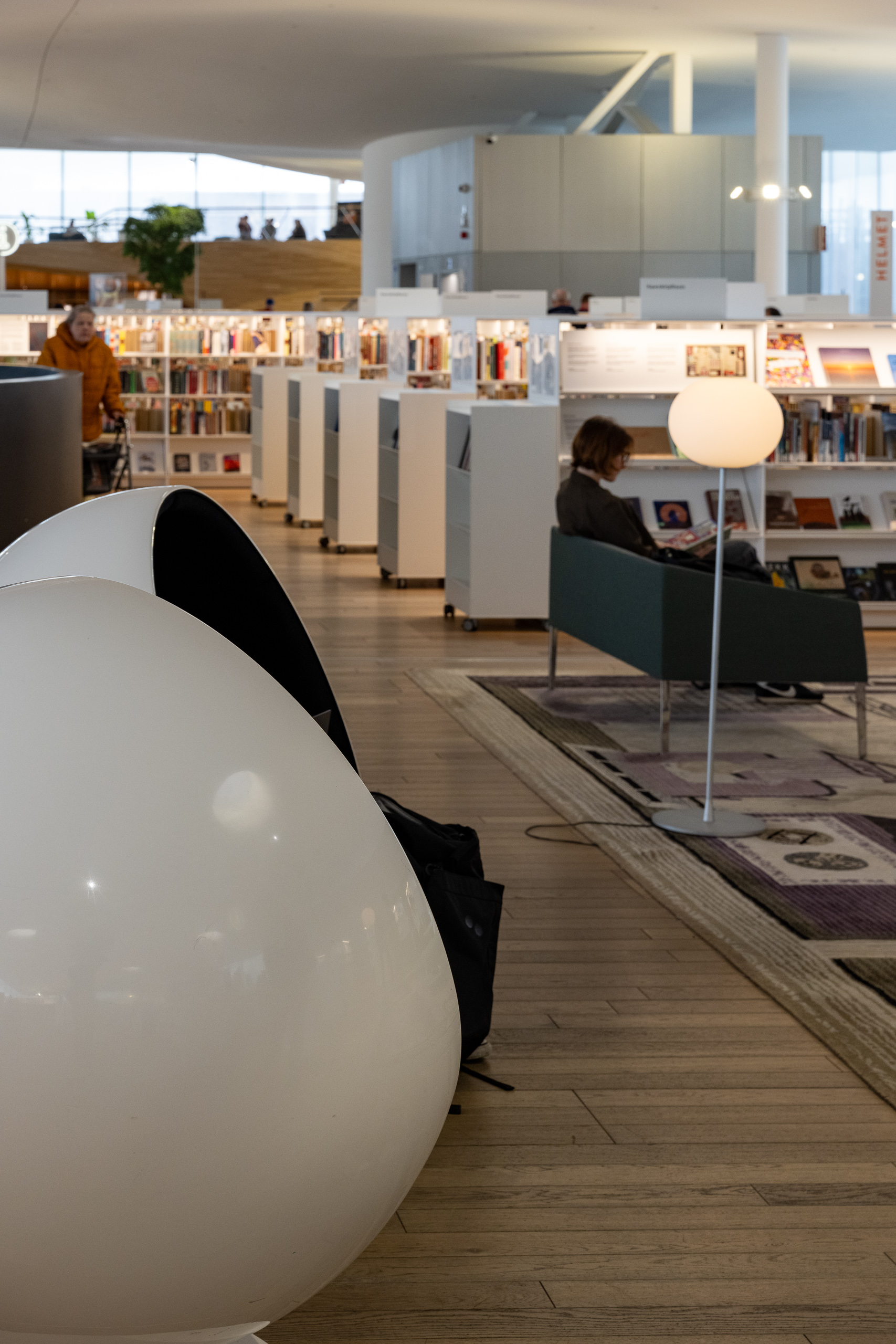
The third floor looks more like a traditional library if you look past the robotic carts that return books to their respective areas, the kids’ play area, and the cafe with outdoor seating overlooking the neighborhood.
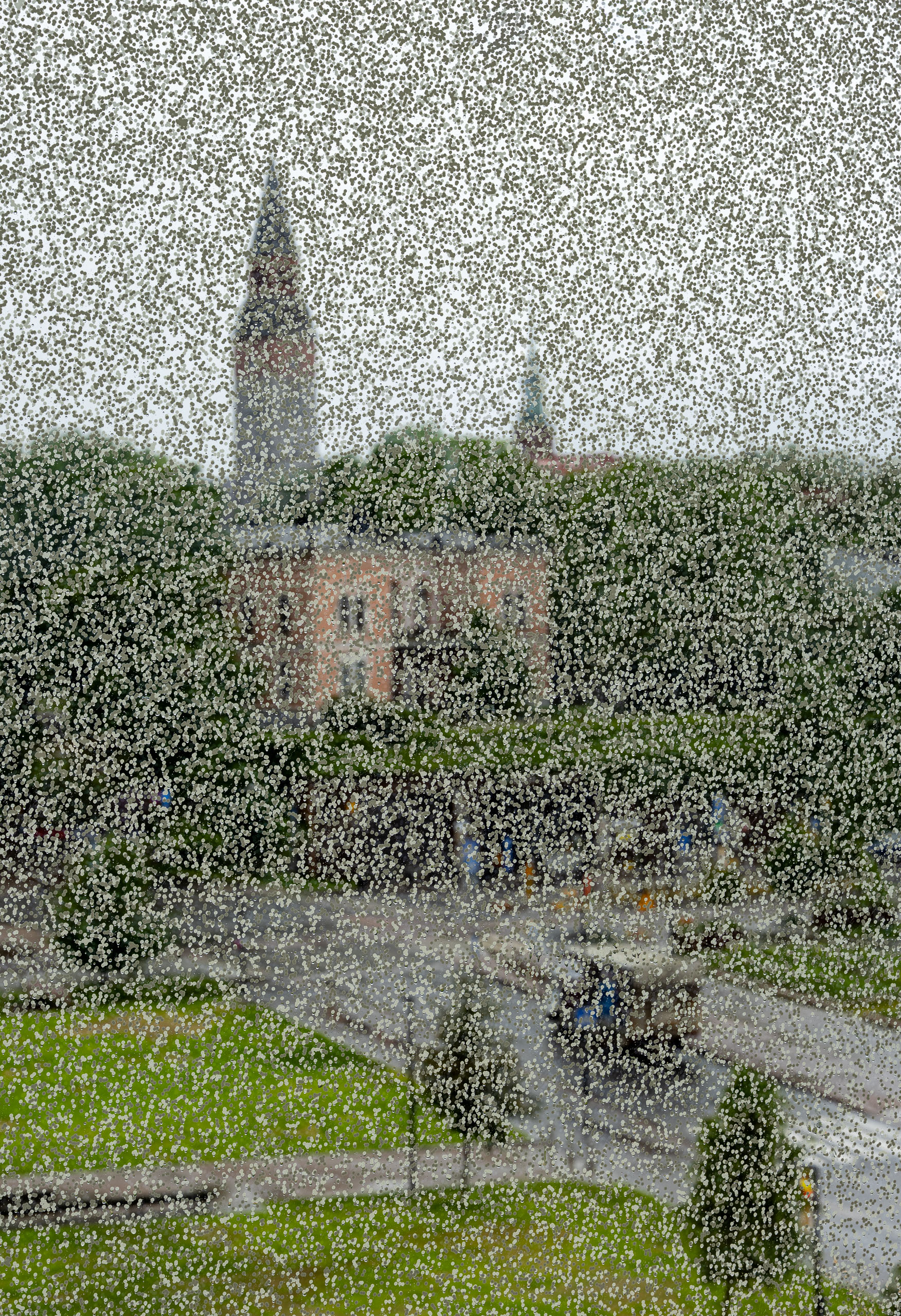
As seen in the first photo, the top two floors of the library are predominantly clad in glass, which provides natural light and a sense of expansiveness. When I first saw the window below, I assumed that I was looking through raindrops on the glass, a reasonable guess as it was raining outside. Upon closer inspection, I discovered that these were painted dots on both the inside and the outside, presumably to diffuse the sunlight or perhaps just for fun.
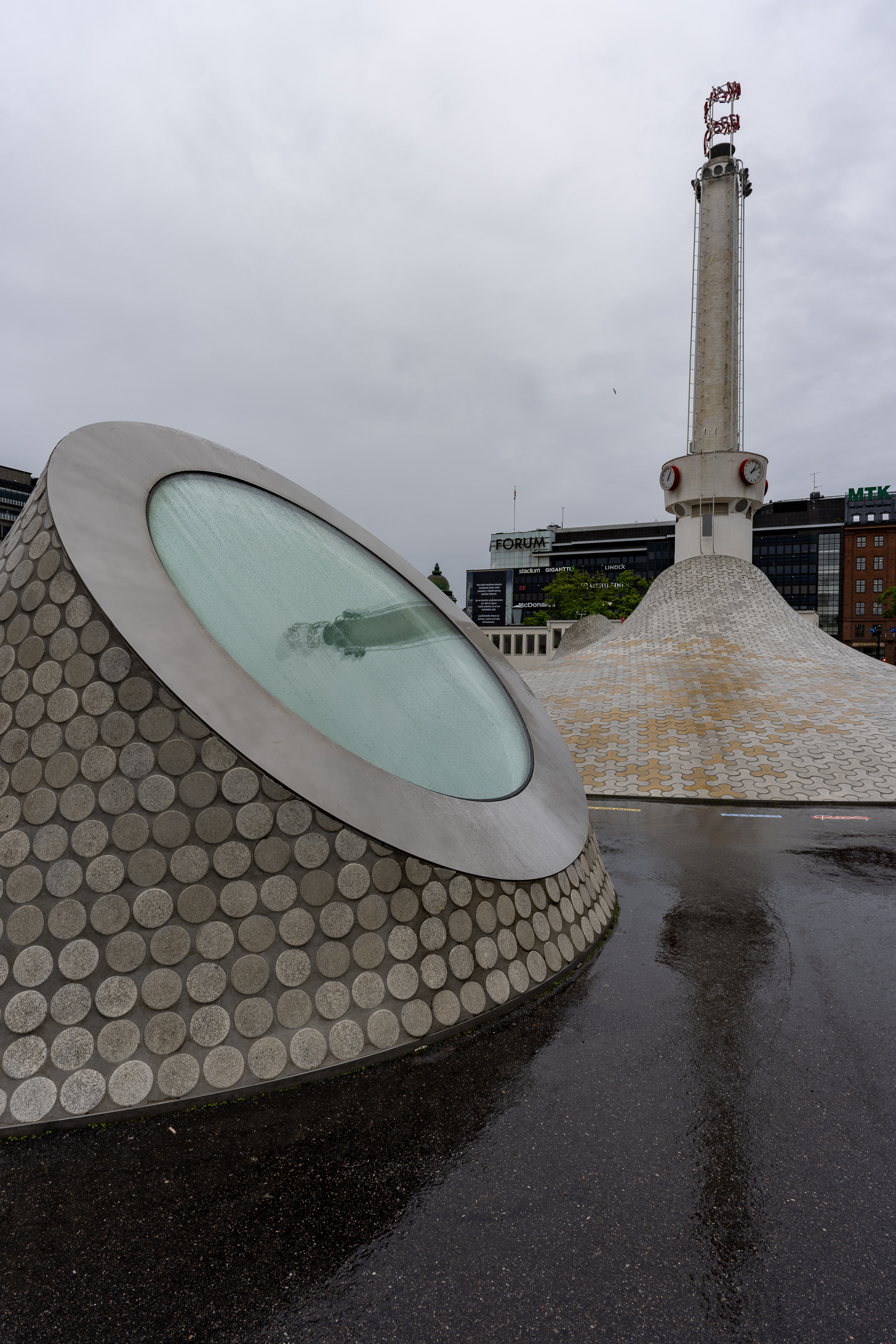
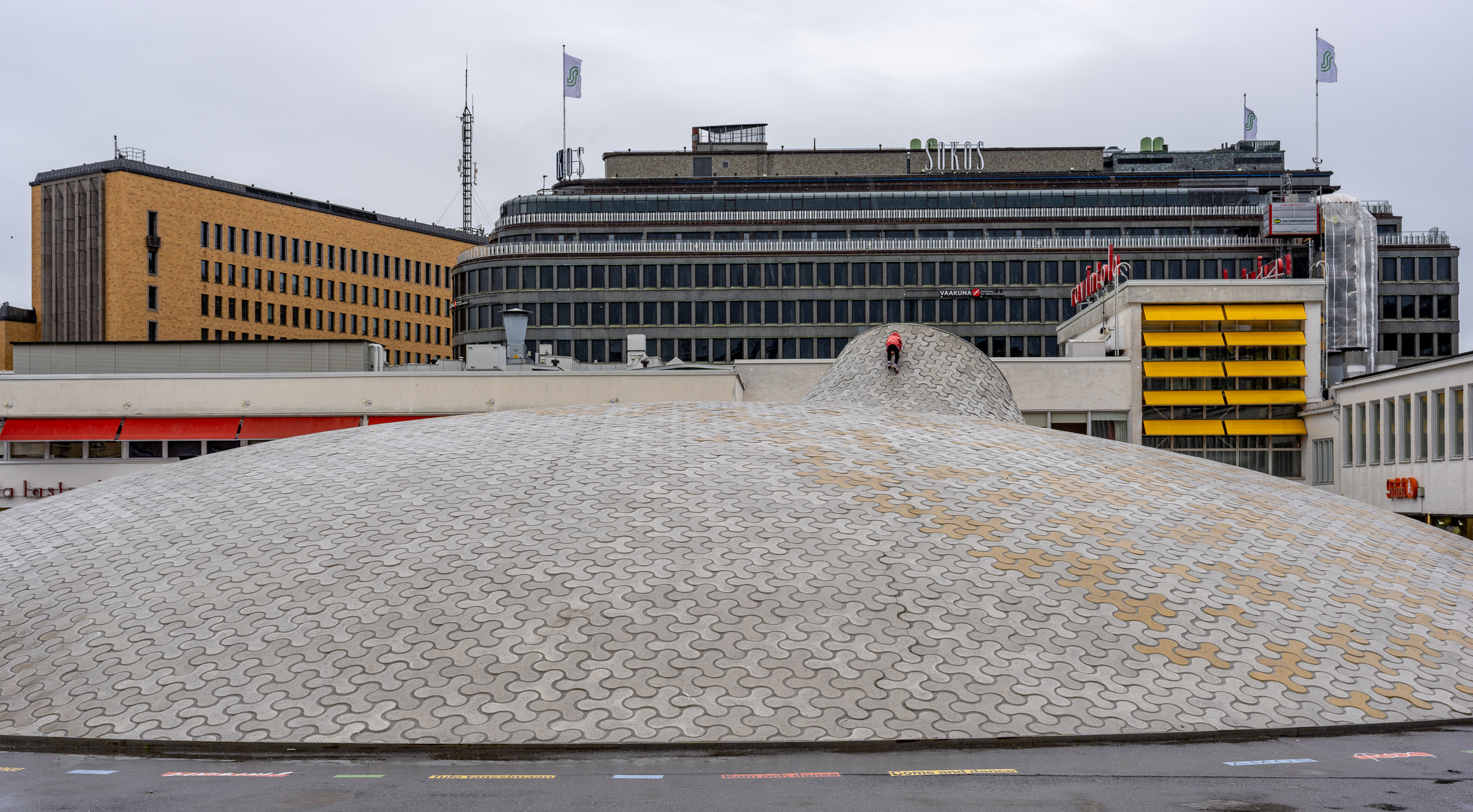
I could have spent the entire day at the library, but I continued my walking tour of the city. Pictured below are two photos of Lasipalatsi Square, a public space located in the heart of Helsinki. The square is famously known for its striking, subterranean Amos Rex art museum. Its surface features large, undulating concrete domes with circular skylights that visitors can climb.
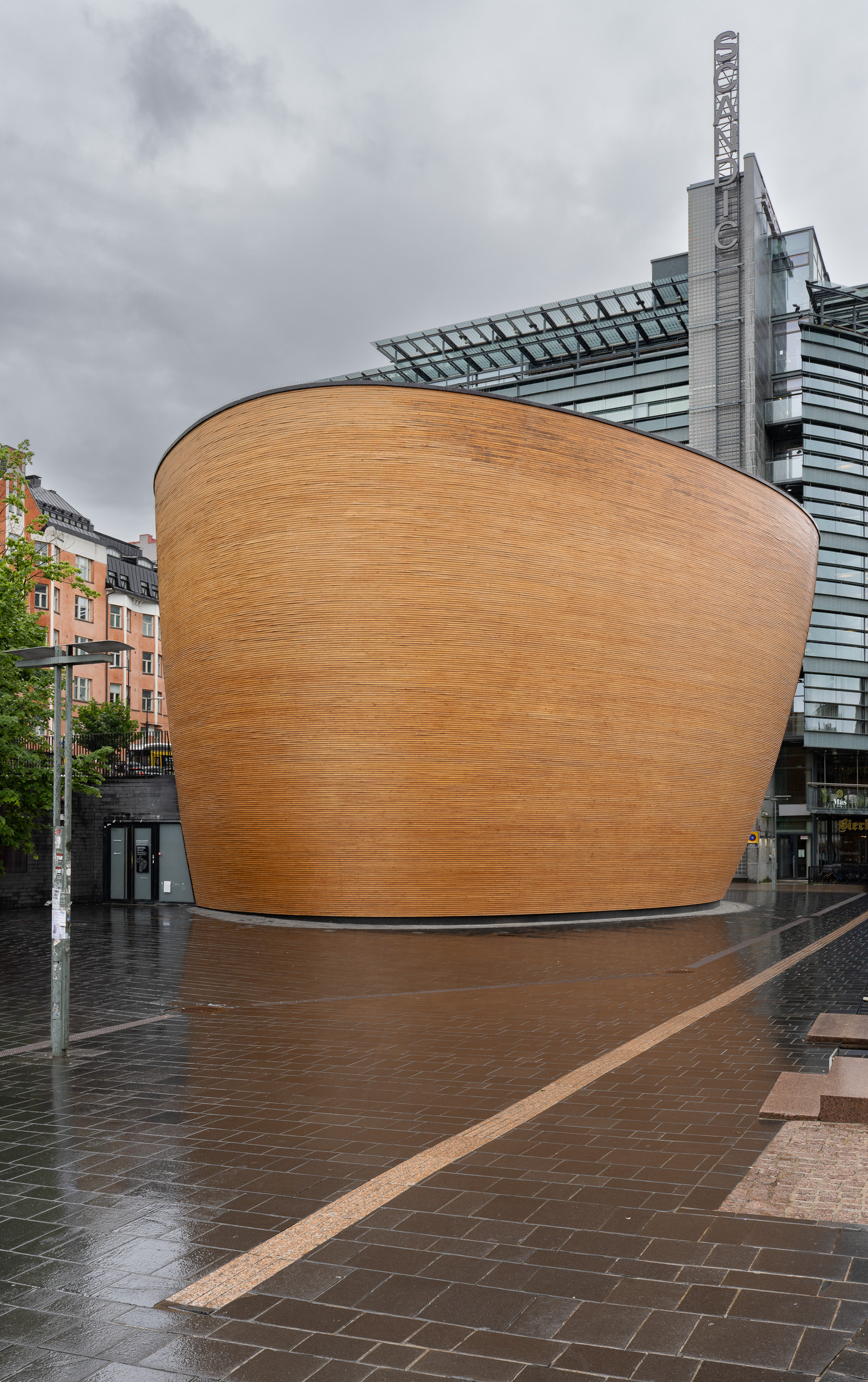
The Kamppi Chapel, popularly known as the “Chapel of Silence,” is an award-winning architectural landmark situated in the bustling Narinkka Square. Designed by K2S Architects and completed in 2012, its minimalist, windowless structure serves as a serene sanctuary from the surrounding city chaos. The building represents a pinnacle of Finnish wood construction, featuring curved exterior walls of warm spruce treated with a unique nanotechnology wax. Inside, the gentle, oval-shaped hall is lined with smooth alder planks that create a soft, soundproofed atmosphere. Rather than hosting traditional Sunday church services, the chapel is dedicated exclusively to quiet reflection, personal solitude, and occasional acoustic concerts.
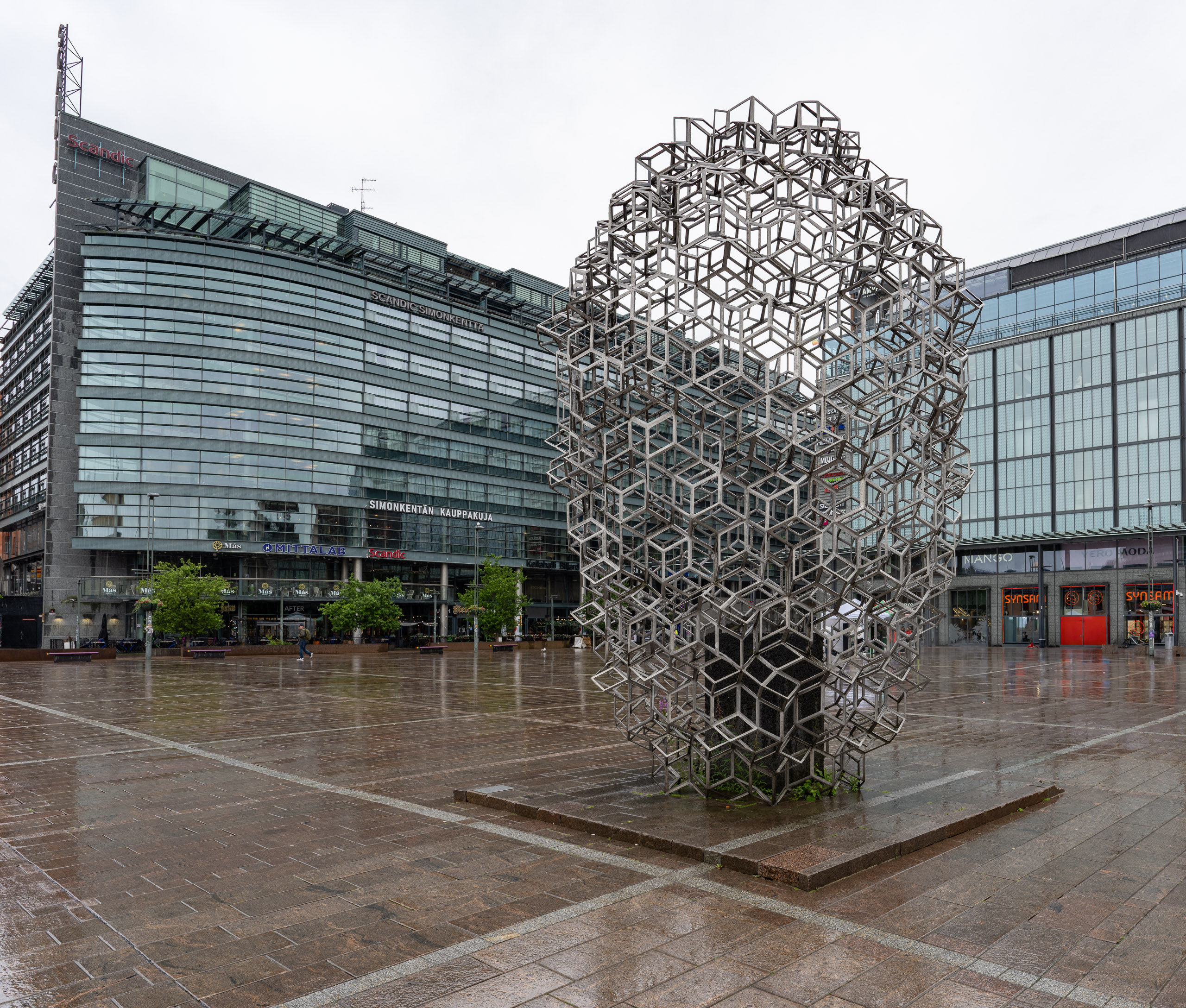
The Entrepreneurs’ Monument (also known as Yrittäjäveistos or Leverty) is a prominent public artwork located in the square adjacent to the Kamppi Chapel, by Swedish sculptor Eva Löfdahl. It features a transparent, block-like form constructed from a complex aluminum meshwork frame that houses over 1,100 individual components meant to symbolize the interconnectedness, transparency, and solid foundation of Finnish entrepreneurial endeavors.
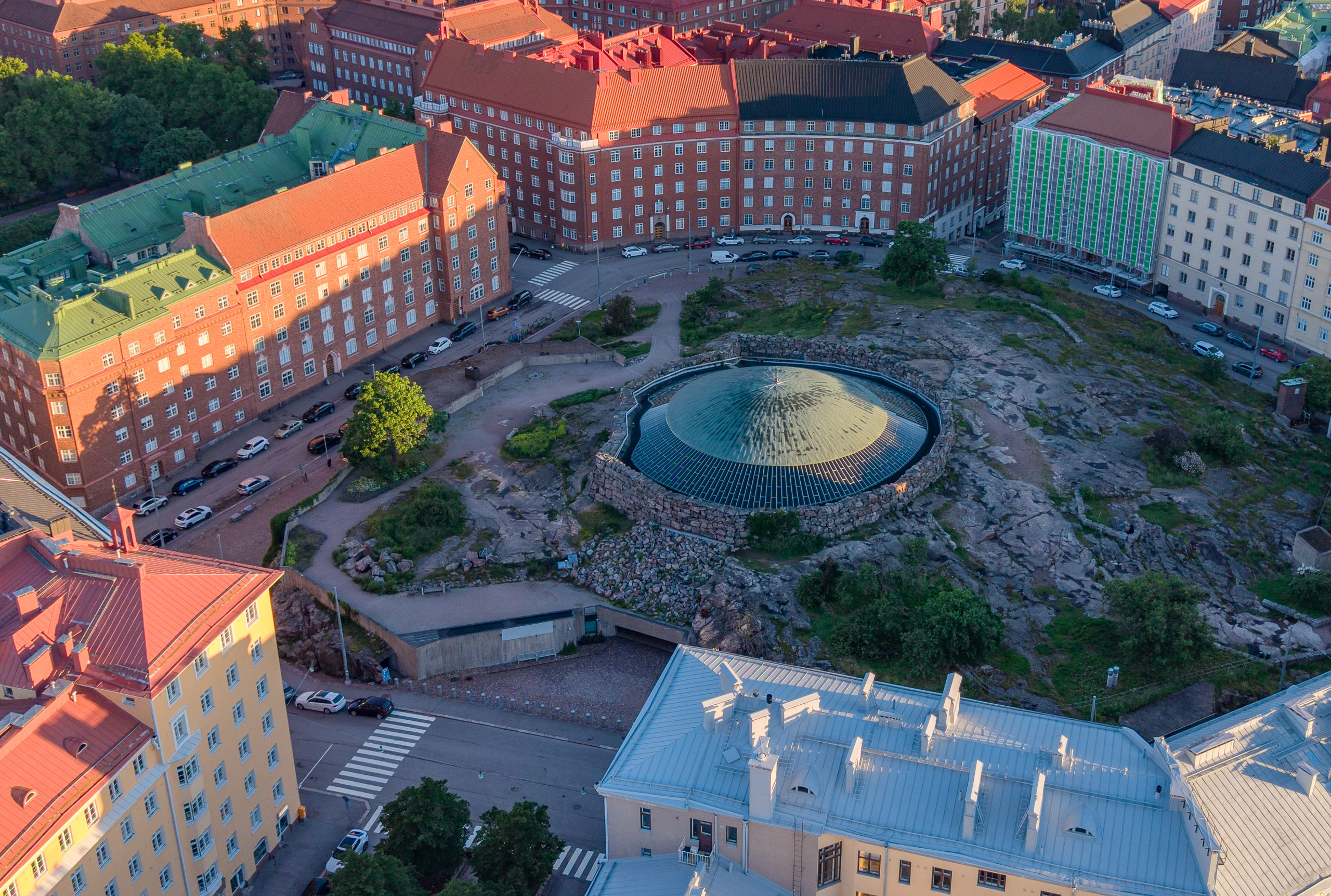
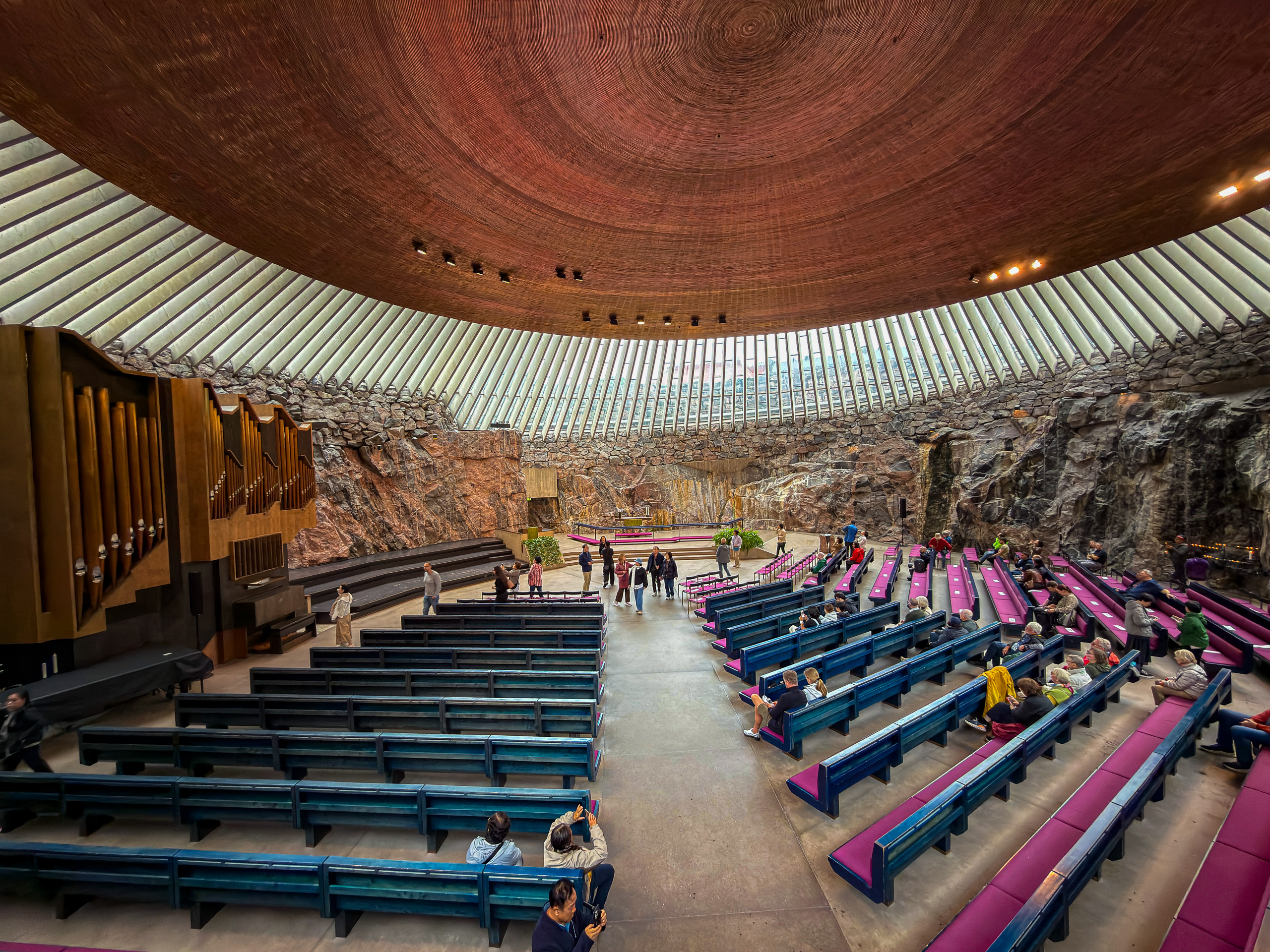
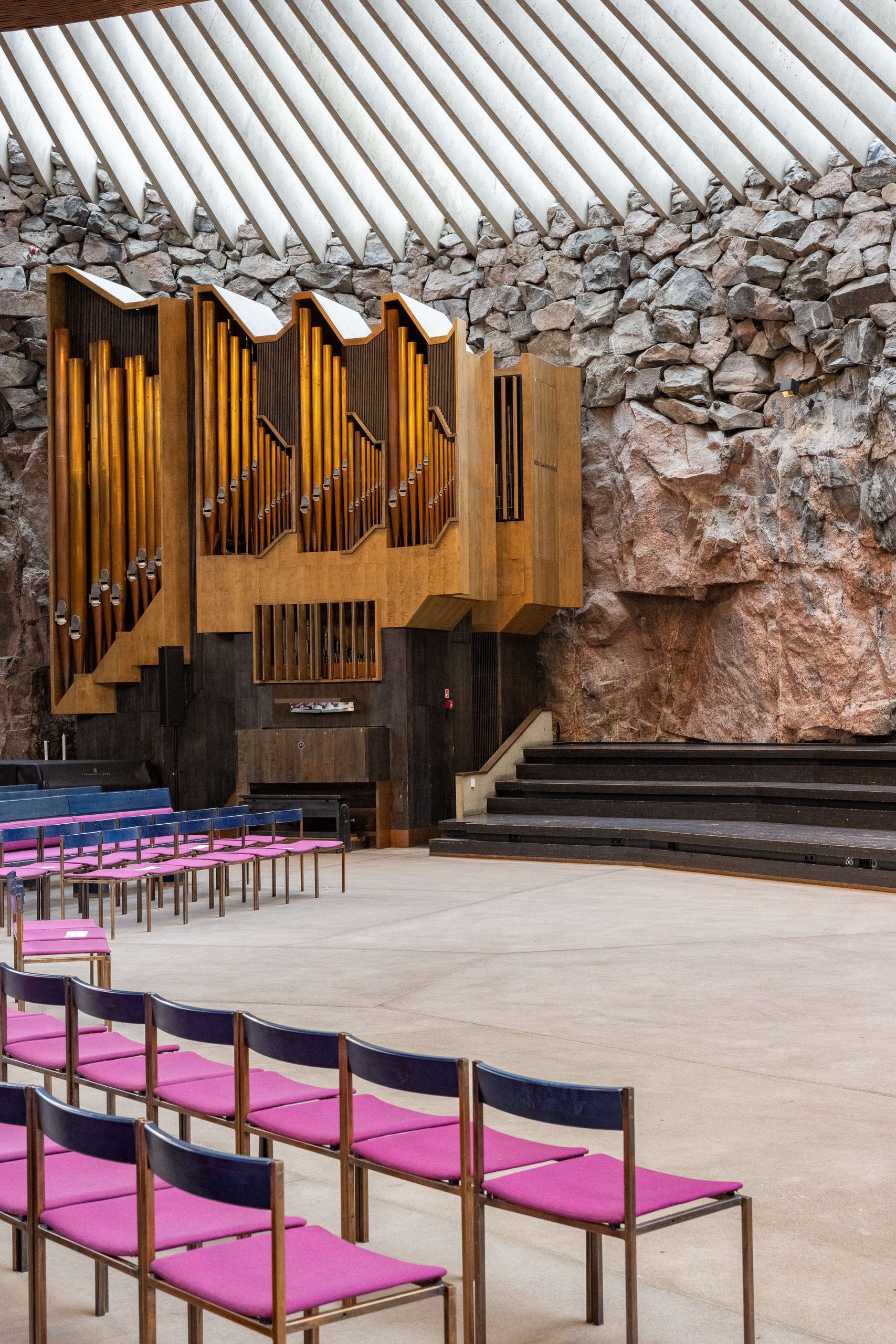
The Temppeliaukio Church, also known as the Church of the Rock, is a stunning Lutheran church located in Helsinki’s Töölö neighborhood. Completed in 1969, it was carved directly into solid granite bedrock by architect brothers Timo and Tuomo Suomalainen. The interior is bathed in natural light through 180 vertical window panes supporting a massive copper dome. Due to its exposed rock walls, the church boasts exceptional acoustics that make it a premier venue for concerts.
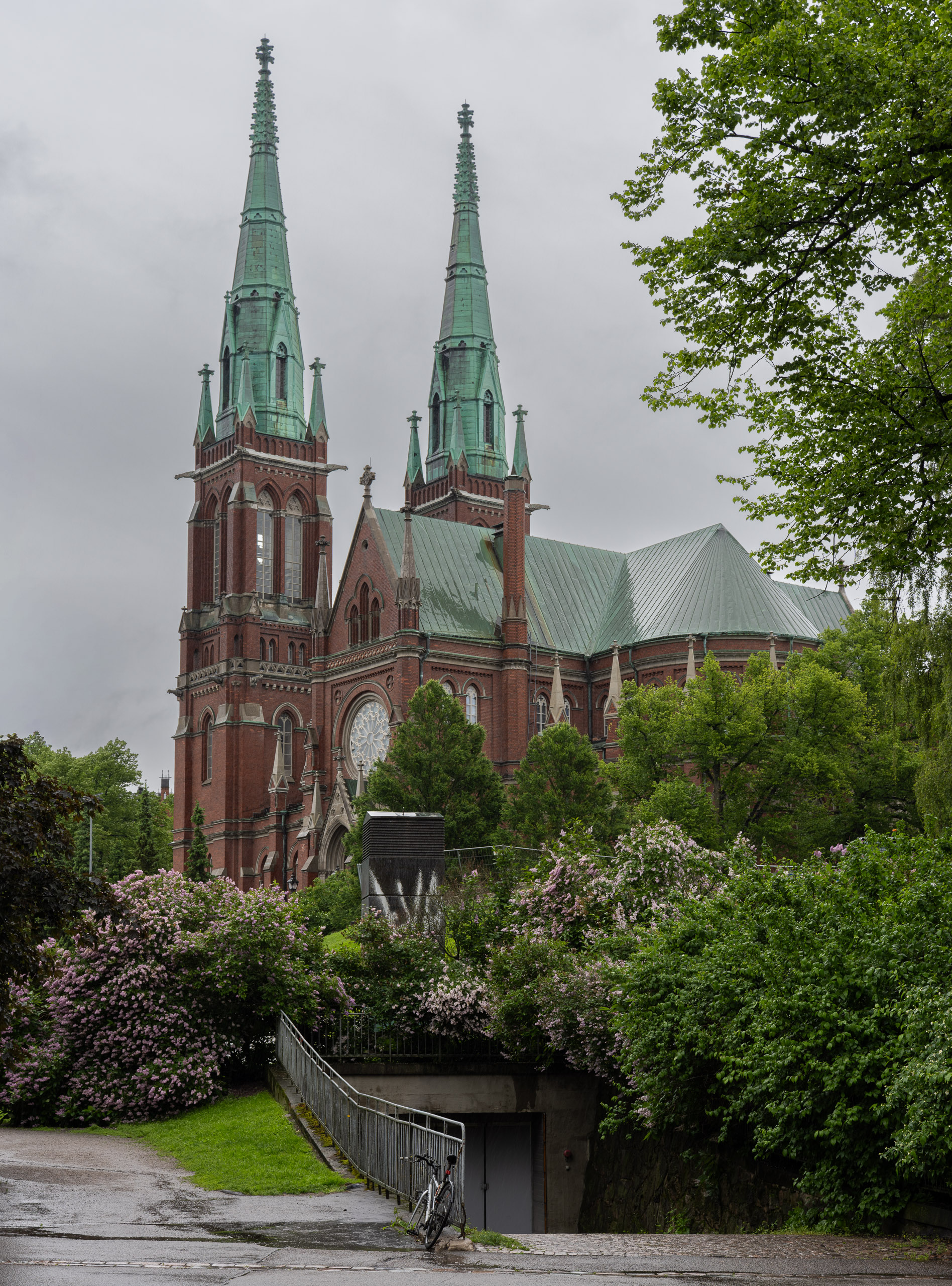
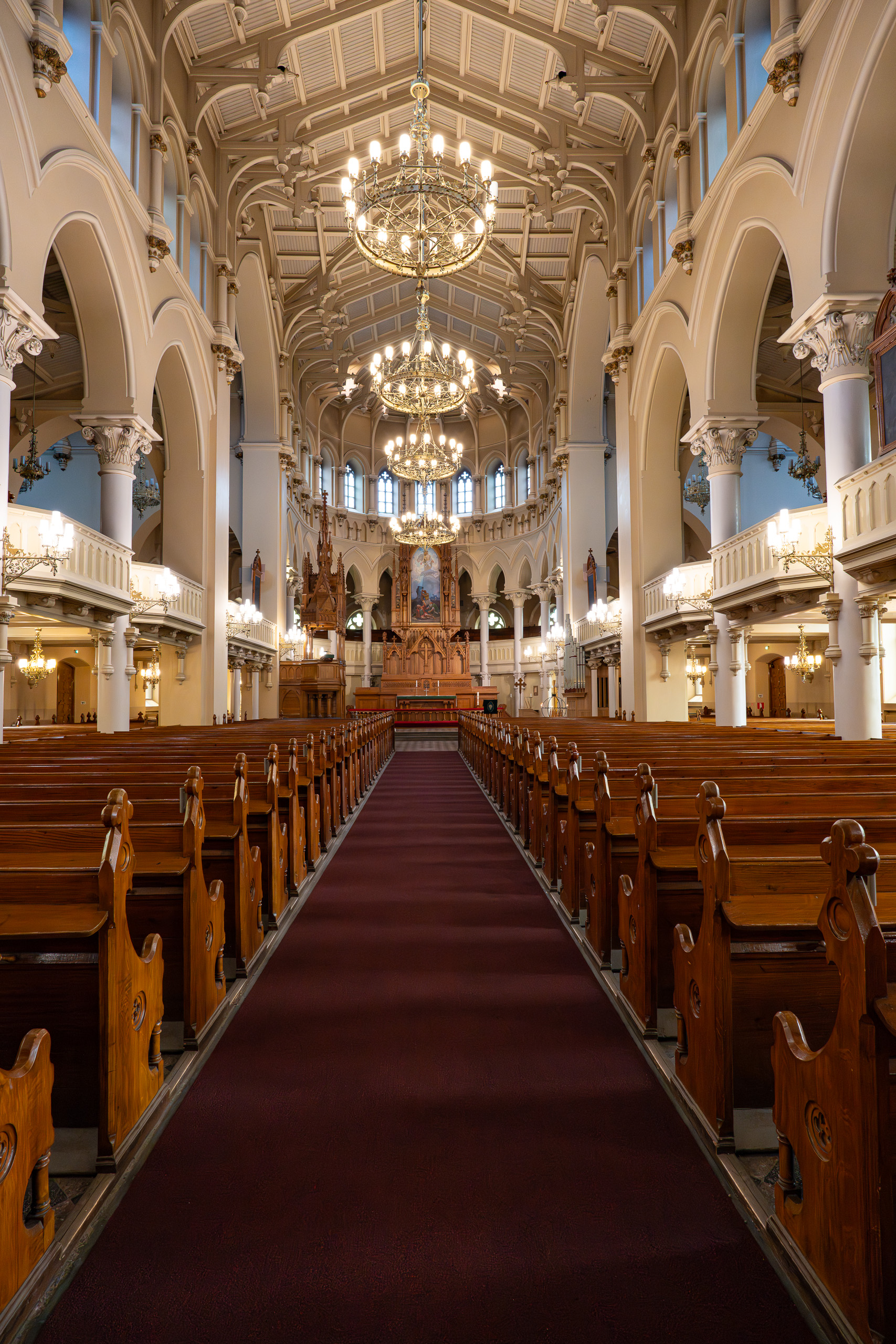
St. John’s Church is a twin-spired Lutheran house of worship designed by Swedish architect Adolf Melander and completed in 1891; it stands as Finland’s largest stone church by seating capacity. The building is a prime example of Neo-Gothic architecture, featuring red brickwork, decorative rose windows, and high pointed arches. Inside, the massive wooden pews can accommodate up to 2,600 people, and its exceptional acoustics make it a prominent venue for large-scale concerts.
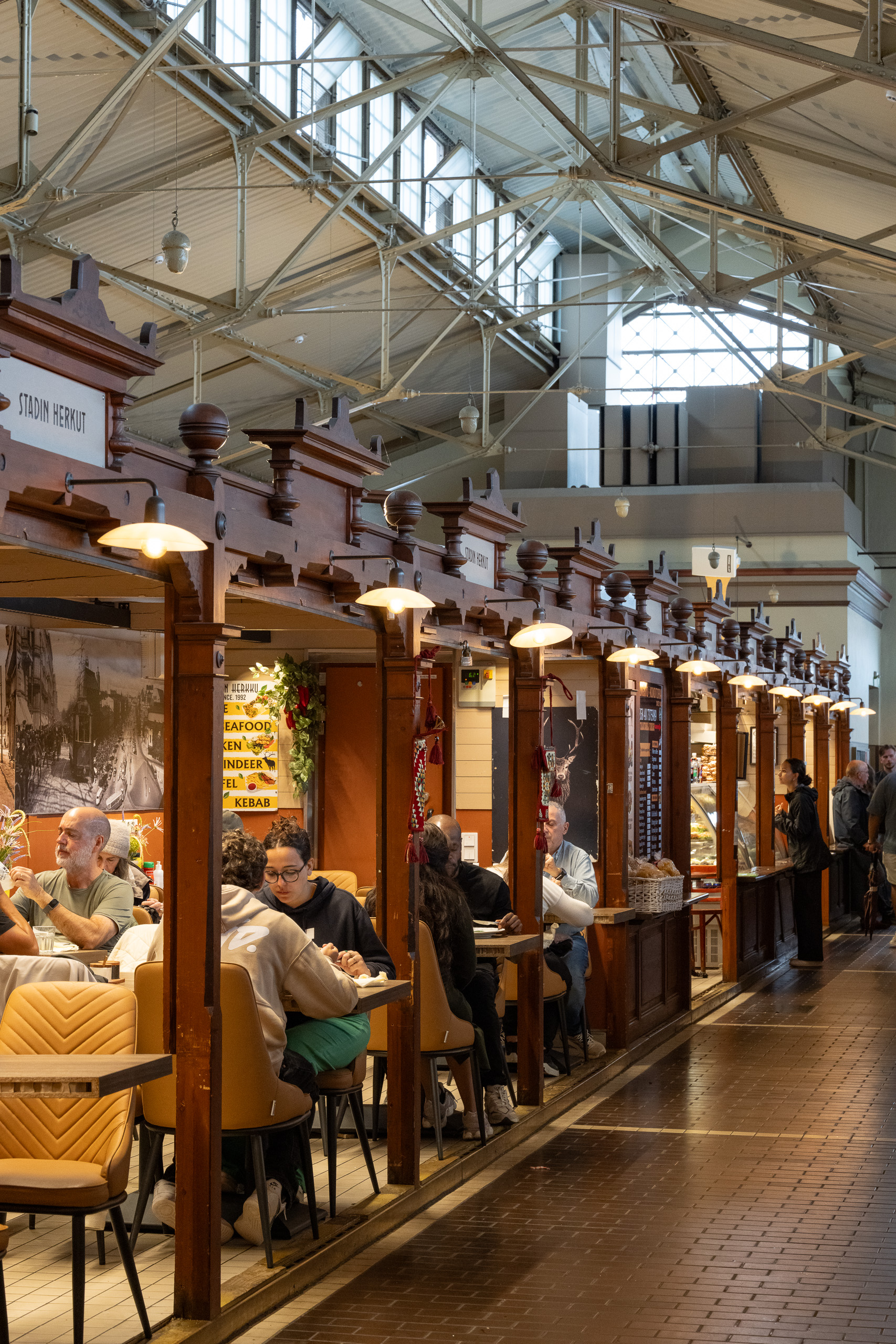
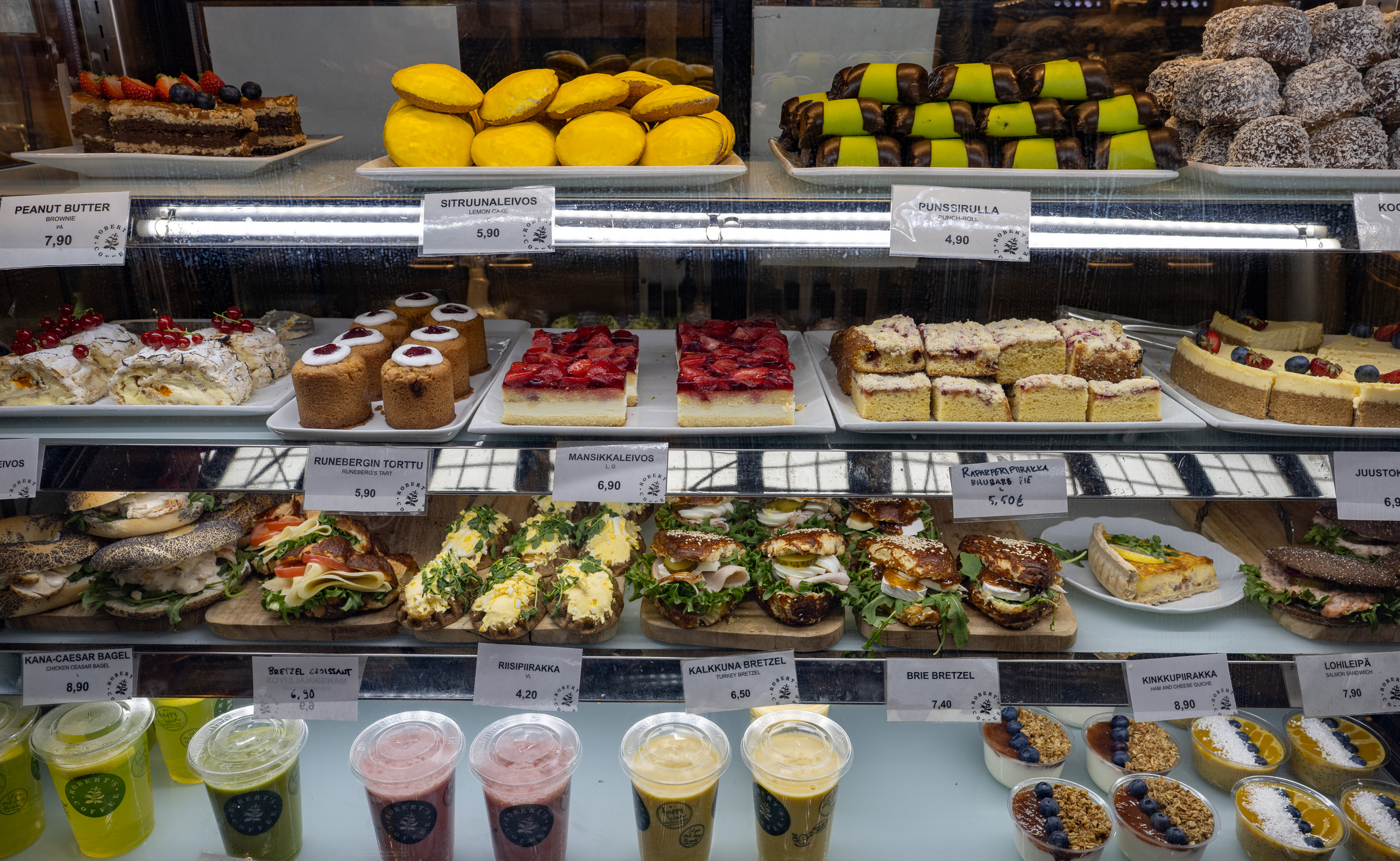
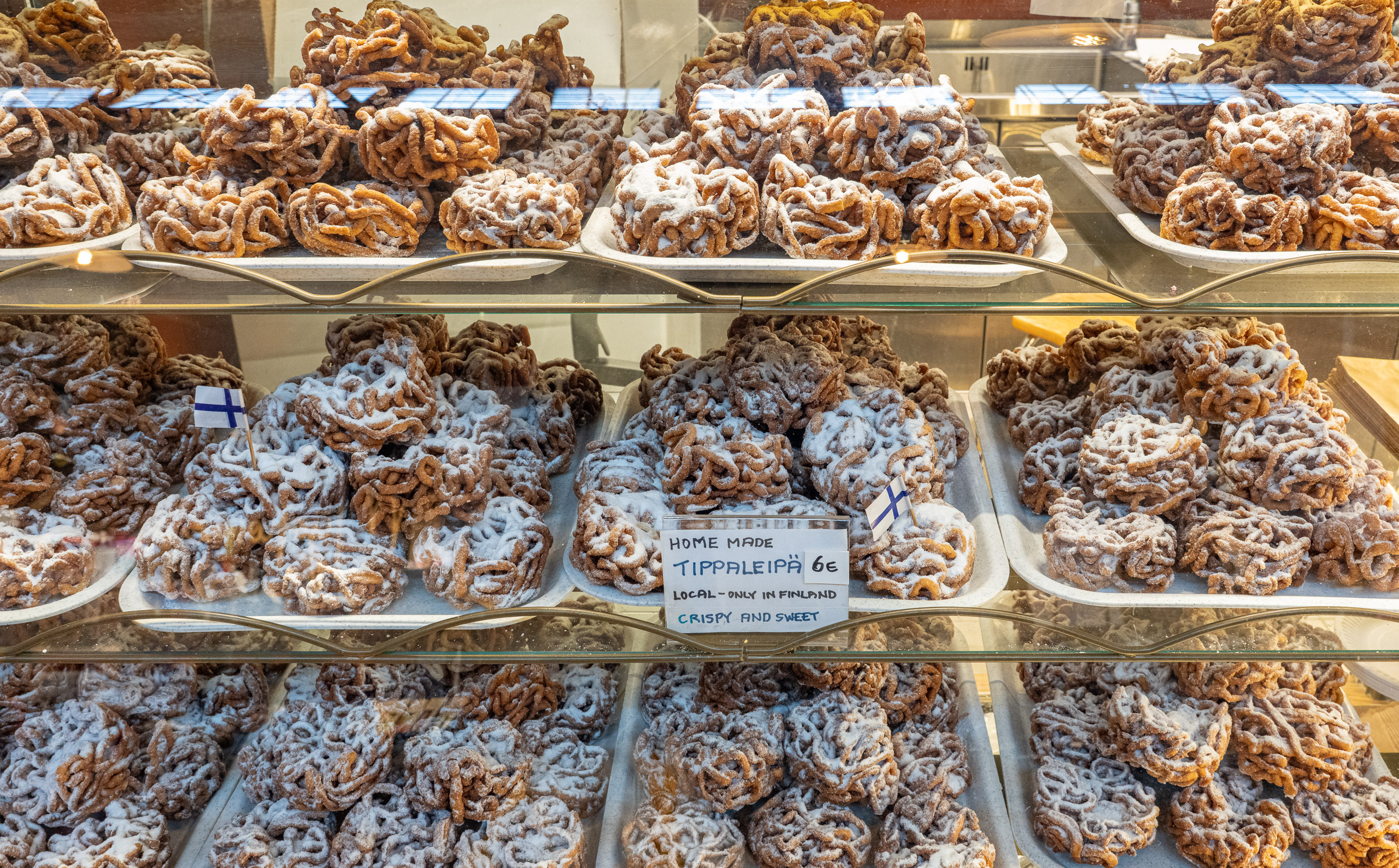
My final stop for the day was the Old Market Hall (Vanha kauppahalli), located along the waterfront. It is Finland’s oldest covered market shopping venue. Designed by architect Gustaf Nyström and opened in 1889, the red-brick and white-plastered building was originally constructed to improve local food hygiene and bring order to chaotic open-air market trading. Inside, two long aisles are lined with charming wooden stalls where vendors sell traditional Finnish delicacies, including fresh salmon, Nordic cheeses, pastries, and reindeer meat. The historic culinary hub also features cozy cafés and bistros, making it a highly popular gathering spot for both locals and international tourists.